

Your Medical Degree in Europe Starts Here
EU-recognised MD programmes in English. Eligible for USMLE, PLAB, FMGE & NExT (Deferred). Study at world-class universities in Czech Republic, Hungary, Slovakia & Latvia.


5000+ Students trust us
Europe
Destination
Sep/Oct
Intake
English
Language
6 Years
Duration
Introduction
About MBBS in Europe
Get all information about MBBS abroad
Read on to find out how you can fulfil your dream of studying for an MBBS abroad.
Top Destinations
Where We Place Students in Europe
Czech Republic

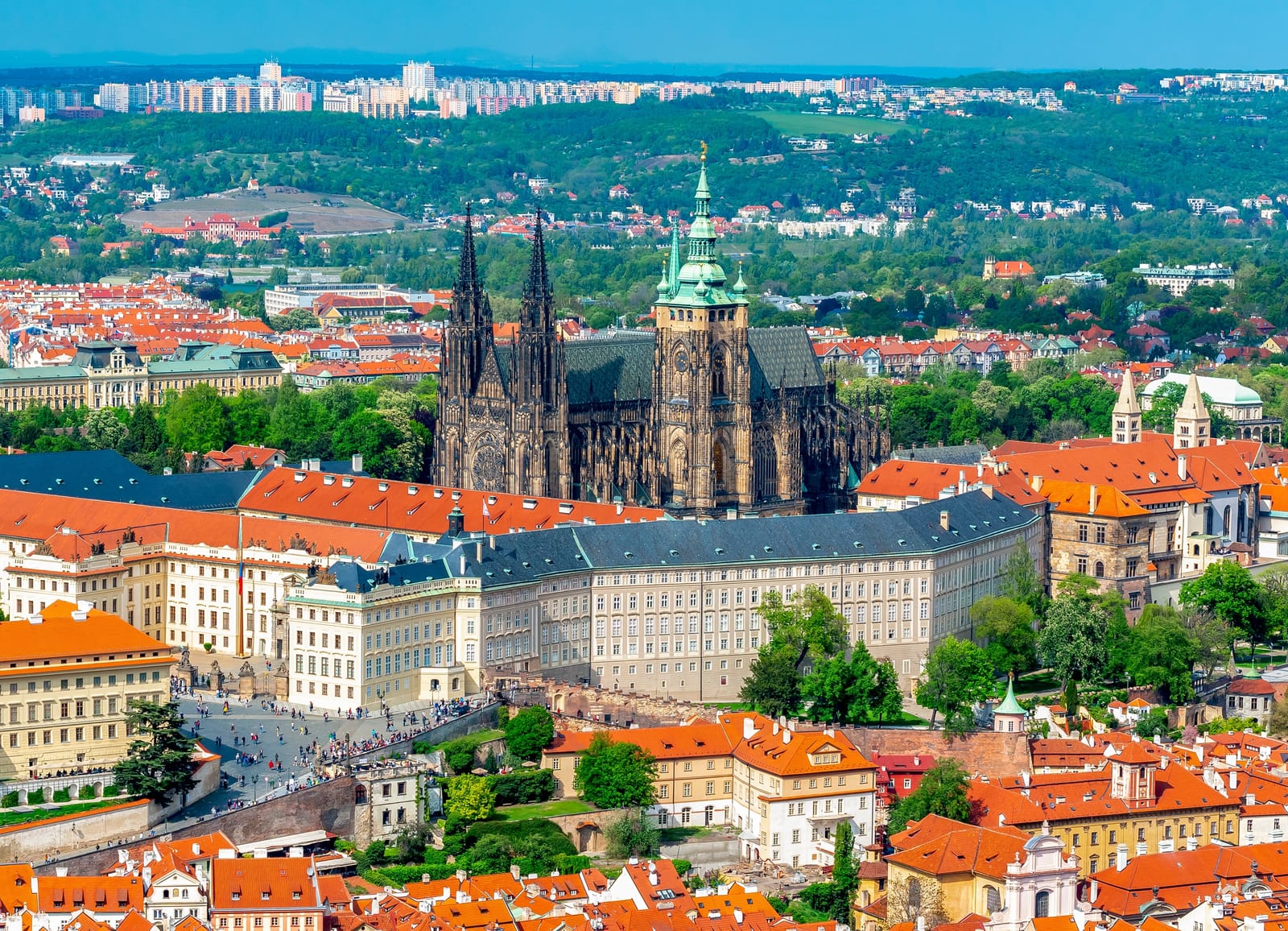
Prague skyline with the Charles Bridge
Top Rated Universities in Czech Republic



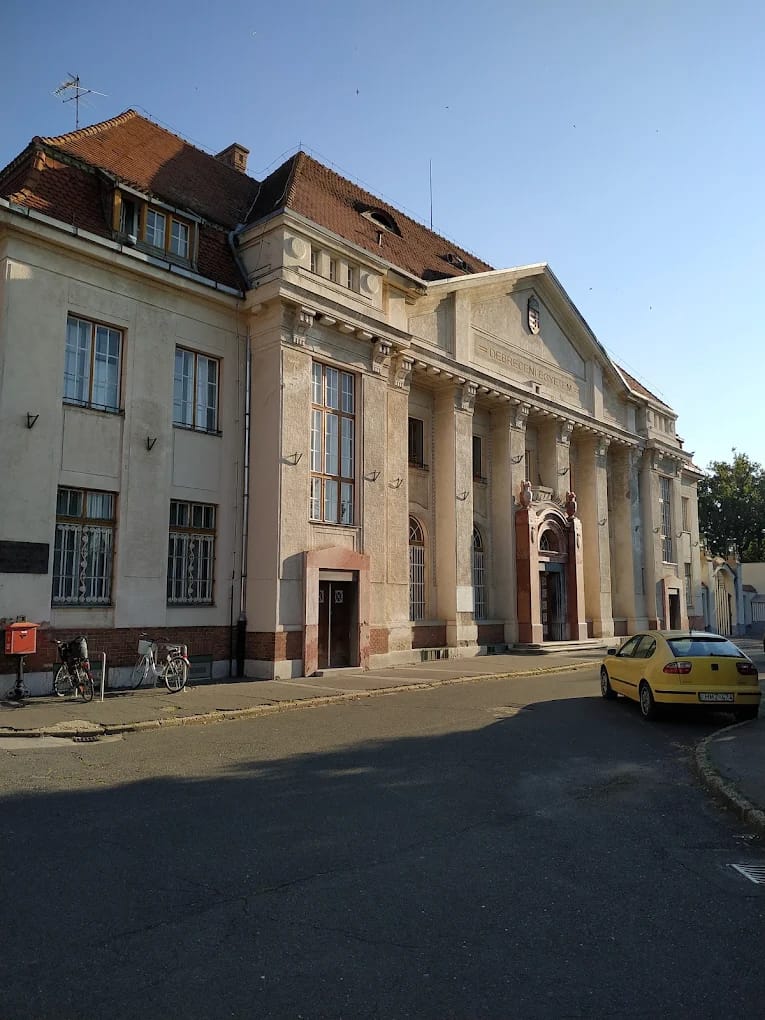
Hungary

Hungarian Parliament and the Chain Bridge over the Danube at dusk
Top Rated Universities in Hungary



Slovakia

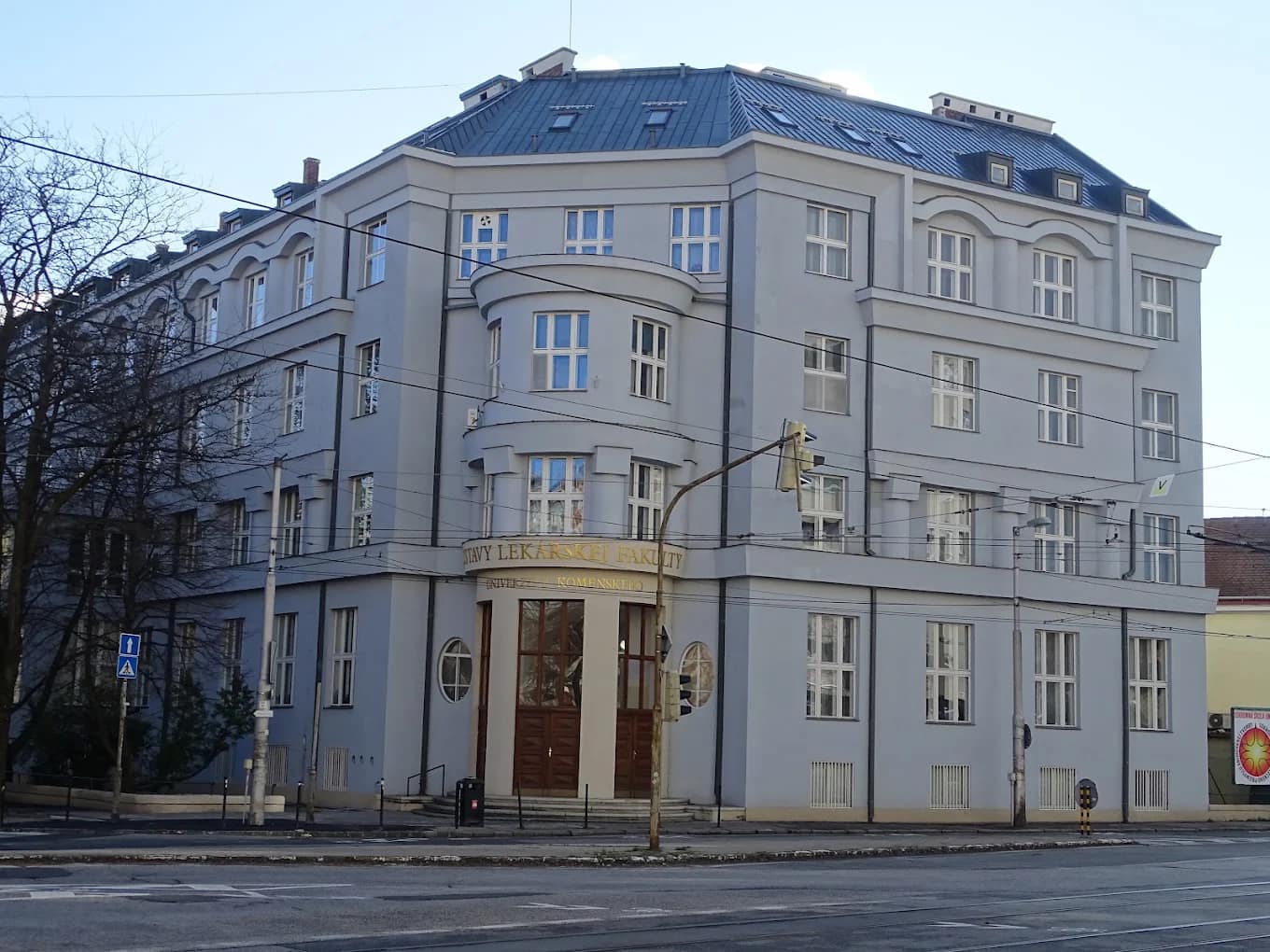
University faculty building in Bratislava
Top Rated Universities in Slovakia



Latvia
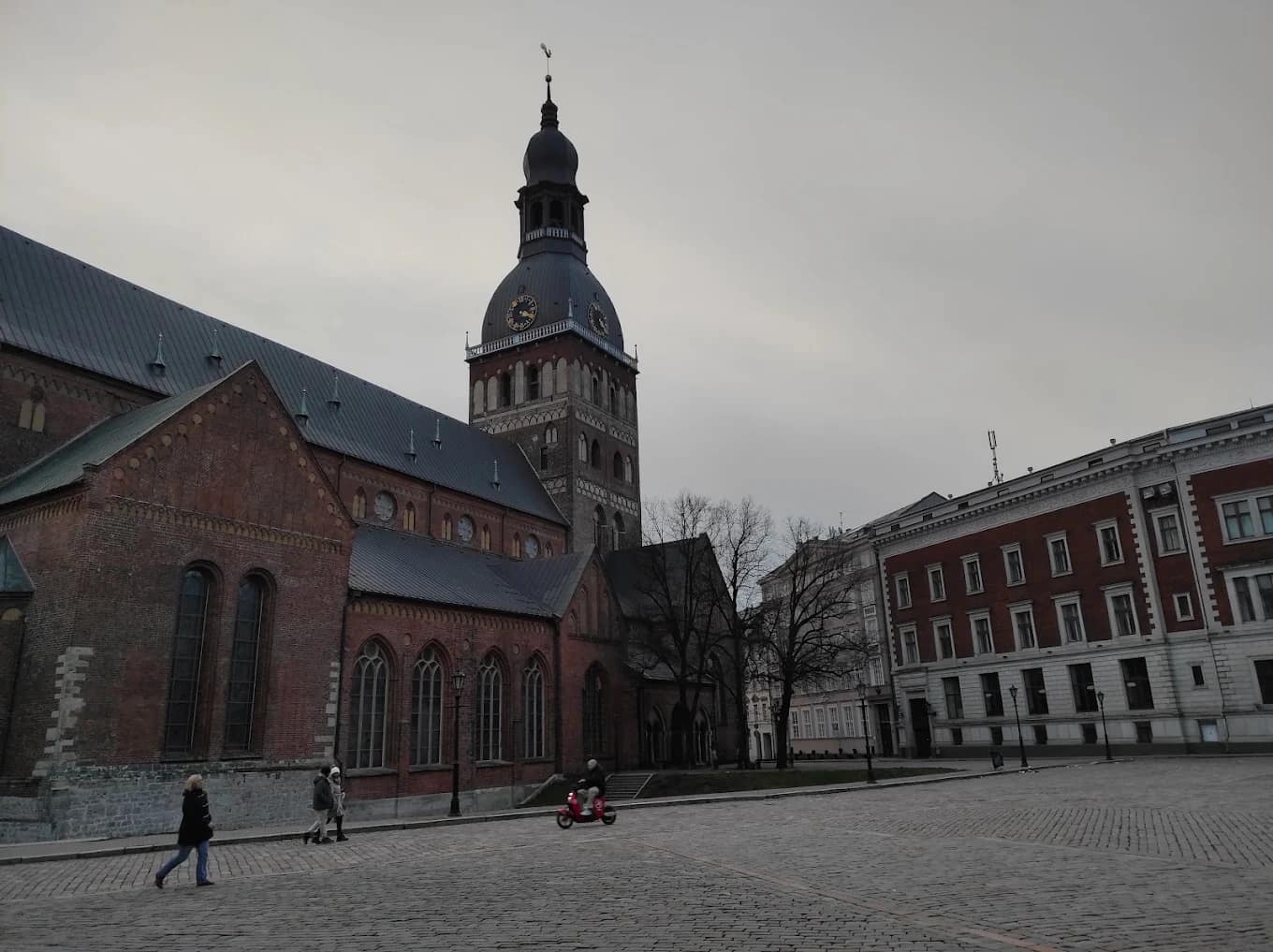
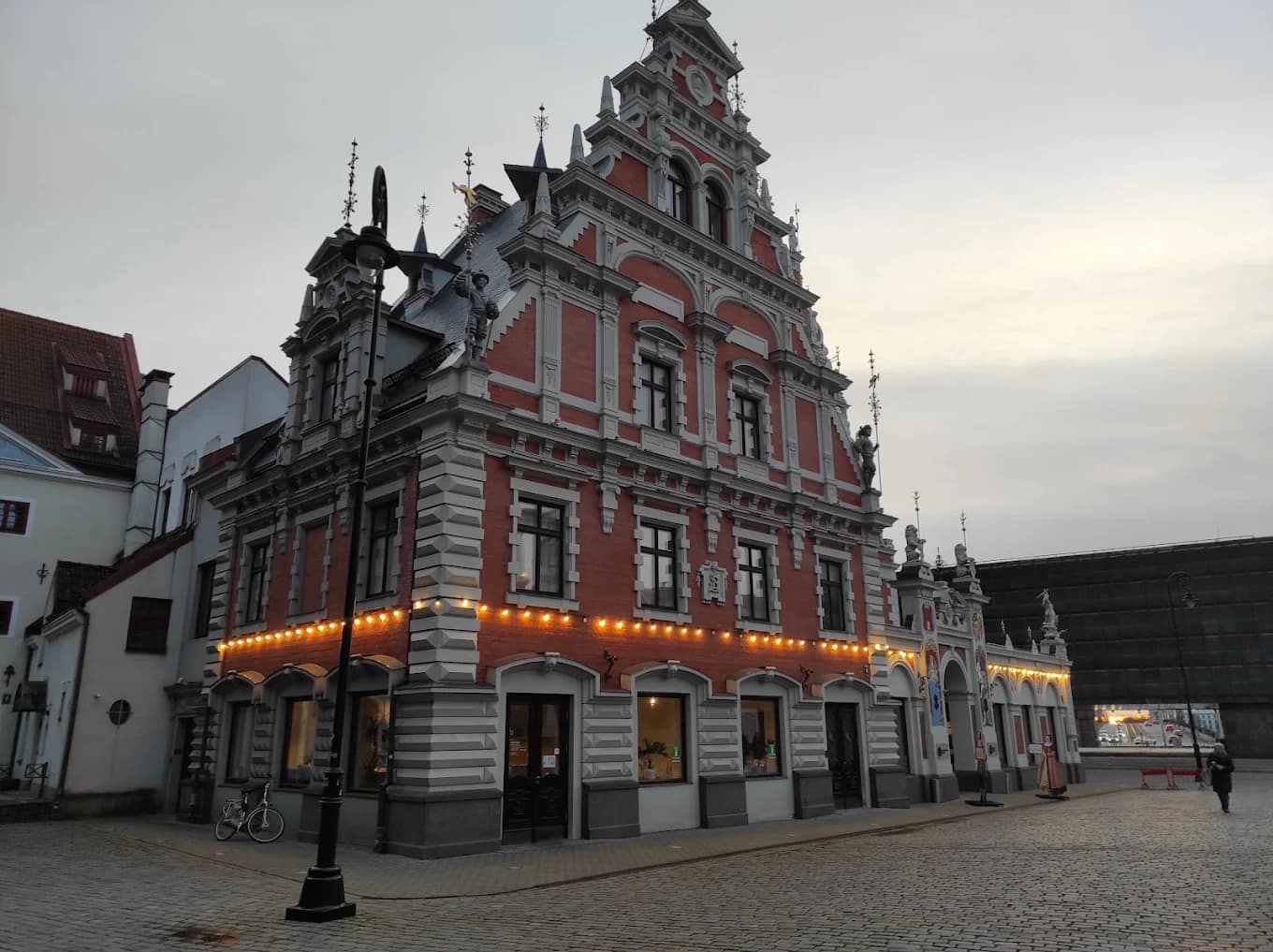
Riga Cathedral in the Old Town of Riga


Poland
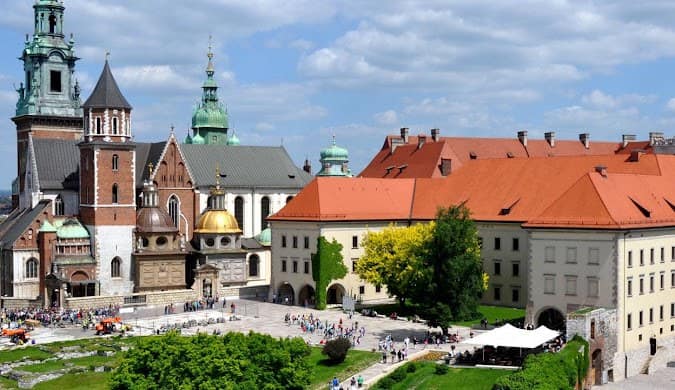
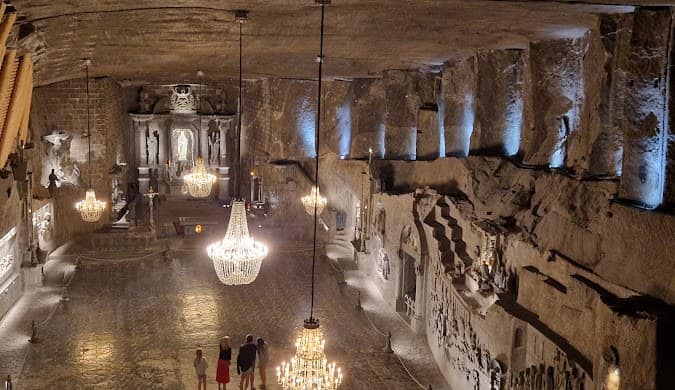
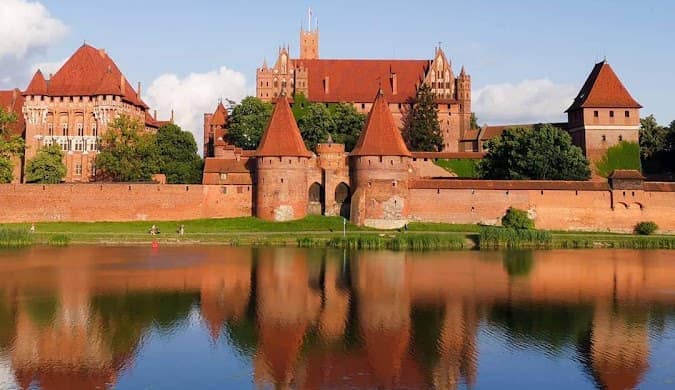
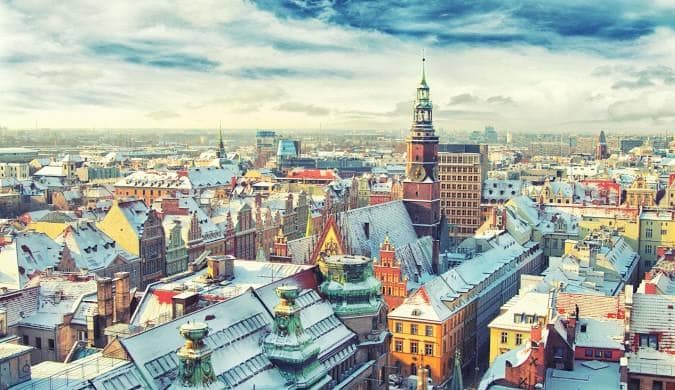
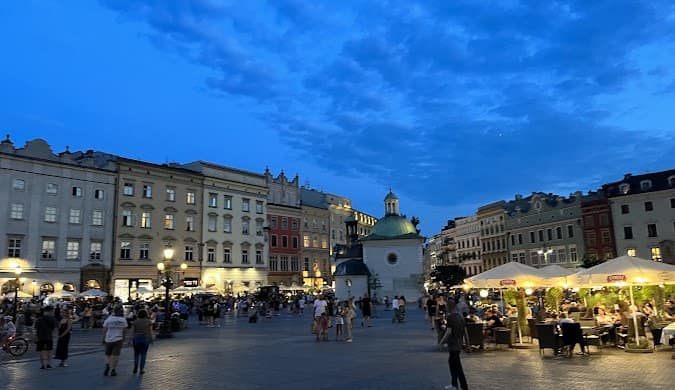
A Polish university campus
Top Rated Universities in Poland



Croatia
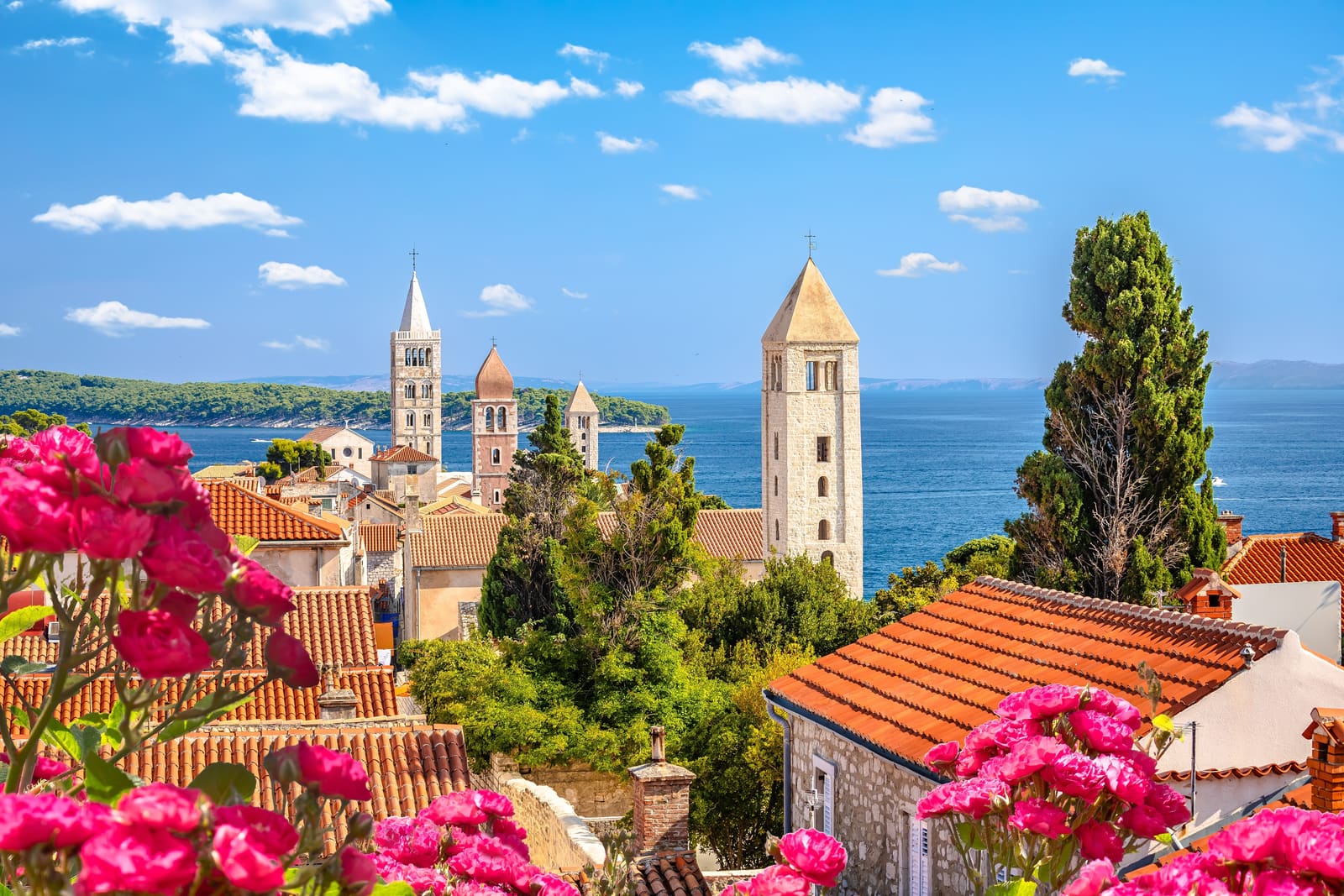
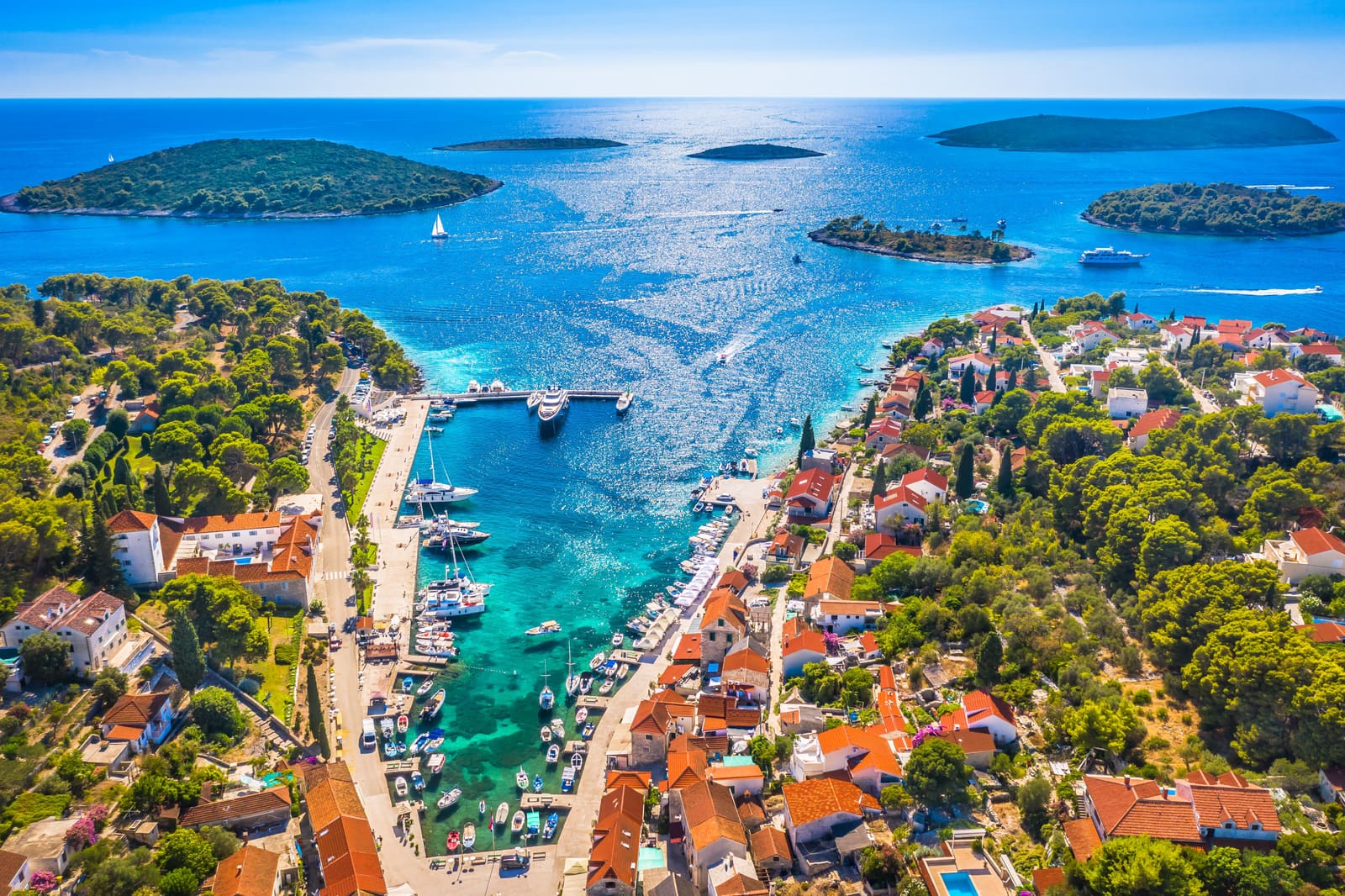
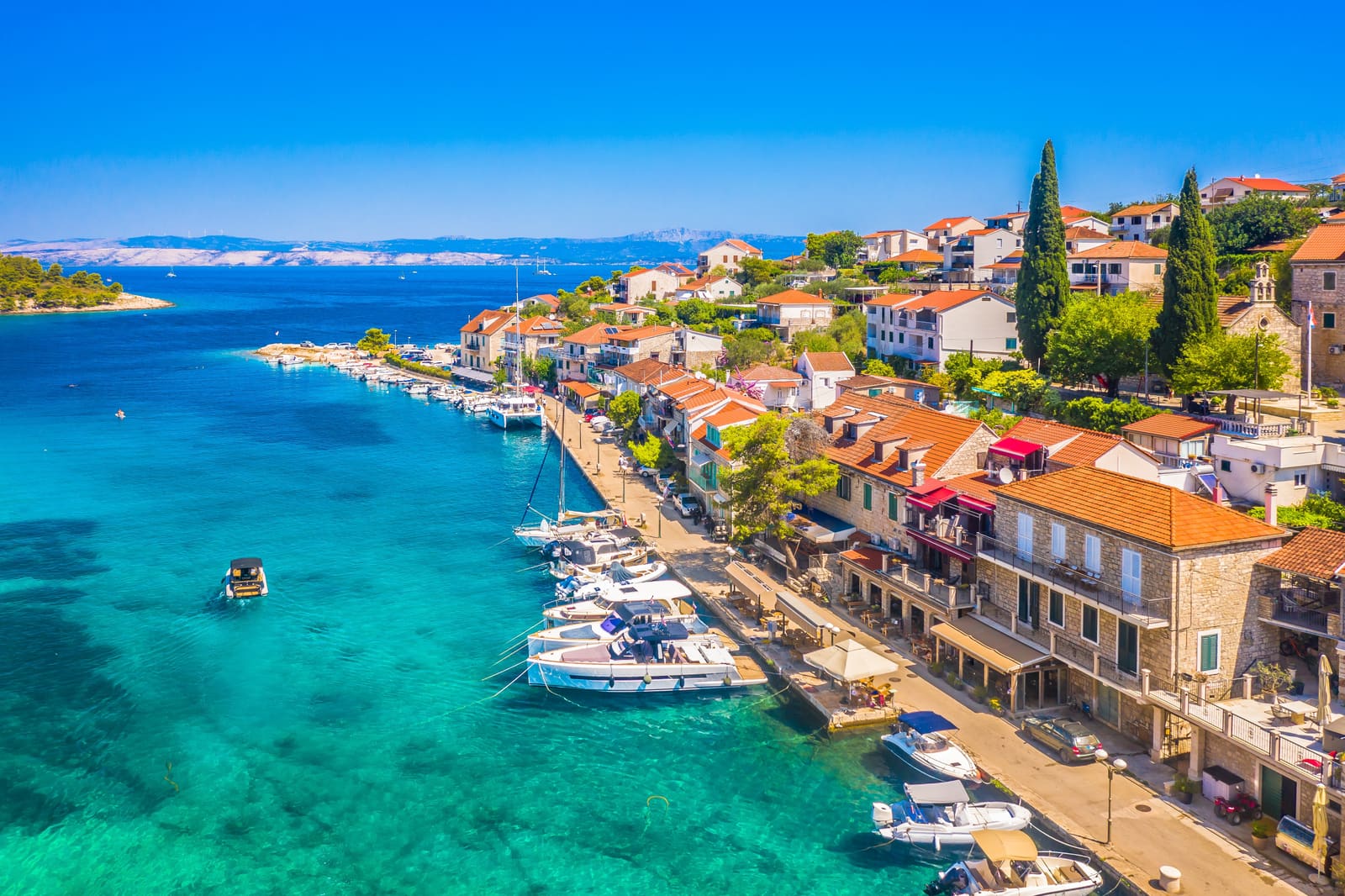


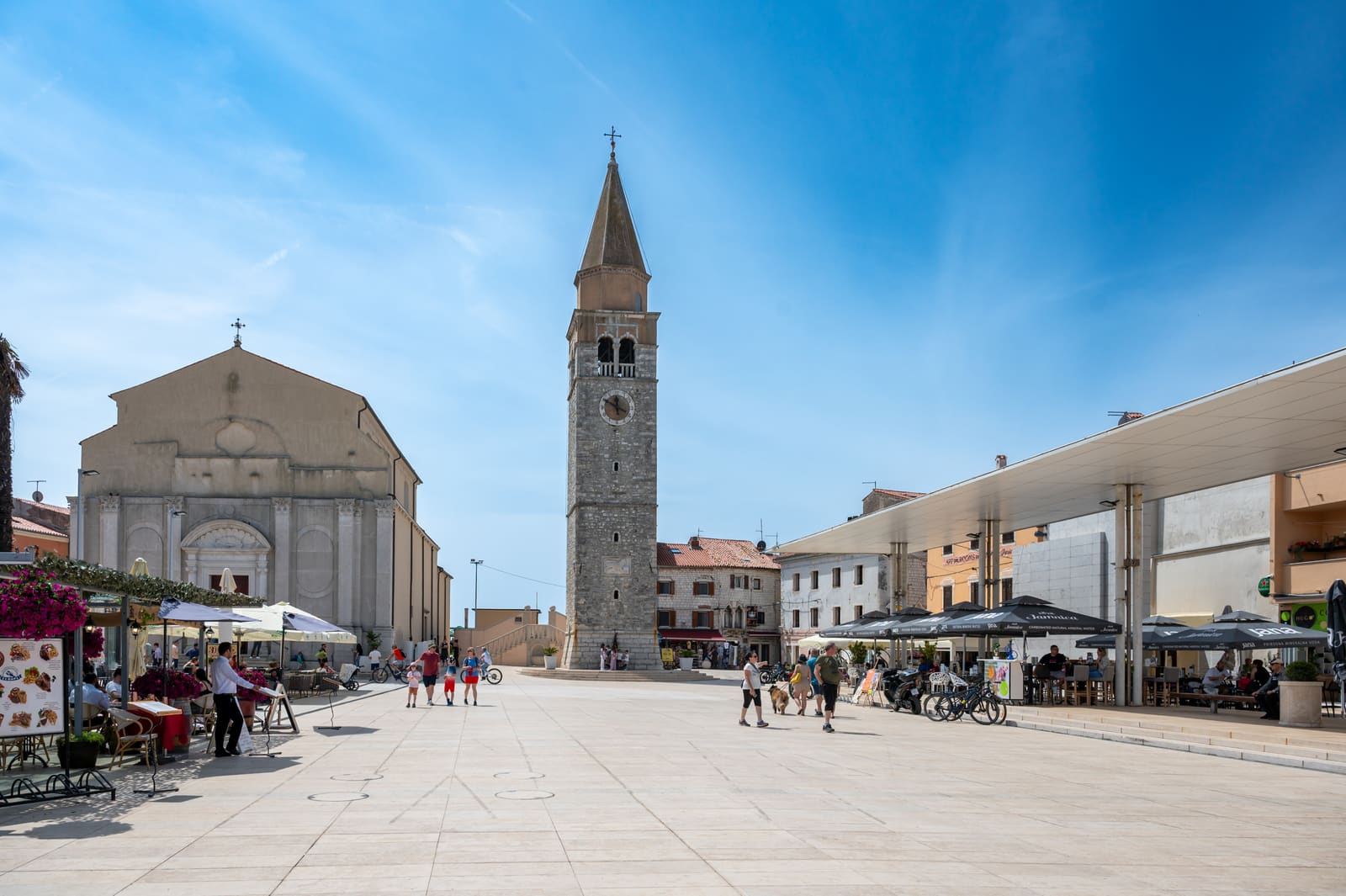
Bell towers of Rab old town above red rooftops and the Adriatic



Romania
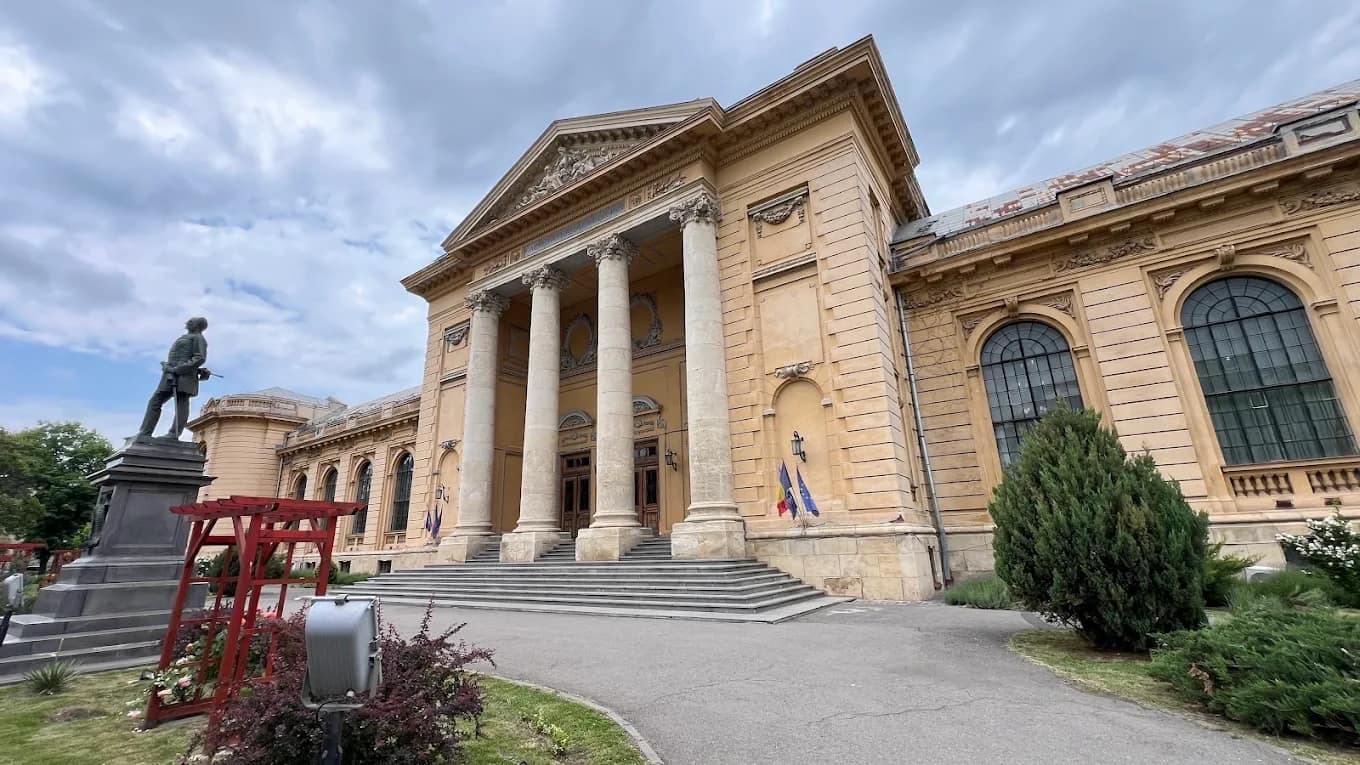
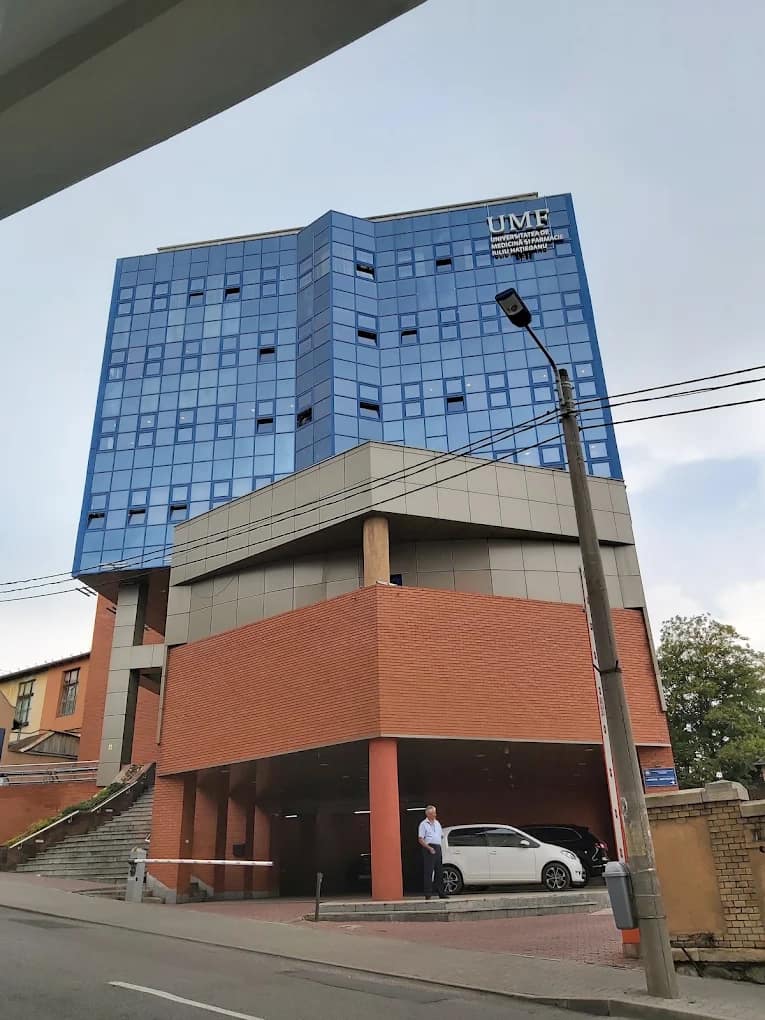
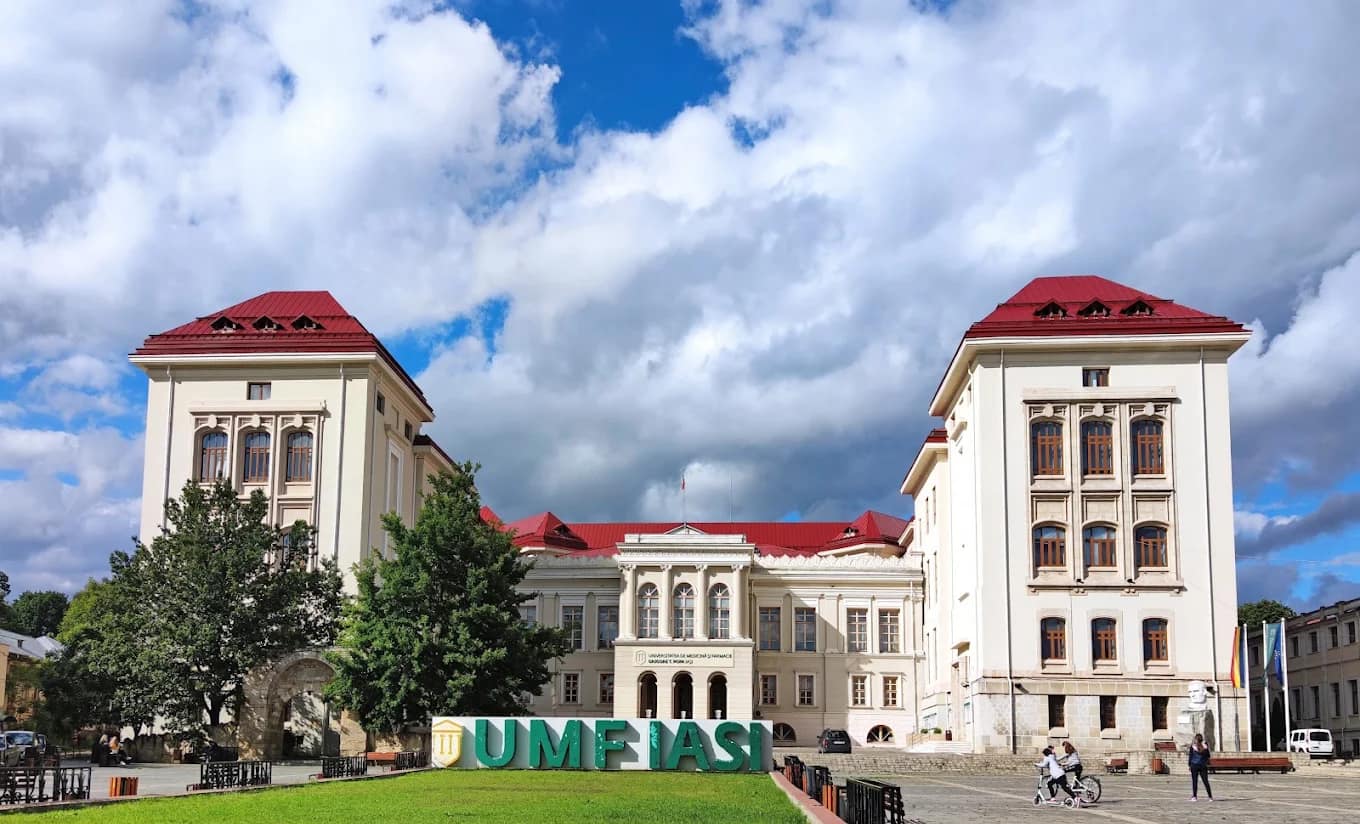
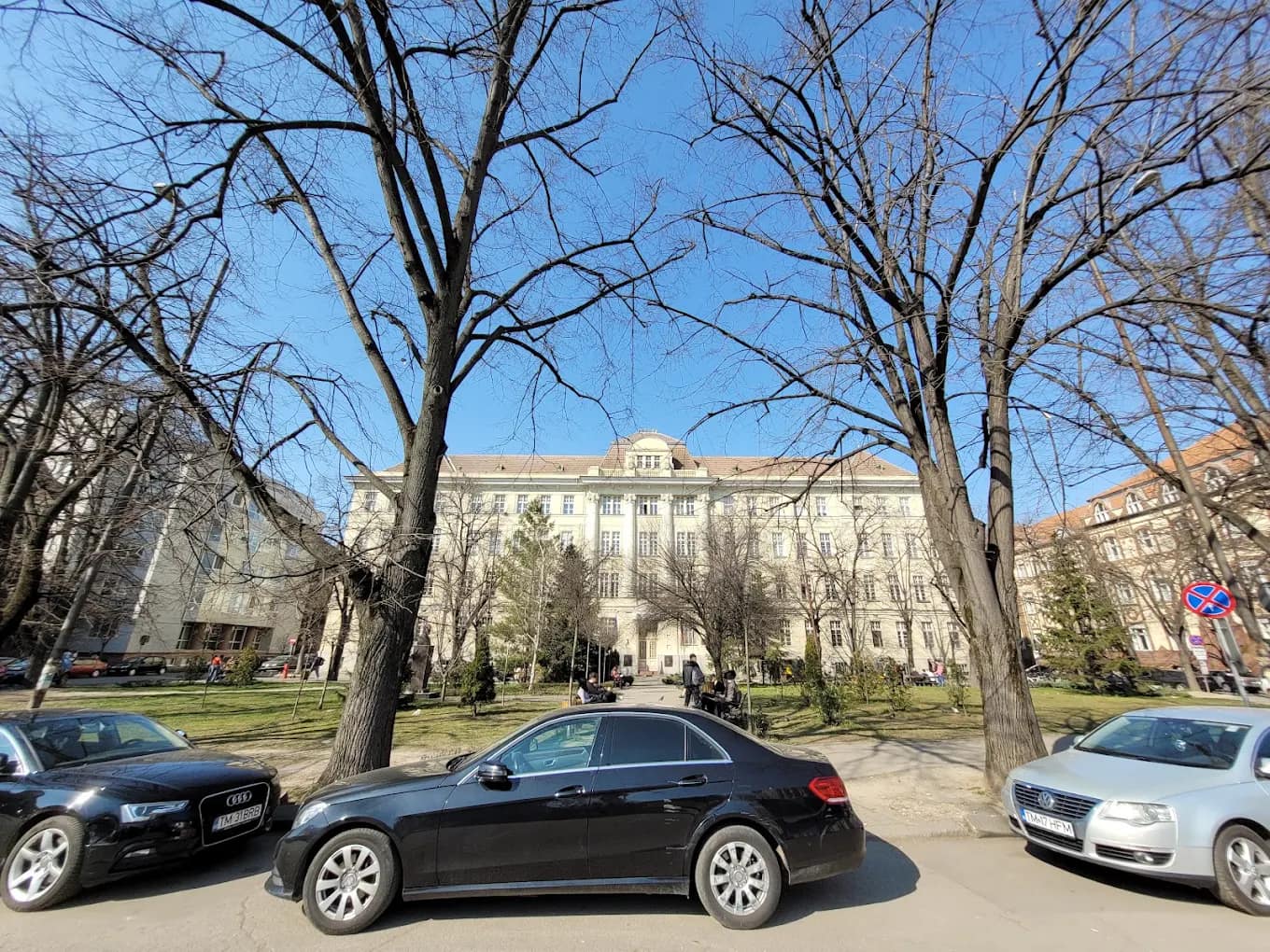
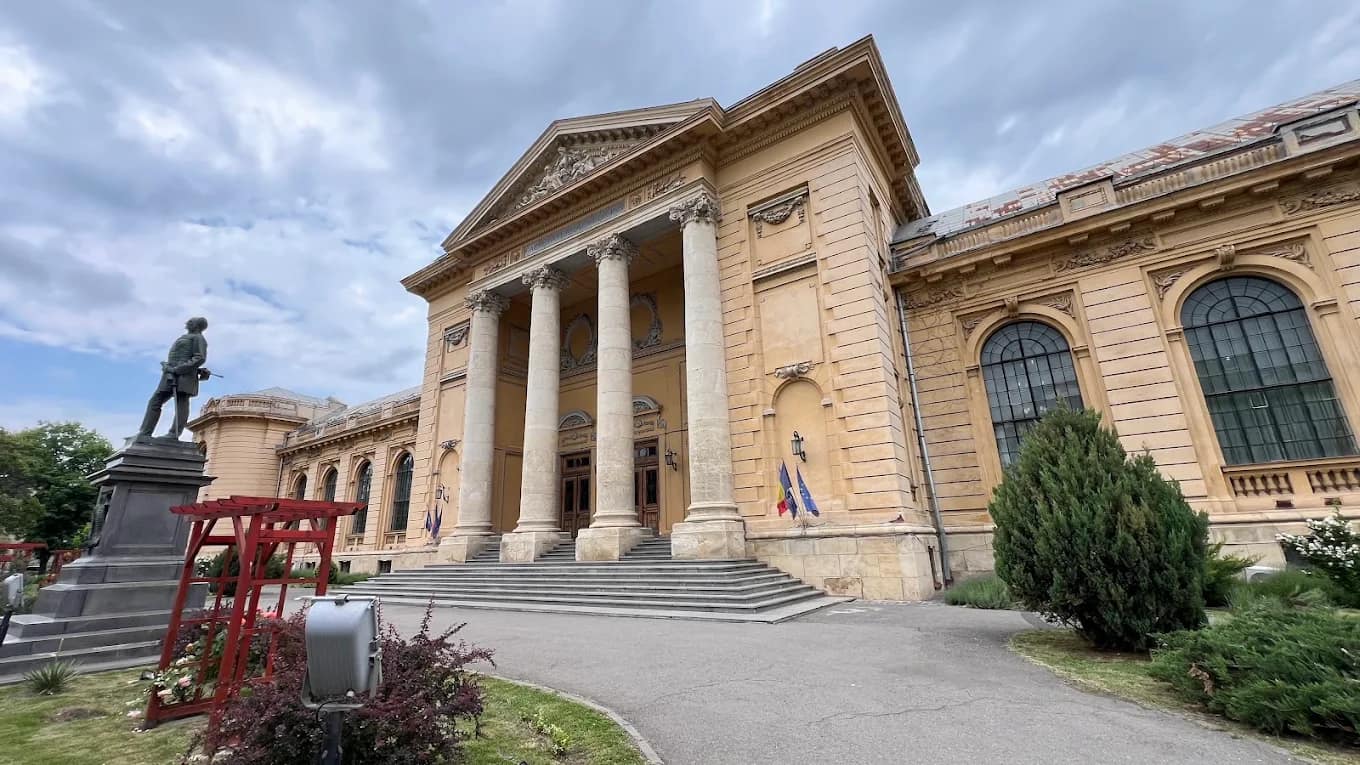
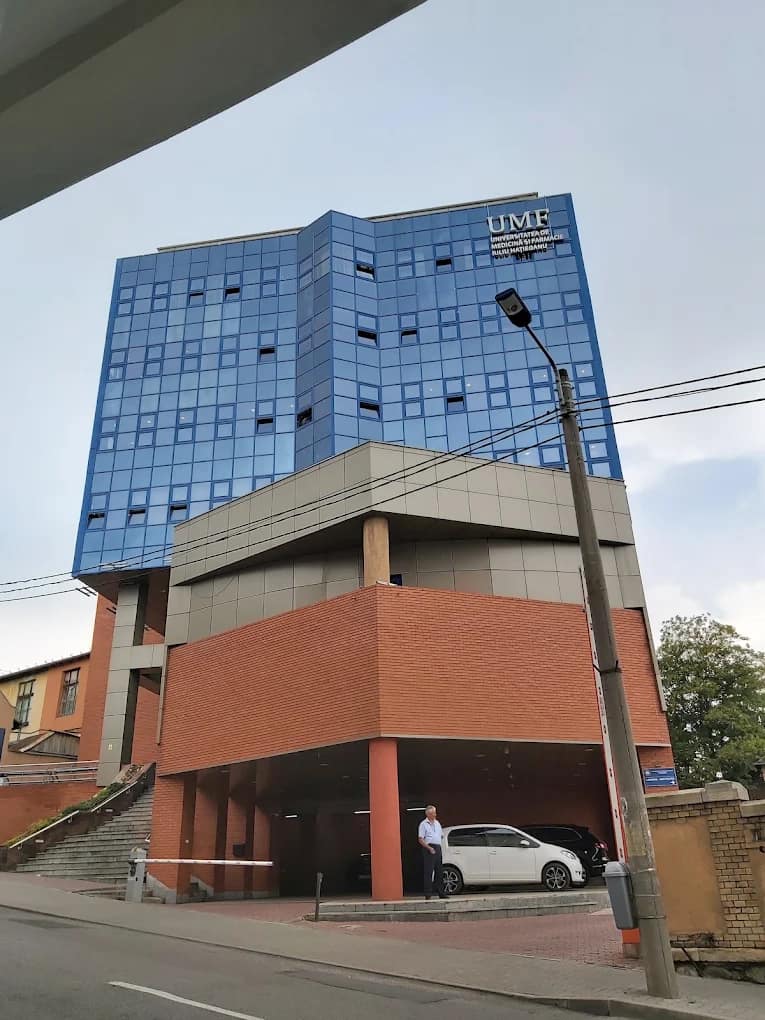
Romanian medical university building
Top Rated Universities in Romania



Cyprus
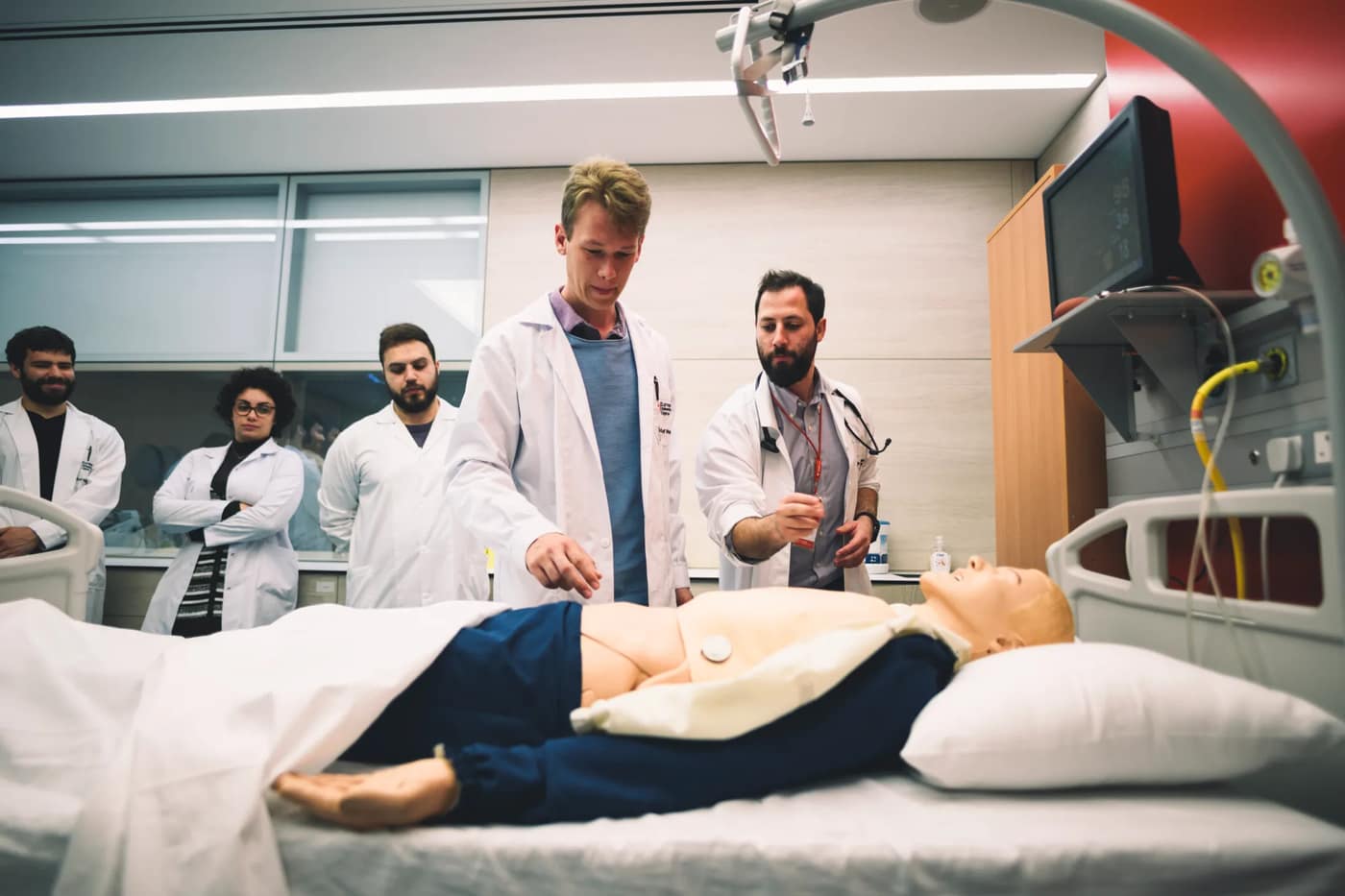
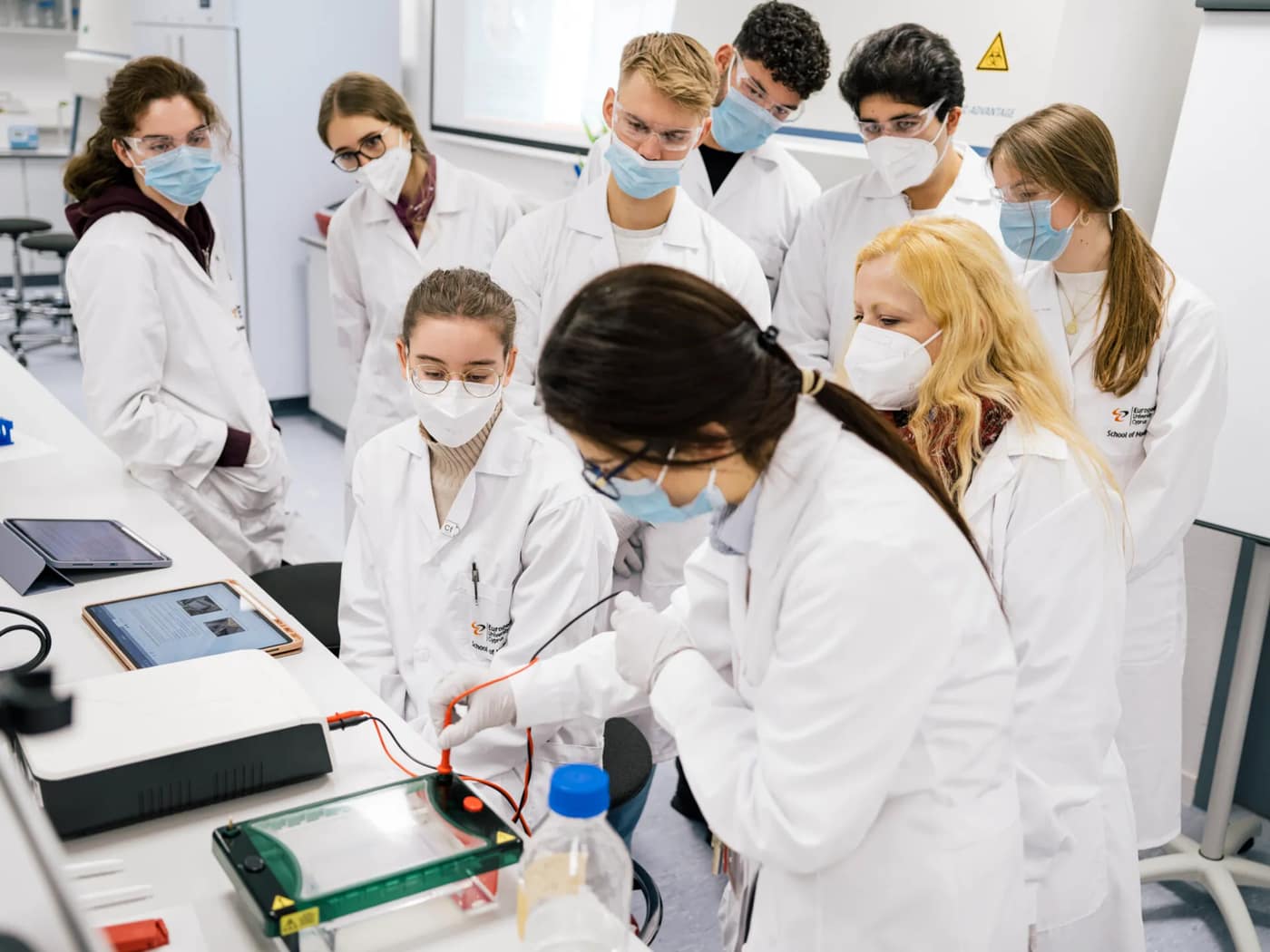
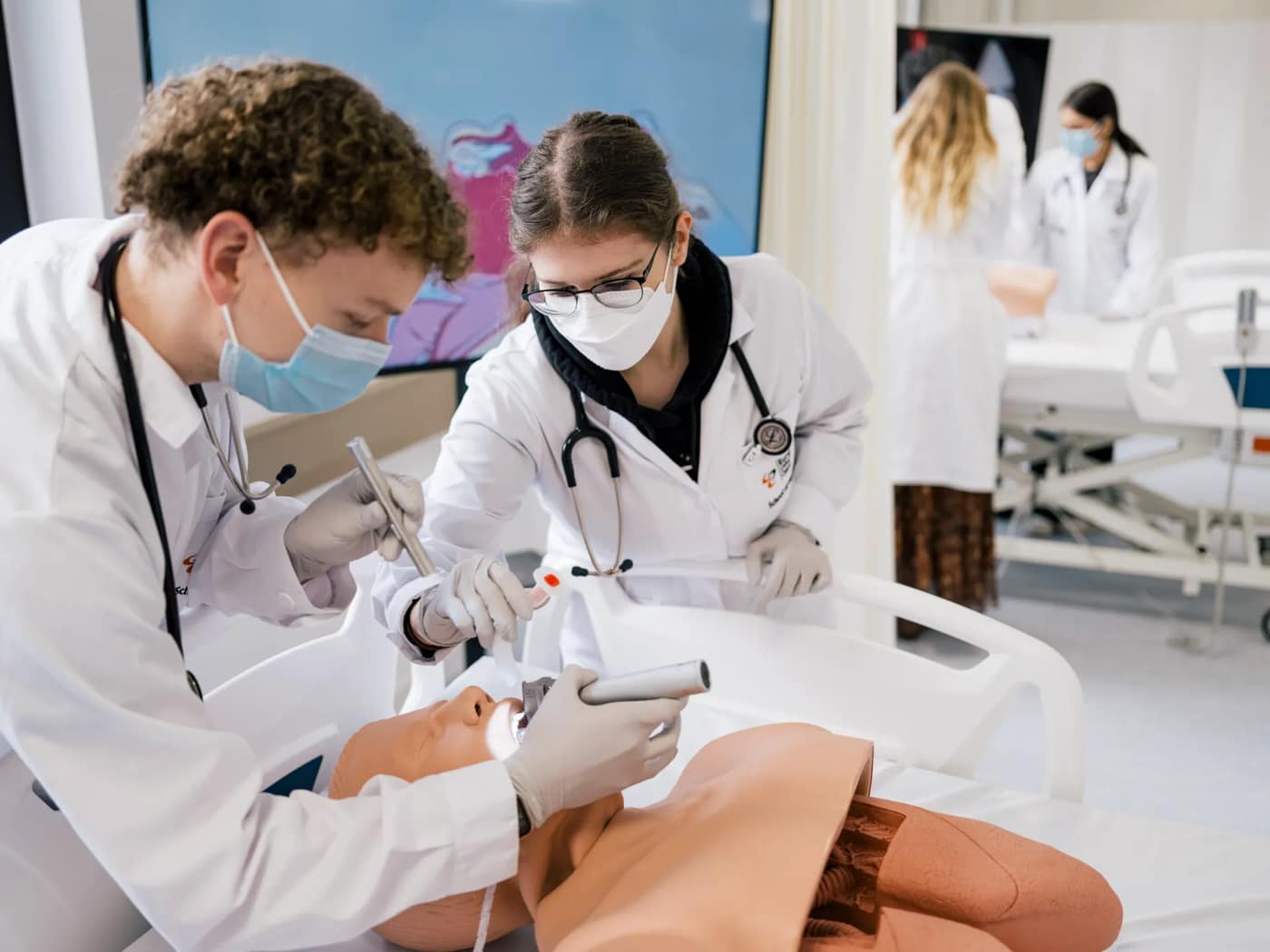
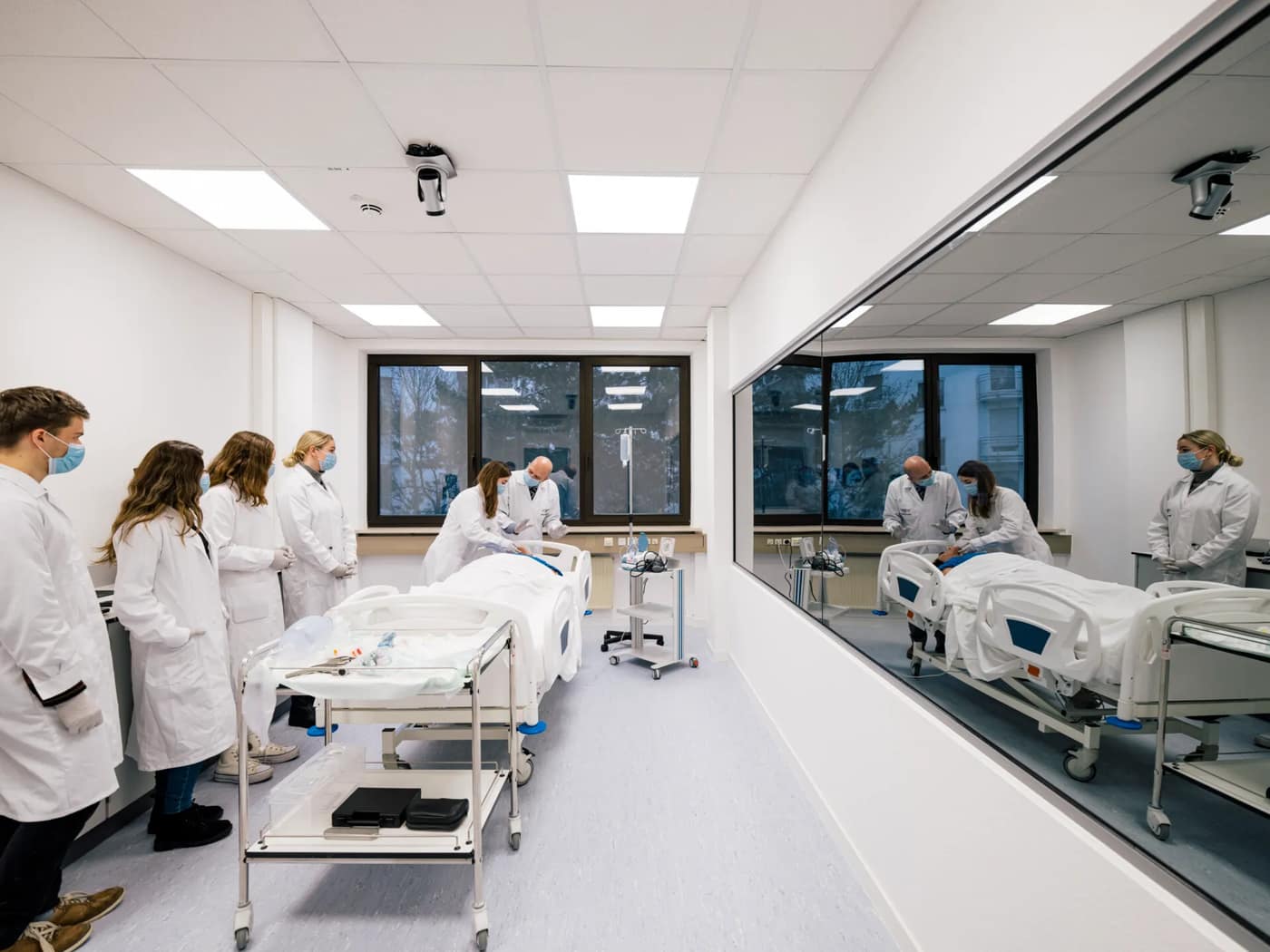
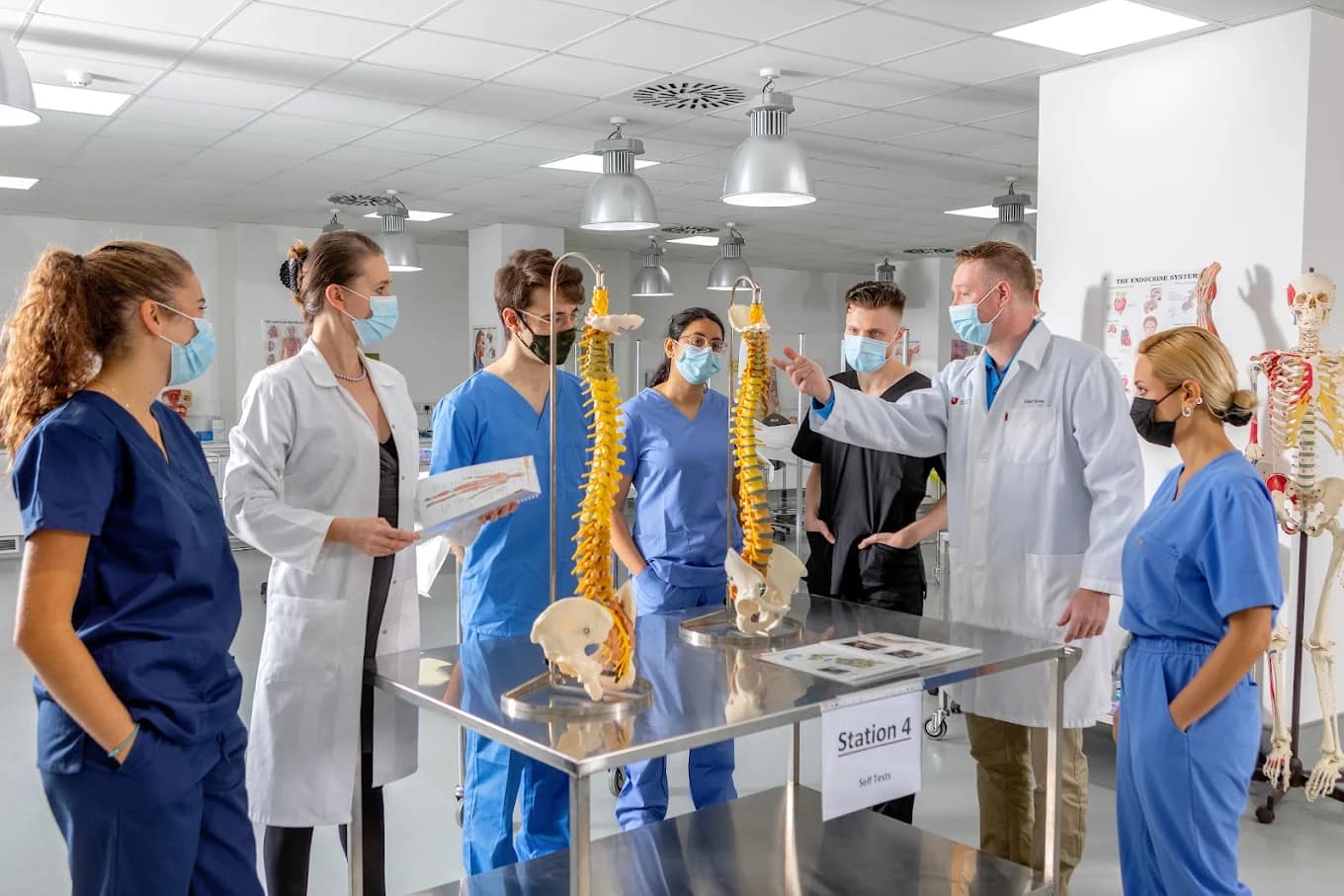
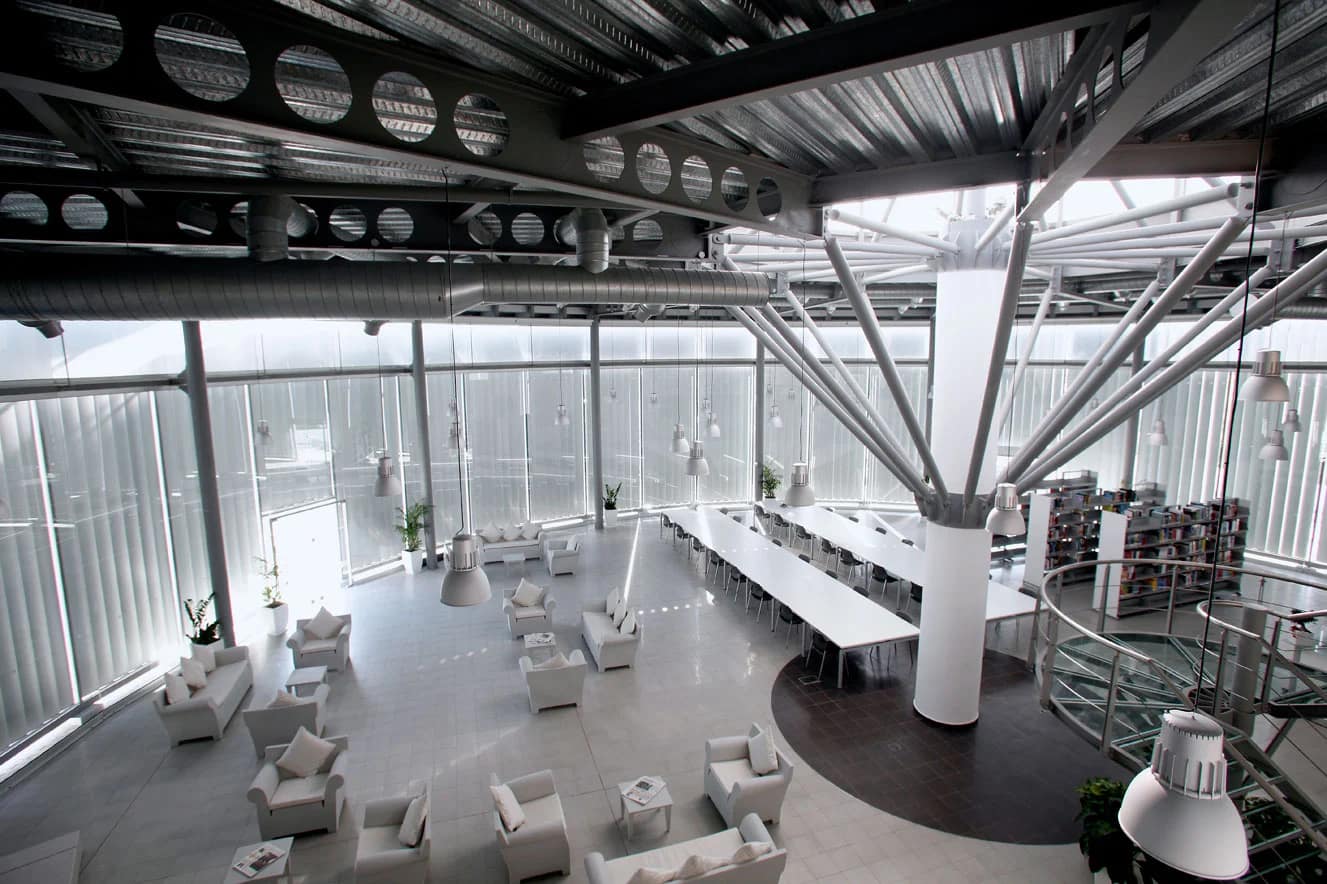
Clinical simulation training at a Cyprus medical school


Lithuania
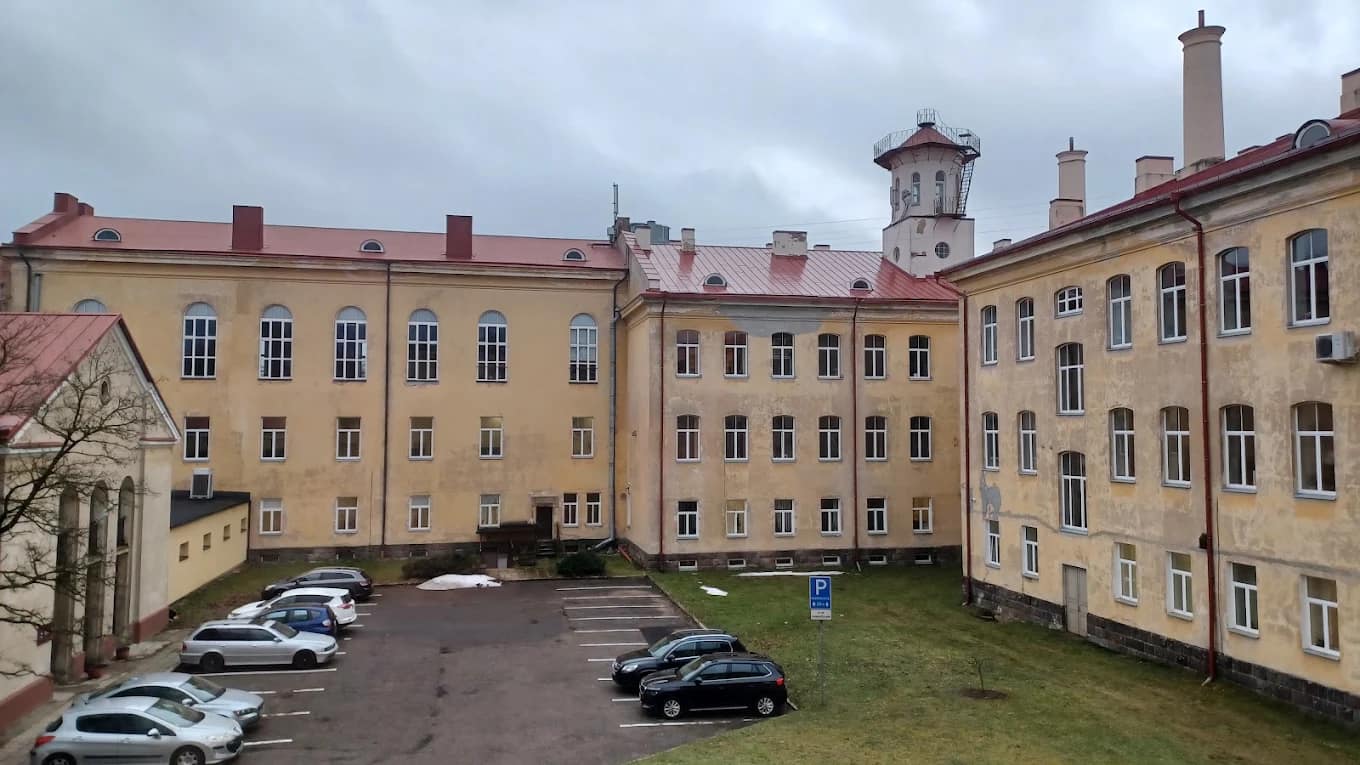
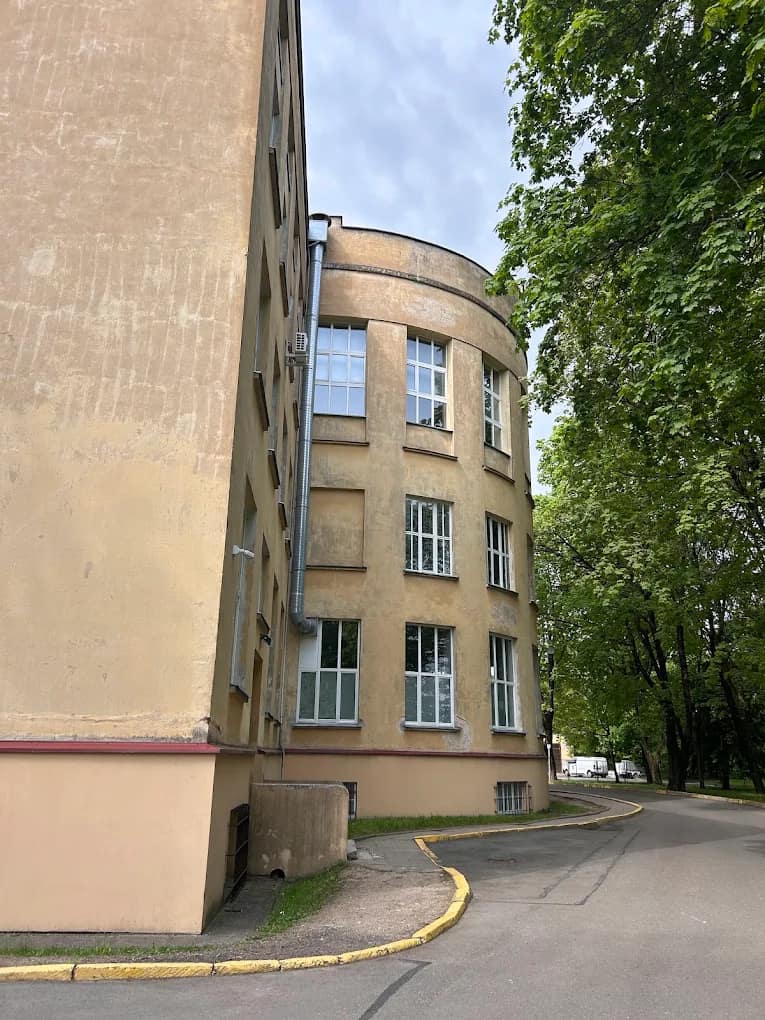
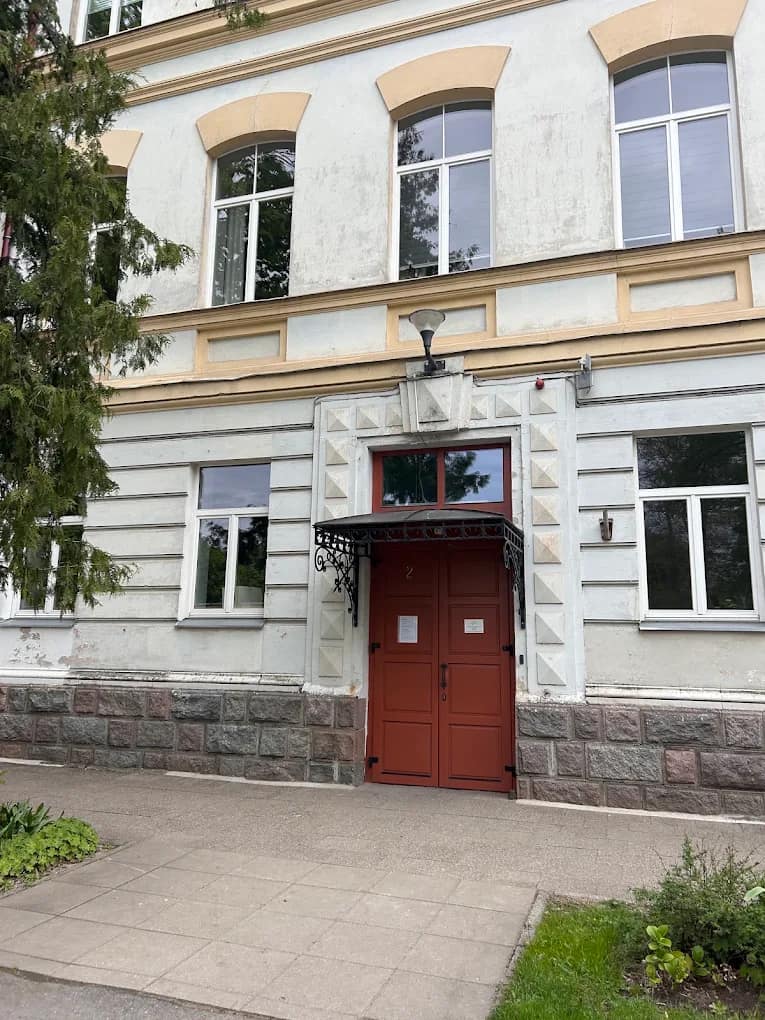
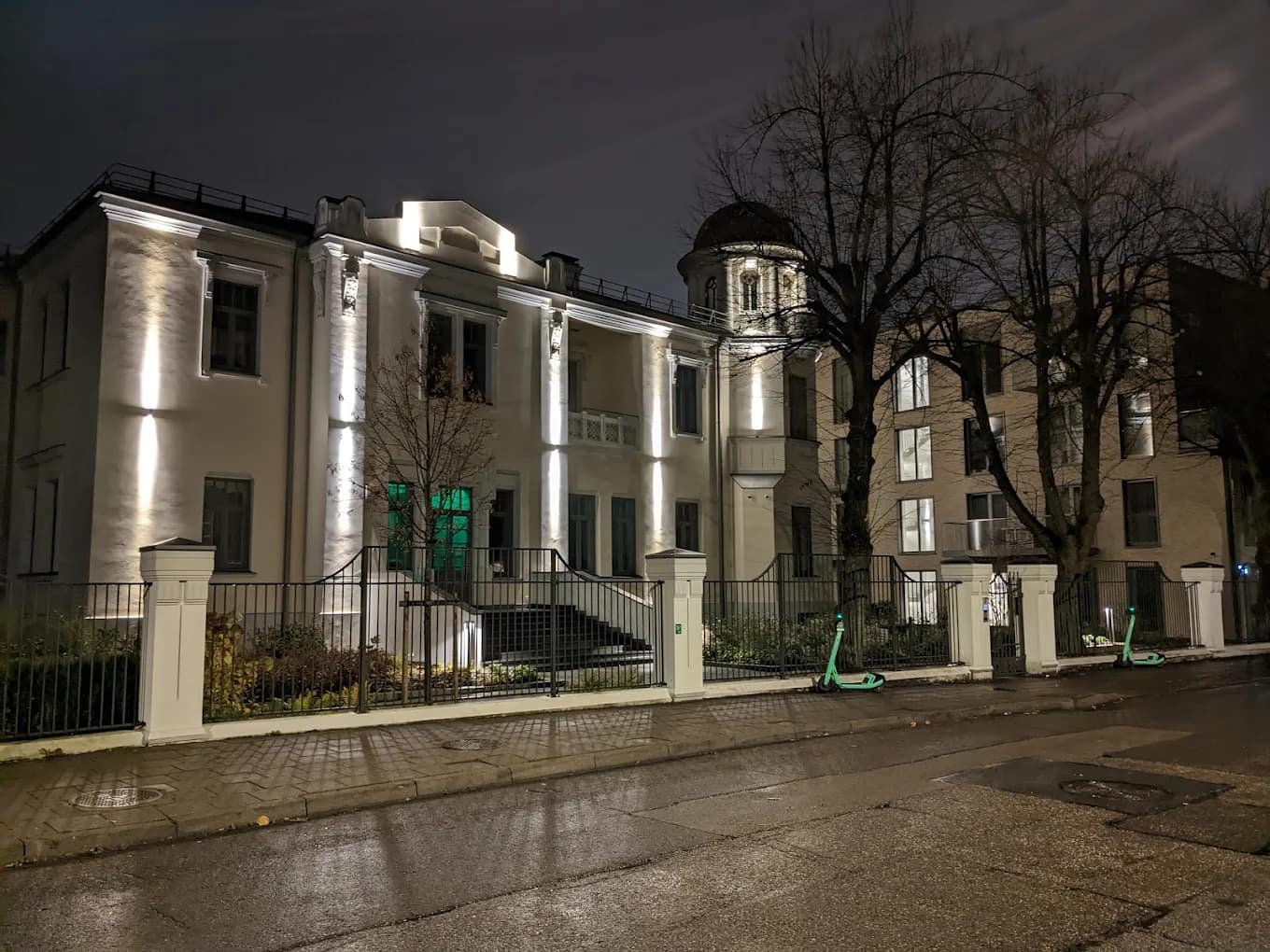
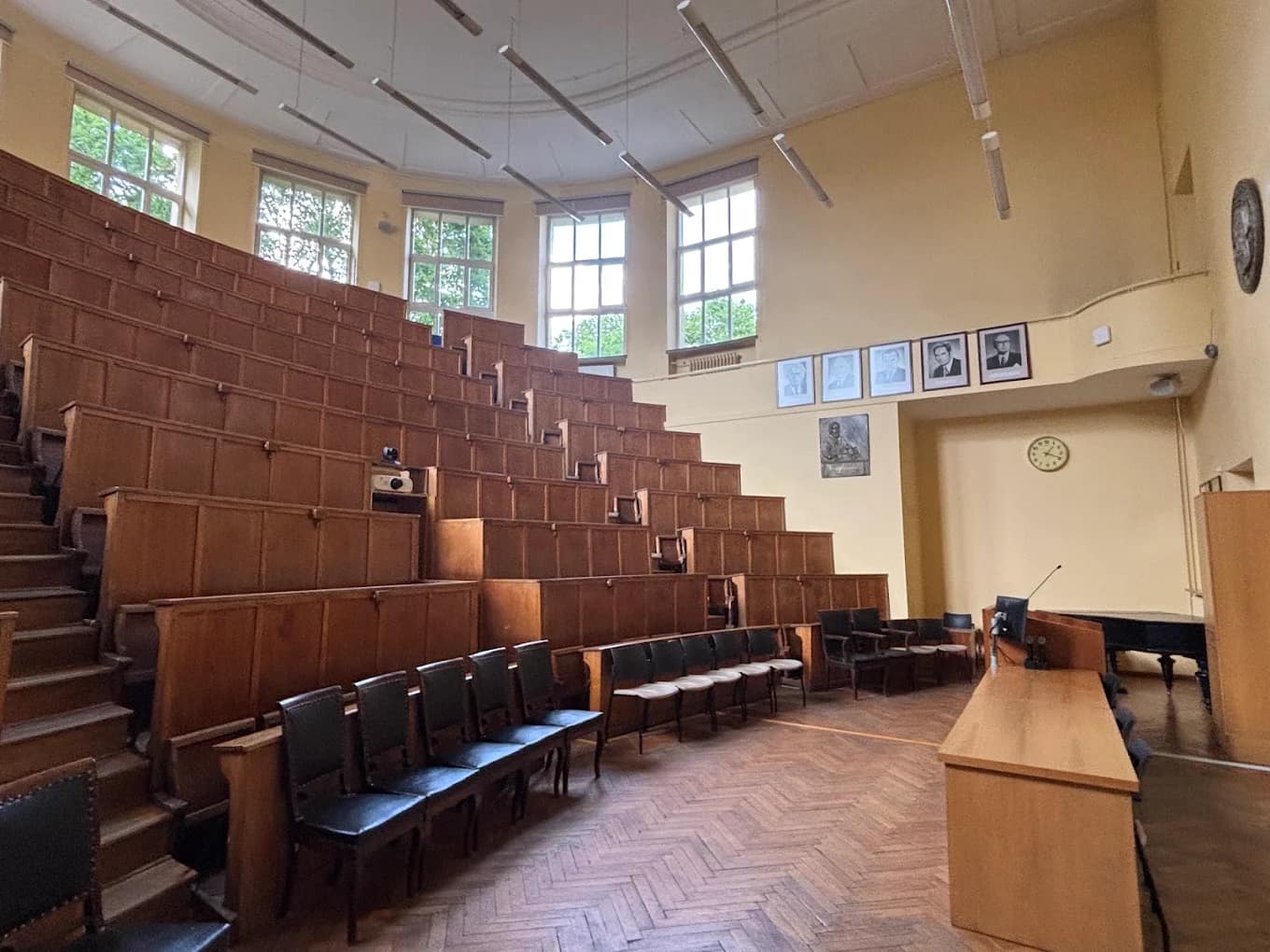
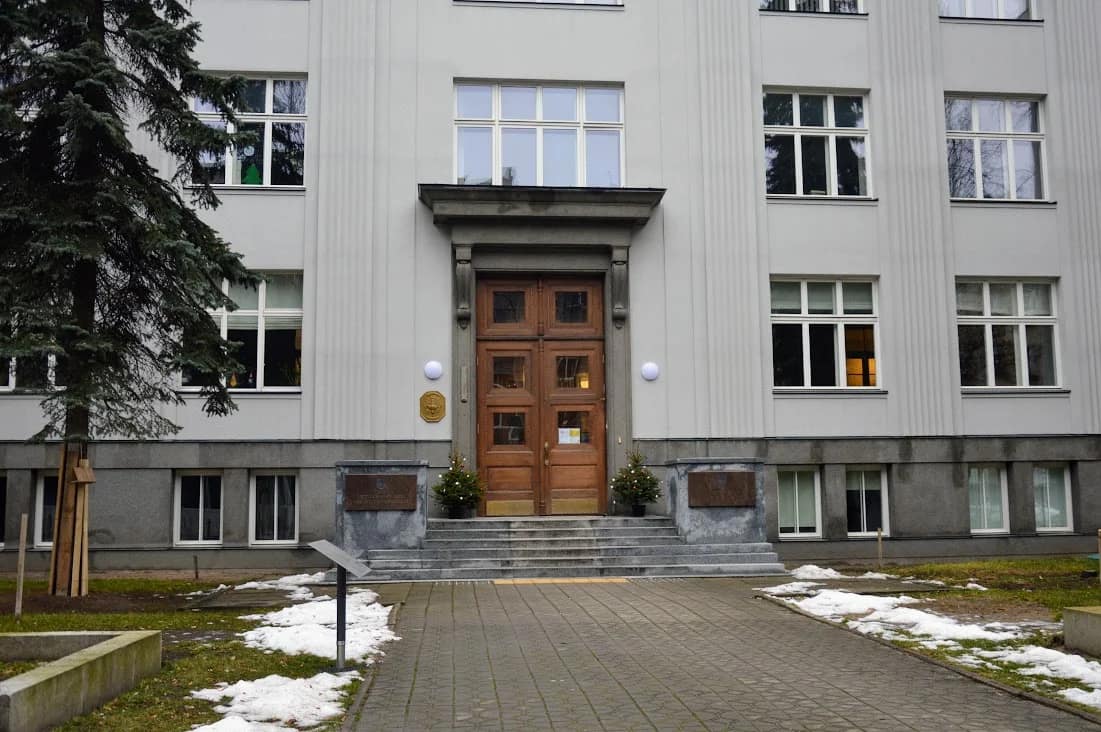
Historic university building in Lithuania



Get all information about MBBS abroad
Read on to find out how you can fulfil your dream of studying for an MBBS abroad.
Evaluation
How to Evaluate Any European Medical School
If a programme passes all six checks, it's worth considering. If it fails any one, walk away, regardless of price.
NMC Compliance Status
Check that the university and your course follow the current NMC rules for Indian students at the time of admission. If they do not, the degree will not lead to practice in India, however prestigious the university.
WDOMS Listing
The university must appear in the World Directory of Medical Schools. Without it, ECFMG eligibility is at risk and USMLE is closed off.
English Medium Throughout
Classroom teaching, exams, and clinical rotations should all be in English for the full six years, not just pre-clinical.
ECFMG WFME Accreditation
Keeps the USMLE pathway open. Increasingly important as families think long-term about US specialty training.
FMGE Pass Rates
Ask for outcomes data. Where available, use it. Where universities are reluctant to share, treat it as a signal.
Clinical Exposure Quality
Which teaching hospitals, patient volume, specialties represented, and hands-on time during rotations. A degree is built in the wards.
Get all information about MBBS abroad
Read on to find out how you can fulfil your dream of studying for an MBBS abroad.
Programme Structure
How European medical education is structured
The six-year European MD typically follows a recognisable academic structure across countries, even though the specifics vary by university.
Course
Entrance Examination:
University-specific
Intake:
September/October
Structure of the Medical Programme
1-2 Years
Pre-clinical
Basic medical sciences and foundational subjects focused on understanding the human body and its functions:
Human anatomyHistologyEmbryologyBiochemistryBiophysicsMedical ChemistryCellular and Molecular BiologyPhysiologyMedical Biology3-4 Year
Para-Clinical
Students begin to combine theory with clinical application:
PathologyPharmacologyMicrobiologyImmunologyParasitologyPublic Health and EpidemiologyForensic MedicineInternal MedicineSurgeryPaediatricsClinical Genetics5-6 Year
Clinical
Clinical rotations across the specialties with direct patient care under supervision, concluding in the State Final Examinations:
Internal MedicineGeneral SurgeryPaediatricsObstetrics & GynaecologyNeurologyPsychiatryDermatologyOphthalmologyOtorhinolaryngologyOncologyAnaesthesiologyInfectious DiseasesUrologyCardiologyEmergency MedicinePractical Medicine
Get all information about MBBS abroad
Read on to find out how you can fulfil your dream of studying for an MBBS abroad.
Admission Timeline
- 1Jan – MarDecide & Prepare
The student finalises the country and university shortlist, gathers academic documents, prepares for NEET-UG (which is mandatory for any Indian student pursuing a foreign medical degree, per NMC regulations, regardless of where they study), arranges passport renewal if required, and begins the apostille process for educational documents.
- 2MayClear NEET-UG
Appear for and clear NEET-UG, the mandatory qualifying examination for any Indian student pursuing an MBBS abroad.
- 3Apr – JulApply to Universities
Submit applications to the shortlisted universities with the required documents and sit any university-specific entrance assessment.
- 4Jul – AugOffer & Visa
Accept the admission offer, pay the confirmation fee, receive the official invitation letter, and apply for the student visa/residence permit.
- 5Sep – OctStart Your Journey
Travel, complete on-arrival registration and accommodation, and begin the academic year for the new intake.
Get all information about MBBS abroad
Read on to find out how you can fulfil your dream of studying for an MBBS abroad.
Recognition & Prestige
Global Recognition & Accreditations
European medical universities maintain high international standards, offering structured, modern, and high-quality education with a strong focus on clinical training. Degrees are fully recognised by major global medical authorities, allowing graduates to pursue medical careers worldwide.
Recognitions
WDOMS
Listed in WDOMS, the World Directory of Medical Schools.
NMC compliant
Follows NMC rules for Indian students: a course of at least 54 months, a 12-month internship at the university and teaching in English. Graduates sit the FMGE to practise in India.
ECFMG / FAIMER
Qualifies for medical practice in the USA
European Union (EU)
EU professional-qualifications recognition
Eligibility Criteria
Academic Qualification
The student must have passed Class 12 (or equivalent).
Subjects:
Minimum Grades (PCB)
Minimum aggregate percentage in Physics, Chemistry & Biology:
| Category | Min. % |
|---|---|
| General / EWS | 50% |
| OBC / SC / ST | 40% |
| PwBD | 45% |
Age Requirement
Candidates must be at least 17 years old by 31 December of the admission year.
- Minimum 17 yearsRequired age at the time of admission
Entrance Exams
Successful completion of the entrance examination conducted by the Faculty of Medicine.
NEET-UG Qualified
NEET is mandatory for Indian students who want to study MBBS abroad and eventually practice medicine in India.
English Language Requirement
Applicants may be required to provide proof of English proficiency for English-taught programmes, depending on the university. For example:
- IELTS or TOEFLEnglish proficiency tests.
Download Complete MBBS Admission Guide
Get detailed information about medical colleges, fees, eligibility, and admission process.
Why Europe
Everything You Need to Know
English-medium instruction, European-standard hospitals, and a degree that opens doors worldwide.

A European university city in autumn
Climate

A safe European university city street
Safety
Infrastructure

Indian medical students in Europe
Indian community
Get all information about MBBS abroad
Read on to find out how you can fulfil your dream of studying for an MBBS abroad.
Food & Dining
Indian Food, Always Available
Vegetarian and Indian food access is reasonable in any major European capital and in university towns with established Indian communities. Indian grocery stores and restaurants exist in all the main destinations. Self-cooking is the norm for most students, with European supermarkets stocking lentils, rice, vegetables, and basic spices, and Indian groceries filling the gap for specific items. Halal and Jain options require more searching outside the largest cities.
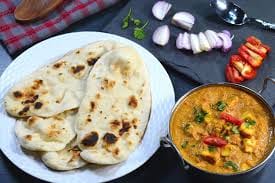
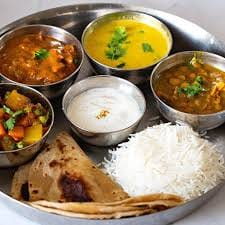
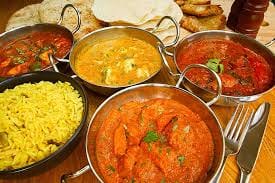
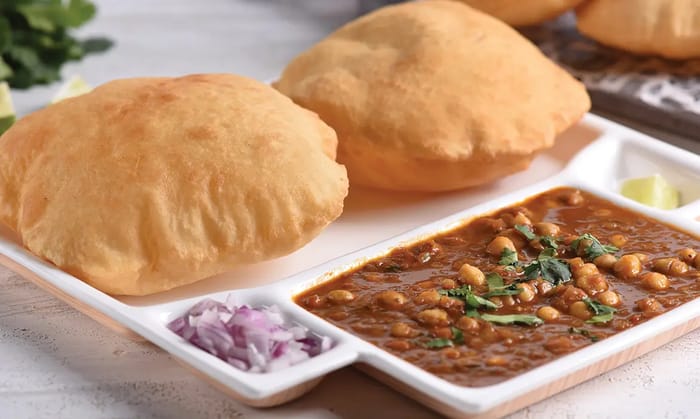
Most European medical campuses feature modern cafeterias offering affordable, nutritious meals with vegetarian-friendly options for students.
The major destination cities have Indian restaurants serving everything from dal, roti and sabzi to biryani and curries, popular among international students and easily reached from university areas.
Indian grocery stores in the main university cities stock everyday essentials like grains, lentils, spices and Indian vegetables, with more choice in cities with larger Indian communities.
University dormitories provide shared kitchens with stoves, refrigerators and storage, so students can cook their own meals, the norm for most students in Europe.
European university cities have reliable food-delivery and grocery-delivery services that bring meals and daily essentials directly to student accommodation.
Get all information about MBBS abroad
Read on to find out how you can fulfil your dream of studying for an MBBS abroad.
Our Blog
Medical Education Insights
Articles that turn complex MBBS-abroad rules into simple, practical steps for students and parents.





FAQ
Frequently Asked Questions
Short answers to the questions students and parents ask most often about MBBS admissions.