

Free Webinar: MBBS in India

Sat, September 5, 2026 | 7:00 PM

Reserve my Seat
futureMBBS

Free Webinar: MBBS in India

Sat, September 5, 2026 | 7:00 PM

Reserve my Seat
futureMBBS
Ostrava, Czech Republic

University of Ostrava Faculty of Medicine

A young, modern medical faculty backed by one of the largest teaching hospitals in the Czech Republic.

  • MBBS student
  • MBBS student
  • MBBS student
  • MBBS student

5000+ Students trust us

Czech Republic

Country

Ostrava

City

EU-recognised

MUDr. (MD) degree

English

Medium of instruction

Introduction

University of Ostrava Faculty of Medicine

The University of Ostrava was founded in 1991, and its Faculty of Medicine, established in 2010, is one of the youngest medical faculties in the Czech Republic. Its six-year General Medicine programme is taught fully in English and leads to the MUDr. (MD) degree (equivalent to MBBS and valid across the EU under Directive 2005/36/EC). What the faculty lacks in age it makes up for in clinical scale: teaching is based at the University Hospital Ostrava, one of the largest hospitals in the country. Ostrava is the third-largest city in the Czech Republic, a former industrial powerhouse in the northeast near the Polish and Slovak borders, with a low cost of living and a growing international student community. The programme admits a small, focused cohort each year (a maximum of 50 students).

  • Study program:General MBBS
  • Language:English
  • Duration:6 Years (360 ECTS)
  • University type:Public university
  • Per academic year fees:€12,000 · ₹13,20,000 INR (approx.)
  • Entrance examination:Written test (Biology, Chemistry, Physics)
  • Application deadline:Two weeks before the chosen exam date (from 15/11/2025)
  • International seats:Max. 50 admitted (min. 15 to open)
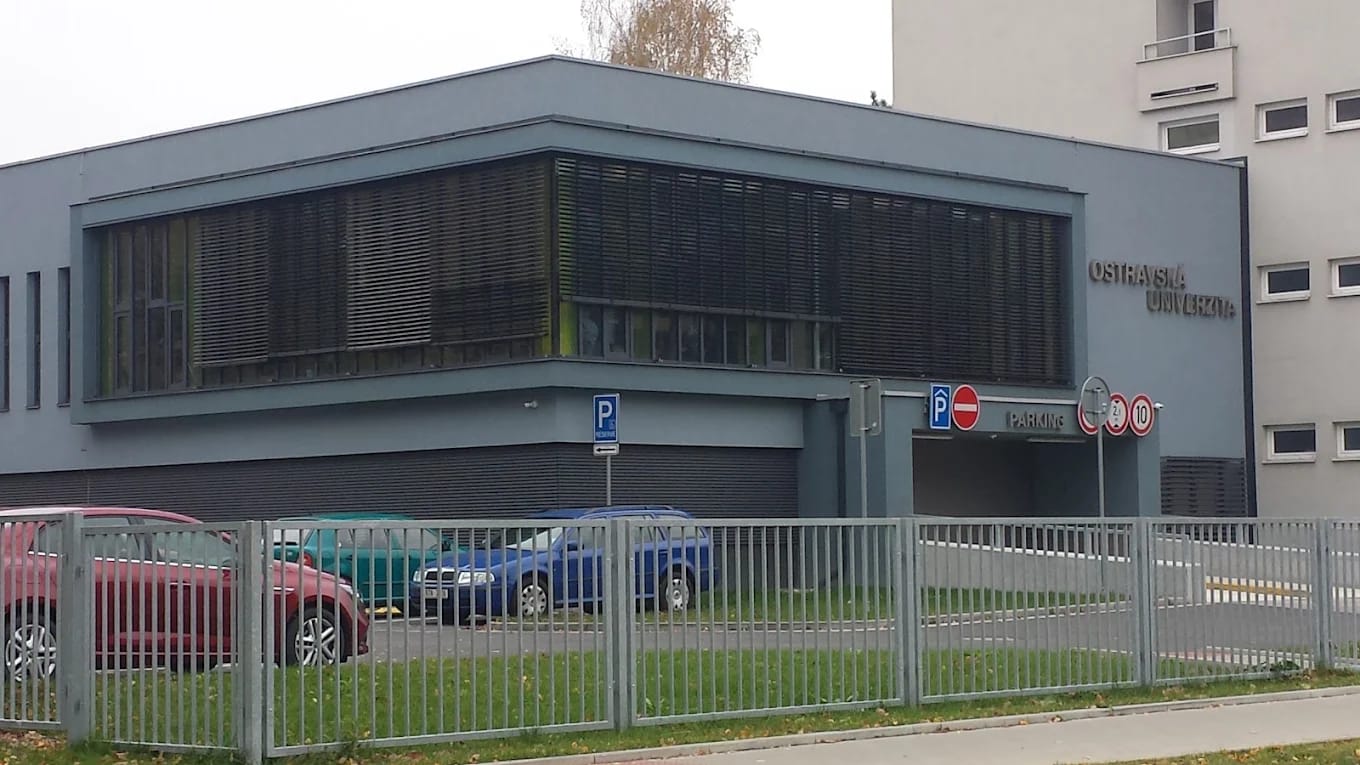
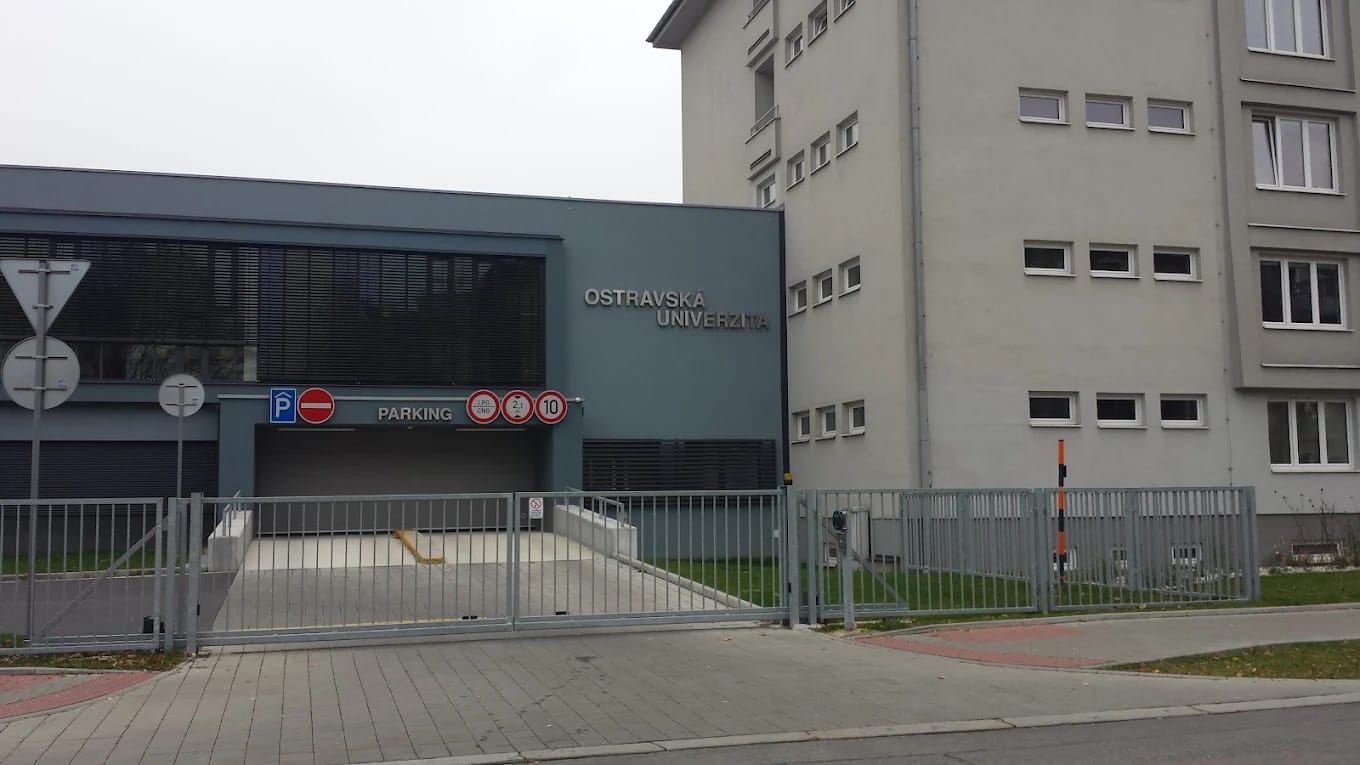
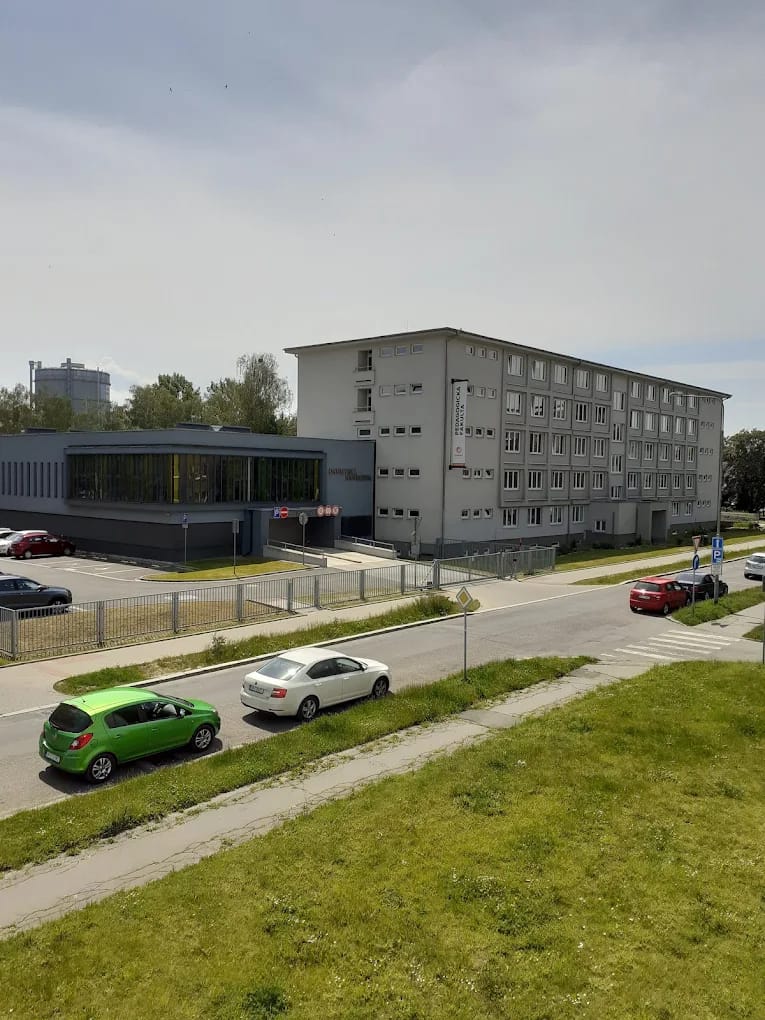
Modern building of the University of Ostrava
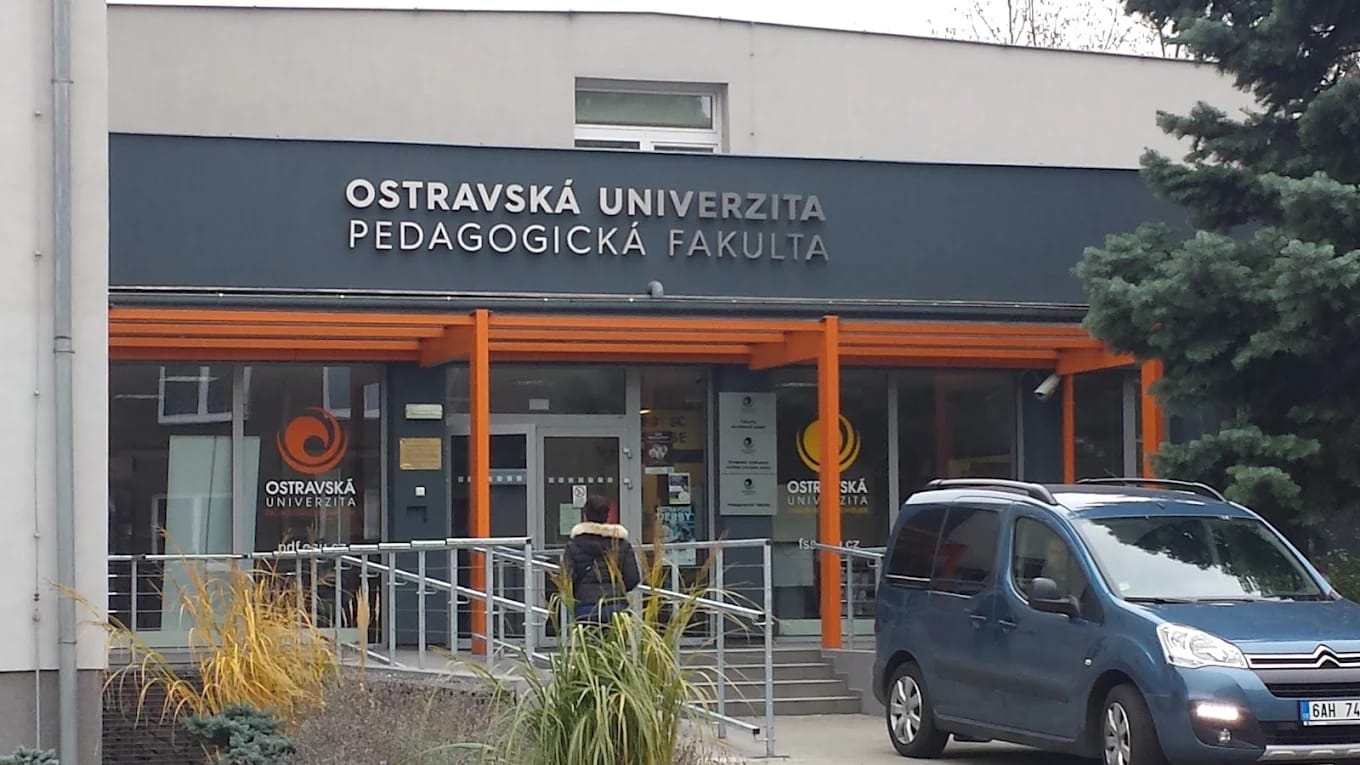
Entrance to a University of Ostrava faculty building
University of Ostrava campus building
Faculty building of the University of Ostrava

Modern building of the University of Ostrava

Find out all about your MBBS-abroad options at the University of Ostrava

Download our free brochure for immediate information, or get personalised professional counselling from our experts.

Recognition & Prestige

Rankings & Recognition

The University of Ostrava is a young public university, and its Faculty of Medicine is one of the newest in the Czech Republic. Its strength is clinical rather than historical: the medical degree is EU-recognised and teaching is based at one of the country's largest hospitals.

  • EU

    MUDr. degree valid across the EU

  • WDOMS

    Listed in the World Directory of Medical Schools

The medical degree is recognised internationally. The University of Ostrava Faculty of Medicine is listed in the World Directory of Medical Schools (WDOMS), its MUDr. degree is valid across the EU under Directive 2005/36/EC, and its graduates are eligible to qualify for practice in India through the NMC screening/exit examination.

Accreditations and Recognition

  • National Medical Commission (NMC) of India emblem

    NMC/MCI

    National Medical Commission / Medical Council of India (India)

  • World Directory of Medical Schools emblem

    WDOMS

    Listed in the World Directory of Medical Schools

  • World Federation for Medical Education emblem

    WFME

    Aligned with World Federation for Medical Education standards

  • European Union emblem

    EU

    MUDr. degree valid across the EU (Directive 2005/36/EC)

Complete Information About the University of Ostrava

Get complete information about the University of Ostrava Faculty of Medicine, including tuition, living costs, admission process and recognition for Indian students.

Success stories

Student Success Stories

Hear directly from students who are studying medicine in Europe with futureMBBS.

Academic Excellence

Why Study Medicine at the University of Ostrava

Ostrava offers an EU-recognised medical degree, a large teaching hospital and a small, personal cohort in one of the Czech Republic's most affordable cities.

Safe & Welcoming

The Czech Republic ranks among the top 10 safest countries globally and 12th among the friendliest worldwide. Ostrava is a down-to-earth, affordable city with a growing international student presence.

Low Cost of Living

As an industrial city in the northeast rather than a capital or tourist hub, Ostrava is among the cheapest student cities in the Czech Republic, with typical monthly expenses of about ₹32,000–₹52,000 depending on lifestyle.

A Large Teaching Hospital

Teaching is based at the University Hospital Ostrava, one of the largest hospitals in the Czech Republic, giving students clinical exposure across every major specialty from an early stage.

Small, Focused Cohort

The English General Medicine programme admits a maximum of 50 students each year, so classes are small and students get close contact with teachers and patients rather than being lost in a huge cohort.

EU-Recognised Degree

The programme leads to the MUDr. (MD) degree, valid across all EU member states under Directive 2005/36/EC, opening residency and practice options across Europe.

Many Exam Dates

The faculty holds entrance exams on many dates from January to August, so applicants can choose a timing that fits their NEET and school schedule and leaves room for the visa process.

Central European Location

Ostrava sits close to the Polish and Slovak borders, with Krakow, Katowice, Vienna and Prague all reachable by train or bus, making travel and airport access straightforward.

Read all about MBBS abroad in our free brochure

Know exactly what options exist for your MBBS-abroad success.

How to Apply

Admission Process for MBBS

Admission to General Medicine at the University of Ostrava is through the faculty's own written entrance examination, not NEET: multiple-choice tests in Biology, Chemistry and Physics. Applications open on 15 November 2025, the €80 (2,000 CZK) fee is paid online, and each applicant's deadline is two weeks before their chosen exam date. Exams run on many dates from January to August 2026, and Indian applicants can apply directly or through the faculty's Indian representatives.

Admission Timeline

  1. 1
    November 15, 2025Applications Open

    The e-application for the 2026/2027 academic year opens on the university's IS/STAG system; the €80 (2,000 CZK) fee is paid by bank transfer.

  2. 2
    2 weeks before examApplication Deadline

    Each applicant must submit the completed e-application and pay the fee at least two weeks before their chosen entrance-exam date.

  3. 3
    Jan–Jun 2026 (Round 1)First-Round Exam Dates

    Round 1 entrance exams are held on 14 January, 28 February, 20 March, 25 April, 15 May and 12 June 2026.

  4. 4
    Jul–Aug 2026 (Round 2)Second-Round Exam Dates

    Round 2 entrance exams are held on 10 July and 18 August 2026; non-EU applicants are advised to choose early dates for visa time.

  5. 5
    After the examAcceptance & Legalisation

    Successful applicants (within the 50-place capacity) receive an acceptance letter and legalise their high-school diploma for enrolment.

  6. 6
    Early September 2026Enrolment & Classes Begin

    Enrolment for first-year students is held at the faculty in early September 2026, and the academic year begins.

Eligibility Criteria

Academic Qualification

The student must have completed Class 12 (or equivalent secondary education) with Physics, Chemistry and Biology. A legalised (apostille) high-school diploma must be submitted for recognition before enrolment.

Subjects:

BiologyChemistryPhysics

Age Requirement

Candidates should be at least 17 years old by 31 December of the admission year.

  • Minimum 17 yearsRequired age at the time of admission

Requirements

Applicants must submit the online application (with the €80 / 2,000 CZK fee) at least two weeks before their chosen exam date and pass the written entrance examination; applicants with the highest scores are admitted up to the capacity of 50 places.

  • Entrance Exam

    Written multiple-choice test in Biology, Chemistry and Physics; applicants with the highest number of points are admitted, and the minimum threshold is set by capacity.

  • English Proficiency

    The entire programme and the entrance exam are in English, so strong working English is essential even where a separate certificate is not the basis of selection.

Entrance Examination

Admission is based on the faculty's own written entrance examination rather than category-wise minimum marks.

ComponentRequirement
Written testMultiple-choice questions in Biology, Chemistry and Physics
ScoringApplicants with the highest total points are admitted; the minimum threshold depends on capacity (max. 50 places)

Required Documents

To apply, students need to submit essential academic and identification documents:

  • Completed online (e-)application form
  • Application fee payment of €80 (2,000 CZK)
  • Legalised (apostille) high-school diploma / certificate
  • Valid passport
  • + More

Admission Guidance & Document Checklist

Get the complete document checklist or admission guidance from our experts.

Program Structure

MBBS Curriculum & Internship Structure

Students follow a structured six-year, 360-ECTS curriculum that balances medical theory with real clinical exposure at the University Hospital Ostrava, taught entirely in English and leading to the MUDr. (MD) degree (equivalent to MBBS).

Medicine (General Medicine) Course

  • Total Duration:

    6 Years (360 ECTS)

  • Degree:

    MUDr. (MD, Doctor of Medicine, equivalent to MBBS)

Curriculum Phases at the University of Ostrava

  • Years 1–2

    Theoretical (Pre-Clinical Foundations)

    Basic medical sciences focused on understanding the structure and function of the healthy human body:

    AnatomyHistology and EmbryologyMedical BiophysicsMedical Chemistry and Biochemistry
    Medical BiologyPhysiologyLatin Medical TerminologyCzech LanguageFirst Aid
  • Years 3–4

    Pre-Clinical to Clinical Transition

    Paraclinical sciences and the first structured patient contact at the university hospital, bridging laboratory science and bedside medicine:

    PathologyPathological PhysiologyPharmacologyMicrobiology
    ImmunologyPropaedeutics of Internal Medicine and SurgeryHygiene and Preventive MedicineImaging Methods
  • Years 5–6

    Clinical Training

    Clinical rotations across the specialties at the University Hospital Ostrava with direct patient care under supervision, concluding in the State Final Examinations:

    Internal MedicineSurgeryPaediatricsObstetrics and Gynaecology
    NeurologyPsychiatryDermatovenerologyInfectious DiseasesOncologyAnaesthesiology and Intensive CarePublic HealthPractical Medicine

Clinical Rotations

Clinical training takes place at the University Hospital Ostrava, one of the largest hospitals in the Czech Republic. An indicative rotation pattern across the clinical years is:

PhaseFocus
Year 4Internal Medicine and Surgery foundations, plus Ophthalmology, ENT and Imaging Methods
Year 5Internal Medicine, Neurology, Psychiatry, Obstetrics & Gynaecology, Paediatrics, Dermatovenerology, Infectious Diseases, Oncology, Anaesthesiology & Intensive Care
Year 6Internal Medicine, Surgery, Paediatrics, Obstetrics & Gynaecology and Practical Medicine, ending in the State Final Examinations

Get the full curriculum

Download a free brochure to see detailed subjects, the course structure and everything you need to plan your studies.

Global Exchange

Erasmus+ Partner Universities

The University of Ostrava takes part in the Erasmus+ programme and is a member of the Erasmus Student Network, giving its medical students the chance to study or complete clinical placements at partner universities across Europe.

CountryErasmus+ Partner Universities
AustriaMedical University of Vienna; Medical University of Graz
FranceUniversity of Bordeaux; University of Lorraine
GermanyUniversity of Regensburg; University of Leipzig
ItalyUniversity of Padua; University of Turin; University of Bari
PolandJagiellonian University; Medical University of Silesia (Katowice)
PortugalUniversity of Porto; University of Coimbra
SlovakiaComenius University in Bratislava; Pavol Jozef Šafárik University in Košice
SloveniaUniversity of Ljubljana
SpainUniversity of Granada; University of Valencia
TurkeyHacettepe University; Istanbul University

Explore Your Erasmus+ Options

The table above highlights selected partner universities under the Erasmus+ exchange programme.

Legacy

Faculty and People of the University of Ostrava

As one of the newest medical faculties in the Czech Republic (established 2010), the University of Ostrava does not yet have a long roster of historic graduates. Its strength lies in its current clinicians and researchers and the large teaching hospital behind them.

doc. MUDr. Rastislav Maďar, Ph.D., MBA, FRCPS

An epidemiologist and vaccinology specialist who has served as Dean of the Faculty of Medicine at the University of Ostrava. He became widely known across the Czech Republic during the COVID-19 pandemic for leading national testing and vaccination strategy, and he represents the faculty's focus on public health and epidemiology.
Faculty

Students are guided by experienced physicians, surgeons and researchers of the faculty and the University Hospital Ostrava. The faculty has been led by Dean doc. MUDr. Rastislav Maďar, Ph.D., MBA, FRCPS, an epidemiologist, supported by vice-deans for study, science and international relations.

Academic Expertise

  • Experienced physicians and surgeons

  • Faculty active in epidemiology and public health

  • Medical researchers and scientists

  • Strong hands-on, practical clinical teaching

Student Support & Mentorship

  • Small cohort with close teacher contact

  • Personal mentorship

  • Clinical supervision during rotations

  • Continuous development of practical skills

About University

History Information

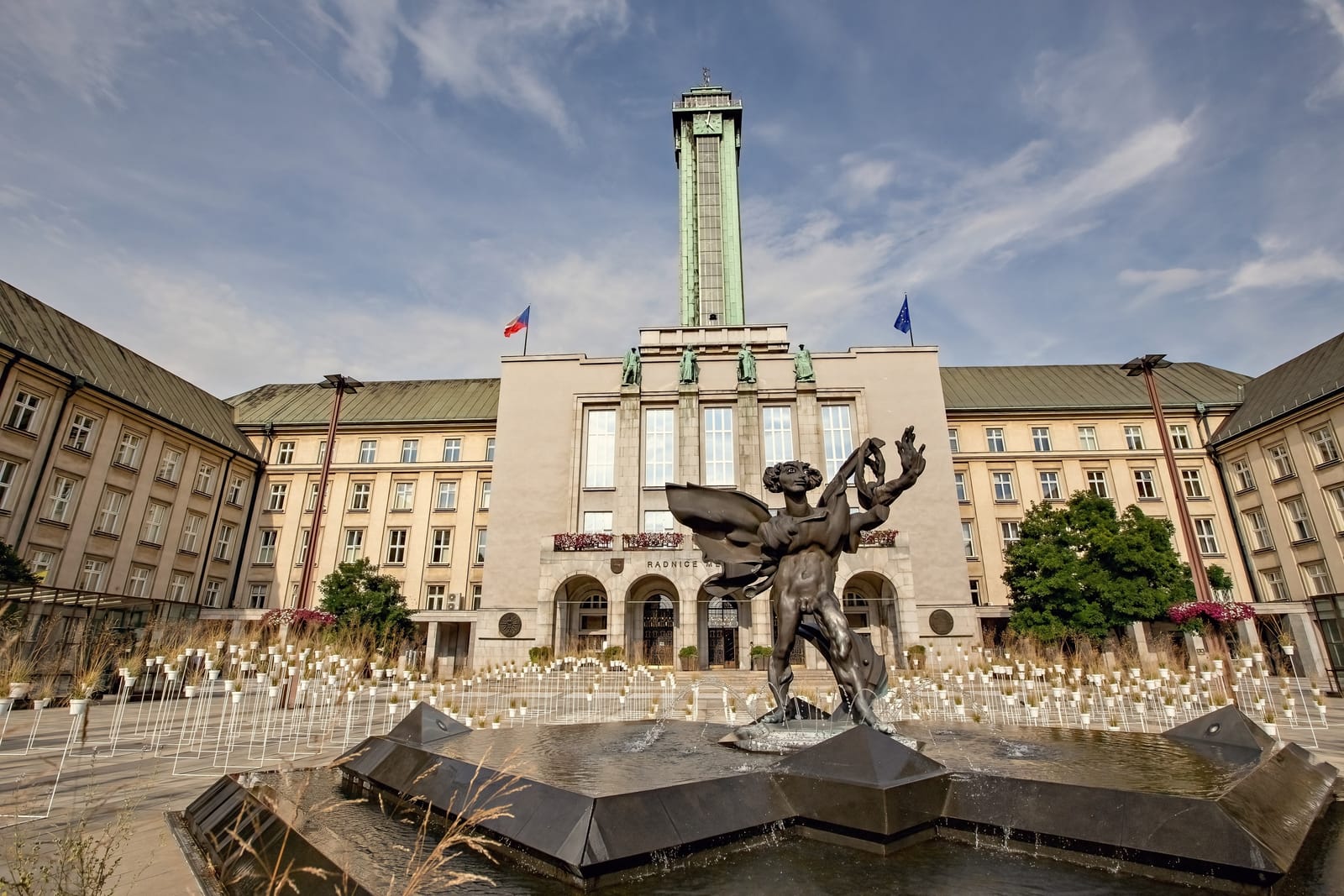
The New Town Hall of Ostrava with its landmark tower

The New Town Hall of Ostrava with its landmark tower

A Young University (1991)

The University of Ostrava was founded in 1991, shortly after the Velvet Revolution, as a new public university for the industrial northeast of the Czech Republic. It grew quickly into a multi-faculty institution serving the Moravian-Silesian region.

From Health Studies to Medicine

The medical faculty grew out of the university's Faculty of Health Studies, and in 2010 it became a full Faculty of Medicine, launching the six-year General Medicine programme. This gives it a strong foundation in nursing, rehabilitation and public-health teaching alongside classical medicine.

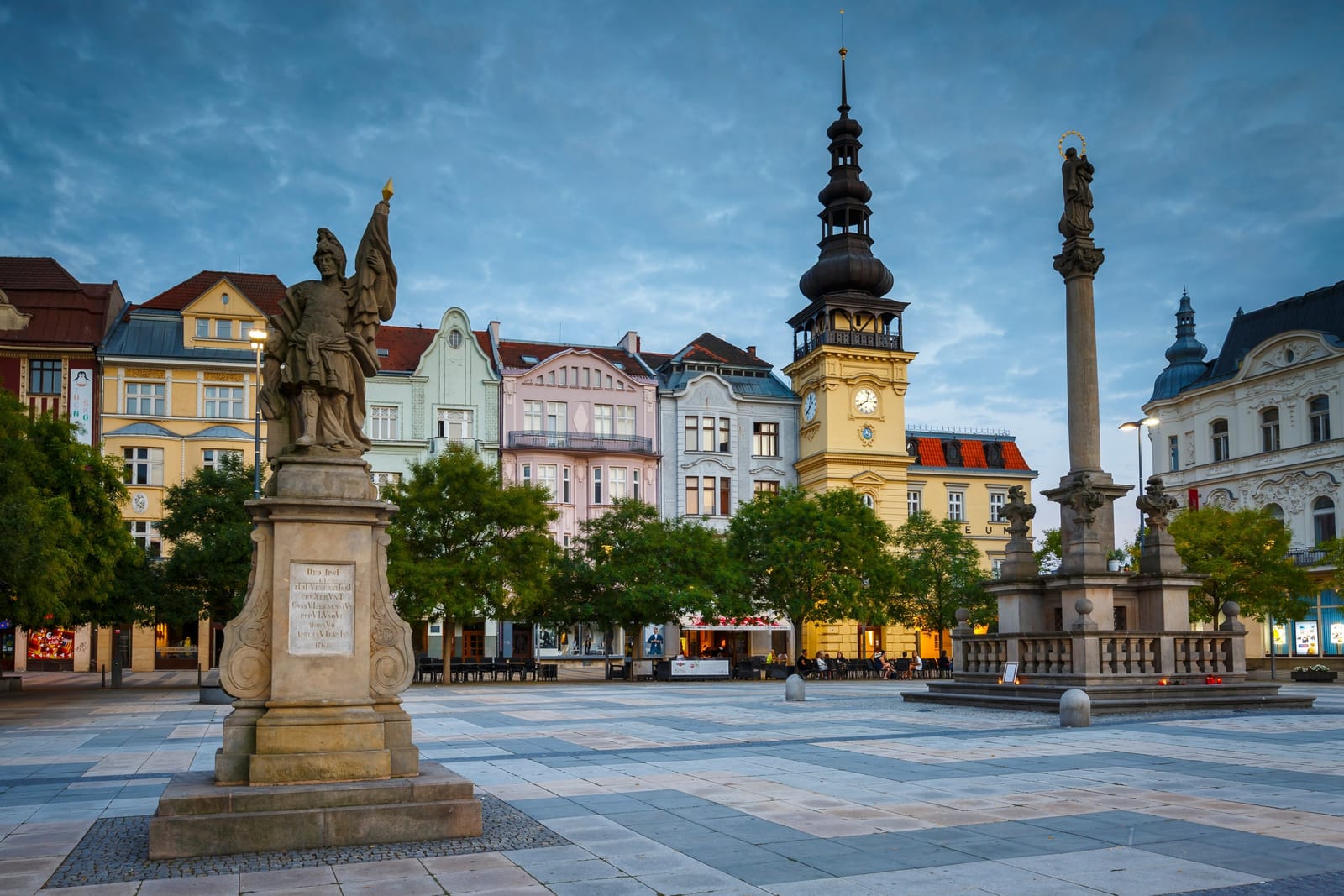
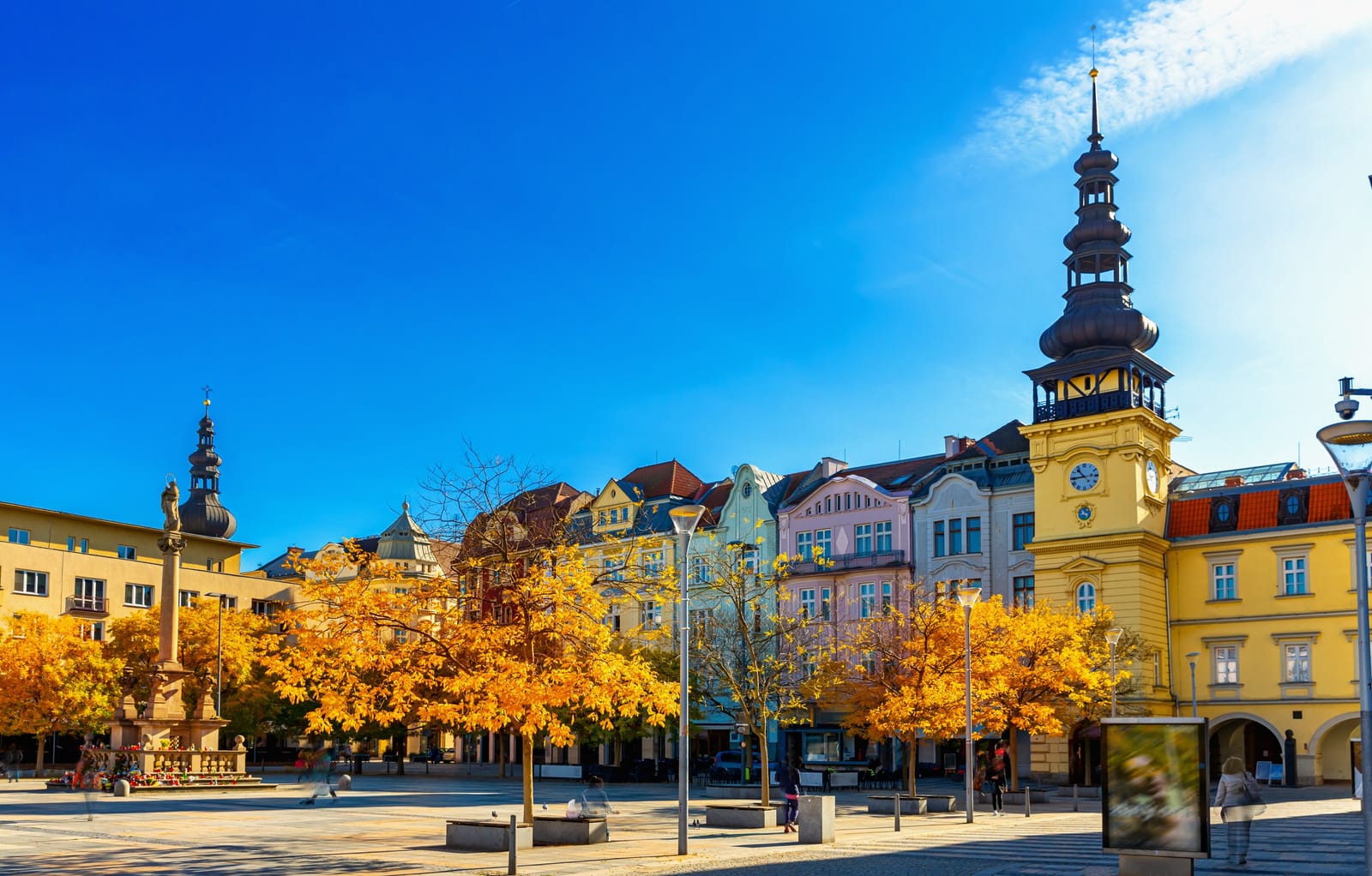
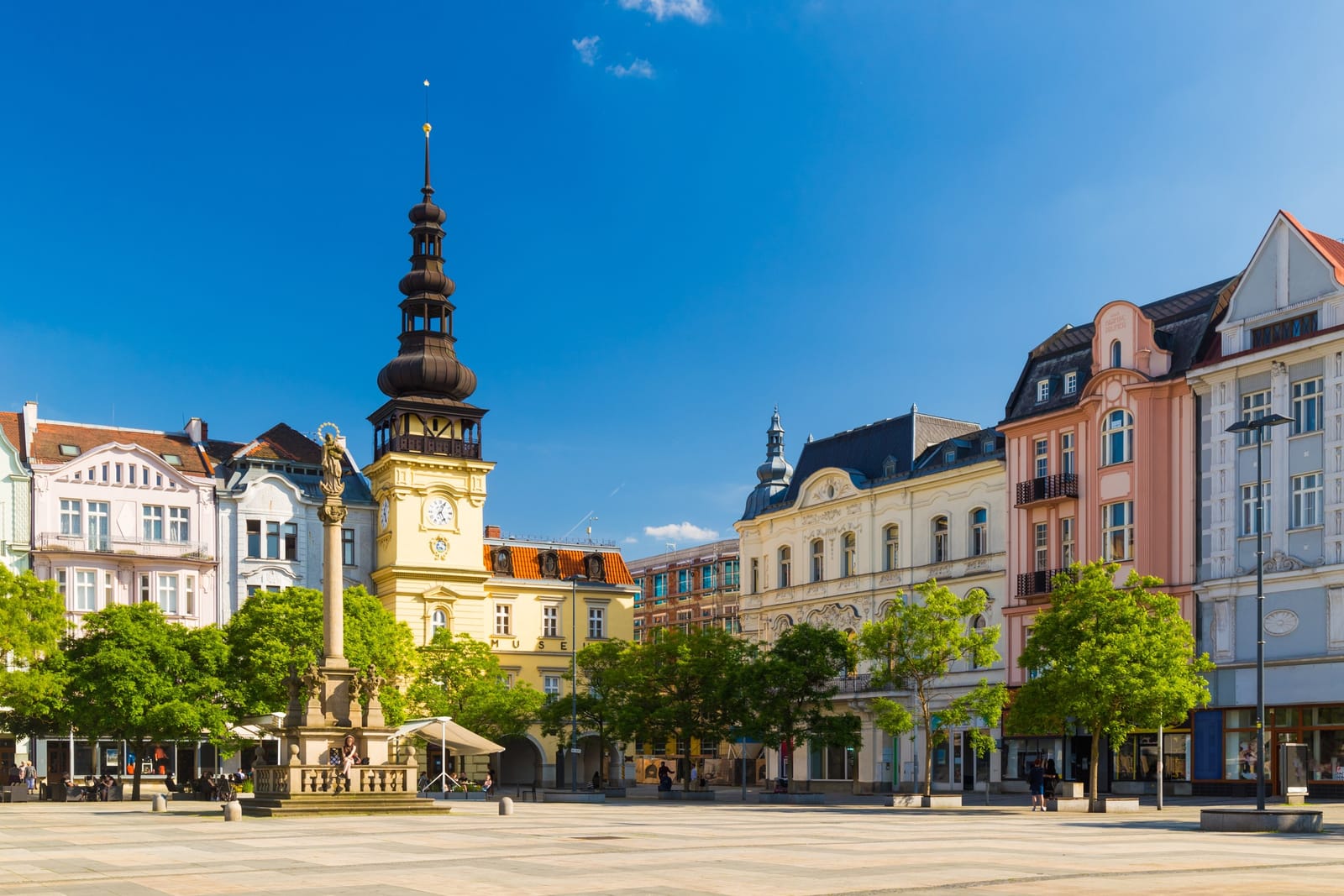
Masaryk Square in the historic centre of Ostrava

Masaryk Square in the historic centre of Ostrava

Built Around a Major Hospital

The faculty is closely tied to the University Hospital Ostrava, one of the largest hospitals in the Czech Republic, which serves a large industrial region and gives the faculty a deep base of clinical cases in trauma, oncology, cardiology and emergency medicine.

English-Language Medicine Today

Today the Faculty of Medicine teaches General Medicine in both Czech and English, admitting a small international cohort each year and building a growing community of graduates whose MUDr. degree is recognised across the EU.

Get all information about the University of Ostrava in our free brochure

Read on to find out how you can fulfil your dream of studying medicine at the University of Ostrava.

Role in medicine

Role in medical education

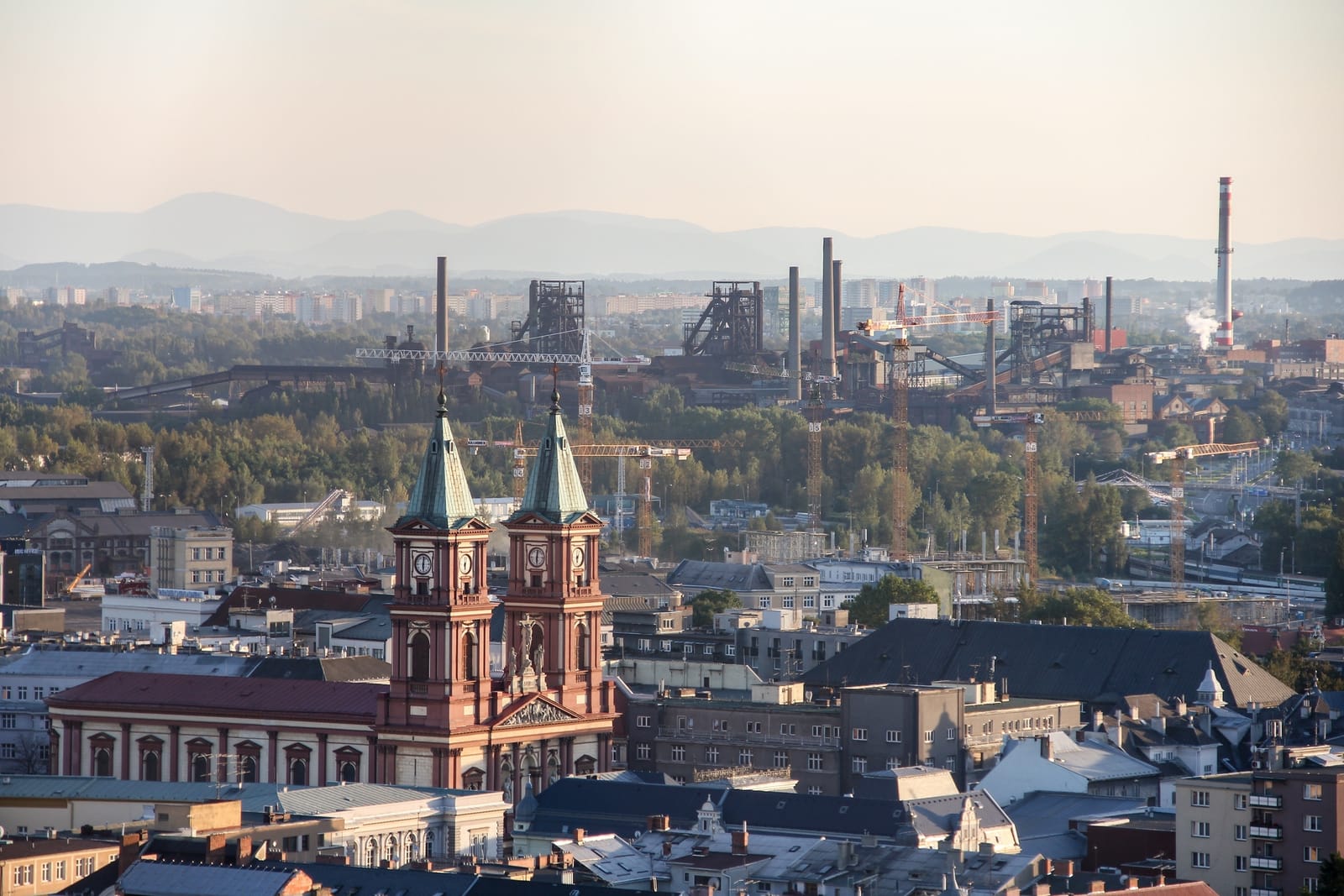
Aerial view of Ostrava with its industrial and city skyline

Aerial view of Ostrava with its industrial and city skyline

A Major Teaching Hospital

The Faculty of Medicine trains its students primarily at the University Hospital Ostrava, one of the largest and busiest hospitals in the Czech Republic. Serving a large industrial region, it offers a deep and varied caseload in trauma, cardiology, oncology, intensive care and emergency medicine.

Strength in Public Health

Because the faculty grew from health studies and is led by epidemiologists, it has particular strength in public health, epidemiology and preventive medicine, disciplines that came to national prominence during the COVID-19 pandemic and are increasingly valued in health systems worldwide, including India's.

A Small, Practical, International Programme

English-language General Medicine admits a small cohort (a maximum of 50 students), which keeps teaching personal and hands-on, with early and frequent contact with real patients in the teaching hospital and support from the university's international and student services.

Get all information about the University of Ostrava in our free brochure

Read on to find out how you can fulfil your dream of studying medicine at the University of Ostrava.

Affordable education

MBBS Living Cost at the University of Ostrava

Ostrava is one of the most affordable student cities in the Czech Republic. Here is the monthly breakdown.

Monthly Living Cost

Cost ComponentApproximate Amount
Accommodation₹14,000 – ₹24,000
Food₹12,000 – ₹18,000
Transportation₹1,500 – ₹3,000
Other Expenses (Utilities, Internet, Leisure)₹4,500 – ₹7,000
Get Free MBBS Guide

Average monthly living cost

₹32,000 – ₹52,000

Housing

Accommodation

University of Ostrava halls of residence provide a safe, supportive and affordable environment within easy reach of the faculty and the university hospital.

University Halls of Residence

The University of Ostrava runs student halls of residence (koleje) in the city, managed by the university's accommodation services. Students apply for a room after admission.

Close to Campus & Hospital

Ostrava is compact and well served by trams and buses, so the halls, the faculty on Syllabova and the University Hospital Ostrava are all within a short public-transport ride.

Furnished Living Spaces

Rooms are typically single or shared doubles, each with a bed, study desk, chair and storage space, with common areas maintained by the halls staff.

Shared Kitchens & Common Areas

Halls provide shared kitchens and common rooms; students bring their own kitchenware. Bathrooms are shared between rooms or along the floor depending on the building.

Very Affordable Monthly Cost

Dormitory accommodation in Ostrava is among the cheapest of any Czech university city, typically around ₹12,000–₹18,000 per month, keeping total living costs very low.

How to Apply

Accommodation is requested after admission through the university's accommodation services; capacity is limited, so applying as early as possible is strongly recommended.

Booking Support for New Students

Newly admitted students can get help booking their room and obtaining the accommodation confirmation required for the student visa, through the faculty Study Office.

Off-Campus and Private Housing

Students who prefer more comfort or independence can choose privately operated student residences, or rent or share a private flat. Both options cost noticeably more than the university halls, and students organise this independently as the university does not arrange private housing.

Need accommodation details?

Get a full overview of housing options with our university guide, or reach out to an expert.

Food & Dining

100% Veg Options and Indian Food, Always Available

Vegetarian food is easily available in the university canteens, restaurants and supermarkets across Ostrava, and Indian staples can be bought locally or ordered online.

The University of Ostrava operates student canteens (menzas) serving affordable subsidised daily meals with vegetarian options such as soups, salads, pasta and cooked dishes.

Location

How to Reach the University of Ostrava Faculty of Medicine

Address

Syllabova 19, 703 00 Ostrava-Zábřeh, Czech Republic

  • Nearest Airport

    Leoš Janáček Airport Ostrava (OSR); Krakow (KRK), Katowice (KTW) and Vienna (VIE) are also within a few hours

  • Local Transport

    Trams, trolleybuses and buses connect the faculty, halls and university hospital across the city

Your Roadmap to Success

Career Pathways After Medicine at the University of Ostrava

On completing the programme, graduates of the University of Ostrava earn the MUDr. (MD) title, which is valid across the EU under Directive 2005/36/EC. The degree is respected internationally and opens career opportunities both in India and abroad, giving graduates a genuine choice of where to build their medical career.

Understand the Medical Licensing Pathway

A clear overview of the exams and requirements after graduation.

Practising in India

FMGE & NExT Details

To practise medicine in India after graduating from the University of Ostrava, Indian students follow a clear and well-defined licensing pathway set by the National Medical Commission (NMC). It has three stages: clearing the NMC screening examination (currently the FMGE, transitioning to the NExT), completing a one-year internship, and registering with the medical council. None of these steps are unusual or specific to this university. Every Indian student who studies medicine abroad follows the same route, and thousands do so successfully each year.

  1. Step 1

    National Exit Test (NExT)

    Graduates must clear the qualifying examination that licenses foreign medical graduates to practise in India. At present this is the Foreign Medical Graduate Examination (FMGE), which India is in the process of replacing with the National Exit Test (NExT). The NExT is designed to be a single, unified exam that serves two purposes at once: it acts as the mandatory licensing test for all medical graduates, and it functions as the entrance examination for postgraduate (MD/MS) specialisation seats in India. Preparing steadily through the six years of study, rather than only at the end, is the approach that consistently produces strong results.

  2. Step 2

    Clinical Internship (CRRI)

    After qualifying, students complete a one-year Compulsory Rotatory Residential Internship (CRRI) in India. This is a paid, hospital-based internship that rotates through core departments such as medicine, surgery, paediatrics, and obstetrics and gynaecology, giving graduates supervised, hands-on clinical experience within the Indian healthcare system before they practise independently.

  3. Step 3

    Medical Registration

    The final step is registration with the National Medical Commission (NMC) or the relevant State Medical Council. Once registered, the graduate holds a permanent medical registration number and is fully licensed to practise medicine as a doctor anywhere in India.

Student Life Style

Student life at the University of Ostrava

Being an MBBS student is a mix of academics, cultural exposure, and personal growth. In an affordable, down-to-earth city with a small international cohort, the faculty gives a solid foundation for students.

Aerial view of Ostrava's old town and its industrial skyline

Aerial view of Ostrava's old town and its industrial skyline

Academics

The curriculum is intensive, well-structured and aligns with international standards. With a small cohort and a large teaching hospital, students get early and frequent hands-on clinical exposure at the University Hospital Ostrava, keeping them well prepared for real-life medical situations.

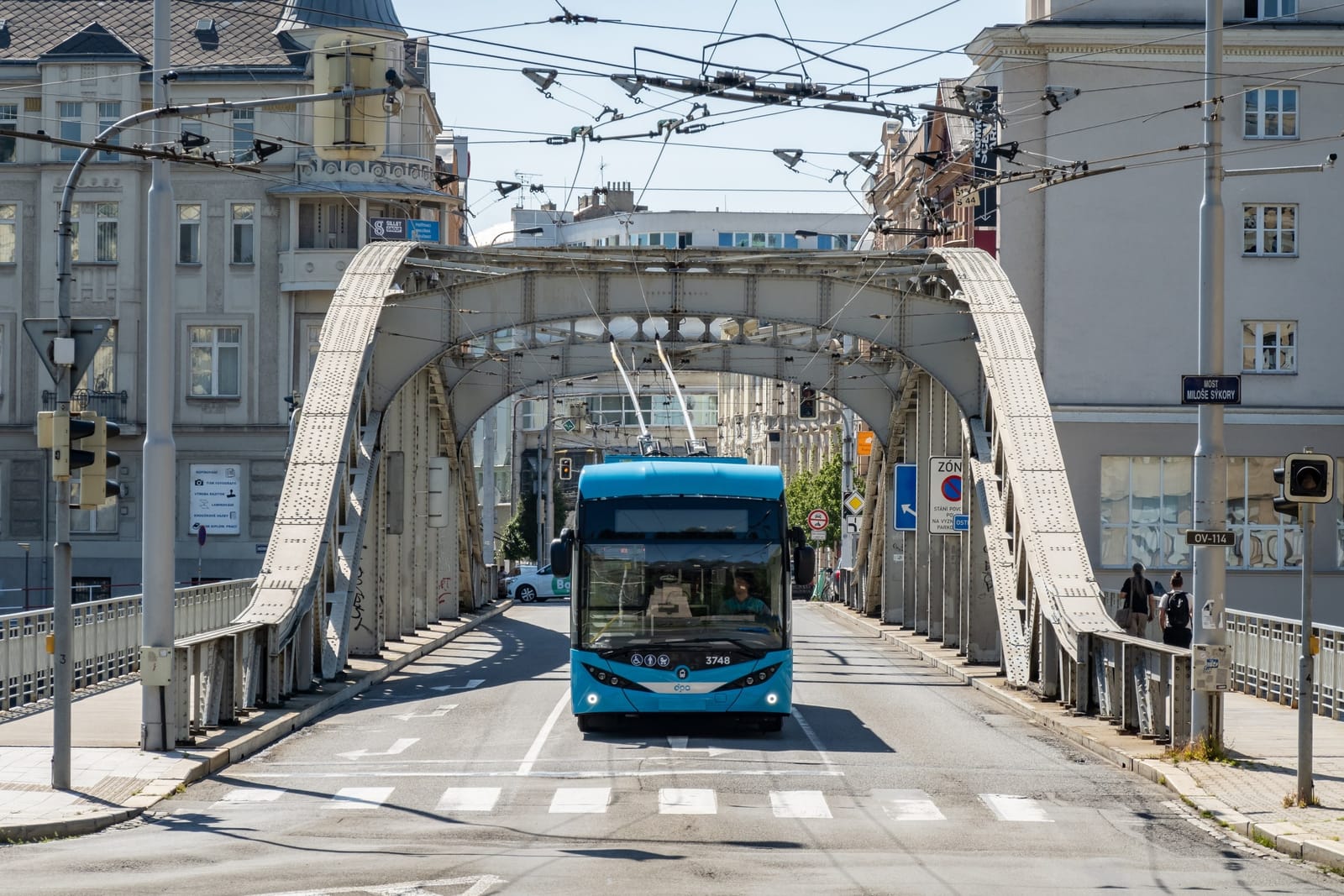
A tram crossing a bridge in central Ostrava

A tram crossing a bridge in central Ostrava

An Affordable, Real City

Ostrava is an unpretentious, affordable city with a strong music and festival culture (it hosts the famous Colours of Ostrava festival), reinvented industrial sites turned into cultural venues, and easy access to mountains and to Poland and Slovakia. International students settle in without the high costs of a capital city.

Challenges and Growth

The course could be overwhelming sometimes, but it teaches important life skills like time management, resilience, and teamwork.

Social Life

Student life isn't just about books and exams. The Erasmus Student Network and university organisations run events through the year, and Ostrava's squares, parks, Lower Vítkovice industrial-heritage site and nearby Beskydy mountains fill free time. International students form close-knit groups, and Krakow, Katowice and Prague are all within easy reach for weekends.

Overall Experience

Studying MBBS is about growing as a professional and as a person, building lifelong friendships, and gaining global exposure in the world of medicine.

Scholarship & Financial

Scholarship & Financial Aid

University of Ostrava students can explore several government and university scholarship routes.

Funded by the Ministry of Education, Youth and Sports of the Czech Republic, this programme is mainly for students from selected developing countries under bilateral agreements.

  • Tuition in Czech-language programmes
  • Monthly living allowance
  • Accommodation support as per government rules

Ratings

Reviews & Ratings

Hear from students and alumni about their experience at the University of Ostrava Faculty of Medicine.

4.6

70 reviews

Academics4.7
Infrastructure4.6
Hostel4.6
Campus Life4.5
Value for Money4.9
  • Small classes, big hospital

    Student — Medicine 2023

    The cohort is small, so teachers actually know you, and we get clinical time at a huge hospital early. Ostrava is genuinely cheap compared with Prague.

  • Great value for an EU degree

    Student — Medicine 2022

    At €12,000 a year with very low living costs, this is one of the most affordable EU medical degrees I found, and the MUDr. is recognised across Europe.

Compare

Compare Colleges

Compare the University of Ostrava Faculty of Medicine with a leading Indian medical college.

Quick Comparison:

University of Ostrava vs CMC Vellore

University
University of OstravaOstrava, Czech Republic
CMC VelloreTamil Nadu, India
University TypePublicPrivate (minority)
MediumEnglishEnglish
Course Duration6 years (MUDr. / MD)5.5 years (MBBS)
Tuition (per year)~₹13.2 lakh (€12,000)~₹3–4 lakh
AdmissionWritten entrance exam (Bio/Chem/Physics)NEET-UG
RecognitionWDOMS / EU; NMC-eligible via screeningNMC-recognised
Faculty founded2010 (young faculty, large teaching hospital)1900

Compare Top MBBS Universities for Me

See key differences in fees, ranking, eligibility and recognition.

Our blog

Medical Education Insights

Articles that turn complex MBBS-abroad rules into simple, practical steps for students and parents.

FAQ

Frequently Asked Questions

Short answers to the questions students and parents ask most often about MBBS at the University of Ostrava.