



Free Webinar: MBBS in India

Sat, October 3, 2026 | 8:30 PM

Reserve my Seat
futureMBBS

Free Webinar: MBBS in India

Sat, October 3, 2026 | 8:30 PM

Reserve my Seat
futureMBBS
Prague, Czech Republic

Second Faculty of Medicine

A six year General Medicine degree taught in English inside Motol University Hospital, the largest hospital in the Czech Republic.

  • MBBS student
  • MBBS student
  • MBBS student
  • MBBS student
  • MBBS student

5000+ Students trust us

Czech Republic

Country

Prague

City

#1 in Czech Republic

Ranking

English

Medium of instruction

Introduction

Second Faculty of Medicine, Charles University

The Second Faculty of Medicine, Charles University teaches a six year General Medicine programme in English at Motol University Hospital in Prague, awarding the MUDr. degree. Tuition is around ₹19.1 lakh a year (420,000 CZK, September 2026). Admission runs on the faculty's own entrance examination and interview, not NEET.

  • Study program:General Medicine
  • Language:English
  • Duration:6 Years
  • University type:Public university
  • Tuition fees:₹19,10,000 per year (approx.)
  • Entrance examination:Faculty written test and interview
  • Application deadline:30 April 2026
  • Study places:392 students enrolled in the English programme (2025/26)

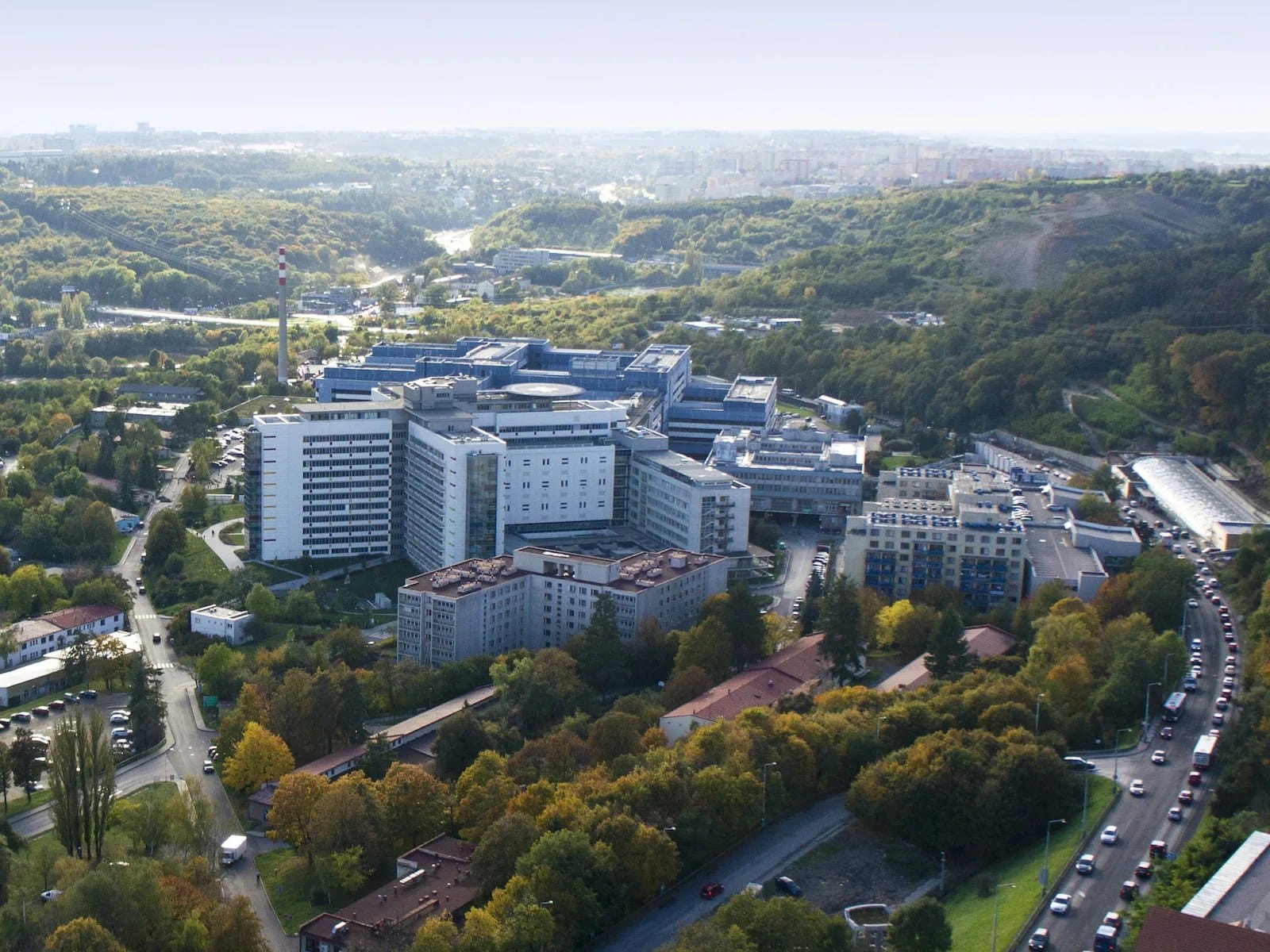
Charles University was founded in 1348. The Second Faculty of Medicine began life in 1953 as the Faculty of Paediatric Medicine and took its present name in 1990, which is why its teaching still follows the whole span of human development, from the newborn to the elderly patient. It is the smallest of the Prague medical faculties by student numbers, and it sits inside the largest hospital in the country. That combination is the argument for this faculty. 392 students were enrolled in the English language programme as of 31 October 2025, roughly 60 to a year group, sharing a hospital that runs 2,231 beds and treats more than a million outpatients a year. Adult and children's medicine sit on the same campus, so a student rotates through both without leaving the site, and teaching is done in small groups for the same reason.

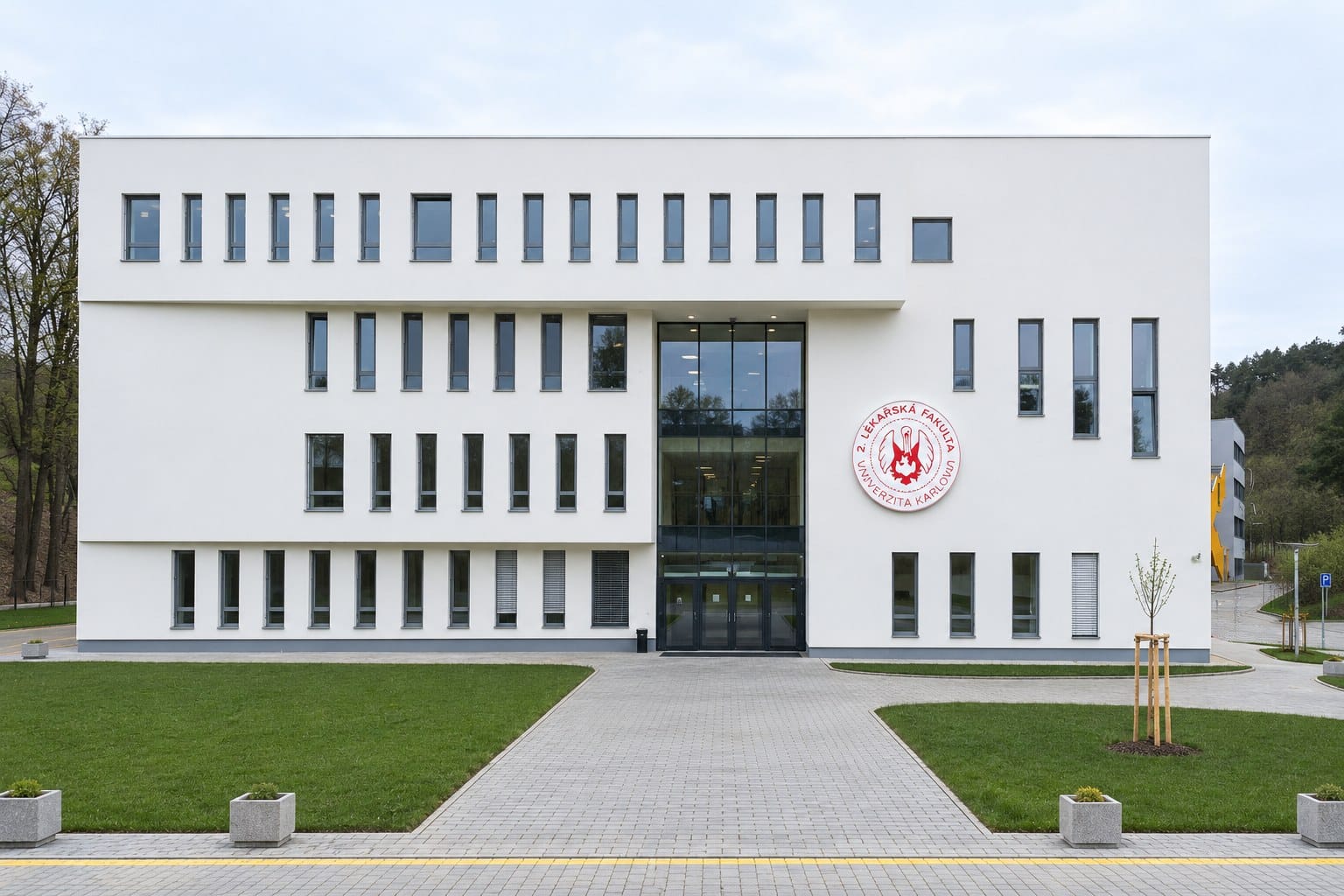
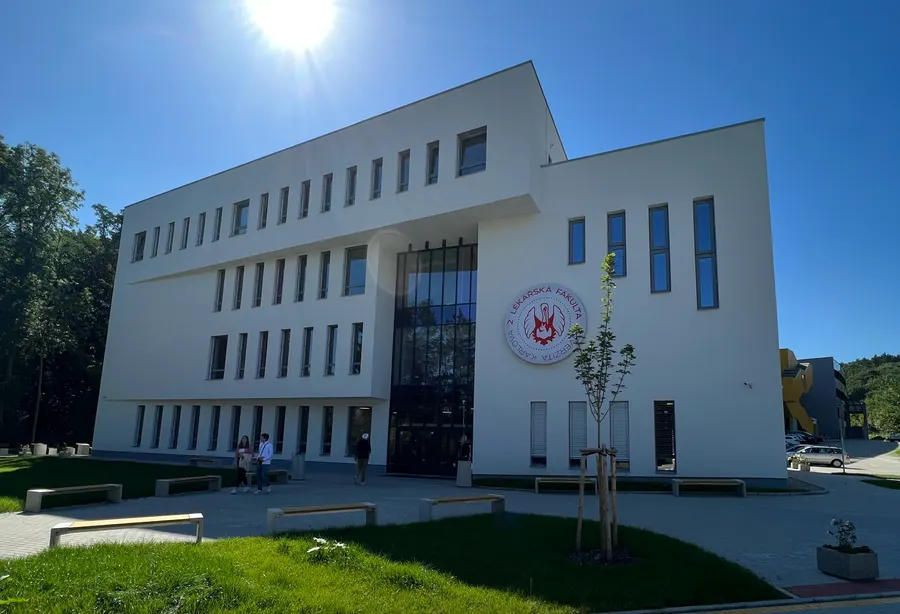
Second Faculty of Medicine building on the Motol University Hospital campus
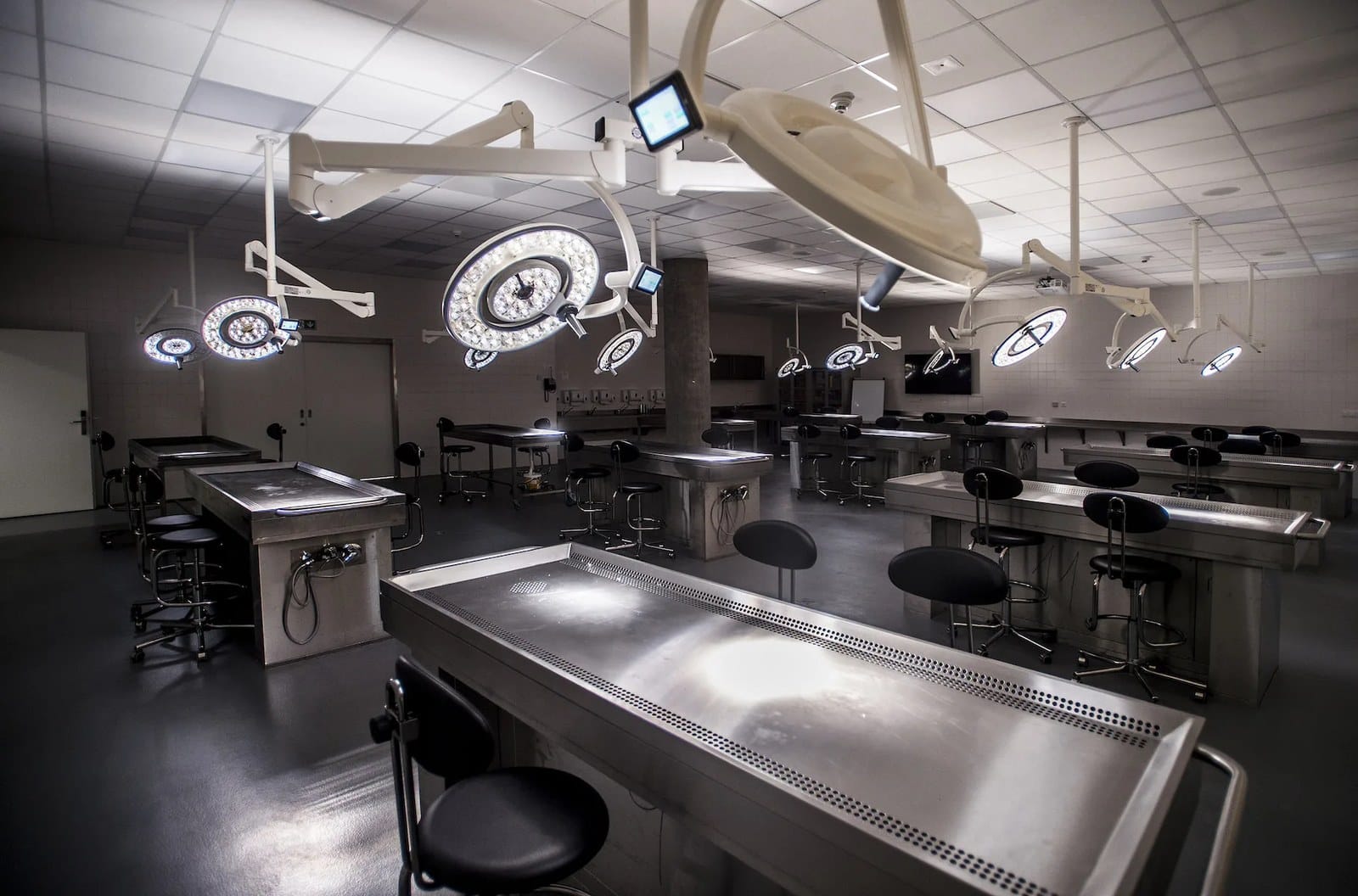
Dissection room at the Department of Anatomy, completed in 2019
Prague skyline at dawn with the Charles Bridge and the Vltava river
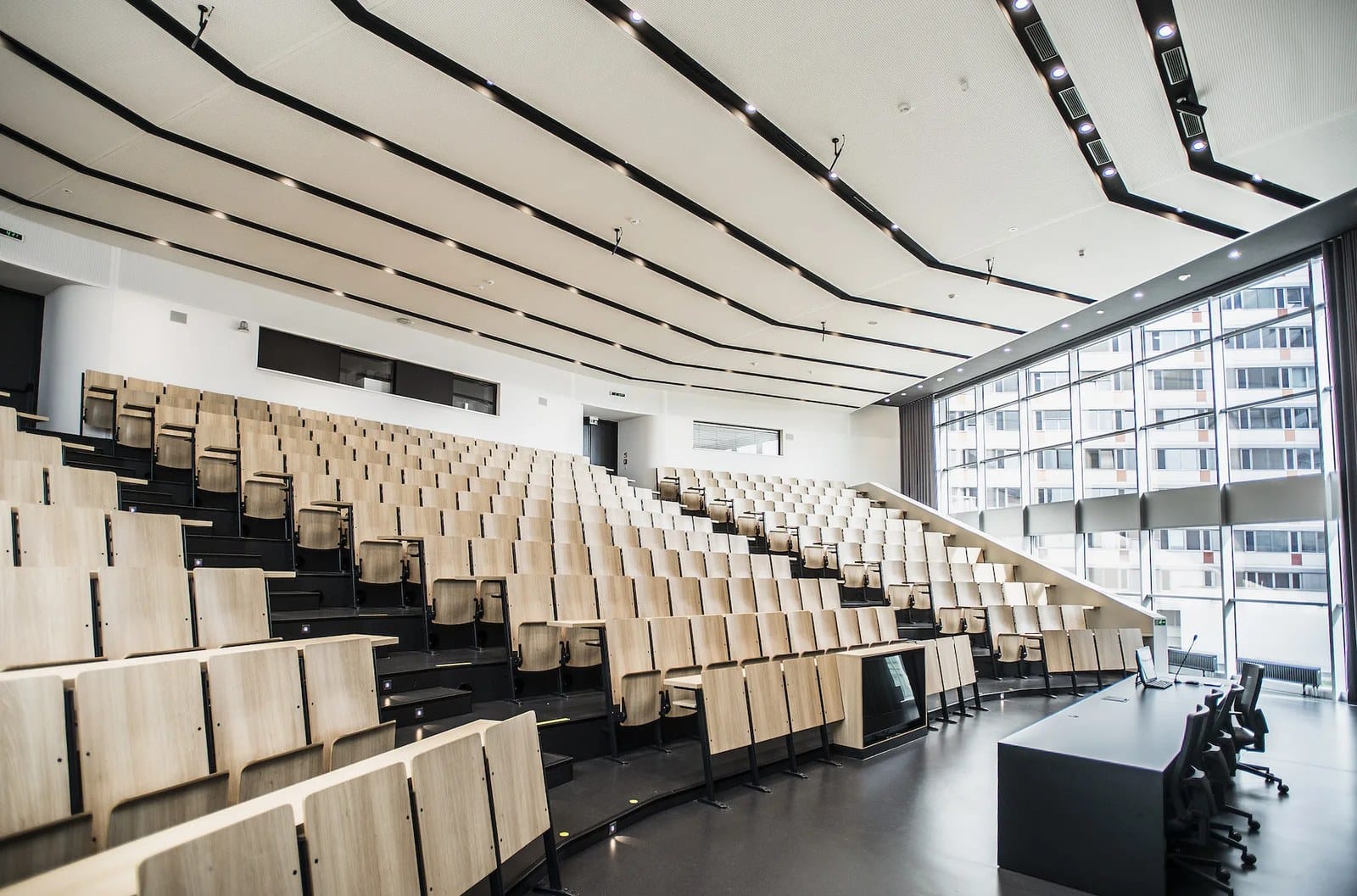
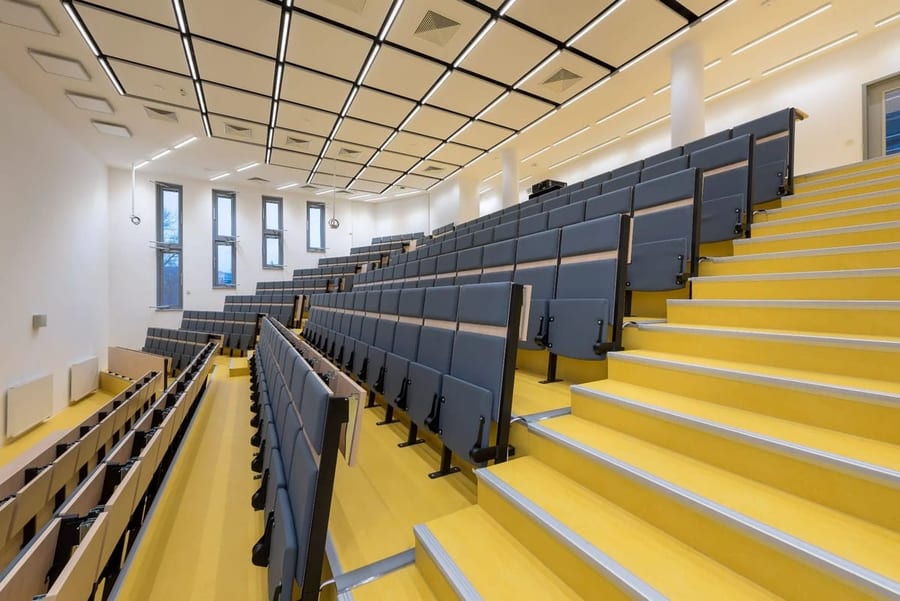
A tiered university lecture hall at the Second Faculty of Medicine

Second Faculty of Medicine building on the Motol University Hospital campus

Find out all about your MBBS-abroad options at the Second Faculty of Medicine

Download our free brochure for immediate information, or get personalised professional counselling from our team.

Recognition & Prestige

Rankings & Recognition

Rankings at Charles University are published for the university as a whole rather than faculty by faculty, so the positions below describe the institution that awards the degree. Charles University is the top-ranked university in the Czech Republic and in Eastern Europe.

  • #273

    QS World University Rankings 2027

  • #401 to 500

    THE World University Rankings 2026

  • #1

    in Eastern Europe (QS Europe Rankings)

  • #1

    in the Czech Republic

The three year QS trend is worth reading in full: Charles University moved from #246 in 2025 to #265 in 2026 to #273 in 2027, while staying first in the Czech Republic. Recognition, unlike ranking, attaches to the medical school itself. The Second Faculty of Medicine is listed in the World Directory of Medical Schools, the directory the National Medical Commission and the ECFMG both work from, and sits inside the European Higher Education Area, so the MUDr. is a recognised primary medical qualification across the European Union. Its six year English medium course in a single institution, with clinical training in the university's own hospital, meets the structure set out in the National Medical Commission Foreign Medical Graduate Licentiate Regulations 2021.

Accreditations and Recognition

  • National Medical Commission (NMC) of India emblem

    NMC

    National Medical Commission (India). Graduates are eligible to sit the licensing examination and register to practise

  • World Directory of Medical Schools emblem

    WDOMS

    Listed in the World Directory of Medical Schools

  • World Federation for Medical Education emblem

    WFME

    Aligned with World Federation for Medical Education standards

  • European Union emblem

    EU

    Within the European Higher Education Area (EU)

Complete Information About the Second Faculty of Medicine

Get complete information about the Second Faculty of Medicine, including tuition, living costs, admission and the entrance paper.

Success stories

Student Success Stories

Hear directly from students who are studying medicine in Europe with futureMBBS.

Academic Excellence

Why Study Medicine in Prague at the Second Faculty of Medicine

A small intake placed inside the largest hospital in the Czech Republic, with a paediatric depth that a general medical school does not carry.

Largest Teaching Hospital in the Country

Motol University Hospital works with 2,231 beds and more than 6,000 staff, treats over one million patients a year on an outpatient basis and admits more than 77,000 as inpatients. The faculty counts 667 of those beds as paediatric. Adult and children's medicine sit on one campus, which is unusual in Europe.

Small Intake, Large Clinical Base

392 students were enrolled in the English language General Medicine programme as of 31 October 2025, against 1,287 in the Czech programme. Across six year groups that is roughly 60 students a year sharing one of the largest hospital complexes in Central Europe, which is why seminars and practicals run in small groups.

Paediatric Depth

The faculty was a paediatric school for its first 37 years and kept the emphasis. Czech paediatric oncology was founded here by Professor Josef Koutecký, who opened the independent Department of Paediatric Oncology at Motol in 1978 and the Clinic of Paediatric Oncology in 1983. Motol remains the national referral centre for paediatric haematology.

Newest Anatomy Facilities

The Department of Anatomy and its dissection rooms were completed in 2019 and are the newest in the Czech Republic. First and second year anatomy is where most students decide whether they can do this, and doing it in a purpose built dissection room rather than a converted one is a practical difference.

Safe & Welcoming

The Czech Republic ranks 13th of 163 countries on the Global Peace Index 2026, with a score of 1.517, having sat 11th on the 2025 edition. It is a European Union member state, so a student holds a residence permit under a framework that is the same across the bloc.

Indian-Friendly City

Nemocnice Motol is a station on metro line A and sits directly in front of the faculty, about 15 minutes from the city centre. Prague has Indian restaurants rated above 4.8 out of 5 across thousands of reviews, including Sangam and K The Two Brothers, and Orient Food at Ortenovo náměstí stocks around 1,500 Indian grocery lines.

Read all about MBBS abroad in our free brochure

Know exactly what options exist for your MBBS-abroad success.

How to Apply

Admission Process for MBBS

Admission to General Medicine at the Second Faculty of Medicine is through the faculty's own two stage procedure, not NEET. Applicants apply online by 30 April, sit the written examination in New Delhi or in Prague, and attend an interview if their score is high enough.

Admission Timeline

  1. 1
    NovemberApplication Opens

    The online application window opens in the Charles University student information system for entry the following September.

  2. 2
    30 AprilRegistration Deadline

    Final date to register and pay the application fee of 2,500 CZK, about ₹11,375, whichever examination centre you choose.

  3. 3
    January and AprilEntrance Examination in New Delhi

    Future Doctor, the futureMBBS group, holds the written examination in New Delhi. The 2026 sittings were on 30 January and 15 April.

  4. 4
    May and JulyEntrance Examination in Prague

    The main Prague sitting ran on 27 May 2026, with an alternative sitting on 15 July 2026.

  5. 5
    Within weeksInterview

    Candidates with the highest written scores are invited to an interview before a committee of three faculty members.

  6. 6
    By end of AugustDocuments and Visa

    The legalised secondary school certificate reaches the faculty, and the Czech long term study visa is applied for at the embassy in New Delhi.

  7. 7
    SeptemberClasses Begin

    Enrolment takes place in person in Prague and the academic year begins.

Eligibility Criteria

Academic Qualification

The student must have passed Class 12 or equivalent with Physics, Chemistry and Biology. The secondary school certificate has to be legalised and, where required, put through the Czech recognition process, which happens after the entrance examination is passed and before enrolment.

Subjects:

BiologyChemistryPhysics

Age Requirement

Candidates must have completed secondary education before enrolment, which in practice means turning 17 or above in the year of admission.

  • Minimum 17 yearsRequired age at the time of admission

Requirements

Applicants clear the faculty's two stage entrance procedure. English is assessed during that procedure rather than against a fixed certificate score.

  • Entrance Exam

    A written test of 75 questions in Biology, Chemistry, Physics and Logic, followed by an interview for the highest scorers.

  • NEET UG

    Not used for selection here, but an Indian student needs a qualified NEET UG score for the NMC eligibility certificate and the licensing examination afterwards.

Entrance Examination

Admission is decided on the faculty's own paper, which differs from the other Charles University medical faculties in two ways: the marking is all or nothing, and one of the four sections is not science. Guessing is worth very little, and a candidate trained only on NEET style single answer questions has to retrain for multiple correct options.

ComponentRequirement
Written test, Biology20 questions
Written test, Chemistry20 questions
Written test, Physics20 questions
Written test, Logic15 questions, one correct answer each
Format75 questions in 90 minutes, up to 3 points a question, 225 points maximum
MarkingEvery correct option must be selected and every incorrect one avoided. Any discrepancy scores zero for that question, with no partial credit
InterviewCommittee of three faculty members, two topics drawn at random, 90 points maximum
Who is interviewedOnly the highest scorers from the written test, at the dean's discretion
Weight of school gradesNone. Secondary school results do not count in this phase
ExemptionWaived for A-levels at AAA, an International Baccalaureate of 35 points with 19 at Higher Level, an MCAT of 512 or above, or a BSc with a GPA of 3.5. Maximum 25 waivers per category, requested by 30 April

Required Documents

To apply, students need to submit essential academic and identification documents:

  • Completed online application form, submitted before 30 April
  • Legalised secondary school certificate, to reach the faculty by the end of August
  • Recognition of the foreign school certificate, assessed for a separate 2,500 CZK fee after the examination is passed
  • Valid passport and the visa documentation that follows
  • Medical certificate confirming fitness to study medicine, certified by a doctor
  • + More

Admission Guidance & Document Checklist

Get the complete document checklist or admission guidance from our experts.

Program Structure

MBBS Curriculum & Internship Structure

Students follow a structured six year curriculum that balances medical theory with real clinical experience at Motol University Hospital, taught entirely in English and ending in the State Final Examinations.

Medicine (General Medicine) Course

  • Total Duration:

    6 Years

  • Degree:

    MUDr. (Doctor of Medicine, equivalent to MBBS)

Curriculum Phases at the Second Faculty of Medicine

  • Years 1 to 2

    Pre-clinical

    Basic medical sciences and foundational subjects focused on the structure and function of the healthy human body, with anatomy taught in the dissection rooms completed in 2019:

    AnatomyHistology & EmbryologyBiophysicsBiology
    BiochemistryPhysiologyMicrobiology IMedical LatinFirst AidNursing PracticeBioethics
  • Years 3 to 4

    Paraclinical & Clinical Transition

    Paraclinical sciences and the first structured patient contact on the wards at Motol University Hospital:

    PathologyPathological PhysiologyPharmacologyImmunology
    Microbiology IIIntroduction to Clinical MedicineEpidemiology & Evidence-based MedicineInternal Medicine ISurgery IPaediatrics IOphthalmologyOtorhinolaryngology
  • Years 5 to 6

    Clinical Training & State Finals

    Clinical rotations at Motol University Hospital and Na Homolce Hospital, taught in small groups alongside simulation based training, concluding in the State Final Examinations:

    Internal MedicineSurgeryPaediatricsObstetrics & Gynaecology
    NeurologyPsychiatryDermatovenerologyInfectious DiseasesOncologyAnaesthesiology & Intensive CarePractical Medicine

Clinical Rotations

Clinical training takes place inside Motol University Hospital, which carries adult and paediatric departments on one campus, and at Na Homolce Hospital. An indicative rotation pattern:

PhaseFocus
Year 3Introduction to clinical medicine and the first structured patient contact at Motol
Year 4Internal medicine and surgery foundations, with ophthalmology and otorhinolaryngology
Year 5Paediatrics, neurology, psychiatry, obstetrics and gynaecology, dermatovenerology, infectious diseases and oncology
Year 6Internal medicine, surgery, paediatrics, obstetrics and gynaecology and practical medicine, ending in the State Final Examinations

Get the full curriculum

Download a free brochure to see detailed subjects, the course structure and everything you need to plan your studies.

Global Exchange

Erasmus+ Partner Universities

The Second Faculty of Medicine holds the Erasmus+ institutional code CZ PRAHA07 and publishes its available destinations with the remaining places on each one, so a student can see in advance whether the country they want is realistic that year. Places are allocated by faculty competition, which is why students plan for a semester abroad from about the third year rather than the sixth. The partners below take Second Faculty students for study exchanges.

CountryErasmus+ Partner Universities
AustriaUniversität Graz; Medizinische Universität Wien
BelgiumUniversité Libre de Bruxelles
CroatiaUniversity of Rijeka; University of Split
FranceClaude Bernard University Lyon 1; Médecine Sorbonne Université; Université Bordeaux
GermanyRuprecht-Karls-Universität Heidelberg; Albert-Ludwigs-Universität Freiburg; Heinrich-Heine-Universität Düsseldorf; Julius-Maximilians-Universität Würzburg; Universität Münster; Witten/Herdecke University
HungarySemmelweis University
ItalyUniversità degli Studi di Padova; Università degli Studi di Genova; Università degli Studi dell'Aquila; University of Campania Luigi Vanvitelli; Università degli Studi di Sassari
LithuaniaLithuanian University of Health Sciences
NorwayNorwegian University of Science and Technology
PolandMedical University of Gdańsk; Andrzej Frycz Modrzewski Krakow University
PortugalUniversidade de Coimbra; Universidade de Lisboa; Universidade Nova de Lisboa
SerbiaUniversity of Niš
SlovakiaUniverzita Komenského v Bratislave; Univerzita Pavla Jozefa Šafárika v Košiciach; Prešovská univerzita v Prešove
SloveniaUniversity of Ljubljana; University of Maribor
SpainUniversidad de Córdoba; Universidad Europea de Madrid; University of Santiago de Compostela
FinlandSavonia University of Applied Sciences (traineeships)

Explore Your Erasmus+ Options

The table above lists the partner universities of the Second Faculty of Medicine under the Erasmus+ exchange programme. Traineeship destinations also include Ghent University in Belgium and the University of Zagreb in Croatia.

Legacy

Top Alumni & Faculty

The Second Faculty of Medicine has shaped some of the most influential figures in Czech medicine, and the departments they built are the ones a student trains in today.

Josef Koutecký

Founded paediatric oncology as a specialty in the Czech Republic, opening the independent Department of Paediatric Oncology at Motol in 1978 and the Clinic of Paediatric Oncology in 1983. He was the first professor appointed in oncology in the former Czechoslovakia, wrote its first oncology textbook, served as dean of the faculty and later as Vice-Rector of Charles University. He lived from 1930 to 2019.


Marek Babjuk

Dean of the Second Faculty of Medicine and head of the Department of Urology at the faculty and Motol University Hospital. His clinical and research work is in non muscle invasive bladder cancer, the subject of the European Association of Urology guidelines he is associated with, and he sits on the committee of the Czech Urological Society.

Jan Trka

Leads CLIP, the Childhood Leukaemia Investigation Prague group in the Department of Paediatric Haematology and Oncology. The group's work on minimal residual disease measurement in childhood leukaemia feeds international treatment protocols, and the laboratory takes medical students onto live projects rather than only doctoral candidates.

Jan Starý

Of the Department of Paediatric Haematology and Oncology, whose work on childhood leukaemia treatment protocols is part of why Motol is the national referral centre for paediatric haematology, and why the faculty's paediatric teaching sits alongside a live referral caseload.

Milan Macek

Head of the Department of Biology and Medical Genetics, which is a node of the National Centre for Medical Genomics. The department works on the diagnosis and study of hereditary and rare diseases using next generation sequencing, and maintains part of the Czech database of genomic variants.

Štěpánka Průhová

Vice-Dean for Foreign Affairs, holding the portfolio that covers international students, the English language programme and Erasmus+ mobility. Hers is the office an international student deals with on exchanges and placements.

Faculty

Students are taught in small groups by clinicians who carry a national referral caseload at Motol, and can join a research group during the degree rather than waiting for doctoral study.

Academic Expertise

  • Clinicians working at the national paediatric referral centre

  • CLIP, the Childhood Leukaemia Investigation Prague laboratory, part of the EuroFlow framework

  • A node of the National Centre for Medical Genomics

  • Institutionally supported teams in Molecular Epidemiology of Paediatric Diseases and in Experimental Neurophysiology and Neuropsychology

  • 379 doctoral students across 17 programmes

Student Support & Mentorship

  • Seminars and practicals taught in small groups

  • Roughly 60 students a year group in the English programme

  • Clinical supervision during rotations at Motol

  • Simulation based training alongside ward teaching

  • A Vice-Dean for Foreign Affairs holding the international student portfolio

About University

History Information

Charles Bridge at dawn in Prague, commissioned by Charles IV, who founded Charles University in 1348

Charles Bridge at dawn in Prague, commissioned by Charles IV, who founded Charles University in 1348

Founded in 1348

Charles University was founded in Prague in 1348 by King Charles IV, with four faculties from the start, one of them medicine. It is the oldest university in Central Europe, and it is the institution whose name appears on the degree a Second Faculty graduate receives.

A School for Children's Doctors, 1953

The Second Faculty of Medicine was established in 1953 as the Faculty of Paediatric Medicine, created to train doctors specifically for children's medicine at a point when the country was building out paediatric services. It was renamed the Second Faculty of Medicine in 1990 and broadened to general medicine across the whole of life, from prenatal development to old age. The paediatric departments stayed, which is why it teaches general medicine today with an unusually strong children's component rather than one or the other.

Get all information about the Second Faculty of Medicine in our free brochure

Read on to find out how you can fulfil your dream of studying medicine at Charles University, Prague.

Role in medicine

Role in medical education

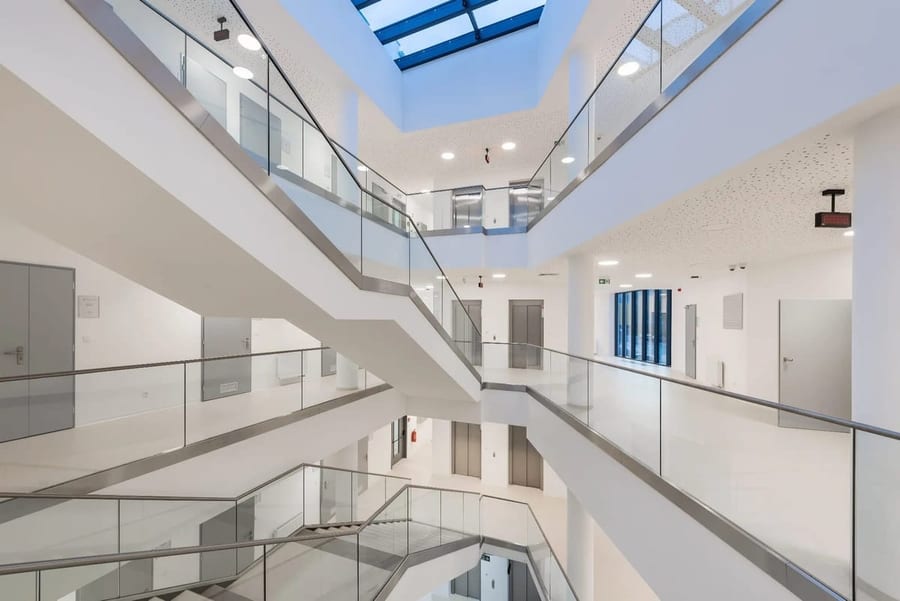
Daylit atrium inside the Second Faculty of Medicine building on the Motol campus

Daylit atrium inside the Second Faculty of Medicine building on the Motol campus

Teaching Inside the Largest Hospital in the Country

Motol University Hospital was founded in 1943 and works with 2,231 beds and more than 6,000 staff, treating over one million outpatients and more than 77,000 inpatients a year. The faculty counts 667 of those beds as paediatric. The teaching departments sit inside the hospital rather than beside it, and the faculty also teaches at Na Homolce Hospital.

Practical teaching room at the Second Faculty of Medicine, set up with workstations and stools

Practical teaching room at the Second Faculty of Medicine, set up with workstations and stools

Building the Czech Paediatric Specialties

Czech paediatric oncology was founded at this faculty, and Motol remains the national referral centre for paediatric haematology. On the teaching side, the Department of Anatomy and its dissection rooms were completed in 2019 and are the newest in the country, and the lecture halls are equipped to stream live operations so a whole cohort can follow a procedure without crowding the theatre.

Get all information about the Second Faculty of Medicine in our free brochure

Read on to find out how you can fulfil your dream of studying medicine at Charles University, Prague.

Affordable education

MBBS Living Cost at the Second Faculty of Medicine, Prague

Tuition is around ₹19.1 lakh a year (420,000 CZK), and the faculty has held it at that figure for the 2024/2025, 2025/2026 and 2026/2027 intakes, so six years of tuition comes to about ₹1.15 crore. Living costs sit on top of that. The table below is the faculty's own estimate for its international students, converted from its published range of EUR 450 to EUR 1,050 a month at 1 EUR = 110.56 INR, September 2026. Accommodation drives the spread: a student in a university hall sits near the bottom at about ₹23,200 a month, while a private studio in the centre sits near the top, and over six years that single choice is worth more than most families expect.

Monthly Living Cost

Cost ComponentApproximate Amount
Accommodation₹20,000 to ₹1,11,000
Food₹15,500 to ₹27,600
Transportation₹550 to ₹4,400
Books and study materials₹1,100 to ₹3,300
Other Expenses (Utilities, Internet, Leisure)₹11,000 to ₹27,600
Get Free MBBS Guide

Average monthly living cost

₹50,000 to ₹1,16,000 a month

Prague Old Town Square and the Church of Our Lady before Týn seen from above
A tram on a cobbled street in Malá Strana, Prague
Wenceslas Square and the National Museum in central Prague
The Dancing House on the Vltava embankment, Prague

Prague Old Town Square and the Church of Our Lady before Týn seen from above

Housing

Accommodation

The halls of residence provide a safe, supportive environment that helps students focus on their medical studies, at about ₹23,200 a month (EUR 210).

Official Halls of Residence

Charles University runs its own halls, and four of them are the ones Second Faculty students normally use: Hvězda, Kajetánka, Větrník and Komenského. Rooms cost approximately ₹23,200 a month (EUR 210, September 2026), with bed linen and towels supplied and cleaning included.

Hvězda, the Closest Hall

Hvězda is at Zvoníčkova 5 in Prague 6, with single, double and multi bed rooms and bathrooms shared along the corridor. Each floor has a kitchen and a study room, and the building has a gym, a laundry and a student club. Metro line A serves it at Petřiny and Nemocnice Motol, and trams 1, 2, 22 and 25 stop within about 500 metres.

Kajetánka, Below the Monastery

Kajetánka is at Radimova 35/12 in Prague 6, below the Břevnov Monastery, with views of Prague Castle from the upper floors. Rooms are arranged as flat cells, where one single and one double room share a toilet, shower and kitchen. Trams 22 and 25 stop 380 metres away and buses 174 and 180 stop 80 metres away.

Furnished Living Spaces

Rooms come furnished with beds, cupboards, study tables, chairs and bookshelves. Most have shared bathrooms along the corridor, and first year students are usually placed in double rooms, so a student who wants a single applies early and accepts it may come in a later year.

Shared Kitchens & Common Areas

Halls include shared kitchens, laundry, study rooms and common areas, either on each floor or inside the flat cell. Kajetánka also has a refectory, a TV room and a fitness area, and Hvězda has a reception that sells coffee and baguettes.

How to Book

Apply for a hall place during the admission process rather than after arriving. Booking through the university reservation system usually takes seven to ten working days, and the accommodation confirmation is also a required document for the Czech student visa, so booking early clears two things at once.

Need accommodation details?

Get a full overview of housing options with our university guide, or reach out to an expert.

Food & Dining

Indian Food, Always Available

Missing home-cooked meals? Prague has a settled Indian food scene with restaurants, grocery stores and delivery apps, and the faculty has its own refectory on the Motol campus.

Motol has its own refectory on campus and the Charles University canteen network serves subsidised student meals with vegetarian options on the daily menu. A subsidised lunch is the cheapest hot meal a student will find near the faculty.

Location

How to Reach the Second Faculty of Medicine, Prague

Address

V Úvalu 84, 150 06 Prague 5, Czech Republic

  • Nearest Airport

    Václav Havel Airport Prague (PRG), about 8 km away

  • Local Transport

    Nemocnice Motol on metro line A sits directly in front of the faculty, about 15 minutes from the city centre with no change

Your Roadmap to Success

Career Pathways After Medicine at the Second Faculty of Medicine

Graduates can pursue residency and specialisation across the EU, the UK, the USA and India after meeting each country's licensing requirements. Charles University also runs doctoral programmes at the Second Faculty, with 379 PhD students across 17 programmes in the 2025/2026 year, and students who join a research group during the degree have a much easier route in.

Understand the Medical Licensing Pathway

A clear overview of the exams and requirements after graduation.

Practising in India

FMGE & NExT Details

To practise medicine in India after graduating from the Second Faculty of Medicine, Indian students complete a three step licensing route. The National Exit Test has not come into force: the National Medical Commission's 2026 draft keeps the Foreign Medical Graduate Examination in place for provisional and National Medical Register registration until NExT is rolled out. The June 2026 FMGE session passed 4,635 of 37,448 registered candidates, a rate of 12.4%, against 23.37% in January 2026 and 18.61% in June 2025, so the sensible plan is to prepare for it from the third or fourth year alongside the university curriculum.

  1. Step 1

    Foreign Medical Graduate Examination (FMGE)

    Graduates clear the FMGE, conducted by NBEMS twice a year, which is what grants provisional registration. NEET UG must already be qualified, because the National Medical Commission requires it for the eligibility certificate that precedes study abroad and for the licensing examination afterwards.

  2. Step 2

    Clinical Internship (CRRI)

    After qualifying, students complete a one year Compulsory Rotatory Residential Internship in India. The Czech degree does not include this, so it is a year on top of the six.

  3. Step 3

    Medical Registration

    Final step: register with the National Medical Commission or the respective State Medical Council, which is what permits independent practice. The six year English medium course in a single institution meets the structure set out in the Foreign Medical Graduate Licentiate Regulations 2021, so there is no shortfall to make up.

Student Life Style

Student life at the Second Faculty of Medicine

Being an MBBS student is a mix of academics, cultural exposure and personal growth. The faculty is small, and students describe the effect as a tighter year group than a large medical school produces, with teaching staff who know names.

Tiered lecture hall where Second Faculty of Medicine students study

Tiered lecture hall where Second Faculty of Medicine students study

Academics

Assessment runs through the year rather than sitting only at the end, and the structure is fixed rather than elective heavy. Seminars and practical classes are taught in small groups, which is possible because the English programme takes roughly 60 students a year group. Simulation based training runs alongside ward teaching in the clinical years.

Campus and Facilities

The faculty sits on the Motol campus with the hospital, the anatomy dissection rooms completed in 2019 and lecture halls equipped to stream live operations. Sport and gym facilities sit inside the halls of residence, including Hvězda and Kajetánka, so they cost nothing extra.

Challenges and Growth

Studying medicine abroad is demanding: a new country, a rigorous curriculum and real clinical responsibility. The academic load is heavy and assessment is regular, which is the trade for a clearly defined structure and a year group small enough that nobody disappears into it.

Overall Experience

The 392 students in the English programme as of 31 October 2025 come from across Europe, Asia and North America, 33 of them Erasmus exchange students on placement. That is the classroom an Indian student joins, alongside 1,287 students in the Czech language programme on the same campus.

Social Life

Student societies run through the faculty and through IFMSA Czech Republic, which organises clinical and research exchanges and much of the social calendar. Prague is walkable and the student transport pass is inexpensive, so cost is rarely the barrier to doing things in the city.

Scholarship & Financial

Scholarship & Financial Aid

There is no entry scholarship here. Every faculty award goes to students already enrolled who have performed, so a family budgets the full fee for year one and treats any award as a reduction that may arrive from the second year onwards. Amounts are set by the Dean each year after consulting the Academic Senate.

Faculty awards for students already enrolled, set by the Dean each year.

  • Scholarship for Outstanding Academic Achievement, paid as a lump sum by 31 December to at least 10% of each year group
  • Best International Medical Student Award, which exists specifically for the English language programmes
  • Dean's Prize for contribution to medical science, community service or a moral act
  • Bursary for Cases Worthy of Special Consideration

Ratings

Reviews & Ratings

Hear from students and alumni about their experience at the Second Faculty of Medicine, Prague.

4.8

96 reviews

Academics4.9
Infrastructure4.8
Hostel4.6
Campus Life4.7
Value for Money4.7
  • Clinical exposure from a hospital this size

    Student — Medicine 2022

    Rotating through Motol means seeing adult and paediatric cases on the same campus. The year groups are small enough that the consultants know who you are.

  • A demanding entrance paper, worth the preparation

    Student — Medicine 2021

    The logic section and the all or nothing marking caught me out in practice tests. Once you retrain for it the paper is fair, and the interview is a real conversation.

Compare

Compare Colleges

Compare the Second Faculty of Medicine, Prague with a leading Indian medical college. Within Charles University itself, the First Faculty charges EUR 24,250 a year and the Faculty of Medicine in Pilsen 390,000 CZK, against 420,000 CZK here.

Quick Comparison:

Second Faculty of Medicine, Prague vs CMC Vellore

University
Second Faculty of Medicine, Charles UniversityPrague, Czech Republic
CMC VelloreTamil Nadu, India
University TypePublicPrivate (minority)
MediumEnglishEnglish
Course Duration6 years (MUDr.)5.5 years (MBBS)
Tuition (per year)~₹19.1 lakh~₹3–4 lakh
AdmissionFaculty written test plus interviewNEET UG
Teaching hospitalMotol University Hospital, 2,231 bedsChristian Medical College Hospital
RecognitionWDOMS / EU; NMC-eligible via screeningNMC-recognised
Global RankingQS #273 (2027), Charles UniversityNot in QS top 500

Compare Top MBBS Universities for Me

See key differences in fees, ranking, eligibility and recognition.

Our blog

Medical Education Insights

Articles that turn complex MBBS-abroad rules into simple, practical steps for students and parents.

FAQ

Frequently Asked Questions

Short answers to the questions students and parents ask most often about MBBS at the Second Faculty of Medicine.