




Free Webinar: MBBS in India

Sat, September 5, 2026 | 7:00 PM

Reserve my Seat
futureMBBS

Free Webinar: MBBS in India

Sat, September 5, 2026 | 7:00 PM

Reserve my Seat
futureMBBS
Prague, Czech Republic

Third Faculty of Medicine, Charles University

A modern, reform-minded medical faculty of Charles University, teaching medicine in English since 1991.

  • MBBS student
  • MBBS student
  • MBBS student
  • MBBS student

5000+ Students trust us

Czech Republic

Country

Prague

City

#1 in Czech Republic

Ranking

English

Medium of instruction

Introduction

Third Faculty of Medicine, Charles University

The Third Faculty of Medicine is one of the five medical faculties of Charles University, based on the historic Vinohrady health campus in Prague 10 and teaching General Medicine in English since the academic year 1991/92. Its six-year programme leads to the MUDr. degree (M.D., equivalent to MBBS) and is built on a radically reformed, integrated curriculum, the only one of its kind among medical schools in Central and Eastern Europe, with early patient contact and an extended focus on preventive medicine. Clinical training is centred on the University Hospital Královské Vinohrady, supported by seven further teaching institutions across Prague. The faculty is also accredited by the U.S. Department of Education for the study of American students, and around 90 students are admitted to the English programme each year.

  • Study program:MBBS
  • Language:English
  • Duration:6 Years
  • Per semester fees:₹9.56 lakhs
  • Application deadline:30. April
  • Entrance examination:Entrance Exam
  • International seats:90
Courtyard entrance of the Third Faculty of Medicine on Ruská Street
Main building of the Third Faculty of Medicine against a blue sky
Third Faculty of Medicine building at dusk
Facade detail of the Third Faculty of Medicine building
Naturally lit atrium and staircase at the Third Faculty of Medicine
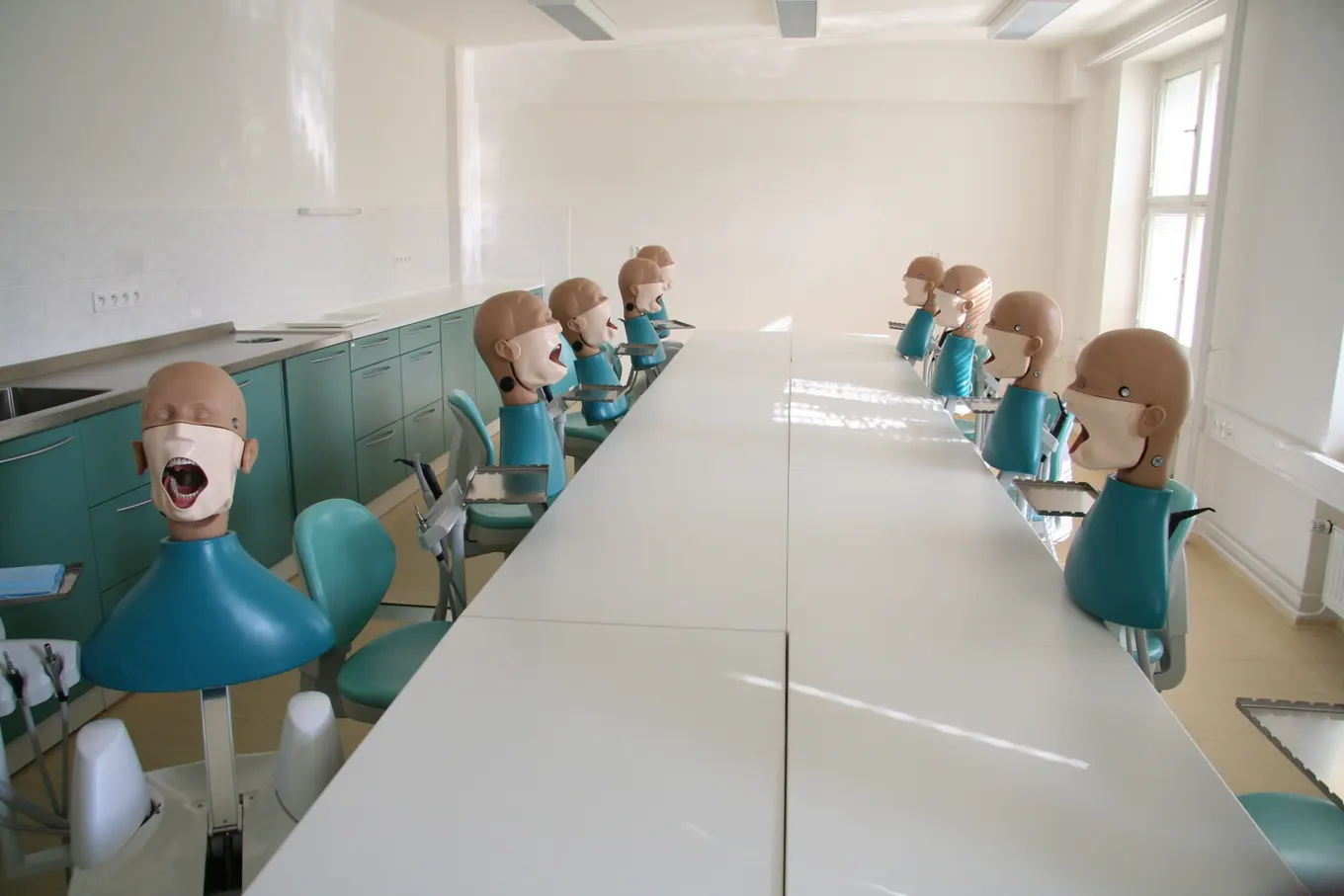
Simulation manikins in a skills lab at the Third Faculty of Medicine
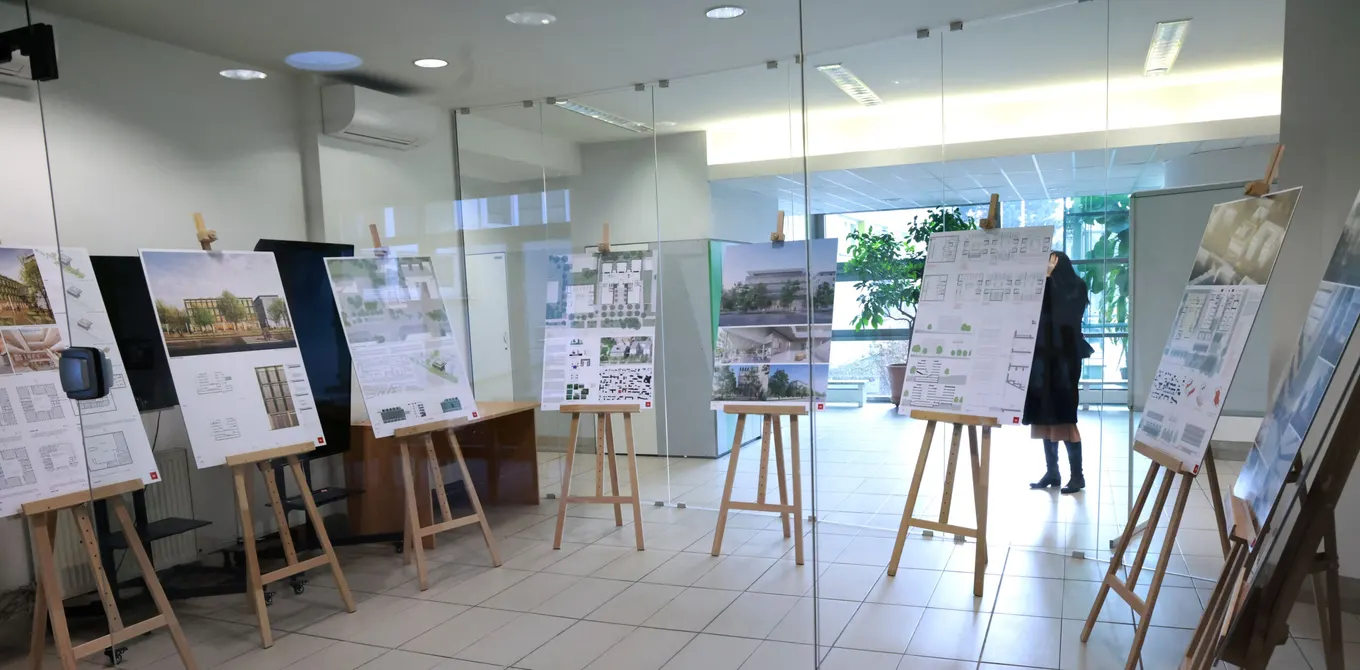
A student poster session in the Third Faculty foyer
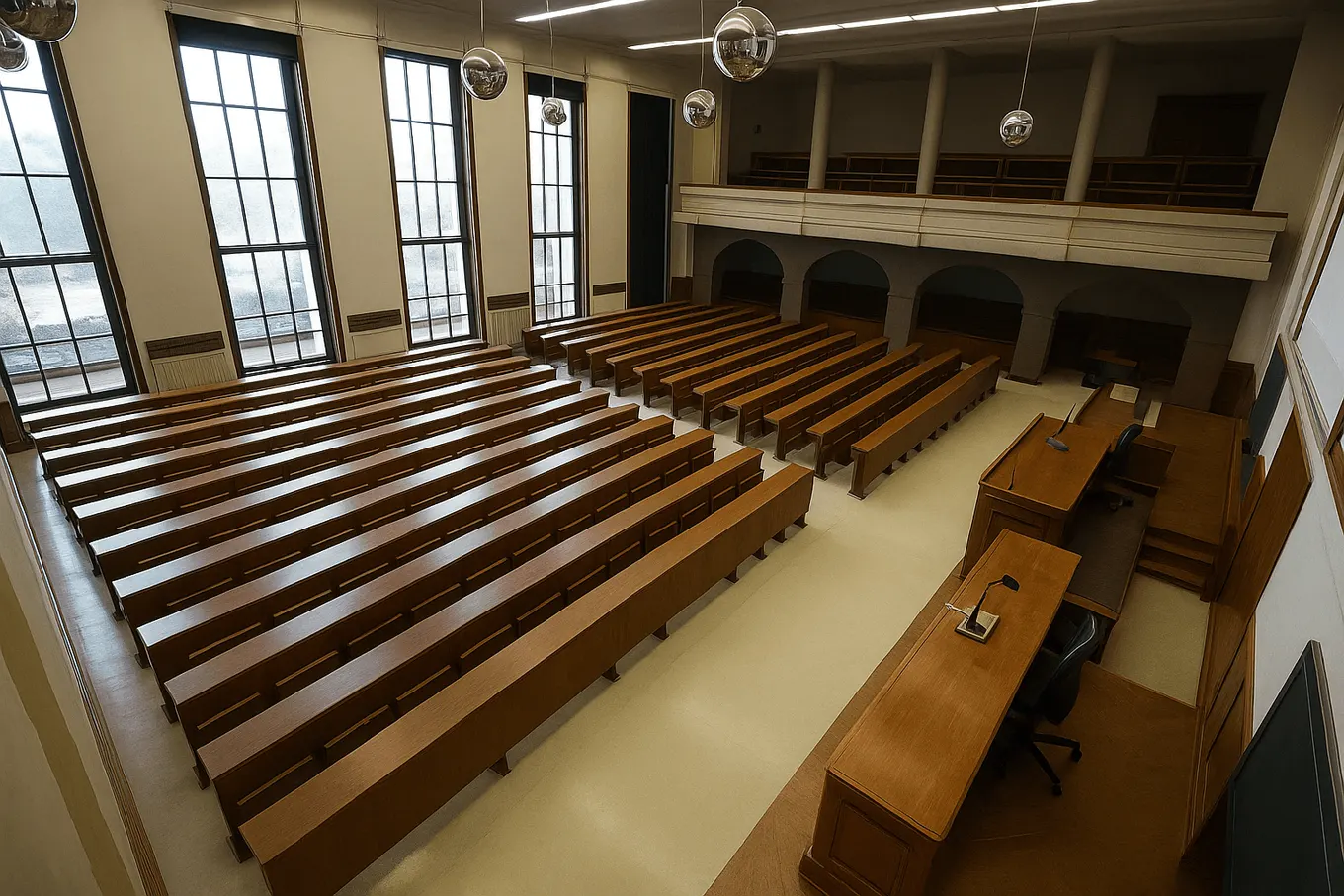
Wooden tiered lecture hall at the Third Faculty of Medicine

Courtyard entrance of the Third Faculty of Medicine on Ruská Street

Find out all about your MBBS-abroad options at the Third Faculty of Medicine

Download our free brochure for immediate information, or get personalised professional counselling from our experts.

Recognition & Prestige

Rankings & Recognition

The Third Faculty of Medicine belongs to Charles University, the top-ranked university in the Czech Republic, and is additionally accredited by the U.S. Department of Education for the study of American students.

  • #273

    QS World University Rankings 2027 (Charles University)

  • #401–500

    THE World University Rankings 2026 (Charles University)

  • US DoE

    Accredited by the U.S. Department of Education

  • #1

    in the Czech Republic

The medical degree is recognised internationally. The Third Faculty of Medicine is listed in the World Directory of Medical Schools (WDOMS) under Charles University, sits within the European Higher Education Area, and its graduates are eligible to qualify for practice in India through the NMC screening/exit examination.

Accreditations and Recognition

  • National Medical Commission (NMC) of India emblem

    NMC/MCI

    National Medical Commission / Medical Council of India (India)

  • World Directory of Medical Schools emblem

    WDOMS

    Listed in the World Directory of Medical Schools

  • World Federation for Medical Education emblem

    WFME

    Aligned with World Federation for Medical Education standards

  • European Union emblem

    EU

    Within the European Higher Education Area (EU)

Complete Information About the Third Faculty of Medicine

Get complete information about the Third Faculty of Medicine, Charles University, including tuition, living costs, admission process and recognition for Indian students.

Success stories

Student Success Stories

Hear directly from students who are studying medicine in Europe with futureMBBS.

Academic Excellence

Why Study Medicine at the Third Faculty of Medicine, Charles University

The Third Faculty of Medicine pairs a Charles University degree with the most reformed, patient-centred curriculum in Central and Eastern Europe, in one of Europe's safest and most affordable student cities.

Safe & Welcoming

The Czech Republic ranks among the top 10 safest countries globally and 12th among the friendliest worldwide. In Prague, English is widely spoken due to its international population.

Affordable Living

Prague offers a lower cost of living than many European cities, with monthly expenses of about ₹44,000–₹65,000 depending on lifestyle.

Reformed Integrated Curriculum

The faculty's medicine curriculum underwent a radical reform, the only one of its kind at medical schools in Central and Eastern Europe, integrating subjects into modules with early clinical contact and an EUROSKILLS-compatible logbook.

Indian-Friendly City

Prague has a strong Indian community, with 20+ Indian restaurants and 15+ Indian grocery stores offering Indian vegetables, spices and essential food items.

Strong Clinical Base

Clinical training is centred on the University Hospital Královské Vinohrady, with further teaching at Bulovka Hospital, Thomayer Hospital, Hospital Na Homolce, the Central Military Hospital, the Institute for Mother and Child Care, the Psychiatric Centre Prague and the National Institute of Public Health.

Global Recognition

Charles University stands at #273 in the QS World University Rankings 2027, and the Third Faculty of Medicine is additionally accredited by the U.S. Department of Education for American students.

Personal Scale & Fair Selection

Around 90 students join the English programme each year, and the two-round admission (written test plus a structured interview) rewards motivation and communication, not just memorisation. Top applicants can even be admitted without the entrance exam.

Read all about MBBS abroad in our free brochure

Know exactly what options exist for your MBBS-abroad success.

How to Apply

Admission Process for MBBS

Admission to General Medicine at the Third Faculty of Medicine is through the faculty's own two-part admission procedure, not NEET: an electronic written test in Biology and Chemistry followed by a structured interview. Applicants from India can sit the entrance examination through the faculty's official representatives, and a separate no-exam route admits up to 25 top applicants each year on school results alone.

Admission Timeline

  1. 1
    November 1, 2025Application Opens

    The online application window for the 2026/2027 academic year opens.

  2. 2
    April 15, 2026Application Deadline

    Final date to submit the application; documents for the admission-without-exam route must also reach the faculty by this date.

  3. 3
    May 29, 2026Written Entrance Exam (Prague)

    Electronic written test in Biology and Chemistry, arranged by the faculty in Prague; exam dates abroad (including India) run through official representatives.

  4. 4
    After the written testInterview

    Candidates who pass the written round are invited to a 10-minute structured interview covering text interpretation, judgment, communication and motivation.

  5. 5
    July 2, 2026Alternative Exam Date

    An alternative Prague term for applicants who could not sit the original date for serious (e.g. health) reasons.

  6. 6
    Early OctoberClasses Begin

    The winter semester begins for the new intake.

Eligibility Criteria

Academic Qualification

The student must have completed Class 12 (or equivalent secondary education) with Physics, Chemistry and Biology and a strong academic record. A verified school-leaving certificate (nostrification) is required before enrolment.

Subjects:

BiologyChemistryPhysics / Maths

Age Requirement

Candidates should be at least 17 years old by 31 December of the admission year.

  • Minimum 17 yearsRequired age at the time of admission

Requirements

Applicants must clear both parts of the faculty's entrance examination, or qualify for the admission-without-exam route on outstanding school results.

  • Entrance Exam

    Written test in Biology and Chemistry (60 questions, electronic) followed by a 10-minute structured interview; the dean sets the qualifying cut-offs.

  • No-Exam Route (Top 25)

    Up to 25 applicants are admitted without the exam on A-level results (A, A, B in English, Chemistry, Biology), IB Higher Level (19+ points across the three subjects), a comparable exam such as SAT (85th percentile+), a German Abitur average better than 1.30, or a recent science/health bachelor's degree.

Entrance Examination

Admission is based on the faculty's own two-part entrance examination rather than category-wise minimum marks.

ComponentRequirement
Part 1 — Written test (electronic, 0–60 points)Biology (30 questions) and Chemistry (30 questions); one correct answer out of four; one point per question; the dean sets the cut-off to proceed
Part 2 — Interview (10 minutes, 12–62 points + recommendation 1–7)Interpretation of a popular-scientific text, general overview, independent judgment, communication skills and motivation to study

Required Documents

To apply, students need to submit essential academic and identification documents:

  • Completed online application form
  • Application fee payment
  • High-school / secondary-school certificate (verified / nostrified before enrolment)
  • Valid passport
  • + More

Admission Guidance & Document Checklist

Get the complete document checklist or admission guidance from our experts.

Program Structure

MBBS Curriculum & Internship Structure

Students follow a reformed, integrated six-year curriculum organised into three cycles, taught entirely in English and leading to the MUDr. degree (M.D., equivalent to MBBS). Students also keep a EUROSKILLS-compatible logbook that keeps their training comparable with other European medical schools.

Medicine (General Medicine) Course

  • Total Duration:

    6 Years

  • Degree:

    MUDr. (Doctor of Medicine, equivalent to MBBS)

Curriculum Phases at the Third Faculty of Medicine

  • Years 1–2

    Cycle I — Basic Biomedical Sciences

    Theoretical subjects integrated into thematic modules focused on the healthy human body:

    Structure and Function of the Human BodyCell Biology and GeneticsBiophysics and InformaticsMethodology
    Needs of PatientsLatin Medical TerminologyCzech Language
  • Years 3–4

    Cycle II — Principles of Clinical Medicine

    The bridge from laboratory science to bedside medicine, with structured patient contact; students use Czech with patients from the end of Year 2:

    Theoretical Foundations of Clinical MedicineClinical PropedeuticsBasic Clinical ProblemsCompulsory Optional Courses
  • Years 5–6

    Cycle III — Clinical Preparation

    Clinical rotations across the specialties, centred on the University Hospital Královské Vinohrady, with direct patient care under supervision, concluding in the State Final Examinations:

    Internal MedicineSurgeryGynaecology and ObstetricsPaediatrics
    Preventive Medicine

Clinical Rotations

Clinical training takes place in the faculty's network of Prague teaching institutions, centred on the University Hospital Královské Vinohrady. An indicative rotation pattern across the clinical years is:

PhaseFocus
Year 4Clinical propaedeutics deepening into bedside teaching across internal medicine and surgery, plus basic clinical problems
Year 5Internal Medicine, Surgery, Gynaecology and Obstetrics blocks with supervised patient care
Year 6Paediatrics, Preventive Medicine and pre-graduation clinical practice, ending in the State Final Examinations

Get the full curriculum

Download a free brochure to see detailed subjects, the course structure and everything you need to plan your studies.

Global Exchange

Erasmus+ Partner Universities

Charles University works closely with many well-known universities worldwide, and a key priority is giving students the chance to study or complete internships abroad. Its most popular exchange programme, Erasmus+, is used by around 2,000 Charles University students every year, and the Third Faculty of Medicine runs its own student mobility office.

CountryErasmus+ Partner Universities
AustriaUniversity of Graz; Medical University of Vienna
BelgiumUniversité Libre de Bruxelles; Ghent University
CroatiaUniversity of Rijeka; University of Split
FranceClaude Bernard University Lyon 1; Medicine Sorbonne Université; University of Bordeaux
GermanyAlbert-Ludwigs-Universität Freiburg; Heinrich-Heine-Universität Düsseldorf; Julius-Maximilians-Universität Würzburg; Ruprecht-Karls-Universität Heidelberg; University of Münster; Witten/Herdecke University
HungarySemmelweis University
ItalyUniversità degli Studi dell'Aquila; University of Genoa; University of Campania "Luigi Vanvitelli"; University of Padua; University of Sassari
LithuaniaLithuanian University of Health Sciences
NorwayNorwegian University of Science and Technology
PolandAndrzej Frycz Modrzewski Krakow University; Medical University of Gdańsk
PortugalUniversity of Coimbra; University of Lisbon; New University of Lisbon
SlovakiaComenius University in Bratislava; Pavol Jozef Šafárik University in Košice
SloveniaUniversity of Ljubljana; University of Maribor
SpainUniversity of Cordoba; European University of Madrid; University of Santiago de Compostela

Explore Your Erasmus+ Options

The table above highlights selected partner universities of Charles University under the Erasmus+ exchange programme.

Legacy

Prominent Figures of the Third Faculty of Medicine and the Vinohrady Campus

The Third Faculty of Medicine grew out of the Vinohrady health campus, whose hospital (1902) and State Health Institute (1925) shaped generations of Czech medicine.

František Burian

Founder of Czech plastic surgery and one of the discipline's global pioneers, who built one of the first dedicated plastic surgery departments in the world at the Vinohrady Hospital and shaped reconstructive care for burn victims and children with facial clefts.

Josef Janků

Professor of ophthalmology at the Vinohrady Hospital and discoverer of ophthalmic toxoplasmosis (remembered in the eponym Morbus Jankumi), opening a whole chapter of infectious ophthalmology cited in textbooks worldwide.

Emerich Polák

Professor of lung and abdominal surgery at the Vinohrady Hospital and one of the leading Czech surgeons of his generation, who advanced thoracic and abdominal operative techniques and trained a generation of surgeons on the campus where Third Faculty students now rotate.

Jiří Syllaba

Founder of Czechoslovak diabetology, who built systematic, lifelong diabetes care at the Vinohrady Hospital after the Second World War — a tradition living on in the faculty's strong internal medicine and metabolic research.

Vratislav Jonáš

One of the most renowned Czech cardiologists of the twentieth century, active at the Vinohrady Hospital, whose textbooks of cardiology educated decades of physicians on a campus later famous for acute cardiology.

Ivan Honl

Professor at the State Health Institute on the Vinohrady campus who established the first therapeutic Pasteur Institute on Czech territory; its staff later joined WHO programmes, including the global eradication of smallpox — the direct ancestor of the faculty's preventive medicine focus.

Cyril Höschl

Psychiatrist of international standing and the first freely elected dean after the Velvet Revolution (1989), who led the faculty's transformation into the modern Third Faculty of Medicine and later directed the National Institute of Mental Health.

Faculty

Students are guided by experienced professors, clinicians and researchers. The faculty is led by Dean prof. MUDr. Jan Trnka, Ph.D., M.Phil., M.Sc. (2026–2030), with vice-deans including MUDr. David Marx, Ph.D. (Undergraduate Education and Student Affairs), doc. MUDr. Martin Chovanec, Ph.D. (Internationalization), prof. MUDr. Jan Gojda, Ph.D. (Research) and prof. MUDr. Petr Widimský, DrSc. (Cooperation with Healthcare Facilities), one of Europe's best-known interventional cardiologists and the faculty's former dean.

Academic Expertise

  • Experienced physicians and surgeons

  • Faculty with international publications

  • Medical researchers and scientists

  • Active involvement in medical research and innovation

Student Support & Mentorship

  • Regular academic interaction

  • Personal mentorship

  • Clinical supervision during rotations

  • Continuous development of practical skills

About University

History Information

Modern building of the Third Faculty of Medicine on Ruská Street

Modern building of the Third Faculty of Medicine on Ruská Street

Medical Teaching Since 1348, a Campus Since 1902

The faculty carries the tradition of medicine at Charles University, one of the university's four founding subjects in 1348. Its own home, the Vinohrady health campus, began in 1902 when Emperor Franz Joseph I inaugurated the Vinohrady Hospital, joined in 1925 by the State Health Institute, and both institutions became engines of Czech health care.

1953: The Faculty of Hygiene

In 1953 the Prague medical faculty was divided into three: the Faculty of General Medicine, the Faculty of Paediatrics and the Faculty of Hygiene. The Vinohrady-based Faculty of Hygiene kept a full medical focus while specialising in hygiene and prevention, a heritage that still shows in the faculty's strong preventive medicine teaching.

Historic street leading to Prague's Old Town Square

Historic street leading to Prague's Old Town Square

1990: The Third Faculty of Medicine

After the Velvet Revolution the faculty was renamed the Third Faculty of Medicine, underlining its general medical focus, and psychiatrist Cyril Höschl became its first freely elected dean. English-language teaching of General Medicine began in 1991/92, and a new faculty building on Ruská Street opened in September 1992.

A Reform Faculty with Global Guests

Since 1996/97 the faculty has taught a radically reformed, integrated curriculum, the first of its kind in Central and Eastern Europe. Its honorary doctors and guests have included philosopher Sir Karl Popper and Nobel laureates James Watson and Andrew Huxley, reflecting the faculty's open, internationally connected culture.

Get all information about the Third Faculty of Medicine in our free brochure

Read on to find out how you can fulfil your dream of studying medicine at the Third Faculty of Medicine, Charles University.

Role in medicine

Role in medical education

A Clinical Network Across Prague

The faculty's teaching base includes the University Hospital Královské Vinohrady, the Psychiatric Centre Prague, Bulovka Hospital, Thomayer Hospital, the Institute for Mother and Child Care, Hospital Na Homolce, the Central Military Hospital and the National Institute of Public Health, with experts of the Czech Academy of Sciences and the Institute of Clinical and Experimental Medicine also teaching students.

The Curriculum Reform Pioneer

The faculty implemented the only radically reformed, integrated medical curriculum among Central and Eastern European medical schools, drawing on Western European and North American models. Modules replace isolated subjects, patients appear in teaching from the early years, and the EUROSKILLS logbook keeps training compatible across Europe.

Prevention as a Signature

Heir to the Faculty of Hygiene and the State Health Institute tradition that contributed to the WHO smallpox eradication programme, the faculty gives every graduate an extended grounding in preventive health care and public health, fields that modern health systems, including India's, increasingly reward.

Get all information about the Third Faculty of Medicine in our free brochure

Read on to find out how you can fulfil your dream of studying medicine at the Third Faculty of Medicine, Charles University.

Affordable education

MBBS Living Cost at the Third Faculty of Medicine, Prague

Prague offers world-class medical education at a comparatively low cost of living. Here is the monthly breakdown.

Monthly Living Cost

Cost ComponentApproximate Amount
Accommodation₹22,000 – ₹32,000
Food₹15,000 – ₹20,000
Transportation₹2,000 – ₹5,000
Other Expenses (Utilities, Internet, Leisure)₹5,000 – ₹8,000
Get Free MBBS Guide

Average monthly living cost

₹44,000 – ₹65,000

The Vltava river and a Prague bridge in autumn
The National Museum on Wenceslas Square, Prague
The Prague riverfront lit at night
Prague Castle above the Vltava, seen from Letná
The Astronomical Clock and Old Town Square at sunrise

The Vltava river and a Prague bridge in autumn

Housing

Accommodation

The Charles University halls of residence provide a safe, supportive and affordable environment that helps students focus on their medical studies while settling into life in Prague.

Official Halls of Residence

Charles University offers accommodation through its official university halls of residence, managed centrally by the university. Accommodation must be requested during the application process, and applying early is recommended as capacity is limited.

Dormitory Network Across Prague

Third Faculty of Medicine students are typically placed in Charles University halls spread across Prague, with public-transport connections to the faculty campus at Ruská Street in Prague 10.

Furnished Living Spaces

Rooms are single or double, though first-year students are usually placed in shared double rooms as singles are very limited. Each student has their own bed, study desk, chair and storage space, with bed linen supplied and rooms cleaned regularly.

Shared Kitchens & Common Areas

Some rooms include a small kitchenette, while others share a kitchen on the same floor. Bathrooms are shared between two rooms or along the floor depending on the hall. Students bring their own kitchenware, as it is not provided.

Affordable Monthly Cost

Accommodation in the halls costs approximately €210 per month, among the most affordable student housing of any European medical city and well below Prague's private-market rents.

How to Apply

Accommodation must be requested during the application process. Capacity is limited and room allocation is managed centrally by Charles University, so applying as early as possible is strongly recommended.

Booking Support for New Students

Newly admitted students can have their room booked for them, including the official accommodation letter required for the student visa, arranged through the faculty and representative network.

Off-Campus and Private Housing

Students who prefer more comfort or independence can choose privately operated student residences, or rent or share a private flat. Both options cost noticeably more than the university halls, and students organise this independently as the university does not arrange private housing.

Need accommodation details?

Get a full overview of housing options with our university guide, or reach out to an expert.

Food & Dining

100% Veg Options and Indian Food, Always Available

Indian and vegetarian food is easily available in cafeterias and restaurants across Prague.

Charles University has student cafeterias (menzas) serving affordable daily meals, and the faculty runs its own buffet at Ruská Street. Vegetarian options like salads, pasta, soups and cooked meals are available regularly, and the food is subsidised for students.

Location

How to Reach the Third Faculty of Medicine, Charles University

Address

Ruská 87, 100 00 Prague 10 (Vinohrady), Czech Republic

  • Nearest Airport

    Václav Havel Airport Prague (PRG)

  • Local Transport

    Metro line A (Želivského / Flora) plus trams and buses connect the campus across the city

Your Roadmap to Success

Career Pathways After Medicine at the Third Faculty of Medicine

On completing the programme, graduates of the Third Faculty of Medicine earn the internationally recognised MUDr. title (Doctor of Medicine). The degree is respected worldwide and opens career opportunities both in India and abroad, giving graduates a genuine choice of where to build their medical career.

Understand the Medical Licensing Pathway

A clear overview of the exams and requirements after graduation.

Practising in India

FMGE & NExT Details

To practise medicine in India after graduating from the Third Faculty of Medicine, Indian students follow a clear and well-defined licensing pathway set by the National Medical Commission (NMC). It has three stages: clearing the NMC screening examination (currently the FMGE, transitioning to the NExT), completing a one-year internship, and registering with the medical council. None of these steps are unusual or specific to this faculty. Every Indian student who studies medicine abroad follows the same route, and thousands do so successfully each year.

  1. Step 1

    National Exit Test (NExT)

    Graduates must clear the qualifying examination that licenses foreign medical graduates to practise in India. At present this is the Foreign Medical Graduate Examination (FMGE), which India is in the process of replacing with the National Exit Test (NExT). The NExT is designed to be a single, unified exam that serves two purposes at once: it acts as the mandatory licensing test for all medical graduates, and it functions as the entrance examination for postgraduate (MD/MS) specialisation seats in India. Preparing steadily through the six years of study, rather than only at the end, is the approach that consistently produces strong results.

  2. Step 2

    Clinical Internship (CRRI)

    After qualifying, students complete a one-year Compulsory Rotatory Residential Internship (CRRI) in India. This is a paid, hospital-based internship that rotates through core departments such as medicine, surgery, paediatrics, and obstetrics and gynaecology, giving graduates supervised, hands-on clinical experience within the Indian healthcare system before they practise independently.

  3. Step 3

    Medical Registration

    The final step is registration with the National Medical Commission (NMC) or the relevant State Medical Council. Once registered, the graduate holds a permanent medical registration number and is fully licensed to practise medicine as a doctor anywhere in India.

Student Life Style

Student life at the Third Faculty of Medicine

Being an MBBS student is a mix of academics, cultural exposure, and personal growth. With its reform-minded teaching and close-knit international community, the faculty gives a solid foundation for students.

Charles Bridge at sunset with a boat on the Vltava

Charles Bridge at sunset with a boat on the Vltava

Academics

The curriculum is intensive, well-structured and aligns with international standards. Students learn through integrated modules, lab work and clinical rotations at the University Hospital Královské Vinohrady, and the strong focus on evidence-based and preventive medicine keeps them well prepared for real-life medical situations.

Cherry blossoms framing Charles Bridge and Prague Castle

Cherry blossoms framing Charles Bridge and Prague Castle

Campus and Facilities

The faculty's modern Ruská Street building houses lecture rooms, laboratories, the Centre for Scientific Information and a student buffet, with the teaching hospital right next door. New students start with an introductory course in Dobronice, and a dedicated student mental health centre supports wellbeing throughout the study years.

Challenges and Growth

The course could be overwhelming sometimes, but it teaches important life skills like time management, resilience and teamwork.

Social Life

Student life isn't just about books and exams. The faculty magazine VITA NOSTRA, student associations and sports events keep the community close, and international students often form tight groups while exploring a city full of history, art and amazing food. The faculty even publishes its own podcast for applicants, Welcome at the Third.

Overall Experience

Studying MBBS is about growing as a professional and as a person, building lifelong friendships and gaining global exposure in the world of medicine.

Charles Bridge and its towers reflected in the Vltava at dusk
Prague bridges under a colourful evening sky
River cruise boat on the Vltava near Charles Bridge

Charles Bridge and its towers reflected in the Vltava at dusk

Scholarship & Financial

Scholarship & Financial Aid

Third Faculty of Medicine students can explore several government and university scholarship routes.

Funded by the Ministry of Education, Youth and Sports of the Czech Republic, this programme is mainly for students from selected developing countries under bilateral agreements.

  • Tuition in Czech-language programmes
  • Monthly living allowance
  • Accommodation support as per government rules

Ratings

Reviews & Ratings

Hear from students and alumni about their experience at the Third Faculty of Medicine, Charles University.

4.8

125 reviews

Academics4.9
Infrastructure4.8
Hostel4.7
Campus Life4.8
Value for Money4.8
  • A curriculum that actually makes sense

    Student — Medicine 2022

    The integrated modules mean you learn organ systems as a whole instead of isolated subjects. Patient contact starts early, and Prague is safe, affordable and welcoming to Indian students.

  • Strong clinical training at Vinohrady

    Student — Medicine 2021

    Rotations at the University Hospital Královské Vinohrady give real hands-on experience, and the interview-based admission means your classmates genuinely want to be doctors.

Compare

Compare Colleges

Compare the Third Faculty of Medicine, Charles University with a leading Indian medical college.

Quick Comparison:

Third Faculty of Medicine, Charles University vs CMC Vellore

University
Third Faculty of Medicine, Charles UniversityPrague, Czech Republic
CMC VelloreTamil Nadu, India
University TypePublicPrivate (minority)
MediumEnglishEnglish
Course Duration6 years (MUDr.)5.5 years (MBBS)
Tuition (per year)~₹18.7 lakh (420,000 CZK)~₹3–4 lakh
AdmissionFaculty entrance exam (written + interview); no-exam route for top applicantsNEET-UG
RecognitionWDOMS / EU; NMC-eligible via screening; US DoE accreditedNMC-recognised
Global RankingQS #273 (2027, Charles University)Not in QS top 500

Compare Top MBBS Universities for Me

See key differences in fees, ranking, eligibility and recognition.

Our blog

Medical Education Insights

Articles that turn complex MBBS-abroad rules into simple, practical steps for students and parents.

FAQ

Frequently Asked Questions

Short answers to the questions students and parents ask most often about MBBS at the Third Faculty of Medicine.