Professor Ante Tonkić
Dean of the University of Split School of Medicine, leading the faculty that delivers the Medical Studies in English programme in partnership with the University Hospital of Split.
Webinar: Pursuing MBBS in India Thu, November 5, 2026 | 8:30 PM IST FREE
Reserve free seatFree Webinar: MBBS in India
Thu, November 5, 2026 | 8:30 PM

Free Webinar: MBBS in India
Thu, November 5, 2026 | 8:30 PM
A Dalmatian coastal medical school in the European Union, teaching a 6-year Medical Studies in English programme that awards an EU-recognised MD, with no written entrance exam and a deliberately small international intake.


5000+ Students trust us
Croatia (EU)
Country
Split
City (Dalmatian coast)
6 Years
Integrated MD (MSE programme)
English
Medium of instruction
Introduction
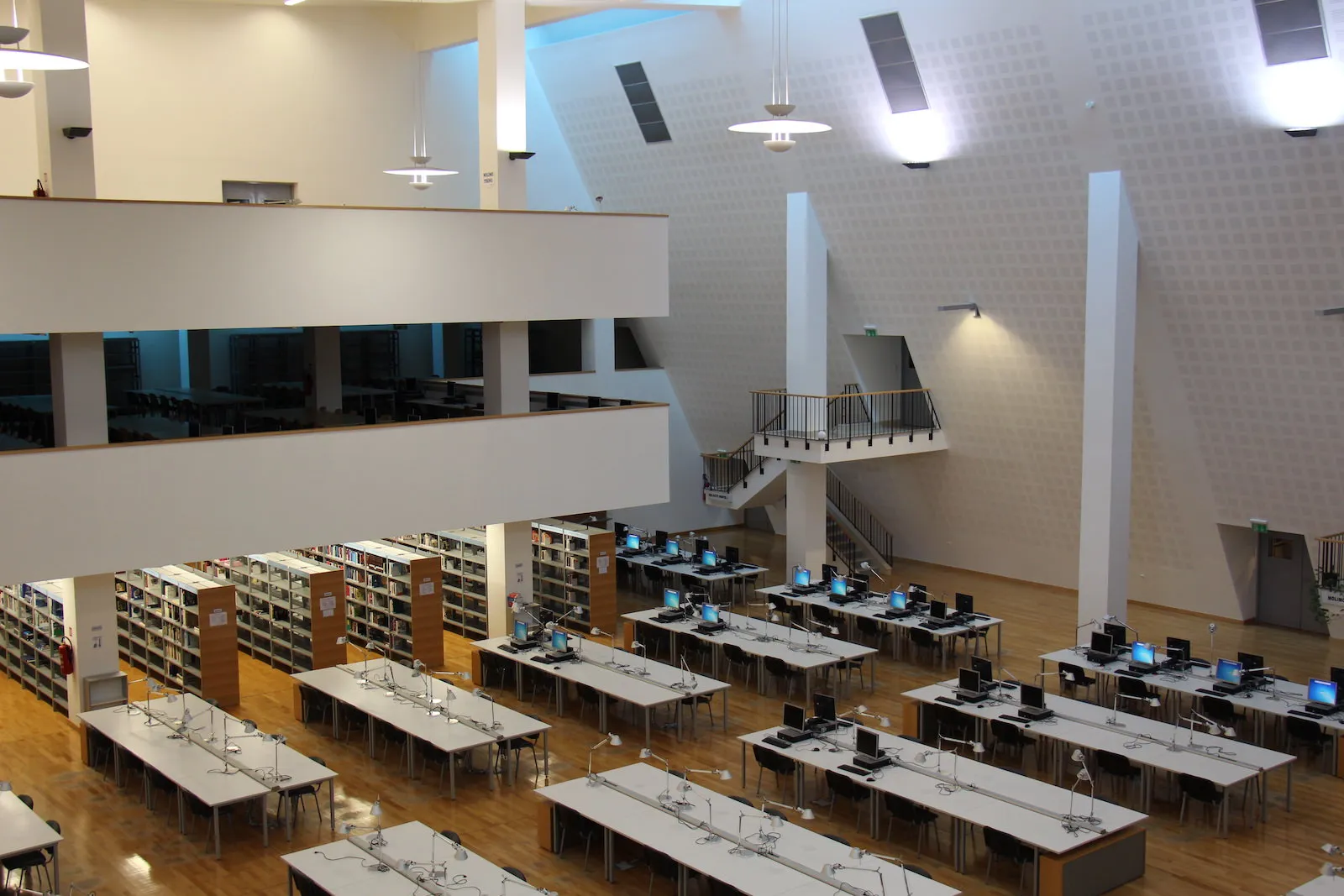
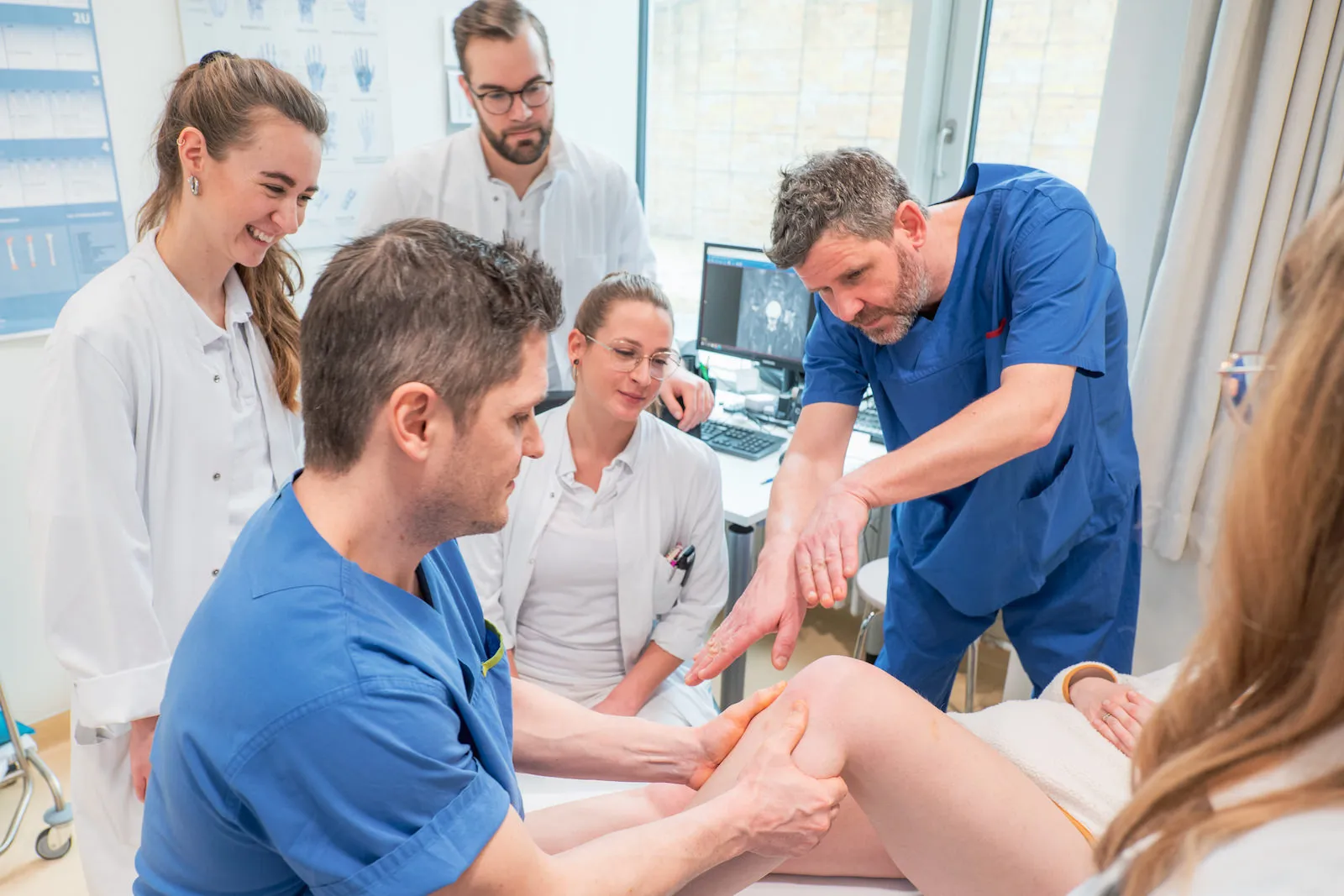
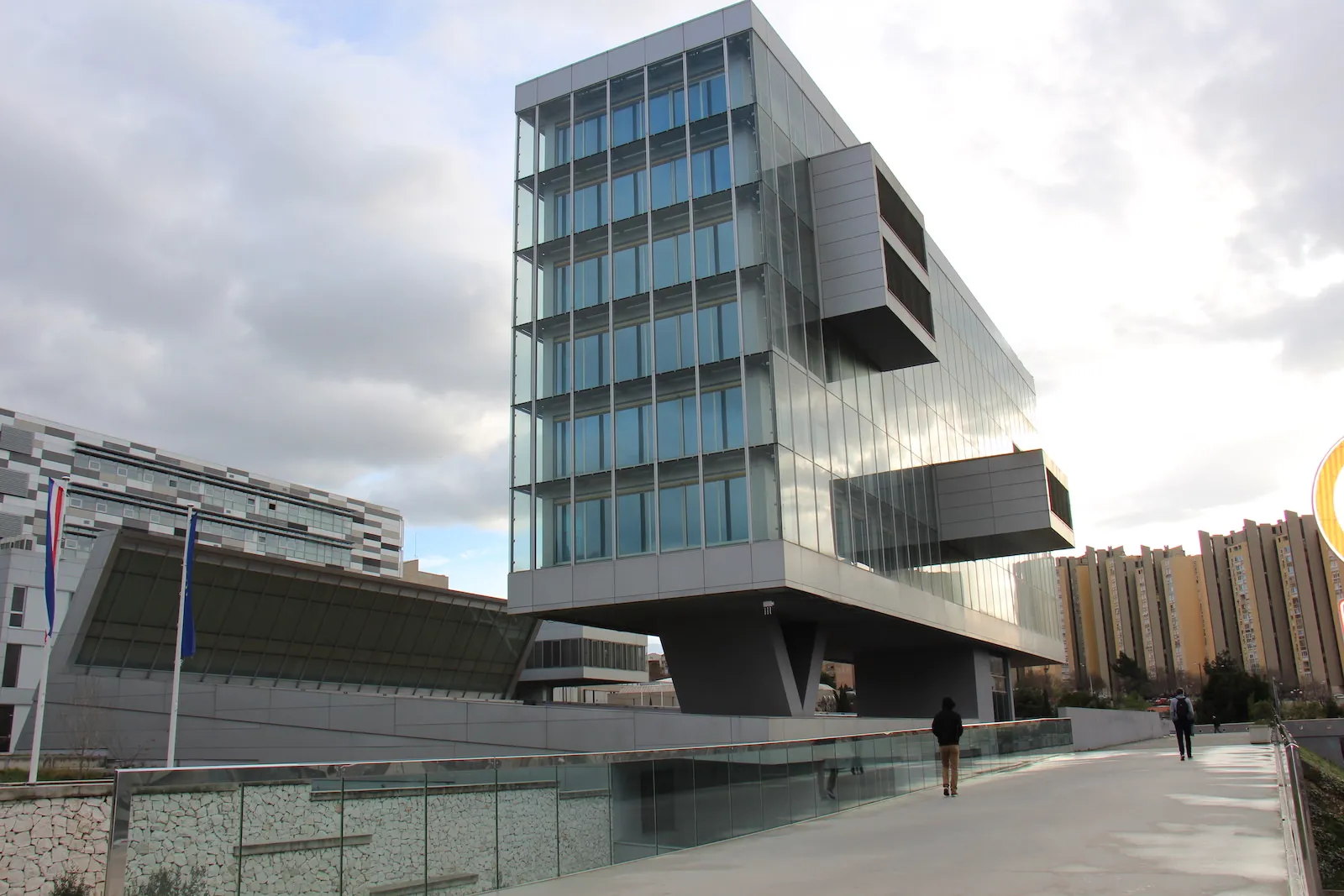
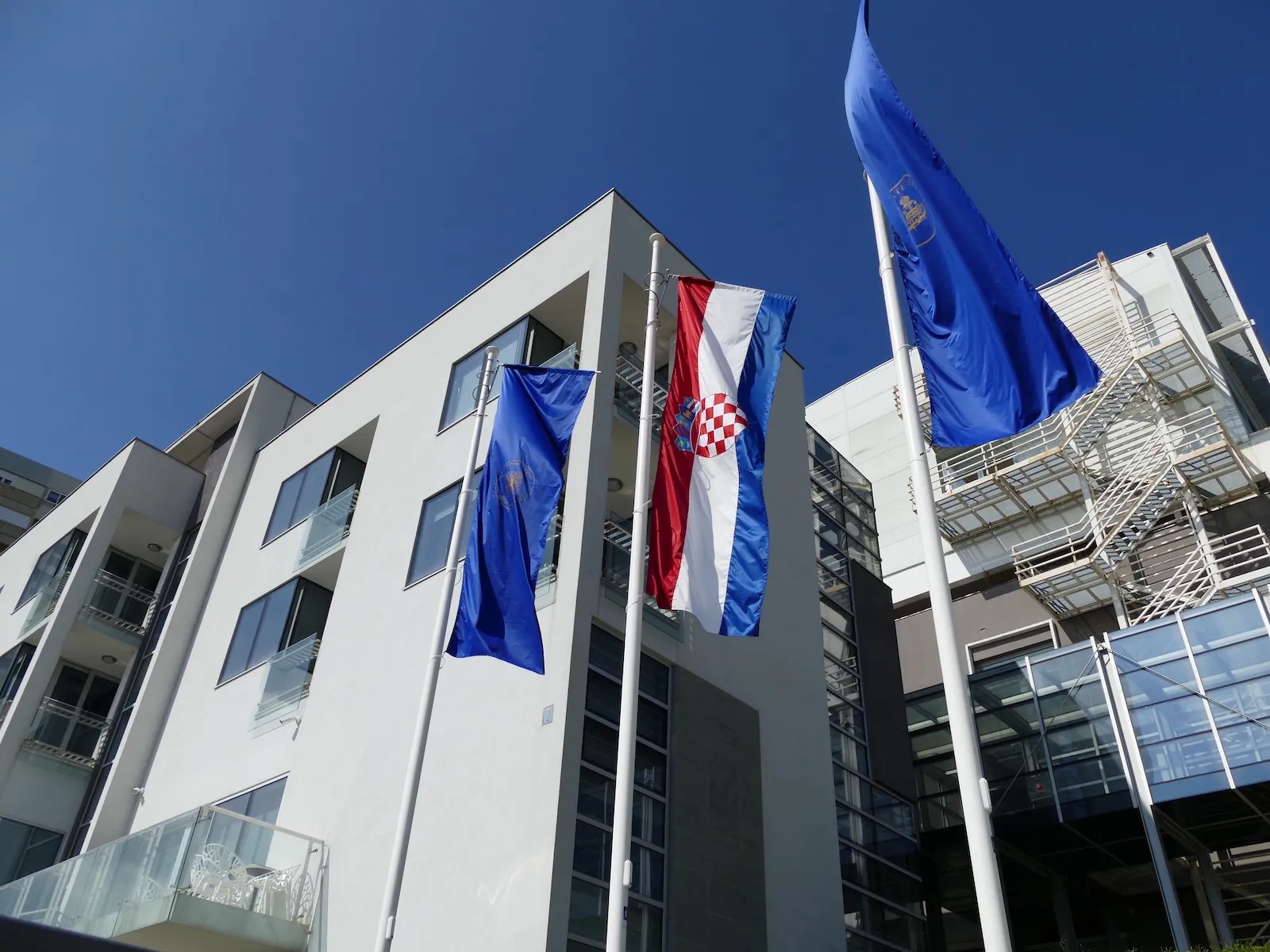
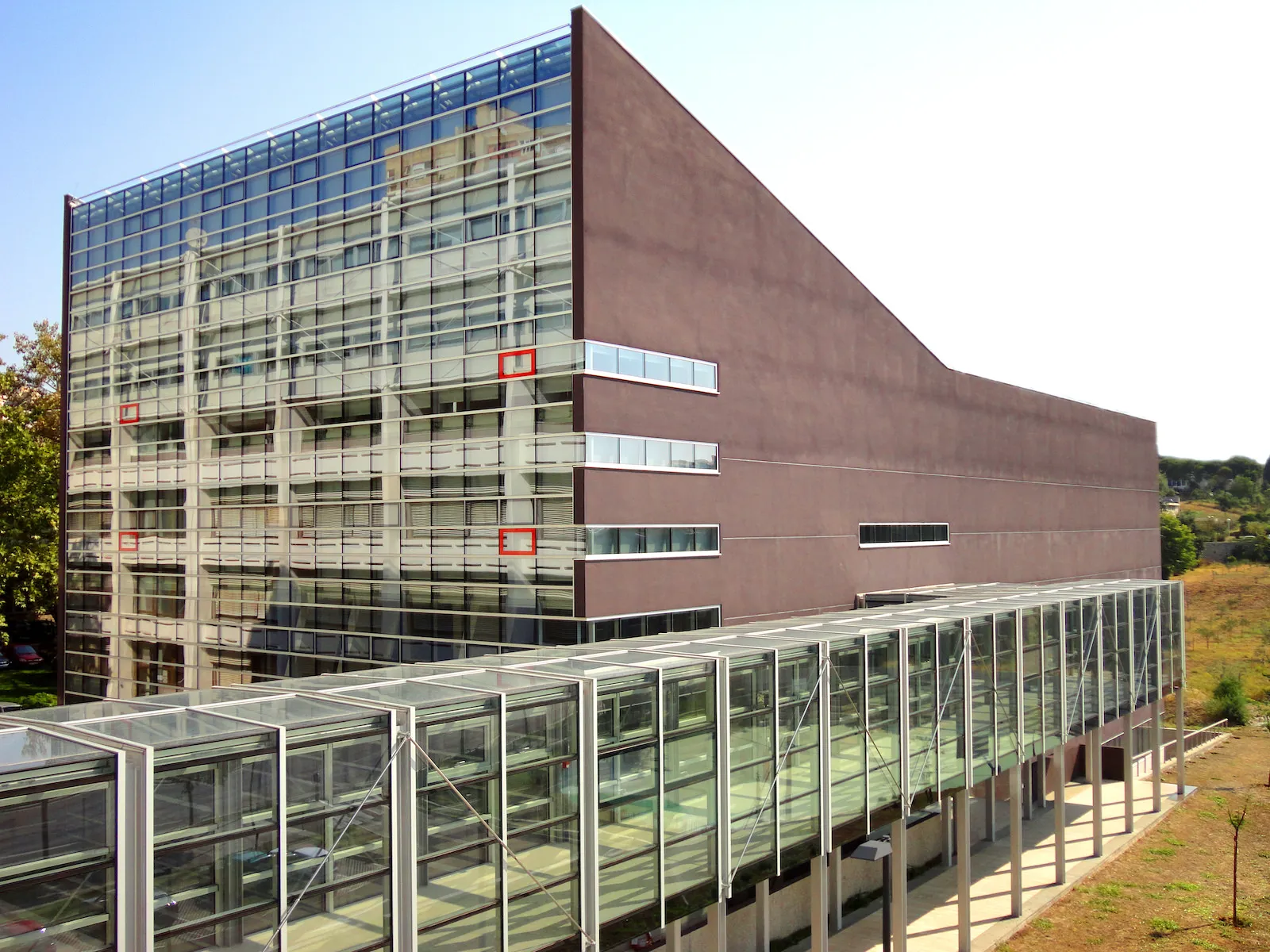
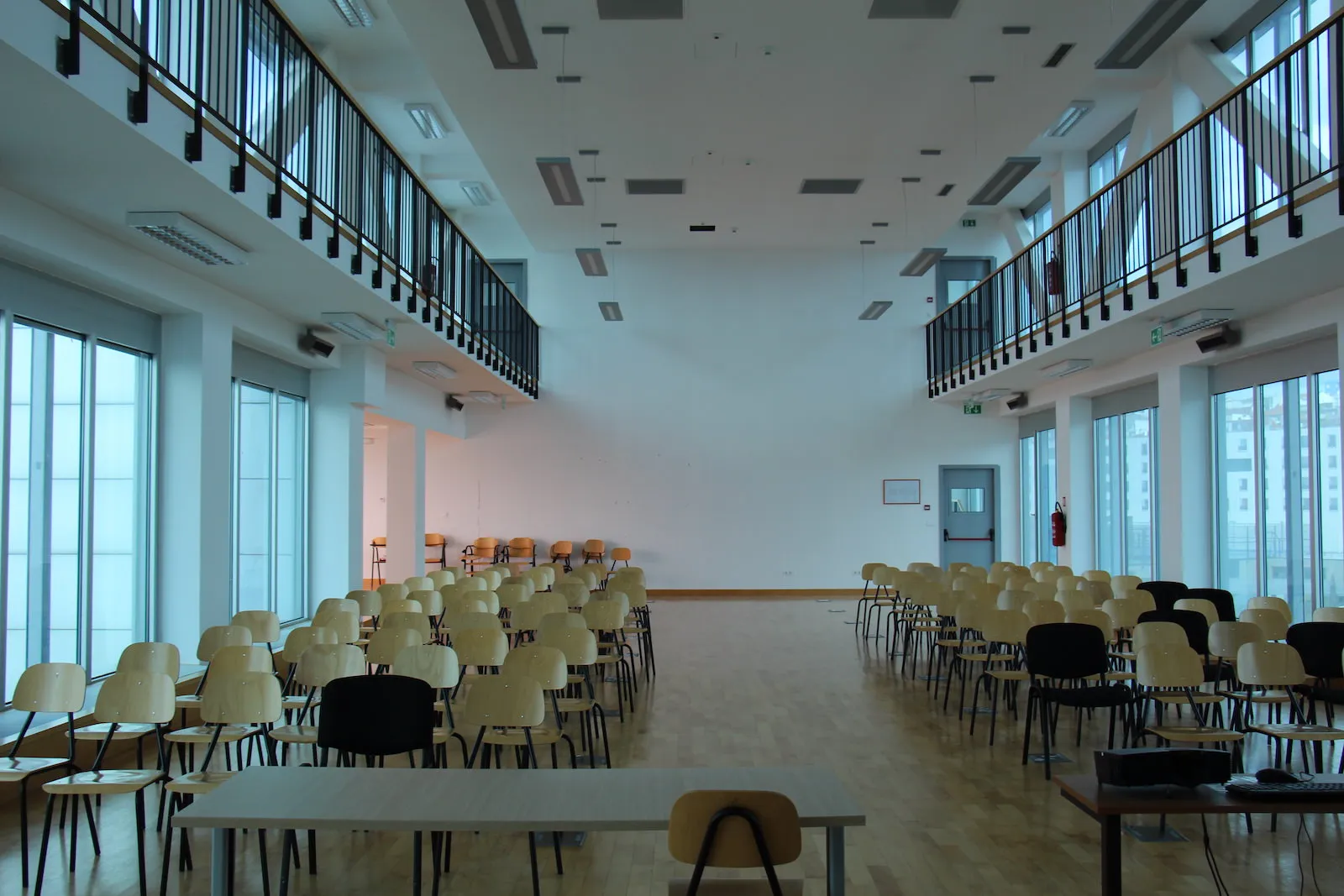
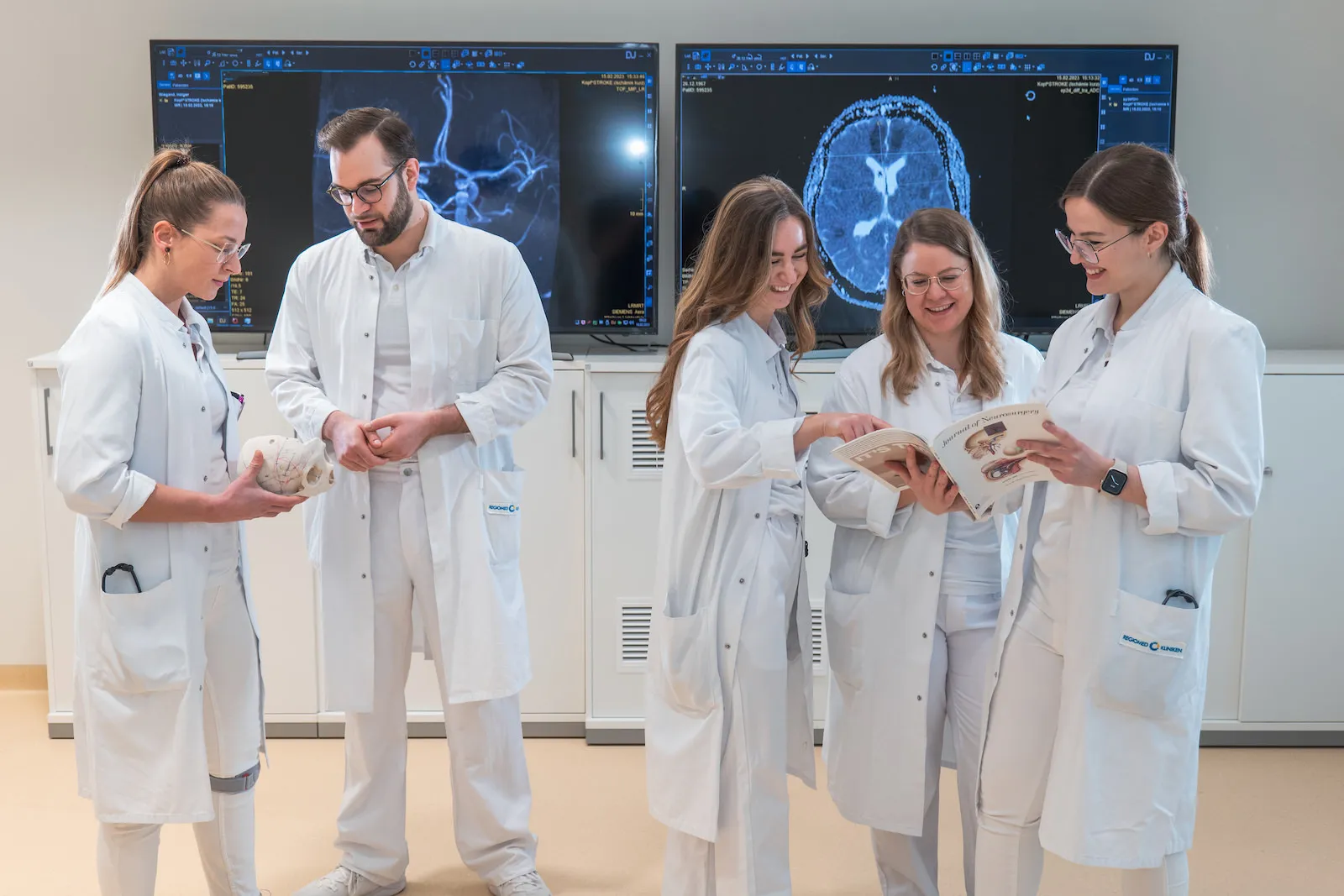
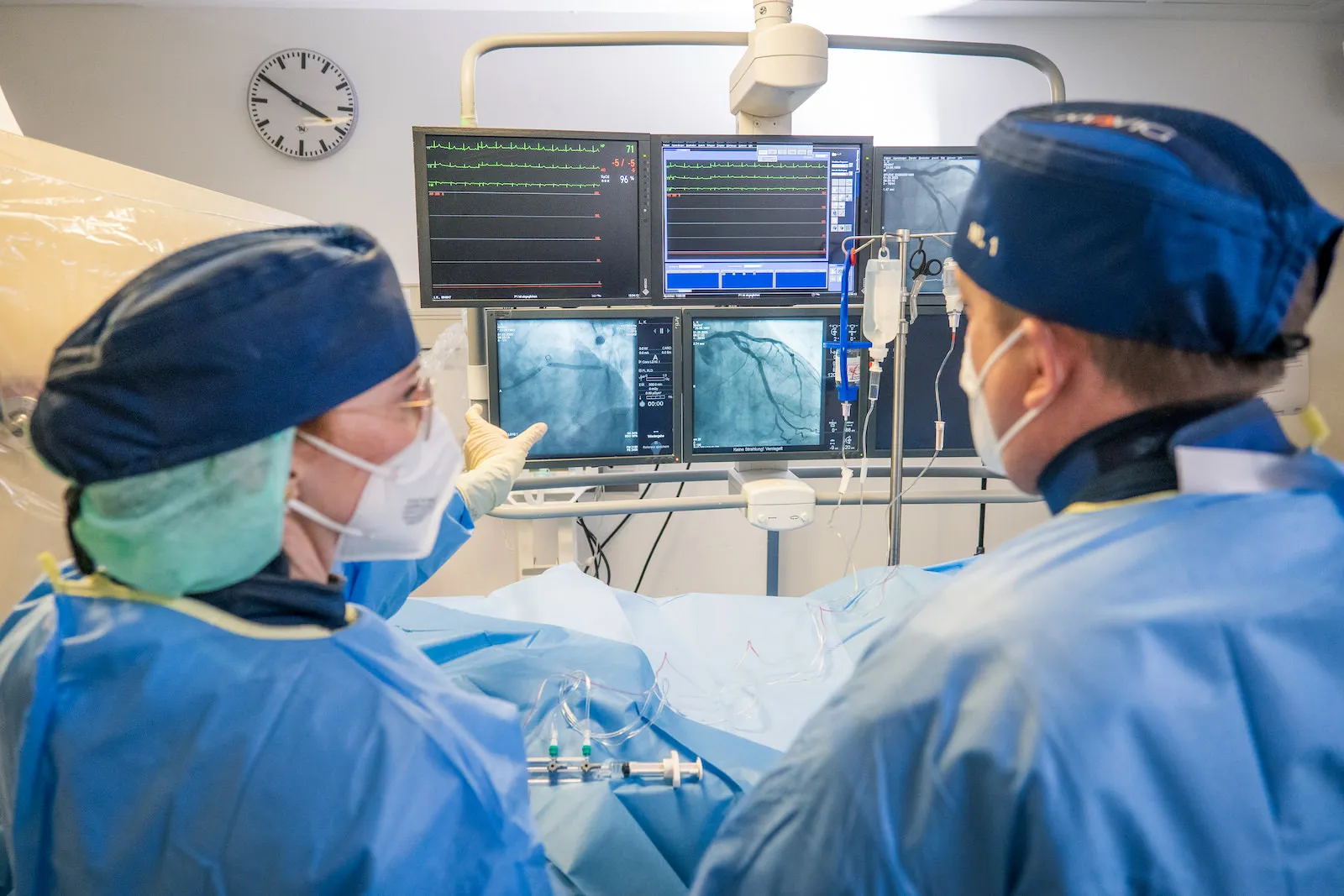
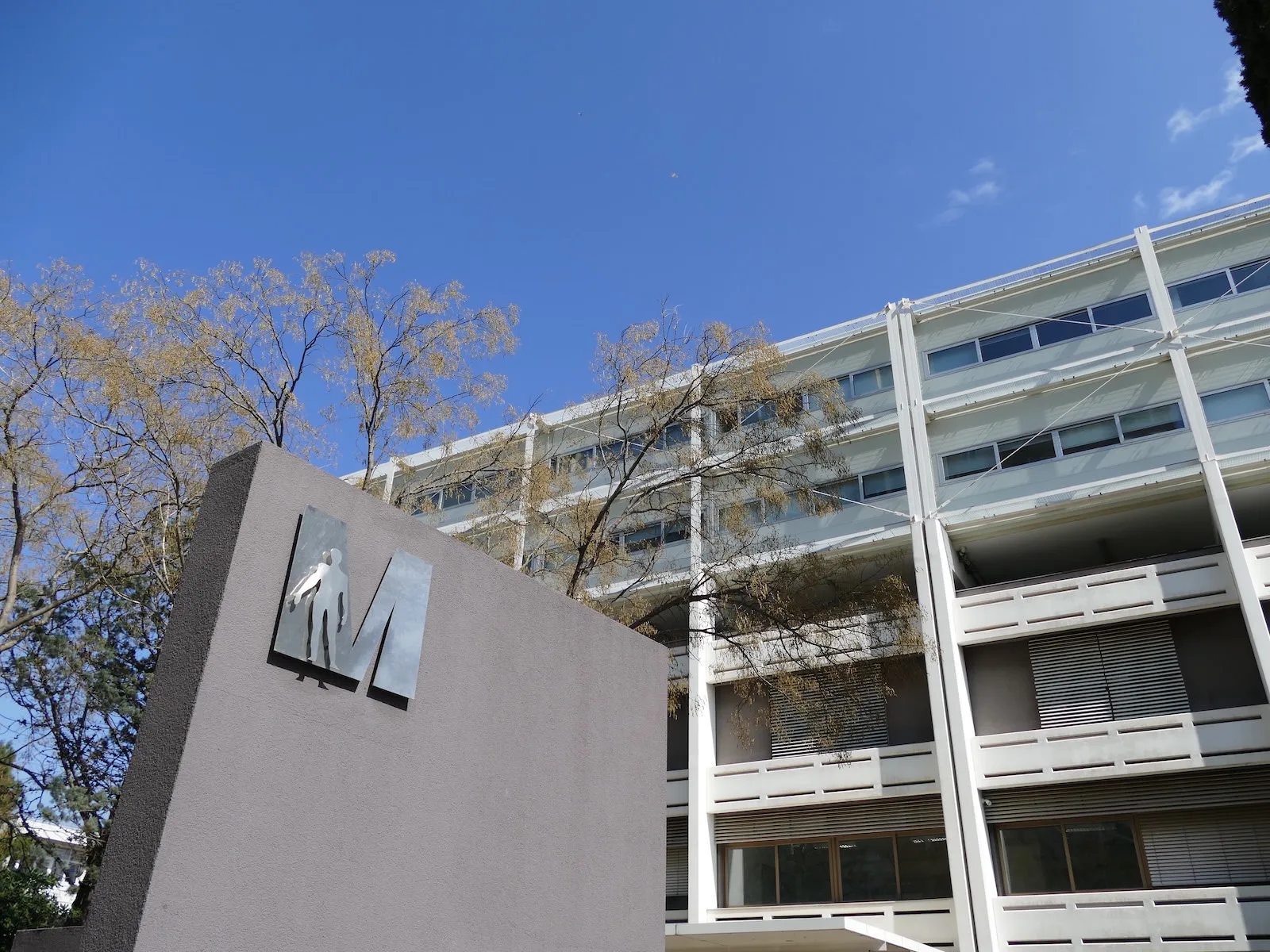
A bright library reading room with rows of study desks
Download our free brochure for immediate information, or get personalised professional counselling from our experts.
Recognition & Prestige
The University of Split School of Medicine is one of Croatia's four medical faculties and is well regarded nationally, with a research centre for translational biomedicine. The most useful credentials for an Indian family are not a global ranking number but the EU status of the degree, the WDOMS listing and ECFMG recognition.
EU / Bologna
An EU-recognised primary medical qualification (MD), with ECTS credits
WDOMS + ECFMG
Listed in the World Directory of Medical Schools and ECFMG-recognised
CTRIB
Centre for translational research in biomedicine at the School
The University of Split School of Medicine awards an EU-recognised MD through its Medical Studies in English programme, is listed in the World Directory of Medical Schools and is recognised by ECFMG. Indian students can qualify to practise in India through the National Medical Commission screening or exit examination, subject to meeting the NMC's conditions.
EU (Bologna Process)
Croatia is an EU member state, so the Split MD is an EU primary medical qualification under the Bologna framework with ECTS credits.
WDOMS
Listed in WDOMS, the World Directory of Medical Schools.
ECFMG (USA)
Graduates are eligible to apply for ECFMG certification and sit the USMLE for training and practice in the United States.
NMC compliant
Follows NMC rules for Indian students: a course of at least 54 months, a 12-month internship at the university and teaching in English. Graduates sit the FMGE to practise in India.
Complete Information About the University of Split School of Medicine
Get complete information about studying medicine in English at Split, including the selection process, seats, fees and recognition for Indian students.
Success stories
Hear directly from students who are studying medicine in Europe with futureMBBS.
Academic Excellence
Split offers an EU degree taught in English on the Adriatic coast, with a small cohort and an admission route that rewards strong communicators rather than exam technique. These are its real strengths, with the honest trade-offs.
Read all about MBBS abroad in our free brochure
Know exactly what options exist for your MBBS-abroad success.
How to Apply
Split's admission is application and interview based, with no written entrance examination. Places for international students are limited, and two prerequisites, B2 English and an eight-week nursing internship, need arranging well in advance.
Applicants need a strong Class 12 result with Physics, Chemistry, Biology and English. Indian applicants who intend to practise in India must also have a qualifying NEET-UG score, which the NMC requires for the later FMGE or NExT.
Split requires officially recognised proof of English at minimum B2 level and a certificate of an eight-week nursing internship by the time studies begin, so arrange both well in advance through providers the School accepts.
Apply through the School's official call for applicants for the coming academic year, with academic documents, English certification and supporting material.
A committee reviews applications and invites suitable candidates to selection days, where there is an individual interview and a short presentation (about fifteen minutes on a topic of your choice). Prepare and rehearse it properly, as it carries real weight.
Successful applicants receive an admission decision, and Indian students obtain the NMC Eligibility Certificate that is now expected before starting a medical degree abroad.
Students apply for the Croatian student visa and residence permit, pay tuition of about ₹13 Lakh per year (€12,000) and enrol in Split; as Croatia is in the euro and Schengen, payments and travel are straightforward.
Applicants need a completed secondary education (Class 12 or equivalent) with strong results in Physics, Chemistry, Biology and English. The general Indian-side requirement is a minimum of 50 per cent in Physics, Chemistry and Biology taken together (relaxed to 40 per cent for SC, ST, OBC and other reserved categories), in line with the National Medical Commission's norms for studying medicine abroad.
Subjects:
Applicants must have completed, or will complete, 17 years of age on or before 31 December of the year of admission, in line with the National Medical Commission's rules for MBBS.
Indian applicants need Class 12 with PCB, a qualifying NEET-UG score and certificate, B2 English proof, the eight-week nursing internship certificate, an NMC Eligibility Certificate, a valid passport and Croatian student-visa documents; documents may need apostille and recognition.
Prepare for the Interview and Presentation
Because there is no written entrance exam, the selection-day interview and the short presentation are decisive. Prepare a clear topic, rehearse aloud, and be ready to explain why medicine and why Split.
Arrange B2 English and the Nursing Internship
Arrange an accepted English certificate and the eight-week nursing internship early, since both must be in place by the time studies begin and cannot be arranged at the last minute.
There is currently no written entrance examination for Medical Studies in English at Split. Selection is by committee review of the application followed by selection days with an individual interview and a short presentation.
| Component | Detail |
|---|---|
| Written entrance exam | None currently for Medical Studies in English |
| Selection method | Committee review of the application, then selection days with an individual interview |
| Presentation | A short presentation, about 15 minutes on a topic of the applicant's choice |
| English requirement | Officially recognised proof of English at minimum B2 level |
| Additional prerequisite | Certificate of an eight-week nursing internship before studies begin |
| Seats | About 70 MSE places: roughly 40 on the German track and roughly 30 for other international students |
| India-side requirement | NEET-UG qualification and an NMC Eligibility Certificate for later FMGE or NExT licensing |
Indian applicants typically provide the following documents for admission and the Croatian student visa:
Admission Guidance & Interview Preparation
Get the complete document checklist and help preparing for Split's selection interview and presentation from our experts.
Programme Structure
Medical Studies in English is a six-year integrated programme taught in English, moving from the basic medical sciences to clinical teaching at the University Hospital of Split, and awarding the degree of doctor of medicine (MD) with ECTS credits.
Total Duration:
6 Years
Degree:
MD (Doctor of Medicine, equivalent to MBBS)
Years 1–2
The pre-clinical foundation years, taught in English, covering the core basic medical sciences with laboratory work, alongside Croatian language study for later clinical contact:
Years 3–4
The pre-clinical and early clinical years, introducing disease mechanisms and beginning clinical teaching at the University Hospital of Split:
Year 5
Senior clinical study across the major specialties with increasing supervised hospital work at KBC Split:
Year 6
The final clinical year consolidating clinical competence, with rotations and the final examination leading to the MD degree:
Clinical teaching takes place at the University Hospital of Split (KBC Split) across its Firule and Križine sites, along with community teaching sites. For Indian students, a further internship in India is required for Indian registration (see the FMGE & NExT section). An indicative pattern is:
| Phase | Focus |
|---|---|
| Years 3–5 | Clinical teaching in Internal Medicine, Surgery, Paediatrics, Obstetrics & Gynaecology, Neurology, Psychiatry and the specialties at KBC Split (Croatian is needed in practice for patient contact) |
| Year 6 | The final clinical year with advanced rotations and the final examination leading to the MD |
| Back in India | Indian graduates clear the FMGE or NExT and complete the required internship in India before registering with the NMC or a State Medical Council |
Get the full curriculum
Download a free brochure to see detailed subjects, the course structure and everything you need to plan your studies.
Legacy
The Split School of Medicine is a young faculty, independent only since 1997, so its standing rests on its clinical partnership with the University Hospital of Split and its research centre rather than on a long list of historic alumni.
Dean of the University of Split School of Medicine, leading the faculty that delivers the Medical Studies in English programme in partnership with the University Hospital of Split.
Teaching is delivered by the School's departments and by clinicians at the University Hospital of Split, so students learn from pre-clinical academics and practising doctors alike.
Dean of the School of Medicine: Professor Ante Tonkić
Independent faculty since 1997, Split medical studies from 1974
Medical Studies in English awarding an EU-recognised MD
Centre for translational research in biomedicine (CTRIB)
A small international cohort with small-group teaching
Clinical training at KBC Split (Firule and Križine)
English-taught curriculum with Croatian language study
Guidance for Indian students on the FMGE and NExT
About University
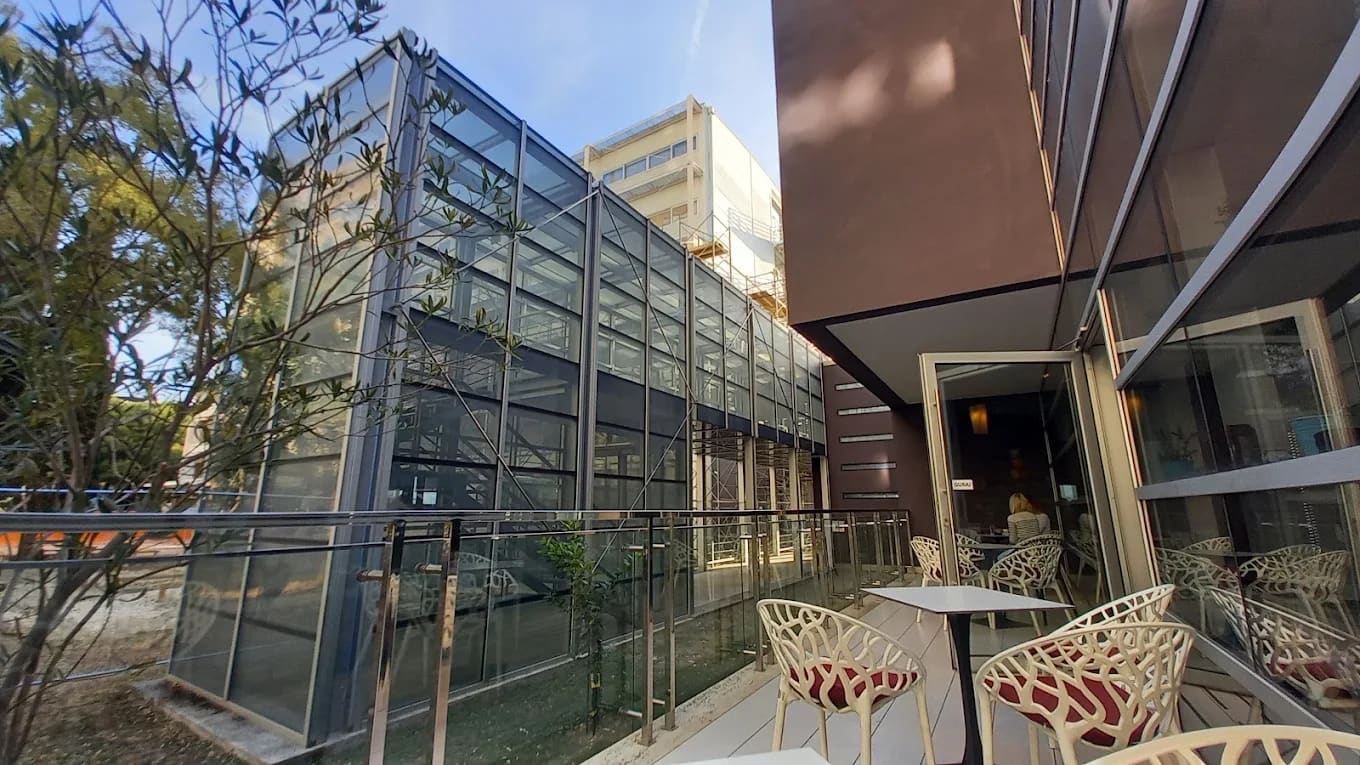
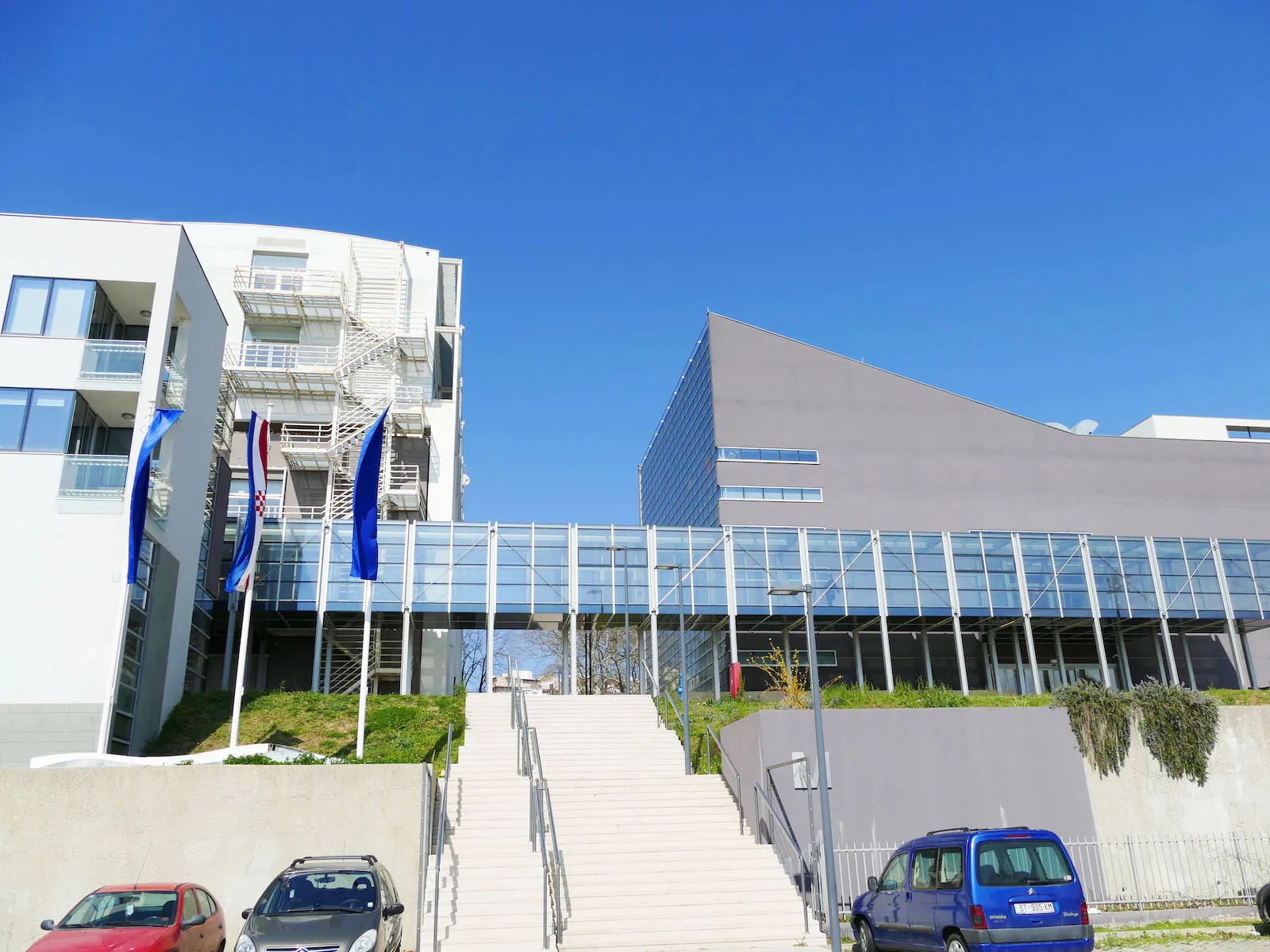
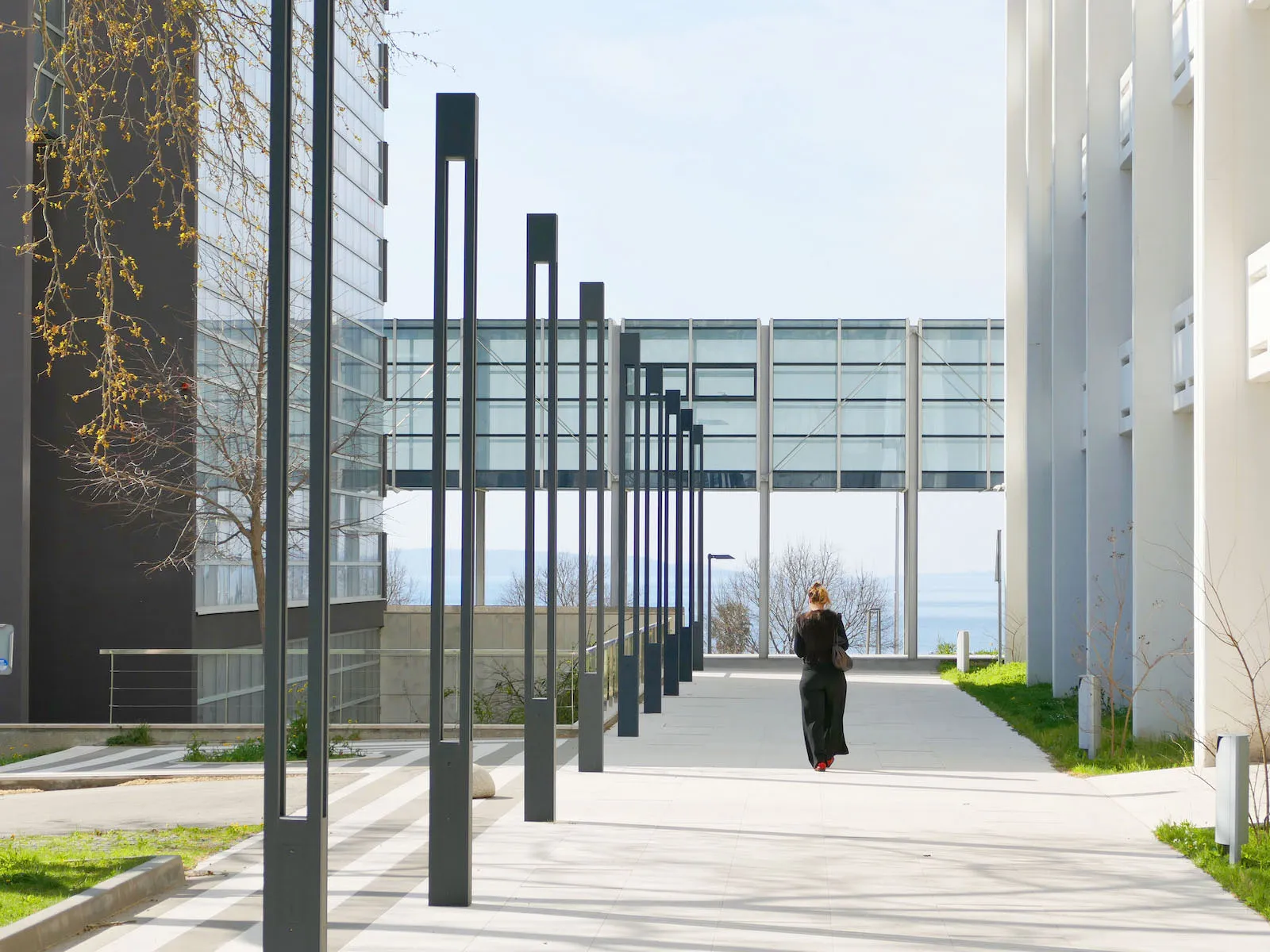
A modern glass campus building with a cafe terrace at the University of Split, Croatia
Get all information about the University of Split in our free brochure
Read on to find out how you can fulfil your dream of studying medicine in English in the European Union.
Role in medicine
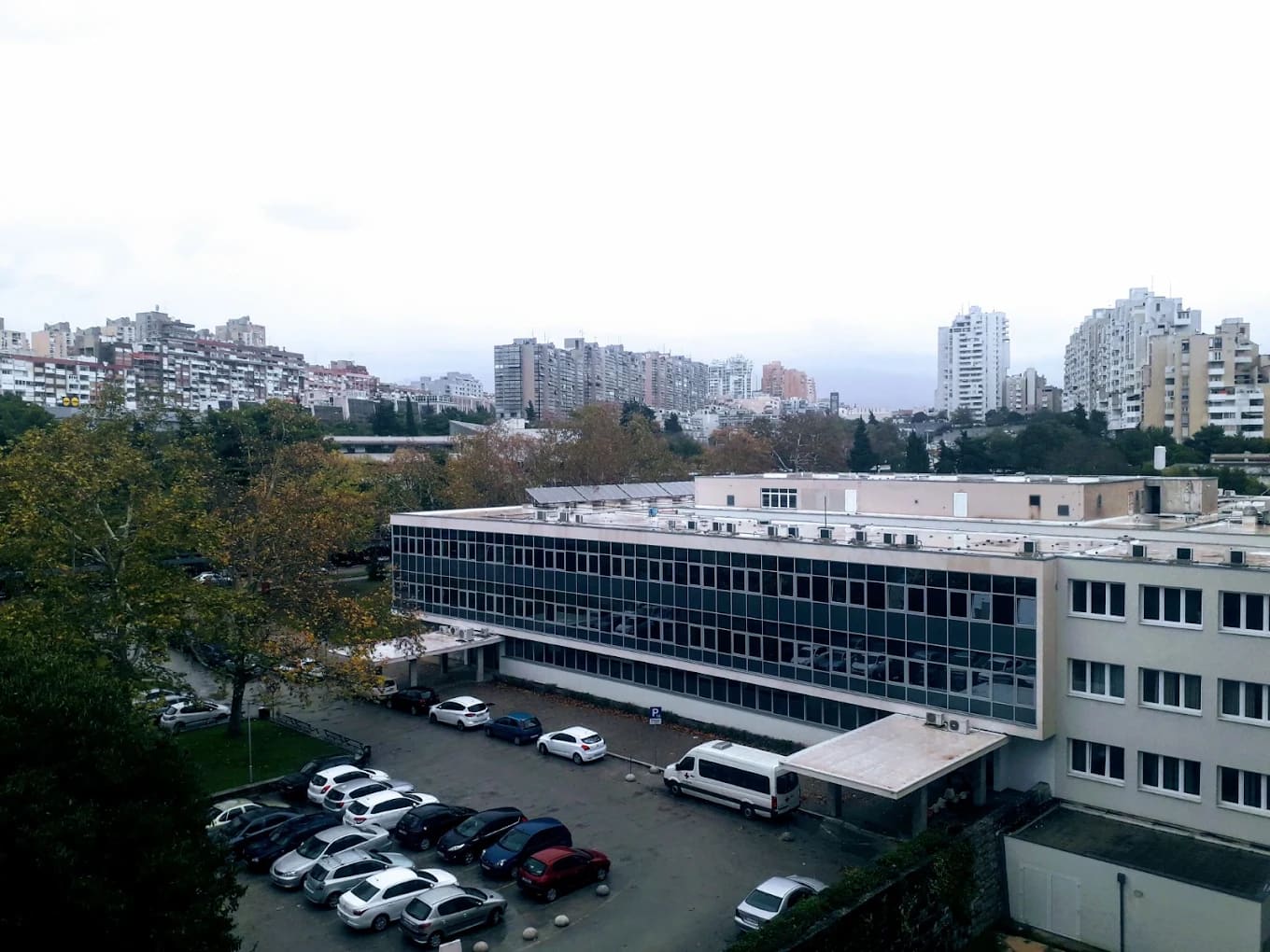
A clinical building with an ambulance in the University Hospital of Split area, with the city's hillside apartment blocks behind, Split, Croatia
Get all information about the University of Split in our free brochure
Read on to find out how you can fulfil your dream of studying medicine in English in the European Union.
Cost of living
Split is a coastal city with a strong tourist economy, so rents can be higher than in inland Zagreb, especially over the summer. Here is an approximate monthly breakdown for a student, separate from tuition.
| Cost Component | Approximate Amount (per month) |
|---|---|
| Accommodation (student dorm or shared flat) | ₹23,500 – ₹42,000 |
| Food & Groceries | ₹14,000 – ₹24,500 |
| Transport & Personal | ₹4,700 – ₹9,400 |
| Utilities & Extras | ₹5,600 – ₹12,200 |
Average monthly living cost (excluding tuition)
₹48,000 – ₹88,000
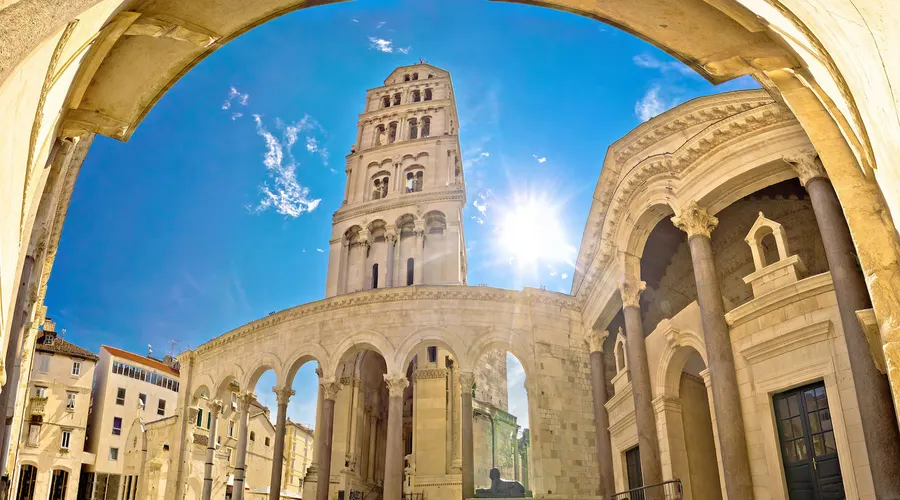
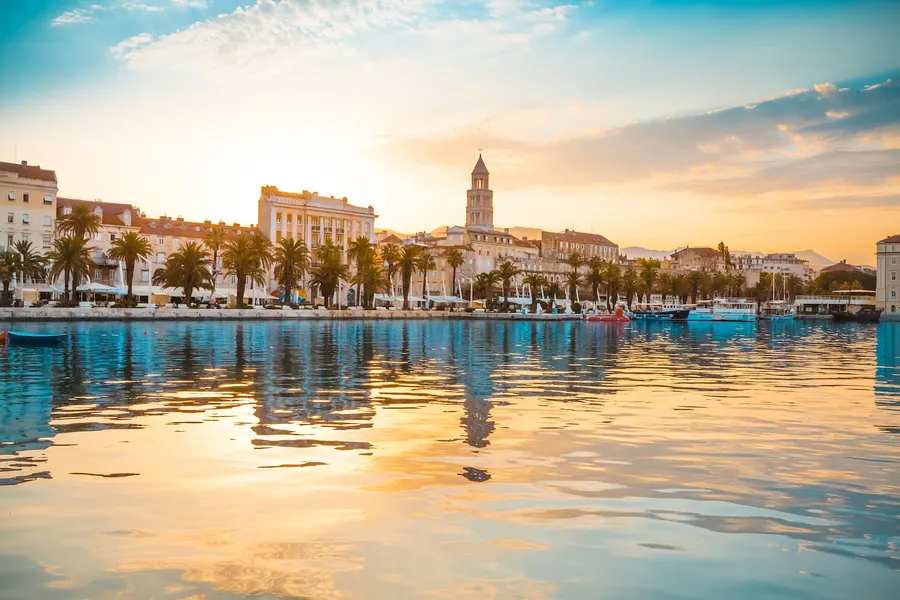
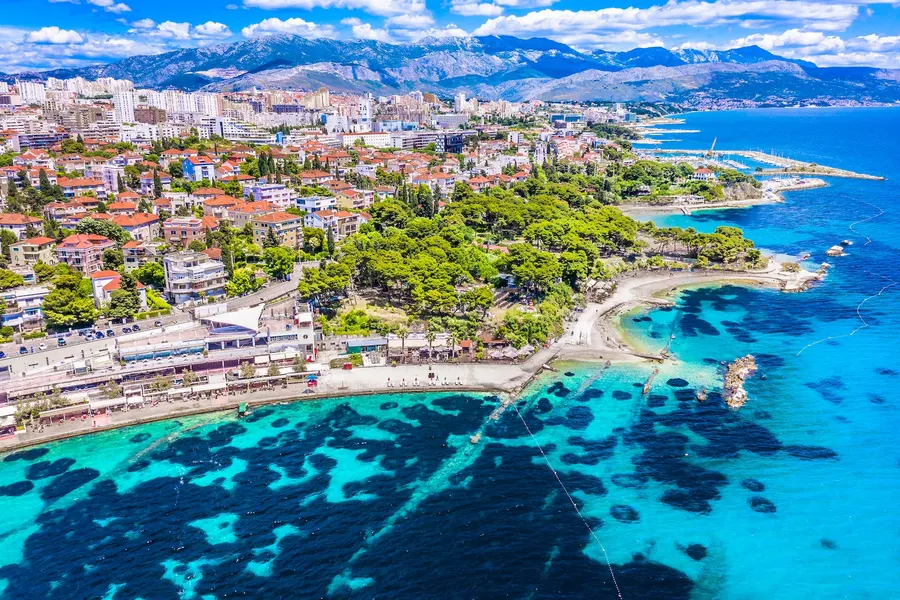
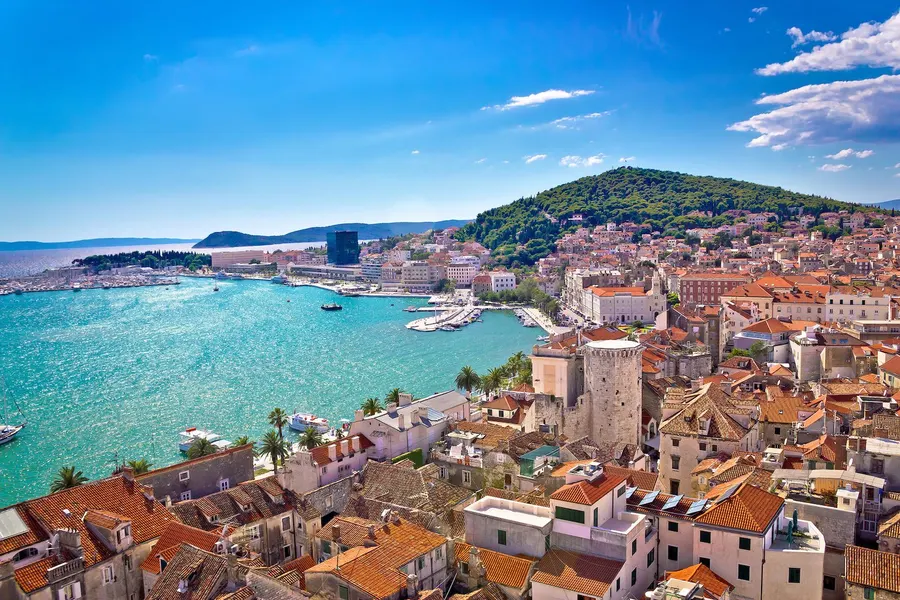
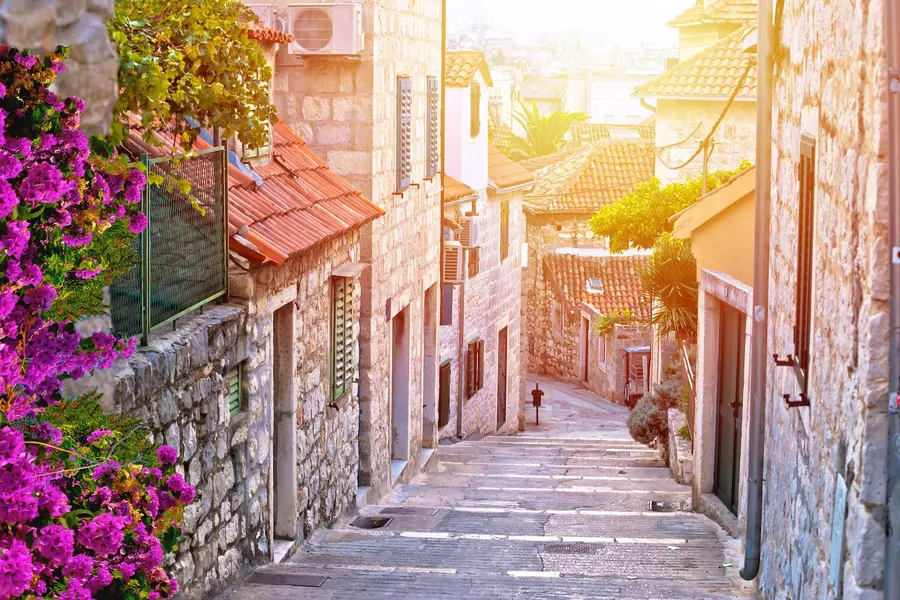
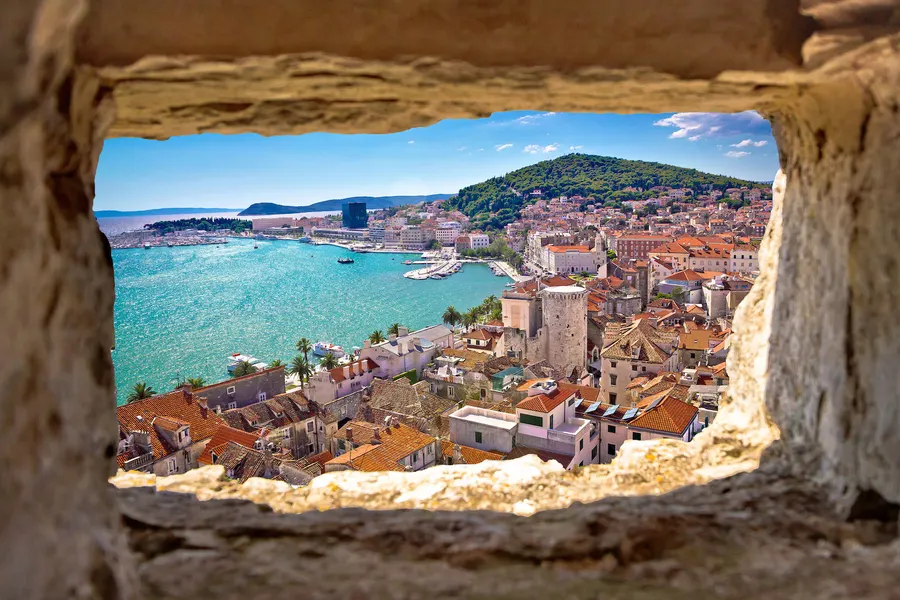
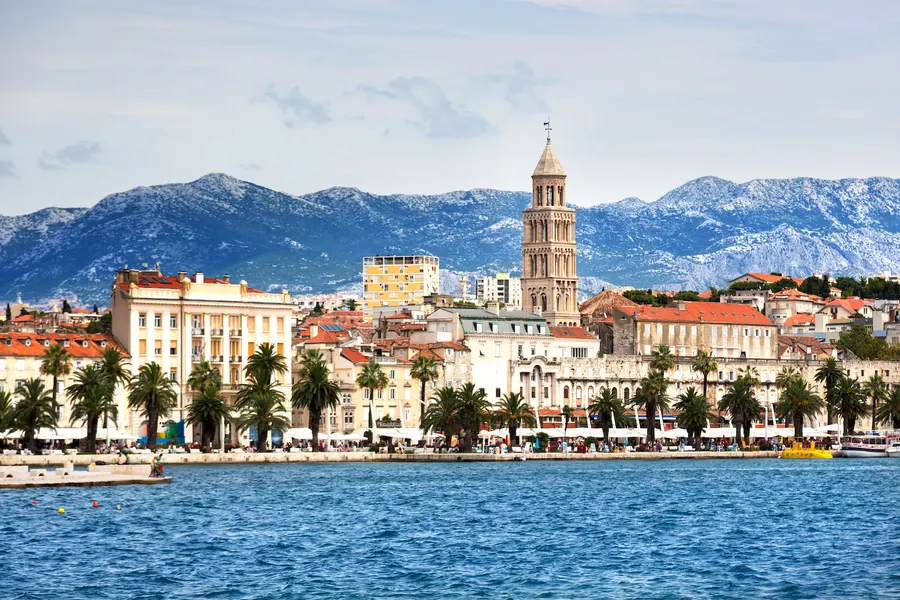
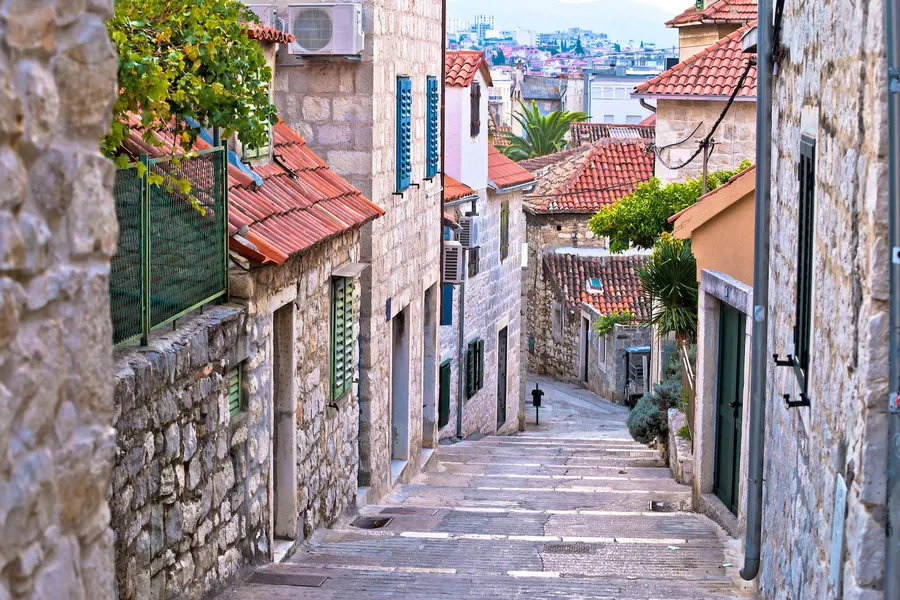
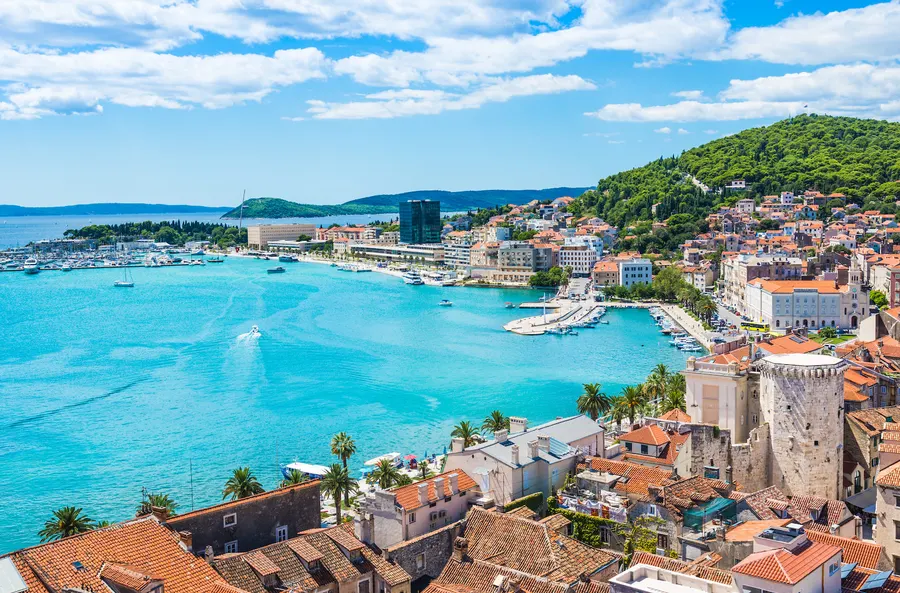
The Peristyle of Diocletian's Palace and the cathedral bell tower in Split
Housing
International students in Split live in the student dormitory or in private rented flats; because Split is a tourist city, securing a long-term contract early matters. The School's international office handles accommodation queries.
Need accommodation details?
Get a full overview of housing options with our university guide, or reach out to an expert.
Food & Dining
100% veg options are available. Vegetarian food is available in cafeterias, restaurants, grocery stores and student accommodation in Split, and Mediterranean Dalmatian cooking is naturally rich in vegetables, olive oil, bread and fish.
Croatian universities run subsidised student canteens, where a full meal is inexpensive for enrolled students and vegetarian options are usually available.
Split has fewer Indian restaurants than Zagreb, being a smaller coastal city, so students typically combine occasional eating out with cooking at home rather than relying on a wide choice.
Supermarkets and international or Asian grocery stores in Split stock rice, lentils, flour and many spices, and larger stores have international aisles.
Student dormitory rooms and rented flats typically have shared or private kitchens, which is the most economical and reliable way for Indian and vegetarian students to eat well.
Food-delivery and grocery apps operate in Split, alongside supermarket delivery, so meals and daily essentials can be brought to student accommodation.
Major Croatian and regional chains such as Konzum, Lidl, Kaufland, Spar, Tommy and Plodine stock lentils, rice, flour, dairy, eggs and fresh produce, and Dalmatian markets such as Pazar in Split sell excellent fresh vegetables and fruit.
Location
University of Split School of Medicine, Šoltanska 2, 21000 Split, Croatia. Clinical teaching takes place at the University Hospital of Split (KBC Split) on the Firule and Križine sites.
Nearest Airport
Split Airport (SPU) at Kaštela, about 25 km from the city, with wide European connections. Indian students typically fly one or two stops via a European or Gulf hub; Croatia is in the EU, the euro and Schengen, and is 3.5 to 4.5 hours behind Indian time.
Local Transport
Split has a city bus network (Promet Split) with student discounts and is compact enough to walk or cycle much of the time; ferries connect Split to the Dalmatian islands, and trains and coaches link it to Zagreb.
Your Roadmap to Success
The Split MD is an EU primary medical qualification under the Bologna framework with ECTS credits, so graduates have recognition pathways across European Union member states, subject to each country's registration and language requirements.
Indian graduates can appear for the Indian screening examination (currently the FMGE, transitioning to the NExT), complete the required internship and register with the National Medical Commission, provided they qualified NEET before starting and meet the NMC's licentiate conditions.
Graduates may pursue residency and specialty training in Croatia or elsewhere in the European Union, which generally requires the local language for clinical work, so the Croatian learned during the degree is directly useful.
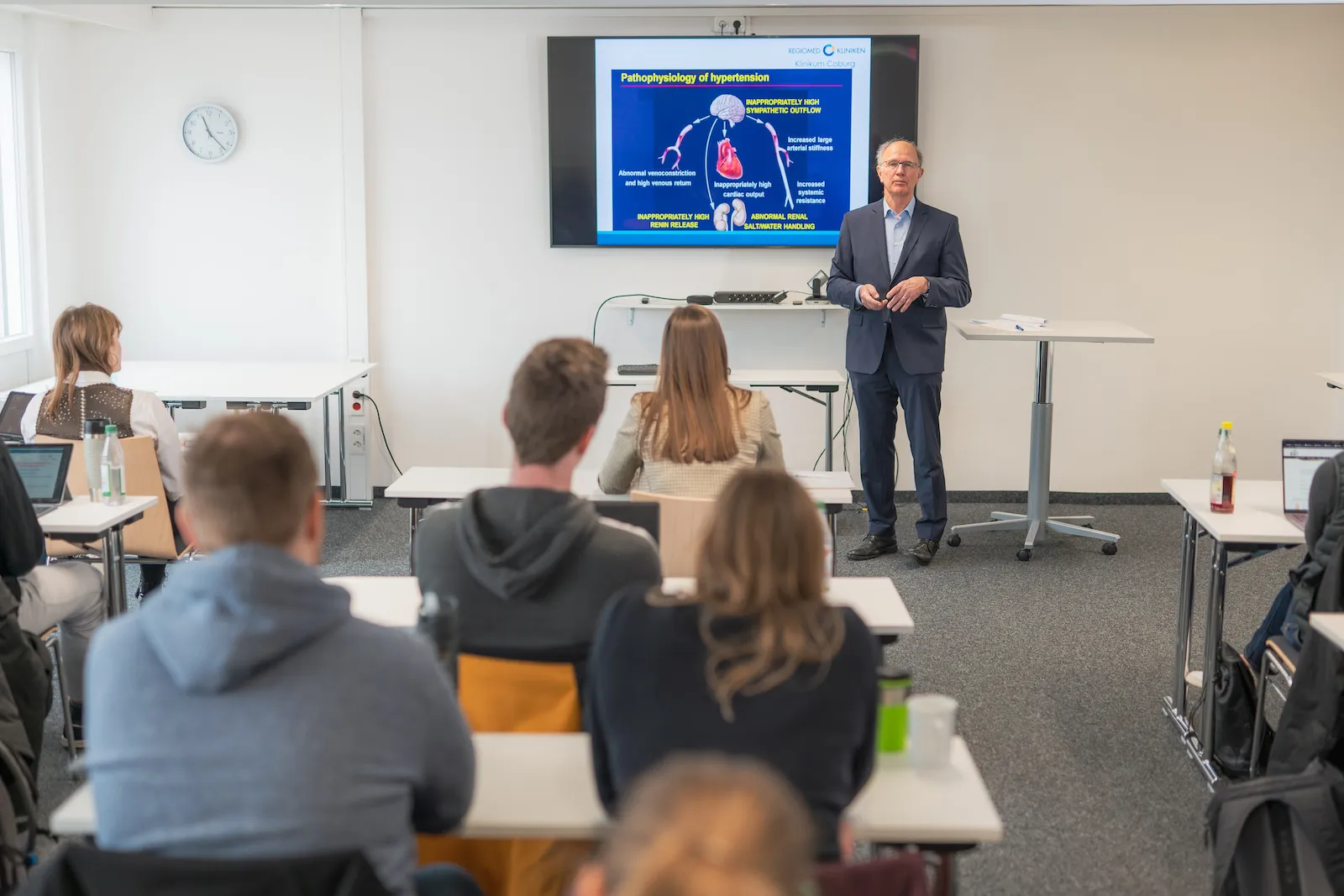
Split's MSE programme includes a track in which students from Germany study three years in Croatia and three in Germany with Regiomed Kliniken, so the School has an established German clinical link that is worth understanding even if you are on the international six-year track.
As a WDOMS-listed and ECFMG-recognised school, graduates are eligible to apply for ECFMG certification and sit the USMLE, opening the pathway to United States residency.
With the Centre for translational research in biomedicine at the School, graduates interested in research have a base for postgraduate and doctoral work.
Understand the Medical Licensing Pathway
A clear overview of the exams and requirements after graduation.
Practising in India
An Indian graduate of the University of Split School of Medicine who wants to practise in India follows the pathway set by the National Medical Commission: qualifying NEET before starting, completing a course and internship that meet the NMC's conditions, clearing the NMC screening examination (currently the FMGE, transitioning to the NExT), completing the required internship in India and registering with the medical council. The NMC does not approve individual foreign universities; it sets conditions, and the six-year Croatian MD should be checked against them.
Step 1
An Indian student must have qualified NEET-UG before beginning the course abroad to be eligible later for Indian licensing, and an NMC Eligibility Certificate is now expected before starting.
Step 2
The Foreign Medical Graduate Licentiate Regulations 2021 require the course and internship to meet the NMC's minimum duration (about 54 months of study plus a 12-month internship), completed in the same institution, taught in English, with a degree that entitles the holder to practise medicine in Croatia. The Split MSE is a six-year English-taught programme awarding the Croatian MD, which is a favourable structure; note that the German track splits study between two countries, which would raise a same-institution question, so Indian students should take the all-in-Split six-year track.
Step 3
Graduates must clear the qualifying examination for foreign medical graduates, currently the FMGE, which India is replacing with the National Exit Test (NExT), then complete the required internship in India and register with the National Medical Commission or a State Medical Council. FMGE pass rates for foreign graduates are generally low, so prepare seriously and steadily rather than only at the end.
Student Life Style
Being a medical student in Split combines a demanding English-taught EU medical curriculum with life in a Mediterranean coastal city, in a small cohort where students know their classmates and teachers.

A karst river canyon with clear turquoise water in the Dalmatian hinterland near Split, Croatia
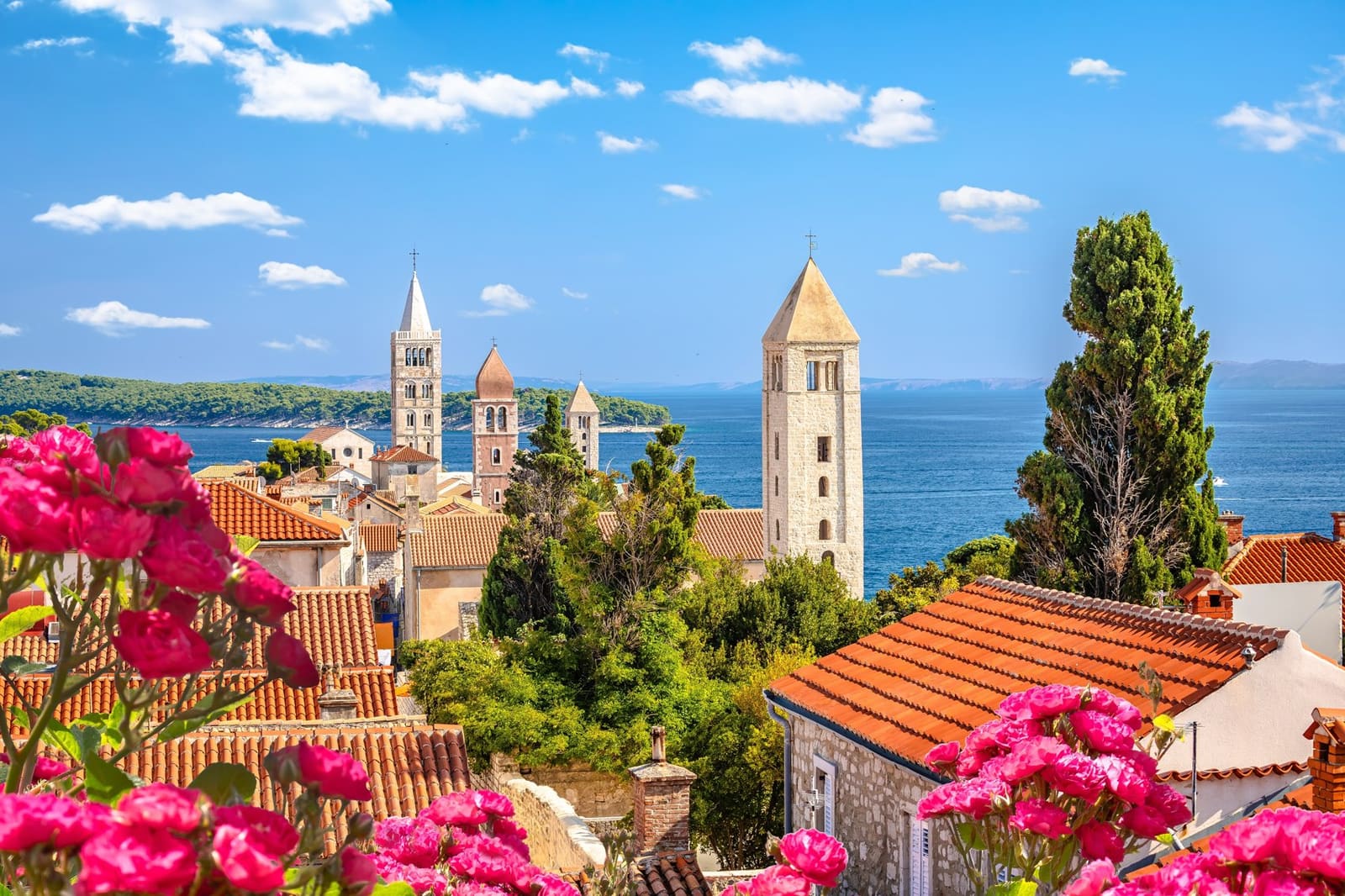
The historic bell towers of the town of Rab on the Croatian Adriatic coast
Fees & Financial
Split sits in the same fee band as Zagreb, so the arithmetic is similar, with the caveat that coastal accommodation can cost more; Croatia's euro membership makes payments straightforward.
Tuition for Medical Studies in English is about ₹13 Lakh per academic year (€12,000), which is roughly ₹78 Lakh across the six years. With Split living costs of roughly ₹48,000 to ₹88,000 a month, a realistic all-in is about ₹1.1 crore to ₹1.4 crore.
As an EU university, Split participates in Erasmus+ mobility, which can fund a study or clinical exchange period at a partner European university during the degree. Croatia also has government and university scholarship schemes, but availability for full-fee international medical students is limited.
Most Indian families fund this through savings and an education loan. Because the total sits inside a realistic band for an EU degree, loans are more serviceable than for the very high-fee destinations, and we can guide families on documentation for loans, proof of funds and the student visa.
Compare
Compare the University of Split School of Medicine with a leading Indian medical college.
Quick Comparison:
University of Split School of Medicine vs AIIMS New Delhi
| University | University of Split School of MedicineSplit, Croatia | AIIMS New DelhiNew Delhi, India |
|---|---|---|
| University Type | Public university faculty, independent since 1997 | Government institute of national importance |
| Medium | English (B2 required; Croatian for patient contact) | English |
| Course Duration | 6 years (integrated MD, ECTS credits) | 5.5 years including internship (MBBS) |
| Tuition (per year) | ~₹13 Lakh (about ₹78 Lakh over six years) | Nominal (a few thousand rupees per year) |
| Admission | No written exam: committee review, interview and a short presentation; ~30 international places | NEET-UG (extremely high rank) |
| Recognition | EU/Bologna MD; WDOMS-listed; ECFMG-recognised; NMC via FMGE or NExT | NMC-recognised |
Compare Top MBBS Universities for Me
See key differences in fees, ranking, eligibility and recognition.
Our blog
Articles that turn complex MBBS-abroad rules into simple, practical steps for students and parents.
FAQ
Short, honest answers to the questions students and parents ask most often about studying medicine at the University of Split.
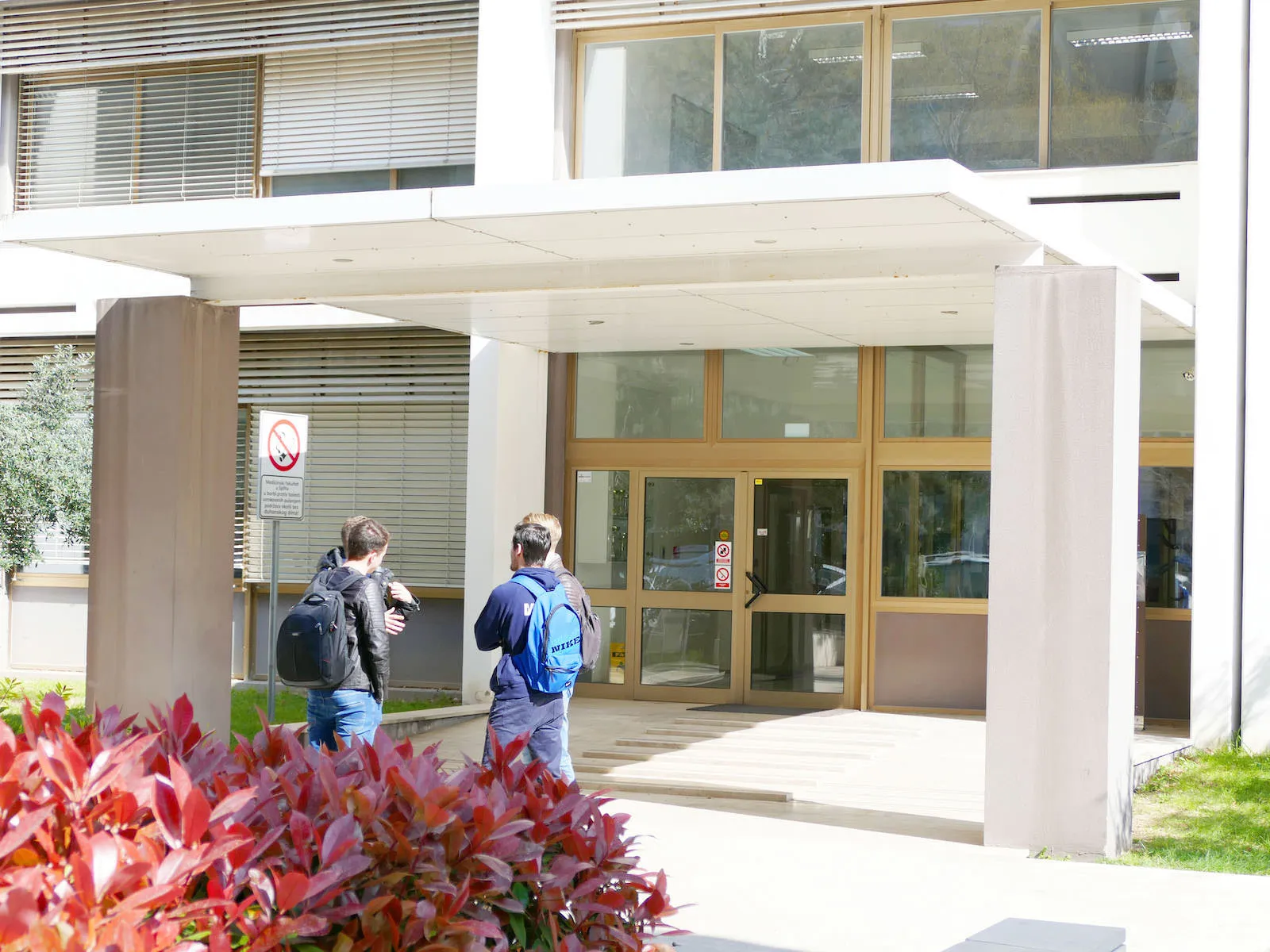
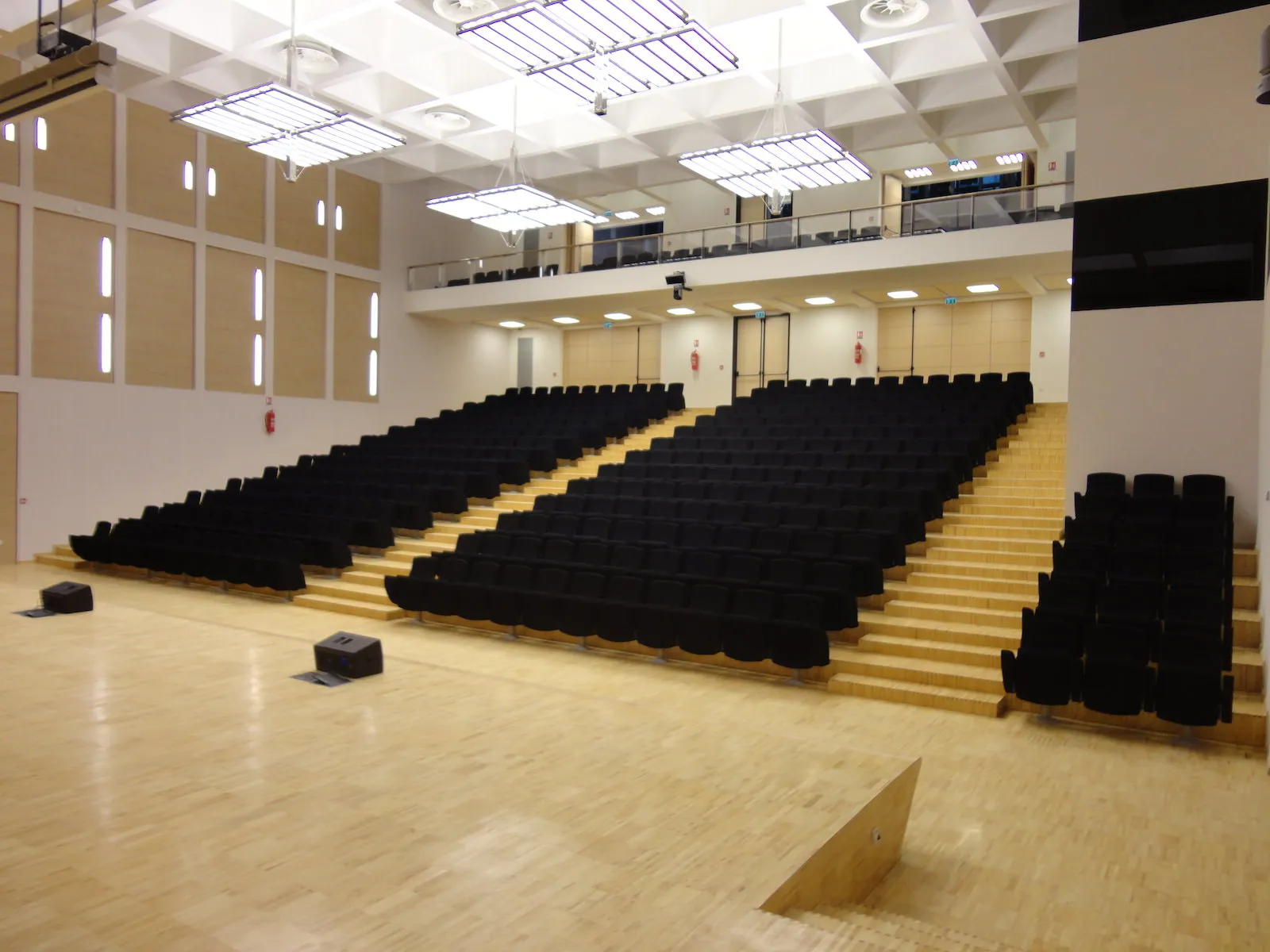
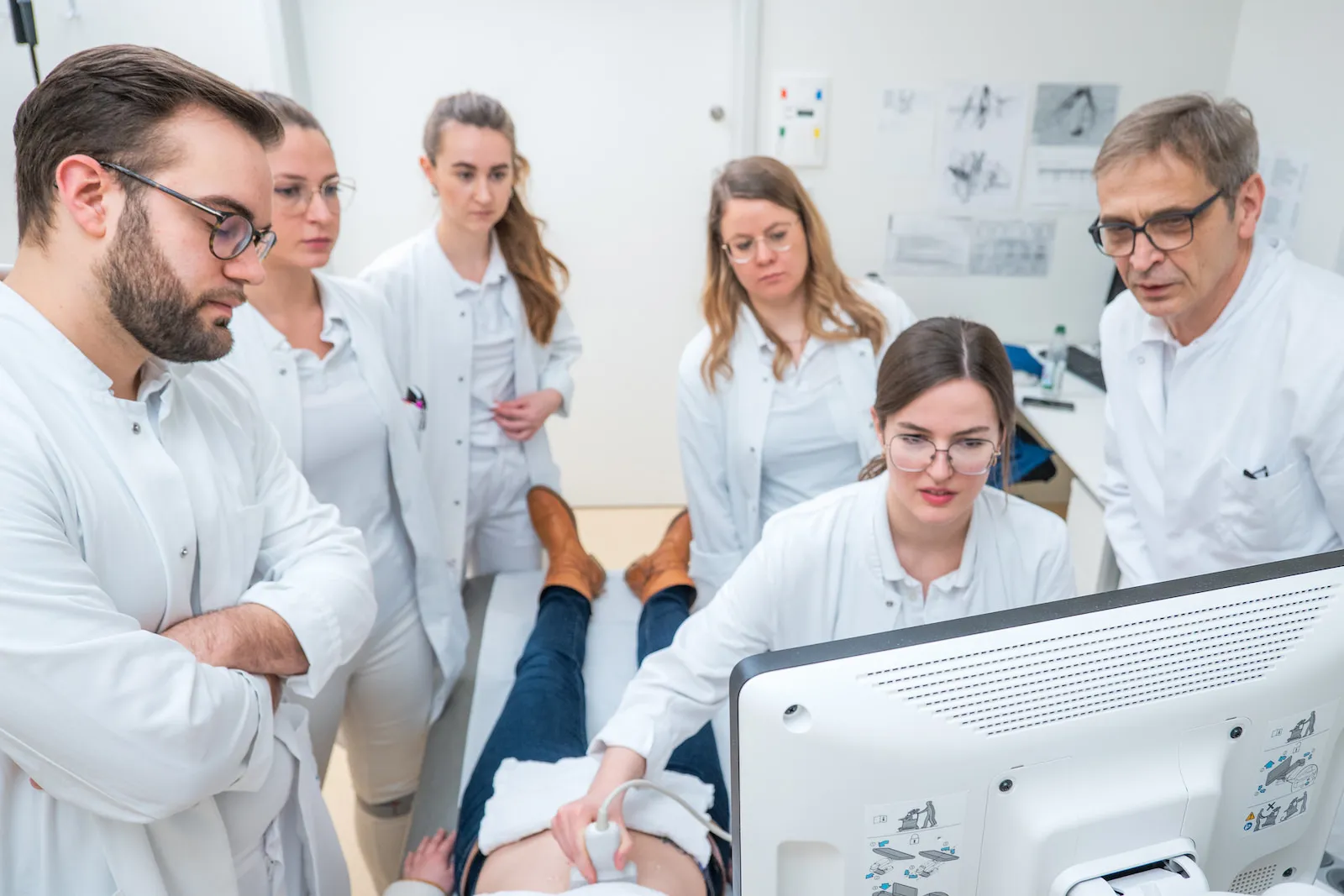
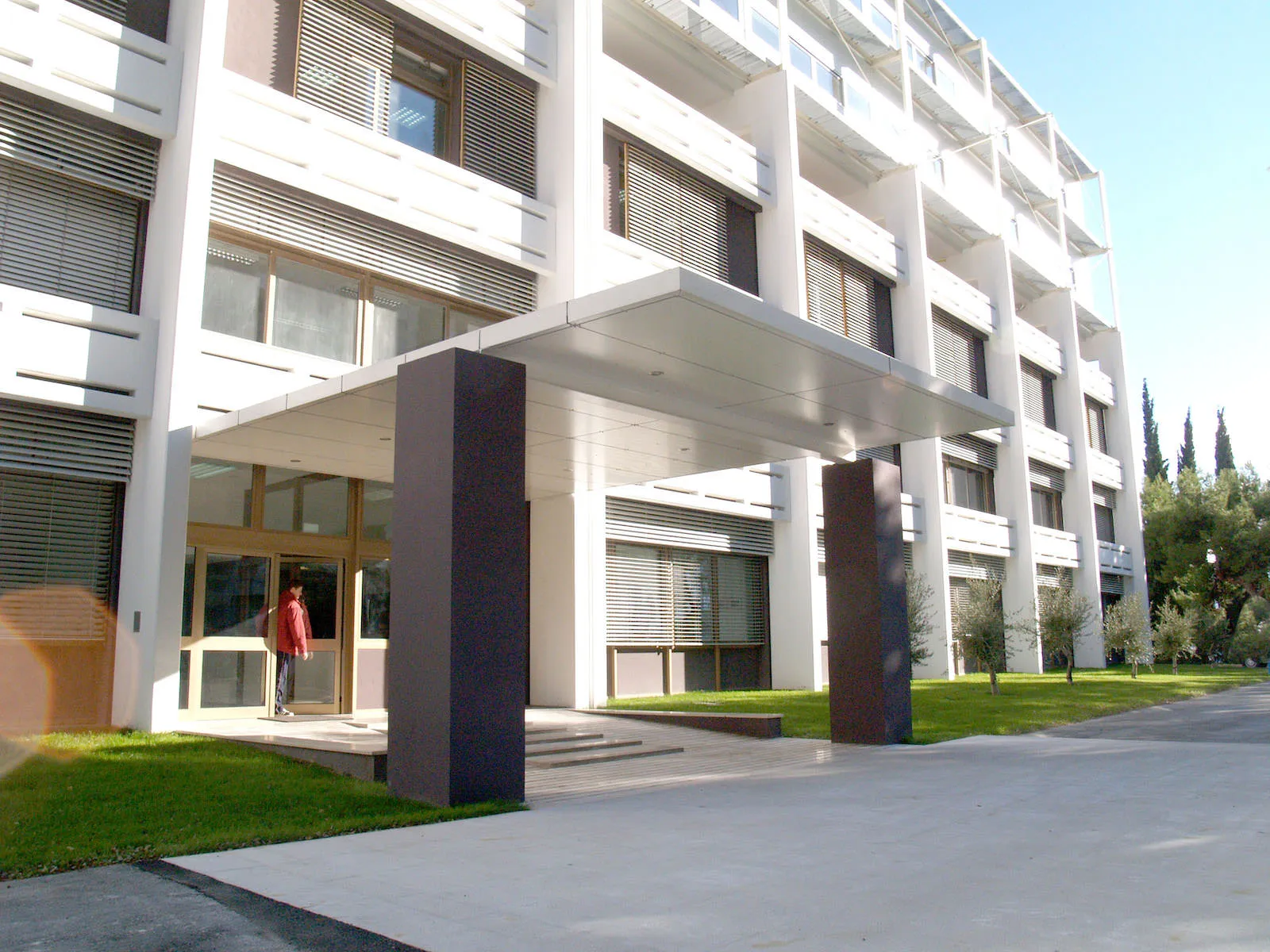
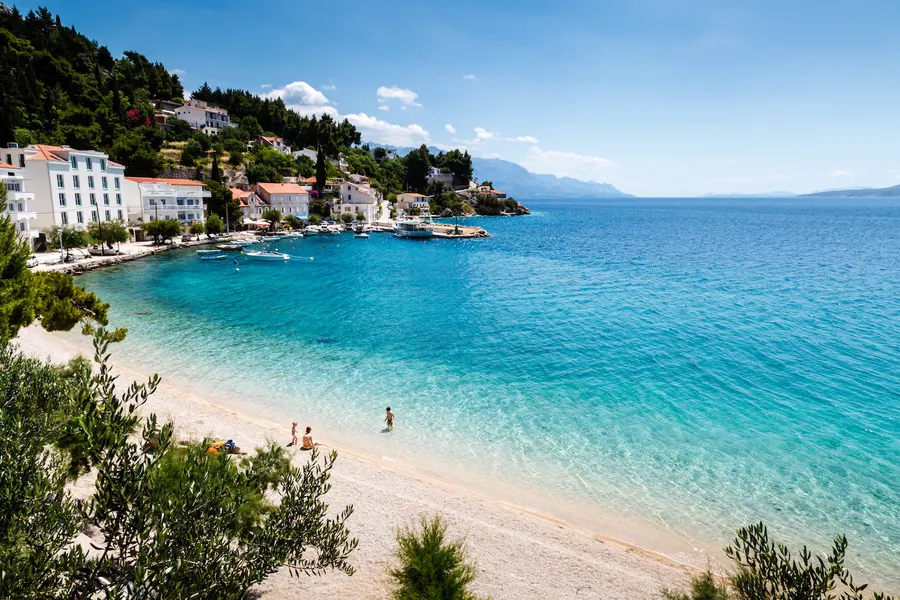
Campus photographs supplied by the client (three genuine University of Split views). Scenery images are Croatian stock: a Dalmatian island harbour, a Dalmatian waterfront village, the Makarska Riviera coast road, karst river canyons in the Dalmatian hinterland and the bell towers of Rab. Only the client photographs show the University itself.