Free Webinar: MBBS in India

Sat, September 5, 2026 | 7:00 PM

Reserve my Seat
futureMBBS

Free Webinar: MBBS in India

Sat, September 5, 2026 | 7:00 PM

Reserve my Seat
futureMBBS
Prague, Czech Republic

First Faculty of Medicine, Charles University

Central Europe's oldest medical faculty, training doctors in the heart of Prague since 1348.

  • MBBS student
  • MBBS student
  • MBBS student
  • MBBS student

5000+ Students trust us

Czech Republic

Country

Prague

City

#1 in Czech Republic

Ranking

English

Medium of instruction

Introduction

First Faculty of Medicine, Charles University

The First Faculty of Medicine was founded in 1348 as one of the four founding faculties of Charles University, making it the oldest medical faculty in Central Europe and the 11th oldest medical institution in the world. Located in the centre of Prague near Charles Square and Albertov, the faculty teaches around 3,400 students and is regularly ranked in the top 1% of medical faculties globally. Its six-year General Medicine programme is taught fully in English and leads to the MUDr. degree (equivalent to MBBS). Clinical training is centred on the General University Hospital in Prague, with further teaching at the Military University Hospital, Thomayer University Hospital, Bulovka Hospital and Motol University Hospital, giving students exceptional bedside exposure from a faculty with nearly 700 years of continuous medical teaching.

  • Study program:General MBBS
  • Language:English
  • Duration:6 Years
  • University type:Public university
  • Per academic year fees:€24,250 · ₹26.5 Lakh (approx.)
  • Entrance examination:Faculty entrance exam (written test + online interviews)
  • Application deadline:September 5, 2026
  • International seats:100 (approx.)
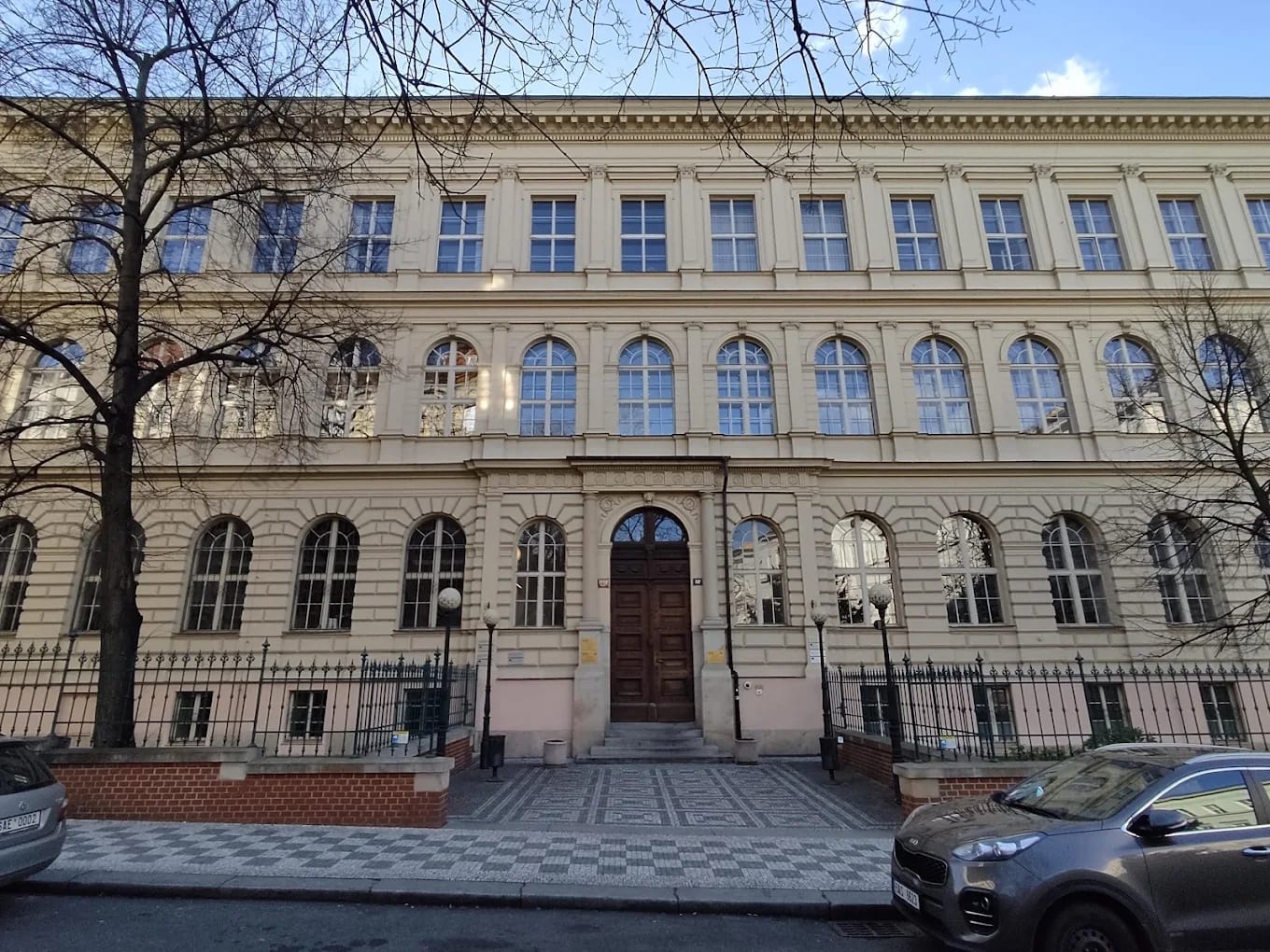
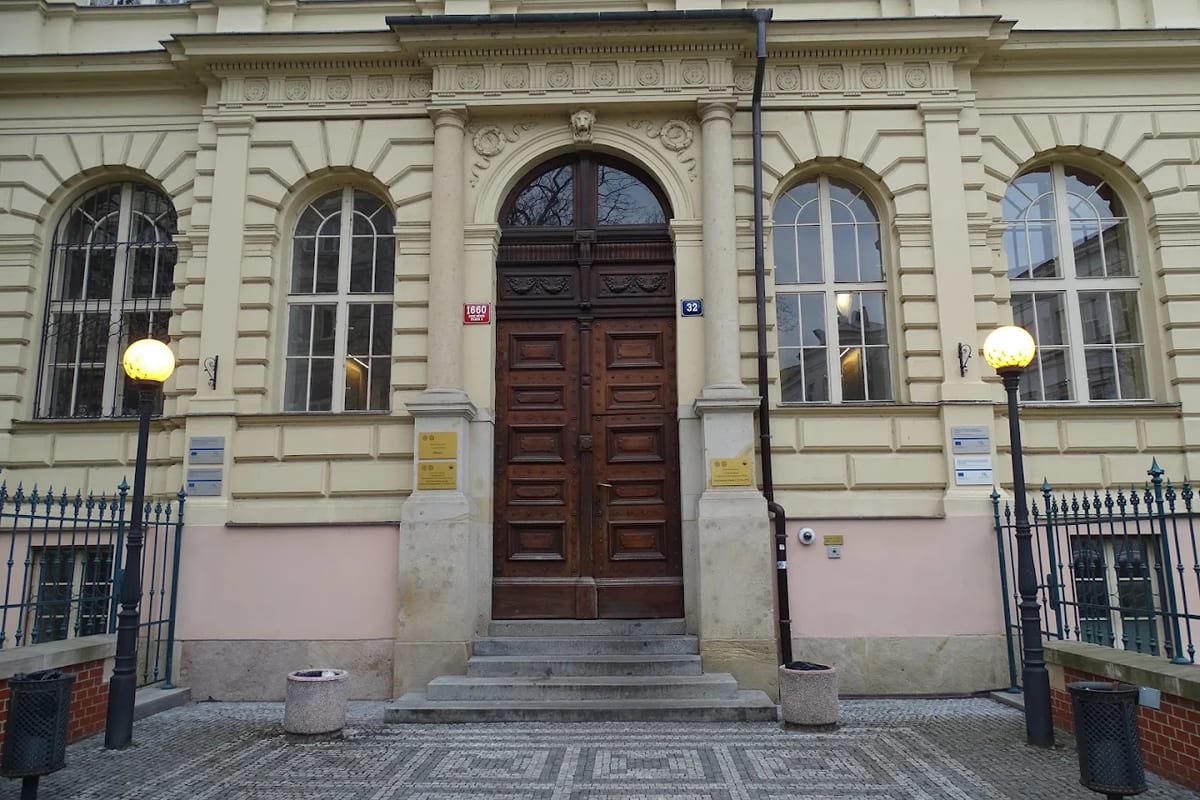
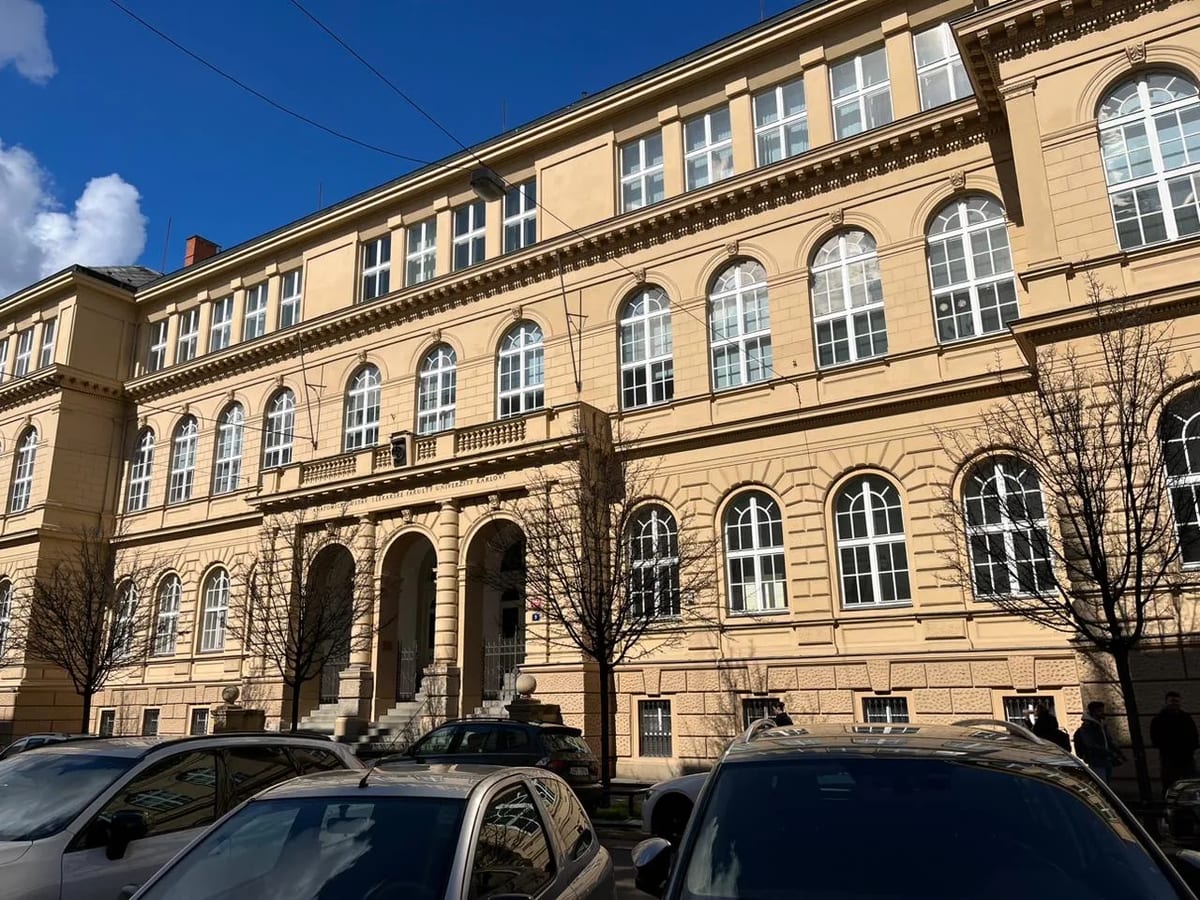
Entrance of a First Faculty of Medicine building in Prague
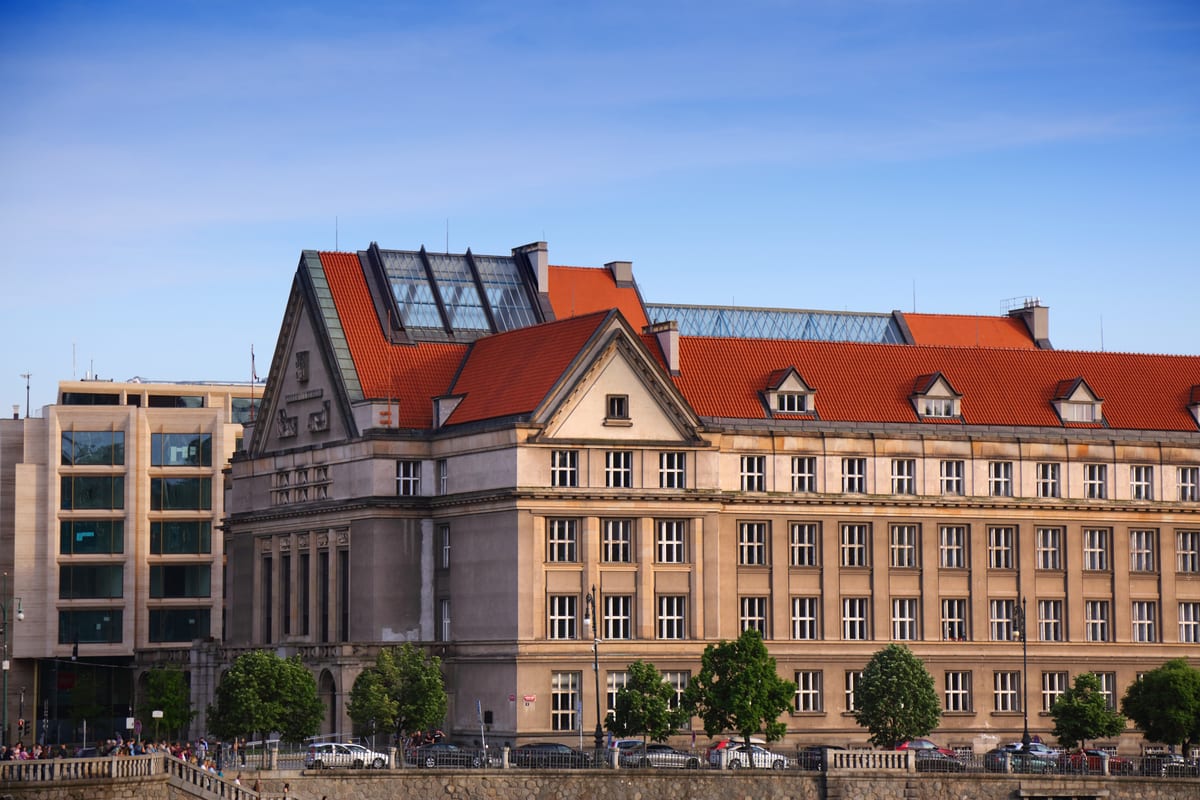
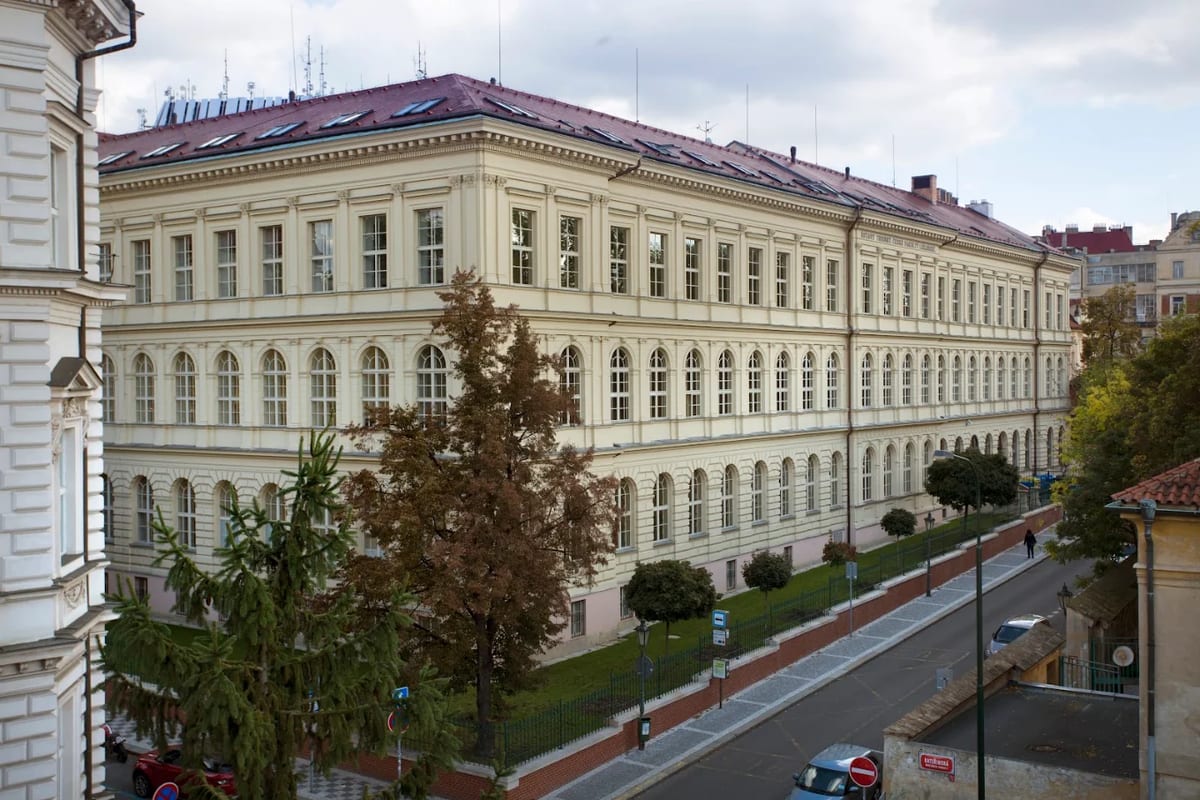
Historic faculty building of the First Faculty of Medicine
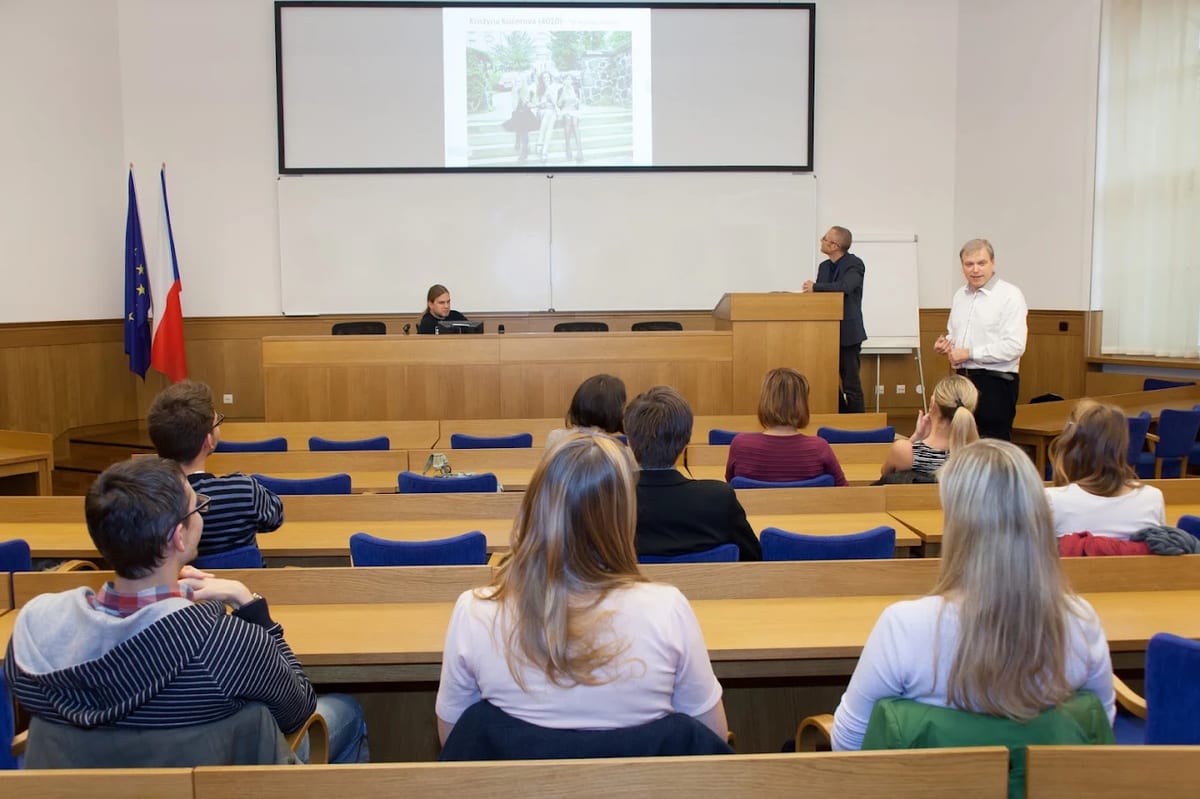
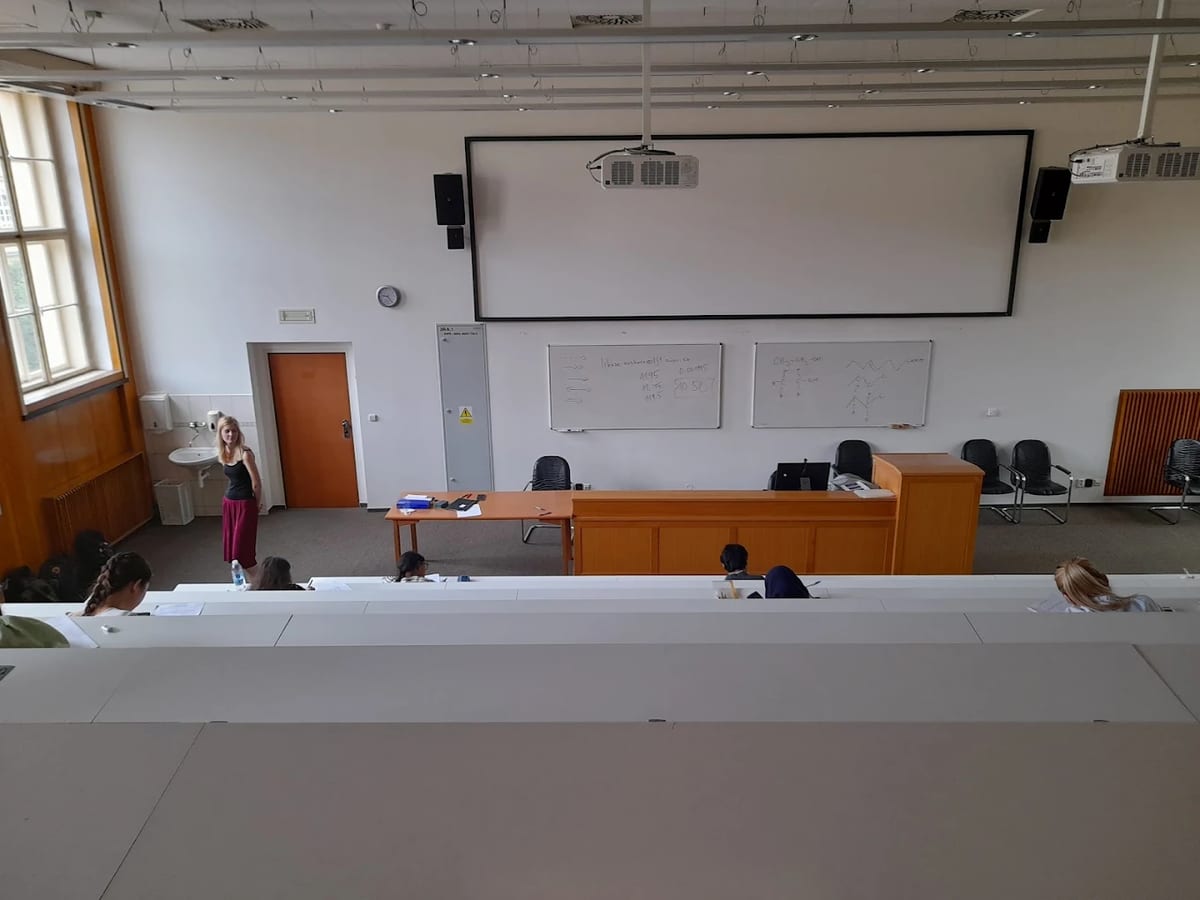
Modern lecture hall at the First Faculty of Medicine
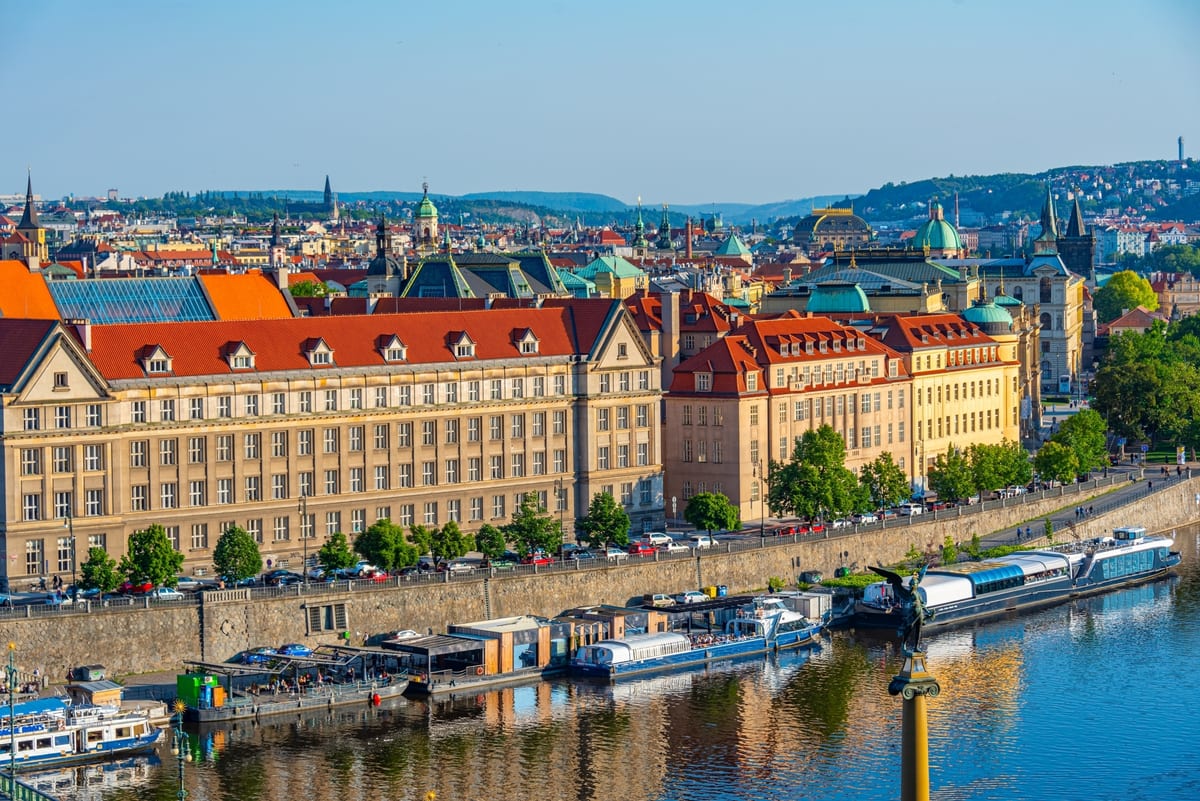
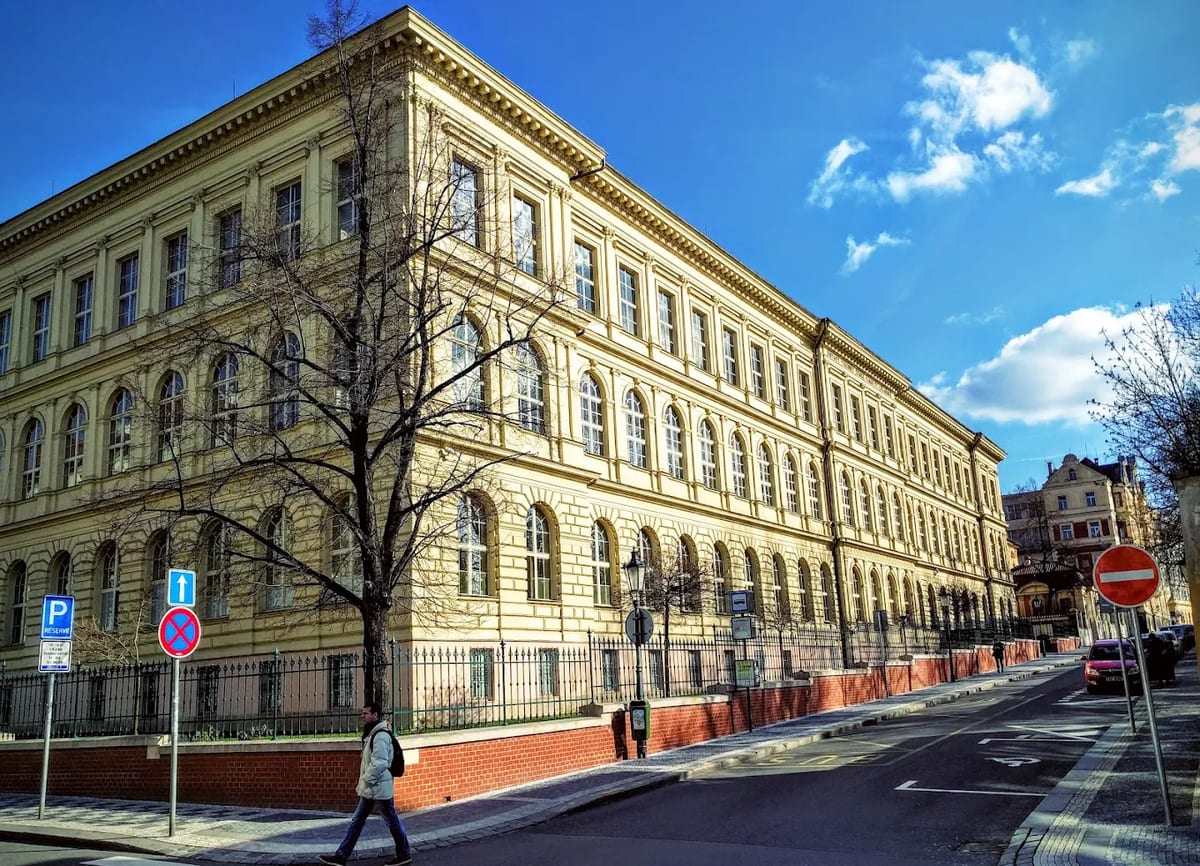
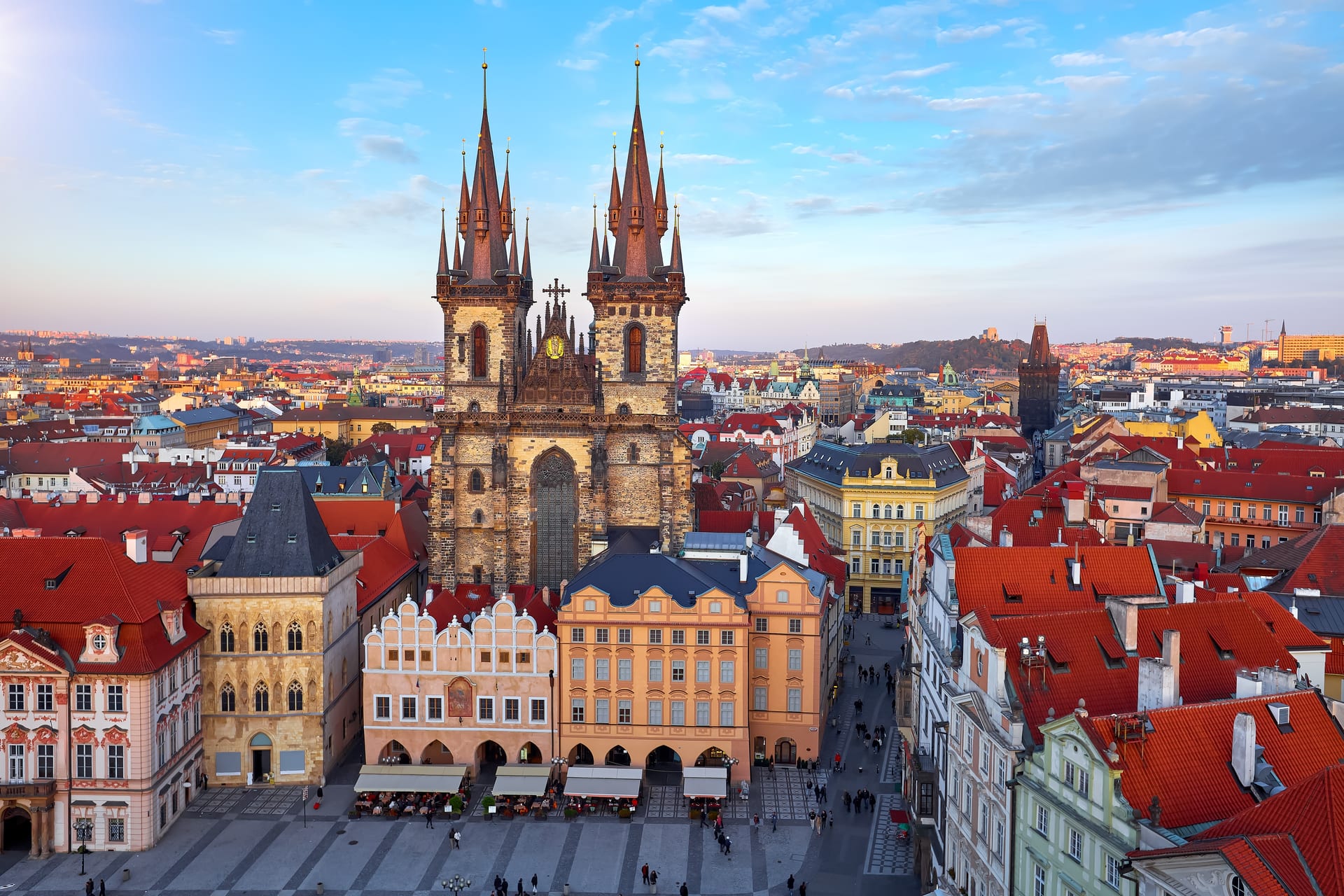
Street view of the First Faculty of Medicine campus

Entrance of a First Faculty of Medicine building in Prague

Find out all about your MBBS-abroad options at the First Faculty of Medicine

Download our free brochure for immediate information, or get personalised professional counselling from our experts.

Recognition & Prestige

Rankings & Recognition

The First Faculty of Medicine is the oldest and largest medical faculty in the Czech Republic and is regularly ranked in the top 1% of medical faculties worldwide. It belongs to Charles University, the country's top-ranked university.

  • #273

    QS World University Rankings 2027 (Charles University)

  • #401–500

    THE World University Rankings 2026 (Charles University)

  • Top 1%

    of medical faculties worldwide

  • #1

    in the Czech Republic

The medical degree is recognised internationally. The First Faculty of Medicine is listed in the World Directory of Medical Schools (WDOMS) under Charles University, sits within the European Higher Education Area, and its graduates are eligible to qualify for practice in India through the NMC screening/exit examination.

Accreditations and Recognition

  • National Medical Commission (NMC) of India emblem

    NMC/MCI

    National Medical Commission / Medical Council of India (India)

  • World Directory of Medical Schools emblem

    WDOMS

    Listed in the World Directory of Medical Schools

  • World Federation for Medical Education emblem

    WFME

    Aligned with World Federation for Medical Education standards

  • European Union emblem

    EU

    Within the European Higher Education Area (EU)

Complete Information About the First Faculty of Medicine

Get complete information about the First Faculty of Medicine, Charles University, including tuition, living costs, admission process and recognition for Indian students.

Success stories

Student Success Stories

Hear directly from students who are studying medicine in Europe with futureMBBS.

Academic Excellence

Why Study Medicine at the First Faculty of Medicine, Charles University

The First Faculty of Medicine pairs the prestige of Central Europe's oldest medical school with English-taught teaching in one of Europe's safest, most affordable and Indian-friendly student cities.

Safe & Welcoming

The Czech Republic ranks among the top 10 safest countries globally and 12th among the friendliest worldwide. In Prague, English is widely spoken due to its international population.

Affordable Living

Prague offers a lower cost of living than many European cities, with monthly expenses of about ₹44,000–₹65,000 depending on lifestyle.

Medical Education Hub

Prague is a central hub for medical education, with around 30 hospitals, multiple research institutes, several university hospitals and three Charles University medical faculties in the city.

Indian-Friendly City

Prague has a strong Indian community, with 20+ Indian restaurants and 15+ Indian grocery stores offering Indian vegetables, spices and essential food items.

Oldest in Central Europe

Founded in 1348, the First Faculty of Medicine is the oldest medical faculty in Central Europe and the 11th oldest medical institution in the world.

Global Recognition

The faculty is regularly ranked in the top 1% of medical faculties worldwide, and Charles University stands at #273 in the QS World University Rankings 2027.

Clinical Training

Most clinical instruction takes place at the General University Hospital in Prague, with further rotations at the Military University Hospital, Thomayer University Hospital, Bulovka Hospital and Motol University Hospital.

Read all about MBBS abroad in our free brochure

Know exactly what options exist for your MBBS-abroad success.

How to Apply

Admission Process for MBBS

Admission to General Medicine at the First Faculty of Medicine is through the faculty's own two-round admission procedure, not NEET. Applicants submit the online application, sit a written entrance examination (Round 1) and then complete online Multiple Mini Interviews (Round 2). For the 2026/2027 intake, no English-language certificate or personal statement is required.

Admission Timeline

  1. 1
    December 1, 2025Application Opens

    The online application window for the 2026/2027 academic year opens.

  2. 2
    September 5, 2026Application Deadline

    Final date to submit the completed application and pay the €285 application fee.

  3. 3
    September 16, 2026Written Entrance Exam (Prague)

    Round 1 written test in Biology, Chemistry and General Science; an additional Prague term runs on September 23, 2026. Exams abroad are arranged through official international representatives.

  4. 4
    After Round 1Multiple Mini Interviews

    Candidates who pass the written round are invited to Round 2: five online mini interviews of 10 minutes each.

  5. 5
    Within weeksResults Announced

    Admission decisions and offer letters are released; admitted students then complete nostrification of their school certificate.

  6. 6
    Early OctoberClasses Begin

    The winter semester begins for the new intake.

Eligibility Criteria

Academic Qualification

The student must have completed Class 12 (or equivalent secondary education) with Physics, Chemistry and Biology and a strong academic record. Proof of completed secondary education (nostrification) is submitted after passing the entrance exam, before enrolment.

Subjects:

BiologyChemistryPhysics / Maths

Age Requirement

Candidates should be at least 17 years old by 31 December of the admission year.

  • Minimum 17 yearsRequired age at the time of admission

Requirements

Applicants must clear both rounds of the faculty's entrance examination. Applications may be submitted directly or through an official international representative.

  • Entrance Exam

    Round 1 written test plus Round 2 Multiple Mini Interviews; only Round 2 points determine the final admission decision.

  • English Proficiency

    No English certificate is required for the 2026/2027 intake — but the entire programme is taught in English, so strong working English is essential.

Entrance Examination

Admission is based on the faculty's own two-round entrance examination rather than category-wise minimum marks.

ComponentRequirement
Round 1 — Written exam (90 minutes, 75 points)Multiple-choice (Single Best Answer) test in Biology, Chemistry and General Science; 25 points per subject; no negative marking
Round 2 — Multiple Mini Interviews (online, 100 points)Five consecutive 10-minute stations testing critical thinking, calculations, role-play, creativity and motivation; only Round 2 points decide admission

Required Documents

To apply, students need to submit essential academic and identification documents:

  • Completed online application form
  • Application fee payment of €285
  • High-school / secondary-school certificate (with nostrification after passing the exam)
  • Valid passport
  • + More

Admission Guidance & Document Checklist

Get the complete document checklist or admission guidance from our experts.

Program Structure

MBBS Curriculum & Internship Structure

Students follow a structured six-year curriculum that balances medical theory with real clinical exposure, taught entirely in English and leading to the MUDr. degree (equivalent to MBBS).

Medicine (General Medicine) Course

  • Total Duration:

    6 Years

  • Degree:

    MUDr. (Doctor of Medicine, equivalent to MBBS)

Curriculum Phases at the First Faculty of Medicine

  • Years 1–2

    Theoretical (Pre-Clinical Foundations)

    Basic medical sciences and foundational subjects focused on understanding the structure and function of the healthy human body:

    AnatomyHistology & EmbryologyMedical Chemistry & BiochemistryBiophysics
    Medical Biology & GeneticsPhysiologyFirst AidLatin Medical TerminologyCzech LanguageNursing
  • Years 3–4

    Pre-Clinical to Clinical Transition

    Paraclinical sciences and the first structured patient contact at the teaching hospitals, bridging laboratory science and bedside medicine:

    PathologyPathological PhysiologyPharmacologyMicrobiology
    ImmunologyPropaedeutics of Internal Medicine & SurgeryHygiene & EpidemiologyImaging MethodsInternal Medicine ISurgery I
  • Years 5–6

    Clinical Training

    Clinical rotations across the specialties, centred on the General University Hospital in Prague, with direct patient care under supervision, concluding in the State Final Examinations (STEX):

    Internal MedicineSurgeryPaediatricsObstetrics & Gynaecology
    NeurologyPsychiatryDermatovenerologyInfectious DiseasesOncologyAnaesthesiology & Intensive CarePublic HealthPractical Medicine

Clinical Rotations

Clinical training takes place in the faculty's network of Prague teaching hospitals, centred on the General University Hospital. An indicative rotation pattern across the clinical years is:

PhaseFocus
Year 4Internal Medicine I, Surgery I and Paediatrics I foundations, plus Ophthalmology, ENT and Imaging Methods
Year 5Internal Medicine II, Neurology, Psychiatry, Obstetrics & Gynaecology, Paediatrics II, Dermatovenerology, Infectious Diseases, Oncology, Anaesthesiology & Intensive Care
Year 6Internal Medicine III, Surgery II, Paediatrics III, Obstetrics & Gynaecology II and Practical Medicine, ending in State Final Examinations

Get the full curriculum

Download a free brochure to see detailed subjects, the course structure and everything you need to plan your studies.

Global Exchange

Erasmus+ Partner Universities

Charles University works closely with many well-known universities worldwide, and a key priority is giving students the chance to study or complete internships abroad. Its most popular exchange programme, Erasmus+, is used by around 2,000 Charles University students every year, and the First Faculty of Medicine runs its own Erasmus+ office for incoming and outgoing medical students.

CountryErasmus+ Partner Universities
AustriaUniversity of Graz; Medical University of Vienna
BelgiumUniversité Libre de Bruxelles; Ghent University
CroatiaUniversity of Rijeka; University of Split
FranceClaude Bernard University Lyon 1; Medicine Sorbonne Université; University of Bordeaux
GermanyAlbert-Ludwigs-Universität Freiburg; Heinrich-Heine-Universität Düsseldorf; Julius-Maximilians-Universität Würzburg; Ruprecht-Karls-Universität Heidelberg; University of Münster; Witten/Herdecke University
HungarySemmelweis University
ItalyUniversità degli Studi dell'Aquila; University of Genoa; University of Campania "Luigi Vanvitelli"; University of Padua; University of Sassari
LithuaniaLithuanian University of Health Sciences
NorwayNorwegian University of Science and Technology
PolandAndrzej Frycz Modrzewski Krakow University; Medical University of Gdańsk
PortugalUniversity of Coimbra; University of Lisbon; New University of Lisbon
SlovakiaComenius University in Bratislava; Pavol Jozef Šafárik University in Košice
SloveniaUniversity of Ljubljana; University of Maribor
SpainUniversity of Cordoba; European University of Madrid; University of Santiago de Compostela

Explore Your Erasmus+ Options

The table above highlights selected partner universities of Charles University under the Erasmus+ exchange programme.

Legacy

Prominent Graduates of the First Faculty of Medicine

The First Faculty of Medicine and its historical predecessors have shaped some of the most influential figures in medical science.

Jan Evangelista Purkyně

One of the founders of modern physiology and anatomy and a professor at the Prague medical faculty; he discovered Purkinje cells in the brain and Purkinje fibres in the heart, both still fundamental to neuroscience and cardiology.

Carl Ferdinand Cori

Prague-trained biochemist who, with his wife Gerty, explained how the body converts glycogen to glucose and back (the Cori cycle); the couple received the Nobel Prize in Physiology or Medicine in 1947.

Gerty Cori

Studied medicine in Prague and became one of the first women ever to win the Nobel Prize in Physiology or Medicine (1947); her research founded modern metabolic and endocrine medicine.

Franz Hofmeister

Prague-trained physician and biochemist who first proposed that proteins are chains of amino acids linked by peptide bonds; his Hofmeister series is still used across biochemistry and pharmaceutical science.

Josef Thomayer

A founder of the Czech school of internal medicine and a legendary teacher who built systematic bedside diagnosis into Czech medical training; Prague's Thomayer University Hospital is named in his honour.

Karel Raška

Czech microbiologist and epidemiologist who headed the WHO's communicable diseases division, where his surveillance-based strategy became the backbone of the global smallpox eradication programme.

Stanislav Grof

Graduated in medicine in Prague and became one of the founders of transpersonal psychology; his clinical research on the human psyche made him one of the most cited psychiatrists of the twentieth century.

Faculty

Students are guided by around 110 professors, 150 associate professors and 700 assistant professors, led by Dean prof. MUDr. Martin Vokurka, CSc., with a team of vice-deans overseeing student affairs, international studies in English, international relations and admissions.

Academic Expertise

  • Experienced physicians and surgeons

  • Faculty with international publications

  • Medical researchers and scientists

  • Active involvement in medical research and innovation

Student Support & Mentorship

  • Regular academic interaction

  • Personal mentorship

  • Clinical supervision during rotations

  • Continuous development of practical skills

About University

History Information

Historic buildings of the First Faculty of Medicine campus

Historic buildings of the First Faculty of Medicine campus

Founded in 1348

The Faculty of Medicine was one of the four founding faculties of Charles University, established in 1348 by King Charles IV alongside theology, liberal arts and law. That makes the First Faculty of Medicine the oldest medical faculty in Central Europe and the 11th oldest medical institution in the world.

Two Faculties, One City

In 1882, during the Austro-Hungarian division of the university, the medical faculty split into parallel Czech and German faculties. Nobel laureates Carl and Gerty Cori trained in this Prague medical world, and the German faculty was disbanded in 1918 with the founding of independent Czechoslovakia.

Prague Castle and St. Vitus Cathedral illuminated at night

Prague Castle and St. Vitus Cathedral illuminated at night

From Faculty of General Medicine to First Faculty

In 1953 the Prague medical faculty was divided into three: the Faculty of General Medicine, the Faculty of Paediatric Medicine and the Faculty of Hygiene. After the Velvet Revolution of 1989 these became today's First, Second and Third Faculties of Medicine of Charles University.

The Largest Czech Medical Faculty Today

Today the First Faculty of Medicine teaches around 3,400 students in the historic centre of Prague, ranks in the top 1% of medical faculties worldwide and remains the flagship of Czech medical education and research.

Get all information about the First Faculty of Medicine in our free brochure

Read on to find out how you can fulfil your dream of studying medicine at the First Faculty of Medicine, Charles University.

Role in medicine

Role in medical education

Lecture in progress at the First Faculty of Medicine

Lecture in progress at the First Faculty of Medicine

Nearly 700 Years of Medical Teaching

The First Faculty of Medicine has trained doctors continuously since 1348, combining academic learning with practical clinical training. Most clinical instruction takes place at the General University Hospital in Prague, with further teaching at the Military University Hospital, Thomayer University Hospital, Bulovka Hospital and Motol University Hospital, covering every major clinical field.

Historic teaching hospital building in Prague

Historic teaching hospital building in Prague

Research from Purkyně to the Present

The faculty's research lineage runs from Purkyně's pioneering physiology institute to the Nobel Prize-winning metabolic research of Carl and Gerty Cori. Today its roughly 110 professors and 150 associate professors keep it among the top 1% of medical faculties worldwide, active in fields from oncology and cardiology to addiction science and simulation-based education.

An International Medical Community

The English-language General Medicine and Dentistry programmes attract students from the United States, Canada, the United Kingdom, Norway, Germany, Italy, Israel, Malaysia, India, the Middle East and beyond, creating a genuinely international learning environment supported by a dedicated simulation training centre and the faculty's own student societies.

Get all information about the First Faculty of Medicine in our free brochure

Read on to find out how you can fulfil your dream of studying medicine at the First Faculty of Medicine, Charles University.

Affordable education

MBBS Living Cost at the First Faculty of Medicine, Prague

Prague offers world-class medical education at a comparatively low cost of living. Here is the monthly breakdown.

Monthly Living Cost

Cost ComponentApproximate Amount
Accommodation₹22,000 – ₹32,000
Food₹15,000 – ₹20,000
Transportation₹2,000 – ₹5,000
Other Expenses (Utilities, Internet, Leisure)₹5,000 – ₹8,000
Get Free MBBS Guide

Average monthly living cost

₹44,000 – ₹65,000

Housing

Accommodation

The Charles University halls of residence provide a safe, supportive and affordable environment that helps students focus on their medical studies while settling into life in Prague.

Official Halls of Residence

Charles University offers accommodation through its official university halls of residence, managed centrally by the university. Accommodation must be requested during the application process, and applying early is recommended as capacity is limited.

Dormitory Network Across Prague

First Faculty of Medicine students are typically placed in Charles University halls spread across Prague, with direct public-transport access to the faculty campus near Charles Square and the General University Hospital.

Furnished Living Spaces

Rooms are single or double, though first-year students are usually placed in shared double rooms as singles are very limited. Each student has their own bed, study desk, chair and storage space, with bed linen supplied and rooms cleaned regularly.

Shared Kitchens & Common Areas

Some rooms include a small kitchenette, while others share a kitchen on the same floor. Bathrooms are shared between two rooms or along the floor depending on the hall. Students bring their own kitchenware, as it is not provided.

Affordable Monthly Cost

Accommodation in the halls costs approximately €210 per month — among the most affordable student housing of any European medical city and well below Prague's private-market rents.

How to Apply

Accommodation must be requested during the application process. Capacity is limited and room allocation is managed centrally by Charles University, so applying as early as possible is strongly recommended.

Booking Support for New Students

Newly admitted students can have their room booked for them, including the official accommodation letter required for the student visa. The process takes 7 to 10 working days through the faculty accommodation office.

Off-Campus and Private Housing

Students who prefer more comfort or independence can choose privately operated student residences, or rent or share a private flat. Both options cost noticeably more than the university halls, and students organise this independently as the university does not arrange private housing.

Need accommodation details?

Get a full overview of housing options with our university guide, or reach out to an expert.

Food & Dining

100% Veg Options and Indian Food, Always Available

Indian and vegetarian food is easily available in cafeterias and restaurants across Prague.

Charles University has student cafeterias (menzas) serving affordable daily meals near the faculty. Vegetarian options like salads, pasta, soups and cooked meals are available regularly, and the food is subsidised for students.

Location

How to Reach the First Faculty of Medicine, Charles University

Address

Kateřinská 1660/32, 121 08 Nové Město, Prague 2, Czech Republic

  • Nearest Airport

    Václav Havel Airport Prague (PRG)

  • Local Transport

    Metro stations Karlovo náměstí and I. P. Pavlova, plus trams and buses, connect the campus across the city

Your Roadmap to Success

Career Pathways After Medicine at the First Faculty of Medicine

On completing the programme, graduates of the First Faculty of Medicine earn the internationally recognised MUDr. title (General Medicine). The degree is respected worldwide and opens career opportunities both in India and abroad, giving graduates a genuine choice of where to build their medical career.

Understand the Medical Licensing Pathway

A clear overview of the exams and requirements after graduation.

Practising in India

FMGE & NExT Details

To practise medicine in India after graduating from the First Faculty of Medicine, Indian students follow a clear, well-defined licensing pathway set by the National Medical Commission (NMC): clearing the NMC screening examination (currently the FMGE, transitioning to the NExT), completing a one-year internship, and registering with the medical council. None of these steps are unusual or specific to this faculty — every Indian student who studies medicine abroad follows the same route, and thousands do so successfully each year.

  1. Step 1

    National Exit Test (NExT)

    Graduates must clear the qualifying examination that licenses foreign medical graduates to practise in India — currently the FMGE, which India is replacing with the National Exit Test (NExT). The NExT is a single unified exam that acts as both the mandatory licensing test and the entrance examination for postgraduate (MD/MS) seats in India. Preparing steadily through the six years of study, rather than only at the end, consistently produces the strongest results.

  2. Step 2

    Clinical Internship (CRRI)

    After qualifying, students complete a one-year Compulsory Rotatory Residential Internship (CRRI) in India. This is a paid, hospital-based internship rotating through core departments such as medicine, surgery, paediatrics and obstetrics & gynaecology, giving graduates supervised, hands-on clinical experience within the Indian healthcare system before they practise independently.

  3. Step 3

    Medical Registration

    The final step is registration with the National Medical Commission (NMC) or the relevant State Medical Council. Once registered, the graduate holds a permanent medical registration number and is fully licensed to practise medicine as a doctor anywhere in India.

Student Life Style

Student life at the First Faculty of Medicine

Being an MBBS student is a mix of academics, cultural exposure, and personal growth. With nearly 700 years of history and a strong reputation in medicine, the faculty gives a solid foundation for students.

Vltava riverside buildings near the Prague embankment

Vltava riverside buildings near the Prague embankment

Academics

The curriculum is intensive, well-structured and aligns with international standards. Students learn from theory lectures, lab work and clinical rotations at the General University Hospital and the faculty's other teaching hospitals. The strong focus on evidence-based medicine helps students stay well prepared for real-life medical situations.

Visitors at the Prague Castle gates on a sunny day

Visitors at the Prague Castle gates on a sunny day

Campus and Facilities

The faculty offers modern labs, well-equipped libraries and a dedicated simulation centre in the historic centre of Prague, near Charles Square, I. P. Pavlova and Albertov. International students especially benefit from the English-taught programme, which makes academic life much smoother.

Challenges and Growth

The course can be overwhelming at times, but it teaches important life skills like time management, resilience and teamwork.

Social Life

Student life isn't just about books and exams. Student associations like the SMC and MedSoc run Freshers Week every September and help new students settle in, and interest groups such as the faculty's surgical society offer research opportunities, clerkships and workshops. Living in Prague adds to the experience — the city is vibrant, full of history, art and amazing food, and international students often form close-knit groups while adjusting to life in a new country.

Overall Experience

Studying MBBS is about growing as a professional and as a person — building lifelong friendships and gaining global exposure in the world of medicine.

Scholarship & Financial

Scholarship & Financial Aid

First Faculty of Medicine students can explore several government and university scholarship routes.

Funded by the Ministry of Education, Youth and Sports of the Czech Republic, this programme is mainly for students from selected developing countries under bilateral agreements.

  • Tuition in Czech-language programmes
  • Monthly living allowance
  • Accommodation support as per government rules

Ratings

Reviews & Ratings

Hear from students and alumni about their experience at the First Faculty of Medicine, Charles University.

4.8

125 reviews

Academics4.9
Infrastructure4.8
Hostel4.7
Campus Life4.8
Value for Money4.8
  • Studying at Central Europe's oldest medical faculty

    Student — Medicine 2022

    Studying in English at a faculty founded in 1348, with this much clinical exposure at the General University Hospital, is incredible. Prague is safe, affordable and very welcoming to Indian students.

  • Strong clinical training

    Student — Medicine 2021

    Rotations at the General University Hospital and the other Prague teaching hospitals give real hands-on experience from the clinical years onward. The degree is globally recognised.

Compare

Compare Colleges

Compare the First Faculty of Medicine, Charles University with a leading Indian medical college.

Quick Comparison:

First Faculty of Medicine, Charles University vs CMC Vellore

University
First Faculty of Medicine, Charles UniversityPrague, Czech Republic
CMC VelloreTamil Nadu, India
University TypePublicPrivate (minority)
MediumEnglishEnglish
Course Duration6 years (MUDr.)5.5 years (MBBS)
Tuition (per year)~₹26.5 lakh (€24,250)~₹3–4 lakh
AdmissionFaculty entrance exam (written + MMI)NEET-UG
RecognitionWDOMS / EU; NMC-eligible via screeningNMC-recognised
Global RankingQS #273 (2027, Charles University)Not in QS top 500

Compare Top MBBS Universities for Me

See key differences in fees, ranking, eligibility and recognition.

Our blog

Medical Education Insights

Articles that turn complex MBBS-abroad rules into simple, practical steps for students and parents.

FAQ

Frequently Asked Questions

Short answers to the questions students and parents ask most often about MBBS at the First Faculty of Medicine.