

Explore MBBS Opportunities Across Asia
Explore NMC compliant, English-taught MBBS universities and find your ideal medical education destination in Asia.


5000+ Students trust us
Asia
Destination
September (most)
Intake
English (with local language needed)
Language
5–6 Years
Duration
Introduction
About MBBS in Asia
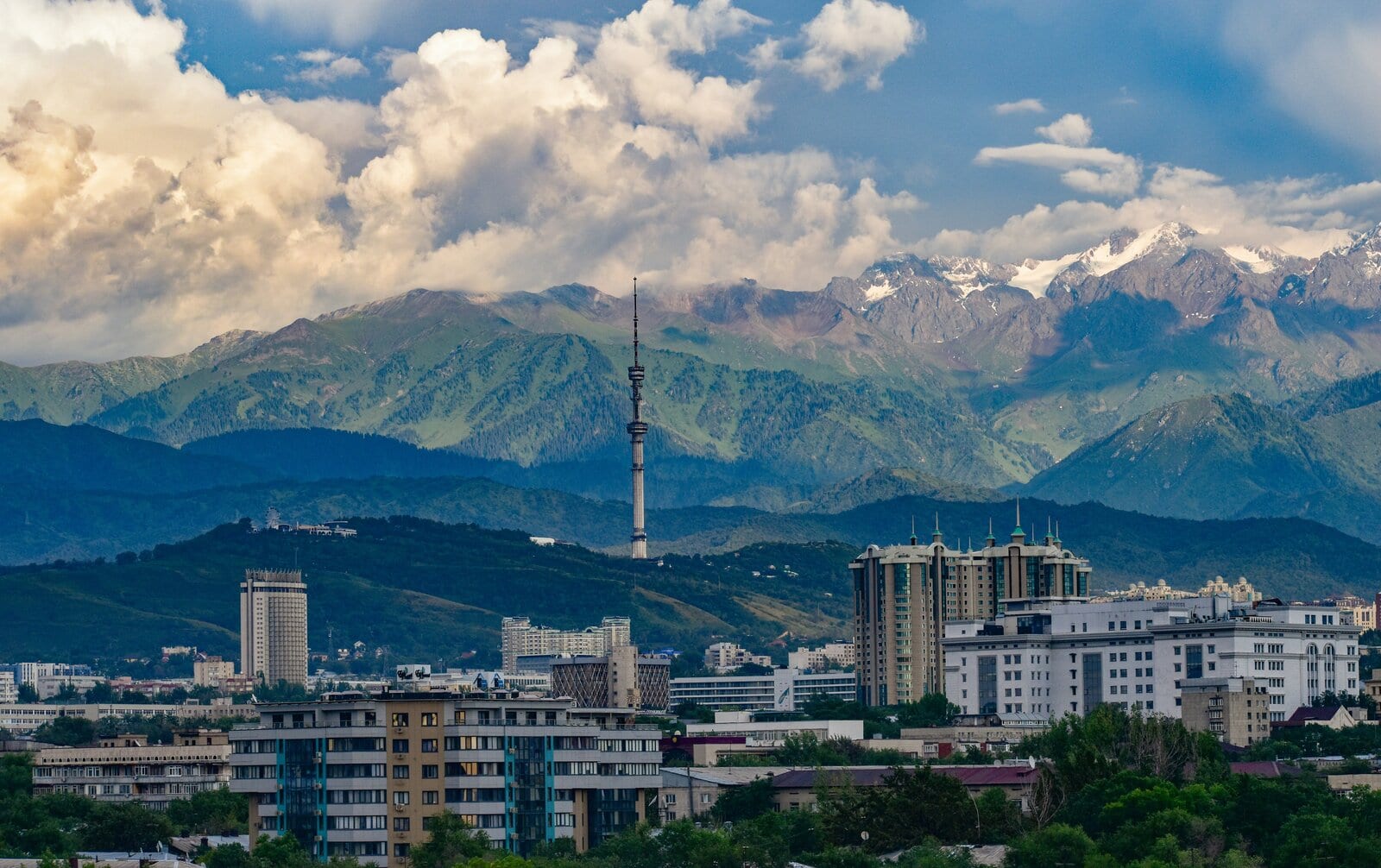

Snow-capped mountains above a lake and steppe landscape in Kazakhstan
Get all information about MBBS abroad
Read on to find out how you can fulfil your dream of studying for an MBBS abroad.
Top Destinations
The Top 7 Asian Destinations
Bangladesh
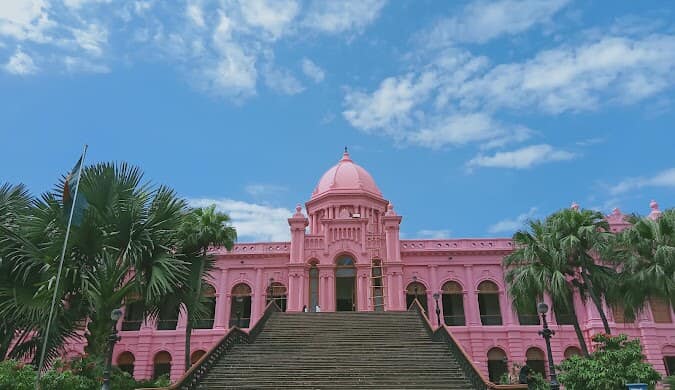

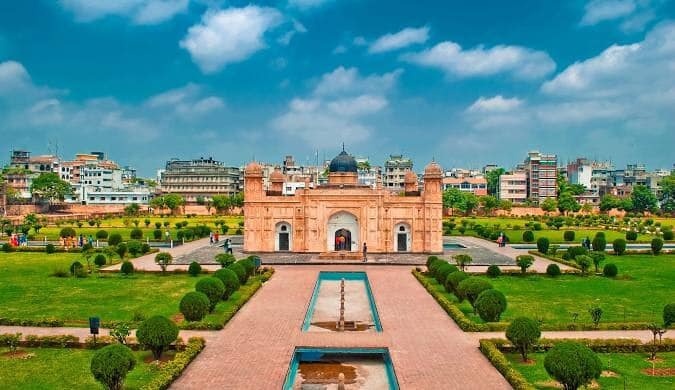
Ahsan Manzil (the Pink Palace), a heritage landmark in Dhaka, Bangladesh
Top Rated Universities in Bangladesh




Nepal
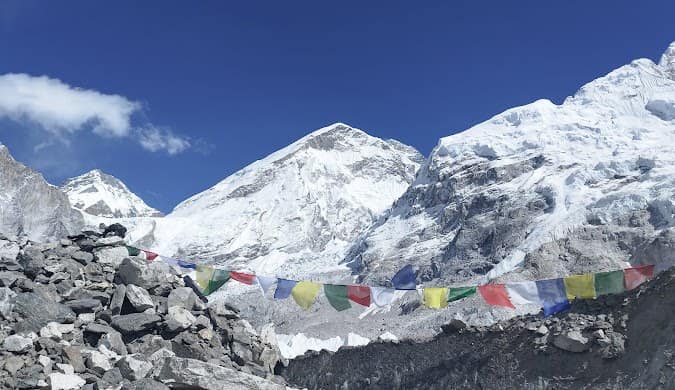
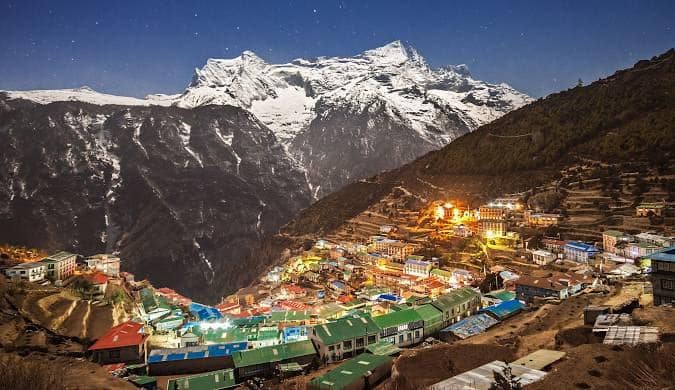
Kathmandu, the capital of Nepal
Top Rated Universities in Nepal




Philippines
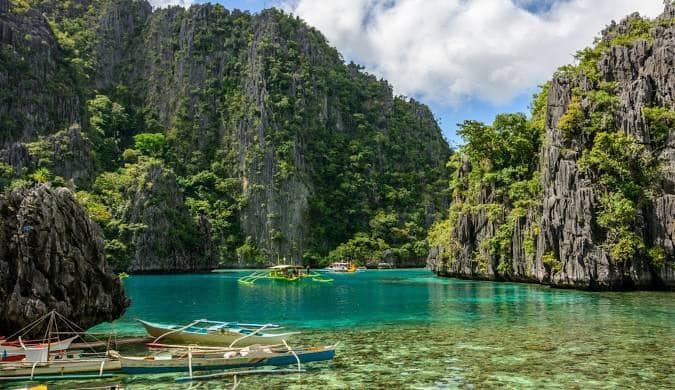
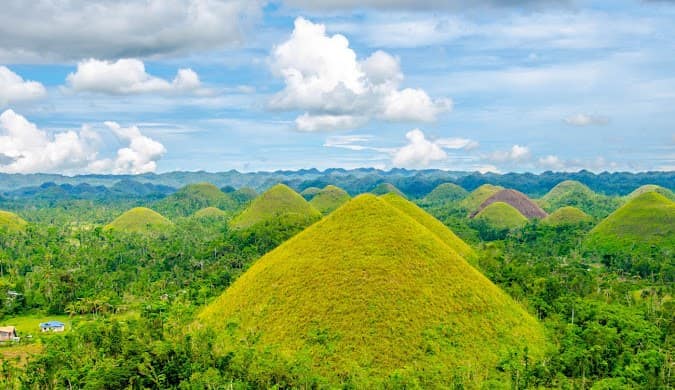
Manila, the capital of the Philippines
Top Rated Universities in Philippines




Kyrgyzstan
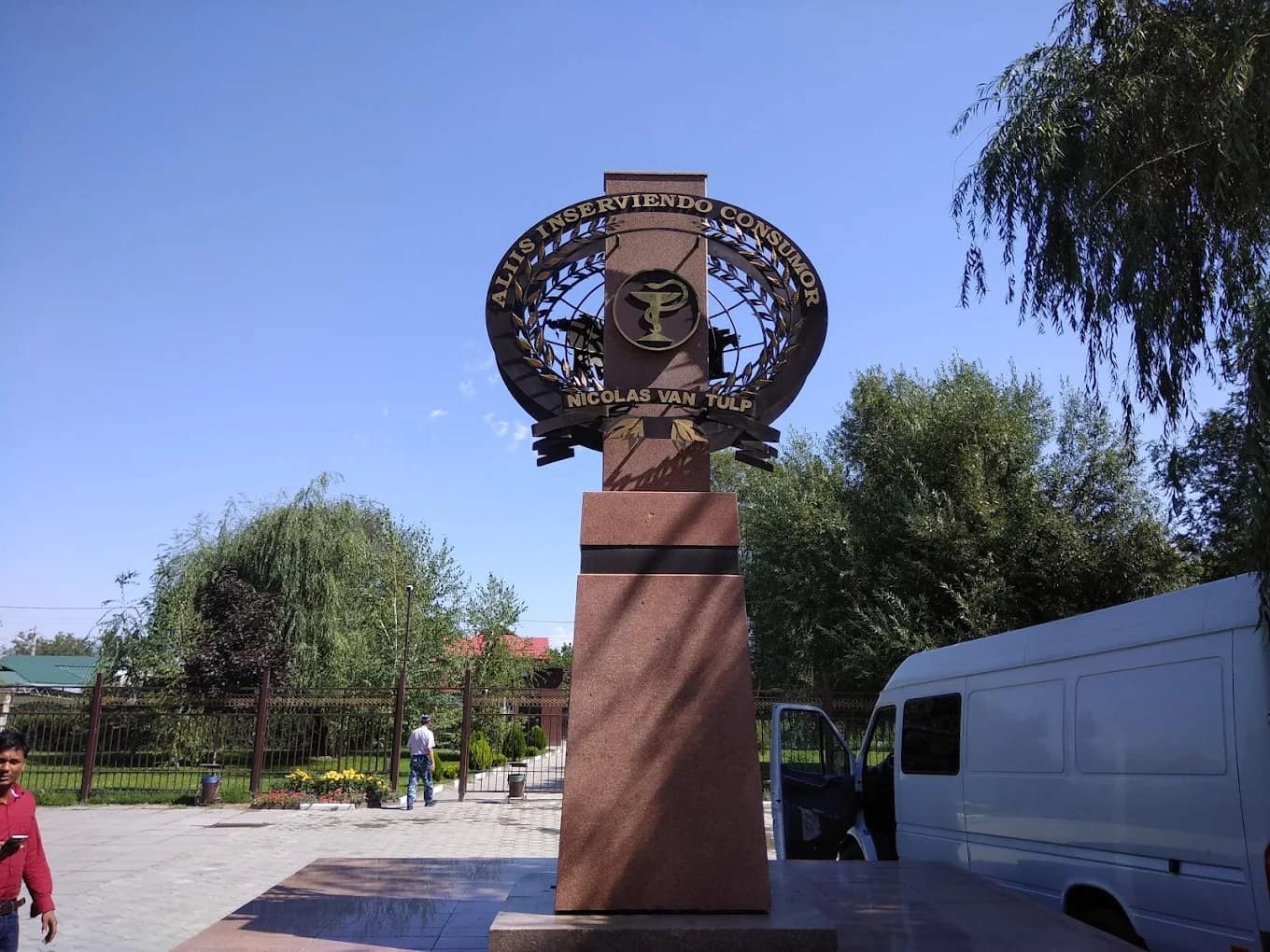
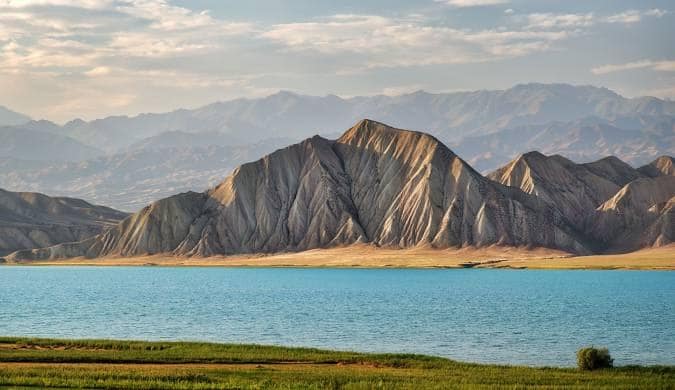
Bishkek city, the capital of Kyrgyzstan
Top Rated Universities in Kyrgyzstan




Kazakhstan
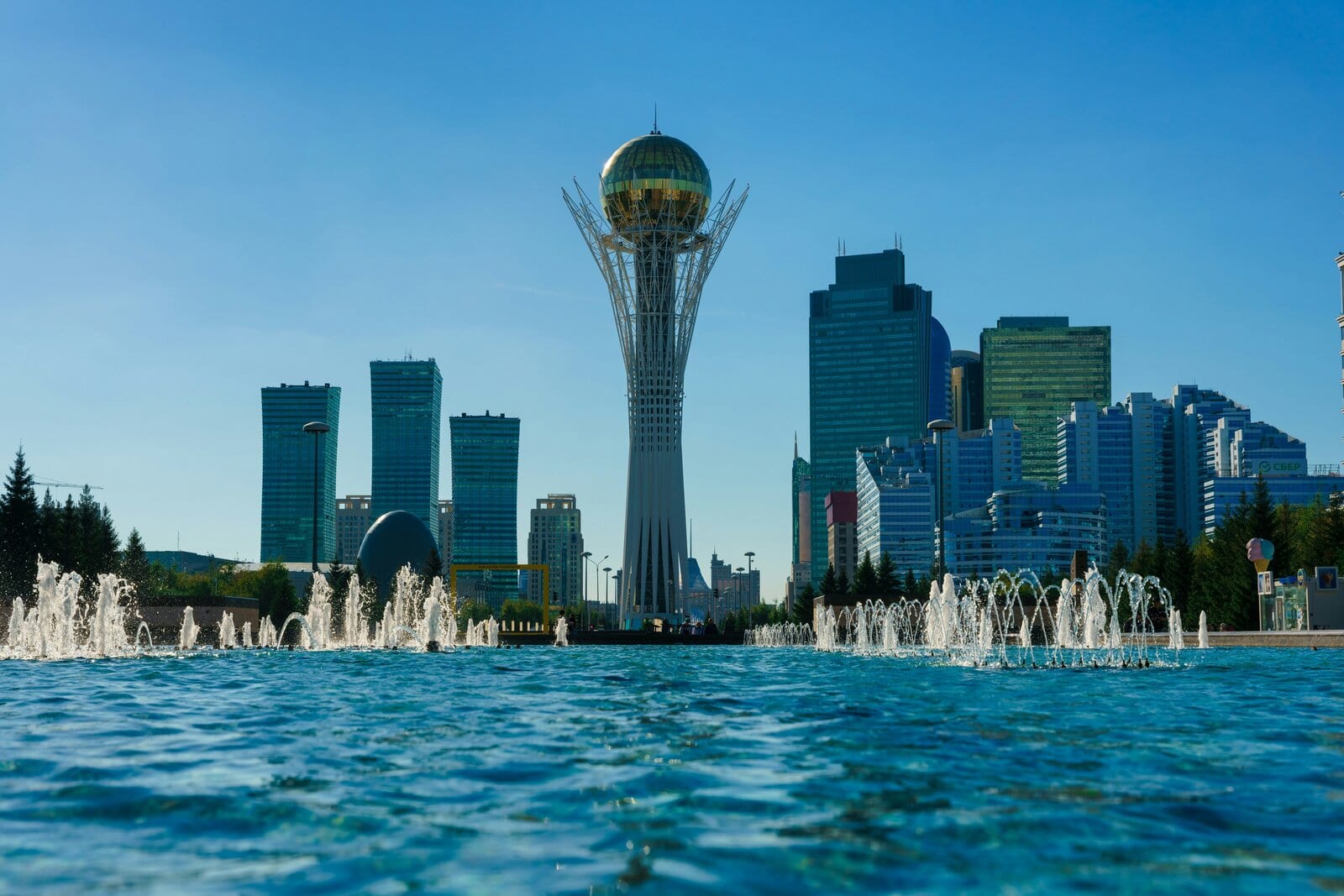

The Bayterek Tower and modern skyline of Astana, Kazakhstan
Top Rated Universities in Kazakhstan




Uzbekistan
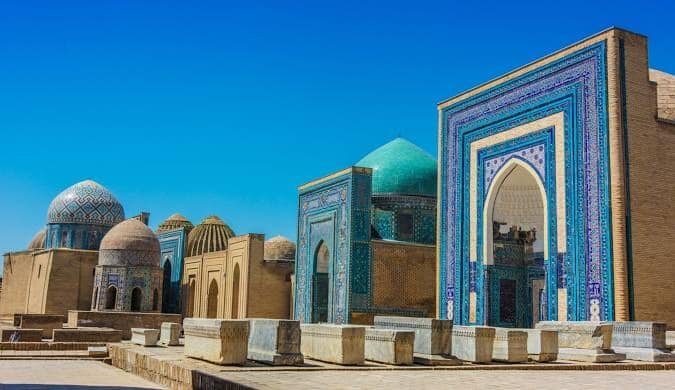
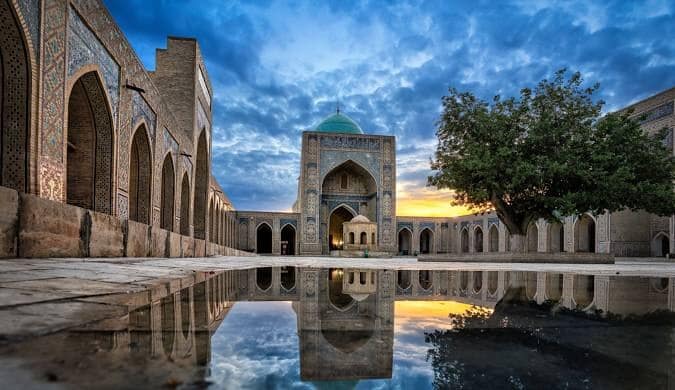
Shah-i-Zinda necropolis with tiled domes in Samarkand, Uzbekistan
Top Rated Universities in Uzbekistan




China

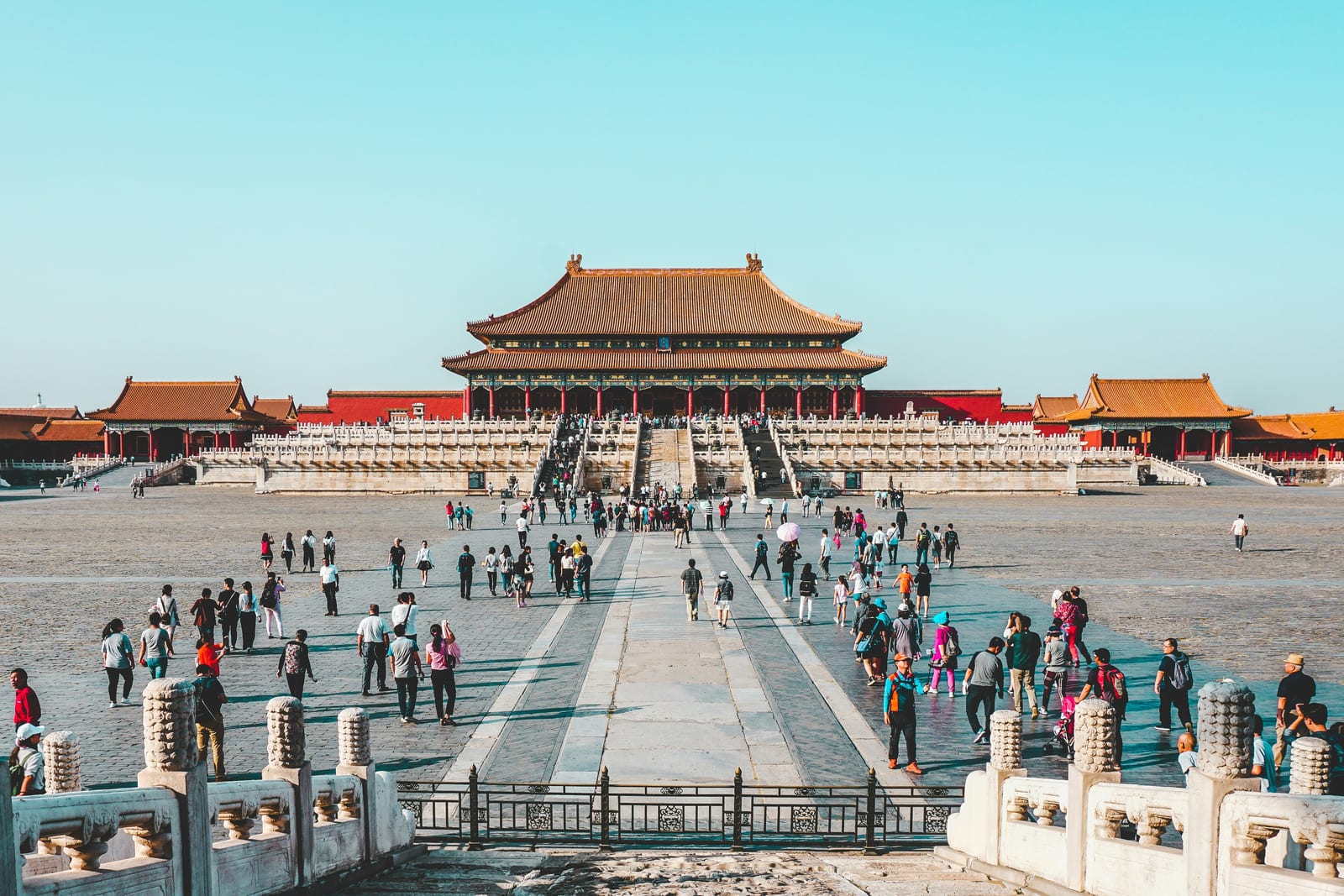
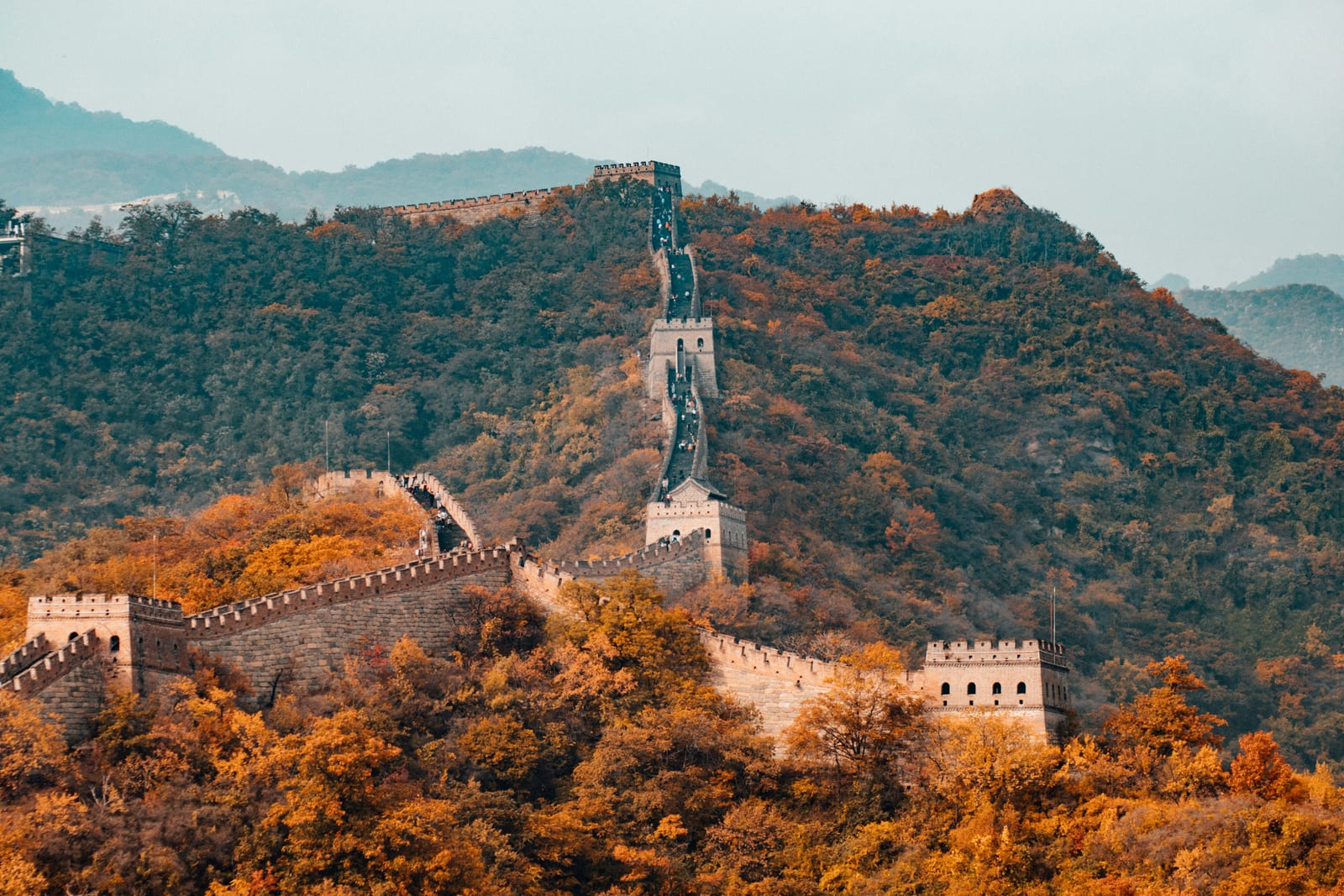
The Pudong skyline of Shanghai at dusk, with the Oriental Pearl Tower, China
Top Rated Universities in China




Get all information about MBBS abroad
Read on to find out how you can fulfil your dream of studying for an MBBS abroad.
Evaluation
How to Evaluate Any Asian Medical School
If a programme passes all six checks, it's worth considering. If it fails any one, walk away, regardless of price.
NMC Compliance Status
Check that the university and your course follow the current NMC rules for Indian students at the time of admission. If they do not, the degree will not lead to practice in India, however prestigious the university.
WDOMS Listing
The university must appear in the World Directory of Medical Schools. Without it, ECFMG eligibility is at risk and USMLE is closed off.
English Medium Throughout
Classroom teaching, exams, and clinical rotations should all be in English for the full course. In China and Central Asia a local language (HSK, Russian) is still needed for patient interaction.
ECFMG WFME Accreditation
Keeps the USMLE pathway open. Increasingly important as families think long-term about US specialty training.
FMGE Pass Rates
Ask for outcomes data, in Asia it varies sharply by university within the same country. Where universities are reluctant to share, treat it as a signal.
Clinical Exposure Quality
Which teaching hospitals, patient volume, specialties represented, and hands-on time during rotations. A degree is built in the wards.
Get all information about MBBS abroad
Read on to find out how you can fulfil your dream of studying for an MBBS abroad.
Programme Structure
How Asian medical education is structured
Most Asian destinations follow a five-plus-one or six-year structure, five years of academic and clinical training plus a one-year internship, which satisfies the NMC's 54+12-month rule, though the exact shape varies by country.
Course
Entrance Examination:
NEET-UG + country-specific (NMAT, MECEE-BL)
Intake:
September (varies by country)
Structure of the Medical Programme
| Country | Structure | Total | Degree awarded |
|---|---|---|---|
| Nepal | 4.5 years study + 1 year CRI | 5.5 years | MBBS |
| Bangladesh | 5 years + 1 year rotating internship | 6 years | MBBS |
| Kyrgyzstan | 5 years English MD (6 in Russian) | 5 years | Vrach / MD, specialty 560001 |
| Kazakhstan | 6-year integrated MD/MSc, or legacy 5 + 2 | 6 or 7 years | Bachelor of Medicine, or MD/MSc master's |
| Uzbekistan | 6-year Davolash ishi | 6 years | Vrach (Physician) |
| China | 5 years + 1 year internship (min 48 weeks) | 6 years | MBBS |
| Philippines | 1.5 to 2 years BS + 4 years MD + 1 year PGI | 6.5 to 7 years | MD |
1-2 Years
Pre-clinical
Years 1 to 2, pre-clinical. Human anatomy, histology, embryology, physiology, biochemistry, medical biology, biophysics, medical ethics, plus the local language where required (Chinese and Medical Chinese in China; Russian or Kazakh or Uzbek in Central Asia).
Human anatomyHistologyEmbryologyBiochemistryBiophysicsPhysiologyMedical BiologyCommunity Medicine Basics3-4 Year
Para-Clinical
Years 3 to 4, para-clinical. Pathology, pharmacology, microbiology, immunology, parasitology, forensic medicine, community medicine, general pathology, clinical biochemistry, and the start of bedside teaching.
PathologyPharmacologyMicrobiologyImmunologyParasitologyPublic Health and EpidemiologyForensic MedicineInternal MedicineSurgeryPaediatrics5-6 Year
Clinical & Internship
Years 5 to 6, clinical and internship. Rotations across internal medicine, general surgery, paediatrics, obstetrics and gynaecology, orthopaedics, ophthalmology, otorhinolaryngology, dermatology, psychiatry, anaesthesia, radiology, emergency medicine and community medicine, closing with the rotating internship where the country includes one.
Internal MedicineGeneral SurgeryPaediatricsObstetrics & GynaecologyNeurologyPsychiatryDermatologyOphthalmologyOtorhinolaryngologyAnaesthesiologyInfectious DiseasesEmergency MedicineRotating Internship
Important: The foreign degree is only half the pathway. On return you must apply to the NMC for a further 12-month supervised internship in India (CRMI) and clear the FMGE.
Get all information about MBBS abroad
Read on to find out how you can fulfil your dream of studying for an MBBS abroad.
Admission Timeline
- 1Jan – MarDecide & Prepare
The student finalises the country and university shortlist, gathers academic documents, prepares for NEET-UG (which is mandatory for any Indian student pursuing a foreign medical degree, per NMC regulations, regardless of where they study), arranges passport renewal if required, and begins document attestation.
- 2MayClear NEET-UG
Appear for and clear NEET-UG, the mandatory qualifying examination for any Indian student pursuing an MBBS abroad.
- 3Apr – JulApply to Universities
Submit applications with the required documents and sit any country-specific entrance, the NMAT for the Philippines, the MECEE-BL for Nepal; the Central Asian universities admit directly on Class 12 marks plus NEET.
- 4Jul – AugOffer & Visa
Accept the admission offer, pay the confirmation fee, receive the official invitation/admission letter, and apply for the student visa (e.g. China's X1 visa) or entry permit.
- 5Aug – OctStart Your Journey
Travel, complete on-arrival registration and accommodation, and begin the academic year for the new intake.
Get all information about MBBS abroad
Read on to find out how you can fulfil your dream of studying for an MBBS abroad.
Recognition & Prestige
Recognition of Medical Universities in Asia
The recommended Asian universities are government or council-regulated institutions listed in the World Directory of Medical Schools, NMC compliant for the FMGE route, and, where WFME-recognised, open to the USMLE pathway.
Recognitions
NMC compliant
Follows NMC rules for Indian students: a course of at least 54 months, a 12-month internship at the university and teaching in English. Graduates sit the FMGE to practise in India.
WDOMS
World Directory of Medical Schools

FAIMER
Foundation for Advancement of International Medical Education and Research
Eligibility Criteria
Academic Qualification
The student must have passed Class 12 (or equivalent).
Subjects:
Minimum Grades (PCB)
Minimum aggregate percentage in Physics, Chemistry & Biology:
| Category | Min. % |
|---|---|
| General / EWS | 50% |
| OBC / SC / ST | 40% |
| PwBD | 45% |
Age Requirement
Candidates must be at least 17 years old by 31 December of the admission year.
- Minimum 17 yearsRequired age at the time of admission
Entrance Exams
NEET-UG is mandatory for every Indian student. Some destinations add their own entrance; the Central Asian universities admit directly on Class 12 marks.
NEET-UG Qualified
Valid NEET-UG score is required for admission.
Country-Specific Tests
NMAT in the Philippines; MECEE-BL in Nepal.
English Language Requirement
Most Asian destinations do not ask for a separate English test: the Philippines uses English as an official language, and the South and Central Asian programmes admit on academic records. Individual universities may still ask for proof:
- Usually No IELTS/TOEFLIndividual universities may still ask for proof of proficiency.
Download Complete MBBS Admission Guide
Get detailed information about medical colleges, fees, eligibility, and admission process.
Why Asia
Everything You Need to Know
No other region gets a student home faster or more cheaply. Kathmandu has nonstop flights from Delhi, Mumbai, Kolkata, Bengaluru and Varanasi, with Delhi to Kathmandu at about 1 hour 40 minutes. Dhaka has nonstops from Delhi, Kolkata, Chennai, Mumbai and Hyderabad, with Dhaka to Delhi about 2 hours 35 minutes. Nepal shares an open border with India under the 1950 Treaty of Peace and Friendship, so Indians travel visa-free, though a passport is still needed for air travel and for college paperwork. Tashkent is about a three-hour nonstop flight from Delhi.
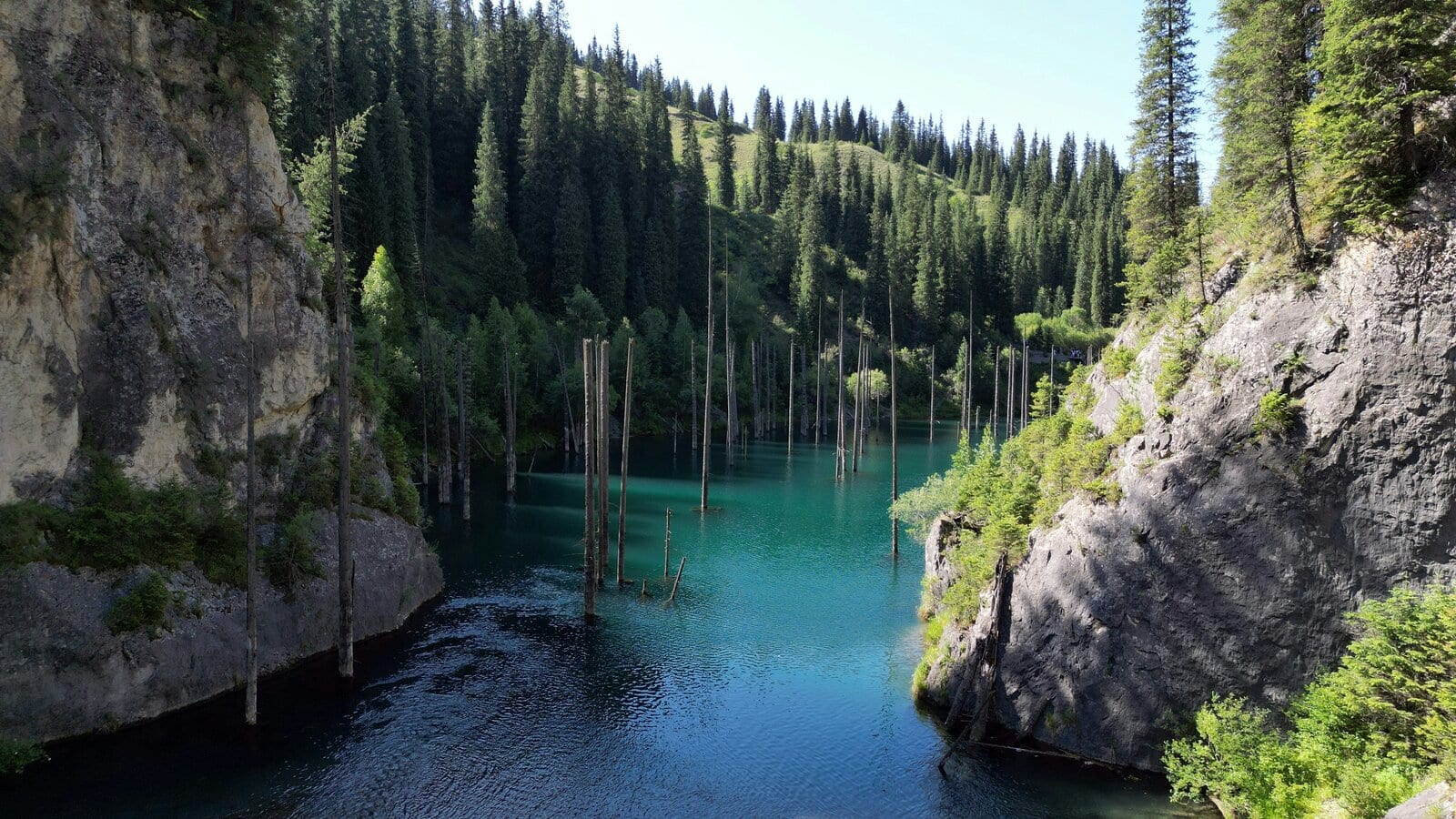
Lake Kaindy with its submerged sunken forest in the Kazakh mountains
On cost, realistic all-in totals:
| Destination | All-in total (approx) |
|---|---|
| Kyrgyzstan | Rs. 22 to 45 lakh |
| Kazakhstan | Rs. 28 to 40 lakh |
| Uzbekistan | Rs. 24 to 37 lakh |
| Bangladesh (private colleges) | Rs. 38 to 60 lakh |
| Nepal | Rs. 25 to 29 lakh |
| China | Rs. 45 to 65 lakh |
| Philippines | Rs. 45 to 65 lakh |
| Sri Lanka (KDU) | Rs. 55 lakh and up |
Get all information about MBBS abroad
Read on to find out how you can fulfil your dream of studying for an MBBS abroad.
Food & Dining
Indian Food, Always Available
Food is where Asia beats every other region, and the reasons are structural rather than promotional.
In Bangladesh, Nepal and Sri Lanka the local cuisine is close to Indian home cooking: rice, dal, roti, fish and vegetable curries, with the same spice profile and the same street food. Vegetarian, halal and Jain requirements are straightforward here, and campus cafeterias serve a default menu that already looks familiar.
In Central Asia and China the picture is different but workable. The large Indian student communities have produced Indian messes, grocery stores and restaurants around every major medical university, and hostel kitchen facilities fill the rest. Bishkek, Tashkent, Almaty and the larger Chinese university cities all have Indian restaurants and spice suppliers. Vegetarian eating takes more planning in China than anywhere else on this list, because the default cuisine uses meat stock widely, so most vegetarian Indian students there cook for themselves at least some of the time.
Affordable daily meals. In South Asia the menu is already close to Indian food; in Central Asia and China it is not, so check whether vegetarian options are labelled.
Present in every major medical university city on this list. Ask current students for names rather than relying on a brochure.
Spices, dal, flour, rice and ready mixes, physical stores in the larger cities and online delivery elsewhere.
Shared kitchens in most university dormitories, which is how most vegetarian students in China and Central Asia manage.
Active in all the major university cities. Check which ones operate in your specific city, not just the country.
Get all information about MBBS abroad
Read on to find out how you can fulfil your dream of studying for an MBBS abroad.
Our Blog
Medical Education Insights
Articles that turn complex MBBS-abroad rules into simple, practical steps for students and parents.




FAQ
Frequently Asked Questions
Short answers to the questions students and parents ask most often about MBBS admissions.