Free Webinar: MBBS in India

Sat, September 5, 2026 | 7:00 PM

Reserve my Seat
futureMBBS

Free Webinar: MBBS in India

Sat, September 5, 2026 | 7:00 PM

Reserve my Seat
futureMBBS
Rijeka, Croatia

University of Rijeka Faculty of Medicine

Founded in 1955 at the initiative of Andrija Štampar, MEDRI is the oldest and largest faculty of the University of Rijeka, on Croatia's northern Adriatic coast. Its six-year Medicine in English programme (360 ECTS) awards an EU-recognised MD, and the entrance exam can be sat from abroad.

  • MBBS student
  • MBBS student
  • MBBS student
  • MBBS student

5000+ Students trust us

Croatia (EU)

Country

Rijeka

City (northern Adriatic)

6 Years

Integrated MD, 360 ECTS

English

Medium of instruction

Introduction

University of Rijeka Faculty of Medicine

The Faculty of Medicine in Rijeka, known as MEDRI, was founded in 1955 and is the oldest and largest constituent faculty of the University of Rijeka. Its establishment was initiated by Andrija Štampar, the Croatian physician regarded as a father of the World Health Organization, who brought together teachers and students from Zagreb, Vienna, Budapest and Prague, and that founding spirit of openness still shapes how the faculty presents itself. MEDRI teaches a six-year integrated Medicine in English programme worth 360 ECTS credits, awarding the Croatian degree of doctor of medicine (MD) — the primary medical qualification recognised across the European Union under the Bologna framework — with clinical teaching at the Clinical Hospital Centre Rijeka (KBC Rijeka), where nearly half of the hospital's medical staff also teach. For an Indian family, Rijeka has practical advantages over the other Croatian options. The entrance examination covers four subjects — biology, chemistry, physics and mathematics — and is run in hybrid mode, at the faculty in Rijeka and simultaneously abroad, so applicants can sit it without first travelling to Croatia. There are also published exemptions for applicants who already hold a BSc in a science-related subject or who have a BMAT score above four. The intake is capped at about fifty students, so places are limited. Tuition is about ₹11.3 Lakh a year and roughly ₹68 Lakh over six years, with a realistic all-in of about ₹83 Lakh to ₹1 crore including Rijeka living costs, and Rijeka is generally cheaper than Split. The honest points to weigh are the capped intake, the extra mathematics in the entrance exam, the practical need for Croatian on the wards, and the NEET and NMC requirements for anyone who intends to practise in India.

  • Study program:Integrated Medicine in English (MD), 360 ECTS
  • Language:English (Croatian studied for patient contact)
  • Duration:6 Years
  • University type:Public university faculty (MEDRI, 1955)
  • Tuition fees:₹11.3 Lakh per year (approx.)
  • Entrance examination:Biology, Chemistry, Physics & Maths — sittable abroad
  • Intake:About 50 students
  • Recognition:EU / Bologna, WDOMS, FAIMER, ECFMG
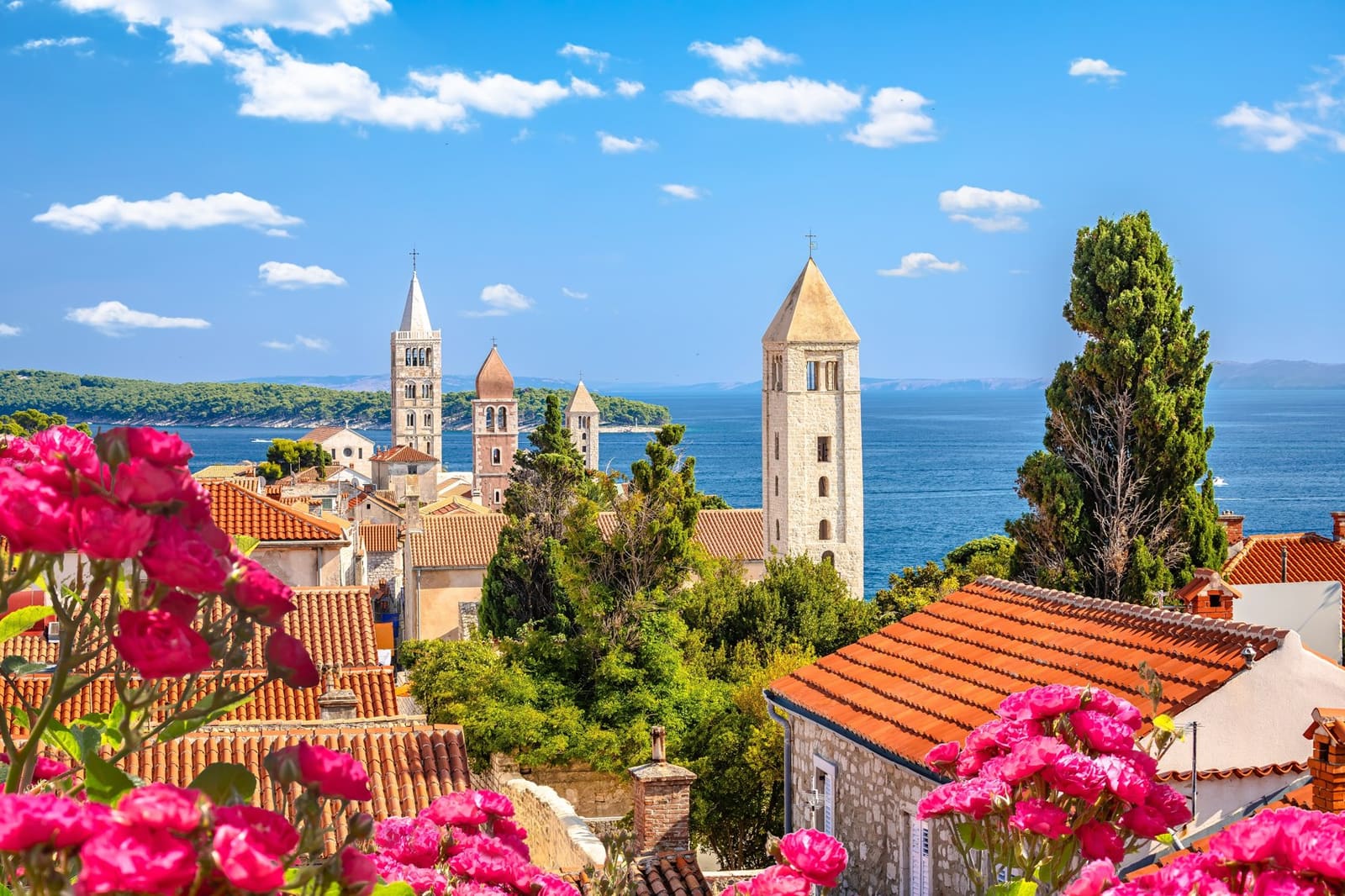
The historic bell towers of the town of Rab in the Kvarner archipelago, about 60 km from Rijeka, Croatia
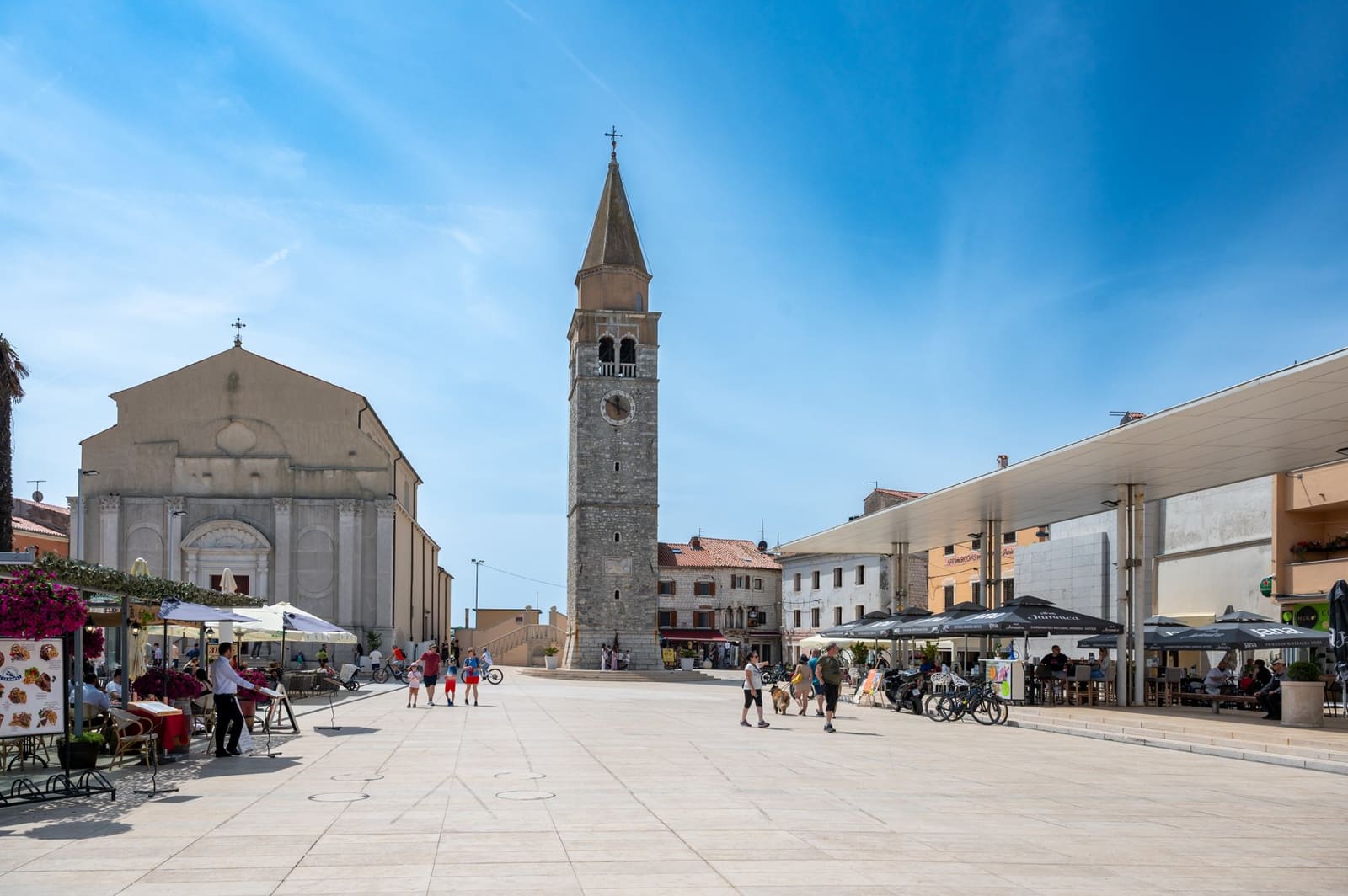
The main square and bell tower of a coastal town in Istria, the peninsula adjoining Rijeka, Croatia
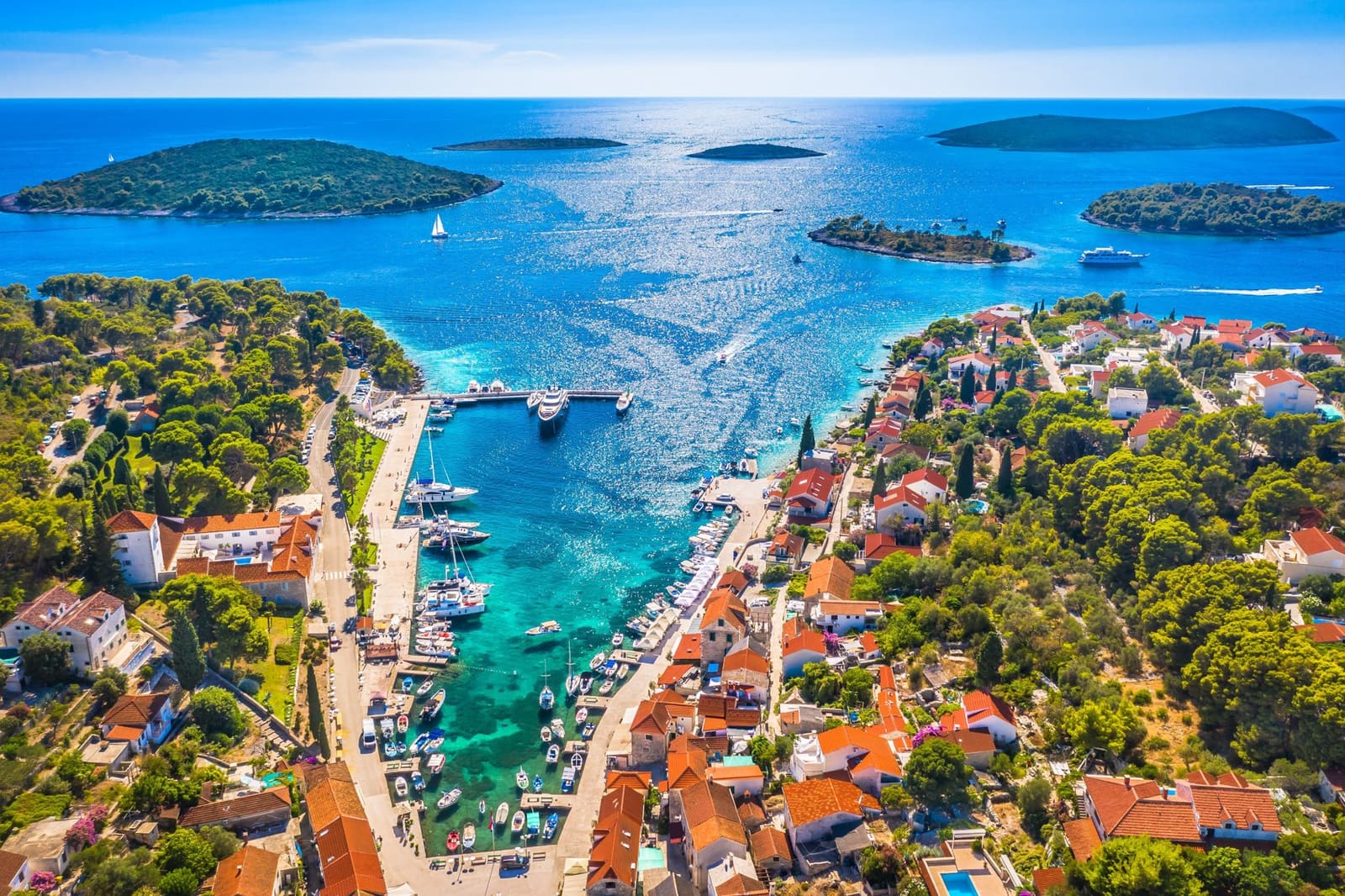
Aerial view of a Dalmatian island harbour in southern Croatia

The historic bell towers of the town of Rab in the Kvarner archipelago, about 60 km from Rijeka, Croatia

Find out all about studying medicine in English at the University of Rijeka

Download our free brochure for immediate information, or get personalised professional counselling from our experts.

Recognition & Prestige

Rankings & Recognition

MEDRI is the oldest and largest faculty of the University of Rijeka and one of Croatia's four medical faculties. The most useful credentials for an Indian family are the EU status of the degree, the WDOMS and FAIMER listing and ECFMG recognition, rather than a global ranking number.

  • EU / Bologna

    An EU-recognised MD with 360 ECTS credits

  • WDOMS + FAIMER

    Listed in the World Directory of Medical Schools and recognised by FAIMER

  • ECFMG

    Recognised for ECFMG certification and the USMLE pathway

The University of Rijeka Faculty of Medicine awards an EU-recognised MD with 360 ECTS credits through its Medicine in English programme, is listed in the World Directory of Medical Schools and is recognised by FAIMER and ECFMG. Indian students can qualify to practise in India through the NMC screening or exit examination, subject to meeting the NMC's conditions.

Accreditations and Recognition

  • European Union emblem

    EU (Bologna Process)

    Croatia is an EU member state, so the Rijeka MD is an EU primary medical qualification under the Bologna framework with 360 ECTS credits, giving graduates recognition pathways across the European Union.

  • World Directory of Medical Schools emblem

    WDOMS and FAIMER

    Listed in the World Directory of Medical Schools and recognised by the Foundation for Advancement of International Medical Education and Research.

  • ECFMG emblem

    ECFMG (USA)

    Graduates are eligible to apply for ECFMG certification and sit the USMLE for training and practice in the United States.

  • National Medical Commission of India emblem

    NMC / India

    Indian students may qualify for practice in India via the NMC route (FMGE or NExT), subject to meeting the NMC's conditions, including NEET before starting.

Complete Information About the University of Rijeka Faculty of Medicine

Get complete information about studying medicine in English at Rijeka, including the entrance exam, exemptions, fees and recognition for Indian students.

Success stories

Student Success Stories

Hear directly from students who are studying medicine in Europe with futureMBBS.

Academic Excellence

Top Reasons to Study Medicine at the University of Rijeka

Rijeka combines an EU degree taught in English with an entrance exam you can sit from home, published exemptions, and a coastal city that is cheaper than Split. These are its real strengths, with the honest trade-offs.

An EU Degree in an EU Country

Croatia has been a European Union member since 2013 and joined the euro and Schengen in 2023, so the Rijeka MD is an EU primary medical qualification under the Bologna framework with 360 ECTS credits, giving recognition pathways across the European Union and a simple travel and payment position.

An Entrance Exam You Can Sit From Abroad

The entrance examination is run in hybrid mode, at the faculty in Rijeka and simultaneously abroad, so an Indian applicant does not need to travel to Croatia simply to sit the test. That removes a real cost and visa hurdle at the application stage.

Published Exemptions From the Exam

Applicants who already hold a BSc in a science-related subject, or who have a BMAT score above four, are reported to be exempt from the entrance exam — an unusually clear and useful published route for graduate applicants.

Founded at Andrija Štampar's Initiative

MEDRI was founded in 1955 at the initiative of Andrija Štampar, the Croatian physician regarded as a father of the World Health Organization, who assembled teachers from Zagreb, Vienna, Budapest and Prague. That gives Rijeka a direct link to the public-health tradition that made Croatian medicine internationally significant.

Taught in English With Real Clinical Teaching

The full six-year curriculum is taught in English, and clinical teaching takes place at the Clinical Hospital Centre Rijeka, the faculty's teaching and research base, where nearly half of the hospital's medical staff also teach on the programme.

A Small Cohort

The intake is capped at about fifty students, so teaching groups are small and students have direct access to faculty rather than sitting in very large lecture cohorts.

A More Affordable Coastal City

Rijeka is Croatia's main port city on the northern Adriatic, was European Capital of Culture in 2020, and is generally cheaper and less tourist-crowded than Split or Dubrovnik, with the Kvarner islands and Istria on the doorstep.

Plan Honestly

Be realistic: the intake cap of about fifty makes places competitive; the entrance exam includes mathematics as well as biology, chemistry and physics; Croatian is needed in practice for patient contact in the clinical years; and if you intend to practise in India you must have qualified NEET before starting and clear the FMGE or NExT.

Read all about MBBS abroad in our free brochure

Know exactly what options exist for your MBBS-abroad success.

How to Apply

Admission Process for Medicine in English

Admission to Rijeka is ranked on an entrance examination in biology, chemistry, physics and mathematics, which can be sat abroad, with published exemptions for science graduates and strong BMAT scores. Places are capped at about fifty. Confirm the current cycle on the official programme site.

Admission Timeline

  1. 1
    Class 12 & NEETQualify Class 12 and NEET-UG

    Applicants need completed secondary education with at least two years of biology, chemistry and physics (or related subjects) and a passed final graduation examination. Indian applicants who intend to practise in India must also have a qualifying NEET-UG score, which the NMC requires for the later FMGE or NExT.

  2. 2
    Check the Exemptions FirstScience BSc or BMAT Above 4

    Before registering for the entrance exam, check whether you are exempt: applicants holding a BSc in a science-related subject, or with a BMAT score above four, are reported to be exempt. This can save time and the exam fee, so confirm your position with the faculty.

  3. 3
    Register & PayApplication for the Entrance Exam

    Register for the entrance examination through the official programme site and pay the application fee, reported at about ₹19,000 (EUR 200), before the published deadline.

  4. 4
    Sit the Exam (Hybrid)Biology, Chemistry, Physics and Mathematics

    Sit the entrance examination, which covers biology, chemistry, physics and mathematics and is run at the faculty in Rijeka and simultaneously abroad, so you can take it without travelling to Croatia. Applicants are ranked on this score, so prepare all four subjects.

  5. 5
    English Certificate & OfferEnglish Exam, Admission and NMC Certificate

    Non-native English speakers must provide an internationally recognised English certificate. Successful applicants receive an admission decision, pay the enrolment fee (about ₹5,200 for 2026/2027), and Indian students obtain the NMC Eligibility Certificate now expected before starting a medical degree abroad.

  6. 6
    Visa & EnrolmentCroatian (Schengen) Student Visa

    Students apply for the Croatian student visa and residence permit, pay tuition of about ₹11.3 Lakh per year and enrol in Rijeka; as Croatia is in the euro and Schengen, payments and travel are straightforward.

Eligibility Criteria

Academic Qualification

Applicants need completed secondary education with at least two years of biology, chemistry and physics (or related subjects) during secondary school and a passed final graduation examination. The general Indian-side requirement is a minimum of 50% in Physics, Chemistry and Biology taken together (40% for SC, ST, OBC and other reserved categories) in line with the National Medical Commission's norms for studying medicine abroad. Qualification documents will need recognition or equivalence checks, so confirm the exact process with the faculty.

Subjects:

PhysicsChemistryBiologyEnglishMathematics (entrance exam)

Age Requirement

Applicants must have completed, or will complete, 17 years of age on or before 31 December of the year of admission, in line with the National Medical Commission's rules for MBBS.

  • NEET-UG qualification is mandatoryRequired by the NMC for Indian students who intend to sit the FMGE or NExT and practise in India

Requirements

Indian applicants need completed secondary education with the required science subjects, a qualifying NEET-UG score and certificate, the entrance-exam result (or a documented exemption), an internationally recognised English certificate, an NMC Eligibility Certificate, a valid passport and Croatian student-visa documents; documents may need apostille and recognition.

  • Prepare Four Subjects, Not Three

    Rijeka's entrance exam covers biology, chemistry, physics and mathematics, so include maths revision in your preparation. Applicants are ranked on this score, so it is the decisive step unless you qualify for an exemption.

  • Check Your Exemption and Sit the Exam From Home

    Confirm whether a science BSc or a BMAT score above four exempts you, and note that the exam is offered abroad as well as in Rijeka, so you may not need to travel to sit it.

Entrance Examination

Applicants are ranked on an entrance examination covering biology, chemistry, physics and mathematics, delivered in hybrid mode at the faculty in Rijeka and simultaneously abroad. Exemptions are reported for applicants holding a BSc in a science-related subject or a BMAT score above four. Confirm the current format, dates and fee on the official programme site.

ComponentDetail
Exam subjectsBiology, Chemistry, Physics and Mathematics
DeliveryHybrid — at the faculty in Rijeka and simultaneously abroad, so applicants can sit it without travelling to Croatia
RankingApplicants are ranked on the entrance exam score
ExemptionsReported for holders of a BSc in a science-related subject, and for a BMAT score above 4 (confirm with the faculty)
Application feeAbout ₹19,000 (EUR 200) for the entrance-exam application
Intake capA maximum of about 50 admitted students
English requirementAn internationally recognised English examination for non-native speakers
India-side requirementNEET-UG qualification and an NMC Eligibility Certificate for later FMGE or NExT licensing

Required Documents

Indian applicants typically provide the following documents for admission and the Croatian student visa:

  • Class 10 and Class 12 mark sheets and certificates
  • NEET-UG scorecard and the NMC Eligibility Certificate
  • Entrance-exam result, or documentation supporting an exemption
  • Internationally recognised English certificate; valid passport and visa documents
  • + More

Admission Guidance & Entrance-Exam Preparation

Get the complete document checklist, check whether you qualify for an exemption, and get help preparing all four entrance-exam subjects.

Program Structure

MBBS (MD) Course Structure at the University of Rijeka

Medicine in English at Rijeka is a six-year integrated programme worth 360 ECTS, taught in English, moving from the basic medical sciences to clinical teaching at the Clinical Hospital Centre Rijeka, and awarding the degree of doctor of medicine (MD).

Medicine in English, Doctor of Medicine

  • Total Duration:

    6 Years (360 ECTS)

  • Degree:

    MD (Doctor of Medicine, equivalent to MBBS)

Course Phases in the Rijeka Medicine in English Programme

  • Years 1–2

    Basic Medical Sciences

    The pre-clinical foundation years, taught in English, covering the core basic medical sciences with laboratory and early clinical-skills work, alongside Croatian language study for later patient contact:

    AnatomyHistology & EmbryologyPhysiologyBiochemistry
    Medical BiologyCroatian language
  • Years 3–4

    Pre-Clinical and Early Clinical Sciences

    The pre-clinical and early clinical years, introducing disease mechanisms and beginning clinical teaching at the Clinical Hospital Centre Rijeka:

    PathologyPathophysiologyPharmacologyMicrobiology & Immunology
    Introductory Clinical Medicine
  • Year 5

    Senior Clinical Subjects

    Senior clinical study across the major specialties with increasing supervised hospital work at KBC Rijeka:

    Internal MedicineSurgeryPaediatricsObstetrics & Gynaecology
    NeurologyPsychiatryPublic Health
  • Year 6

    Final Clinical Year

    The final clinical year consolidating clinical competence, with rotations and the final examination leading to the MD degree:

    Advanced clinical rotationsElectivesEmergency MedicineFamily Medicine

Clinical Training & Internship

Clinical teaching takes place at the Clinical Hospital Centre Rijeka (KBC Rijeka), the faculty's teaching and scientific research base and the main referral hospital for western coastal Croatia, where nearly half of the medical staff also teach. For Indian students, a further internship in India is required for Indian registration (see the FMGE & NExT section). An indicative pattern is:

PhaseFocus
Years 3–5Clinical teaching in Internal Medicine, Surgery, Paediatrics, Obstetrics & Gynaecology, Neurology, Psychiatry and the specialties at KBC Rijeka (Croatian needed in practice for patient contact)
Year 6The final clinical year with advanced rotations and the final examination leading to the MD (confirm how the FMGL-2021 internship requirement is met)
Back in IndiaIndian graduates clear the FMGE or NExT and complete the required internship in India before registering with the NMC or a State Medical Council

Get the full curriculum

Download a free brochure to see detailed subjects, the course structure and everything you need to plan your studies.

Legacy

Founding Legacy, Faculty and Standing

Rijeka's medical legacy begins with the figure who initiated the faculty, Andrija Štampar, and continues through its clinical partnership with the Clinical Hospital Centre Rijeka.

Professor Andrija Štampar

The Croatian physician who initiated the founding of the Faculty of Medicine in Rijeka in 1955, bringing together former teachers and students from Zagreb, Vienna, Budapest and Prague. Internationally regarded as a father of the World Health Organization, he chaired the interim commission that prepared its first World Health Assembly and received the Léon Bernard Foundation Prize, the highest international award in social medicine.
Professor Goran Hauser

M.D., Ph.D., recorded as the Dean of the University of Rijeka Faculty of Medicine, leading the faculty's teaching and clinical partnership with the Clinical Hospital Centre Rijeka.

Faculty & Leadership

Teaching is delivered by the faculty's departments and by clinicians at the Clinical Hospital Centre Rijeka, so students learn from pre-clinical academics and practising hospital doctors alike.

Academic Expertise

  • Dean of the Faculty of Medicine: Professor Goran Hauser, M.D., Ph.D.

  • Founded in 1955 at the initiative of Andrija Štampar

  • The oldest and largest faculty of the University of Rijeka

  • Clinical teaching base at KBC Rijeka, where nearly half the medical staff teach

Student Support & Mentorship

  • A capped intake of about 50 with small teaching groups

  • Entrance exam available abroad, reducing travel at application stage

  • English-taught curriculum with Croatian language study

  • Guidance for Indian students on the FMGE and NExT

About University

History Information

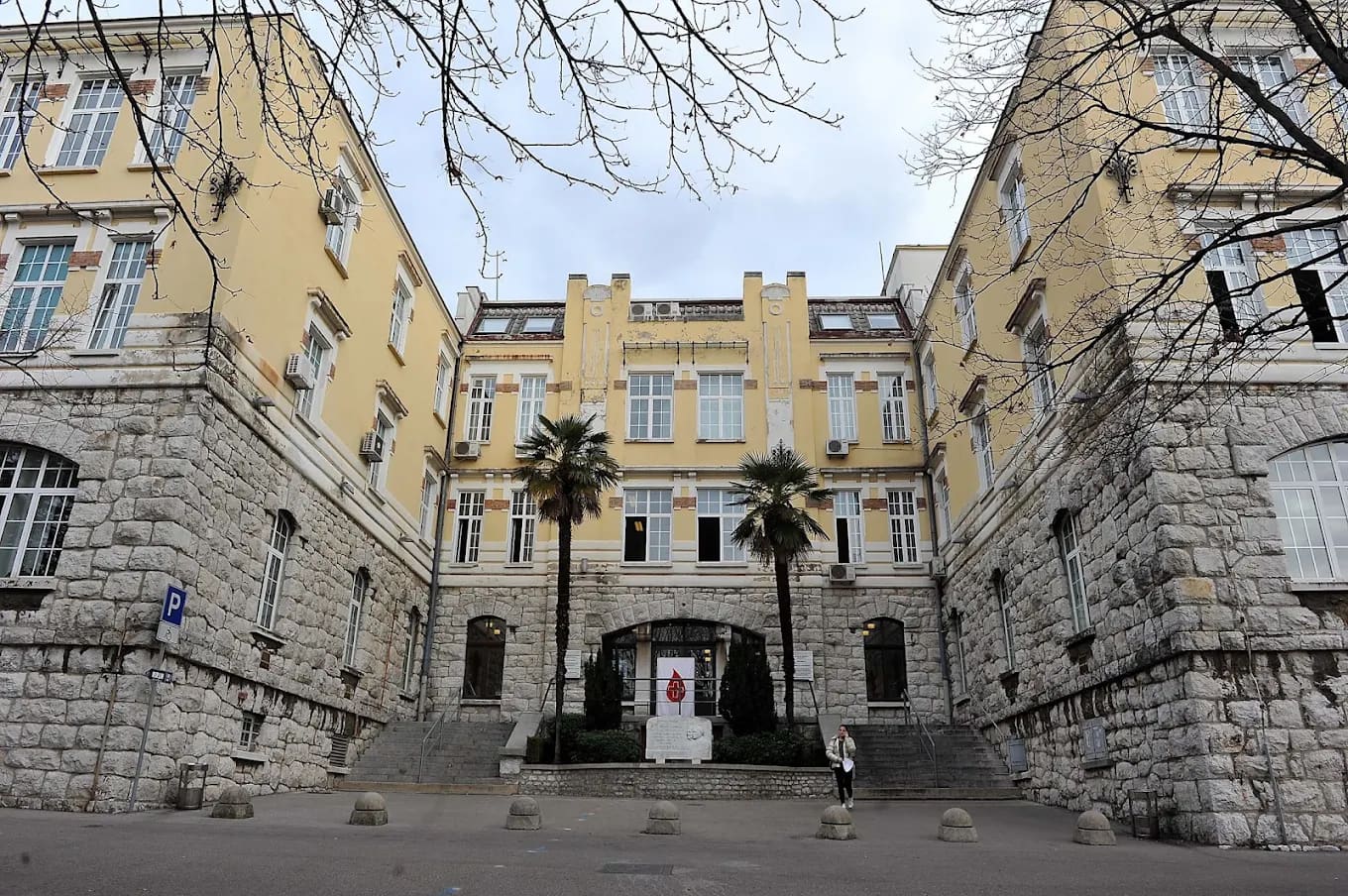
A historic yellow University of Rijeka faculty building with palm trees and a memorial in its courtyard, Rijeka, Croatia

A historic yellow University of Rijeka faculty building with palm trees and a memorial in its courtyard, Rijeka, Croatia

Founded in 1955

The Faculty of Medicine in Rijeka was founded in 1955 and is the oldest and largest constituent faculty of the University of Rijeka.

Founded at Andrija Štampar's Initiative

The establishment of the faculty was initiated by Andrija Štampar, later regarded as a father of the World Health Organization, who brought together former teachers and students from Zagreb, Vienna, Budapest and Prague.

A Teaching Partnership With KBC Rijeka

The faculty grew alongside the Clinical Hospital Centre Rijeka, which serves as its teaching and scientific research base and as the main referral hospital for western coastal Croatia.

English-Taught Medicine Today

Today the faculty teaches a six-year Medicine in English programme worth 360 ECTS credits, awarding an EU-recognised MD, with an entrance examination that can be sat abroad and a capped intake of about fifty students.

Get all information about the University of Rijeka in our free brochure

Read on to find out how you can fulfil your dream of studying medicine in English in the European Union.

Role in medicine

Role in medical education

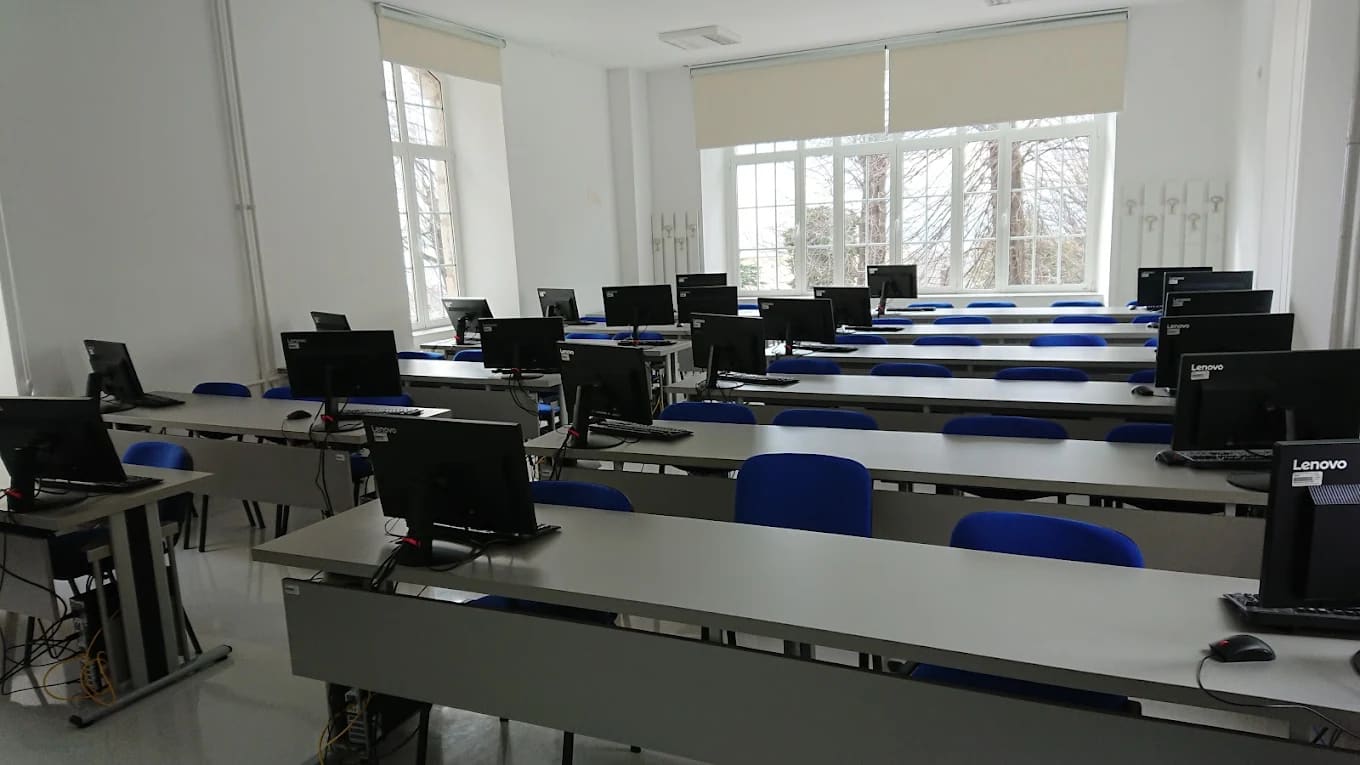
A teaching computer laboratory with rows of desktop workstations at the University of Rijeka Faculty of Medicine

A teaching computer laboratory with rows of desktop workstations at the University of Rijeka Faculty of Medicine

The Medical Faculty for Western Coastal Croatia

The University of Rijeka Faculty of Medicine is the medical faculty for western coastal Croatia, training doctors for the Kvarner and Istria region in partnership with the Clinical Hospital Centre Rijeka.

Training International Doctors in English

Through the Medicine in English programme, the faculty teaches a small international cohort alongside its Croatian students, with an entrance examination offered abroad, and prepares graduates for licensing across the European Union and beyond.

A Founding Public-Health Tradition

Because the faculty was founded at Andrija Štampar's initiative, Rijeka shares in the Croatian public-health tradition that shaped the World Health Organization, and that founding ethos of openness and diversity is still part of how the faculty describes itself.

Get all information about the University of Rijeka in our free brochure

Read on to find out how you can fulfil your dream of studying medicine in English in the European Union.

Cost of living

Living Cost in Rijeka

Rijeka is a working port city rather than a peak tourist destination, so it is generally more affordable than Split or Dubrovnik. Here is an approximate monthly breakdown for a student, separate from tuition.

Monthly Living Cost

Cost ComponentApproximate Amount (per month)
Accommodation (student dorm or shared flat)₹19,000 – ₹38,000
Food & Groceries₹14,000 – ₹23,500
Transport & Personal₹4,200 – ₹8,500
Utilities & Extras₹5,200 – ₹11,300
Get Free MBBS Guide

Average monthly living cost (excluding tuition)

₹42,000 – ₹81,000

Housing

Accommodation

International students in Rijeka live in student dormitory accommodation or private rented flats, at a moderate cost for an EU coastal city. Confirm current options with the faculty's international office.

Student Dormitory

Rijeka has student dormitory accommodation through the student centre, which is the most economical option; places for international students can be limited, so confirm the specific dormitory, the monthly rate, the booking deadline and the contact with the faculty's international office early.

Private Flats & Shared Rooms

Students who prefer more comfort or independence can choose privately operated student residences, or rent or share a private flat. Both options cost noticeably more than the university halls, and students organise this independently as the university does not arrange private housing.

Living Near the Campus and Hospital

Rijeka's university campus at Trsat and the Clinical Hospital Centre sites are connected by city buses, and the city is compact, so students can live within a short commute of both teaching and clinical sites.

A Small International Community

With an intake capped at about fifty students, the Medicine in English cohort is small and close-knit, so newcomers find peer support and senior-student guidance quickly.

Indian & Vegetarian Food

Rijeka is a smaller city than Zagreb, so the Indian restaurant scene is limited, but supermarkets and international grocery stores stock the basics and cooking at home is the most reliable route for Indian and vegetarian students.

A Port City on Kvarner Bay

Rijeka sits on the northern Adriatic with a mild coastal climate, the Korzo promenade and Trsat castle in the city, and the Kvarner islands, Opatija and Istria within easy reach for weekends.

More Affordable Than Split

Because Rijeka is a working port and university city rather than a peak tourist resort, accommodation and everyday costs are generally lower than in Split, which matters over six years.

Arrival Support

The faculty's international office assists with enrolment and settling in, and our counsellors can help with housing, the student visa and residence-permit paperwork.

Need accommodation details?

Get a full overview of housing options with our university guide, or reach out to an expert.

Food & Dining

Indian and Vegetarian Food in Rijeka

100% veg options are available in cafeterias, restaurants, grocery stores and student accommodation in Rijeka, and Kvarner cooking is rich in vegetables, olive oil, bread, pasta and fish, which suits vegetarian students reasonably well.

Croatian universities run subsidised student canteens, where a full meal is inexpensive for enrolled students and vegetarian options are usually available.

Location

How to Reach the University of Rijeka Faculty of Medicine

Address

University of Rijeka Faculty of Medicine, Braće Branchetta 20, 51000 Rijeka, Croatia (clinical teaching takes place at the Clinical Hospital Centre Rijeka)

  • Nearest Airport

    Rijeka Airport (RJK) on the island of Krk, about 30 km away, with mainly seasonal European flights; Zagreb (about 160 km), Venice, Trieste and Ljubljana are common year-round alternatives

  • Local Transport

    The Autotrolej city bus network with student discounts connects the Trsat campus area, the hospital sites and the walkable city centre; buses, ferries and trains link Rijeka to Zagreb, Istria and the Kvarner islands

Your Roadmap to Success

Career Pathways After the MD at the University of Rijeka

The Rijeka MD is an EU primary medical qualification under the Bologna framework with 360 ECTS credits, so graduates have recognition pathways across European Union member states, subject to each country's registration and language requirements.

Understand the Medical Licensing Pathway

A clear overview of the exams and requirements after graduation.

Practising in India

FMGE & NExT Details

An Indian graduate of the University of Rijeka Faculty of Medicine who wants to practise in India follows the pathway set by the National Medical Commission: qualifying NEET before starting, completing a course and internship that meet the NMC's conditions, clearing the NMC screening examination (currently the FMGE, transitioning to the NExT), completing the required internship in India and registering with the medical council. The NMC does not approve individual foreign universities; it sets conditions, and the six-year Croatian MD should be checked against them.

  1. Step 1

    NEET Before You Start

    An Indian student must have qualified NEET-UG before beginning the course abroad to be eligible later for Indian licensing, and an NMC Eligibility Certificate is now expected before starting.

  2. Step 2

    Meet the FMGL 2021 Conditions

    The Foreign Medical Graduate Licentiate Regulations 2021 require the course and internship to meet the NMC's minimum duration (about 54 months of study plus a 12-month internship), completed in the same institution, taught in English, with a degree that entitles the holder to practise medicine in Croatia. The Rijeka programme is a six-year, 360 ECTS, English-taught course awarding the Croatian MD, which is a favourable structure, but students must confirm in writing how the internship requirement is satisfied.

  3. Step 3

    Clear the FMGE or NExT and Register

    Graduates must clear the qualifying examination for foreign medical graduates, currently the FMGE, which India is replacing with the National Exit Test (NExT), then complete the required internship in India and register with the National Medical Commission or a State Medical Council.

Student Life Style

Student life at the University of Rijeka

Being a medical student in Rijeka combines a demanding English-taught EU medical curriculum with life in a working Adriatic port city that was European Capital of Culture in 2020, in a small cohort of about fifty.

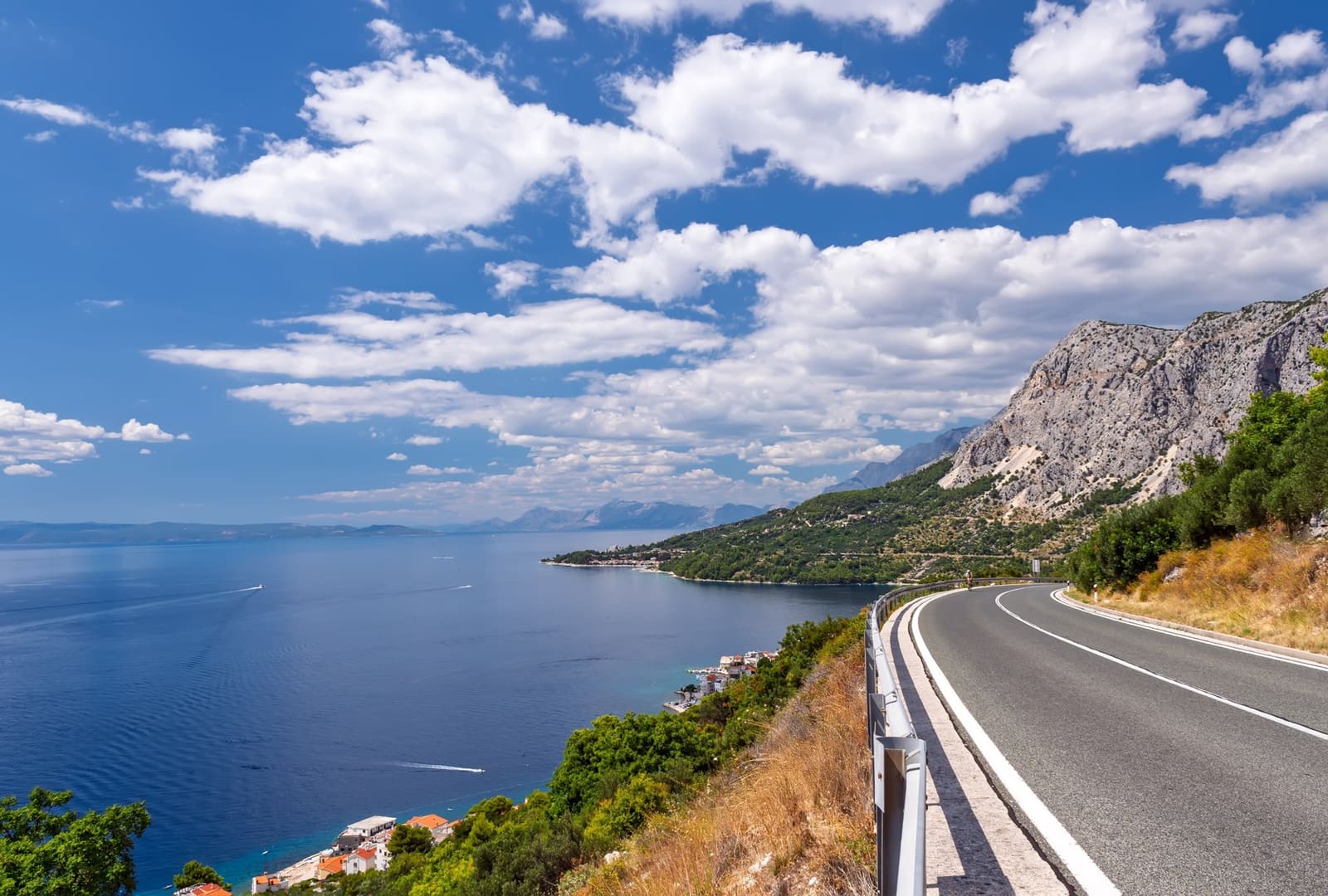
The Adriatic coast road along the Makarska Riviera in southern Dalmatia, Croatia

The Adriatic coast road along the Makarska Riviera in southern Dalmatia, Croatia

Academics

Medicine in English is a demanding six-year, 360 ECTS integrated programme taught in English, moving from the basic sciences to clinical teaching at the Clinical Hospital Centre Rijeka, with Croatian language study so students can communicate with patients in the clinical years. The capped intake of about fifty means small groups and close contact with teachers, and students must work hard, especially towards the FMGE or NExT if they plan to return to India.

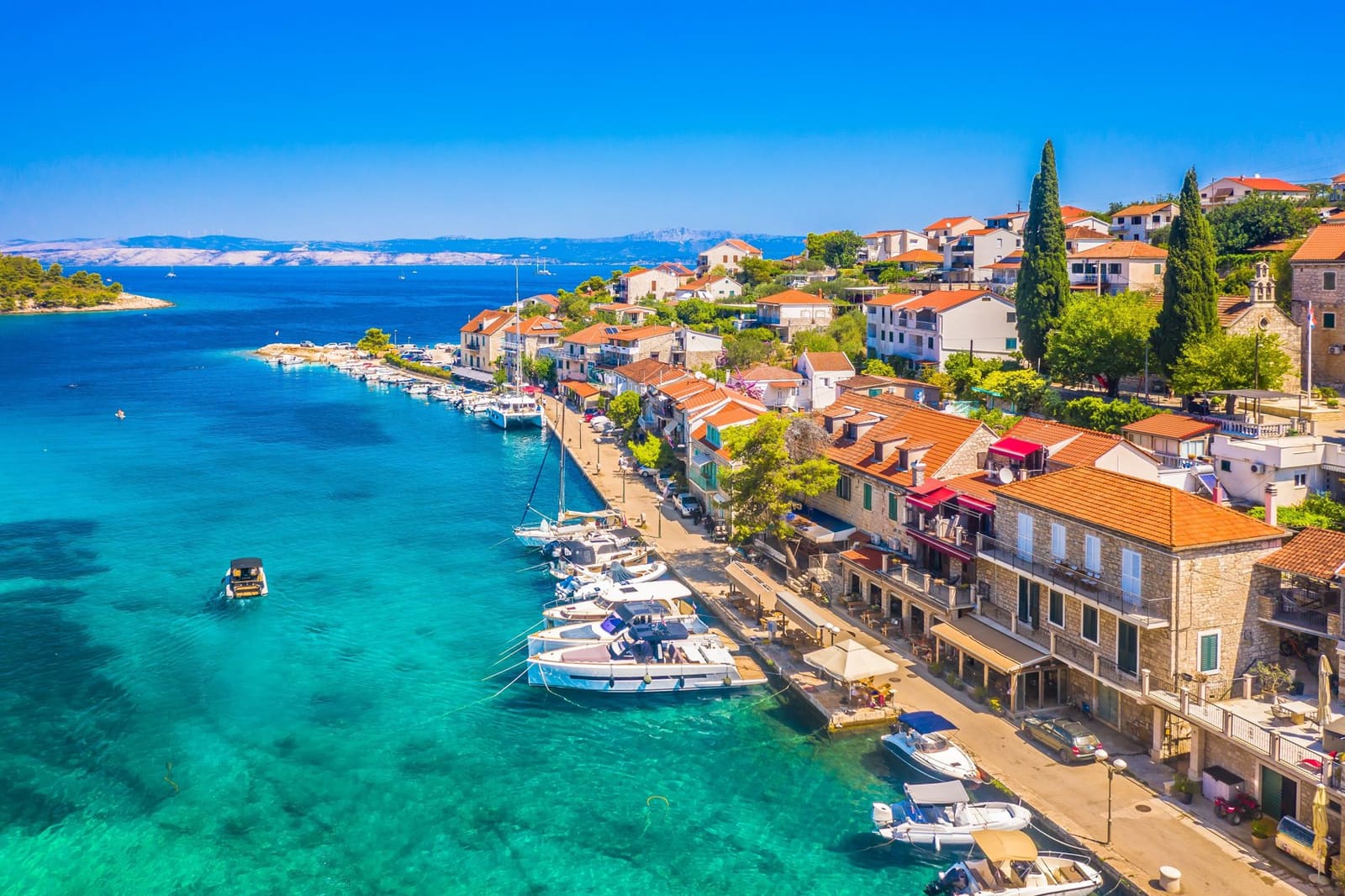
A Dalmatian waterfront village in southern Croatia

A Dalmatian waterfront village in southern Croatia

Life in Rijeka

Rijeka is Croatia's main port city, on the northern Adriatic at the head of Kvarner bay, and was European Capital of Culture in 2020, with the Korzo promenade, Trsat castle above the city, a lively music and festival scene and its famous carnival. Opatija, the Kvarner islands and Istria are all close by, and the climate is mild coastal. Croatia is 3.5 or 4.5 hours behind Indian time depending on daylight saving.

Challenges and Growth

The real challenges are winning one of about fifty places, preparing four subjects including mathematics for the entrance exam, learning enough Croatian for patient contact, and adjusting to a smaller city with a limited Indian food scene. In return students gain an EU medical degree taught in English, in a small cohort, in a coastal city that costs less than Split.

Social Life

Rijeka has a strong student and cultural scene for its size, with the legacy of its European Capital of Culture year, the Rijeka Carnival, concerts and festivals, swimming and hiking on the doorstep, and student organisations including CroMSIC (the IFMSA member organisation), so a small international cohort integrates quickly.

Overall Experience

Studying medicine at the University of Rijeka means earning an EU-recognised MD taught entirely in English, in a small cohort in a genuine Adriatic port city, for a realistic total cost, provided you win one of the capped places, prepare all four entrance-exam subjects, and plan the licensing route you intend to follow.

Fees & Financial

Fees & Financial Planning

Rijeka sits in the same fee band as the other Croatian schools, with living costs that are generally lower than Split; Croatia's euro membership makes payments straightforward.

Tuition for Medicine in English is about ₹11.3 Lakh per academic year (quoted by the faculty as EUR 200 per ECTS across 360 ECTS), which is roughly ₹68 Lakh across the six years. Add the entrance-exam application fee of about ₹19,000 and an enrolment fee of about ₹5,200 for 2026/2027, plus Rijeka living costs of roughly ₹42,000 to ₹81,000 a month, and the realistic all-in is about ₹83 Lakh to ₹1 crore.

  • Tuition about ₹11.3 Lakh a year — roughly ₹68 Lakh over six years
  • Entrance-exam application fee about ₹19,000
  • Enrolment fee about ₹5,200 for 2026/2027
  • Rijeka living costs about ₹42,000 – ₹81,000 a month
  • Realistic all-in about ₹83 Lakh to ₹1 crore

Ratings

Reviews & Ratings

Hear from students and alumni about their experience at the University of Rijeka Faculty of Medicine.

4.5

58 reviews

Academics4.5
English-Taught Programme4.7
Exam You Can Sit From Home4.8
Affordability4.6
Ease of Entry (about 50 seats)3.1
  • Sitting the entrance exam from home was a big help

    Student, Medicine in English 2022

    Being able to take the entrance exam without flying to Croatia saved real money and hassle. Do prepare maths as well as biology, chemistry and physics, because all four count.

  • An EU degree in a friendly, affordable city

    Student, Medicine in English 2021

    The course is fully in English, the degree is EU-recognised, and Rijeka is cheaper and calmer than Split. The cohort is small, so you actually know your teachers and classmates.

Compare

Compare Colleges

Compare the University of Rijeka Faculty of Medicine with a leading Indian medical college.

Quick Comparison:

University of Rijeka Faculty of Medicine vs AIIMS New Delhi

University
University of Rijeka Faculty of MedicineRijeka, Croatia
AIIMS New DelhiNew Delhi, India
University TypePublic university faculty (MEDRI, founded 1955)Government institute of national importance
MediumEnglish (Croatian needed for patient contact)English
Course Duration6 years, 360 ECTS (integrated MD)5.5 years including internship (MBBS)
Tuition (per year)~₹11.3 lakh (~₹68 lakh over six years)Nominal (a few thousand rupees a year)
AdmissionEntrance exam in Biology, Chemistry, Physics & Maths, sittable abroad; ~50 placesNEET-UG (extremely high rank)
RecognitionEU / Bologna MD; WDOMS, FAIMER & ECFMG; NMC via FMGE or NExTNMC-recognised

Compare Top MBBS Universities for Me

See key differences in fees, ranking, eligibility and recognition.

Our blog

Medical Education Insights

Articles that turn complex MBBS-abroad rules into simple, practical steps for students and parents.

FAQ

Frequently Asked Questions

Short, honest answers to the questions students and parents ask most often about studying medicine at the University of Rijeka.

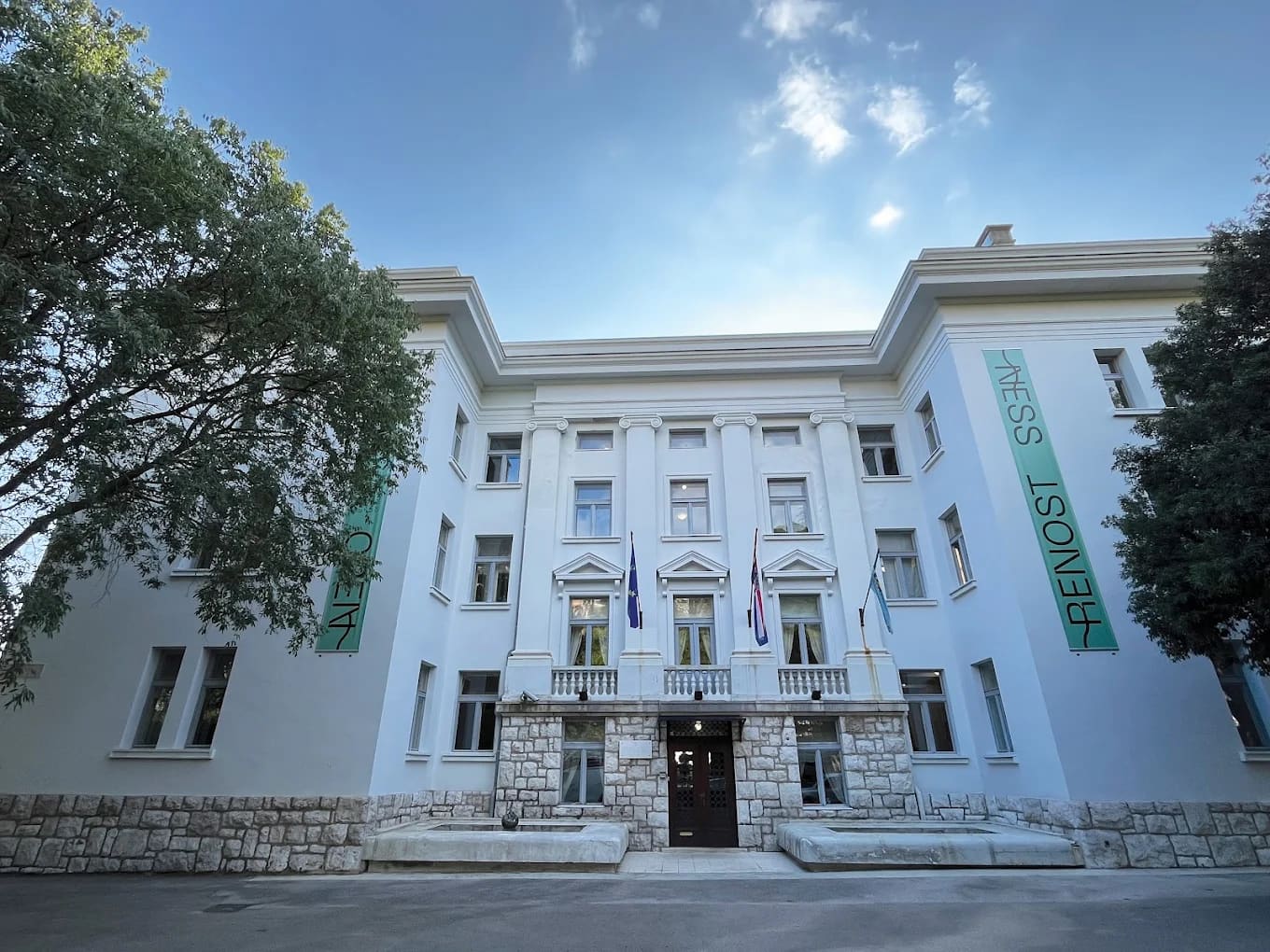
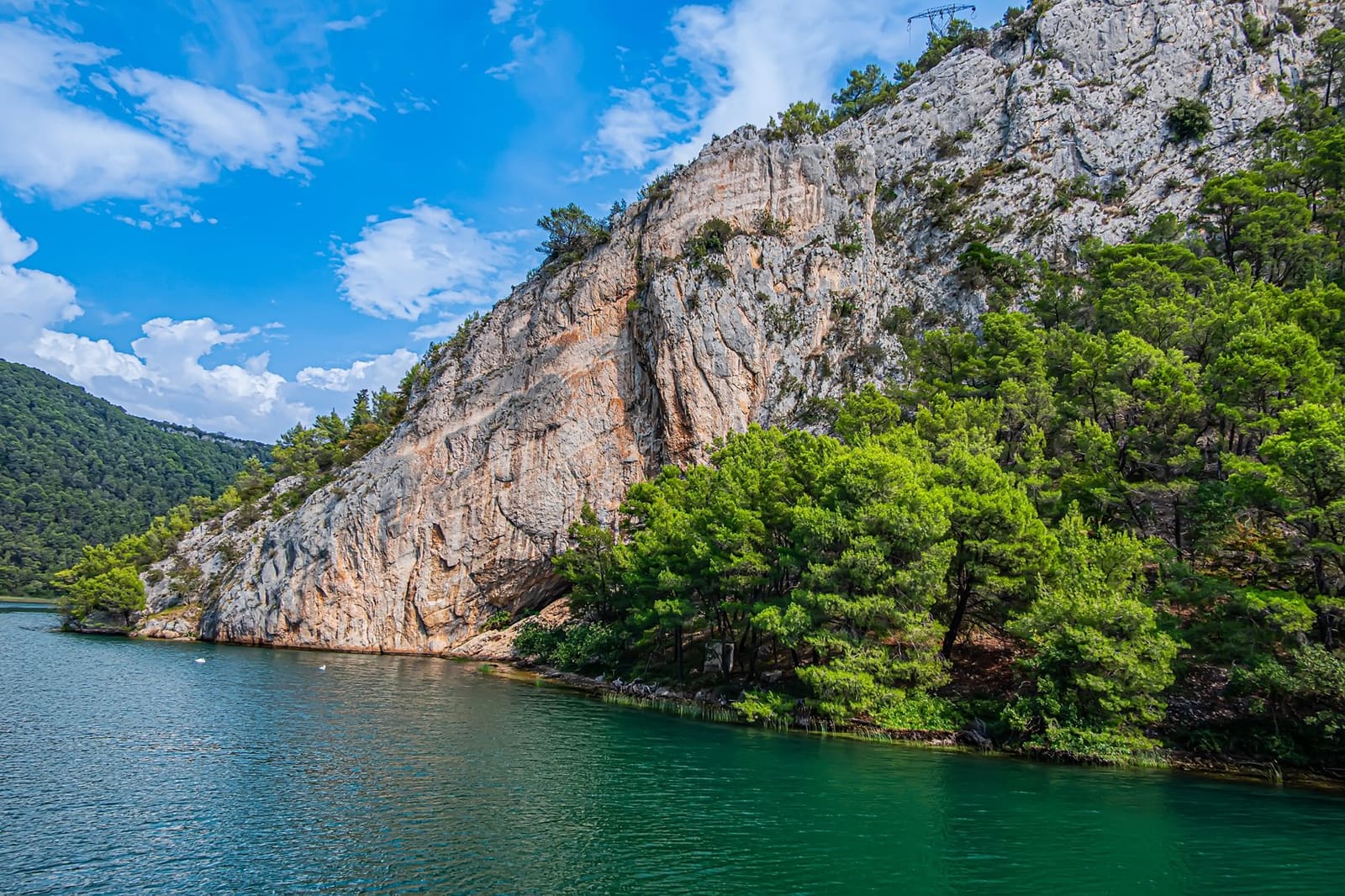
Campus photographs supplied by the content package (three genuine University of Rijeka views: a neoclassical university building flying the European Union and Croatian flags, a historic faculty building with palm trees and a memorial in its courtyard, and an interior teaching computer laboratory). Scenery images are Croatian stock: the bell towers of Rab and an Istrian coastal town square are local to Rijeka (Kvarner and Istria), while the Dalmatian island harbour, the karst river canyon, the Makarska Riviera coast road and the Dalmatian waterfront village are national rather than local context. Accreditation emblems are the shared futureMBBS recognition assets.