Free Webinar: MBBS in India

Sat, September 5, 2026 | 7:00 PM

Reserve my Seat
futureMBBS

Free Webinar: MBBS in India

Sat, September 5, 2026 | 7:00 PM

Reserve my Seat
futureMBBS
Warsaw, Poland

Medical University of Warsaw

One of Poland's oldest and most respected medical universities, teaching medicine in Warsaw since 1809 and in English since 1993, with a degree recognised across the entire European Union.

  • MBBS student
  • MBBS student
  • MBBS student
  • MBBS student

5000+ Students trust us

Poland

Country

Warsaw

City

QS-ranked for Medicine · EU degree

Ranking & Recognition

English

Medium of instruction

Introduction

Medical University of Warsaw

The Medical University of Warsaw (Warszawski Uniwersytet Medyczny, WUM) traces its medical teaching to 1809, became an independent Medical Academy in 1950, and took its present name in 2008, making it one of Poland's oldest and most respected medical universities. A public university of around 10,000 students, it has taught medicine in English through its English Division since 1993 and now welcomes students from more than 80 countries. Its six-year MD programme leads to the Polish physician degree (lekarz), equivalent to an MBBS, and because Poland is in the European Union the qualification is automatically recognised across all EU and EEA member states under Directive 2005/36/EC. Clinical training takes place in the University Clinical Centre of WUM, one of the largest hospital networks in Poland, and the university is ranked in the QS World University Rankings by Subject for Medicine.

  • Study program:General Medicine (6-year MD, English Division)
  • Language:English
  • Duration:6 Years
  • University type:Public university
  • Per academic year fees:€18,800 · ₹17,00,000 INR (approx.)
  • Entrance examination:WUM Competency Test (or accepted UCAT/BMAT/MCAT/GAMSAT/HPAT score); NEET required for Indian students
  • Application deadline:September intake
  • International seats:~800 international students from 80+ countries
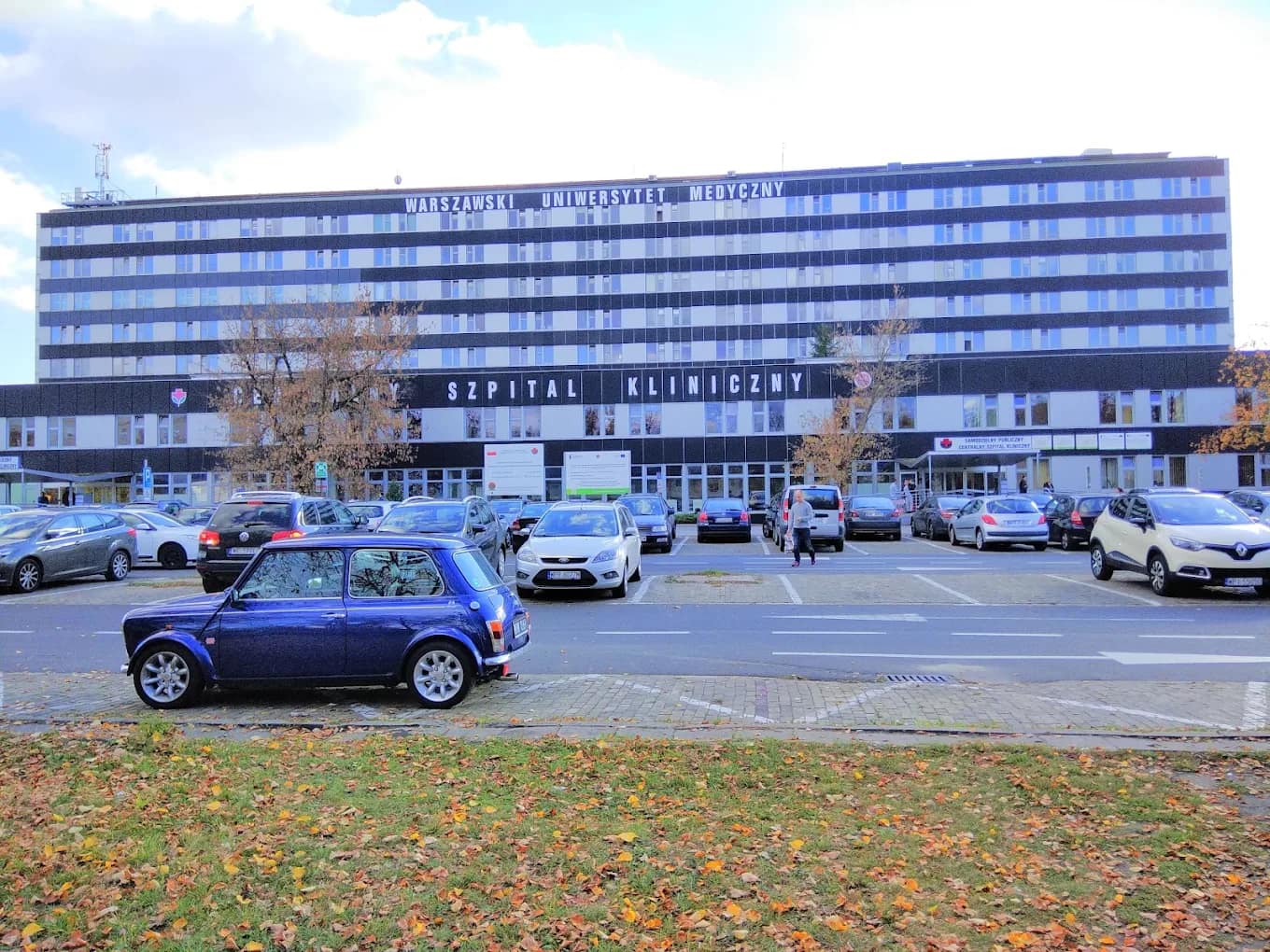
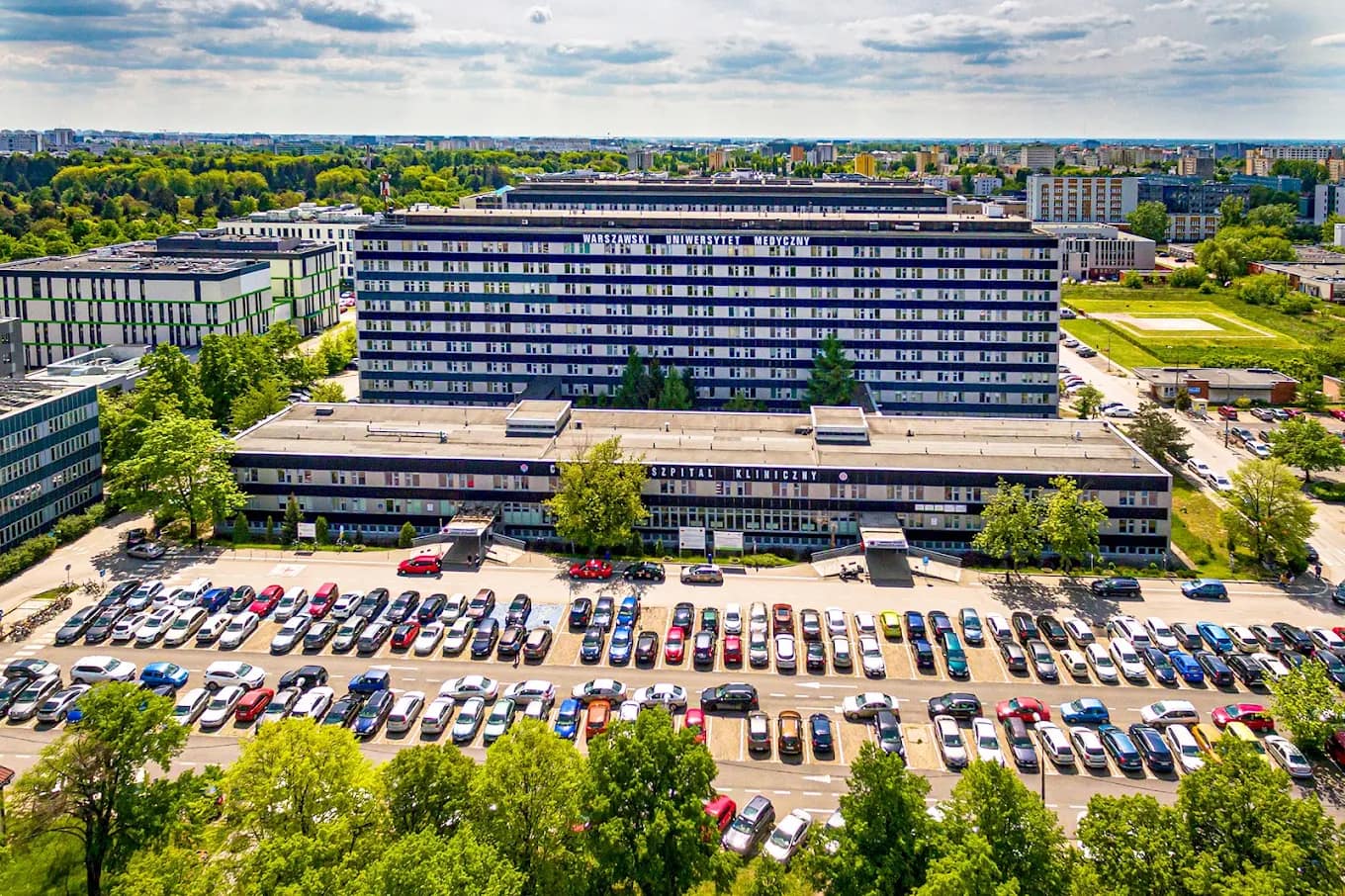
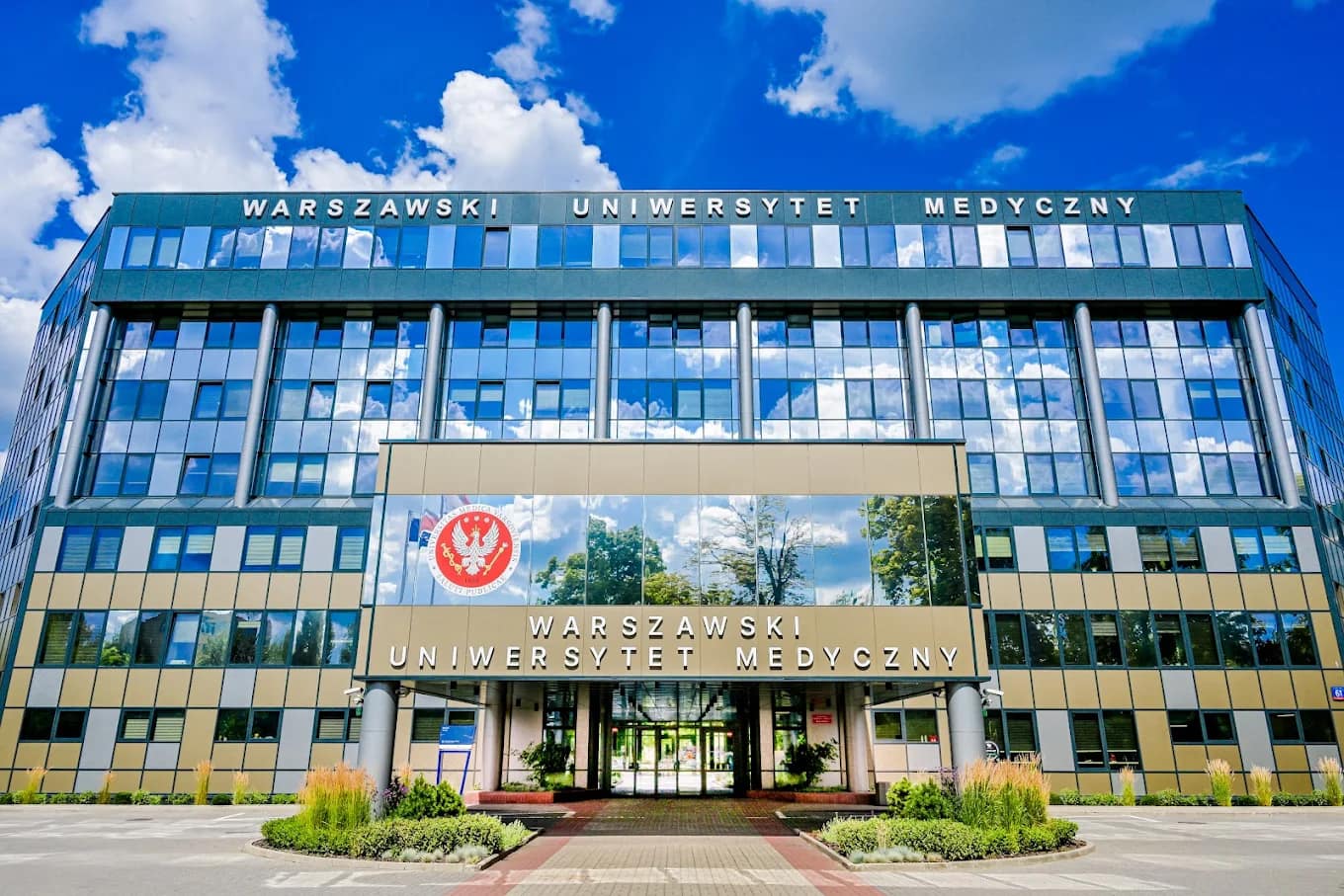
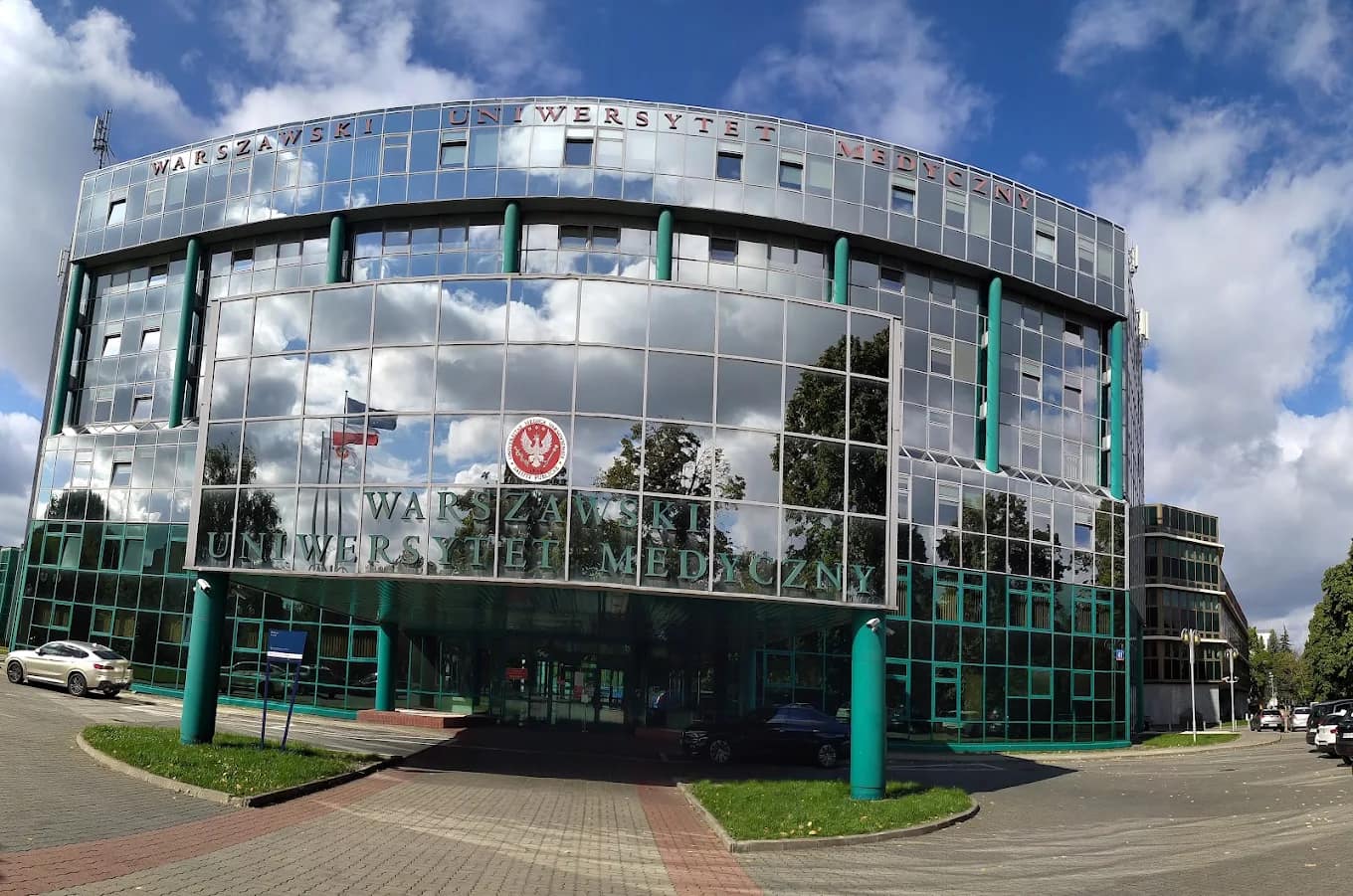
The main building of the Medical University of Warsaw with the 'Warszawski Uniwersytet Medyczny' sign
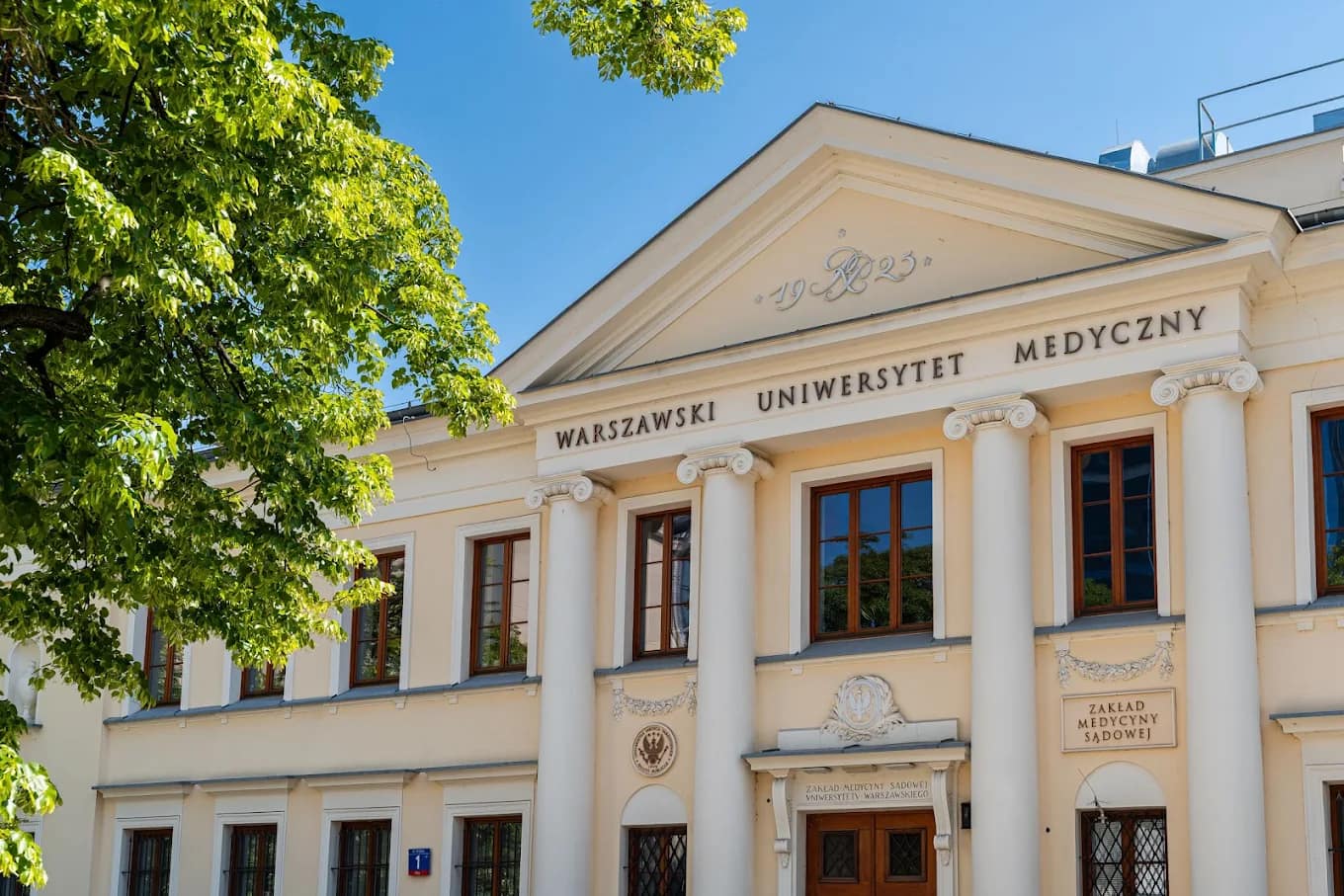
A historic columned building of the Medical University of Warsaw
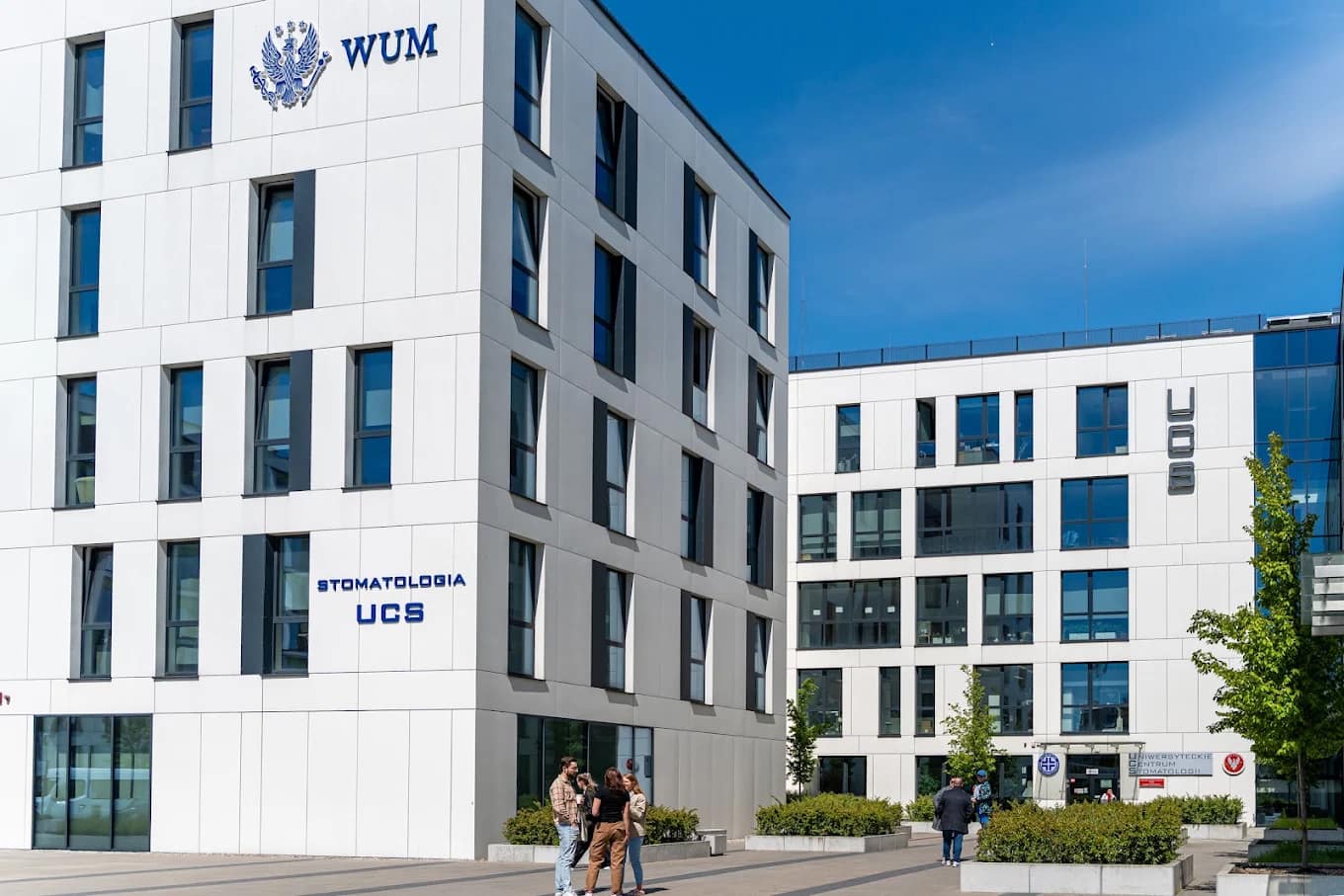
A modern WUM faculty building with the university logo

The main building of the Medical University of Warsaw with the 'Warszawski Uniwersytet Medyczny' sign

Find out all about your MBBS-abroad options at the Medical University of Warsaw

Download our free brochure for immediate information, or get personalised professional counselling from our experts.

Recognition & Prestige

Rankings & Recognition

The Medical University of Warsaw is a QS-ranked, EU medical university: its degree is automatically recognised across the European Union, it is listed in the World Directory of Medical Schools, and it is one of Poland's leading and best-known medical universities.

  • #451–500

    QS World University Rankings by Subject 2026 — Medicine

  • EU-wide

    Degree recognition under EU Directive 2005/36/EC

  • WDOMS

    Listed in the World Directory of Medical Schools (ID F0000871)

The medical degree is recognised internationally. The Medical University of Warsaw is listed in the World Directory of Medical Schools (WDOMS), accredited by the Polish Accreditation Committee (PKA), and its lekarz (physician) degree is automatically recognised across the EU and EEA; graduates are also eligible for the ECFMG/USMLE, and Indian graduates can qualify for practice in India through the NMC screening/exit examination (FMGE, transitioning to NExT).

Accreditations and Recognition

  • National Medical Commission (NMC) of India emblem

    NMC/MCI

    Graduates eligible for Indian licensing via the NMC screening examination (FMGE/NExT)

  • World Directory of Medical Schools emblem

    WDOMS

    Listed in the World Directory of Medical Schools (ID F0000871); graduates eligible for ECFMG certification

  • World Federation for Medical Education / Polish Accreditation Committee emblem

    PKA / WFME

    Accredited by the Polish Accreditation Committee (PKA) and listed via the WFME/FAIMER directory

  • European Union emblem

    EU

    Degree automatically recognised across the EU and EEA under Directive 2005/36/EC

Complete Information About the Medical University of Warsaw

Get complete information about the Medical University of Warsaw, including tuition, living costs, admission, EU recognition and the FMGE route for Indian students.

Success stories

Student Success Stories

Hear directly from students who are studying medicine in Europe with futureMBBS.

Academic Excellence

Why Study Medicine at the Medical University of Warsaw

The Medical University of Warsaw offers a QS-ranked, English-taught medical degree with EU-wide recognition, in one of Europe's safest and fastest-improving countries.

An EU-Recognised Degree

Because Poland is in the European Union, the lekarz (physician) degree from the Medical University of Warsaw is automatically recognised across all EU and EEA member states under Directive 2005/36/EC, so graduates can seek to practise anywhere in Europe without a further recognition exam.

QS-Ranked for Medicine

The Medical University of Warsaw is ranked in the QS World University Rankings by Subject 2026 for Medicine and is one of Poland's leading and best-known medical universities, a level of international ranking most MBBS-abroad destinations cannot match.

Taught in English Since 1993

The English Division has taught medicine in English for over 30 years, so Indian students study the whole degree in English alongside classmates from more than 80 countries, with Polish taught for communicating with patients.

Recognised for Every Major Route

The university is WDOMS-listed and ECFMG-eligible, so graduates can pursue the USMLE for the United States, the UK's GMC route, EU practice, and India's NMC screening exam (FMGE, transitioning to NExT).

More Than Two Centuries of Medicine

Medical teaching in Warsaw dates to 1809, and the university has trained many of Poland's leading doctors, including Zbigniew Religa, the surgeon behind Poland's first successful heart transplant.

One of Poland's Largest Hospital Networks

Clinical training takes place in the University Clinical Centre of WUM, which brings together the Central Clinical Hospital, the Infant Jesus Hospital and the Children's Clinical Hospital, and is Poland's largest transplant centre, giving students exceptional clinical exposure.

Safe and Welcoming

Poland recorded the single largest improvement of any country in the Global Peace Index 2025, rising to 22nd in the world, and Warsaw is a modern, affordable EU capital with an established Indian community and direct interest from international students.

Read all about MBBS abroad in our free brochure

Know exactly what options exist for your MBBS-abroad success.

How to Apply

Admission Process for MBBS

Admission to the 6-year English MD at the Medical University of Warsaw is by the university's own Competency Test, or by an accepted standardised test score or life-sciences degree with pre-approval from the Admissions Board. Indian students apply online through the WUM English Division, and must hold a valid NEET qualification for future licensing in India. Applications are made directly to the university.

Admission Timeline

  1. 1
    Winter 2025/26Application Opens

    Online applications for the September 2026 intake open on the WUM English Division admissions portal.

  2. 2
    Before applyingQualify NEET

    Indian applicants should hold a valid NEET-UG qualification, required by India's NMC for licensing after a foreign medical degree.

  3. 3
    RollingCompetency Test or Score Review

    Applicants take WUM's Competency Test (application fee €24), or apply with an accepted UCAT/BMAT/MCAT/GAMSAT/HPAT score or a life-sciences degree (fee €20) subject to Admissions Board pre-approval.

  4. 4
    Spring–Summer 2026Offer & Confirmation Fee

    Successful applicants receive an offer and confirm their place by paying the €1,000 confirmation fee, which counts toward the first year's tuition.

  5. 5
    Summer 2026Visa & Travel

    Students apply for the Polish (EU) student visa and residence documents, arrange insurance, and prepare to travel to Warsaw.

  6. 6
    September/October 2026Classes Begin

    The academic year begins on the Warsaw campus.

Eligibility Criteria

Academic Qualification

Applicants must have completed Class 12 (or equivalent secondary education) with Biology, Chemistry and Physics, with strong grades in the sciences. For Indian students, the NMC requires a minimum aggregate of 50% in Physics, Chemistry and Biology (40% for reserved categories) plus English, and a valid NEET qualification, for licensing in India.

Subjects:

BiologyChemistryPhysicsEnglish

Age Requirement

Candidates should be at least 17 years old by 31 December of the admission year, in line with NMC rules for studying medicine abroad.

  • Minimum 17 yearsRequired age at the time of admission (NMC rule)

Requirements

Selection is based on the Competency Test or an accepted standardised test/degree, together with the academic record. Indian students also need a valid NEET result for future Indian licensing. Applications are made directly to the WUM English Division.

  • Competency Test / Score

    WUM's own Competency Test in the sciences, or an accepted UCAT/BMAT/MCAT/GAMSAT/HPAT score or life-sciences degree with Admissions Board pre-approval.

  • English Proficiency

    The programme is taught entirely in English; applicants who did not study in English provide evidence of English proficiency (for example IELTS/TOEFL) as required by the university.

Entrance Examination

The main route is WUM's Competency Test in Biology, Chemistry and Physics; accepted standardised test scores or a life-sciences degree can be used with prior approval.

ComponentRequirement
Competency TestWUM's own multiple-choice test in Biology, Chemistry and Physics (application fee €24)
AlternativeAccepted UCAT / BMAT / MCAT / GAMSAT / HPAT score or a life-sciences degree, with Admissions Board pre-approval (fee €20)
NEET (Indian students)Valid NEET-UG qualification for future licensing in India

Required Documents

To apply, students need to submit essential academic and identification documents:

  • Completed online application to the WUM English Division
  • Application fee (€24 Competency Test / €20 score or GPA route)
  • Class 10 and 12 certificates and transcripts, English-proficiency evidence, NEET scorecard and a valid passport
  • Confirmation fee €1,000 on acceptance (counts toward tuition)
  • + More

Admission Guidance & Document Checklist

Get the complete document checklist or admission guidance from our experts.

Program Structure

MBBS Curriculum & Internship Structure

The Medical University of Warsaw teaches a six-year, 360-ECTS MD programme that moves from pre-clinical sciences to full clinical training in the university's teaching hospitals, taught in English and leading to the Polish lekarz (physician) degree, equivalent to an MBBS.

Medicine (General Medicine) Course

  • Total Duration:

    6 Years (360 ECTS)

  • Degree:

    MD / lekarz (physician — equivalent to MBBS)

Curriculum Phases at the Medical University of Warsaw

  • Years 1–3

    Pre-Clinical Sciences

    The pre-clinical block covers the basic medical sciences through lectures, seminars, laboratory and dissection work, with early clinical skills and Polish language for patient contact:

    AnatomyHistology & EmbryologyBiophysicsMedical Biology
    BiochemistryPhysiologyPathophysiologyPathomorphologyMicrobiologyPharmacologyImmunologyMedical Polish
  • Years 4–5

    Clinical Training

    The clinical years are based in the university teaching hospitals, with rotations across the major specialties, the Medical Simulation Centre, and mandatory summer clinical practice after each year:

    Internal MedicineGeneral SurgeryPaediatricsObstetrics & Gynaecology
    NeurologyPsychiatryCardiologyOncologyInfectious DiseasesDermatologyRadiologyFamily Medicine
  • Year 6

    Final Clinical Year

    The final year is a clinical, near-internship year across the core disciplines, preparing students for the final diploma examination and for licensing exams such as the FMGE, USMLE or the Polish LEK:

    Advanced Internal MedicineSurgeryPaediatricsObstetrics & Gynaecology
    Emergency MedicineIntensive CareClinical ElectivesDiploma Examination

Clinical Rotations

Clinical training takes place in the University Clinical Centre of WUM, which unites the Central Clinical Hospital, the Infant Jesus Clinical Hospital and the Brudziński Paediatric Clinical Hospital, along with specialist teaching hospitals in obstetrics, gynaecology and ophthalmology. An indicative pattern:

PhaseFocus
Years 1–3Pre-clinical sciences, clinical skills and early patient contact
Years 4–5Rotations in internal medicine, surgery, paediatrics, obstetrics and gynaecology and specialties in the teaching hospitals
Year 6Final clinical year across the core disciplines, with electives and the diploma examination

Get the full curriculum

Download a free brochure to see detailed subjects, the course structure and everything you need to plan your studies.

Global Exchange

Erasmus+ Partner Universities

As a full EU university, the Medical University of Warsaw runs an extensive Erasmus+ programme with more than 100 partner universities across Europe, letting medical students spend a semester or clinical placement abroad with EU funding. A selection of the Faculty of Medicine partners:

CountryErasmus+ Partner Universities
GermanyCharité – Universitätsmedizin Berlin; Heidelberg University; University of Cologne; University of Würzburg; Heinrich Heine University Düsseldorf
AustriaMedical University of Vienna; Medical University of Innsbruck
FranceSorbonne Université; Université Paris-Saclay; Aix-Marseille Université; University of Bordeaux; University of Strasbourg
SpainComplutense University of Madrid; University of Granada; University of Santiago de Compostela; University of Valencia
ItalyUniversity of Bologna; University of Milan; University of Pisa; University of Siena
PortugalUniversity of Lisbon; University of Porto; University of Coimbra
Greece / CzechiaNational and Kapodistrian University of Athens; Charles University, Prague

Explore Your Erasmus+ Options

The table above highlights selected Erasmus+ partner universities of the Medical University of Warsaw.

Legacy

Prominent Graduates of the Medical University of Warsaw

The Medical University of Warsaw and its predecessors have trained many of Poland's most influential doctors, surgeons and medical leaders.

Zbigniew Religa

Graduated from the Medical Academy of Warsaw in 1963 and became the most famous cardiac surgeon in Polish history. In 1985 he led the team that performed Poland's first successful human heart transplant, and later served as Poland's Minister of Health.
Henryk Skarżyński

A world-renowned otolaryngologist and audiologist who trained in Warsaw and founded the Institute of Physiology and Pathology of Hearing and the World Hearing Center. A pioneer of cochlear implantation in Poland.

Lidia Rudnicka

A leading dermatologist and professor at the Medical University of Warsaw, internationally known for developing trichoscopy, the dermoscopic diagnosis of hair and scalp diseases, and her research on autoimmune skin disease.

Wojciech Maksymowicz

A distinguished neurosurgeon who trained in Warsaw and served as Poland's Minister of Health, a leading figure in Polish neurosurgery and in brain–computer and rehabilitation techniques for severe brain injury.

Łukasz Szumowski

A cardiologist and graduate of the Medical University of Warsaw who became Poland's Minister of Health, combining a clinical and research career in cardiac electrophysiology with national health leadership.

Konstanty Radziwiłł

A physician and graduate of the Warsaw medical faculty who became a family doctor, a long-serving leader of the Polish medical self-government, and Poland's Minister of Health.

Irena Eris

A pharmacist who studied in Warsaw and founded Dr Irena Eris, one of Poland's best-known dermocosmetics companies, building a research-driven skincare business with its own scientific laboratories.

Faculty

The Medical University of Warsaw is led by Rector Professor Rafał Krenke, a pulmonologist, with Professor Paweł Włodarski as Dean of the Faculty of Medicine. Teaching is delivered by more than 2,000 academic staff, including many practising consultants in the University Clinical Centre of WUM.

Academic Expertise

  • Experienced physicians and surgeons

  • 2,000+ academic staff

  • Internationally published researchers

  • One of Poland's largest teaching-hospital networks

Student Support & Mentorship

  • 30+ years of English-Division teaching

  • Medical Simulation Centre

  • Clinical supervision during rotations

  • Students from 80+ countries

About University

History Information

Medical Teaching from 1809

Medical teaching in Warsaw began in 1809 with the founding of the Academic-Medical Faculty by royal decree, and in 1816 it was incorporated into the Royal University of Warsaw, beginning more than two centuries of medical education in the city.

An Independent Medical Academy

In 1950 the medical faculty was separated from the University of Warsaw to become the independent Medical Academy of Warsaw under the Ministry of Health, and in 1955 the medical course was extended to six years, the structure still used today.

The English Division

In 1993 the university opened its English Division, offering the six-year MD in English to international students, and later added dentistry and pharmacy in English, building one of Central Europe's most established English-language medical programmes.

Medical University of Warsaw Today

In 2008 the institution was renamed the Medical University of Warsaw, and today it teaches around 10,000 students, is QS-ranked for Medicine, holds EU-wide degree recognition, and runs the University Clinical Centre of WUM, Poland's largest transplant centre.

Get all information about the Medical University of Warsaw in our free brochure

Read on to find out how you can study medicine at the Medical University of Warsaw.

Role in medicine

Role in medical education

Two Centuries of Polish Medicine

The Medical University of Warsaw has trained doctors in the Polish capital for more than 200 years and remains one of the country's leading medical universities. Its clinical teaching is built on the University Clinical Centre of WUM, one of the largest hospital networks in Poland and its biggest transplant centre, so students train in advanced, high-volume clinical settings.

Research and Innovation

The university runs major research facilities, including the Centre for Preclinical Research and Technology (CePT) and a Medical Simulation Centre, and its hospitals lead Poland in fields such as transplantation, cardiac surgery and ophthalmology, connecting laboratory science directly to patient care.

An International Medical Community

With an English Division running since 1993 and students from more than 80 countries, the Medical University of Warsaw is one of Central Europe's most international medical schools, and its EU-recognised degree opens practice across Europe as well as the USMLE, UK and Indian NMC routes.

Get all information about the Medical University of Warsaw in our free brochure

Read on to find out how you can study medicine at the Medical University of Warsaw.

Cost of living

MBBS Living Cost in Warsaw

Warsaw is a modern EU capital that is noticeably more affordable than Western Europe, though dearer than most other MBBS-abroad destinations. Here is the approximate monthly breakdown for an Indian student.

Monthly Living Cost

Cost ComponentApproximate Amount
Accommodation (dormitory / shared flat)₹35,000 – ₹55,000
Food₹18,000 – ₹26,000
Transportation₹2,000 – ₹2,500
Other Expenses (Utilities, Internet, Leisure)₹11,000 – ₹18,000
Get Free MBBS Guide

Average monthly living cost

₹65,000 – ₹1,00,000

Housing

Accommodation

The Medical University of Warsaw offers student dormitories close to the campus, and many international students also rent private flats across Warsaw, a large, well-connected EU capital.

WUM Student Dormitories

The Medical University of Warsaw runs its own student dormitories (Domy Studenta), including residences near the Banacha clinical campus, giving international students secure, affordable housing within reach of lectures and the teaching hospitals.

Furnished Rooms

Dormitory rooms are furnished, usually as single or twin rooms in shared flats with kitchens and common areas, with internet and laundry, and are among the most economical housing in the city.

Monthly Cost

University dormitory places are considerably cheaper than private rent, and a private or shared room in the city typically costs around PLN 1,600–2,500 per month (roughly ₹35,000–₹55,000).

A Supported First Year

First-year international students are encouraged to apply for a dormitory place on arrival, which keeps them close to fellow students and removes the pressure of finding private housing in a new country.

How to Apply

Dormitory places are requested through the university's student housing service after admission; because demand is high, students should apply for a room as soon as they accept their offer.

Private Flats

Students who prefer more comfort or independence can choose privately operated student residences, or rent or share a private flat. Both options cost noticeably more than the university halls, and students organise this independently as the university does not arrange private housing.

A Well-Connected Capital

Warsaw has an extensive metro, tram and bus network with discounted student passes, so students can live across the city and reach the campus and hospitals easily.

Winter Readiness

Warsaw has cold, snowy winters, so students should budget for warm clothing and heating, a real adjustment for students from most parts of India.

Need accommodation details?

Get a full overview of housing options with our university guide, or reach out to an expert.

Food & Dining

100% Veg Options and Indian Food, Always Available

Indian and vegetarian food is easily available in restaurants, grocery stores and student kitchens across Warsaw, a large capital with a well-developed food scene.

The university and its neighbourhoods have canteens, cafés and student-friendly restaurants, and Warsaw's wider food scene offers vegetarian and vegan options in most places, with milk-bar (bar mleczny) canteens serving cheap traditional meals.

Location

How to Reach the Medical University of Warsaw

Address

Medical University of Warsaw (Warszawski Uniwersytet Medyczny), Żwirki i Wigury 61, 02-091 Warsaw, Poland

  • Nearest Airport

    Warsaw Chopin Airport (WAW), about 15 minutes from the Banacha campus, with direct and one-stop flights to Delhi, Mumbai and other Indian cities

  • Local Transport

    Metro, trams and buses with discounted student passes (a semester pass costs roughly PLN 280); the Banacha campus is well connected across the city

Your Roadmap to Success

Career Pathways After Medicine at the Medical University of Warsaw

Graduates earn the Polish lekarz (physician) degree, equivalent to an MBBS. Because it is listed in EU Directive 2005/36/EC, the degree is automatically recognised across all EU and EEA member states, so graduates can seek to practise throughout Europe without a further recognition examination.

Understand the Medical Licensing Pathway

A clear overview of the exams and requirements after graduation.

Practising in India

FMGE & NExT Details

To practise medicine in India after graduating from the Medical University of Warsaw, Indian students follow the licensing pathway set by the National Medical Commission (NMC). Because WUM is a WDOMS-listed, English-taught six-year programme, it meets the NMC's core criteria, and students should qualify NEET-UG before joining.

  1. Step 1

    National Exit Test (NExT)

    Graduates must clear the qualifying examination that licenses foreign medical graduates to practise in India. At present this is the Foreign Medical Graduate Examination (FMGE), which the NMC plans to replace with the National Exit Test (NExT).

  2. Step 2

    Clinical Internship (CRRI)

    After qualifying, students complete the required one-year Compulsory Rotatory Residential Internship (CRRI) in India, which builds hands-on experience in Indian clinical settings under the NMC's framework.

  3. Step 3

    Medical Registration

    The final step is registration with the National Medical Commission (NMC) or the relevant State Medical Council. Once registered, the graduate holds a full licence to practise medicine in India.

Student Life Style

Student life at the Medical University of Warsaw

Life at the Medical University of Warsaw combines a demanding English-taught medical course with life in a modern, safe EU capital and a large, multinational student community.

A modern glass faculty building at the Medical University of Warsaw

A modern glass faculty building at the Medical University of Warsaw

Academics

The six-year programme is taught in English, moving from pre-clinical sciences to clinical training in the University Clinical Centre of WUM and the Medical Simulation Centre, with Polish taught alongside for communicating with patients.

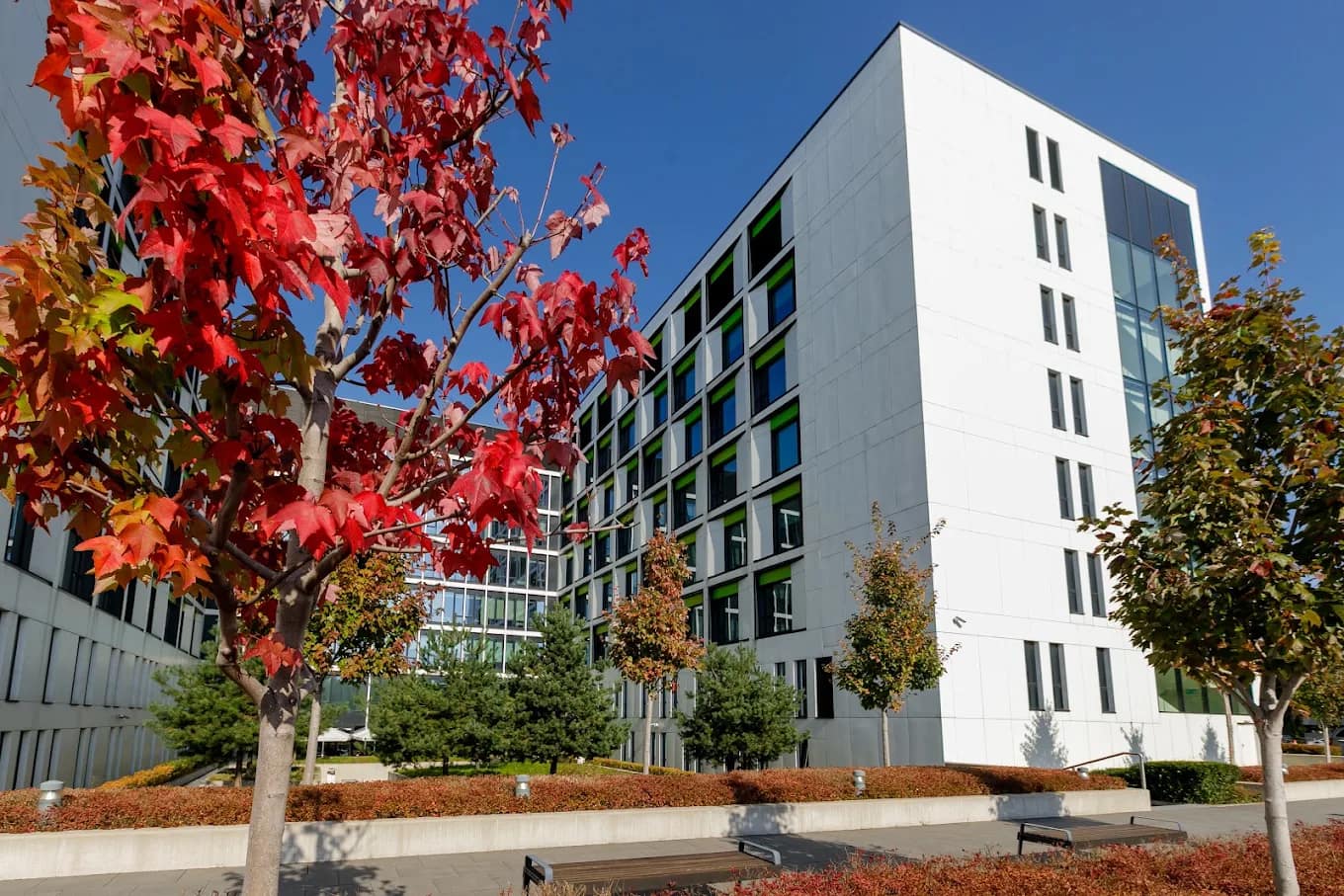
A Medical University of Warsaw building among autumn trees

A Medical University of Warsaw building among autumn trees

Campus and Facilities

The university has modern campuses at Banacha and Lindleya with laboratories, libraries, a Medical Simulation Centre and its teaching hospitals, plus student clubs and scientific societies, in a green part of central Warsaw.

Challenges and Growth

The course is demanding and Warsaw costs more than most MBBS-abroad destinations, so students should budget carefully, but they graduate with an EU-recognised degree and skills valued across Europe and beyond.

A university clinical hospital of the Medical University of Warsaw

A university clinical hospital of the Medical University of Warsaw

Social Life

With students from more than 80 countries, Warsaw offers a lively international student life, an established Indian community, Indian restaurants and grocery stores, and Diwali and Holi celebrations organised by student groups, so students find familiar culture away from home.

Overall Experience

Studying medicine at the Medical University of Warsaw is about earning a respected, EU-recognised degree in a safe European capital and growing into a doctor with genuinely international options across Europe, the US, the UK and India.

Scholarship & Financial

Scholarship & Financial Aid

Honest note first: fee-paying international medicine at the Medical University of Warsaw has limited scholarship support, so families should plan as fully self-funded, though a few routes exist.

The Polish National Agency for Academic Exchange (NAWA) runs Polish government scholarship programmes for international students and researchers. These are competitive and mostly aimed at specific countries, agreements and postgraduate study rather than fee-paying English-Division MD students, but they are the main national scheme to explore.

  • Polish government funding via NAWA
  • Competitive, programme-specific
  • Apply through the NAWA portal (nawa.gov.pl)

Ratings

Reviews & Ratings

Hear from students and alumni about their experience at the Medical University of Warsaw.

4.5

142 reviews

Academics4.6
Infrastructure4.5
Hostel4.2
Campus Life4.5
Value for Money4
  • An EU degree that opens doors

    Student — Medicine 2022

    The degree is recognised across the whole EU, which is why I chose Warsaw over cheaper options. The teaching hospitals are huge and the English Division is genuinely international.

  • Strong clinical training

    Student — Medicine 2021

    Rotations in the university hospitals are hands-on and the simulation centre is excellent. Warsaw is safe and modern, though you do need to budget for the higher fees and rent.

Compare

Compare Colleges

Compare the Medical University of Warsaw with a leading Indian medical college.

Quick Comparison:

Medical University of Warsaw vs CMC Vellore

University
Medical University of WarsawWarsaw, Poland
CMC VelloreTamil Nadu, India
University TypePublicPrivate (minority)
MediumEnglishEnglish
Course Duration6 years (MD / lekarz)5.5 years (MBBS)
Tuition (per year)~₹17 lakh (€18,800)~₹3–4 lakh
AdmissionCompetency Test / accepted scoreNEET-UG
RecognitionWDOMS; EU-wide (Directive 2005/36/EC); NMC-eligible via FMGE/NExTNMC-recognised
Global RankingQS-ranked for Medicine (2026); leading medical university in PolandNot in QS top 500

Compare Top MBBS Universities for Me

See key differences in fees, ranking, eligibility and recognition.

Our blog

Medical Education Insights

Articles that turn complex MBBS-abroad rules into simple, practical steps for students and parents.

FAQ

Frequently Asked Questions

Short answers to the questions students and parents ask most often about MBBS at the Medical University of Warsaw.