Free Webinar: MBBS in India

Sat, September 5, 2026 | 7:00 PM

Reserve my Seat
futureMBBS

Free Webinar: MBBS in India

Sat, September 5, 2026 | 7:00 PM

Reserve my Seat
futureMBBS
Romania

Study MBBS in Romania

Study medicine in English at Romania's long-established public medical universities - affordable, EU-standard degrees recognised across Europe and India.

  • MBBS student
  • MBBS student
  • MBBS student
  • MBBS student

5000+ Students trust us

Romania

Country

4 Study Cities

Bucharest · Cluj · Iași · Timișoara

Carol Davila University

Top-ranked University

English

Medium of instruction

Introduction

Studying Medicine in Romania

Romania is a European Union member in south-eastern Europe and one of the most affordable destinations for an English-taught medical degree. Its four public universities of medicine and pharmacy in Bucharest, Cluj-Napoca, Iași and Timișoara follow the EU-standard six-year model, teach entirely in English for international tracks, and combine long academic traditions with modern clinical training.

  • Popular course:General Medicine (MBBS equivalent)
  • Language of study:English
  • Course duration:6 Years
  • Intake:September / October
  • Approx. tuition/year:₹5,00,000 - ₹10,00,000
  • No. of medical universities:4+ public (English-medium)
  • NEET requirement:Required for Indian students (licensing)
  • Living cost/month:₹35,000 - ₹65,000 (approx.)

Degrees are recognised across the EU and by India's National Medical Commission, so graduates go on to practise across Europe, the UK, the USA, Canada and India after clearing the relevant licensing examination. With comparatively low tuition and living costs and a large Indian student community, Romania offers Indian students an accessible route into a globally recognised medical career.

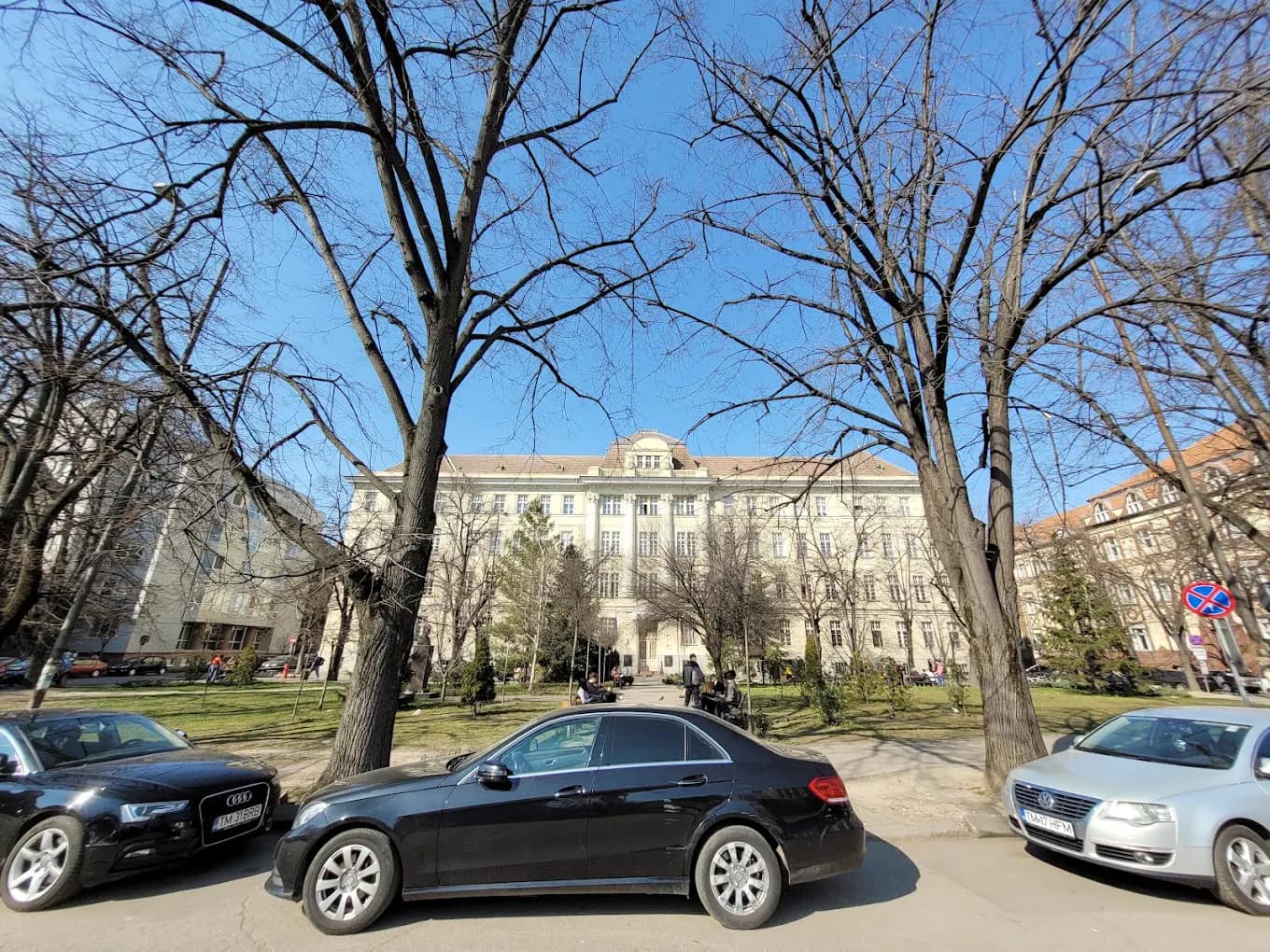
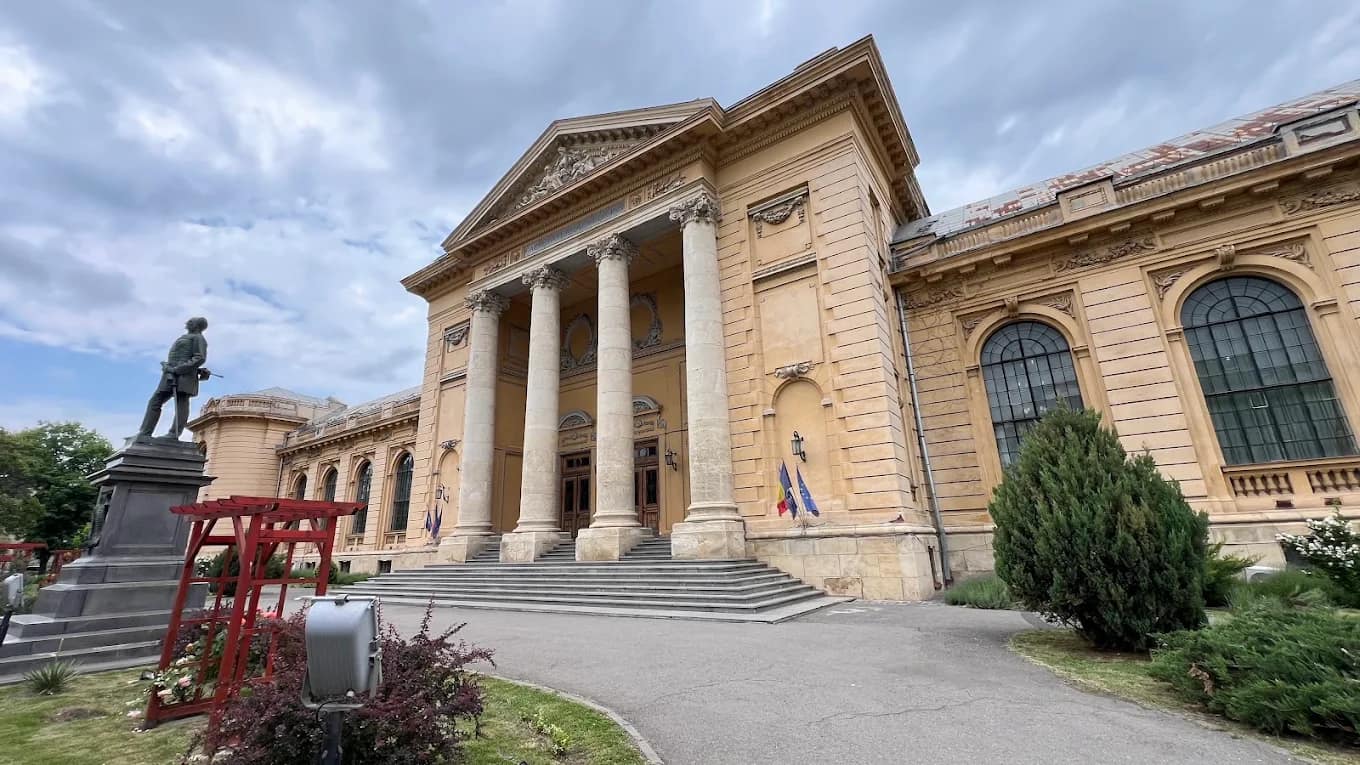
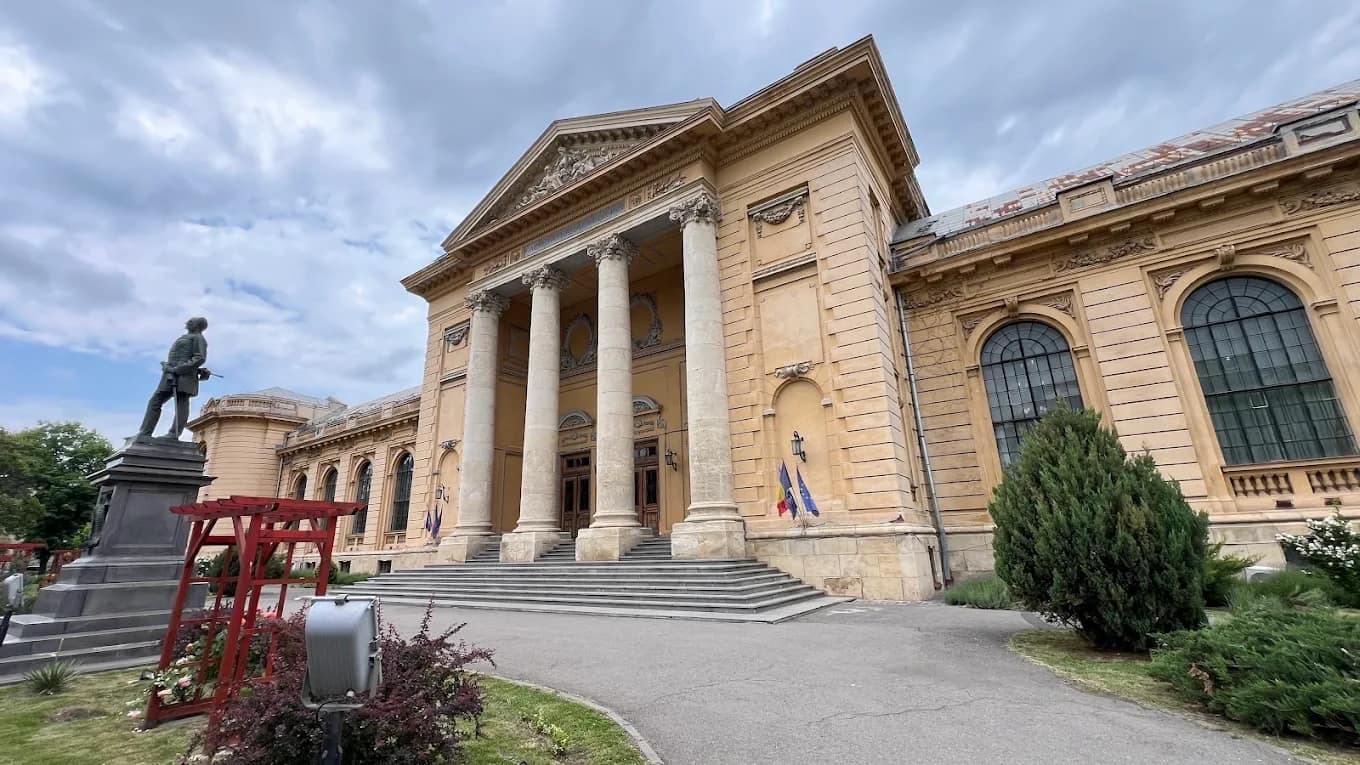
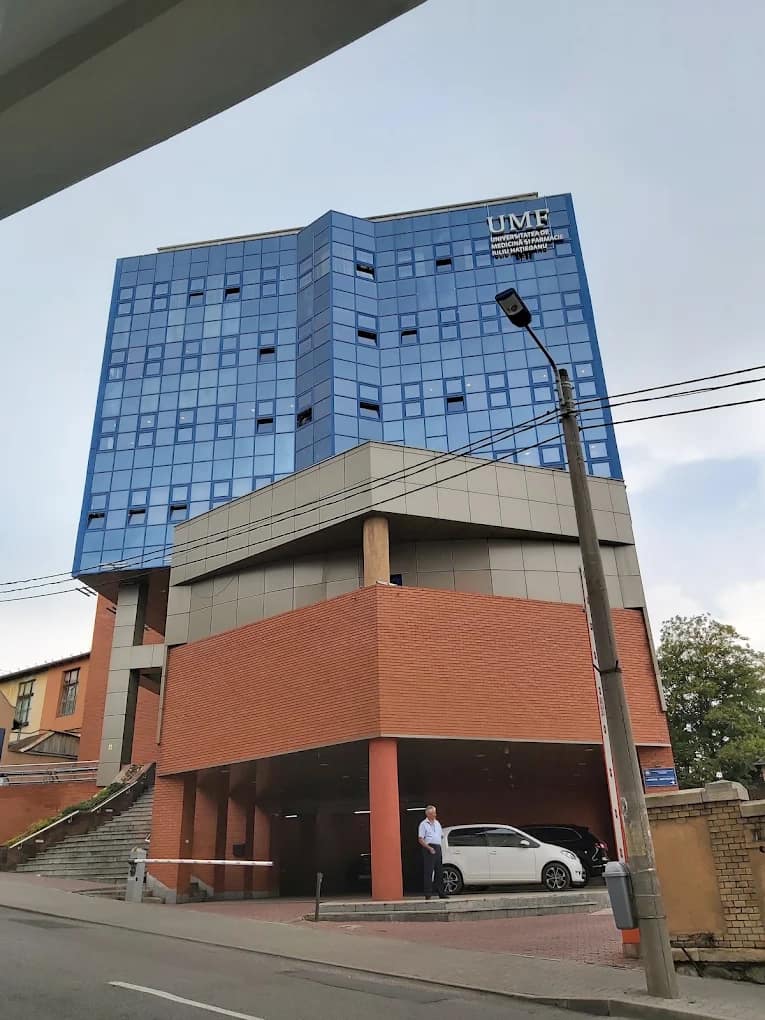
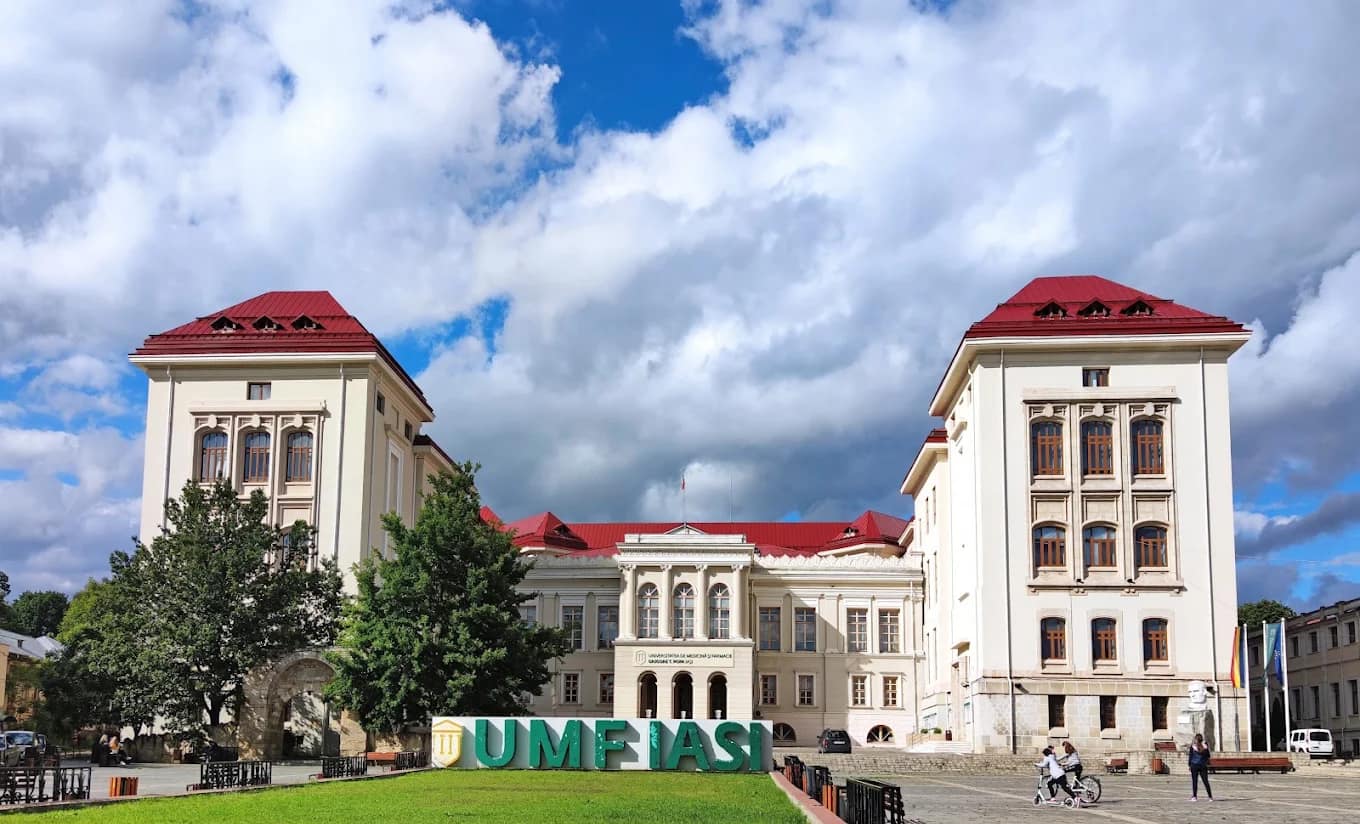
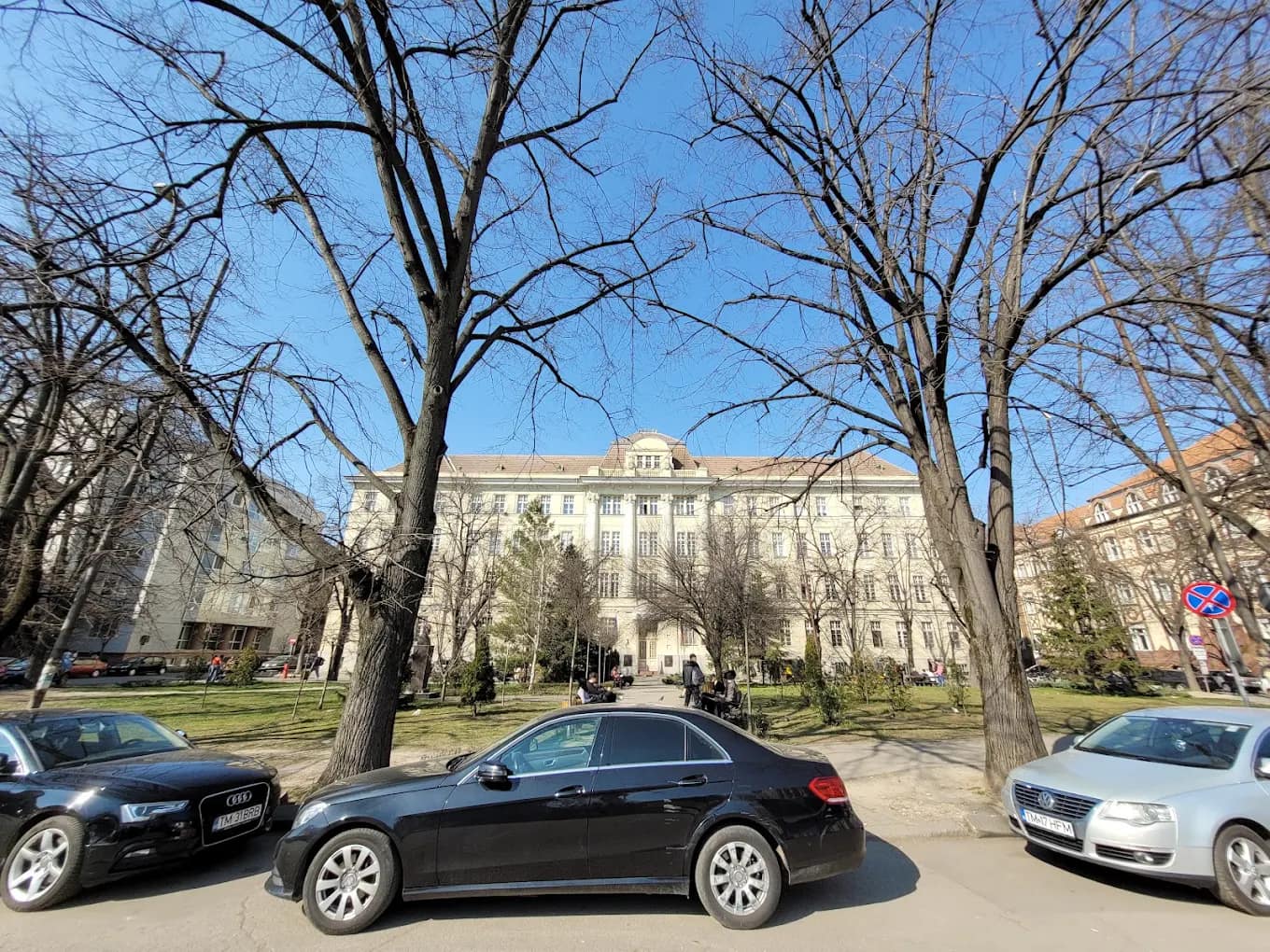
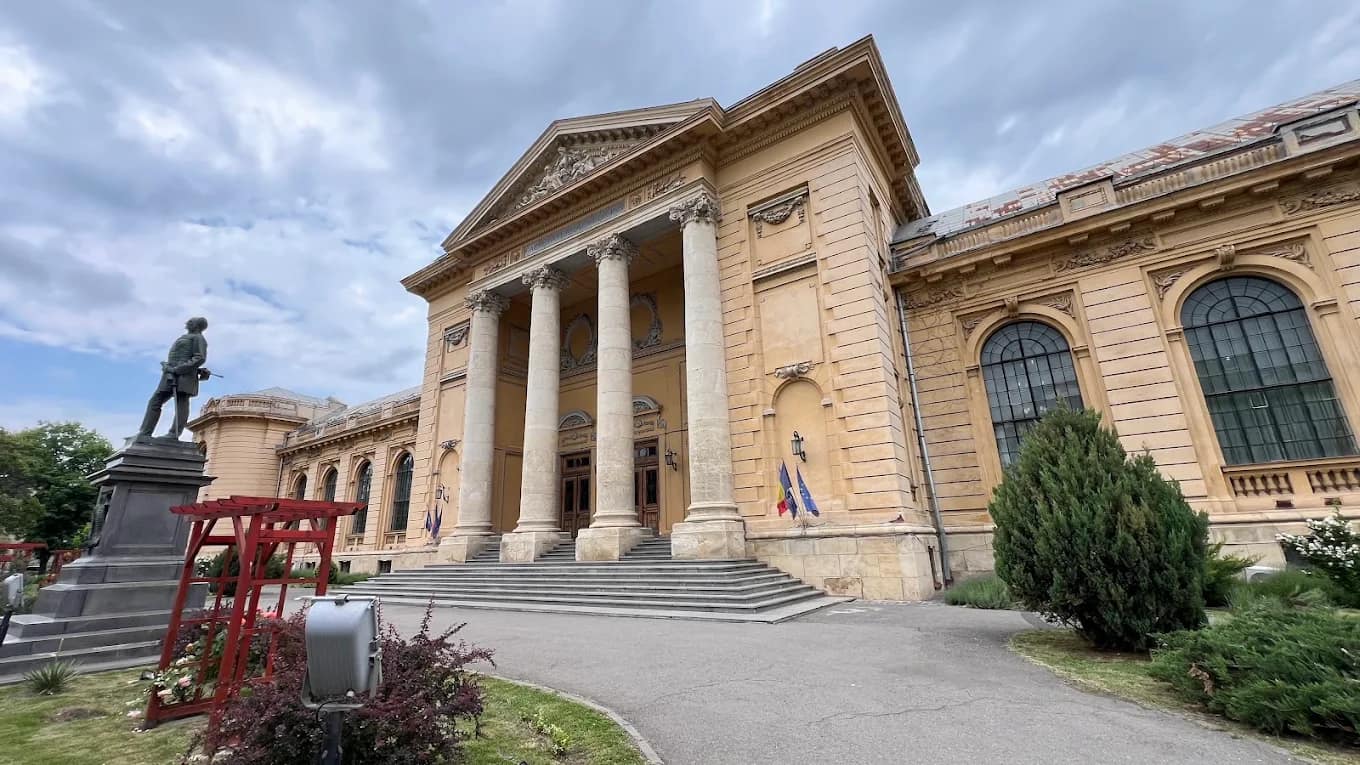
Romanian medical university building
Historic university faculty building in Romania
Romanian university campus
Medical faculty building in Romania
University teaching building in Romania
Romanian university of medicine and pharmacy

Romanian medical university building

Get all information about MBBS in Romania

Download our free brochure for tuition, living costs, eligibility and the complete application process.

Academic Excellence

Why Study MBBS in Romania?

A globally recognised, English-taught medical degree at some of Europe's most affordable tuition and living costs, spread across four established university cities.

Global Recognition

Romanian medical universities are listed in the World Directory of Medical Schools and their degrees are recognised across the EU, the UK, the USA, Canada and India, giving graduates a genuine choice of where to build their career.

Affordable Education

Romania offers some of the lowest tuition in the EU for English-taught medicine (roughly €5,000-€10,000 per year), with monthly living costs of about ₹35,000-₹65,000 depending on the city.

EU-Standard Academics

Universities follow the European Union's six-year medical model with strong emphasis on evidence-based medicine, modern laboratories and early clinical exposure in large teaching hospitals.

Safe, Welcoming Cities

Romania ranks 44th on the 2025 Global Peace Index, everyday crime is low, and university cities such as Cluj-Napoca and Timișoara have large, welcoming international student communities.

Strong Clinical Training

Each university is attached to major teaching hospitals, giving students hands-on clinical rotations across paediatrics, surgery, internal medicine and other core specialties from the clinical years onward.

Large Indian Community

Romania hosts thousands of Indian medical students, with Indian restaurants, grocery stores and student associations in Bucharest, Cluj-Napoca, Iași and Timișoara making settling in easy.

Get all information about MBBS abroad

Read on to find out how you can fulfil your dream of studying medicine in Romania.

Where You'll Study

Top Student Cities in Romania

From the capital to lively regional university cities, each Romanian city offers its own mix of academics, affordability and student life.

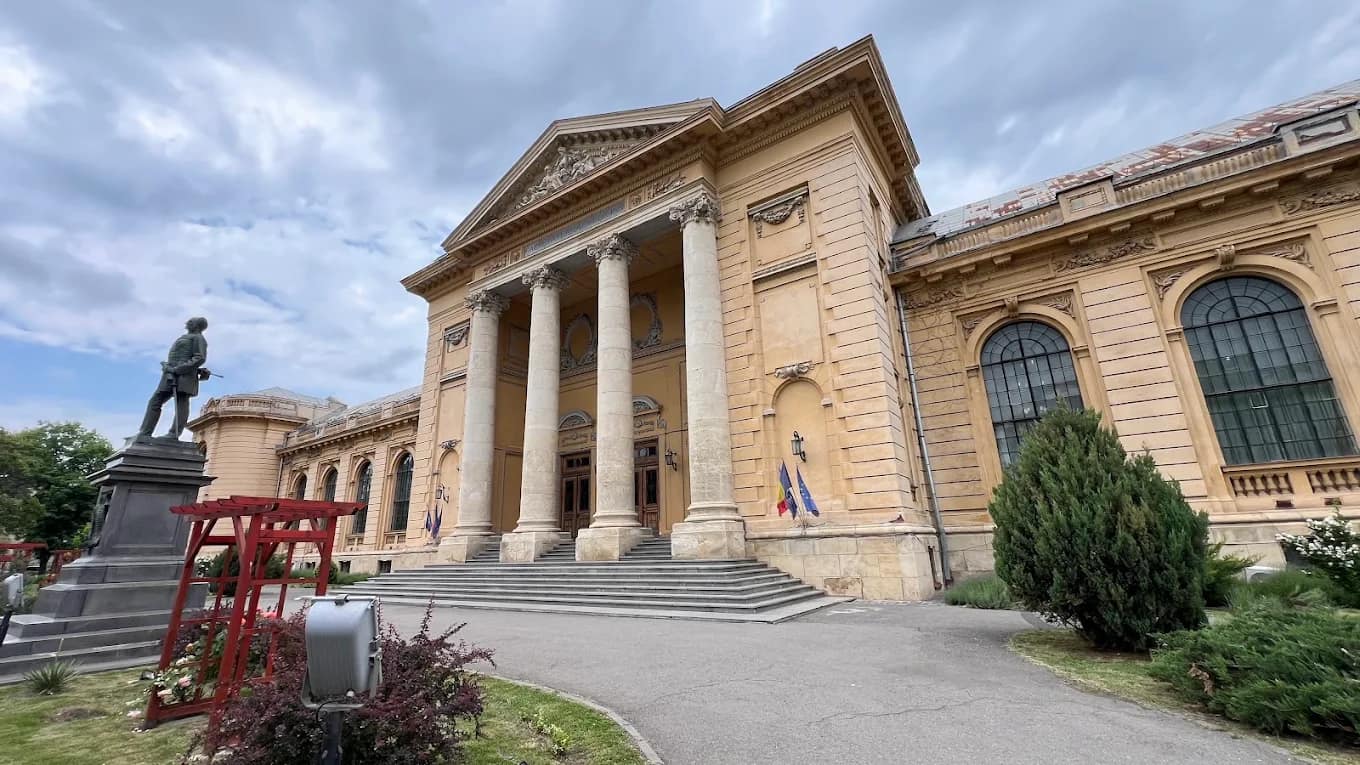
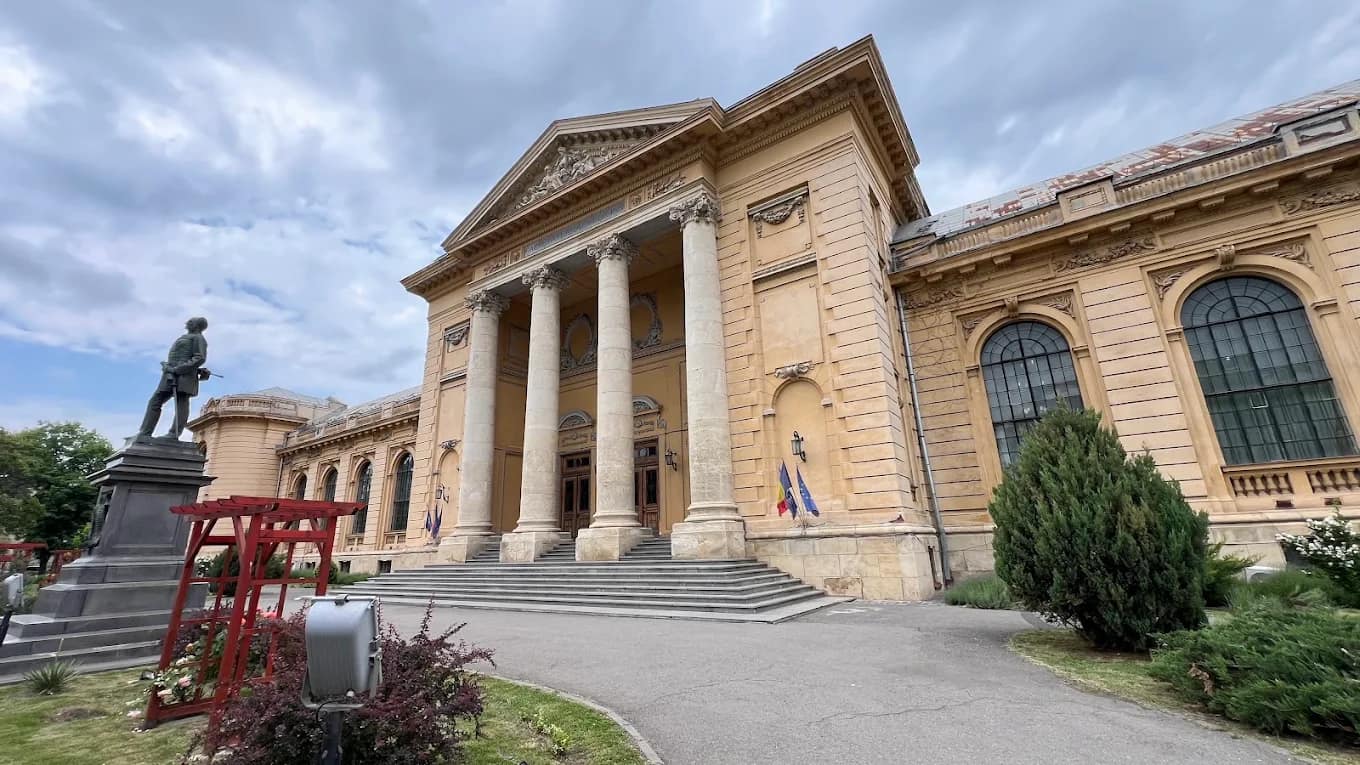
Carol Davila University building in Bucharest

Bucharest

The capital and largest city, home to Carol Davila University of Medicine and Pharmacy and Romania's biggest teaching hospitals. Bucharest blends grand architecture and a lively cultural scene with modern healthcare infrastructure and a large international student community.
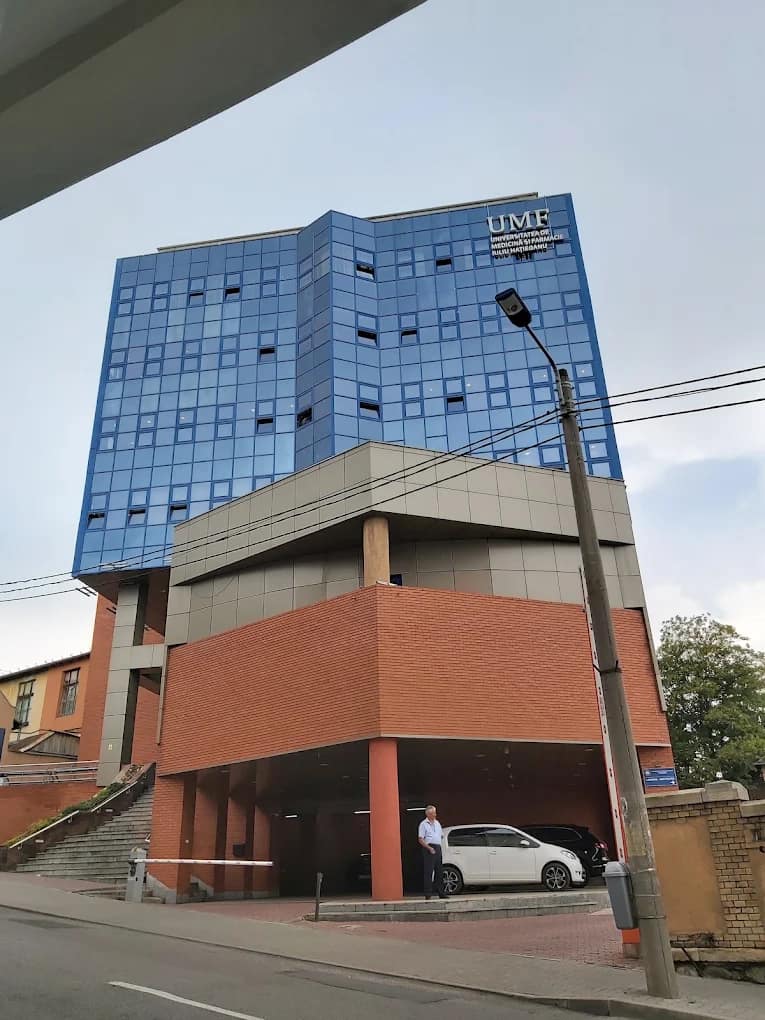
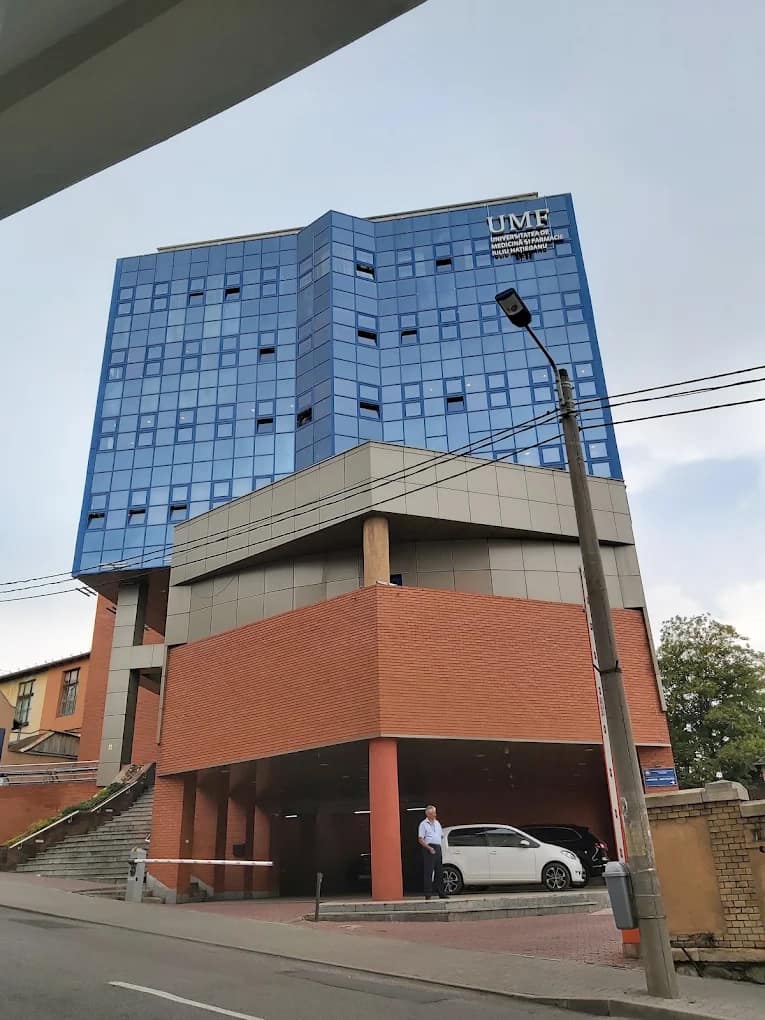
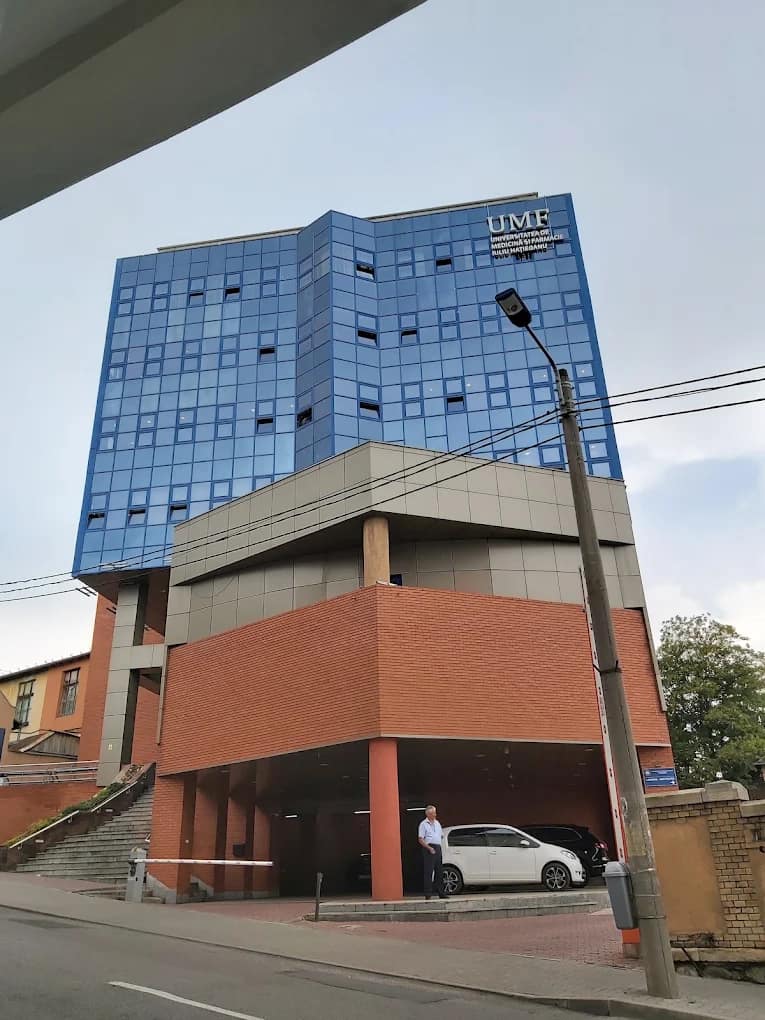
Iuliu Hațieganu University building in Cluj-Napoca

Cluj-Napoca

Romania's vibrant student capital in Transylvania, home to Iuliu Hațieganu University of Medicine and Pharmacy. Cluj-Napoca offers a young, international atmosphere, strong research facilities and a high quality of student life.

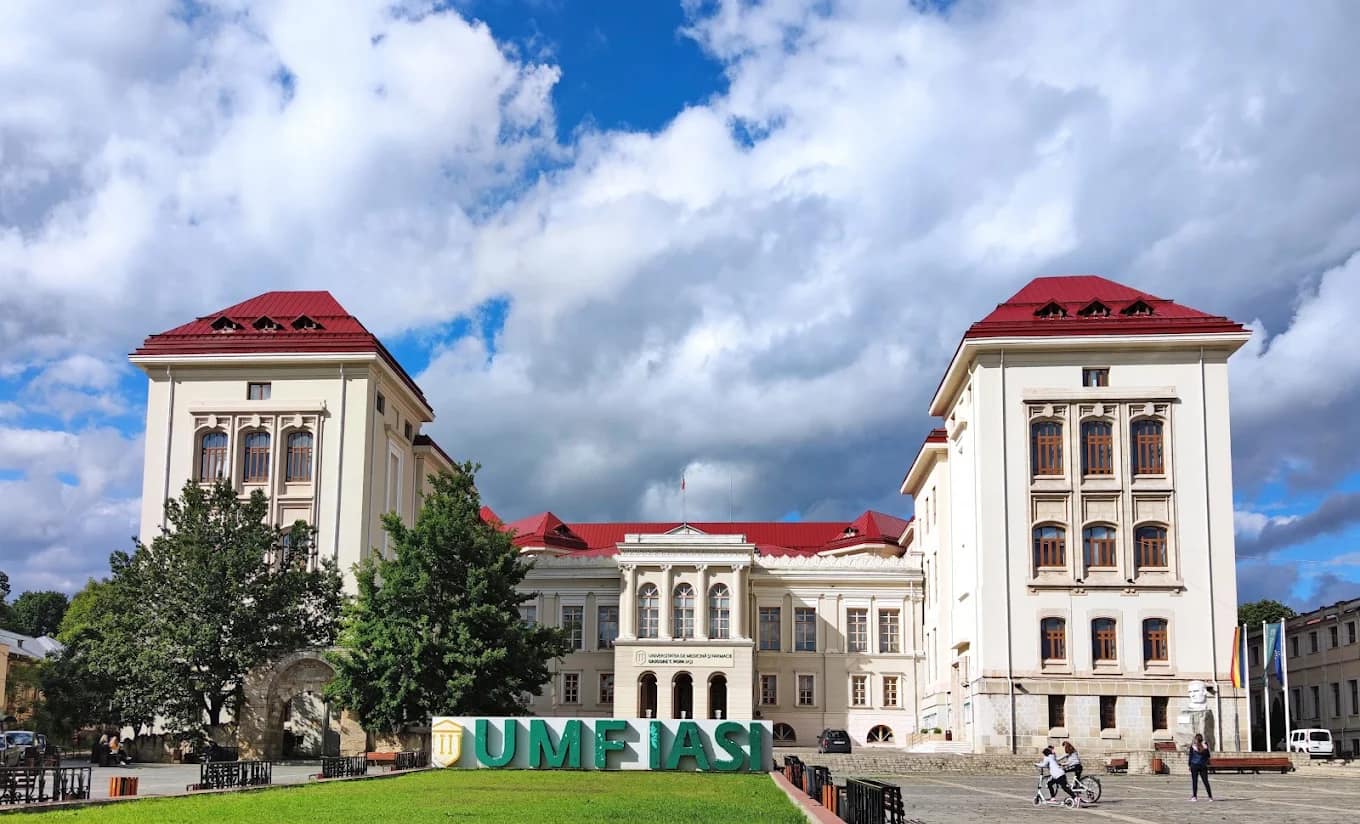
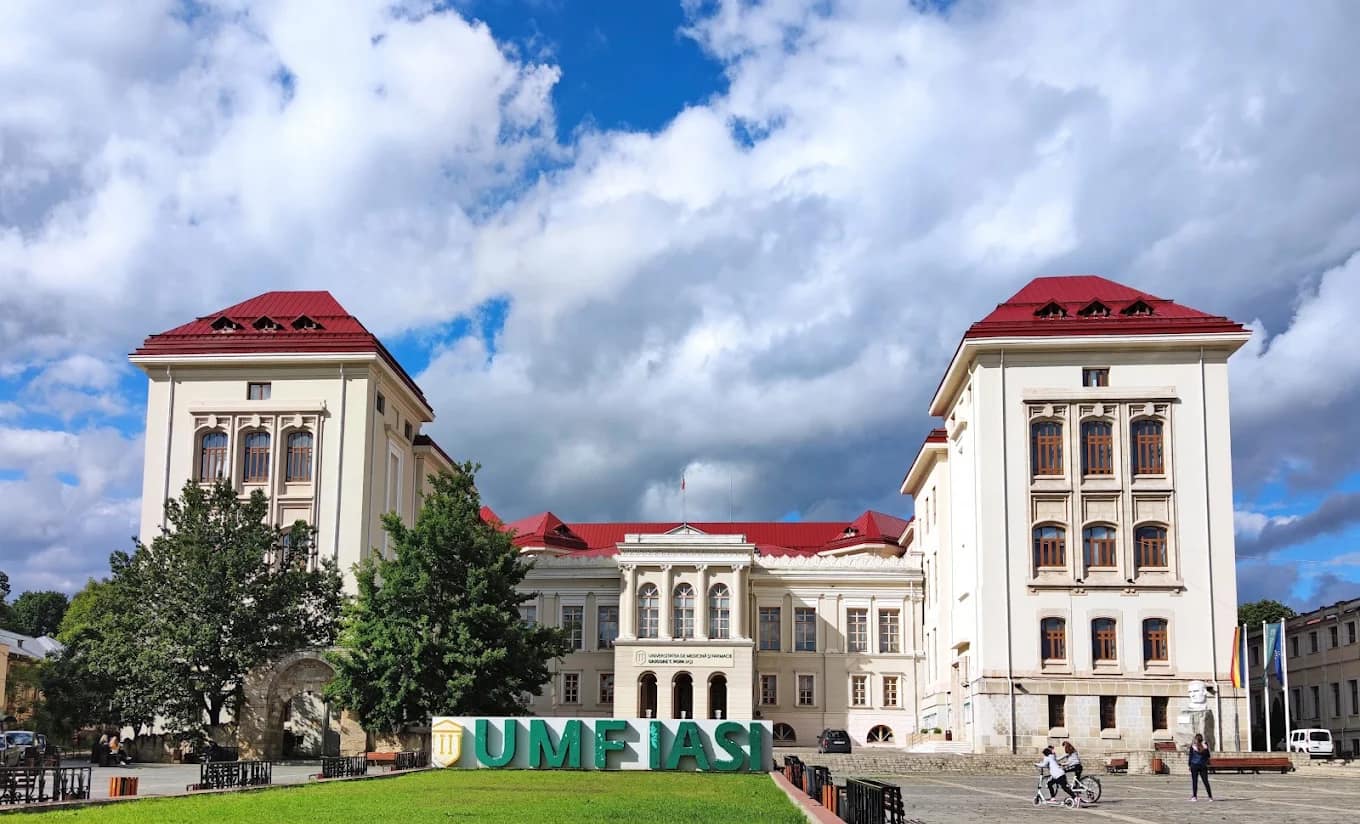
Grigore T. Popa University building in Iași

Iași

A historic university city in north-eastern Romania and home to Grigore T. Popa University of Medicine and Pharmacy, one of the country's oldest medical schools. Iași offers an affordable cost of living and a strong academic tradition.

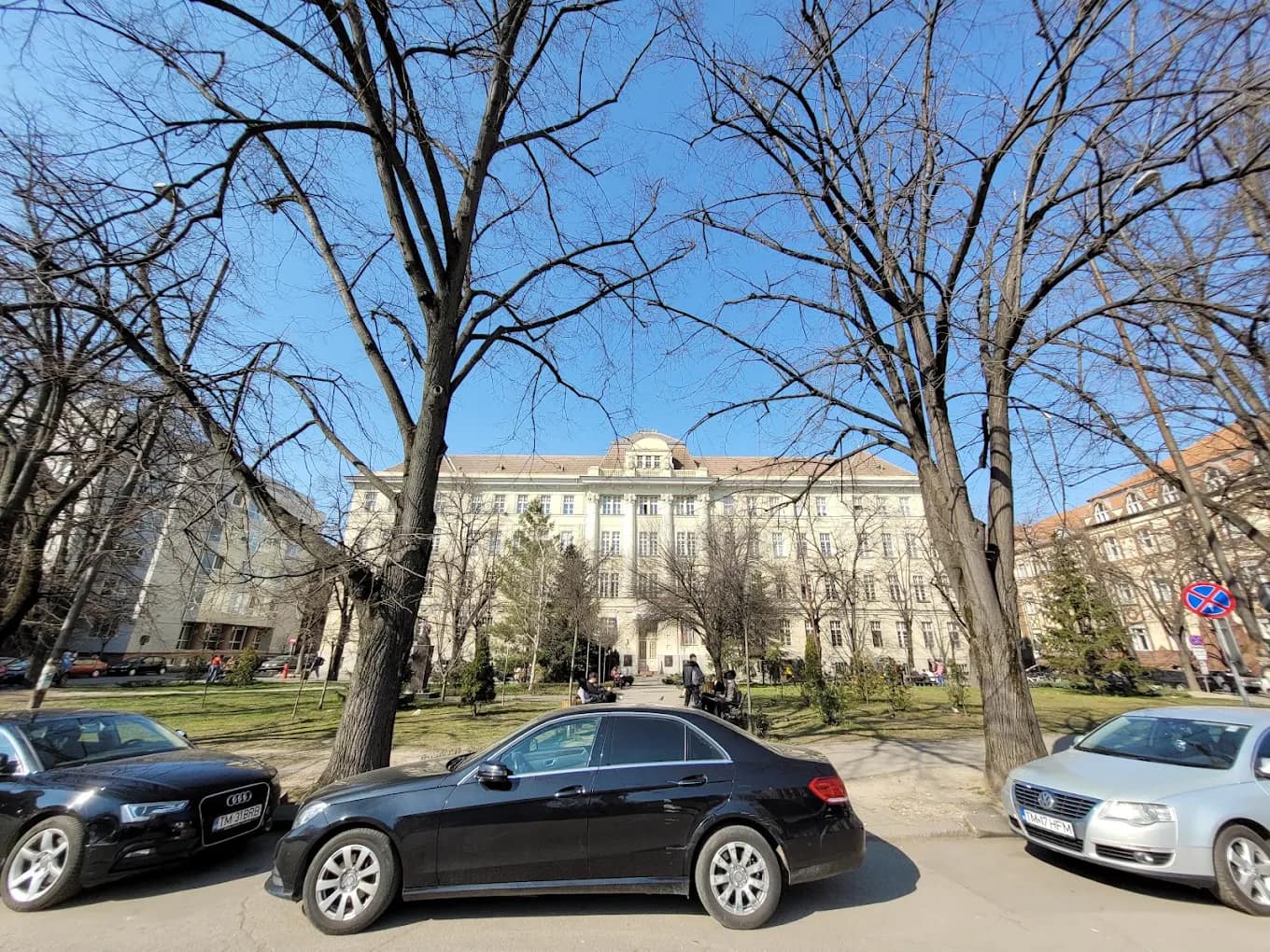
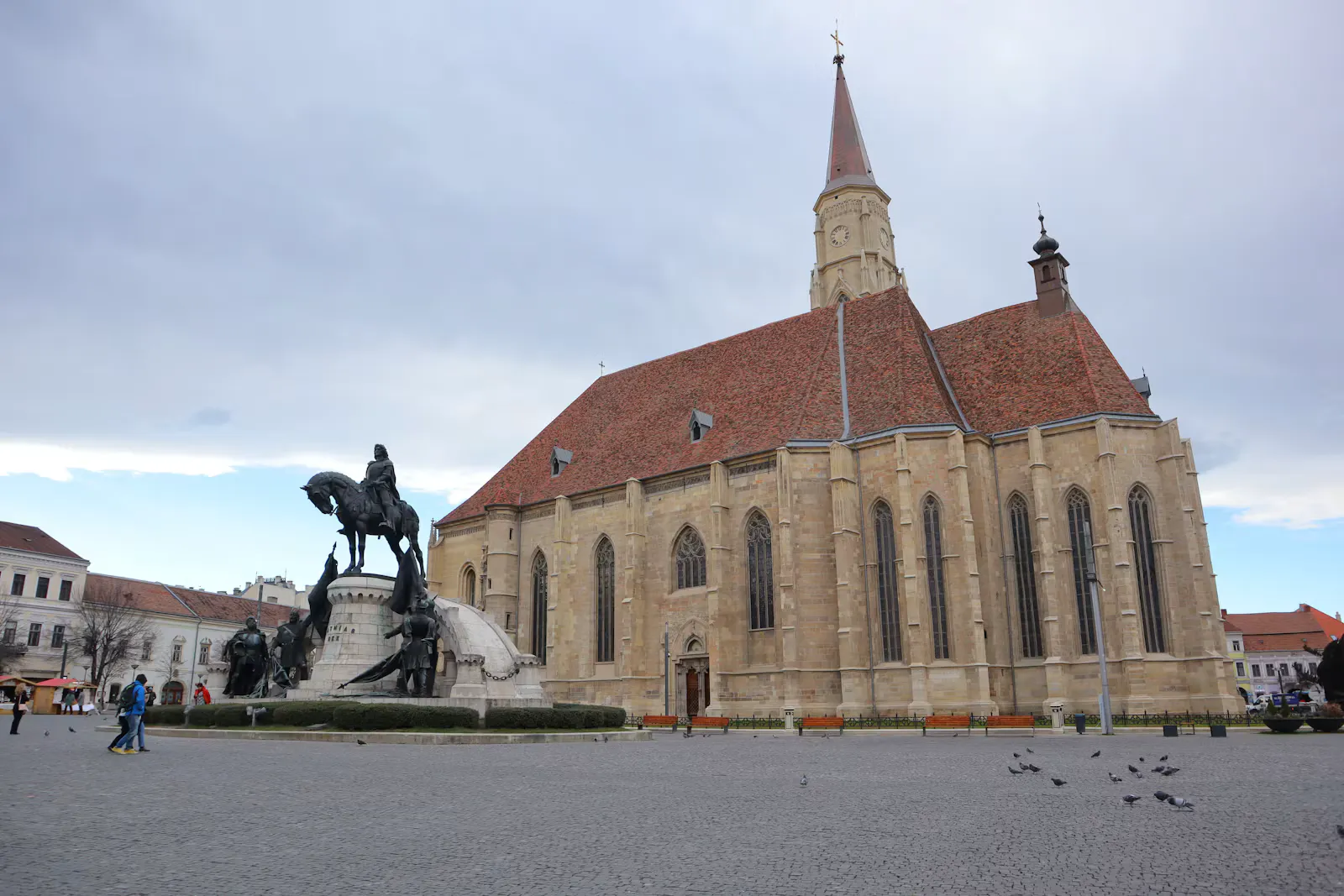
Victor Babeș University building in Timișoara

Timișoara

An elegant city in western Romania, a 2023 European Capital of Culture, and home to Victor Babeș University of Medicine and Pharmacy. Timișoara combines an affordable, welcoming student environment with strong clinical training.

Which Romanian city suits you best?

Get a personalised recommendation based on your budget, course and lifestyle.

Program Structure

MBBS Curriculum in Romania

Medical universities in Romania follow European Union standards, delivering a structured, modern six-year programme taught entirely in English and focused on clinical training, leading to the MD (Doctor of Medicine) degree, equivalent to MBBS.

General Medicine Course

  • Total Duration:

    6 Years

  • Degree:

    MD - Doctor of Medicine (equivalent to MBBS)

Structure of the Medical Program

  • Years 1-2

    Pre-Clinical Foundations

    Basic medical sciences and foundational subjects focused on understanding the structure and function of the healthy human body:

    AnatomyHistology & EmbryologyBiophysicsMedical Biology
    BiochemistryPhysiologyMicrobiologyMedical TerminologyFirst Aid
  • Years 3-4

    Paraclinical & Clinical Transition

    Paraclinical sciences and the first structured patient contact, bridging laboratory science and bedside medicine:

    PathologyPathophysiologyPharmacologyImmunology
    MicrobiologyInternal MedicineSurgeryPaediatricsOphthalmologyOtorhinolaryngology
  • Years 5-6

    Clinical Rotations & Final Year

    Clinical rotations across the specialties in university teaching hospitals with direct patient care under supervision, concluding in the final licensing examination:

    Internal MedicineSurgeryPaediatricsObstetrics & Gynaecology
    NeurologyPsychiatryDermatologyInfectious DiseasesOncologyAnaesthesiology & Intensive CareFamily Medicine

Important: The syllabus structure may vary slightly depending on the university; however, all Romanian public medical universities follow this six-year, EU-standard curriculum model leading to the MD degree.

Get the full curriculum

Download a free brochure to see detailed subjects, the course structure and everything you need to plan your studies.

Recognition & Prestige

Recognition of Romanian Medical Universities

Medical degrees from Romania are recognised by leading medical bodies worldwide, so graduates can pursue licensing and practice across multiple countries.

Accreditations and Recognition

  • National Medical Commission (NMC) of India emblem

    NMC/MCI

    National Medical Commission / Medical Council of India (India)

  • World Directory of Medical Schools emblem

    WDOMS

    Listed in the World Directory of Medical Schools

  • World Federation for Medical Education emblem

    WFME

    Aligned with World Federation for Medical Education standards

  • European Union emblem

    EU

    Within the European Higher Education Area (EU)

Is a Romanian medical degree right for you?

Get complete recognition, licensing and career details for Indian students from our experts.

Admissions

Eligibility Criteria

Indian students can apply for MBBS in Romania directly after Class 12, subject to the university's admission procedure and English-language requirement.

Academic Qualification

The student must have passed Class 12 (or equivalent) with Physics, Chemistry and Biology and a strong academic record.

Subjects:

BiologyChemistryPhysics

Minimum Grades (PCB)

Minimum aggregate percentage required in Physics, Chemistry and Biology.

CategoryMin. %
General / EWS50%
OBC / SC / ST40%
PwBD45%

Age Requirement

Candidates must be at least 17 years old by 31 December of the admission year.

  • Minimum 17 yearsRequired age at the time of admission

Admission & English Requirements

Applicants must meet the university's admission requirements and the English-language requirement.

  • Admission Procedure

    Selection is based on the university's admission procedure - a file-based (dossier) evaluation of academic results, and at some universities an entrance examination in Biology and Chemistry.

  • English Proficiency

    B2+ level (IELTS / TOEFL / Cambridge) or the university's own English assessment if prior education was not in English.

Important: A valid NEET qualification is required for Indian students to later pursue licensing (FMGE / NExT) and practise in India, even though admission itself is through the university's own procedure.

Check your eligibility for free

Share your marks and we'll tell you exactly which Romanian universities you qualify for.

Affordable Education

Cost of Living in Romania

Romania offers world-class medical education at one of the lowest costs of living in the EU. Here is the approximate monthly breakdown for a student.

Monthly Living Cost

Cost ComponentApproximate Amount
Accommodation₹8,000 - ₹28,000
Food₹12,000 - ₹18,000
Transportation₹1,500 - ₹3,000
Utilities & Internet₹3,500 - ₹6,000
Miscellaneous / Leisure₹3,000 - ₹6,000
Get Free MBBS Guide

Average monthly living cost

₹35,000 - ₹65,000

How to Apply

Admission Process for MBBS in Romania

Admission to General Medicine is through each university's own admission procedure (a dossier evaluation, and at some universities an entrance examination), not NEET. International applicants apply online, complete the assessment and confirm their place once admitted.

Choose your university and programme, complete the online application, and upload your academic documents, passport and English-proficiency proof before the deadline (typically spring to summer for the September/October intake).

Admission Guidance & Document Checklist

Get the complete document checklist or step-by-step admission guidance from our experts.

About the Destination

A History of Medical Education

Historic Romanian medical university building

Historic Romanian medical university building

A Long Academic Tradition

Modern medical education in Romania dates back to the 19th century, with the Carol Davila school in Bucharest founded in 1857 and medical faculties following in Iași (1879) and Cluj (1919). Romanian medicine produced world-changing scientists, including Nicolae Paulescu, who discovered the anti-diabetic pancreatic hormone (pancreine, later insulin) in Bucharest, and Victor Babeș, a founder of modern microbiology after whom the Timișoara university is named.

Romanian medical university building

Romanian medical university building

A Modern European Medical Hub

After Romania joined the European Union in 2007, its medical universities expanded English- and French-medium programmes for international students. Today Romania is a modern, internationally respected medical-education hub, training thousands of students from across the world to EU standards in Bucharest, Cluj-Napoca, Iași and Timișoara.

Get all information in our free brochure

Discover how you can fulfil your dream of studying medicine in Romania.

Role in Medicine

Romania's Role in Medical Education

Romanian medical university building

Romanian medical university building

Clinical Training at Leading Hospitals

Romanian medical faculties are attached to major university teaching hospitals - such as the university emergency hospitals in Bucharest, Cluj-Napoca, Iași and Timișoara - where students gain supervised, hands-on experience across paediatrics, cardiology, oncology, surgery and other core specialties from the clinical years onward.

Romanian university teaching building

Romanian university teaching building

Research and Innovation

Romania has a strong record in medical science, from Nicolae Paulescu's pioneering work on insulin to George Emil Palade, a Carol Davila graduate who won the 1974 Nobel Prize for his discoveries in cell biology. English-medium programmes attract students worldwide, creating diverse, research-driven learning environments.

Modern Romanian university campus

Modern Romanian university campus

Global Partnerships and Patient-Centred Care

Through Erasmus+ and international collaborations with institutions across Europe and beyond, Romanian universities emphasise public health, medical ethics and patient-centred care - preparing graduates for both patient-facing careers and academic or laboratory-based medicine.

Get all information in our free brochure

Read on to find out how you can build your medical career from Romania.

Your Roadmap to Success

Career Pathways After MBBS in Romania

Your Opportunities

Graduates earn the MD (Doctor of Medicine) degree, recognised across the EU under Directive 2005/36/EC and respected worldwide, opening career opportunities in both India and abroad.

Residency for Students

After the primary medical degree, graduates can enter structured residency training within the EU or in India after clearing the relevant licensing route. Key requirements include:

  • Licensing Exam

    Clear the relevant licensing examination for the country where you intend to practise (FMGE/NExT for India, USMLE for the USA, PLAB for the UK).

  • Clinical Internship

    Complete a supervised clinical internship - a one-year CRRI in India, or the host country's equivalent - before independent practice.

  • Medical Registration

    Register with the relevant medical council (NMC or a State Medical Council in India) to obtain a permanent licence to practise.

Understand the Medical Licensing Pathway

A clear overview of the exams and requirements after graduation.

Our Blog

Medical Education Insights

Articles that turn complex MBBS-abroad rules into simple, practical steps for students and parents.

Ratings

Reviews & Ratings

Hear from students and alumni about their experience studying MBBS in Romania.

4.7

167 reviews

Academics4.8
Infrastructure4.6
Hostel4.5
Campus Life4.7
Value for Money4.9
  • Excellent value, English-taught medicine

    Student - General Medicine 2022

    Studying in English at an established European university at this tuition level is superb value. The cities are affordable and very welcoming to Indian students.

  • Strong clinical training

    Student - General Medicine 2021

    Rotations at large teaching hospitals give real hands-on experience from the clinical years onward, and the degree is recognised across Europe and India.

Compare

Quick Comparison

Compare studying MBBS in Romania with a leading Indian medical college.

Quick Comparison:

Carol Davila University, Bucharest vs AIIMS New Delhi

University
Carol Davila UniversityBucharest, Romania
AIIMS New DelhiNew Delhi, India
University TypePublicPublic (autonomous)
MediumEnglishEnglish
Course Duration6 years (MD)5.5 years (MBBS)
Tuition (per year)~₹8-10 lakh~₹1,628 total (nominal)
AdmissionUniversity dossier / entranceNEET-UG
RecognitionWDOMS / EU; NMC-eligible via screeningNMC-recognised
Global RankingQS Medicine #301-350 (Cluj)QS #~623 (2026)

Compare Top MBBS Universities for Me

See key differences in fees, ranking, eligibility and recognition.

FAQ

Frequently Asked Questions

Short answers to the questions students and parents ask most often about MBBS in Romania.