Free Webinar: MBBS in India

Sat, September 5, 2026 | 7:00 PM

Reserve my Seat
futureMBBS

Free Webinar: MBBS in India

Sat, September 5, 2026 | 7:00 PM

Reserve my Seat
futureMBBS
Katowice, Poland

Medical University of Silesia in Katowice

One of Poland's largest public medical universities, teaching medicine in English since 1996 and home to the Zabrze cardiac-surgery school behind Poland's first heart transplant.

  • MBBS student
  • MBBS student
  • MBBS student
  • MBBS student

5000+ Students trust us

Poland

Country

Katowice

City

THE World-ranked · EU degree

Ranking & Recognition

English

Medium of instruction

Introduction

Medical University of Silesia in Katowice

The Medical University of Silesia in Katowice (Śląski Uniwersytet Medyczny w Katowicach, SUM) was founded in 1948 as the Medical Academy of Silesia and took its present name in 2007. With more than 10,000 students and around 60,000 graduates, it is one of Poland's largest public medical universities, spread across campuses in Katowice, Zabrze, Sosnowiec and Bytom in the Upper Silesian metropolis. Its English-language medical programme has run since 1996, when the university was accredited by the US Department of Education. The six-year MD leads to the Polish physician degree (lekarz / MD), equivalent to an MBBS, which is automatically recognised across the EU and EEA under Directive 2005/36/EC. SUM is placed in the Times Higher Education World University Rankings 2026, and its clinical base includes the world-renowned Silesian Centre for Heart Diseases in Zabrze, where the first successful Polish heart transplant was performed in 1985.

  • Study program:General Medicine (6-year MD, English)
  • Language:English
  • Duration:6 Years (360 ECTS)
  • University type:Public university
  • Per academic year fees:65,500 PLN · ₹14.75 Lakh (approx.)
  • Entrance examination:Ranking-list admission on school-leaving grades, with an oral exam (Biology + Chemistry or Physics) where required; NEET required for Indian students
  • Application deadline:Fall and Spring intakes
  • International seats:Medicine English limit 160 (2026/27); 500+ international students
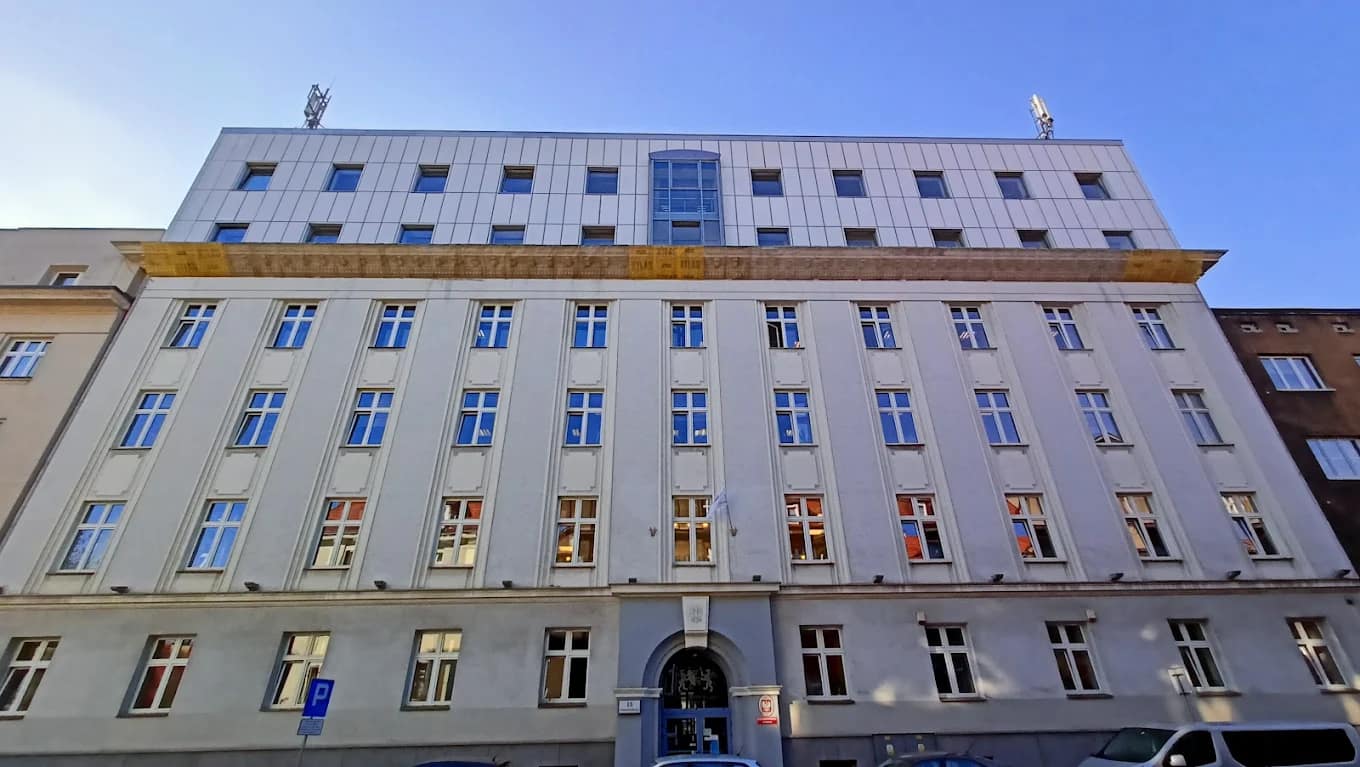
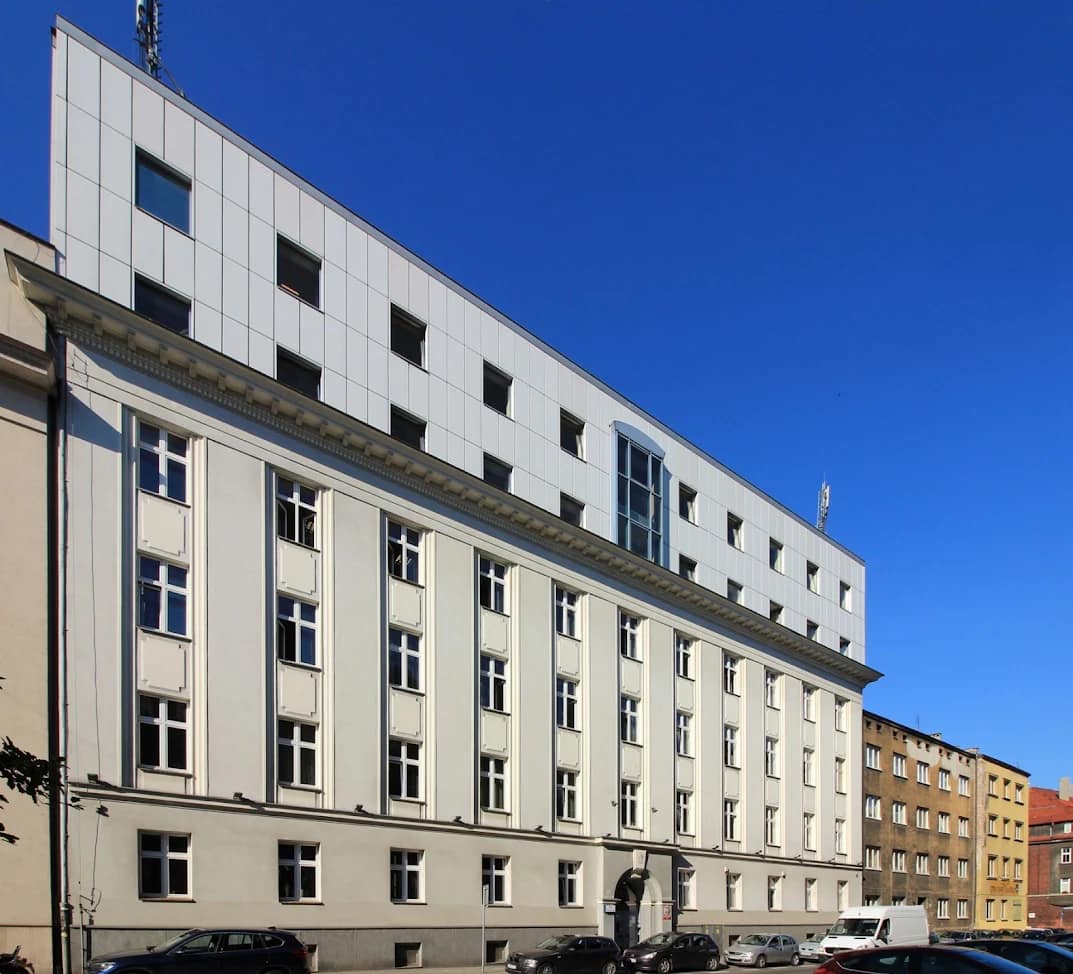
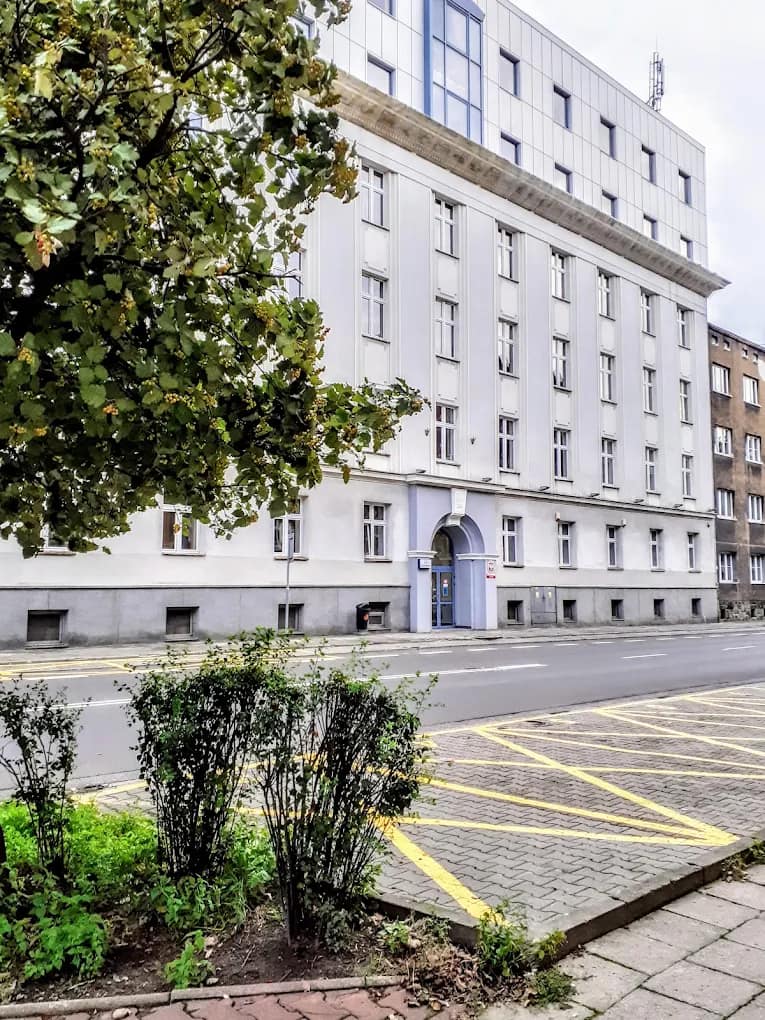
A modern faculty building of the Medical University of Silesia in Katowice
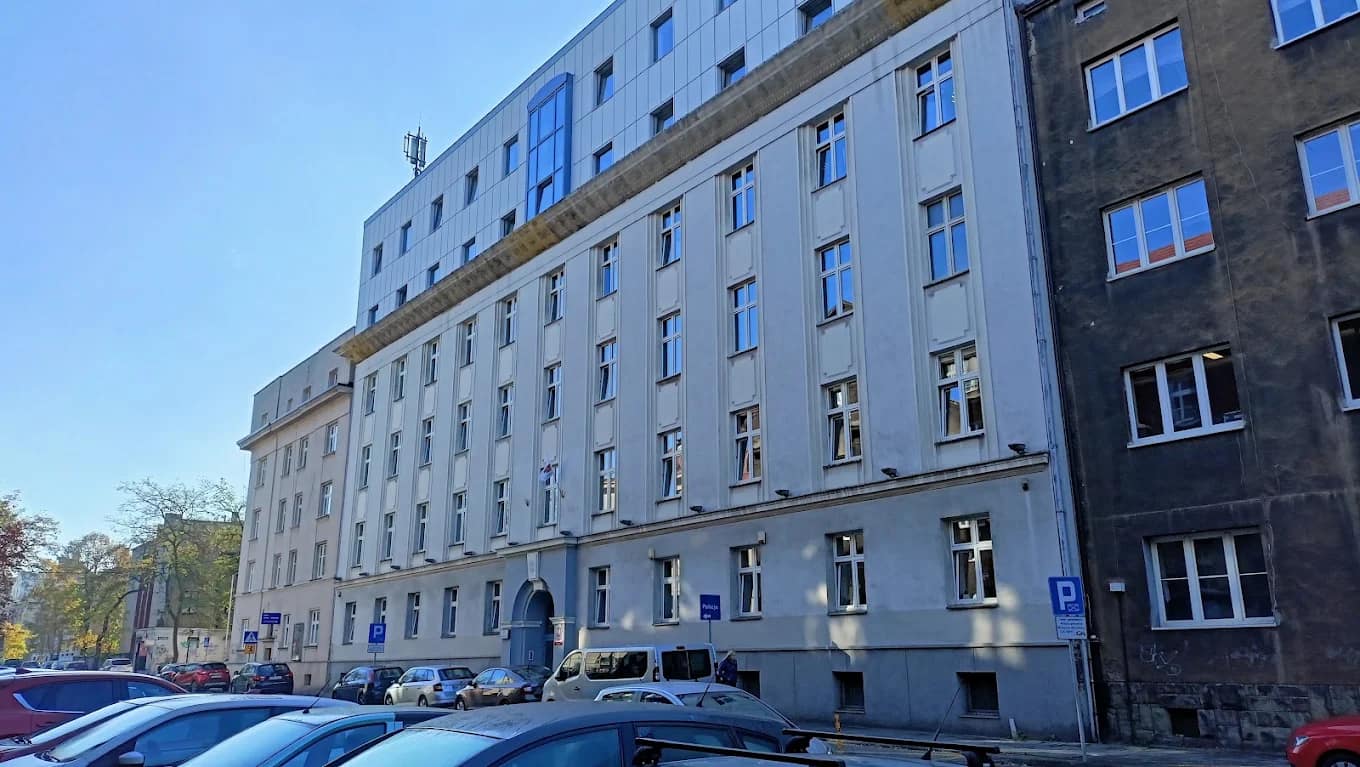
A Medical University of Silesia campus building in Katowice
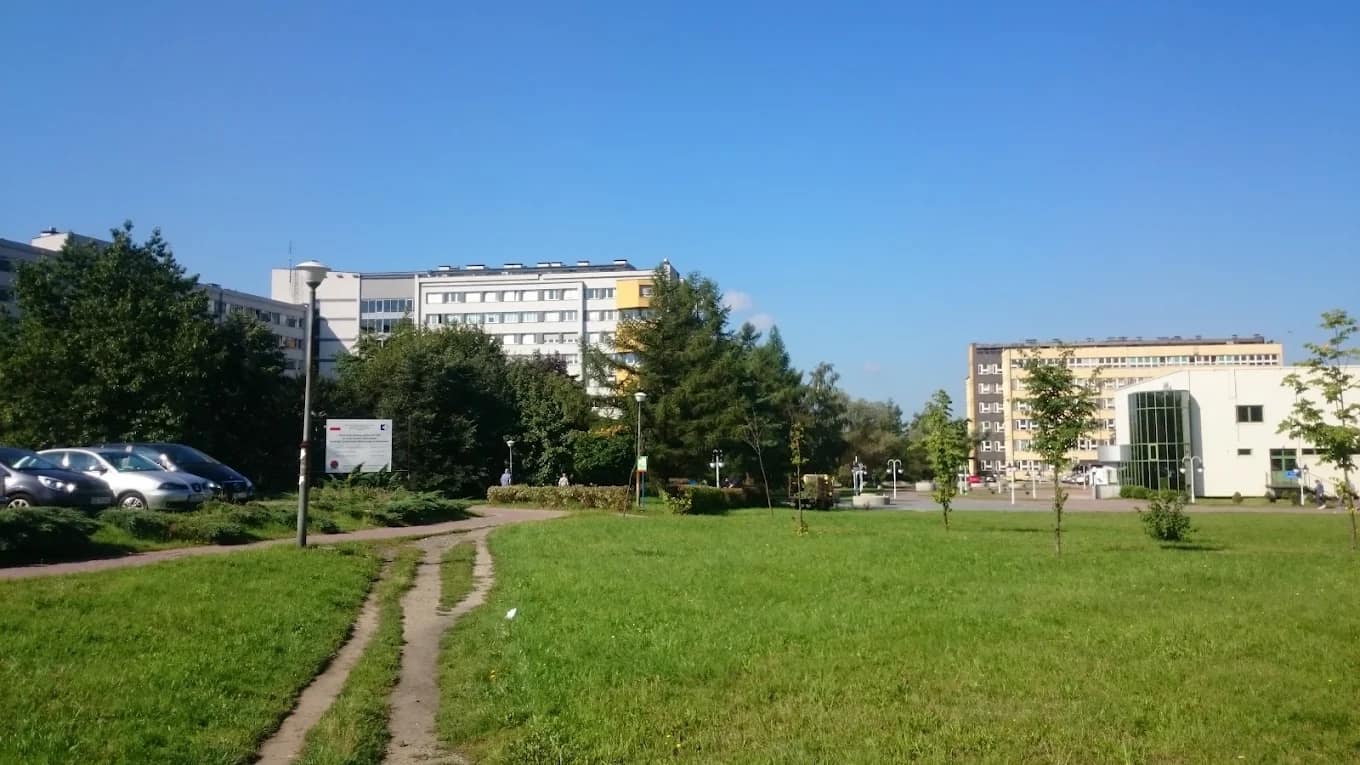
A campus building of the Medical University of Silesia with green grounds

A modern faculty building of the Medical University of Silesia in Katowice

Find out all about your MBBS-abroad options at the Medical University of Silesia

Download our free brochure for immediate information, or get personalised professional counselling from our experts.

Recognition & Prestige

Rankings & Recognition

The Medical University of Silesia is one of Poland's largest public medical universities, placed in the Times Higher Education World University Rankings 2026, with a degree that is automatically recognised across the European Union and a long-standing US-accredited English programme.

  • THE 1201–1500

    THE World University Rankings 2026 (13th in Poland)

  • EU-wide

    degree recognition under EU Directive 2005/36/EC

  • WDOMS

    Listed in the World Directory of Medical Schools

The medical degree is recognised internationally. The Medical University of Silesia is listed in the World Directory of Medical Schools (WDOMS), accredited by the Polish Accreditation Committee (PKA) and the Accreditation Committee of Academic Medical Universities (KAAUM), recognised by the US Department of Education and US state medical boards, and its lekarz (physician) degree is automatically recognised across the EU and EEA; graduates are ECFMG-eligible for the USMLE, and Indian graduates can qualify for practice in India through the NMC screening/exit examination (FMGE, transitioning to NExT).

Accreditations and Recognition

  • National Medical Commission (NMC) of India emblem

    NMC/MCI

    Graduates eligible for Indian licensing via the NMC screening examination (FMGE/NExT)

  • World Directory of Medical Schools emblem

    WDOMS

    Listed in the World Directory of Medical Schools; graduates eligible for ECFMG certification and the USMLE

  • Polish Accreditation Committee / WFME emblem

    PKA / KAAUM

    Accredited by the Polish Accreditation Committee (PKA) and the Accreditation Committee of Academic Medical Universities (KAAUM); US Dept of Education recognised

  • European Union emblem

    EU

    Degree automatically recognised across the EU and EEA under Directive 2005/36/EC

Complete Information About the Medical University of Silesia

Get complete information about the Medical University of Silesia in Katowice, including tuition, living costs, admission, EU recognition and the FMGE route for Indian students.

Success stories

Student Success Stories

Hear directly from students who are studying medicine in Europe with futureMBBS.

Academic Excellence

Why Study Medicine at the Medical University of Silesia

The Medical University of Silesia offers an English-taught, EU-recognised medical degree with a deep clinical tradition, in one of Poland's largest and most affordable metropolitan areas.

An EU-Recognised Degree

Because Poland is in the European Union, the lekarz (physician) degree from the Medical University of Silesia is automatically recognised across all EU and EEA member states under Directive 2005/36/EC, so graduates can seek to practise anywhere in Europe without a further recognition exam.

One of Poland's Biggest Medical Universities

With more than 10,000 students, around 60,000 graduates and campuses across the Upper Silesian metropolis, SUM is one of the largest public medical universities in Poland, offering a broad clinical base of six teaching hospitals.

A World-Renowned Cardiac Tradition

SUM's clinical base in Zabrze includes the Silesian Centre for Heart Diseases, where Zbigniew Religa performed Poland's first successful heart transplant in 1985, one of the strongest cardiac-surgery and transplantation traditions in Central Europe.

An English Programme Since 1996

The English-language medical programme has run since 1996, when the university was accredited by the US Department of Education, so Indian students join an established international division with a long track record.

Recognised for Every Major Route

The university is WDOMS-listed and ECFMG-eligible and recognised by US state medical boards, so graduates can pursue the USMLE for the United States, the UK's GMC route, EU practice, and India's NMC screening exam (FMGE, transitioning to NExT).

Affordable Metropolitan Living

Katowice and the surrounding Upper Silesian conurbation, Poland's largest urban area, are more affordable than Warsaw or Kraków, so students get an EU medical education while keeping living costs down.

Safe and Well-Connected

Poland recorded the single largest improvement of any country in the Global Peace Index 2025, rising to 22nd in the world, and Katowice was European City of Science 2024, a modern, well-connected student city.

Read all about MBBS abroad in our free brochure

Know exactly what options exist for your MBBS-abroad success.

How to Apply

Admission Process for MBBS

Admission to the 6-year English MD at the Medical University of Silesia is by a ranking list based on school-leaving grades, with an oral entrance examination where the certificate does not cover the required subjects. Indian students apply online to the SUM Admissions Office and should hold a valid NEET qualification for future licensing in India. Applications are made directly to the university.

Admission Timeline

  1. 1
    Winter 2025/26Application Opens

    Online applications for the 2026 intakes open on the SUM Admissions portal; SUM offers a Fall intake (European and International tracks) and a Spring intake (International track).

  2. 2
    Before applyingQualify NEET

    Indian applicants should hold a valid NEET-UG qualification, required by India's NMC for licensing after a foreign medical degree.

  3. 3
    On applicationRanking List & Entrance Exam

    Applicants are ranked on school-leaving grades in the required science subjects; an oral entrance examination in English (Biology plus Chemistry or Physics, held remotely) is required where the certificate does not cover them.

  4. 4
    Spring–Summer 2026Offer, Visa & Travel

    Successful applicants confirm their place and pay the fees, then apply for the Polish (EU) student visa and residence documents and prepare to travel to Katowice.

  5. 5
    On arrivalRegistration

    Students complete university and residence registration and any required medical checks before classes begin.

  6. 6
    Fall 2026Classes Begin

    The academic year begins in Katowice (a Spring intake begins the second semester).

Eligibility Criteria

Academic Qualification

Applicants must have completed Class 12 (or equivalent secondary education) with Biology and Chemistry (and ideally Physics) and strong science grades. For Indian students, the NMC requires a minimum aggregate of 50% in Physics, Chemistry and Biology (40% for reserved categories) plus English, and a valid NEET qualification, for licensing in India.

Subjects:

BiologyChemistryPhysicsEnglish

Age Requirement

Candidates should be at least 17 years old by 31 December of the admission year, in line with NMC rules for studying medicine abroad.

  • Minimum 17 yearsRequired age at the time of admission (NMC rule)

Requirements

Selection is by ranking list on school-leaving grades, with an oral entrance exam where required, together with English proficiency. Indian students also need a valid NEET result for future Indian licensing. Applications are made to the SUM Admissions Office.

  • Ranking List / Entrance Exam

    Admission on a ranking list of school-leaving grades; an oral entrance exam in English (Biology plus Chemistry or Physics) is required where the certificate does not cover the required subjects.

  • English Proficiency

    The programme is taught entirely in English; applicants provide an accepted English-proficiency certificate unless previously taught in English.

Entrance Examination

Admission is decided by the ranking list of grades and, where required, an oral entrance examination in the natural sciences.

ComponentRequirement
Ranking listSchool-leaving grades in the required science subjects
Oral entrance examIn English (Biology plus Chemistry or Physics), remote via MS Teams, where the certificate does not cover the subjects
NEET (Indian students)Valid NEET-UG qualification for future licensing in India

Required Documents

To apply, students need to submit essential academic and identification documents:

  • Completed online application to the SUM Admissions Office
  • Application fee (85/100 PLN)
  • Class 10 and 12 certificates and transcripts, English-proficiency certificate, NEET scorecard and a valid passport
  • Secondary-school diploma with apostille / recognition as required
  • + More

Admission Guidance & Document Checklist

Get the complete document checklist or admission guidance from our experts.

Program Structure

MBBS Curriculum & Internship Structure

The Medical University of Silesia teaches a six-year, 360-ECTS MD that moves from pre-clinical sciences on the Katowice-Ligota campus to full clinical training in the teaching hospitals, offered in a European track and an International track, taught in English and leading to the Polish lekarz (physician) degree, equivalent to an MBBS.

Medicine (General Medicine) Course

  • Total Duration:

    6 Years (360 ECTS)

  • Degree:

    MD / lekarz (physician — equivalent to MBBS)

Curriculum Phases at the Medical University of Silesia

  • Years 1–3

    Pre-Clinical Sciences

    The first three years cover the basic and disease sciences on the Katowice-Ligota campus, through lectures, seminars and laboratory work, with early clinical skills and Polish for patient contact:

    AnatomyHistologyPhysiologyBiochemistry
    Medical BiologyPathomorphologyPharmacologyMicrobiologyPathophysiologyClinical SkillsMedical Polish
  • Years 4–5

    Clinical Training

    The clinical years are based in the university teaching hospitals, with rotations across the major specialties and the strong cardiology and cardiac-surgery base of the Silesian centres:

    Internal MedicineGeneral SurgeryCardiologyPaediatrics
    Obstetrics & GynaecologyNeurologyPsychiatryRadiologyOncologyFamily Medicine
  • Year 6

    Final Clinical Year

    The final year is a clinical, near-internship year across the core disciplines, preparing students for the final diploma examination and for licensing exams such as the FMGE, USMLE or the Polish LEK:

    Advanced Internal MedicineSurgeryPaediatricsObstetrics & Gynaecology
    Emergency MedicineIntensive CareClinical ElectivesDiploma Examination

Clinical Rotations

Clinical training takes place across the Medical University of Silesia's six public teaching hospitals — four in Katowice and two in Zabrze — including the University Clinical Center prof. K. Gibiński, the Upper Silesian Medical Centre prof. Leszek Giec, and the world-renowned Silesian Centre for Heart Diseases in Zabrze. An indicative pattern:

PhaseFocus
Years 1–3Pre-clinical sciences, clinical skills and early patient contact on the Katowice-Ligota campus
Years 4–5Rotations in internal medicine, surgery, cardiology, paediatrics and obstetrics and gynaecology in the teaching hospitals
Year 6Final clinical year across the core disciplines, with electives and the diploma examination

Get the full curriculum

Download a free brochure to see detailed subjects, the course structure and everything you need to plan your studies.

Legacy

Prominent Figures of the Medical University of Silesia

The Medical University of Silesia has been at the centre of Polish cardiac surgery, nephrology and occupational medicine, home to some of the country's most celebrated doctors.

Prof. Zbigniew Religa

The cardiac surgeon who, in Zabrze in 1985, performed the first successful human heart transplant in Poland. He built the department that became the Silesian Centre for Heart Diseases, transforming cardiac surgery in the country, and later served as Poland's Minister of Health.
Prof. Marian Zembala

A cardiac and transplant surgeon and long-time director of the Silesian Centre for Heart Diseases in Zabrze, and a member of the 1985 team behind Poland's first heart transplant. A pioneer of heart and lung transplantation, he also served as the country's Minister of Health.

Prof. Franciszek Kokot

One of Poland's greatest nephrologists and endocrinologists, who studied and worked at the Silesian Medical Academy, founded and led its Department of Nephrology, and served as Rector from 1982 to 1984. A member of the Polish Academy of Sciences.

Prof. Kornel Gibiński

A distinguished internist and gastroenterologist at the Silesian Medical Academy and a member of the Polish Academy of Sciences. A founder of modern Polish gastroenterology, he is honoured in the name of the University Clinical Center prof. K. Gibiński in Katowice.

Prof. Stefan Ślopek

A microbiologist and immunologist associated with the Silesian Medical Academy, known for work on a typhoid vaccine and on bacteriophage therapy. His research contributed to Poland's strong tradition in medical microbiology and phage medicine.

Prof. Brunon Nowakowski

A pioneer of Polish hygiene and occupational medicine and the first Rector of the Medical Academy of Silesia when it was founded in 1948. He shaped the young school's focus on the health of Poland's industrial Silesian population.

Faculty

The Medical University of Silesia is led by Rector Professor Tomasz Szczepański, a paediatric haematologist and oncologist. Teaching is delivered by experienced physicians, surgeons and scientists across the university's six teaching hospitals, including the internationally renowned cardiac-surgery and transplantation teams in Zabrze, preparing students for the FMGE, NExT, USMLE and EU practice.

Academic Expertise

  • Experienced physicians and surgeons

  • One of Poland's largest medical faculties

  • World-renowned cardiac-surgery school in Zabrze

  • Six public teaching hospitals

Student Support & Mentorship

  • English programme since 1996

  • US-accredited history

  • Clinical supervision during rotations

  • International student community

About University

History Information

Founded in 1948

The Medical University of Silesia traces its origins to 1948, when the Medical Academy of Silesia was founded in Rokitnica Bytomska to train doctors for the industrial Upper Silesian region, with the hygiene pioneer Brunon Nowakowski as its first Rector.

The Silesian Medical Academy

Renamed the Silesian Medical Academy in 1950, the institution grew through the following decades, and in 1971 Katowice became its official seat, with a large campus built in the Katowice-Ligota district.

A Cardiac-Surgery Pioneer

In 1985, in Zabrze, the Silesian cardiac-surgery school led by Zbigniew Religa performed the first successful heart transplant in Poland, and the Silesian Centre for Heart Diseases became one of Europe's leading cardiac and transplant centres.

Medical University of Silesia Today

Granted university status and its present name in 2007, the university today teaches more than 10,000 students across Katowice, Zabrze, Sosnowiec and Bytom, has run an English medical programme since 1996, and is placed in the Times Higher Education World University Rankings 2026.

Get all information about the Medical University of Silesia in our free brochure

Read on to find out how you can study medicine at the Medical University of Silesia in Katowice.

Role in medicine

Role in medical education

One of Poland's Largest Medical Universities

The Medical University of Silesia has trained doctors for the industrial Upper Silesian region since 1948 and is one of Poland's largest medical universities, with around 60,000 graduates. Its clinical teaching is built on six public teaching hospitals across Katowice and Zabrze, giving students an unusually broad clinical base.

A Home of Polish Cardiac Surgery

SUM's Zabrze clinical base, the Silesian Centre for Heart Diseases, is where Poland's first successful heart transplant was performed in 1985, and it remains one of Europe's leading centres for cardiac surgery and heart and lung transplantation, giving students exposure to world-class clinical care.

An International Medical Community

The English-language medical programme has run since 1996, with US Department of Education recognition, and draws students from the US, Scandinavia, the UK, the Middle East, Africa and, increasingly, India, with an EU-recognised degree and USMLE and UK routes open to graduates.

Get all information about the Medical University of Silesia in our free brochure

Read on to find out how you can study medicine at the Medical University of Silesia.

Cost of living

MBBS Living Cost in Katowice

Katowice and the Upper Silesian metropolis are more affordable than Warsaw or Kraków, while still offering EU-standard student life. Here is the approximate monthly breakdown for an Indian student.

Monthly Living Cost

Cost ComponentApproximate Amount
Accommodation (dormitory / shared flat)₹20,000 – ₹40,000
Food₹16,000 – ₹22,000
Transportation₹1,500 – ₹2,000
Other Expenses (Utilities, Internet, Leisure)₹8,000 – ₹14,000
Get Free MBBS Guide

Average monthly living cost

₹42,000 – ₹72,000

Housing

Accommodation

The Medical University of Silesia offers student dormitories near its campuses, and many international students also rent private flats across Katowice and the wider Silesian metropolis.

SUM Student Dormitories

The Medical University of Silesia runs student dormitories (Domy Studenta) near its campuses in Katowice-Ligota, Zabrze, Sosnowiec and Bytom, giving international students secure, affordable housing close to lectures and the teaching hospitals.

Furnished Rooms

Dormitory rooms are furnished, usually single or twin rooms in shared units with kitchens and common areas, internet and laundry, and are among the most economical housing in the region.

Monthly Cost

University dormitory places are cheaper than private rent, and a private or shared room in Katowice typically costs around PLN 1,200–2,000 per month (roughly ₹27,000–₹45,000), lower than in Warsaw or Kraków.

A Supported First Year

First-year international students are encouraged to apply for a dormitory place on arrival, which keeps them close to fellow students and eases the move to a new country and climate.

How to Apply

Dormitory places are requested through the university's student services after admission; because demand is high, students should apply for a room as soon as they accept their offer.

Private Flats

Students who prefer more comfort or independence can choose privately operated student residences, or rent or share a private flat. Both options cost noticeably more than the university halls, and students organise this independently as the university does not arrange private housing.

A Well-Connected Metropolis

Katowice sits at the centre of the Upper Silesian conurbation, Poland's largest urban area, with an extensive tram, bus and rail network and discounted student passes, so students can live across the metropolis and reach the campuses easily.

Winter Readiness

Katowice has cold, snowy winters, so students should budget for warm clothing and heating, a real adjustment for students from most parts of India.

Need accommodation details?

Get a full overview of housing options with our university guide, or reach out to an expert.

Food & Dining

100% Veg Options and Indian Food, Always Available

Indian and vegetarian food is easily available in restaurants, grocery stores and student kitchens across Katowice and the Upper Silesian metropolis.

Katowice has a strong student food scene, including cheap 'milk bar' (bar mleczny) canteens and the restaurants around the Rynek and Mariacka Street, with vegetarian and vegan options widely available.

Location

How to Reach the Medical University of Silesia

Address

Medical University of Silesia in Katowice (Śląski Uniwersytet Medyczny w Katowicach), ul. Poniatowskiego 15, 40-055 Katowice, Poland (with campuses also in Zabrze, Sosnowiec and Bytom)

  • Nearest Airport

    Katowice Airport (KTW), about 30 km from the city; Kraków Airport (KRK) is around 1.5 hours away, with flights from India via Gulf and European hubs

  • Local Transport

    The Upper Silesian metropolis has an extensive tram, bus and rail network with discounted student passes, and fast rail links to Kraków, Warsaw and the rest of Poland

Your Roadmap to Success

Career Pathways After Medicine at the Medical University of Silesia

Graduates earn the Polish lekarz (physician) degree, equivalent to an MBBS. Because it is listed in EU Directive 2005/36/EC, the degree is automatically recognised across all EU and EEA member states, so graduates can seek to practise throughout Europe without a further recognition examination.

Understand the Medical Licensing Pathway

A clear overview of the exams and requirements after graduation.

Practising in India

FMGE & NExT Details

To practise medicine in India after graduating from the Medical University of Silesia, Indian students follow the licensing pathway set by the National Medical Commission (NMC). Because SUM is a WDOMS-listed, English-taught six-year programme, it meets the NMC's core criteria, and students should qualify NEET-UG before joining.

  1. Step 1

    National Exit Test (NExT)

    Graduates must clear the qualifying examination that licenses foreign medical graduates to practise in India. At present this is the Foreign Medical Graduate Examination (FMGE), which the NMC plans to replace with the National Exit Test (NExT).

  2. Step 2

    Clinical Internship (CRRI)

    After qualifying, students complete the required one-year Compulsory Rotatory Residential Internship (CRRI) in India, which builds hands-on experience in Indian clinical settings under the NMC's framework.

  3. Step 3

    Medical Registration

    The final step is registration with the National Medical Commission (NMC) or the relevant State Medical Council. Once registered, the graduate holds a full licence to practise medicine in India.

Student Life Style

Student life at the Medical University of Silesia

Life at the Medical University of Silesia combines a demanding English-taught medical course with life in Katowice, the heart of Poland's largest metropolis, and an established international student community.

A building of the Medical University of Silesia in Katowice

A building of the Medical University of Silesia in Katowice

Academics

The six-year programme is taught in English, moving from pre-clinical sciences on the Katowice-Ligota campus to clinical rotations in the six teaching hospitals, including the world-class cardiac-surgery base in Zabrze, with Polish taught for patient contact.

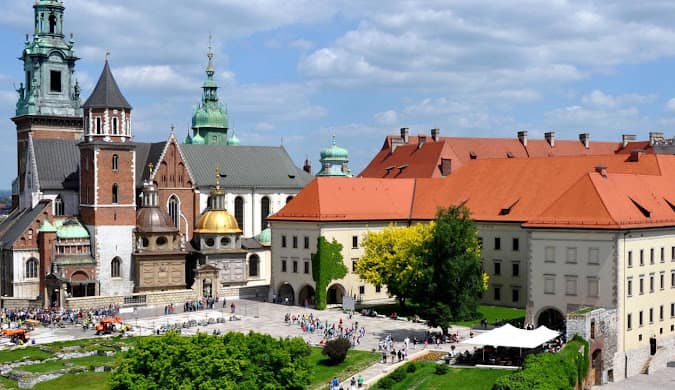
Wawel Royal Castle and cathedral above the Vistula river in Poland

Wawel Royal Castle and cathedral above the Vistula river in Poland

Campus and City

The university spans campuses in Katowice, Zabrze, Sosnowiec and Bytom, with laboratories, libraries and student dormitories, in a modern metropolis that was European City of Science 2024 and is known for its music, culture and revitalised post-industrial districts.

Challenges and Growth

The course is demanding and the fees are a significant commitment, so students should budget carefully, but they graduate with a THE-world-ranked, EU-recognised degree and skills valued across Europe, the US and beyond.

Social Life

With an international student body drawn from the US, Scandinavia, the UK, the Middle East, Africa and India, Katowice offers a lively student life, an established international community, Indian restaurants and grocery stores, and Diwali and Holi celebrations organised by student groups, so students find familiar culture away from home.

Overall Experience

Studying medicine at the Medical University of Silesia is about earning a respected, EU-recognised degree at one of Poland's largest medical universities and growing into a doctor with genuinely international options across Europe, the US, the UK and India.

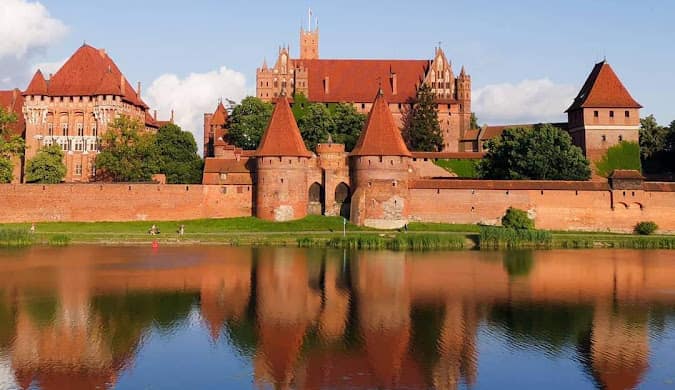
A historic red-brick castle in northern Poland

A historic red-brick castle in northern Poland

Scholarship & Financial

Scholarship & Financial Aid

Honest note first: fee-paying international medicine at the Medical University of Silesia has limited scholarship support, so families should plan as fully self-funded, though a couple of external routes exist.

The Polish National Agency for Academic Exchange (NAWA) runs Polish government scholarship programmes for international students and researchers; these are competitive and mostly aimed at specific countries, agreements and postgraduate study rather than fee-paying English-programme MD students, but they are the main national scheme to explore.

  • Polish government funding via NAWA
  • Competitive, programme-specific
  • Apply through the NAWA portal (nawa.gov.pl)

Ratings

Reviews & Ratings

Hear from students and alumni about their experience at the Medical University of Silesia.

4.4

121 reviews

Academics4.5
Infrastructure4.4
Hostel4.2
Campus Life4.4
Value for Money4.3
  • A big university with world-class cardiology

    Student — Medicine 2022

    It is one of Poland's biggest medical universities, and the cardiac-surgery tradition in Zabrze is famous. The degree works across the EU, and Katowice is cheaper than Warsaw.

  • Established English programme

    Student — Medicine 2021

    The English programme has run since the 1990s, so everything for international students is well organised, and there are six teaching hospitals. The winters are cold, so come prepared.

Compare

Compare Colleges

Compare the Medical University of Silesia with a leading Indian medical college.

Quick Comparison:

Medical University of Silesia vs CMC Vellore

University
Medical University of SilesiaKatowice, Poland
CMC VelloreTamil Nadu, India
University TypePublicPrivate (minority)
MediumEnglishEnglish
Course Duration6 years (MD / lekarz)5.5 years (MBBS)
Tuition (per year)~₹14.75 lakh (65,500 PLN)~₹3–4 lakh
AdmissionRanking list + oral entrance exam where requiredNEET-UG
RecognitionWDOMS; EU-wide (Directive 2005/36/EC); NMC-eligible via FMGE/NExTNMC-recognised
Global RankingTHE World-ranked (2026); English programme since 1996Not in QS top 500

Compare Top MBBS Universities for Me

See key differences in fees, ranking, eligibility and recognition.

Our blog

Medical Education Insights

Articles that turn complex MBBS-abroad rules into simple, practical steps for students and parents.

FAQ

Frequently Asked Questions

Short answers to the questions students and parents ask most often about MBBS at the Medical University of Silesia.