Free Webinar: MBBS in India

Sat, September 5, 2026 | 7:00 PM

Reserve my Seat
futureMBBS

Free Webinar: MBBS in India

Sat, September 5, 2026 | 7:00 PM

Reserve my Seat
futureMBBS
Tashkent, Uzbekistan

Tashkent Medical Academy

An English-medium MBBS (Physician, General Medicine) at one of Uzbekistan's oldest and leading state medical universities — now part of Tashkent State Medical University — recognised in the World Directory of Medical Schools and affordable for Indian students.

  • MBBS student
  • MBBS student
  • MBBS student
  • MBBS student

5000+ Students trust us

Uzbekistan

Country

Tashkent

City

6 Years

Course duration

English

Medium of instruction

Introduction

Tashkent Medical Academy

Tashkent Medical Academy (TMA) is one of the oldest and most respected state medical universities in Uzbekistan, with a medical-teaching lineage that goes back to 1919. It is located in Tashkent, the capital, and offers a six-year, English-medium medical programme leading to the qualification of Physician (General Medicine), the Uzbek equivalent of an MBBS. In April 2025 the Academy was merged, by presidential decree, with the Tashkent Pediatric Medical Institute and the Tashkent State Dental Institute to form the new Tashkent State Medical University (TSMU), so students now graduate with a TSMU degree. The medical school is listed in the World Directory of Medical Schools and its graduates are eligible to apply for ECFMG certification, and, with the right steps, for Indian licensing. For Indian students it is a popular, affordable, NEET-based route into medicine abroad, with a large and growing Indian student community in Tashkent.

  • Study program:MBBS — Physician (General Medicine)
  • Language:English (for the international programme)
  • Duration:6 Years (including internship)
  • University type:Public (state) medical university
  • Tuition fees:Approx. US$3,500/year (about ₹3.0 lakh/year, approx.); around US$21,000–30,000 for the whole course (about ₹18–26 lakh, approx.)
  • Entrance examination:No UCAT/IELTS; direct admission on Class 12 (PCB) marks with a qualifying NEET-UG score (NEET mandatory for Indian students)
  • Application deadline:Intake in September/October each year
  • Recognition:Listed in the World Directory of Medical Schools (WFME-recognised accreditation); ECFMG-eligible; NMC/FMGE pathway for India
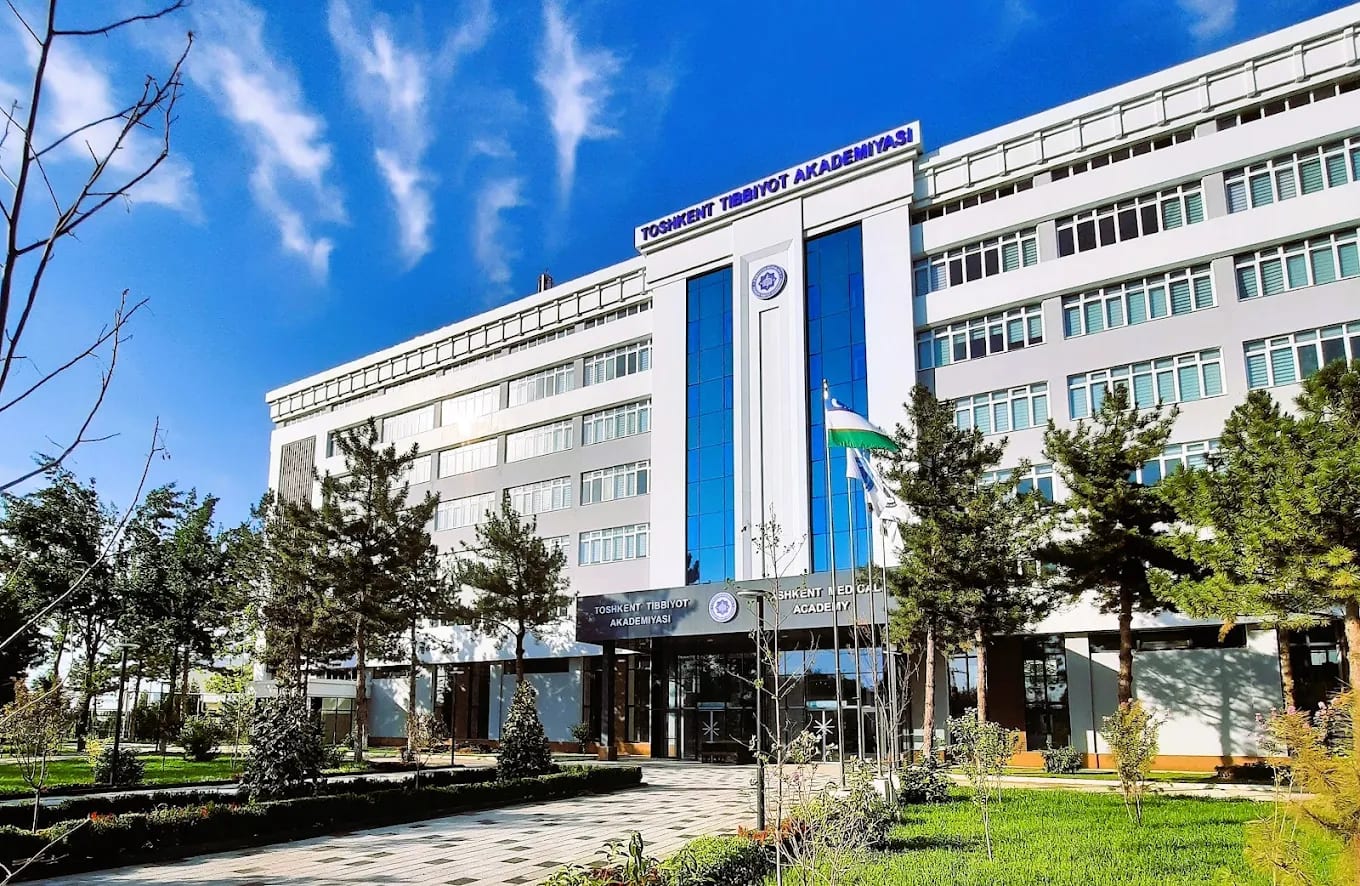
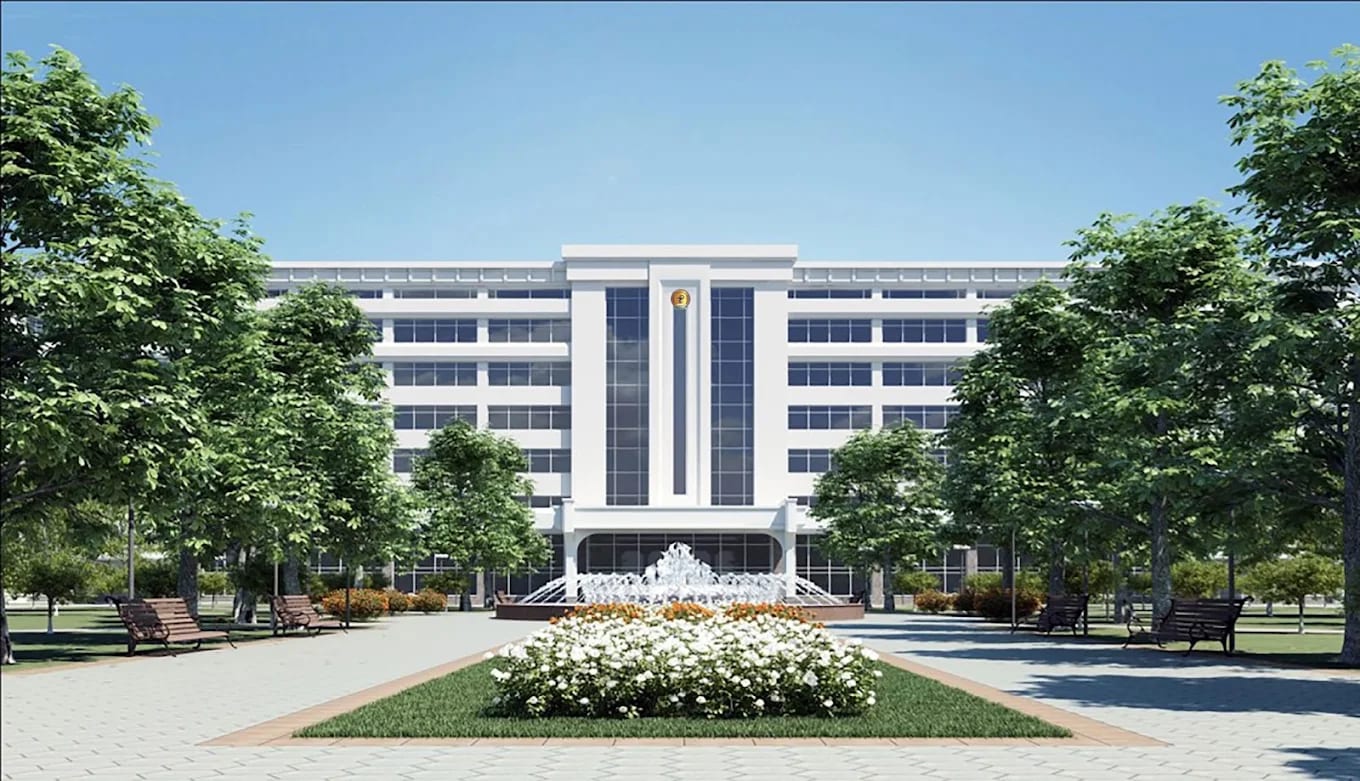
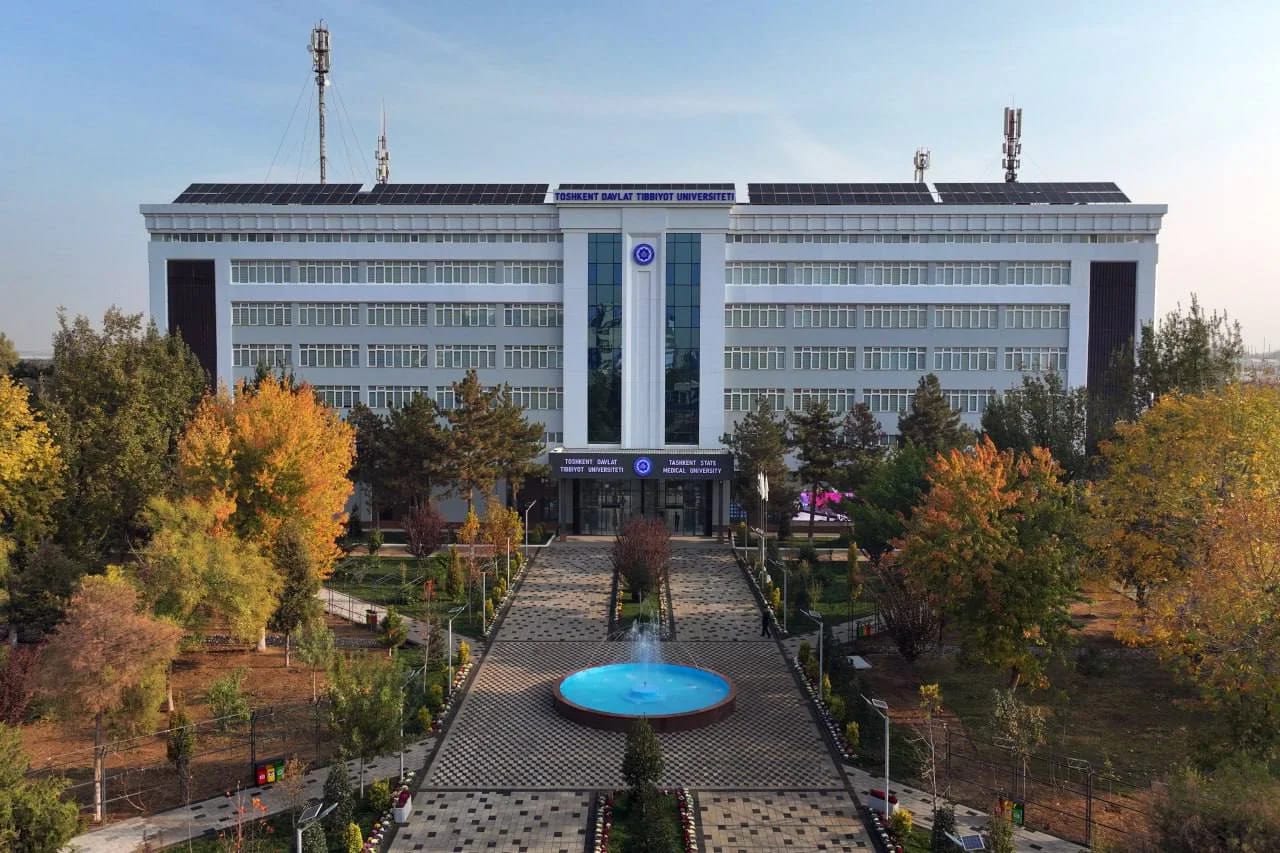
A Tashkent Medical Academy campus building with a fountain and gardens
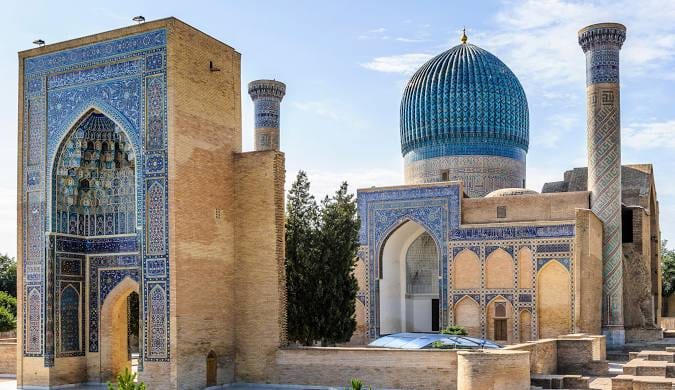
The Gur-e-Amir mausoleum in Samarkand, Uzbekistan
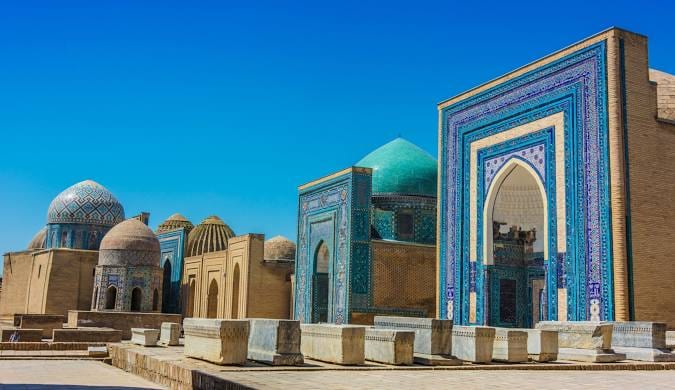
The Shah-i-Zinda necropolis in Samarkand, Uzbekistan

A Tashkent Medical Academy campus building with a fountain and gardens

Find out all about your MBBS-abroad options at Tashkent Medical Academy

Download our free brochure for immediate information, or get personalised professional counselling from our experts.

Recognition & Prestige

Rankings & Recognition

Tashkent Medical Academy (now Tashkent State Medical University) is one of Uzbekistan's leading state medical universities. Its strength for international students is recognition and affordability, not global ranking: it is listed in the World Directory of Medical Schools under WFME-recognised accreditation, its graduates are eligible for ECFMG certification, and, with the right steps, they can qualify to practise in India.

  • WDOMS

    Listed in the World Directory of Medical Schools (WFME-recognised)

  • ECFMG

    Graduates eligible to apply for ECFMG certification (USA)

  • English

    Fully English-medium for international students

Tashkent Medical Academy (now Tashkent State Medical University) is listed in the World Directory of Medical Schools under WFME-recognised accreditation (FAIMER ID F0002249), it is a state medical university under the Uzbekistan Ministry of Health and Ministry of Higher Education, its graduates are eligible to apply for ECFMG certification for the United States, and Indian students can qualify to practise in India through the National Medical Commission screening/exit examination, subject to meeting NMC conditions.

Complete Information About Tashkent Medical Academy

Get complete information about studying MBBS at Tashkent Medical Academy, including fees, the admission process and recognition for Indian students.

Success stories

Student Success Stories

Hear directly from students who are studying medicine in Europe with futureMBBS.

Academic Excellence

Why Study MBBS at Tashkent Medical Academy

Tashkent Medical Academy offers an affordable, English-medium, internationally recognised medical degree at one of Uzbekistan's oldest state medical universities, in a safe capital city with a large Indian student community.

A Century of Medical Teaching

TMA (now Tashkent State Medical University) traces its medical-teaching lineage to 1919, making it one of the oldest and most established medical schools in Uzbekistan and Central Asia.

English-Medium MBBS

The programme for international students is taught fully in English, so Indian students can study the entire medical curriculum without first learning Russian or Uzbek.

Internationally Recognised

The school is listed in the World Directory of Medical Schools under WFME-recognised accreditation, and its graduates are eligible to apply for ECFMG certification for the United States.

Affordable Fees

Tuition is about US$3,500 per year and the whole six-year course costs roughly US$21,000–30,000 (about ₹18–26 lakh), a fraction of the cost of private medical colleges in India or medical schools in the UK.

A NEET-Based, Direct-Admission Route

For Indian students admission is direct, based on Class 12 (PCB) marks and a qualifying NEET-UG score, with no separate entrance test like the UCAT and no IELTS requirement for the English track.

A Recognised Pathway Back to India

With NEET before starting and the right course and internship, Indian graduates can sit the FMGE/NExT and qualify to practise in India, as well as pursue licensing in other countries.

A Familiar, Affordable City

Tashkent is a safe, modern capital with a low cost of living, a large and growing Indian medical-student community, direct flights from India and easily available Indian and vegetarian food.

Read all about MBBS abroad in our free brochure

Know exactly what options exist for your MBBS-abroad success.

How to Apply

Admission Process for MBBS

Admission to Tashkent Medical Academy for Indian students is direct and NEET-based: it is decided on Class 12 (PCB) marks together with a qualifying NEET-UG score, with no separate entrance examination like the UCAT and no IELTS requirement for the English-medium programme. NEET is mandatory both to study MBBS abroad and to practise in India afterwards.

Admission Timeline

  1. 1
    Class 12 & NEETQualify Class 12 and NEET-UG

    Applicants must have passed Class 12 with Physics, Chemistry and Biology and English, and must have a qualifying NEET-UG score, which is mandatory for any Indian student studying MBBS abroad.

  2. 2
    ApplySubmit the Application

    Applicants submit an application with academic documents and passport to the university or its authorised representatives; there is no separate university entrance exam for the English track.

  3. 3
    Offer / Admission LetterReceive the Admission Letter

    Eligible students receive an admission (invitation) letter from the university confirming their place on the international MBBS programme.

  4. 4
    VisaApply for the Student Visa

    Students apply for the Uzbekistan student visa with the admission letter and supporting documents, and arrange travel to Tashkent.

  5. 5
    September/OctoberEnrolment

    Students enrol and register at the university at the start of the academic year, typically in September or October, and complete arrival formalities and a medical check.

  6. 6
    Course BeginsStudies Begin

    The six-year, English-medium MBBS (Physician, General Medicine) programme begins in Tashkent.

Eligibility Criteria

Academic Qualification

Applicants must have passed Class 12 (or equivalent) with Physics, Chemistry, Biology and English. The general requirement is a minimum of 50% marks in Physics, Chemistry and Biology taken together (with the standard relaxation to 40% for SC/ST/OBC and other reserved categories), in line with the National Medical Commission's eligibility norms for studying MBBS abroad.

Subjects:

Physics, Chemistry, Biology and English at Class 12 (minimum 50% in PCB; 40% for reserved categories)

Age Requirement

Applicants must have completed, or will complete, 17 years of age on or before 31 December of the year of admission, in line with the National Medical Commission's rules for MBBS.

  • NEET-UG qualification is mandatoryRequired both to study MBBS abroad and to sit the FMGE/NExT for practice in India

Requirements

Indian applicants need Class 12 with PCB, a qualifying NEET-UG score, a valid passport and the supporting documents for admission and the student visa. There is no separate university entrance test for the English-medium programme, and no IELTS is generally required.

  • NEET & Class 12

    A qualifying NEET-UG score and Class 12 with Physics, Chemistry and Biology are the core academic requirements for admission and for later Indian licensing.

  • No UCAT or IELTS

    Unlike UK schools, there is no UCAT admissions test, and the English-medium programme generally does not require IELTS, making admission simpler for Indian students.

Admissions Test

There is no university entrance examination like the UCAT for the international programme; for Indian students the operative requirement is NEET-UG plus Class 12 marks.

ComponentRequirement
Application routeDirect application to the university or its authorised representatives
Admissions testNo UCAT/IELTS; qualifying NEET-UG score required for Indian students
Academic requirementClass 12 with PCB and English; minimum 50% in PCB (40% for reserved categories)
IntakeSeptember / October each year
India-side requirementNEET-UG qualification, mandatory to study abroad and for later FMGE/NExT licensing in India

Required Documents

Indian applicants typically provide the following documents for admission and the student visa:

  • Class 10 and Class 12 mark sheets and certificates
  • NEET-UG scorecard for the relevant year
  • Valid passport (with sufficient validity)
  • Passport-size photographs and a birth certificate
  • Admission/invitation letter, medical fitness certificate and visa documents; documents may need attestation/apostille
  • + More

Admission Guidance & Document Checklist

Get the complete document checklist or admission guidance from our experts.

Program Structure

MBBS Course Structure at Tashkent Medical Academy

The six-year, English-medium programme leads to the qualification of Physician (General Medicine), the Uzbek equivalent of an MBBS. Early years cover the basic medical sciences, middle years the clinical subjects with hospital training, and the final year is a clinical internship.

MBBS (Physician, General Medicine) Course

  • Total Duration:

    6 Years (including the internship year)

  • Degree:

    Physician (General Medicine) — the Uzbek MBBS-equivalent qualification

Course Phases at Tashkent Medical Academy

  • Years 1–2

    Basic Medical Sciences

    The pre-clinical foundation years, taught in English, covering the core basic medical sciences with laboratory and early clinical-skills work:

    AnatomyPhysiologyBiochemistryHistology
    MicrobiologyMedical humanities
  • Years 3–4

    Para-clinical & Clinical Subjects

    The para-clinical and early clinical years, introducing disease mechanisms and clinical subjects with training in the university's multidisciplinary clinic and Tashkent hospitals:

    PathologyPharmacologyForensic MedicineInternal Medicine
    Surgery
  • Year 5

    Senior Clinical Subjects

    Senior clinical study across the major specialties, with increasing hands-on hospital training under supervision:

    Obstetrics & GynaecologyPaediatricsPsychiatryCommunity Medicine
    Surgical and medical specialties
  • Year 6

    Internship

    A final internship year of supervised clinical practice completing the six-year programme, after which graduates receive the Physician (General Medicine) qualification.

    Rotational clinical internship across the major departments

Clinical Training & Internship

Clinical training takes place in the university's multidisciplinary clinic and partner hospitals and specialised medical centres in Tashkent, followed by the final internship year. For Indian students, a further internship in India is required for Indian registration (see the FMGE & NExT section). An indicative pattern is:

PhaseFocus
Years 3–5Clinical training in Internal Medicine, Surgery, Paediatrics, Obstetrics & Gynaecology, Psychiatry and the specialties in the university clinic and Tashkent hospitals
Year 6A rotational clinical internship completing the Physician (General Medicine) qualification
Back in IndiaIndian graduates clear the FMGE/NExT and complete the required internship in India before registering with the NMC or a State Medical Council

Get the full curriculum

Download a free brochure to see detailed subjects, the course structure and everything you need to plan your studies.

Legacy

Prominent Figures in the History of Tashkent Medicine

Over more than a century, Tashkent's medical school and its predecessor institutes have been shaped by notable physicians and academics. The historical figures below are drawn from the institution's documented record.

Pyotr F. Borovsky

Pyotr Fokich Borovsky was a distinguished physician and surgeon whose name is remembered in 'Borovsky's disease' (cutaneous leishmaniasis), after his description of its causative organism. He served as a dean of the medical faculty of the predecessor of Tashkent Medical Academy in the 1920s and is one of the most notable figures in the history of medicine in Tashkent.
Professor P. P. Sitkovsky

Professor P. P. Sitkovsky was the first dean of the medical faculty founded in Tashkent in 1919, the institution from which Tashkent Medical Academy ultimately grew. He helped establish organised medical education in Uzbekistan in the earliest years of the school.

Professor G. P. Fedorov

Professor G. P. Fedorov was the first rector of the Tashkent Medical Institute when it was established as a separate institution in 1931, a key step in the development of the medical school that became Tashkent Medical Academy and later Tashkent State Medical University.

Faculty

Teaching is delivered by the university's medical faculties and departments, across the basic sciences and the clinical specialties, with clinical training in the university's multidisciplinary clinic and Tashkent hospitals. Following the 2025 merger, the university is led by the Rector of Tashkent State Medical University, Professor Shukhrat Boymurodov.

Academic Expertise

  • A century-old medical-teaching tradition

  • Basic-science and clinical departments

  • A multidisciplinary university clinic for training

  • English-medium teaching for international students

Student Support & Mentorship

  • Support for a large international student community

  • Hostel and arrival assistance

  • Clinical supervision in hospitals

  • Guidance for Indian students on FMGE/NExT

About University

History Information

The Tashkent State Medical University building, the new institution formed in 2025

The Tashkent State Medical University building, the new institution formed in 2025

Medical Teaching Since 1919

Medical education in Tashkent began in 1919 with the medical faculty of Turkestan State University, which was reorganised as the Tashkent Medical Institute in 1931. For over a century this institution has trained doctors for Uzbekistan and Central Asia, becoming one of the region's leading centres of medical education.

The Tashkent Medical Academy (2005)

In 2005, by presidential decree, the First and Second Tashkent State Medical Institutes were merged to form the Tashkent Medical Academy, bringing the city's medical teaching together into a single large academy with multiple faculties, dozens of departments and its own multidisciplinary clinic.

Merger into Tashkent State Medical University (2025)

In April 2025, by presidential decree, Tashkent Medical Academy was merged with the Tashkent Pediatric Medical Institute and the Tashkent State Dental Institute to form the new Tashkent State Medical University, which began operating from the 2025/26 academic year. Students now graduate with a Tashkent State Medical University degree.

A Leading University Today

Today the university is one of the largest and most established medical universities in Uzbekistan, listed in the World Directory of Medical Schools, teaching a large international student body in English and continuing a medical-teaching tradition more than a hundred years old.

Get all information about Tashkent Medical Academy in our free brochure

Read on to find out how you can fulfil your dream of studying MBBS at Tashkent Medical Academy.

Role in medicine

Role in medical education

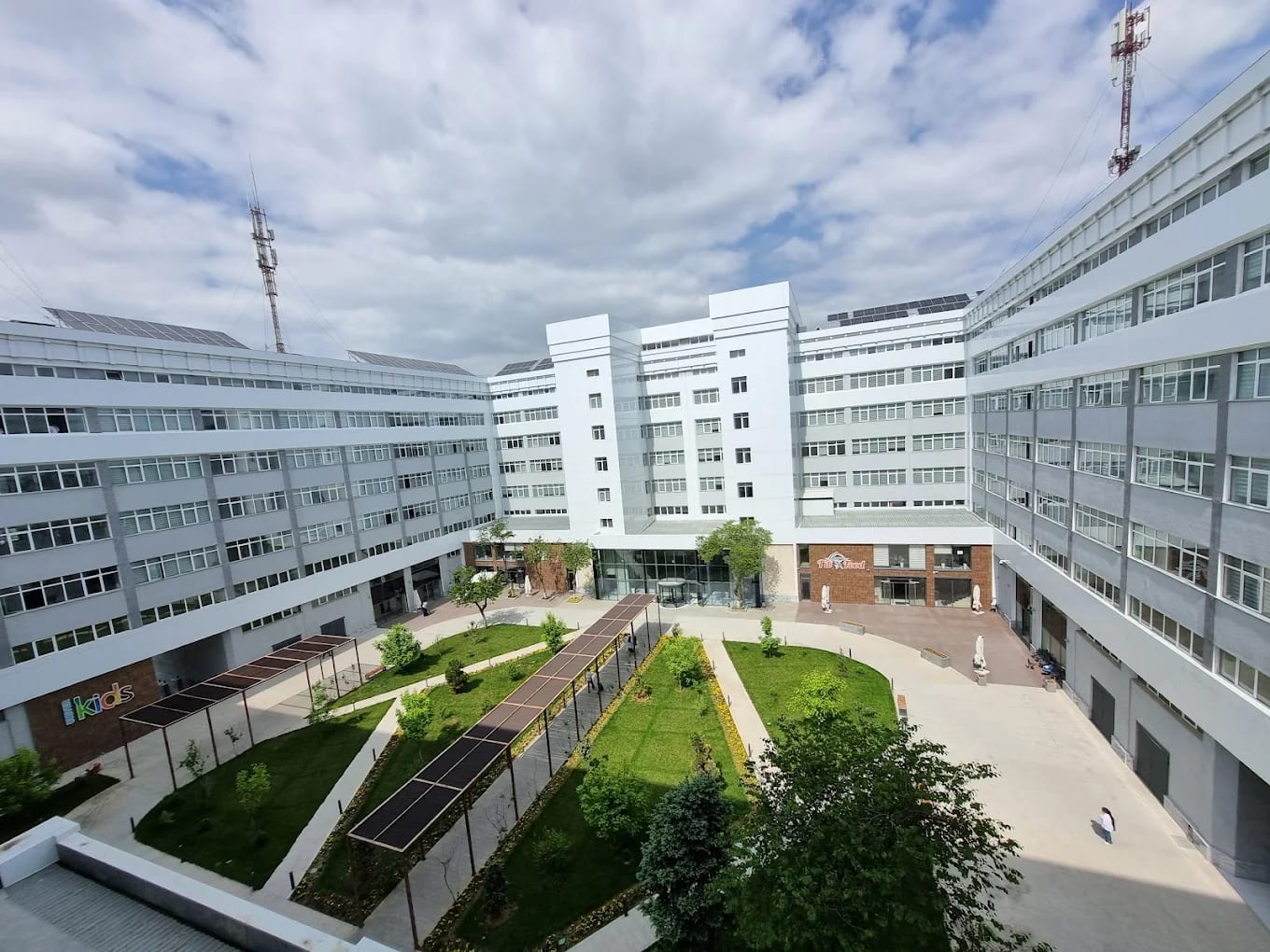
The Tashkent Medical Academy campus courtyard with landscaped gardens

The Tashkent Medical Academy campus courtyard with landscaped gardens

A Leading Uzbek Medical University

Tashkent Medical Academy (now Tashkent State Medical University) is one of Uzbekistan's leading medical universities, training a large share of the country's doctors and contributing to medical research and healthcare across the region for more than a century.

Training International Doctors

The university has become a major destination for international medical students, including a large and growing community from India, teaching them in English and preparing them for licensing examinations and medical careers in their home countries and worldwide.

A Recognised, Affordable Route

Listed in the World Directory of Medical Schools and offering an affordable, English-medium degree, the university plays an important role in widening access to medical education for students from India and other countries who might not otherwise be able to study medicine.

Get all information about Tashkent Medical Academy in our free brochure

Read on to find out how you can fulfil your dream of studying MBBS at Tashkent Medical Academy.

Cost of living

Living Cost at Tashkent Medical Academy

One of the biggest attractions of Tashkent is its low cost of living. Beyond the affordable tuition, day-to-day living is inexpensive by Indian and Western standards. Here is an approximate monthly breakdown for a student (this is separate from tuition).

Monthly Living Cost

Cost ComponentApproximate Amount (per month)
Accommodation (hostel)₹3,900 – ₹6,000 (US$45 – US$70)
Food & Groceries₹6,000 – ₹9,500 (US$70 – US$110)
Transport & Personal₹1,700 – ₹3,400 (US$20 – US$40)
Utilities & Miscellaneous₹1,700 – ₹3,900 (US$20 – US$45)
Get Free MBBS Guide

Average monthly living cost (excluding tuition)

₹13,000 – ₹23,000 (US$155 – US$265)

Housing

Accommodation

Tashkent Medical Academy offers hostel accommodation for its international students, and there are also private rental options near the campus, all at a low cost by Indian standards.

University Hostels

The university provides hostel accommodation for international students, giving new arrivals a secure, supervised place to live close to the campus at a low annual cost.

Furnished Rooms

Hostel rooms are furnished with the basics — beds, desks and storage — usually on a shared basis, within a supported student environment.

Affordable Hostel Fees

Hostel fees are low, commonly around US$500–700 per year (about ₹43,000–60,000), which is a fraction of accommodation costs in Western Europe or the UK.

Indian Student Community

With a large Indian student community in Tashkent, hostels and nearby areas have a familiar, supportive environment for students from India.

Indian Food & Messes

Many hostels and nearby messes cater to Indian students with Indian and vegetarian food, and Indian grocery items are available in the city.

Private Apartments

Students who prefer more independence can rent private apartments or shared flats near the campus, still at a low cost compared with Western cities.

Safe, Central Location

Accommodation is in Tashkent, a safe, modern capital city with good public transport, so students can live and travel conveniently.

Arrival Support

The university and student representatives help international students with airport pickup, arrival formalities and settling into accommodation.

Need accommodation details?

Get a full overview of housing options with our university guide, or reach out to an expert.

Food & Dining

Indian and Vegetarian Food, Easily Available

Tashkent has a large Indian student community, so Indian and vegetarian food is easy to find, alongside affordable local Uzbek cuisine.

Many hostels and nearby messes serve Indian food, including vegetarian meals, so Indian students can eat familiar home-style food throughout their studies.

Location

How to Reach Tashkent Medical Academy

Address

Tashkent Medical Academy (Tashkent State Medical University), Farabiy Street 2, Tashkent 100109, Uzbekistan

  • Nearest Airport

    Islam Karimov Tashkent International Airport (TAS), with direct flights from Delhi and Mumbai (around 3 hours); Uzbekistan is only 30 minutes behind Indian time

  • Local Transport

    Tashkent has an extensive and inexpensive metro, bus and taxi network, so students can travel around the city and to hospitals easily and cheaply

Your Roadmap to Success

Career Pathways After MBBS at Tashkent Medical Academy

The Physician (General Medicine) degree from Tashkent Medical Academy (now Tashkent State Medical University) is listed in the World Directory of Medical Schools, opening licensing pathways in India, the United States and other countries.

Understand the Medical Licensing Pathway

A clear overview of the exams and requirements after graduation.

Practising in India

FMGE & NExT Details

An Indian graduate of Tashkent Medical Academy who wants to practise in India follows the licensing pathway set by the National Medical Commission (NMC): qualifying NEET before starting the course abroad, completing a course and internship that meet the NMC's conditions, clearing the NMC screening examination (currently the FMGE, transitioning to the NExT), completing the required internship in India and registering with the medical council. It is important to understand that the NMC does not 'approve' individual foreign universities; it sets conditions the student and the course must meet.

  1. Step 1

    NEET Before You Start

    Under NMC rules, an Indian student must have qualified NEET-UG before beginning the course abroad to be eligible later for Indian licensing. NEET is mandatory both to study MBBS abroad and to sit the FMGE/NExT.

  2. Step 2

    Meet the FMGL 2021 Conditions

    The Foreign Medical Graduate Licentiate Regulations 2021 require that the course and internship together last at least 54 months plus a 12-month internship, are completed in the same institution, are taught in English, and that the degree entitles the holder to be registered as a physician in the country of study (Uzbekistan). The six-year, English-medium Tashkent programme is structured to meet these conditions, but eligibility is assessed for each individual student.

  3. Step 3

    Clear the FMGE / NExT and Register

    Graduates must clear the qualifying examination for foreign medical graduates, currently the FMGE, which India is replacing with the National Exit Test (NExT), then complete the required internship in India and register with the National Medical Commission or a State Medical Council.

Student Life Style

Student life at Tashkent Medical Academy

Being a medical student in Tashkent is a mix of demanding study and life in a safe, affordable capital city with a large Indian student community.

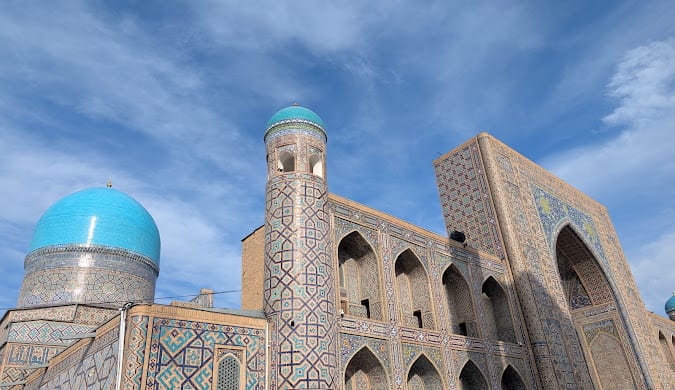
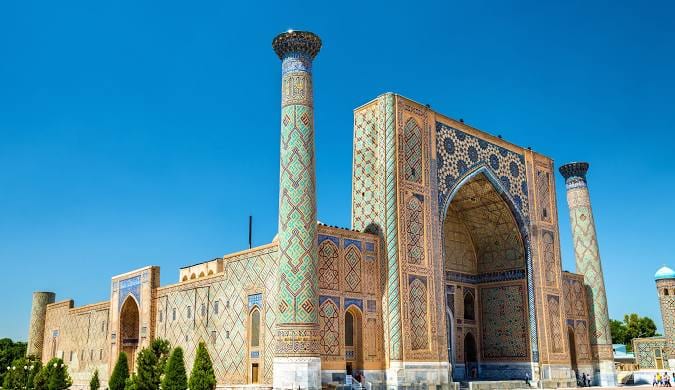
A tiled madrasah in the Registan ensemble, Samarkand, Uzbekistan

A tiled madrasah in the Registan ensemble, Samarkand, Uzbekistan

Academics

The programme is a demanding six-year medical course taught in English, with basic sciences in the early years and clinical training in the university clinic and Tashkent hospitals later on. Studying at one of Uzbekistan's oldest medical schools gives a solid academic grounding, and students must work hard, especially towards the FMGE/NExT for India.

Life in Tashkent

Tashkent is a safe, modern and affordable capital, with an excellent metro, parks and markets, and a large Indian and international student community. Uzbekistan is only 30 minutes behind Indian time and just a three-hour direct flight from Delhi, so students stay close to home.

Challenges and Growth

Adjusting to a new country, cold winters and a demanding course takes effort, but the supportive Indian community, low costs and familiar food make it an achievable and rewarding place to train as a doctor.

Social Life

There is an active Indian student community with festivals, sports and cultural events, alongside Uzbek student life, giving international students a friendly and familiar social environment far from home.

Overall Experience

Studying MBBS in Tashkent is about gaining a recognised, affordable medical degree while growing in independence, in a safe city with a strong Indian community and easy links back to India.

Fees & Financial

Fees & Financial Planning

The main financial attraction of Tashkent Medical Academy is its low cost. Tuition and living costs are far below those of private medical colleges in India or medical schools in the West, so realistic planning is mostly about budgeting the whole affordable package.

International students pay tuition of about US$3,500 per year (roughly ₹3.0 lakh), with hostel accommodation of roughly US$500–700 per year on top, so the whole six-year course costs approximately US$21,000–30,000 (about ₹18–26 lakh) — a fraction of the cost of a private MBBS in India or a UK medical degree.

  • Approx. US$3,500 per year tuition (about ₹3.0 lakh)
  • About US$500–700 per year hostel (about ₹43,000–60,000)
  • Around US$21,000–30,000 total for the course (about ₹18–26 lakh)
  • Living costs of roughly ₹13,000–23,000 per month on top

Ratings

Reviews & Ratings

Hear from students and alumni about their experience at Tashkent Medical Academy.

4.4

120 reviews

Academics4.4
Affordability4.8
Indian Community4.6
Facilities4.2
City & Safety4.5
  • Affordable and English-medium

    Student — MBBS 2022

    The fees and living costs are very low compared with private colleges in India, and everything is taught in English. There is a big Indian community in Tashkent, so it was easy to settle in.

  • Recognised degree, close to home

    Student — MBBS 2021

    The university is listed in the World Directory of Medical Schools and it's only a three-hour flight from Delhi. You have to work hard for the FMGE, but the pathway is clear.

Compare

Compare Colleges

Compare Tashkent Medical Academy with a leading Indian medical college.

Quick Comparison:

Tashkent Medical Academy vs AIIMS New Delhi

University
Tashkent Medical AcademyTashkent, Uzbekistan
AIIMS New DelhiNew Delhi, India
University TypePublic (state) medical universityGovernment institute of national importance
MediumEnglishEnglish
Course Duration6 years including internship (Physician / MBBS-equivalent)5.5 years including internship (MBBS)
Tuition (per year)~US$3,500 (~₹3.0 lakh)Nominal (a few thousand rupees per year)
AdmissionNEET-qualified + Class 12 (PCB); direct admissionNEET-UG (extremely high rank)
RecognitionWDOMS / WFME-recognised; NMC-eligible via FMGE/NExTNMC-recognised
World RankingNot in the main QS/THE world rankingsIndia's top-ranked medical institute (NIRF #1)

Compare Top MBBS Universities for Me

See key differences in fees, ranking, eligibility and recognition.

Our blog

Medical Education Insights

Articles that turn complex MBBS-abroad rules into simple, practical steps for students and parents.

FAQ

Frequently Asked Questions

Short answers to the questions students and parents ask most often about studying MBBS at Tashkent Medical Academy.