

Free Webinar: MBBS in India

Sat, September 5, 2026 | 7:00 PM

Reserve my Seat
futureMBBS

Free Webinar: MBBS in India

Sat, September 5, 2026 | 7:00 PM

Reserve my Seat
futureMBBS
Wuhan, China

Huazhong University of Science and Technology Tongji Medical College

A historic, English-taught 6-year MBBS in Wuhan, at one of China's oldest and most eminent medical schools, founded in 1907, with famous teaching hospitals and a large, long-established international student community.

  • MBBS student
  • MBBS student
  • MBBS student
  • MBBS student

5000+ Students trust us

China

Country

Wuhan

City

6 Years

Course duration

English

Medium of instruction

Introduction

HUST Tongji Medical College

Tongji Medical College of Huazhong University of Science and Technology (HUST) is one of China's oldest and most distinguished medical schools. Founded in 1907 in Shanghai by the German physician Erich Paulun, it later moved to Wuhan, became Tongji Medical University, and merged into HUST in 2000. HUST is a top national university, a Double First-Class and Project 985 and 211 institution, and Tongji's clinical medicine is among the very best in China, ranked in the ESI global top 1%, with two world-famous teaching hospitals, Tongji Hospital and Wuhan Union (Xiehe) Hospital. Tongji has run a Ministry-of-Education-approved, fully English-taught six-year MBBS for international students for over two decades, leading to a Bachelor of Medicine and Bachelor of Surgery. It is one of the largest and longest-established destinations for Indian and international medical students in China, and, in Wuhan, it is more affordable than the Shanghai schools. Because the MBBS is taught in English, it meets India's NMC English-medium condition.

  • Study program:MBBS (Clinical Medicine), taught in English
  • Language:English (with Chinese / HSK Level 5 required before clinical rotations and for Chinese licensing)
  • Duration:6 Years (including clinical training)
  • University type:Public (national) research university — Double First-Class, Project 985 & 211
  • Tuition fees:About RMB 40,000/year (about US$5,600, roughly ₹4.6 lakh/year, approx.); around ₹28 lakh in tuition over six years
  • Entrance examination:Application via HUST's international office with Class 12 (PCB) marks and English-medium requirements; NEET required for Indian students
  • Application deadline:Apply for the September intake; check the official HUST/Tongji 2026 dates
  • Recognition:MOE-approved English-MBBS university; listed in the World Directory of Medical Schools; NMC/FMGE pathway for India (see below)
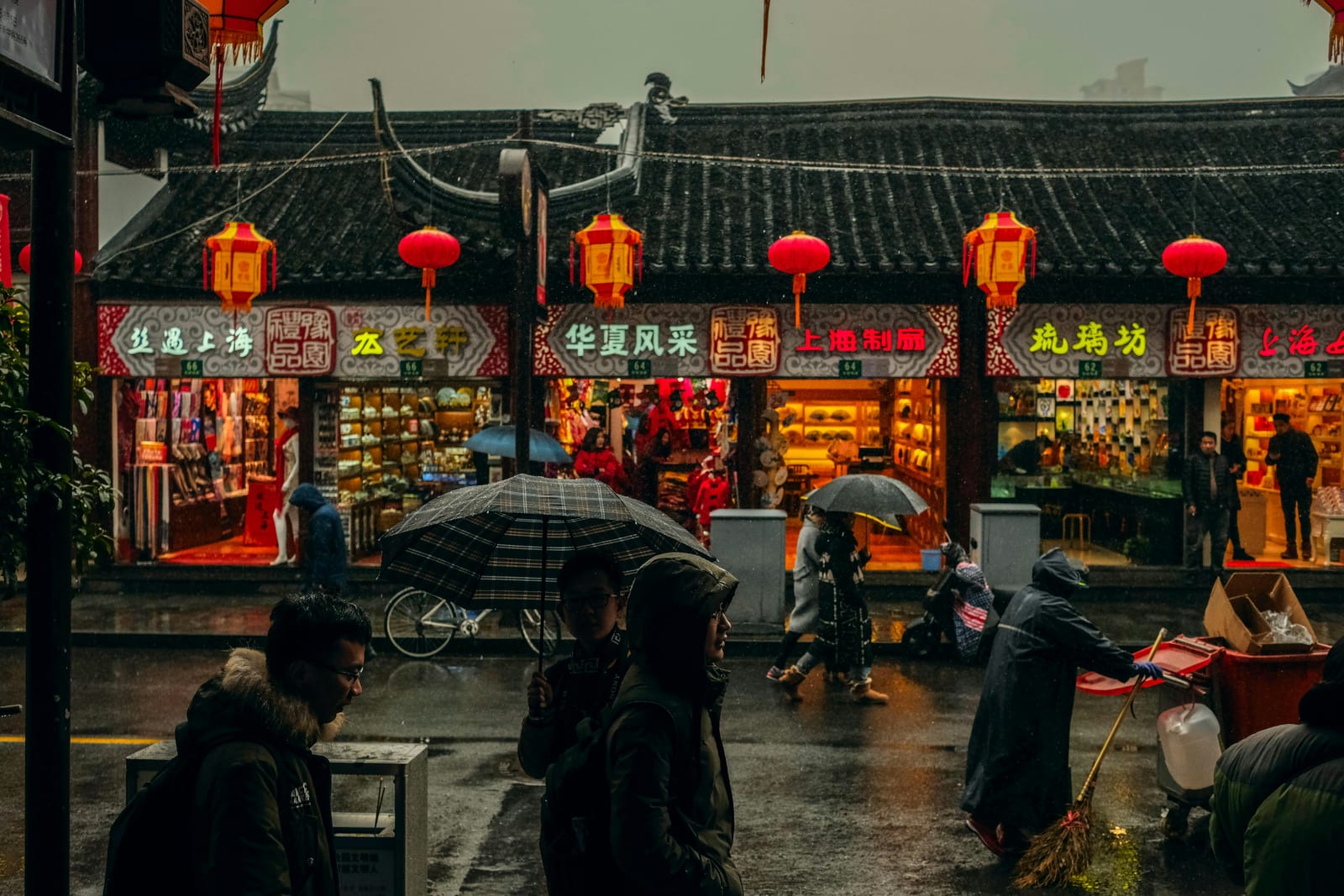
A historic lantern-lined old street in eastern China (national-context image, not Wuhan or the campus)
A Chinese city skyline at night (national-context image, not Wuhan or the campus)
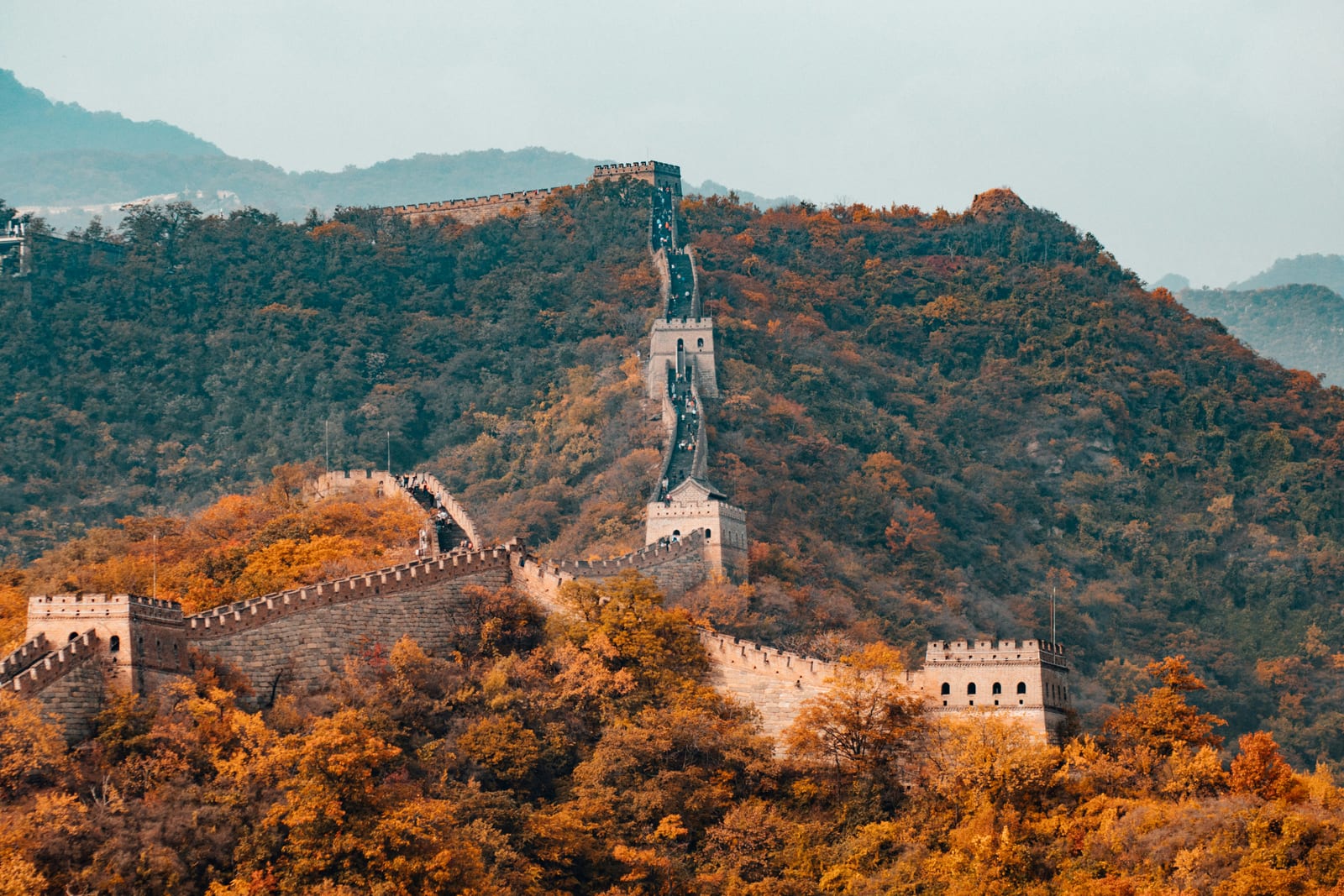
The Great Wall of China in autumn near Beijing (national-context image, not Wuhan or the campus)

A historic lantern-lined old street in eastern China (national-context image, not Wuhan or the campus)

A historic, English-taught MBBS with a large Indian community

Download our free brochure, or speak to our experts about studying medicine in English at HUST Tongji, and what it takes for Indian students to get in and to practise back home.

Recognition & Prestige

Rankings & Recognition

HUST is a top national research university, and Tongji's clinical medicine is among the very best in China, in the ESI global top 1%. Importantly for Indian students, its MBBS is taught in English and approved by China's Ministry of Education for international students, and it has a long track record of educating international doctors.

  • Double First-Class

    Project 985 and 211; a top national university (not a C9 member)

  • ESI Top 1%

    Clinical medicine in the ESI global top 1%, among China's best

  • MBBS in English

    MOE-approved English-taught MBBS for international students

HUST is a top national Double First-Class university, and Tongji Medical College's clinical medicine is in the ESI global top 1%, among the best in China, with world-famous teaching hospitals. Its School of Medicine runs a Ministry-of-Education-approved English-taught MBBS and is listed in the World Directory of Medical Schools, so Indian students can pursue the NMC FMGE/NExT pathway, subject to meeting NMC conditions. HUST's overall world ranking is around QS #300, so its distinction for medicine is Tongji's clinical strength and heritage rather than a top-50 overall rank.

Complete Information About HUST Tongji's English MBBS

Get complete information about studying the English-taught MBBS at HUST Tongji Medical College, including fees, admission and recognition for Indian students.

Success stories

Student Success Stories

Hear directly from students who are studying medicine in Europe with futureMBBS.

Academic Excellence

Why Study MBBS at HUST Tongji Medical College

HUST Tongji offers a rare combination for Indian students: a historic, top-tier clinical medical school, an English-taught MBBS, a large established international community, and affordable fees. These are its genuine strengths, with the honest caveats.

A Historic, Eminent Medical School

Founded in 1907 with German medical heritage, Tongji Medical College is one of China's oldest and most distinguished medical schools, having trained many of the country's leading physicians and academicians.

Top-Tier Clinical Medicine

Tongji's clinical medicine is in the ESI global top 1% and among the best in China, taught through two world-famous teaching hospitals, Tongji Hospital and Wuhan Union (Xiehe) Hospital.

An English-Taught MBBS

Tongji has run a Ministry-of-Education-approved, fully English-taught six-year MBBS for international students for over two decades, so Indian students study the medical curriculum in English.

A Large, Established Indian Community

HUST Tongji is one of the largest and longest-running destinations for Indian and international MBBS students in China, so students join an established community with senior students, familiar food and support.

Meets the NMC English-Medium Rule

Because the MBBS is taught in English, it satisfies the NMC's English-medium condition under FMGL-2021, unlike Chinese-taught programmes, which is essential for Indian students who want to practise in India.

Affordable in Wuhan

Tuition is about RMB 40,000 per year (roughly ₹4.6 lakh), and Wuhan's cost of living is moderate and cheaper than Shanghai or Beijing, so the all-in cost of about ₹45–55 lakh over six years is lower than at the Shanghai schools.

Selective and Serious — Plan Honestly

Admission is competitive and the course is demanding; students still need NEET, Chinese (HSK Level 5) before clinical rotations, and must clear the FMGE/NExT to practise in India. Note HUST's overall world ranking is around 300, lower than the C9 Shanghai schools, though Tongji's clinical medicine is genuinely elite.

Read all about MBBS abroad in our free brochure

Know exactly what options exist for your MBBS-abroad success.

How to Apply

Admission Process for the English MBBS

Admission to HUST Tongji's English-taught MBBS is through HUST's International Students Office, based on Class 12 (PCB) results and English-medium requirements. It is not decided on NEET, but Indian students must have qualified NEET to be eligible later for Indian licensing.

Admission Timeline

  1. 1
    Class 12 & NEETQualify Class 12 and NEET-UG

    Applicants need Class 12 with Physics, Chemistry and Biology (typically at least 50% aggregate in PCB); Indian students must also hold a qualifying NEET-UG score, mandatory for later Indian licensing.

  2. 2
    Apply OnlineSubmit the HUST Application

    International applicants apply through HUST's International Students Office with academic documents, passport, the NEET scorecard and any required English-proficiency evidence.

  3. 3
    AssessmentDocument Review / Interview

    HUST reviews the application (and may conduct an interview); admission is based on academic record and eligibility, and the international MBBS intake, while sizeable, is competitive.

  4. 4
    OfferReceive the Admission Letter

    Selected students receive an admission letter and JW202 form for the Chinese student visa.

  5. 5
    VisaApply for the Student Visa

    Students apply for the Chinese student (X) visa with the admission documents and complete a medical check.

  6. 6
    SeptemberStudies Begin

    The English-taught MBBS begins in the September intake in Wuhan; students study Chinese (HSK) alongside from the start.

Eligibility Criteria

Academic Qualification

Applicants need Class 12 (or equivalent) with Physics, Chemistry and Biology and good marks (typically at least 50% aggregate in PCB). For Indian students who intend to practise in India, the National Medical Commission's norms also apply: a minimum of 50% in PCB (40% for reserved categories) and a qualifying NEET-UG score. English-medium proficiency (IELTS/TOEFL may be requested) is expected.

Subjects:

Physics, Chemistry, Biology at Class 12 (minimum 50% in PCB; 40% for reserved categories); English proficiency for the English MBBS

Age Requirement

Indian students should be at least 17 years old by 31 December of the year of admission, in line with the National Medical Commission's rules for MBBS.

  • NEET-UG qualification is mandatory for IndiansRequired to study MBBS abroad and to sit the FMGE/NExT for practice in India

Requirements

International applicants apply through HUST's International Students Office with academic and, where required, English-proficiency documents. Indian students also need a valid NEET-UG score, and should be prepared to reach HSK Level 5 in Chinese before the clinical rotations and for Chinese licensing.

  • English MBBS + HSK-5 Chinese

    The MBBS is taught in English, but students must reach HSK Level 5 in Chinese before the internship/clinical clerkship, to communicate with patients and for the Chinese medical licensing exam.

  • NEET for India Licensing

    NEET is not part of HUST admission, but Indian students must have qualified NEET-UG before starting to be eligible for the FMGE/NExT and Indian registration later.

Admissions Assessment

There is no UCAT-style entrance test; HUST admits on academic record, English-medium eligibility and a document review or interview.

ComponentRequirement
Application routeHUST International Students Office (online application, document review / interview)
Medium of instructionEnglish (with Chinese / HSK Level 5 required before clinical rotations and for licensing)
Academic requirementClass 12 with PCB (typically 50% aggregate); English proficiency
IntakeSeptember each year
India-side requirementNEET-UG qualification, mandatory for later FMGE/NExT licensing in India

Required Documents

Indian applicants typically provide the following for admission and the student visa:

  • Class 10 and Class 12 mark sheets and certificates
  • NEET-UG scorecard for the relevant year
  • Valid passport and passport-size photographs; English-proficiency evidence if requested
  • Physical examination record and non-criminal record
  • Admission letter and JW202 form, then the Chinese student (X) visa
  • + More

Admission Guidance & Document Checklist

Get the complete document checklist or admission guidance from our experts.

Program Structure

MBBS Course Structure at HUST Tongji

HUST Tongji's six-year, English-taught MBBS covers the basic sciences, clinical subjects and clinical rotations in Wuhan's leading hospitals, with Chinese-language study (to HSK Level 5) alongside to support the clinical years. It leads to a Bachelor of Medicine and Bachelor of Surgery.

MBBS (Clinical Medicine) Course

  • Total Duration:

    6 Years (taught in English)

  • Degree:

    Bachelor of Medicine and Bachelor of Surgery (MBBS), with a HUST diploma

Course Phases at HUST Tongji Medical College

  • Years 1–2

    Basic Sciences & Chinese

    The pre-clinical foundation in English, covering the basic medical sciences, with Chinese language studied towards HSK Level 5:

    AnatomyPhysiologyBiochemistryHistology
    MicrobiologyChinese / Medical Chinese
  • Years 3–4

    Para-clinical & Clinical Subjects

    Disease mechanisms and clinical subjects in English, with clinical exposure beginning in Tongji's Wuhan teaching hospitals:

    PathologyPharmacologyInternal MedicineSurgery
    The clinical disciplines
  • Year 5

    Clinical Clerkships

    Senior clinical study and clerkships across the major specialties in hospitals such as Tongji and Wuhan Union, using Chinese with patients:

    Obstetrics & GynaecologyPaediatricsPsychiatryCommunity Medicine
    The specialties
  • Year 6

    Internship & MBBS

    A final internship year in the affiliated hospitals, completing the six-year programme and the award of the MBBS.

    Rotational clinical internship across the major departments

Clinical Training & Hospitals

HUST Tongji's clinical training draws on its world-famous Wuhan teaching hospitals. An indicative picture:

PhaseFocus
Years 3–5Clinical subjects and clerkships in Internal Medicine, Surgery, Paediatrics, Obstetrics & Gynaecology and the specialties
Teaching hospitalsTongji Hospital and Wuhan Union (Xiehe) Hospital, among the most famous and largest tertiary hospitals in China, plus a network of clinical colleges
Year 6 & IndiaA final internship completes the MBBS; to practise in India, graduates must meet NMC/FMGL-2021 conditions and pass the FMGE/NExT

Get the full curriculum

Download a free brochure to see detailed subjects, the course structure and everything you need to plan your studies.

Legacy

Distinguished Figures of Tongji Medical College

Tongji Medical College has an outstanding heritage, having produced some of the most important figures in Chinese medicine, including national supreme science laureates. The figures below are genuinely and verifiably connected to Tongji / HUST.

Qiu Fazu

Qiu Fazu (1914-2008) is regarded as a father of modern Chinese surgery and a pioneer of organ transplantation and hepatobiliary surgery. An academician of the Chinese Academy of Sciences, he was a long-serving dean and honorary president of Tongji, and shaped surgical education across China.

Wu Mengchao

Wu Mengchao (1922-2021), a Tongji medical graduate, is known as the father of Chinese hepatic (liver) surgery. An academician and winner of China's National Supreme Science and Technology Award in 2005, he performed thousands of liver operations and transformed the field in China.

Hou Yunde

Hou Yunde is a distinguished virologist and a graduate of Tongji, an academician and former vice-president of the Chinese Academy of Engineering, who won China's National Supreme Science and Technology Award in 2018 for his work in molecular virology and interferon research.

Chen Xiaoping

Chen Xiaoping is a leading hepatobiliary surgeon and an academician of the Chinese Academy of Sciences at Tongji Hospital, who has advanced liver surgery and organ transplantation research in China and helped train a generation of surgeons.

Frank B. Hu

Frank B. Hu, a Tongji medical graduate, is a professor at the Harvard T.H. Chan School of Public Health and a member of the US National Academy of Medicine, and one of the world's most-cited researchers in nutrition and chronic-disease epidemiology.

Faculty

Teaching is delivered by Tongji's medical faculty and its world-famous Wuhan teaching hospitals, with numerous academicians of the Chinese Academies of Sciences and Engineering. Tongji Medical College reports having cultivated sixteen academicians and more than ninety thousand medical graduates.

Academic Expertise

  • A historic medical school since 1907

  • Clinical medicine in the ESI global top 1%

  • World-famous hospitals (Tongji, Wuhan Union)

  • National supreme-science laureates among its alumni

Student Support & Mentorship

  • English-medium teaching with Chinese-language support

  • A large, established international community

  • Clinical supervision in top Wuhan hospitals

  • Support through HUST's International Students Office

About University

History Information

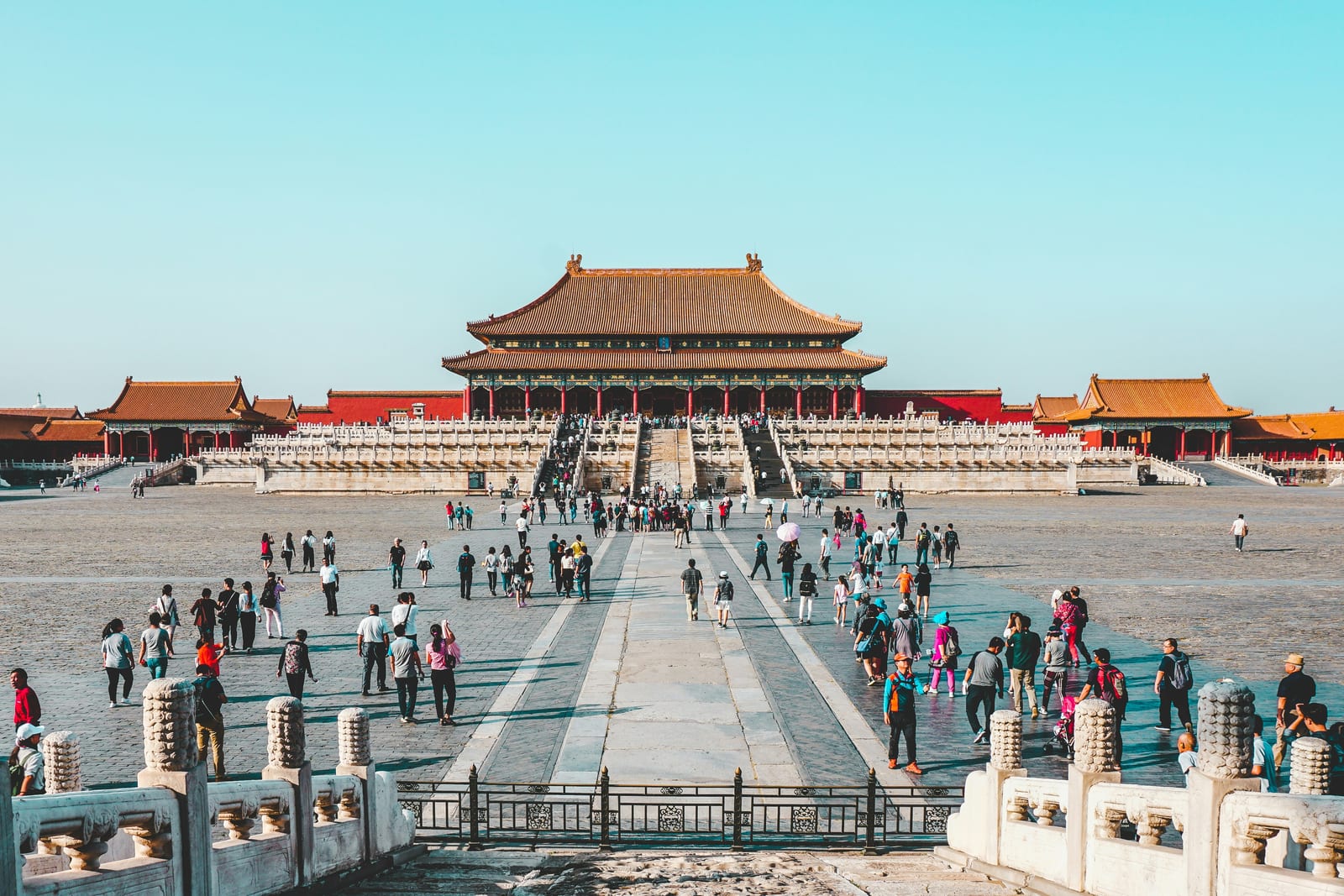
The Forbidden City in Beijing (national-context image, not Wuhan or the campus)

The Forbidden City in Beijing (national-context image, not Wuhan or the campus)

Founded in 1907

Tongji Medical College was founded in 1907 in Shanghai by the German physician Erich Paulun, as a German medical school, one of the earliest modern medical schools in China. It carried a strong German medical tradition from its beginnings.

Move to Wuhan

During and after the Second World War the school relocated inland, and around 1950 to 1951 it moved to Wuhan, merging with local medical education to become a leading central-China medical school, later Tongji Medical University in 1985.

Merged into HUST (2000)

In 2000, Tongji Medical University merged into Huazhong University of Science and Technology to form today's HUST Tongji Medical College, uniting a top national science-and-technology university with one of China's most eminent medical schools.

A Global Medical School Today

Today HUST is a Double First-Class national university, and Tongji's clinical medicine is among the best in China, with an English-taught MBBS for international students, listing in the World Directory of Medical Schools, and world-famous Wuhan teaching hospitals.

Get all information about HUST Tongji Medical College in our free brochure

Read on to find out how you can study the English-taught MBBS at HUST Tongji.

Role in medicine

Role in medical education

A Chinese city skyline at dusk (national-context image, not Wuhan or the campus)

A Chinese city skyline at dusk (national-context image, not Wuhan or the campus)

One of China's Foremost Clinical Schools

Tongji Medical College is one of China's foremost clinical medical schools, training top doctors and leading major national research, with clinical medicine in the ESI global top 1% and two of China's most famous teaching hospitals in Wuhan.

Educating International Doctors in English

Through its Ministry-of-Education-approved English-taught MBBS, run for over two decades, HUST Tongji has educated a large number of international medical students, including one of the biggest Indian cohorts in China, giving students access to an eminent Chinese medical education in English.

A Research and Clinical Powerhouse

With numerous academicians, national supreme-science laureates and world-famous hospitals, Tongji is a research and clinical powerhouse whose graduates have shaped surgery, virology and public health in China and beyond.

Get all information about HUST Tongji Medical College in our free brochure

Read on to find out how you can study the English-taught MBBS at HUST Tongji.

Cost of living

Living Cost in Wuhan

Wuhan has a moderate cost of living, cheaper than Shanghai or Beijing, which helps make HUST Tongji an affordable elite option. Here is an approximate monthly guide for a student (this is separate from tuition, and figures are indicative).

Monthly Living Cost

Cost ComponentApproximate Amount (per month)
Accommodation (campus dormitory)₹8,000 – ₹15,000 (RMB 700 – RMB 1,300)
Food & Groceries₹14,000 – ₹23,000 (RMB 1,200 – RMB 2,000)
Transport & Personal₹4,600 – ₹9,200 (RMB 400 – RMB 800)
Utilities & Miscellaneous₹4,600 – ₹10,000 (RMB 400 – RMB 900)
Get Free MBBS Guide

Average monthly living cost (excluding tuition)

₹31,000 – ₹58,000 (RMB 2,700 – RMB 5,000)

Housing

Accommodation

HUST provides on-campus dormitory accommodation for international students at a low cost, and there is a private-rental market in Wuhan. Housing should be confirmed with HUST's International Students Office.

On-Campus Dormitory

HUST offers on-campus international-student dormitories at a low annual cost, close to the medical campus and facilities; apply early through the International Students Office.

Furnished Rooms

Dormitory rooms are furnished with the basics and offer a secure, supervised student environment.

Affordable Housing

Wuhan accommodation is inexpensive by Chinese big-city standards, well below Shanghai or Beijing, helping keep the overall cost low.

Off-Campus Option

Students who prefer more independence can rent private rooms or apartments near the campus at a moderate cost.

Established Indian Community

With a large and long-standing Indian and international community in Wuhan, students find familiar food, messes and senior-student support near the campus.

Safety

China is generally very safe for students, with low street crime, and campuses are secure and supervised.

International Student Support

HUST's International Students Office supports foreign students with arrival, orientation, visa and housing matters.

Apply Early

Dormitory places should be arranged through the International Students Office as part of the admission process.

Need accommodation details?

Get a full overview of housing options with our university guide, or reach out to an expert.

Food & Dining

Indian and Vegetarian Food in Wuhan

Thanks to Wuhan's large and long-established Indian and international student community, Indian and vegetarian food is more available here than in most Chinese cities, alongside a wide range of Chinese cuisine.

HUST's campus canteens serve a wide range of affordable meals, including vegetarian options; Chinese campuses often also have Muslim (halal) canteens for students who need them.

Location

How to Reach HUST Tongji Medical College

Address

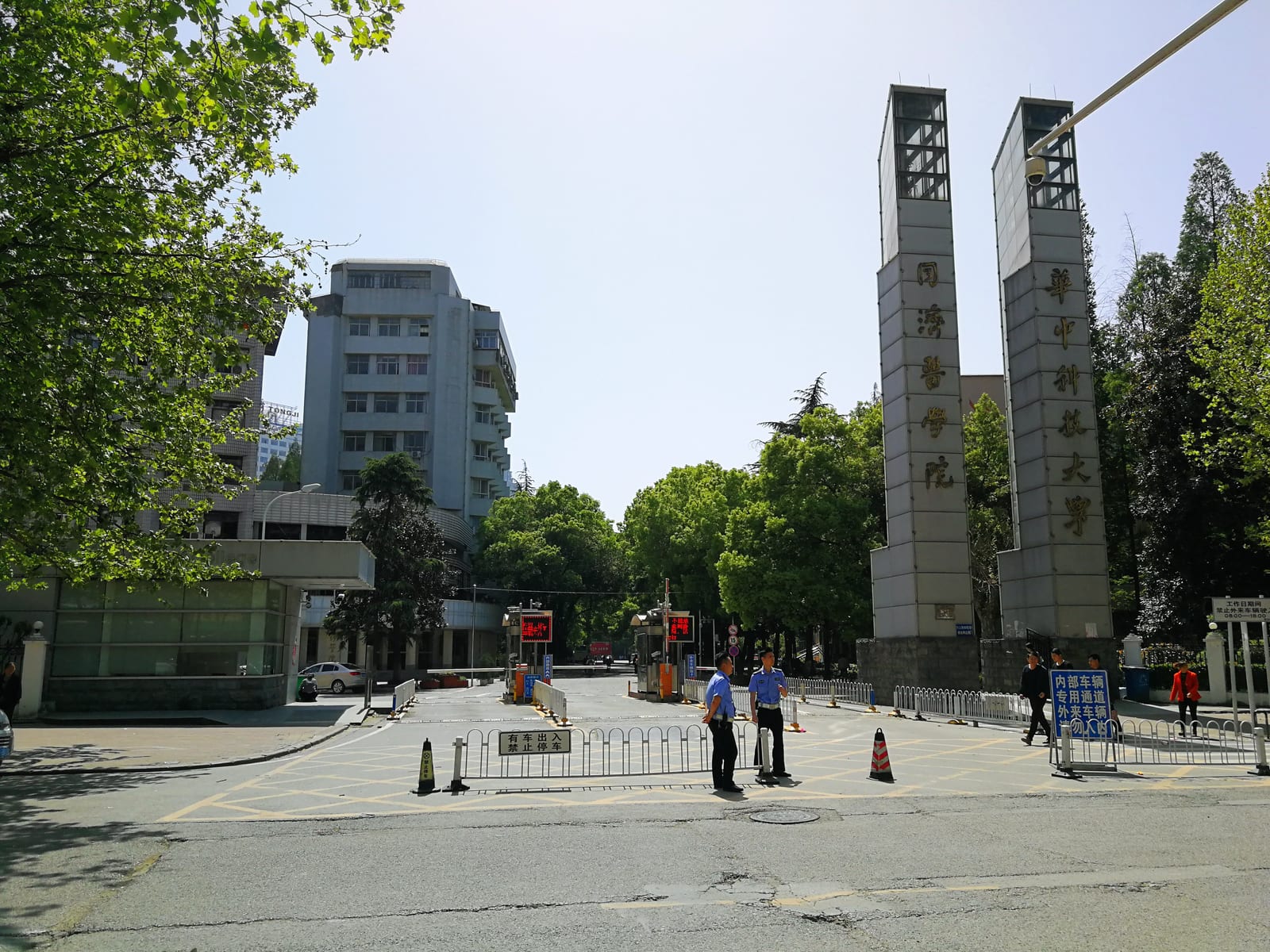
Tongji Medical College, Huazhong University of Science and Technology, 13 Hangkong Road, Qiaokou District, Wuhan 430030, Hubei, China

  • Nearest Airport

    Wuhan Tianhe International Airport (WUH); Indian students usually reach Wuhan via a one-stop connection through an Asian hub. China is 2.5 hours ahead of Indian time

  • Local Transport

    Wuhan has an extensive metro, buses, high-speed rail and ride-hailing; the medical campus is central (Hangkong Road) and well connected to the teaching hospitals

Your Roadmap to Success

Career Pathways After MBBS at HUST Tongji

The HUST Tongji MBBS is an English-taught degree from a top national university with elite clinical medicine, listed in the World Directory of Medical Schools, opening licensing pathways in India and, subject to each country's rules, elsewhere.

Understand the Medical Licensing Pathway

A clear overview of the exams and requirements after graduation.

Practising in India

FMGE & NExT Details

An Indian graduate of HUST Tongji who wants to practise in India follows the licensing pathway set by the National Medical Commission (NMC): qualifying NEET before starting, completing a course and internship that meet the NMC's conditions, clearing the NMC screening examination (currently the FMGE, transitioning to the NExT), completing the required internship in India and registering with the medical council. HUST Tongji's English-taught MBBS satisfies the NMC's English-medium condition, which is a genuine advantage, but the NMC does not 'approve' individual foreign universities, so each student must meet the conditions.

  1. Step 1

    NEET Before You Start

    Under NMC rules, an Indian student must have qualified NEET-UG before beginning the course abroad to be eligible later for Indian licensing. NEET is mandatory both to study MBBS abroad and to sit the FMGE/NExT.

  2. Step 2

    Meet the FMGL 2021 Conditions

    The Foreign Medical Graduate Licentiate Regulations 2021 require a course and internship of at least 54 months plus a 12-month internship in the same institution, an English medium of instruction (which HUST Tongji's MBBS satisfies), and a degree that entitles the holder to be registered as a physician in the country of study. Note that to be licensed in China itself, graduates must pass the Chinese medical licensing exam, which needs Chinese (HSK Level 5).

  3. Step 3

    Clear the FMGE / NExT and Register

    Graduates must clear the qualifying examination for foreign medical graduates, currently the FMGE, which India is replacing with the National Exit Test (NExT), then complete the required internship in India and register with the National Medical Commission or a State Medical Council.

Student Life Style

Student life at HUST Tongji in Wuhan

Being a medical student at HUST Tongji means studying at a historic, top-tier medical school in Wuhan, a major central-China city, with one of the largest established Indian student communities in China.

Academics

HUST Tongji's MBBS is demanding and taught in English at one of China's most eminent clinical schools, with Chinese studied to HSK Level 5 for the clinical years. Studying in Tongji's famous hospitals is a rigorous but rewarding clinical education.

Life in Wuhan

Wuhan is one of China's largest cities, a major education and transport hub on the Yangtze River, with a moderate cost of living well below Shanghai or Beijing. It is safe, well connected by metro and high-speed rail, and famous for landmarks such as the Yellow Crane Tower.

A Large Indian Community

HUST Tongji has one of the largest and longest-established Indian and international student communities in China, so new students find senior students, Indian food, messes and cultural events that make settling in far easier than at less-established destinations.

Culture and Community

Wuhan offers rich history, food and easy travel across central China by high-speed rail, and the large international student presence provides a welcoming community for students far from home.

Overall Experience

Studying MBBS at HUST Tongji is about earning an English-taught degree from a historic, top-tier clinical school at an affordable cost, within a large and supportive Indian community, among the most established China options.

Fees & Financial

Fees & Financial Planning

HUST Tongji is one of the more affordable elite China options, and scholarships exist. Realistic financial planning still matters, but the overall cost is lower than at the Shanghai schools.

The English-taught MBBS tuition is about RMB 40,000 per year (roughly ₹4.6 lakh), around ₹28 lakh over six years, plus low-cost on-campus accommodation and moderate Wuhan living costs, so the realistic all-in cost is about ₹45–55 lakh over the six years, cheaper than Fudan or SJTU. Confirm the current tuition on the official HUST/Tongji page.

  • Approx. RMB 40,000/year tuition (about ₹4.6 lakh)
  • About ₹28 lakh total tuition over six years
  • Low-cost on-campus dormitory
  • All-in roughly ₹45–55 lakh over six years

Ratings

Reviews & Ratings

Hear from students and alumni about their experience at HUST Tongji Medical College.

4.5

140 reviews

Academics4.6
English-Medium Teaching4.5
Indian Community4.7
Affordability4.5
City & Safety4.5
  • Historic school, big Indian community

    Student — MBBS 2022

    Tongji is one of the oldest and most respected medical schools in China, taught in English, and Wuhan has a huge Indian student community so settling in and finding food was easy. You need HSK-5 Chinese for the clinical years.

  • Great hospitals, affordable

    Student — MBBS 2021

    Training in Tongji and Wuhan Union hospitals is amazing, and the fees and living costs are much lower than Shanghai. Being English-medium makes the FMGE route back to India realistic.

Compare

Compare Colleges

Compare HUST Tongji Medical College with a leading Indian medical college.

Quick Comparison:

HUST Tongji Medical College vs AIIMS New Delhi

University
HUST Tongji Medical CollegeWuhan, China
AIIMS New DelhiNew Delhi, India
University TypePublic (national) research university — Double First-Class, 985 & 211Government institute of national importance
MediumEnglish (Chinese/HSK-5 for clinical years)English
Course Duration6 years (MBBS, English-taught)5.5 years including internship (MBBS)
Tuition (per year)~RMB 40,000 (~₹4.6 lakh)Nominal (a few thousand rupees per year)
AdmissionHUST application + Class 12 + English + NEET (for India)NEET-UG (extremely high rank)
RecognitionMOE English-MBBS; WDOMS-listed; NMC-eligible via FMGE/NExTNMC-recognised
StandingClinical medicine in the ESI global top 1%; QS overall around #300India's top-ranked medical institute (NIRF #1)

Compare Top MBBS Universities for Me

See key differences in fees, ranking, eligibility and recognition.

Our blog

Medical Education Insights

Articles that turn complex MBBS-abroad rules into simple, practical steps for students and parents.

FAQ

Frequently Asked Questions

Short answers to the questions students and parents ask most often about studying the MBBS at HUST Tongji Medical College.

Campus photograph supplied by the client. Scenery images courtesy of Unsplash: the Forbidden City, Beijing — photo by Ling Tang; a Chinese city skyline at dusk — photo by Edward He; a lantern-lined old street — photo by Nuno Alberto; a city skyline at night — photo by Li Yang; the Great Wall in autumn — photo by Hanson Lu; the Zhangjiajie mountains — Unsplash contributor. These scenery photographs are national context from other Chinese cities, not Wuhan or the campus.