

Study MBBS in China
Earn an NMC compliant, English-medium MBBS degree at MoE-approved government universities with large teaching hospitals and modern campuses.


5000+ Students trust us
FMGE
Licensing Exam
NEET + Class 12 (PCB)
Admission Criteria
MBBS (6 Yrs)
Medical Programme
Beijing
Capital
Top Universities
Top Medical Universities in China
These universities run English-medium MBBS programmes on China's Ministry of Education approved list and are listed in the World Directory of Medical Schools. Clinical years also require Chinese (HSK).



Introduction
About Studying MBBS in China
- Study programme:MBBS (Bachelor of Medicine: Clinical Medicine)
- Language:English (Chinese / HSK required for clinical years)
- Total duration:6 Years (incl. 1-year internship)
- Degree awarded:Bachelor of Medicine (MBBS)
- Entrance exam:NEET-UG (mandatory for Indian students)
- Regulator:Ministry of Education & National Health Commission, China
- Avg. tuition (full course):₹35–65 lakh (approx.)
- Licensing:FMGE to practise in India
There are important conditions. Students must learn Chinese (HSK) for clinical years and licensing, only MoE-approved universities listed in WDOMS count, and on-campus intake was disrupted in 2020–2023. Indian students must qualify NEET-UG before admission and clear the FMGE to practise in India.

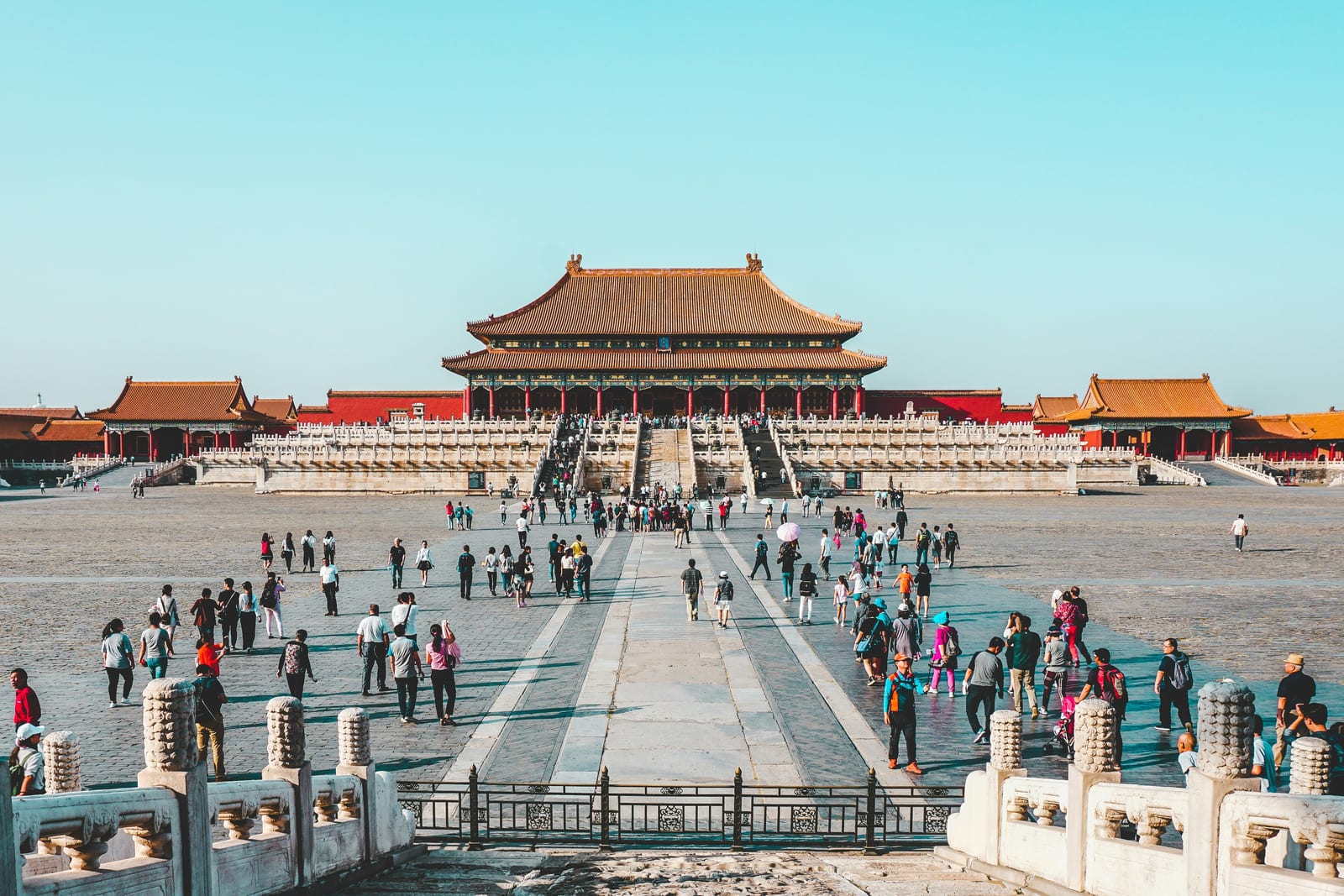
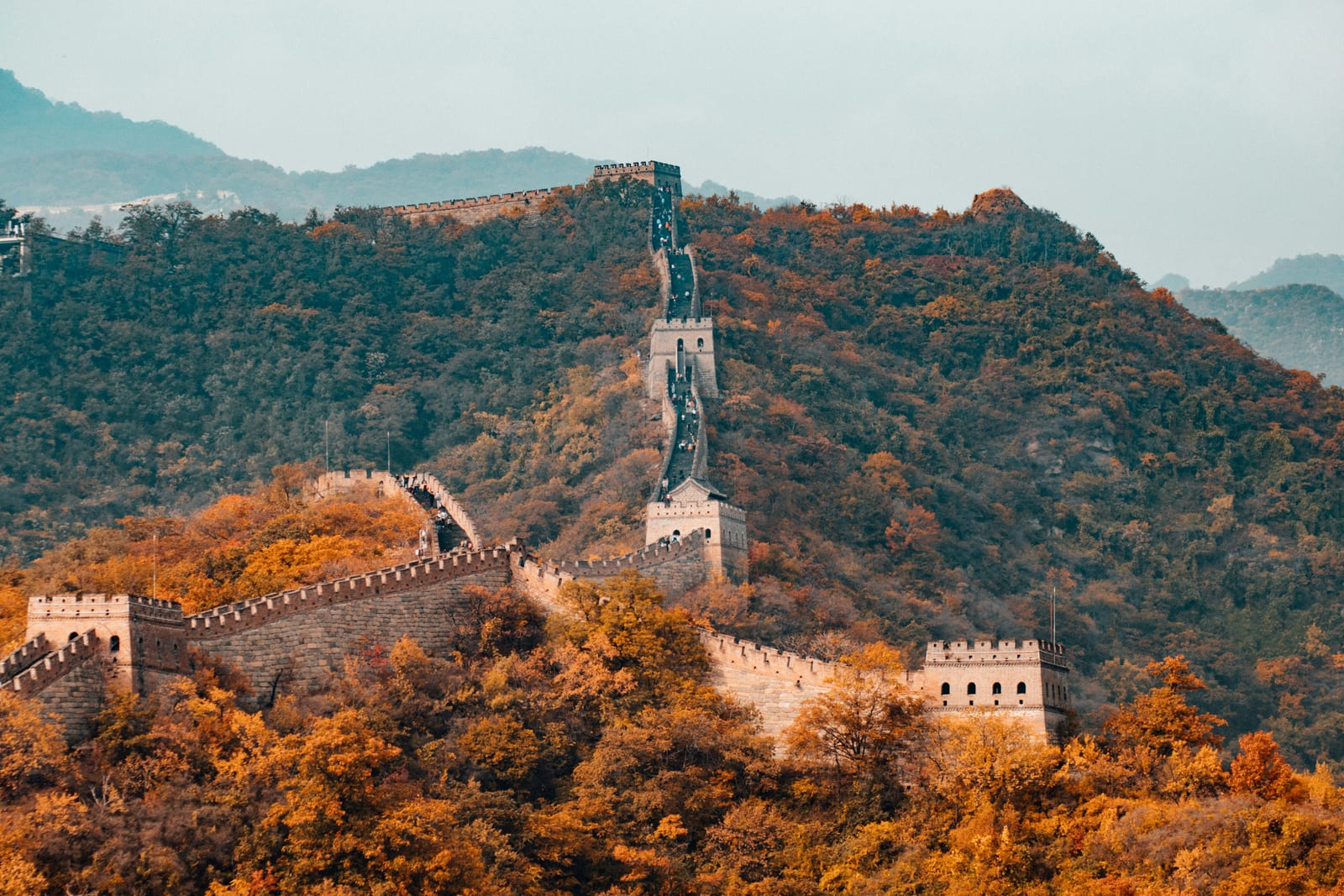
The Pudong skyline of Shanghai at dusk, with the Oriental Pearl Tower, China
Get all information about studying MBBS abroad
Read on to find out how you can fulfil your dream of studying medicine in China.
Why China
Why Study MBBS in China
China offers English-medium degrees at large, well-equipped universities with strong clinical exposure and moderate fees, provided students choose an MoE-approved, NMC compliant university.
MoE-Approved English MBBS
Large Teaching Hospitals
Moderate, Predictable Fees
Modern Infrastructure
Globally Ranked Universities
Global Pathways
Read all about MBBS abroad in our free brochure
Know exactly what options exist for your MBBS-abroad success.
Programme Structure
MBBS Programme Structure in China
The MBBS in China runs for six years, taught in English at MoE-approved universities and divided into pre-clinical, para-clinical and clinical phases, with a final internship year and compulsory Chinese-language study for clinical work.
MBBS (Clinical Medicine)
Duration:
6 Years (incl. 1-year internship)
Degree:
Bachelor of Medicine (MBBS)
Structure of the Medical Programme
Years 1–3
Pre-Clinical & Para-Clinical
Foundation basic sciences and diagnostic subjects, with Chinese-language study (HSK) alongside:
AnatomyPhysiologyBiochemistryPathologyPharmacologyMicrobiologyChinese Language (HSK)Years 4–6
Clinical Phase & Internship
Clinical rotations and a final internship year in large teaching hospitals:
Internal MedicineSurgeryObstetrics & GynaecologyPaediatricsNeurologyPsychiatryEmergency Medicine
Important: MBBS in China is a direct-entry programme after Class 12, taught in English, but students must pass the HSK Chinese-language exam (commonly HSK-4) during the course for clinical interaction with patients, the Chinese medical licence and FMGE eligibility. The six-year course includes a final internship year.
Get the full curriculum
Download a free brochure to see detailed subjects, the course structure and everything you need to plan your studies.
Admissions
Eligibility Criteria
Academic Qualification
Students must have passed Class 12 (10+2) or equivalent from a recognised board with Physics, Chemistry, Biology and English, and must have qualified NEET-UG, which the NMC makes mandatory for Indian students studying medicine abroad.
Prerequisites:
Class 12 (10+2):
Qualifying Aggregate (PCB):
Minimum Marks
Minimum academic performance required for application (as per NMC norms; universities may set higher NEET cut-offs):
| Category | Min. Aggregate (PCB) |
|---|---|
| General | 50% |
| SC / ST / OBC / PwD | 40% |
| NEET-UG | Qualified (many universities expect 200+ marks) |
Age Requirement
Candidates must meet the following criterion at the time of admission:
- Minimum age 17Applicants must have completed 17 years of age on or before 31 December of the year of admission (many universities set an upper age of about 25 for MBBS).
Entrance & Application Requirements
Indian applicants must have a valid NEET-UG result; MoE-approved universities admit on Class 12 marks and NEET score, with Chinese-language (HSK) study required during the course.
NEET-UG
National Eligibility cum Entrance Test, mandatory for Indian students and required for later FMGE eligibility.
HSK (Chinese) during the course
The Hanyu Shuiping Kaoshi Chinese-language exam (commonly HSK-4) must be passed during studies for clinical work, the Chinese medical licence and FMGE eligibility. English is used for teaching.
For Students Planning to Return to India: NEET-UG is required before admission because the NMC makes it compulsory for Indian students abroad. Under the NMC Foreign Medical Graduate Licentiate (FMGL) Regulations 2021, the course must be at least 54 months, English-medium, and completed (including internship) at the same institution in the same country, after which you must clear the FMGE to practise in India.
Admission Guidance & Document Checklist
Get the complete document checklist or admission guidance from our experts.
Study Visa
Student Visa Overview
International students study in China on an X1 student visa (for courses longer than six months). Once admitted, the university issues an Admission Notice and a JW202 form, which you use to apply for the visa.
On admission, the MoE-approved university issues an official Admission Notice and the JW202 form (for self-funded students), which are required for the visa.
Arrange your NEET scorecard, Class 10 and 12 certificates, passport, passport photos and a Foreigner Physical Examination (medical) record.
Submit the X1 visa application with your Admission Notice, JW202, passport and documents to the Embassy / Consulate of China in India.
Provide the required paperwork and complete any verification requested by the mission; the X1 covers courses longer than six months.
Receive the X1 entry visa, which you convert to a temporary residence permit after arriving in China.
Enter China, register with the local police within 24 hours, complete the medical check and apply for the residence permit at the university, renewing it each year.
Get help with your X1 student visa
Our experts guide you through the Admission Notice, JW202 and the visa process end to end.
Cost
Cost of Living for Medical Students in China
Living costs in China vary widely between big cities (Beijing, Shanghai) and smaller ones. Here is an indicative monthly breakdown for a medical student (in ₹ INR approximations). Many universities provide on-campus international-student hostels.
Monthly Living Cost
| Category | Monthly Expense (approx.) |
|---|---|
| Accommodation (hostel) | ₹10,000 – ₹22,000 |
| Food / Groceries | ₹9,000 – ₹18,000 |
| Transportation | ₹2,000 – ₹4,500 |
| Utilities / Internet | ₹2,000 – ₹4,000 |
| Books / Study Material | ₹1,500 – ₹3,000 |
| Miscellaneous | ₹3,000 – ₹6,000 |
Total Monthly
₹27,500 – ₹57,500
About the Country
History of Medical Education in China
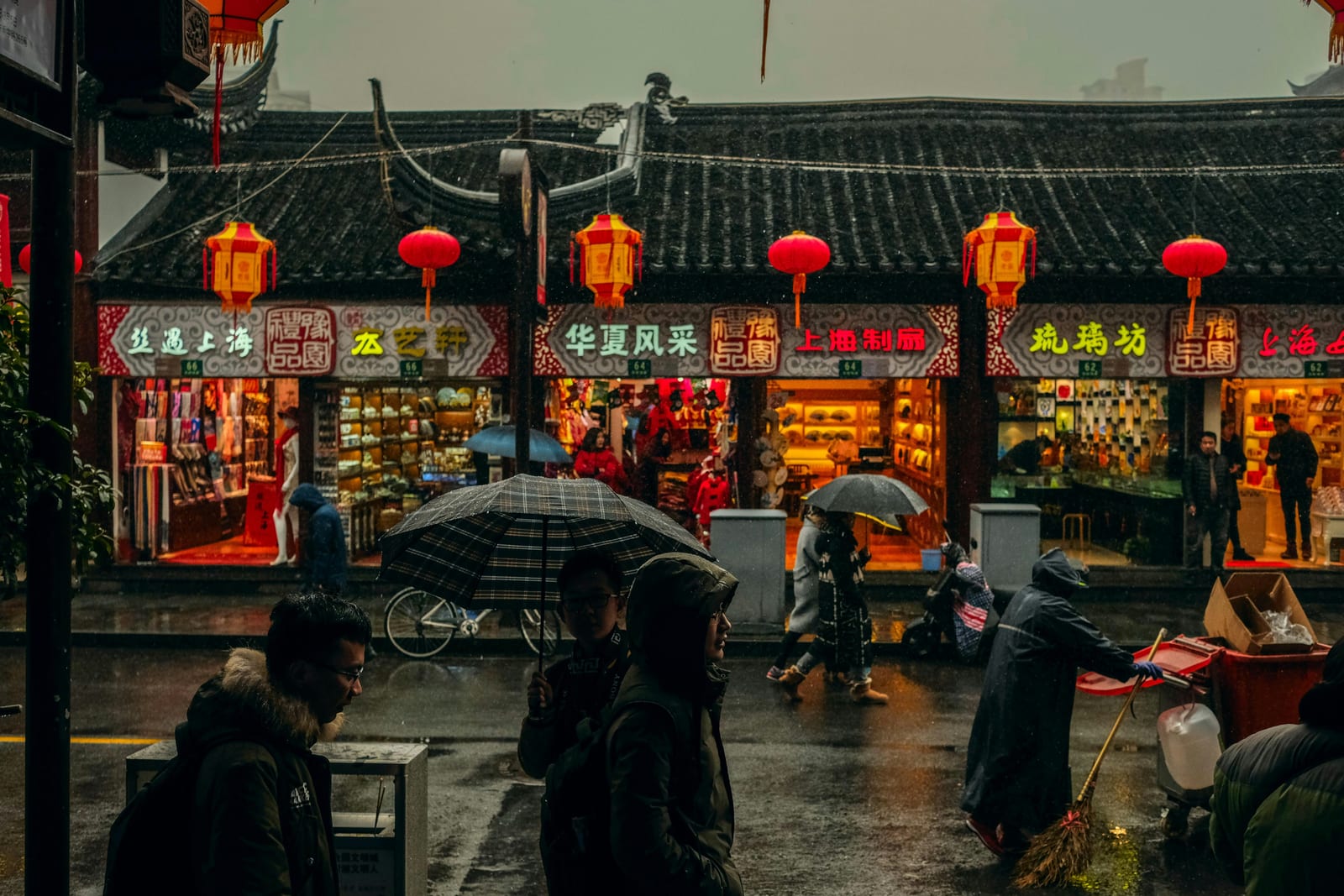
Traditional lantern-lit old-town shopping street in the rain, Shanghai, China
A Century of Modern Medical Training

The illuminated Shanghai skyline at night, China
English-Medium Programmes for the World
Get all information about MBBS in China in our free brochure
Read on to find out how you can fulfil your dream of studying medicine in China.
Role in Medicine
China's Role in Global Medical Education
A Major Destination for Medical Students
Research Strength & Global Recognition
Get all information about MBBS in China in our free brochure
Read on to find out how you can fulfil your dream of studying medicine in China.
How to Practise
Your Path After MBBS in China
After MBBS
Finish the six-year MBBS at an MoE-approved university, including the final internship year and the required HSK Chinese-language level.
Receive your medical degree and have your documents attested for use abroad.
To practise in India, qualify the Foreign Medical Graduate Examination (FMGE) conducted by the National Board of Examinations, or the NExT once it replaces the FMGE.
After clearing the screening exam and completing any required internship, register with the National Medical Commission and your State Medical Council in India.
Compete for a PG seat through NEET PG (or NExT once it starts) in India, or pursue residency / standardized training or a master's in China.
Alternatively, prepare for licensing exams such as the USMLE (USA) or PLAB (UK) to train abroad.
Start clinical practice or enter a residency / PG training programme in your chosen specialty.
Duration of Residency
Postgraduate training length depends on the qualification and country. Typical durations after MBBS are:
| Qualification | Duration |
|---|---|
| Diploma (India) | 2 years |
| MD / MS (India) | 3 years |
| DNB (India) | 3 years |
| Standardized Resident Training (China) | 3 years |
| Master of Medicine (China) | 3 years |
Understand the Return-to-India Pathway
A clear overview of the degree, the FMGL 2021 rules, the FMGE screening and PG options after your MBBS.
Our blog
Medical Education Insights
Articles that turn complex MBBS-abroad rules into simple, practical steps for students and parents.




Compare
Compare Pathways
See how the MBBS pathway in China compares with the MBBS route in India.
Quick Comparison:
MBBS in China vs MBBS in India
| Pathway | MBBS in ChinaChina | MBBS in IndiaIndia |
|---|---|---|
| Entry Level | After Class 12 (10+2) | After Class 12 (10+2) |
| Entrance Exam | NEET-UG | NEET-UG |
| Degree | MBBS (Clinical Medicine) | MBBS |
| Course Duration | 6 years (incl. internship) | 4.5 years + 1-yr internship |
| Medium | English (+ HSK Chinese) | English |
| Licensing (to practise in India) | FMGE | NMC registration after internship |
| Approx. Tuition (full course) | ₹35–65 lakh | ₹50 lakh – ₹1 crore+ (private) |
Compare Top MBBS Destinations for Me
See key differences in fees, duration, eligibility and recognition.
FAQ
Frequently Asked Questions
Short answers to the questions students and parents ask most often about studying medicine in China.