
Free Webinar: MBBS in India

Sat, September 5, 2026 | 7:00 PM

Reserve my Seat
futureMBBS

Free Webinar: MBBS in India

Sat, September 5, 2026 | 7:00 PM

Reserve my Seat
futureMBBS
Beijing, China

Capital Medical University

An English-taught 6-year MBBS in Beijing, at one of China's top dedicated medical universities, with an exceptional network of world-famous teaching hospitals including Beijing Tiantan and Xuanwu.

  • MBBS student
  • MBBS student
  • MBBS student
  • MBBS student

5000+ Students trust us

China

Country

Beijing

City

6 Years

Course duration

English

Medium of instruction

Introduction

Capital Medical University

Capital Medical University (CMU) is one of China's leading dedicated medical universities, based in Beijing. Founded in 1960 as Beijing Second Medical College by the renowned urologist Wu Jieping, it is a Beijing municipal public university, co-supported by the city of Beijing, the National Health Commission and the Ministry of Education. Its defining strength is an exceptional network of around twenty affiliated Beijing teaching hospitals, several of them world-famous, including Beijing Tiantan Hospital for neurosurgery, Xuanwu Hospital for neurology, Anzhen Hospital for cardiovascular medicine, and Tongren Hospital for ophthalmology. CMU is consistently ranked the number one or two dedicated medical university in China, and it runs a Ministry-of-Education-approved, fully English-taught six-year MBBS for international students. Because the MBBS is taught in English, it meets India's NMC English-medium condition. It is an accurate strength that CMU's clinical training is outstanding; it is also honest that, as a municipal university, its overall global ranking is modest and Beijing is expensive.

  • Study program:MBBS (Clinical Medicine), taught in English
  • Language:English (with Chinese / HSK required for clinical rotations and Chinese licensing)
  • Duration:6 Years (including internship; a foundation year may apply)
  • University type:Public (Beijing municipal) medical university (not 985 / 211 / C9)
  • Tuition fees:About RMB 50,000/year (about US$6,900, roughly ₹5.8 lakh/year, approx.); around ₹35 lakh in tuition over six years
  • Entrance examination:Application via CMU's International School with Class 12 (PCB) marks and English proficiency; NEET required for Indian students
  • Application deadline:Apply for the September intake (around an August deadline); check the official CMU 2026 dates
  • Recognition:MOE-approved English-MBBS university (70-seat quota); listed in the World Directory of Medical Schools; NMC/FMGE pathway for India (see below)
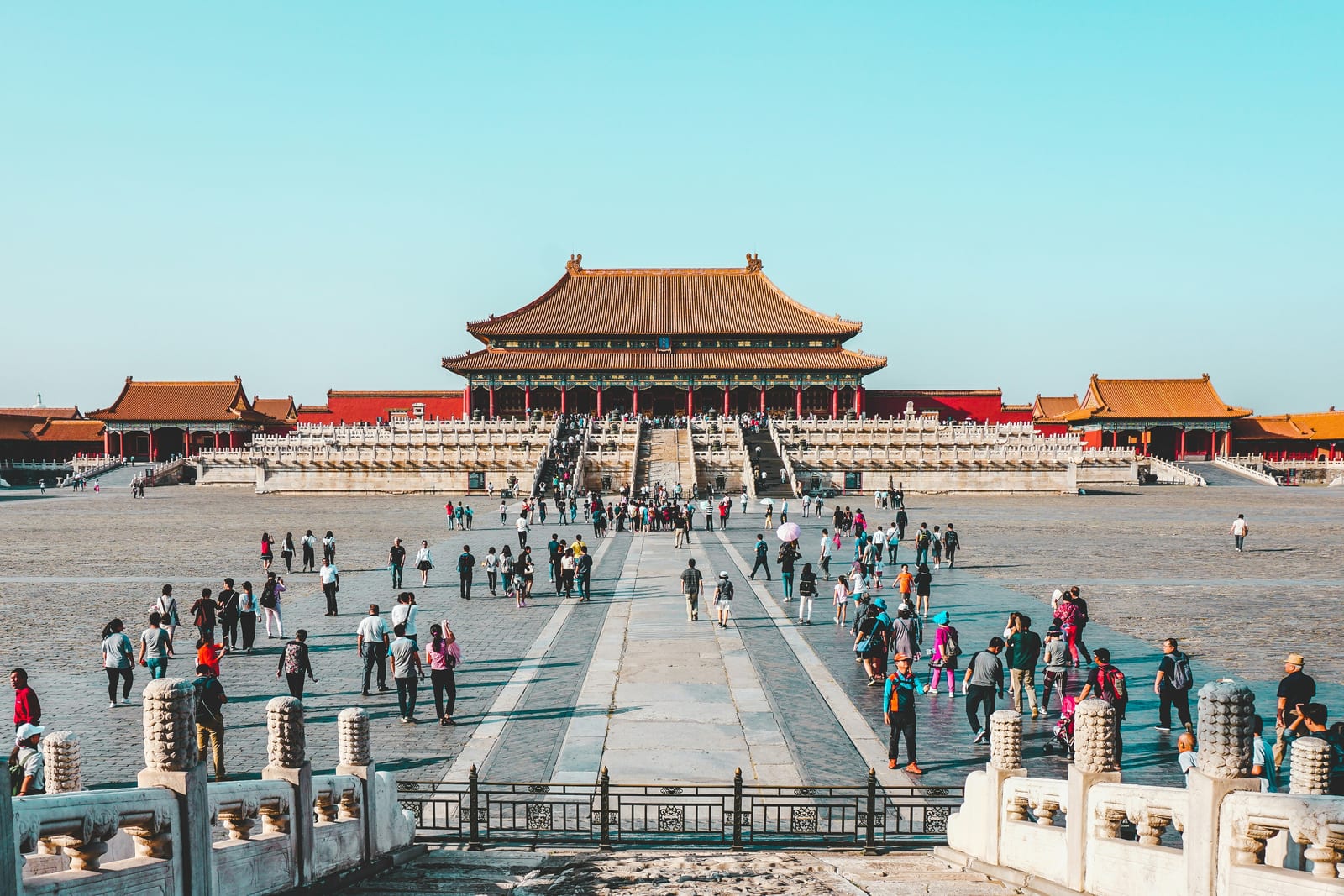
The Forbidden City in Beijing, the city where Capital Medical University is based
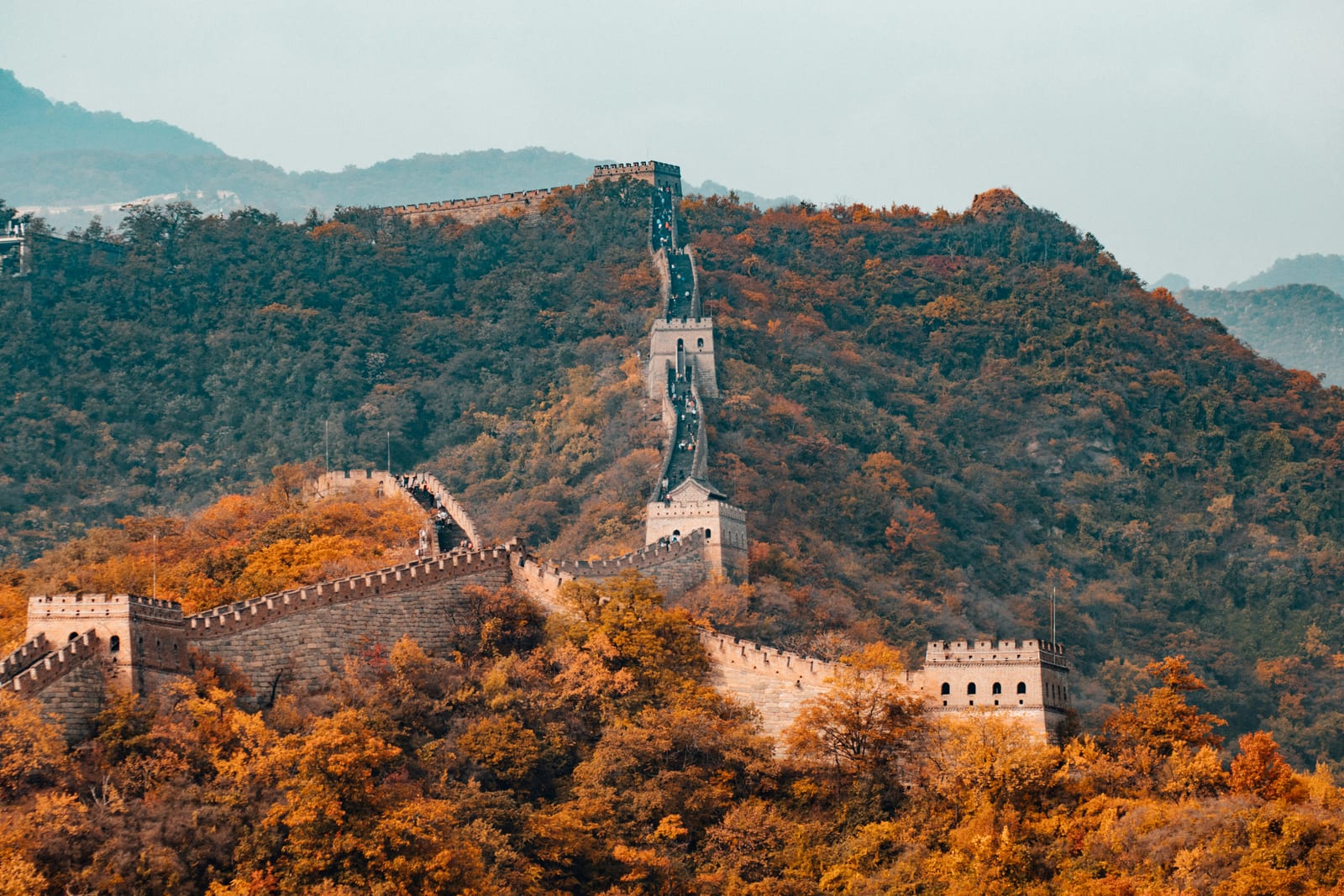
The Great Wall of China in autumn, near Beijing (Beijing-area landmark, not the campus)
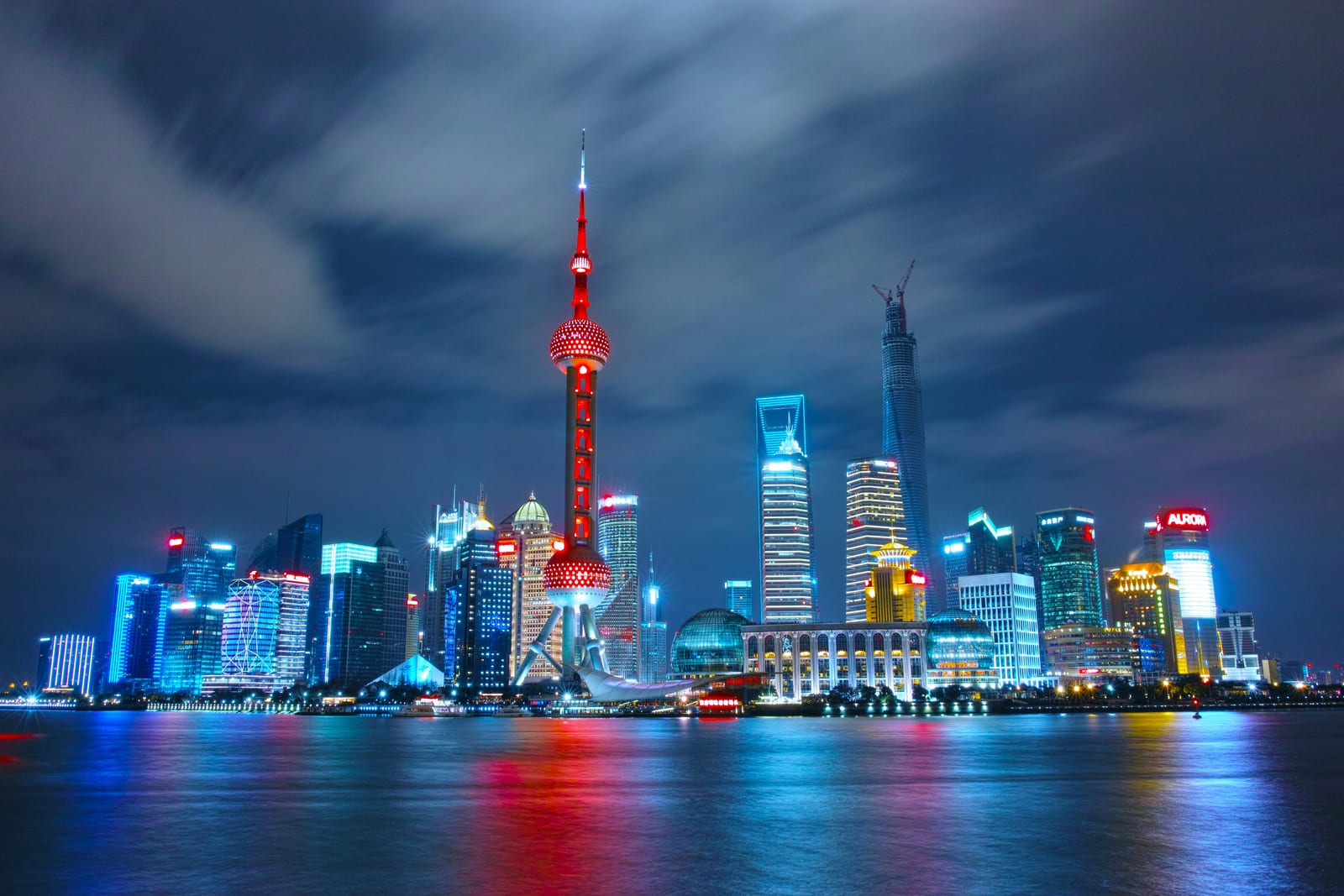
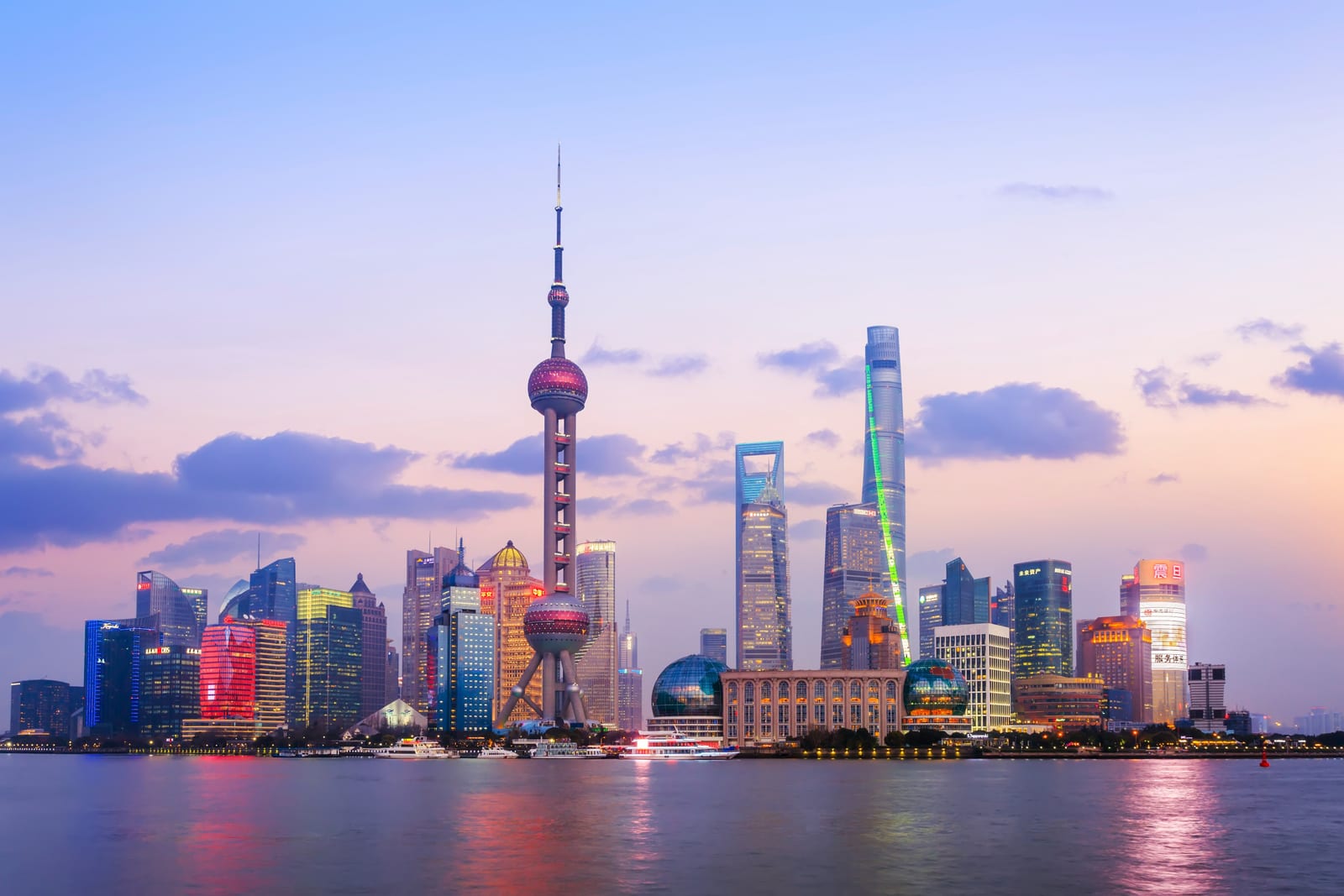
A Shanghai skyline at dusk (national-context image; this is Shanghai, not Beijing or the campus)

The Forbidden City in Beijing, the city where Capital Medical University is based

An English-taught MBBS with world-famous Beijing teaching hospitals

Download our free brochure, or speak to our experts about studying medicine in English at Capital Medical University, and what it takes for Indian students to get in and to practise back home.

Recognition & Prestige

Rankings & Recognition

Capital Medical University is consistently ranked among the top one or two dedicated medical universities in China, and its clinical medicine is genuinely strong. Its greatest asset is its network of world-famous Beijing teaching hospitals. Importantly for Indian students, its MBBS is taught in English and approved by China's Ministry of Education for international students. Its overall global ranking is modest, so it is a specialist medical powerhouse rather than a top-100 world university.

  • Top 1-2 in China

    Among China's best dedicated medical universities (ShanghaiRanking)

  • #135–200

    World range for clinical medicine (U.S. News and ARWU); not in the QS world overall table

  • MBBS in English

    MOE-approved English-taught MBBS (70-seat quota)

Capital Medical University is one of China's top dedicated medical universities, with an exceptional network of famous Beijing teaching hospitals. It runs a Ministry-of-Education-approved English-taught MBBS and is listed in the World Directory of Medical Schools, so Indian students can pursue the NMC FMGE/NExT pathway, subject to meeting NMC conditions. CMU is a Beijing municipal university — it is not a Project 985, Project 211 or C9 institution, and it is not ranked in the QS World University Rankings overall, though QS by Subject places its medicine around #151–225 and U.S. News and ARWU place its clinical medicine in the world's top ~135–200.

Complete Information About CMU's English MBBS

Get complete information about studying the English-taught MBBS at Capital Medical University, including fees, admission and recognition for Indian students.

Success stories

Student Success Stories

Hear directly from students who are studying medicine in Europe with futureMBBS.

Academic Excellence

Why Study MBBS at Capital Medical University

CMU offers a rare combination for Indian students: one of China's best dedicated medical universities, an English-taught MBBS, and an unmatched network of famous Beijing teaching hospitals. These are its genuine strengths, with the honest caveats.

A World-Famous Hospital Network

CMU's defining strength is its network of around twenty affiliated Beijing hospitals, several world-renowned, including Beijing Tiantan (neurosurgery), Xuanwu (neurology), Anzhen (cardiovascular), Friendship, Tongren (ophthalmology) and Beijing Children's, giving outstanding clinical exposure.

A Top Dedicated Medical University

CMU is consistently ranked the number one or two dedicated medical university in China (ShanghaiRanking), so its clinical medicine and teaching are genuinely elite within China.

An English-Taught MBBS

CMU runs a Ministry-of-Education-approved, fully English-taught six-year MBBS for international students, so Indian students study the medical curriculum in English.

Meets the NMC English-Medium Rule

Because the MBBS is taught in English, it satisfies the NMC's English-medium condition under FMGL-2021, unlike Chinese-taught programmes, which is essential for Indian students who want to practise in India.

In the Capital

Studying in Beijing, China's capital, places students at the centre of the country's medicine, research and culture, in a safe, world-class city.

A Distinguished Heritage

Founded in 1960 by the celebrated urologist Wu Jieping, CMU has a proud tradition of clinical excellence and has produced leading Chinese physicians and academicians.

Selective and Premium — Plan Honestly

CMU's English-MBBS cohort is small (a 70-seat MOE quota), Beijing is expensive, the Indian community is smaller than at high-volume schools, and winters are cold; students still need NEET, some Chinese (HSK), and must clear the FMGE/NExT. As a municipal university, CMU is not 985/211/C9 and is not in the QS world overall table, though its medicine is strong.

Read all about MBBS abroad in our free brochure

Know exactly what options exist for your MBBS-abroad success.

How to Apply

Admission Process for the English MBBS

Admission to CMU's English-taught MBBS is through the university's International School, based on Class 12 (PCB) results and English proficiency, with a small MOE-set quota. It is not decided on NEET, but Indian students must have qualified NEET to be eligible later for Indian licensing.

Admission Timeline

  1. 1
    Class 12 & NEETQualify Class 12 and NEET-UG

    Applicants need Class 12 with Physics, Chemistry and Biology and good marks (commonly cited around 50-60% in PCB); Indian students must also hold a qualifying NEET-UG score, mandatory for later Indian licensing.

  2. 2
    Apply OnlineSubmit the CMU Application

    International applicants apply through CMU's International School with academic documents, passport, English-proficiency evidence, a guarantor form, a medical exam and a bank statement (about US$15,000).

  3. 3
    AssessmentDocument Review / Interview

    CMU selects by document review and interview against a limited 70-seat MOE quota; there is no separate entrance exam beyond English.

  4. 4
    OfferConfirm the Seat

    Selected students confirm the seat and receive the admission letter and JW202 form for the Chinese student visa.

  5. 5
    VisaApply for the Student Visa

    Students apply for the Chinese student (X) visa with the admission documents and complete a medical check.

  6. 6
    SeptemberStudies Begin

    The English-taught MBBS begins in the September intake in Beijing; students study Chinese (HSK) alongside from the start.

Eligibility Criteria

Academic Qualification

Applicants need Class 12 (or equivalent) with Physics, Chemistry and Biology and good marks (CMU/China norms are commonly cited around 50-60% in PCB). For Indian students who intend to practise in India, the National Medical Commission's norms also apply: a minimum of 50% in PCB (40% for reserved categories) and a qualifying NEET-UG score. English proficiency (e.g. TOEFL ~550 / IELTS ~5.5-6.0) is expected unless waived for English-medium backgrounds.

Subjects:

Physics, Chemistry, Biology and English at Class 12; English proficiency for the English MBBS

Age Requirement

Indian students should be at least 17 years old by 31 December of the year of admission, in line with the National Medical Commission's rules for MBBS.

  • NEET-UG qualification is mandatory for IndiansRequired to study MBBS abroad and to sit the FMGE/NExT for practice in India

Requirements

International applicants apply through CMU's International School with academic, English-proficiency and financial documents. Indian students also need a valid NEET-UG score, and should be prepared to learn some Chinese (HSK) for the clinical years and Chinese licensing.

  • English MBBS + Some Chinese

    The MBBS is taught in English, but students study Chinese (HSK) alongside it, needed to communicate with patients during clinical rotations and for the Chinese medical licensing exam.

  • NEET for India Licensing

    NEET is not part of CMU admission, but Indian students must have qualified NEET-UG before starting to be eligible for the FMGE/NExT and Indian registration later.

Admissions Assessment

There is no UCAT-style entrance test; CMU selects on academic record, English proficiency and an interview, against a limited MOE quota.

ComponentRequirement
Application routeCapital Medical University International School (online application, document review / interview)
Medium of instructionEnglish (with Chinese / HSK required for clinical rotations and for licensing)
Academic requirementClass 12 with PCB (around 50-60%); English proficiency (TOEFL ~550 / IELTS ~5.5-6.0)
Intake / quotaSeptember; a limited MOE quota (about 70 seats)
India-side requirementNEET-UG qualification, mandatory for later FMGE/NExT licensing in India

Required Documents

Indian applicants typically provide the following for admission and the student visa:

  • Class 10 and Class 12 mark sheets and certificates
  • NEET-UG scorecard for the relevant year
  • Proof of English proficiency (TOEFL/IELTS) and a valid passport
  • Guarantor form, medical examination record, non-criminal record and a bank statement (about US$15,000)
  • Admission letter and JW202 form, then the Chinese student (X) visa
  • + More

Admission Guidance & Document Checklist

Get the complete document checklist or admission guidance from our experts.

Program Structure

MBBS Course Structure at Capital Medical University

CMU's six-year, English-taught MBBS moves from a foundation and basic-science phase to clinical study and a final internship in the university's famous Beijing hospitals, with Chinese-language study alongside to support the clinical years. It leads to a Bachelor of Medicine and Bachelor of Surgery.

MBBS (Clinical Medicine) Course

  • Total Duration:

    6 Years (taught in English; a foundation year may apply)

  • Degree:

    Bachelor of Medicine and Bachelor of Surgery (MBBS), with a Capital Medical University diploma

Course Phases at Capital Medical University

  • Year 1 (Foundation)

    Foundation & Chinese

    A foundation year in English covering prerequisite sciences, with Chinese language studied so students can work with patients later:

    Foundation sciencesChinese / Medical Chinese
  • Years 2–3

    Basic Medical Sciences

    The pre-clinical basic medical sciences, taught in English:

    AnatomyPhysiologyBiochemistryHistology
    MicrobiologyPathologyPharmacology
  • Years 4–5

    Clinical Sciences & Rotations

    Clinical subjects and rotations in CMU's famous Beijing teaching hospitals, using Chinese with patients:

    Internal MedicineSurgeryObstetrics & GynaecologyPaediatrics
    PsychiatryThe specialties
  • Year 6

    Internship & MBBS

    A final internship year in the affiliated hospitals, completing the six-year programme and the award of the MBBS.

    Rotational clinical internship across the major departments

Clinical Training & Hospitals

CMU's clinical training draws on its exceptional network of famous Beijing teaching hospitals. An indicative picture:

PhaseFocus
Years 4–5Clinical subjects and rotations in Internal Medicine, Surgery, Paediatrics, Obstetrics & Gynaecology and the specialties
Teaching hospitalsBeijing Tiantan (neurosurgery), Xuanwu (neurology), Anzhen (cardiovascular), Friendship, Tongren (ophthalmology/ENT), Chaoyang, Beijing Children's and others
Year 6 & IndiaA final internship completes the MBBS; to practise in India, graduates must meet NMC/FMGL-2021 conditions and pass the FMGE/NExT

Get the full curriculum

Download a free brochure to see detailed subjects, the course structure and everything you need to plan your studies.

Legacy

Distinguished Figures of Capital Medical University

From its founding urologist to pioneering neurosurgeons at Beijing Tiantan, CMU has a distinguished record in Chinese medicine. The figures below are genuinely and verifiably connected to CMU.

Wu Jieping

Wu Jieping (1917-2011) was the founding president of Capital Medical University and one of China's most eminent physicians, a world-renowned urologist and an academician of both the Chinese Academy of Sciences and the Chinese Academy of Engineering. He led the Chinese Medical Association and the Chinese Academy of Medical Sciences and shaped modern Chinese medicine.
Wang Zhongcheng

Wang Zhongcheng (1925-2012) was a pioneering neurosurgeon at CMU's Beijing Tiantan Hospital, an academician of the Chinese Academy of Engineering and a winner of China's Highest Science and Technology Award in 2008. He founded and built modern neurosurgery in China and trained generations of brain surgeons.

Ji Xunming

Ji Xunming is an academician of the Chinese Academy of Engineering and a leading stroke and neuroprotection researcher who served as President of CMU and is now a Vice President, with major publications in the world's top medical journals.

Zhang Junting

Zhang Junting is a leading skull-base neurosurgeon at Beijing Tiantan Hospital, recognised as a 'Good Doctor of China', whose surgical work and training have advanced complex neurosurgery in China.

Zhang Luo

Professor Zhang Luo is the current President of Capital Medical University and a prominent ear, nose and throat specialist and allergic-rhinitis researcher based at Beijing Tongren Hospital.

Faculty

Teaching is delivered by CMU's faculty and its network of famous Beijing teaching hospitals, with several academicians of the Chinese Academies among its staff. The university is led by its President, Professor Zhang Luo, appointed in 2025.

Academic Expertise

  • A top dedicated medical university in China

  • Around twenty famous affiliated Beijing hospitals

  • Academicians of the Chinese Academies on staff

  • Clinical strengths in neurosurgery, cardiology and more

Student Support & Mentorship

  • English-medium teaching with Chinese-language support

  • Clinical supervision in world-famous hospitals

  • A dedicated International School

  • Support for international students in Beijing

About University

History Information

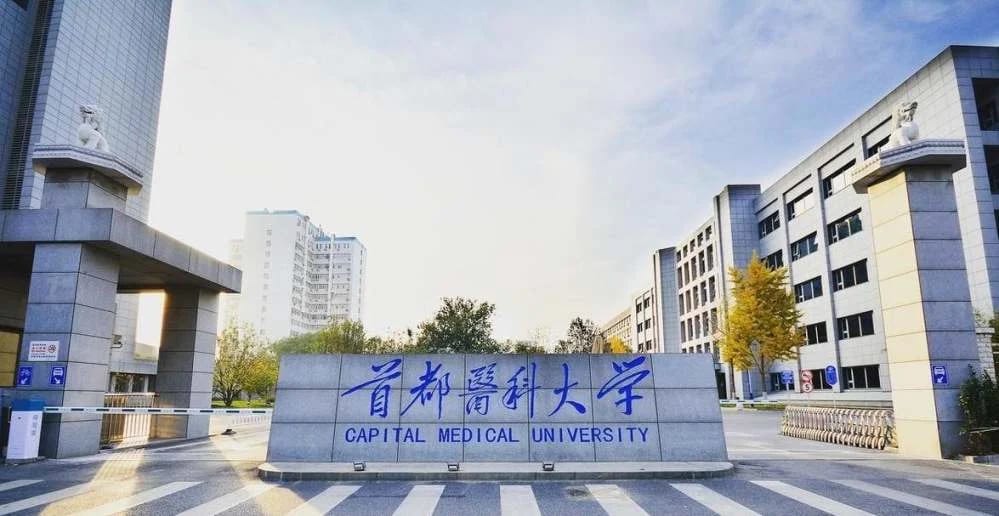
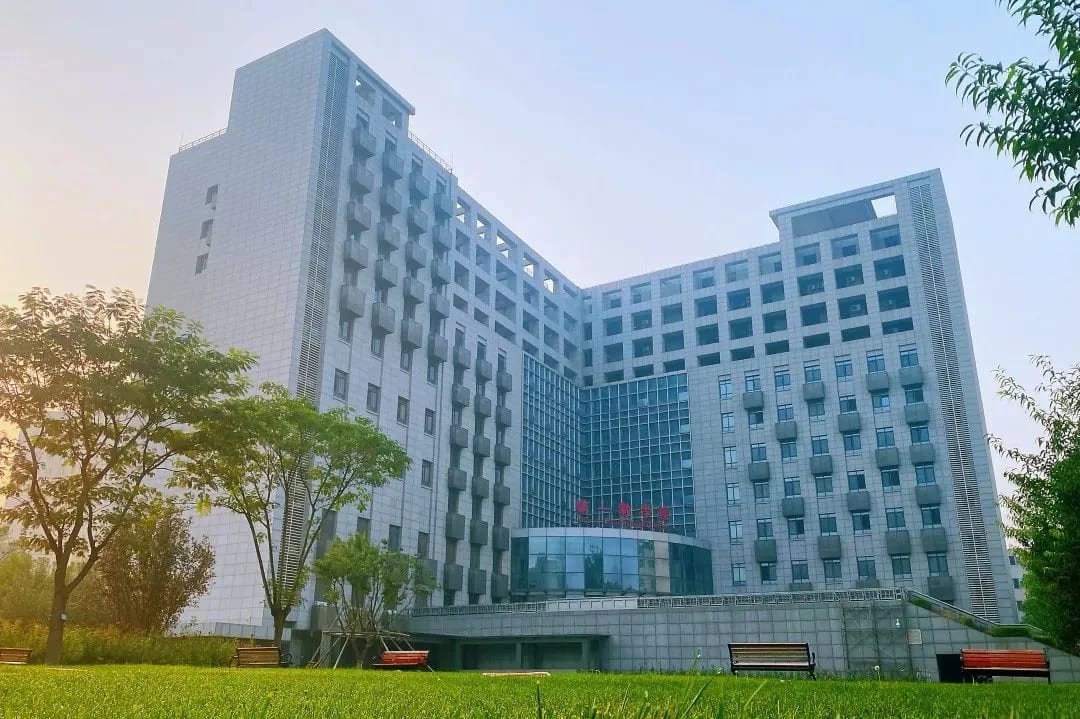
A campus academic building of Capital Medical University in Beijing

A campus academic building of Capital Medical University in Beijing

Founded in 1960

Capital Medical University was founded in 1960 as Beijing Second Medical College, established by the renowned urologist Wu Jieping. From the start it was closely tied to Beijing's major hospitals, which became its network of affiliated teaching hospitals.

Growth into a Leading Medical University

Over the following decades the college grew into Capital University of Medical Sciences and then Capital Medical University, building one of the strongest clinical and research bases in China, especially in neuroscience, cardiovascular medicine and ophthalmology.

A Beijing Municipal University

CMU is a Beijing municipal public university, co-supported by the city of Beijing, the National Health Commission and the Ministry of Education. Though not a Project 985 or 211 university, it is consistently ranked among the top dedicated medical universities in China.

A Global Medical School Today

Today CMU runs an English-taught MBBS for international students through its International School, is listed in the World Directory of Medical Schools, and trains students in around twenty famous Beijing teaching hospitals.

Get all information about Capital Medical University in our free brochure

Read on to find out how you can study the English-taught MBBS at Capital Medical University.

Role in medicine

Role in medical education

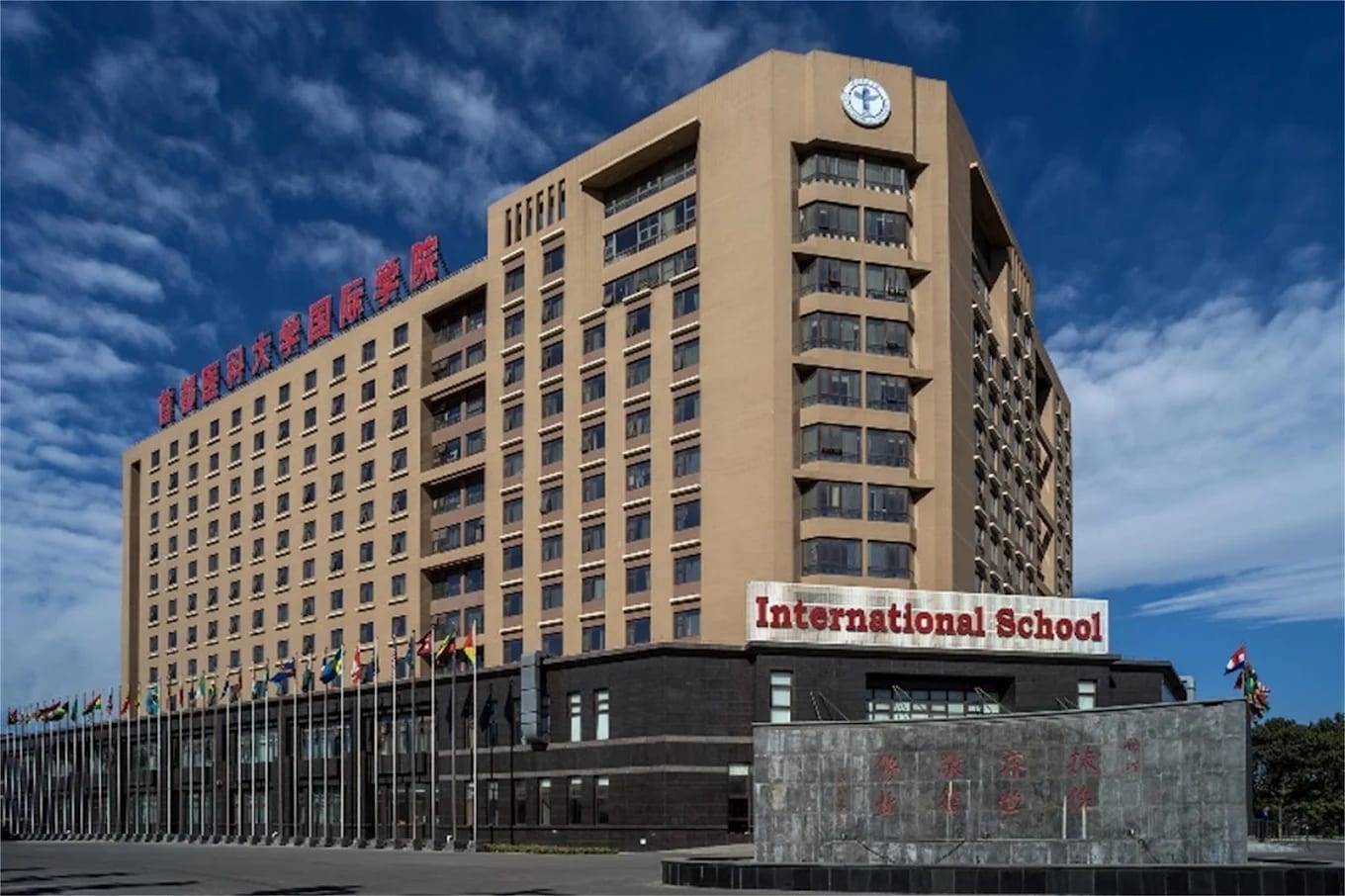
The International School building of Capital Medical University, with flags of many countries outside

The International School building of Capital Medical University, with flags of many countries outside

A Clinical Powerhouse in the Capital

Capital Medical University is one of China's foremost clinical medical universities, training top doctors through an exceptional network of famous Beijing hospitals and leading national research in neuroscience, cardiovascular medicine and other fields.

Educating International Doctors in English

Through its International School and its Ministry-of-Education-approved English-taught MBBS, CMU educates international medical students in English, giving students from India and elsewhere access to top Chinese clinical training in the capital.

A Network of Famous Hospitals

CMU's affiliated hospitals, from Beijing Tiantan to Xuanwu and Anzhen, are among the most famous in China and give students clinical exposure in world-class specialist centres, the university's single greatest asset.

Get all information about Capital Medical University in our free brochure

Read on to find out how you can study the English-taught MBBS at Capital Medical University.

Cost of living

Living Cost in Beijing

Beijing is one of the most expensive cities in China, so students should budget carefully. Here is an approximate monthly guide for a student (this is separate from tuition, and figures are indicative).

Monthly Living Cost

Cost ComponentApproximate Amount (per month)
Accommodation (campus dormitory)₹7,000 – ₹16,000 (RMB 600 – RMB 1,400)
Food & Groceries₹21,000 – ₹32,000 (RMB 1,800 – RMB 2,800)
Transport & Personal₹6,000 – ₹11,500 (RMB 500 – RMB 1,000)
Winter Clothing & Miscellaneous₹8,000 – ₹17,000 (RMB 700 – RMB 1,500)
Get Free MBBS Guide

Average monthly living cost (excluding tuition)

₹41,000 – ₹77,000 (RMB 3,600 – RMB 6,700)

Housing

Accommodation

Capital Medical University provides on-campus dormitory accommodation for international students, and there is a large private-rental market in Beijing, though rents are high. Housing should be confirmed with CMU's International School.

On-Campus Dormitory

CMU offers on-campus international-student dormitories (roughly RMB 7,200-16,500/year, about ₹83,000–1.9 lakh, depending on room type), furnished and close to the campus; apply early through the International School.

Furnished, Heated Rooms

Dormitory rooms are furnished and heated, important in Beijing's cold winters, in a secure, supervised student environment.

Off-Campus Rentals

Students can rent private rooms or apartments in Beijing; rents in the capital are high, so budgeting and early searching matter.

Cost of Housing

Beijing is one of the most expensive Chinese cities for accommodation, well above smaller cities, so plan finances carefully.

Location

The main campus is in the Fengtai/Youanmen area of Beijing, well served by the city's extensive metro, close to several teaching hospitals.

Safety

Beijing is a very safe city with low street crime, comfortable for international students.

International School Support

CMU's International School supports foreign students with arrival, orientation, visa and housing matters.

Apply Early

Dormitory places are limited and should be arranged through the International School as part of the admission process.

Need accommodation details?

Get a full overview of housing options with our university guide, or reach out to an expert.

Food & Dining

Indian and Vegetarian Food in Beijing

As a major cosmopolitan capital, Beijing has Indian restaurants and vegetarian options, though CMU's Indian student community is smaller than at high-volume MBBS cities, so students should plan.

CMU's campus canteens serve a wide range of affordable meals, including vegetarian options; Chinese campuses often also have Muslim (halal) canteens for students who need them.

Location

How to Reach Capital Medical University

Address

Capital Medical University, No. 10 Xitoutiao, Youanmen, Fengtai District, Beijing 100069, China

  • Nearest Airport

    Beijing Capital International Airport (PEK) and Beijing Daxing International Airport (PKX); Indian students reach Beijing via direct or one-stop connections from Delhi, Mumbai or Kolkata. China is 2.5 hours ahead of Indian time

  • Local Transport

    Beijing has one of the world's largest metro systems, plus buses and ride-hailing; the campus is in Fengtai district, well connected to the teaching hospitals across the city

Your Roadmap to Success

Career Pathways After MBBS at Capital Medical University

The CMU MBBS is an English-taught degree from a top Chinese medical university, listed in the World Directory of Medical Schools, opening licensing pathways in India and, subject to each country's rules, elsewhere.

Understand the Medical Licensing Pathway

A clear overview of the exams and requirements after graduation.

Practising in India

FMGE & NExT Details

An Indian graduate of CMU who wants to practise in India follows the licensing pathway set by the National Medical Commission (NMC): qualifying NEET before starting, completing a course and internship that meet the NMC's conditions, clearing the NMC screening examination (currently the FMGE, transitioning to the NExT), completing the required internship in India and registering with the medical council. CMU's English-taught MBBS satisfies the NMC's English-medium condition, which is a genuine advantage, but the NMC does not 'approve' individual foreign universities, so each student must meet the conditions.

  1. Step 1

    NEET Before You Start

    Under NMC rules, an Indian student must have qualified NEET-UG before beginning the course abroad to be eligible later for Indian licensing. NEET is mandatory both to study MBBS abroad and to sit the FMGE/NExT.

  2. Step 2

    Meet the FMGL 2021 Conditions

    The Foreign Medical Graduate Licentiate Regulations 2021 require a course and internship of at least 54 months plus a 12-month internship in the same institution, an English medium of instruction (which CMU's MBBS satisfies), and a degree that entitles the holder to be registered as a physician in the country of study. Note that to be licensed in China itself, graduates must pass the Chinese medical licensing exam, which needs Chinese (HSK).

  3. Step 3

    Clear the FMGE / NExT and Register

    Graduates must clear the qualifying examination for foreign medical graduates, currently the FMGE, which India is replacing with the National Exit Test (NExT), then complete the required internship in India and register with the National Medical Commission or a State Medical Council.

Student Life Style

Student life at Capital Medical University in Beijing

Being a medical student at CMU means studying at a top Chinese medical university in Beijing, China's capital, with world-class hospitals and culture, though the Indian community is smaller and winters are cold.

A Chinese city skyline lit up at night (national-context image of Shanghai, not Beijing or the campus)

A Chinese city skyline lit up at night (national-context image of Shanghai, not Beijing or the campus)

Academics

CMU's MBBS is demanding and taught in English at a top dedicated medical university, with Chinese studied for the clinical years. Training in famous hospitals such as Beijing Tiantan gives outstanding clinical exposure, though the course is rigorous and the intake small.

Life in Beijing

Beijing is China's capital, combining imperial history (the Forbidden City, the nearby Great Wall) with a modern metropolis, an excellent metro and high safety. It is one of China's most expensive cities, and winters are cold and dry.

A Smaller International Community

CMU's English-MBBS cohort is small (a 70-seat quota), so the Indian community here is smaller than at high-volume MBBS cities like Wuhan or Changchun; students should be ready for a more independent experience in a big capital city.

Culture and Community

Beijing offers rich culture, history and food and a large international-student presence across the city's universities, and CMU's International School brings together students from many countries.

Overall Experience

Studying MBBS at CMU is about earning an English-taught degree at a top Chinese medical university with exceptional hospitals in the capital, rewarding for a committed student who is ready for a premium-cost, cold-winter city and a smaller cohort.

Fees & Financial

Fees & Financial Planning

CMU is a premium-cost option in an expensive city, though some scholarships exist. Realistic financial planning matters because Beijing living costs are high.

The English-taught MBBS tuition is about RMB 50,000 per year (roughly ₹5.8 lakh), around ₹35 lakh over six years, plus a possible foundation-year fee, on-campus accommodation and high Beijing living costs, so the realistic all-in cost is roughly ₹60-85 lakh over the six years. Confirm the current tuition with CMU's International School.

  • Approx. RMB 50,000/year tuition (~₹5.8 lakh)
  • ~₹35 lakh total tuition over six years
  • On-campus accommodation ~RMB 7,200-16,500/year (~₹83,000–1.9 lakh)
  • All-in roughly ₹60-85 lakh over six years

Ratings

Reviews & Ratings

Hear from students and alumni about their experience at Capital Medical University.

4.5

50 reviews

Academics4.7
Hospital Network4.9
English-Medium Teaching4.5
Cost3.9
City & Safety4.6
  • Amazing hospitals in the capital

    Student — MBBS 2022

    The affiliated hospitals like Beijing Tiantan and Xuanwu are world-famous, so the clinical exposure is incredible, and it's English-medium. Beijing is expensive though, and the winters are cold.

  • Top Chinese medical university

    Student — MBBS 2021

    CMU is one of the best dedicated medical universities in China and being English-medium makes the FMGE route realistic. The Indian community is smaller than in Wuhan, so you're more independent.

Compare

Compare Colleges

Compare Capital Medical University with a leading Indian medical college.

Quick Comparison:

Capital Medical University vs AIIMS New Delhi

University
Capital Medical UniversityBeijing, China
AIIMS New DelhiNew Delhi, India
University TypePublic (Beijing municipal) medical universityGovernment institute of national importance
MediumEnglish (Chinese/HSK for clinical years)English
Course Duration6 years (MBBS, English-taught)5.5 years including internship (MBBS)
Tuition (per year)~RMB 50,000 (~₹5.8 lakh)Nominal (a few thousand rupees per year)
AdmissionCMU International School + Class 12 + English + NEET (for India)NEET-UG (extremely high rank)
RecognitionMOE English-MBBS (70 seats); WDOMS-listed; NMC-eligible via FMGE/NExTNMC-recognised
StandingTop 1-2 dedicated medical university in China; not in QS world overallIndia's top-ranked medical institute (NIRF #1)

Compare Top MBBS Universities for Me

See key differences in fees, ranking, eligibility and recognition.

Our blog

Medical Education Insights

Articles that turn complex MBBS-abroad rules into simple, practical steps for students and parents.

FAQ

Frequently Asked Questions

Short answers to the questions students and parents ask most often about studying the MBBS at Capital Medical University.

Campus photographs supplied by the client. Scenery images courtesy of Unsplash: the Forbidden City, Beijing — photo by Ling Tang; the Great Wall in autumn — photo by Hanson Lu; the Shanghai skyline at dusk — photo by Edward He; the Shanghai skyline at night — photo by Li Yang; the Zhangjiajie mountains and the Great Wall (social image) — Unsplash contributors. The Forbidden City and Great Wall are Beijing-area landmarks; the Shanghai and Zhangjiajie images are national context, not Beijing.