Universities
Bogomolets National Medical University 2026: Fees, FMGE
28 Jul 2026
12 min read
Bogomolets National Medical University, Kyiv: 2026 admission dates, English MBBS fees, FMGE pass rates 2023 to 2025, NMC rules and the Indian Embassy advisory.

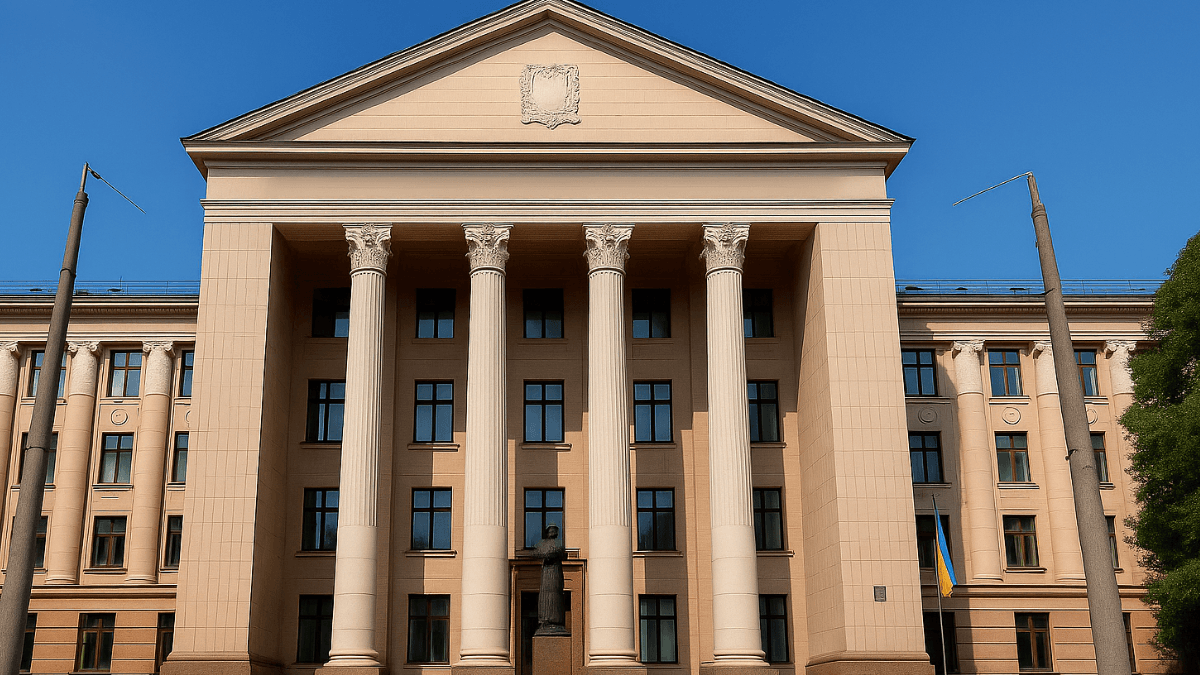
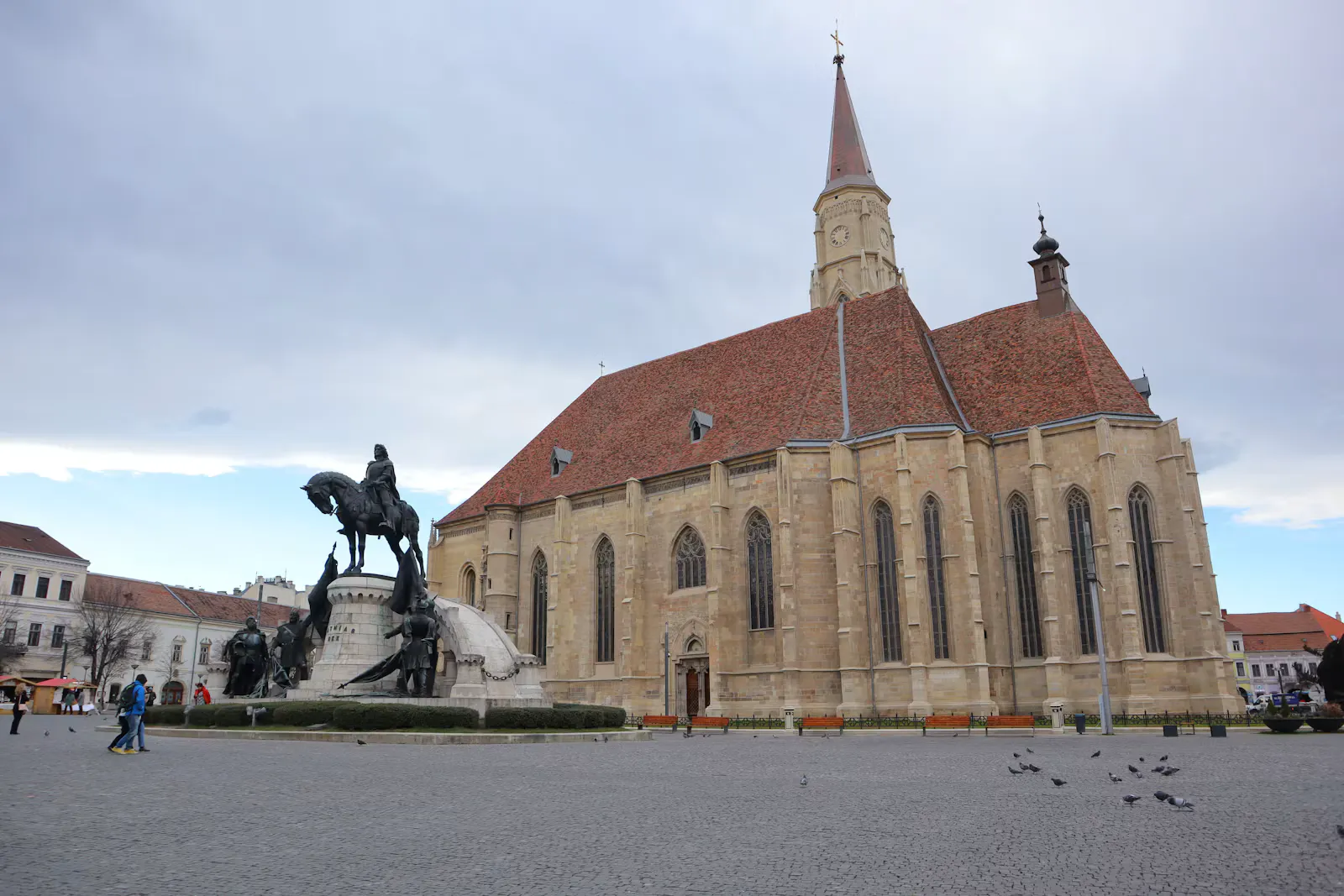
Bogomolets National Medical University is a public medical university in Kyiv, Ukraine, with medical teaching since 1841. It is open for 2026 admission, and its six-year General Medicine course is taught in English. Ukraine remains at war, and the Embassy of India in Kyiv advises Indian citizens to leave Ukraine.
Updated on 30 September 2026.
Key Takeaways
Listed on WDOMS as currently operational. WDOMS, the World Directory of Medical Schools, lists Bogomolets National Medical University in Kyiv as a public school with FAIMER School ID F0000091 (WDOMS entry for the university).
Admission for 2026 is open. The university accepts applications from foreign students from 19 July to 31 October 2026, in person or remotely (university admissions page for foreign citizens).
English-taught Medicine fee. The university fee schedule lists 3,500 conventional units for year 1 and 4,700 for each of years 2 to 6 (university fee schedule for foreign students).
FMGE results above the Ukraine average. In December 2025, 49 of 176 graduates passed FMGE, or 27.84%. The figure for all Ukrainian universities was 21.48% (NBEMS FMGE Performance Report 2025).
The Indian Embassy advisory still stands. The latest advisory on the Embassy of India, Kyiv website is dated 25 October 2022. It asks Indian citizens in Ukraine to leave immediately (Embassy of India advisory, 25 October 2022).
What is Bogomolets National Medical University?
Bogomolets National Medical University is a state medical university in Kyiv, the capital of Ukraine. Medical teaching there began in 1841, as the medical faculty of the University of St. Volodymyr. For a full picture of the country, read our MBBS in Ukraine guide.
The university has changed its name several times. WDOMS records each name with its years (WDOMS entry for the university). This matters because older certificates and documents may carry an earlier name.
Years | Name |
|---|---|
1841 to 1921 | University of St. Volodymyr, Medical Faculty |
1921 to 1946 | Kiev Medical Institute |
1946 to 1992 | Kiev Medical Institute named for O.O. Bogomolets |
1992 to 1995 | O.O. Bohomolets Ukrainian State Medical University |
Today | Bogomolets National Medical University |
Bogomolets National Medical University at a glance
Item | Detail |
|---|---|
City | Kyiv, Ukraine |
Type | Public university |
Medical teaching since | 1841 |
Medical degree | General Medicine, 6 years, qualification title Physician |
Teaching languages for General Medicine | Ukrainian and English |
Other programmes for foreign students | Dentistry (5 years), Pharmacy and Industrial Pharmacy (5 years) |
WDOMS status | Currently operational, FAIMER School ID F0000091 |
2026 application window | 19 July to 31 October 2026 |
Sources for the table: the WDOMS entry and the university admissions page for foreign citizens.
Is Bogomolets National Medical University safe to study at in 2026?
Ukraine has been at war since February 2022. The Embassy of India in Kyiv lists its advisories on one embassy advisory page. As of 30 September 2026, the newest advisory there is dated 25 October 2022.
That advisory says all Indian citizens in Ukraine are advised to leave Ukraine immediately by available means (Embassy of India advisory, 25 October 2022). It gives embassy phone numbers for help. It also lists Indian embassies in Romania, Poland, Hungary and Slovakia for border crossings.
For a family, this is the fact that comes before fees or rankings. The Government of India has not withdrawn its advice to leave Ukraine. A student who travels to Kyiv does so while that advice stands.
Is Bogomolets National Medical University still admitting students in 2026?
Yes. The university published its rules for 2026 admission of foreign citizens. Applications for the first year and the preparatory course run from 19 July to 31 October 2026 (university admissions page for foreign citizens). Applications go through the university portal for foreign students, foreign.nmuofficial.com.
Subject | Options |
|---|---|
First subject | Ukrainian or English language |
Second subject | Biology or Chemistry |
Third subject | Mathematics or Physics |
Who is eligible for MBBS at Bogomolets National Medical University?
An Indian student needs two things: a place at the university and eligibility under NMC rules. NMC, the National Medical Commission, is India's medical regulator.
NEET UG qualified. Since May 2018, any Indian citizen studying medicine abroad must qualify NEET UG. The result is valid for three years (NMC information for students studying abroad).
Eligible under Indian rules. The student must also meet the MBBS eligibility criteria in India's Graduate Medical Education Regulations, 1997 (NMC information for students studying abroad).
English-taught stream. The student should join the English-taught General Medicine course, not the Ukrainian one.
Read more on how these rules fit together in our guide to which NMC rules apply to you.
Documents needed for Bogomolets National Medical University admission
The university lists these documents for foreign applicants (university admissions page for foreign citizens). Each one needs a notarised translation into Ukrainian.
Completed application form.
Copy of the passport, with a notarised Ukrainian translation.
School leaving certificate, with a notarised Ukrainian translation.
Marks sheet or transcript, with a notarised Ukrainian translation.
Signed consent to process personal data.
Power of attorney, if someone applies on the student's behalf, notarised and translated.
Bogomolets National Medical University fees for foreign students
The university's fee schedule for foreigners is linked from its admissions page (university fee schedule for foreign students). It quotes fees per year in conventional units (in Ukrainian, у.о.). The payment currency is set in the contract the student signs with the university.
Programme (English-taught) | Year 1 | Each later year | Course length |
|---|---|---|---|
Medicine | 3,500 | 4,700 (years 2 to 6) | 6 years |
Dentistry | 3,600 | 4,975 (years 2 to 5) | 5 years |
Pharmacy, Industrial Pharmacy | 3,700 | 4,075 (years 2 to 5) | 5 years |
Preparatory department | 1,200 | Not applicable | 1 year |
Added up, the English-taught Medicine course comes to 27,000 conventional units in tuition over six years. Hostel, food, insurance, visa and travel costs come on top. The Ukrainian-taught Medicine course is cheaper, at 3,000 for year 1 and 3,600 a year after that, but it does not meet the NMC English-medium rule.
Bogomolets National Medical University FMGE pass rate
FMGE, the Foreign Medical Graduate Examination, is the screening test a doctor with a foreign degree must pass to work in India. NBEMS, the National Board of Examinations in Medical Sciences, runs it and publishes results by university (NBEMS FMGE page). For what the exam covers, see what the FMGE exam is.
FMGE exam | Appeared | Passed | Pass rate |
|---|---|---|---|
2023 (June and December) | 330 | 97 | 29.39% |
2024 (June and December) | 557 | 238 | 42.73% |
June 2025 | 203 | 56 | 27.59% |
December 2025 | 176 | 49 | 27.84% |
Sources: NBEMS FMGE reports for 2023, 2024 and 2025.
In plain words, a little over one in four Bogomolets National Medical University graduates passed each 2025 FMGE. That is above the Ukraine figure and the national figure both times, as the table below shows. The 2024 result of 42.73% was the strongest of the four years.
FMGE 2025 exam | Bogomolets National Medical University | All Ukrainian universities | All candidates |
|---|---|---|---|
June 2025 | 27.59% | 18.62% (546 of 2,933) | 18.62% (6,709 of 36,037) |
December 2025 | 27.84% | 21.48% (638 of 2,970) | 23.94% (10,264 of 42,868) |
Source: NBEMS FMGE Performance Report 2025. Country-by-country results are also shown in our FMGE pass rate by country web story and our post on FMGE pass rates for MBBS abroad.
Is Bogomolets National Medical University valid in India under NMC rules?
NMC does not keep or endorse a list of approved foreign universities (NMC information for students studying abroad). Instead, each graduate must meet the Foreign Medical Graduate Licentiate Regulations, 2021 (NMC FMGL Regulations 2021). The main rules are:
Course length. The medical course must last at least 54 months. General Medicine at the university lasts six years.
Internship abroad. A 12-month internship must be done at the same foreign university.
Same university throughout. The whole course, training and internship must be done at that one foreign institution. No part may be done in India or in another country.
English medium. The degree must be taught in English.
Licence at home. The graduate must be registered to practise medicine in Ukraine, on the same terms as a Ukrainian citizen.
After FMGE. A 12-month supervised internship in India follows, after the graduate passes FMGE.
The "same university throughout" rule matters most in wartime. A student who moves to another country partway through the course may no longer meet it. Our guide to checking NMC and WDOMS recognition explains how to read these rules. NMC's latest warning on foreign admissions is summed up in our NMC 2026 advisory web story.
Bogomolets National Medical University compared with other Kyiv and Kharkiv universities
Families often compare several Ukrainian universities at once. We cover two more in the same format: Kyiv Medical University of UAFM, a private university in the same city, and Kharkiv National Medical University, in eastern Ukraine.
If Bogomolets National Medical University is not the right choice
futureMBBS does not arrange admission in Ukraine. We work with 23 partner universities in 9 European Union countries. They are in the Czech Republic (5), Hungary (4), Poland (3), Slovakia (3), Croatia (2), Latvia (2), Romania (2), Cyprus (1) and Lithuania (1). Each is listed on our partner universities page.
Conclusion
Bogomolets National Medical University is an old, large public medical school with a WDOMS listing, an English-taught six-year course and FMGE results above the Ukraine average. It is admitting foreign students for 2026. The decision for an Indian family rests on one fact first: the Embassy of India's advice to leave Ukraine, dated 25 October 2022, has not been replaced.
Frequently asked questions about Bogomolets National Medical University
Is Bogomolets National Medical University open for Indian students in 2026?
Yes. Bogomolets National Medical University accepts applications from foreign students for 2026 from 19 July to 31 October 2026, in person or remotely. However, the Embassy of India in Kyiv advisory of 25 October 2022, still the latest on its website, advises Indian citizens in Ukraine to leave immediately.
What is the fee for MBBS at Bogomolets National Medical University?
The university fee schedule lists 3,500 conventional units for year 1 of the English-taught Medicine course and 4,700 for each of years 2 to 6. That is 27,000 in tuition over six years. Hostel, food, insurance and travel are extra. The contract sets the payment currency.
What is the FMGE pass rate of Bogomolets National Medical University?
In December 2025, 49 of 176 Bogomolets National Medical University graduates passed FMGE, a pass rate of 27.84%. In June 2025 it was 27.59%, with 56 of 203 passing. Both are above the Ukraine average for those exams, according to the NBEMS FMGE Performance Report 2025.
Is Bogomolets National Medical University recognised by NMC?
NMC does not publish a list of approved foreign universities. Bogomolets National Medical University is listed on WDOMS with FAIMER School ID F0000091. A graduate is eligible for FMGE if the course meets the NMC FMGL Regulations 2021: at least 54 months, English medium, and a 12-month internship at the same university.
Is MBBS at Bogomolets National Medical University taught in English?
Yes. WDOMS lists Ukrainian and English as the teaching languages for General Medicine at Bogomolets National Medical University, and the university charges a separate fee for the English-taught course. An Indian student must choose the English stream, because NMC rules require a medical degree taught in English.
Is Kyiv safe for Indian medical students in 2026?
The Government of India has not withdrawn its advice to leave Ukraine. The latest advisory on the Embassy of India, Kyiv website, dated 25 October 2022, asks all Indian citizens in Ukraine to leave immediately by available means. Families should weigh this before any admission to a university in Kyiv.
How long is MBBS at Bogomolets National Medical University?
General Medicine at Bogomolets National Medical University lasts six years and leads to the qualification of Physician, according to WDOMS. Foreign students who need a language year can first join the preparatory department. NMC rules need at least 54 months of study plus a 12-month internship at the same university.
Can I transfer out of Bogomolets National Medical University and still sit FMGE?
Under the NMC FMGL Regulations 2021, the whole course, training and internship must be completed at the same foreign university. No part may be done in India or in another country. A student who transfers partway may therefore not meet the rule for FMGE eligibility.
Sources
WDOMS entry for Bogomolets National Medical University (FAIMER School ID F0000091)
Bogomolets National Medical University, admission of foreign citizens 2026
Bogomolets National Medical University, fee schedule for foreign students
Embassy of India, Kyiv: Advisory to Indian Nationals in Ukraine, 25 October 2022
Related Topics
- Bogomolets National Medical University
- MBBS in Ukraine
- Kyiv medical university
- NMC recognition
- futureMBBS
Related Articles
 Universities28 Jul 202616 min read
Lviv National Medical University 2026: Fees, FMGE, Safety
Lviv National Medical University 2026: admission open to 20 October, US$ 5,500 yearly fees, 55.93% FMGE pass rate, martial law and Indian embassy advisory.
 Universities28 Jul 202612 min read
Taras Shevchenko National University MBBS 2026: FMGE, NMC
Taras Shevchenko National University of Kyiv: 6-year English Medicine course, NBEMS FMGE results 2023 to 2025, NMC rules and India's Ukraine travel advisory.
 Universities28 Jul 202616 min read
Medical College Vadodara: 2026 NEET Cutoff and Seats
Medical College Vadodara (Baroda) MBBS 2026: 250 NMC seats, official MCC closing ranks for 2025 and 2026, Rs. 20 lakh bond, SSG Hospital and admission steps.