Career
Air Force Doctor: How to Become an IAF Medical Officer
23 Nov 2026
15 min read
Air force doctor in India explained: the AFMC and short service routes, what IAF medical officers do, aerospace medicine, rank, pay and the MBBS abroad route.

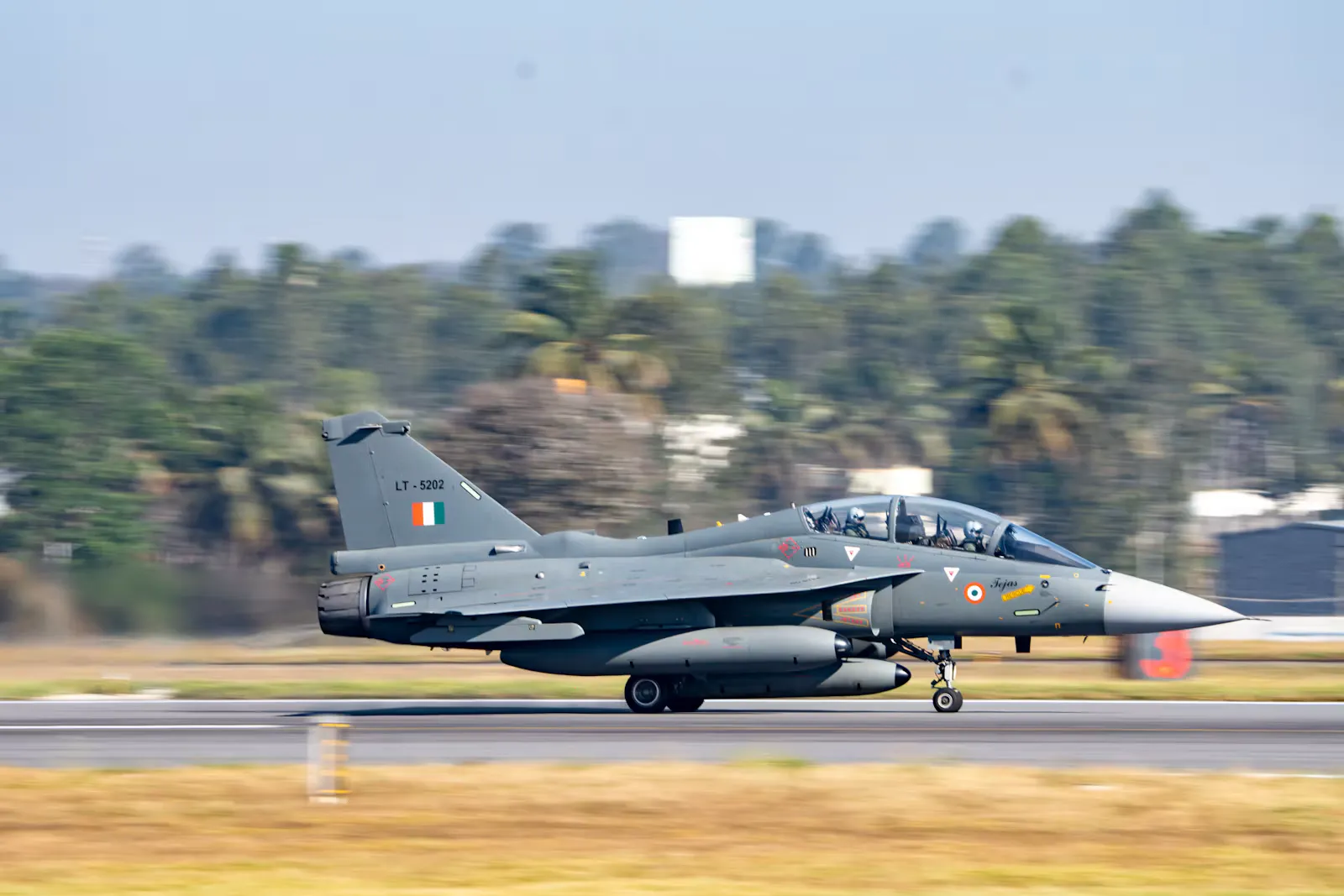
An air force doctor is a medical officer of the Armed Forces Medical Services (AFMS) who serves with the Indian Air Force. You don't sit a separate Air Force exam to become one. Doctors reach the IAF in two ways: as a cadet at the Armed Forces Medical College (AFMC) in Pune after NEET, or through a Short Service Commission after an MBBS from another college.
That's the short answer. The longer one is more interesting, because the job itself is unusual: an air force doctor looks after pilots, aircrew, their families and, more and more, India's astronaut programme. Below you'll find how each route works, what the work looks like day to day, where aerospace medicine fits in, and how a student doing an MBBS in Europe can keep this door open.
Key Takeaways
- One service, three uniforms. Army Medical Corps officers are commissioned into the Army and seconded to the Navy and Air Force as each service needs them.
- No separate exam. The air force doctor route runs through AFMC Pune after NEET or a Short Service Commission interview after MBBS.
- Real numbers. 15 of the 121 AFMC graduates commissioned in April 2025 joined the Air Force.
- Flight medicine. The IAF's Institute of Aerospace Medicine in Bengaluru trains pilots, evaluates aircrew and runs aeromedical research.
- A rare specialisation. NMC's 2026 to 2027 PG seat matrix lists 10 MD seats in Aviation or Aerospace Medicine, all at that institute.
- Open to foreign graduates. A European MBBS that meets the NMC's 2021 rules leads to Indian registration, the same base every military doctor needs.
What is an air force doctor?
An air force doctor is a commissioned officer of the Armed Forces Medical Services posted to the Indian Air Force. The Seventh Central Pay Commission report explains that Army Medical Corps officers are commissioned into the Army and seconded to the Navy and Air Force depending on each service's needs, so the medical cadre is shared.
In practice that means the IAF has no medical school of its own and no recruitment test just for doctors. Its officer cadre, the same Seventh Central Pay Commission report notes, is made up of the Flying Branch and the Ground Duties Branches. Doctors sit outside both. They arrive through the AFMS and then wear Air Force uniform and Air Force ranks.
The medical side of the IAF still has its own leadership. The Director General Medical Services (Air) heads it, and the post carries real weight: in July 2026 the government picked the serving DGMS (Air), Air Marshal Sandeep Thareja, as the next Director General of the whole Armed Forces Medical Services, according to the Ministry of Defence release of 31 July 2026. The same release credits his team with medical preparedness for the Gaganyaan human spaceflight mission.
Is there a separate air force doctor exam?
No. "Air force doctor exam" is one of the most searched phrases on this topic, but there is no stand-alone test for it. You either enter AFMC Pune through NEET and become an air force doctor on commissioning, or you finish an MBBS elsewhere and apply for a Short Service Commission in the AFMS, which selects by interview.
Here is how the two routes compare.
| Route | When you enter | How you're selected | What happens next |
|---|---|---|---|
| AFMC Pune | After Class 12 | NEET UG score, then AFMC's own shortlisting, test and interview | MBBS at AFMC, then commissioning as a Lieutenant, Flying Officer or Surgeon Sub Lieutenant |
| Short Service Commission (AFMS) | After MBBS and internship | Application and interview | Commission as a medical officer, then allotment to Army, Navy or Air Force |
A word on the Air Force's general officer entry tests: those choose candidates for the flying and ground duty branches. A doctor doesn't need them, because, as above, doctors aren't part of those branches.
How do you become an air force doctor after NEET?
The NEET route goes through AFMC Pune, the armed forces' own medical college. You qualify NEET UG, clear AFMC's selection, study MBBS there as a medical cadet and are commissioned when you graduate. Some cadets are commissioned straight into the Air Force as Flying Officers.
The official commissioning figures show how many end up in light blue. At the 58th batch's passing out parade on 25 April 2024, 112 graduates were commissioned: 88 into the Army, 10 into the Navy and 14 into the Air Force, as reported in the Ministry of Defence release on the 58th AFMC batch. That same release names a Flying Officer as the winner of the President's Gold Medal, which tells you the rank an AFMC graduate wears on day one in the IAF.
A year later the numbers were similar. Of the 121 graduates of the 59th batch commissioned on 23 April 2025, 95 went to the Army, 11 to the Navy and 15 to the Air Force, according to the release on the 59th AFMC batch.
So roughly one AFMC graduate in eight joins the Air Force. If that's your goal, NEETsheet's guide to AFMC Pune MBBS admission after NEET 2027 walks through every selection step, from MCC registration to the interview and medical board.
How do you become an air force doctor after MBBS?
If you studied MBBS somewhere other than AFMC, the route is a Short Service Commission (SSC) in the Armed Forces Medical Services. You apply when a call is published, attend an interview and, if selected, are commissioned as a medical officer and allotted to the Army, Navy or Air Force.
The last SSC call carried by the government's press service, from February 2016, set out the basics clearly. It asked for a pass in final MBBS in the first or second attempt, a completed internship, a medical qualification listed under the Indian Medical Council Act and permanent registration with a State Medical Council or the national council, as stated in the Ministry of Defence SSC release. Holders of MD, MS, DNB and diplomas could apply as well. Each new call sets its own age limit and dates, so read the current notice on the AFMS SSC portal before you plan around a number.
Here's the order most applicants follow:
- Finish MBBS and the compulsory internship.
- Get permanent registration with the NMC or a State Medical Council.
- Watch for the AFMS Short Service Commission notice and apply inside its window.
- Attend the interview and meet the medical standards the notice sets.
- If selected, take your commission and your allotment to a service. That is the moment you may become an air force doctor.
Allotment to the IAF depends on what the services need at the time. That's worth knowing early: an air force doctor on the SSC route is chosen for the AFMS first and placed in the Air Force second.
Air force doctor work on an IAF base
Much of the job is ordinary good medicine. An air force doctor runs clinics for personnel and families, handles emergencies and keeps people fit for duty. Command Hospital Air Force Bangalore, for example, launched a 24 hour telephone medical helpline for serving IAF personnel and their families in May 2024, as described in the release on the IAF Emergency Medical Response System.
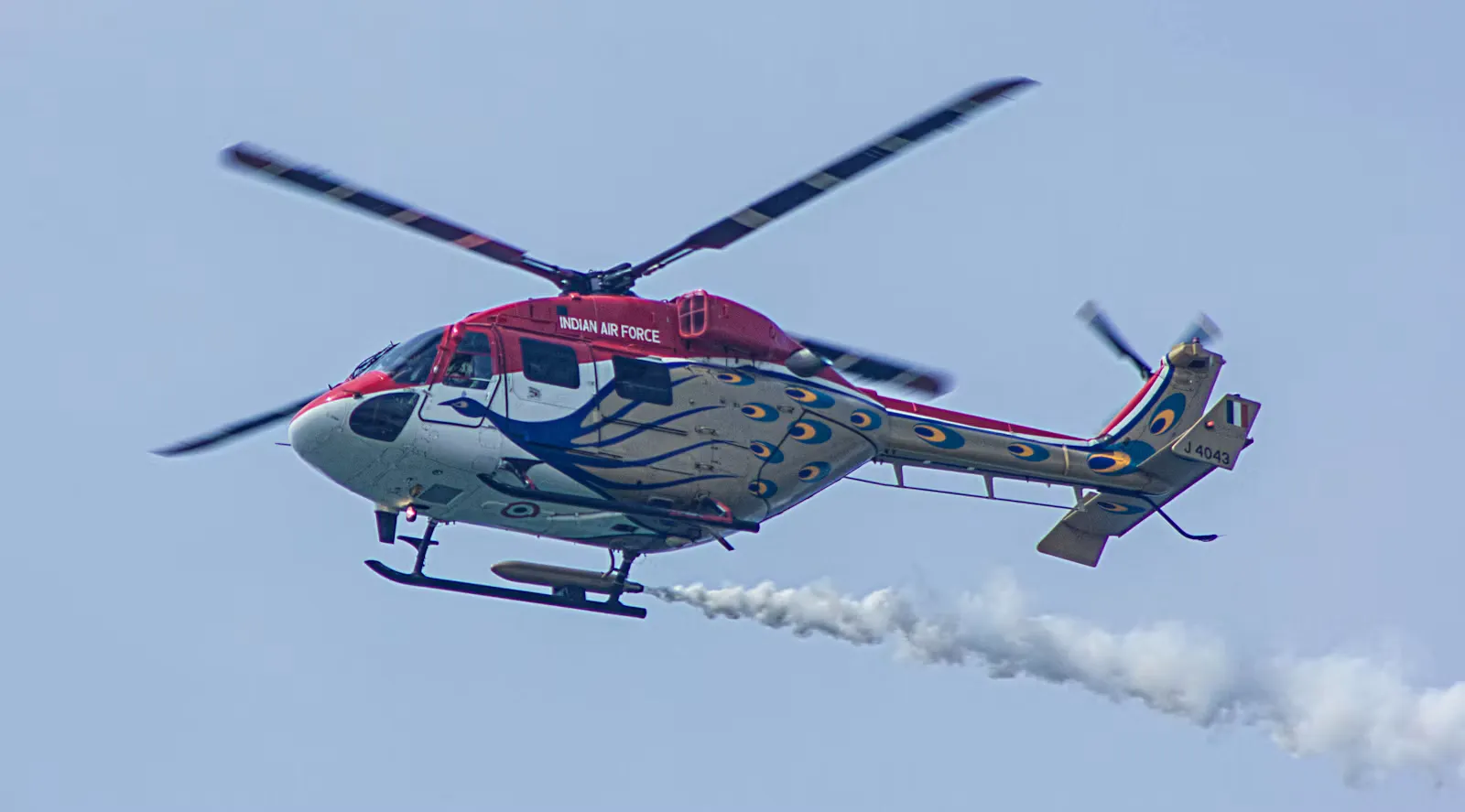
The part you won't find in a civilian hospital is aviation medicine. The IAF's Institute of Aerospace Medicine (IAM) in Bengaluru has a role in pilot training, the medical evaluation of aircrew and aeromedical research, according to the Ministry of Defence release of 9 March 2025. Its equipment includes a Dynamic Flight Simulator, a High Performance Human Centrifuge for high G training of fighter pilots and a Spatial Disorientation Simulator. The same release notes that IAM advises on crew module and cockpit design for aircraft such as the Tejas and that an ICMR project on space psychology for Indian astronauts was launched there.
Think about what that means for a young air force doctor. One week you might be treating a fever in the base clinic. The next you could be clearing a pilot to fly again after an illness, which is a medical decision with very real stakes.
Can an air force doctor specialise in aerospace medicine?
Yes. Aerospace medicine is a recognised MD specialty in India, and the IAF's Institute of Aerospace Medicine in Bengaluru is the only institute listed for it in the NMC's 2026 to 2027 postgraduate seat matrix, with 10 seats for MD Aviation Medicine or Aerospace Medicine.
That seat count comes from the NMC PG seat matrix of 29 September 2026, where the institute appears as a government institution in Karnataka. Ten seats a year is a small intake, which is part of its appeal: an air force doctor with an MD in aerospace medicine joins a very small group of experts.
The field also has its own professional community. The Indian Society of Aerospace Medicine was set up in 1952 and has held an annual scientific conference since 1954; its 64th conference at IAM in November 2025 expected around 300 delegates and more than 100 scientific papers, with researchers from DRDO and ISRO taking part, as noted in the release on the 64th ISAM conference.
Clinical specialties stay open too. The officer chosen in 2026 to lead the whole AFMS, Air Marshal Thareja, holds an MD in Medicine and a DM in Gastroenterology from AIIMS New Delhi, according to the same appointment release.
What rank and salary does an air force doctor get?
An AFMC graduate joins the Air Force as a Flying Officer, the rank the 2024 commissioning release uses for the batch's top cadet. Pay follows rank on the same defence pay matrix as Army doctors, plus Military Service Pay of ₹15,500 a month for officers and a Non-Practising Allowance of 20% of basic pay for doctors.
Both allowances are recommendations of the Seventh Central Pay Commission: paragraph 6.2.108 sets the Military Service Pay at ₹15,500 a month for officers, and paragraph 8.17.79 recommends the Non-Practising Allowance at 20% of basic pay. Because medical officers in all three services hold the same AFMS commission, Indian air force doctor salary works on the same basis as Army pay. Searches for "air force doctor salary" and "army doctor salary" really lead to one set of numbers.
We've already worked those numbers out rank by rank, from Lieutenant to Lieutenant General, in our guide to army doctor salary. Use it for exact pay levels and promotion timelines; the Air Force equivalents of those ranks sit at the same levels. If you'd like to compare uniformed pay with civilian jobs, NEETsheet's overview of doctor salary in India shows how pay grows from MBBS to specialist.
Can you become an air force doctor with an MBBS from abroad?
Yes, in principle. The SSC route asks for an MBBS listed under Indian law and permanent registration in India. A foreign medical graduate gets that registration under the NMC's Foreign Medical Graduate Licentiate Regulations, 2021, which means the right course, the licensing exam and a supervised internship in India.
Regulation 4 of the NMC Foreign Medical Graduate Licentiate Regulations, 2021 sets out what the foreign degree needs: a course of at least 54 months, a 12 month internship in the same foreign institution, English as the medium of instruction and a licence to practise in the country that awarded the degree. Back in India you then complete a 12 month supervised internship and clear the National Exit Test or the test the Commission mandates, which today is the FMGE. Our explainer on what the FMGE exam is covers that step, and our guide to FMG internship and registration covers the paperwork after it.
Here's the good news for families looking at Europe. A six year European medical degree taught in English fits these rules comfortably, and once you hold permanent registration you stand where every other Indian MBBS graduate stands when an SSC call opens. Our MBBS in Europe guide explains how to choose a programme that meets the NMC rules from the first semester. For the bigger picture of uniformed medicine across all three services, read our guide on how to become a military doctor, and for civilian options see government jobs for foreign graduates.
Sources
- Government of India, Report of the Seventh Central Pay Commission (para 6.2.7 Army Medical Corps commissioned into the Army and seconded to the Navy and Air Force, IAF officer cadre; para 6.2.108 Military Service Pay; para 8.17.79 Non-Practising Allowance), hosted by the Department of Expenditure, read on 23 November 2026: doe.gov.in
- Ministry of Defence (PIB), Passing out Parade of 58th Batch of Armed Forces Medical College held in Pune, 25 April 2024, read on 23 November 2026: pib.gov.in
- Ministry of Defence (PIB), 59th batch of medical graduates from AFMC Pune commissioned into the Indian Armed Forces, 23 April 2025, read on 23 November 2026: pib.gov.in
- Ministry of Defence (PIB), Indian Army invites applications from MBBS candidates for Short Service Commission in Armed Forces Medical Services, 29 February 2016, read on 23 November 2026: pib.gov.in
- Ministry of Defence (PIB), Air Marshal Sandeep Thareja appointed as next DGAFMS, 31 July 2026, read on 23 November 2026: pib.gov.in
- Ministry of Defence (PIB), Raksha Mantri visits IAF's Institute of Aerospace Medicine in Bengaluru, 9 March 2025, read on 23 November 2026: pib.gov.in
- Ministry of Defence (PIB), Chief of the Air Staff inaugurates Emergency Medical Response System of IAF at CHAF Bengaluru, 22 May 2024, read on 23 November 2026: pib.gov.in
- Ministry of Defence (PIB), Institute of Aerospace Medicine to host the 64th annual conference of the Indian Society of Aerospace Medicine, 19 November 2025, read on 23 November 2026: pib.gov.in
- National Medical Commission, Seat Matrix for Postgraduate (PG) seats for the Academic Year 2026 to 2027 (as on 29.09.2026), No. M-19011/20/2025/NMC/PGMARB, read on 23 November 2026: nmc.org.in
- National Medical Commission, Foreign Medical Graduate Licentiate Regulations, 2021, Gazette of India, 18 November 2021, read on 23 November 2026: nmc.org.in
Related Topics
- Air force doctor
- AFMS
- Military doctor
- Aerospace medicine
- Careers after MBBS
- Foreign medical graduates
Related Articles
 Career22 Nov 202614 min read
PSU Doctor Jobs: How Public Sector Companies Hire Doctors
PSU doctor jobs explained: regular medical officer posts, tenure contracts, retainer doctors and visiting specialists, with real pay figures and how to apply.
 Career17 Nov 202617 min read
Cost of PG in Germany After MBBS 2027: Fees, Visa, Salary
What PG in Germany after MBBS costs in 2027: EUR 75 visa, EUR 1,091 a month blocked account, Fachsprachpruefung, Kenntnispruefung and Approbation fees from the state authorities, and the EUR 5,793 first year training salary.
 Career16 Nov 202618 min read
UPSC CMS Salary 2026: Pay Level 10, In Hand Pay, Allowances
UPSC CMS salary explained from official orders: Level 10 basic pay of Rs. 56,100, 20 per cent NPA, 63 per cent DA from July 2026, HRA by city, transport allowance, NPS deduction, in hand pay by posting, the four services and what the 8th Pay Commission changes.