
Career
General Surgeon in India: Role, Operations and Training
25 Oct 2026
13 min read
A general surgeon treats hernias, gallstones, appendicitis, breast lumps and trauma. See what the job involves, which operations it covers and how to train.
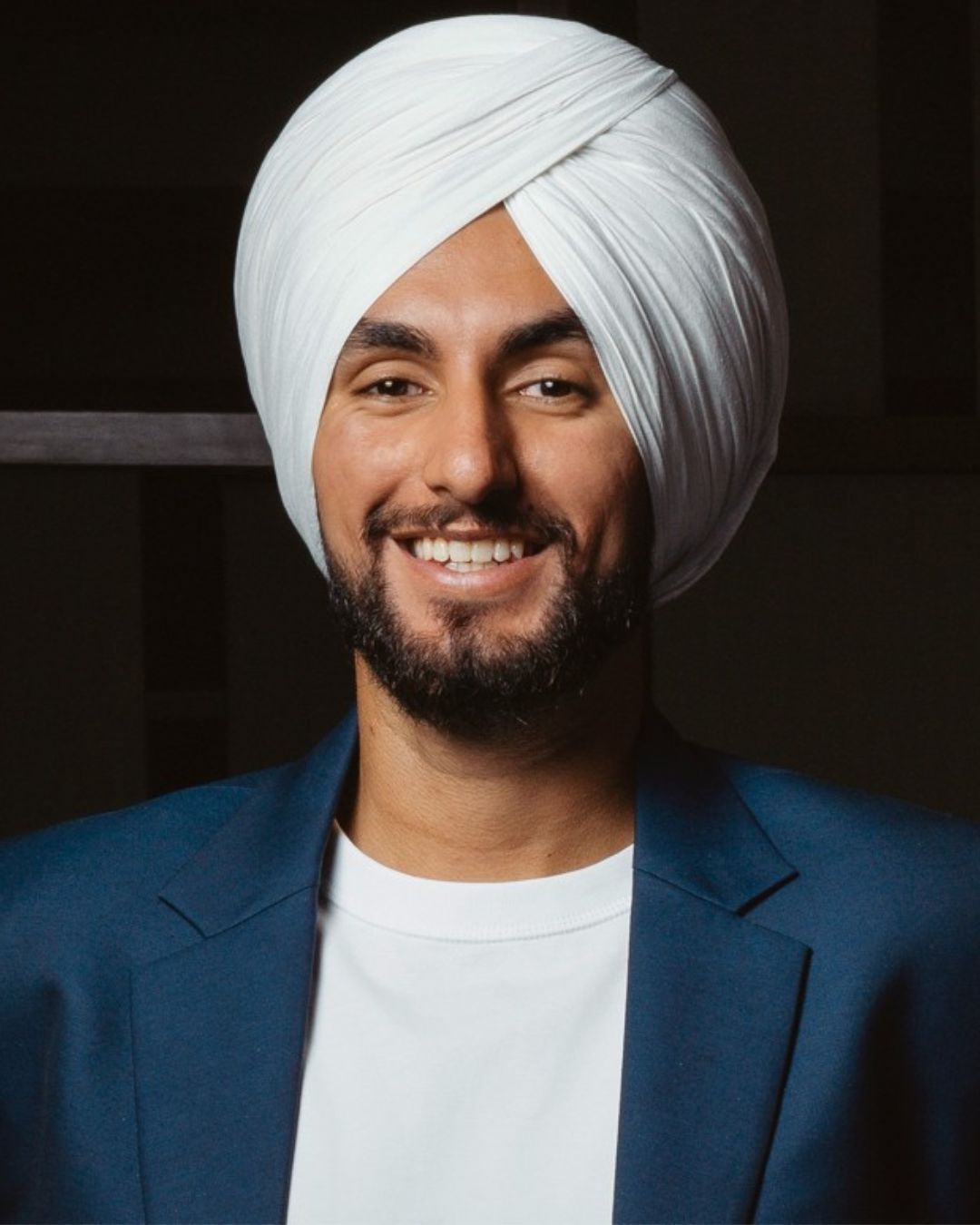
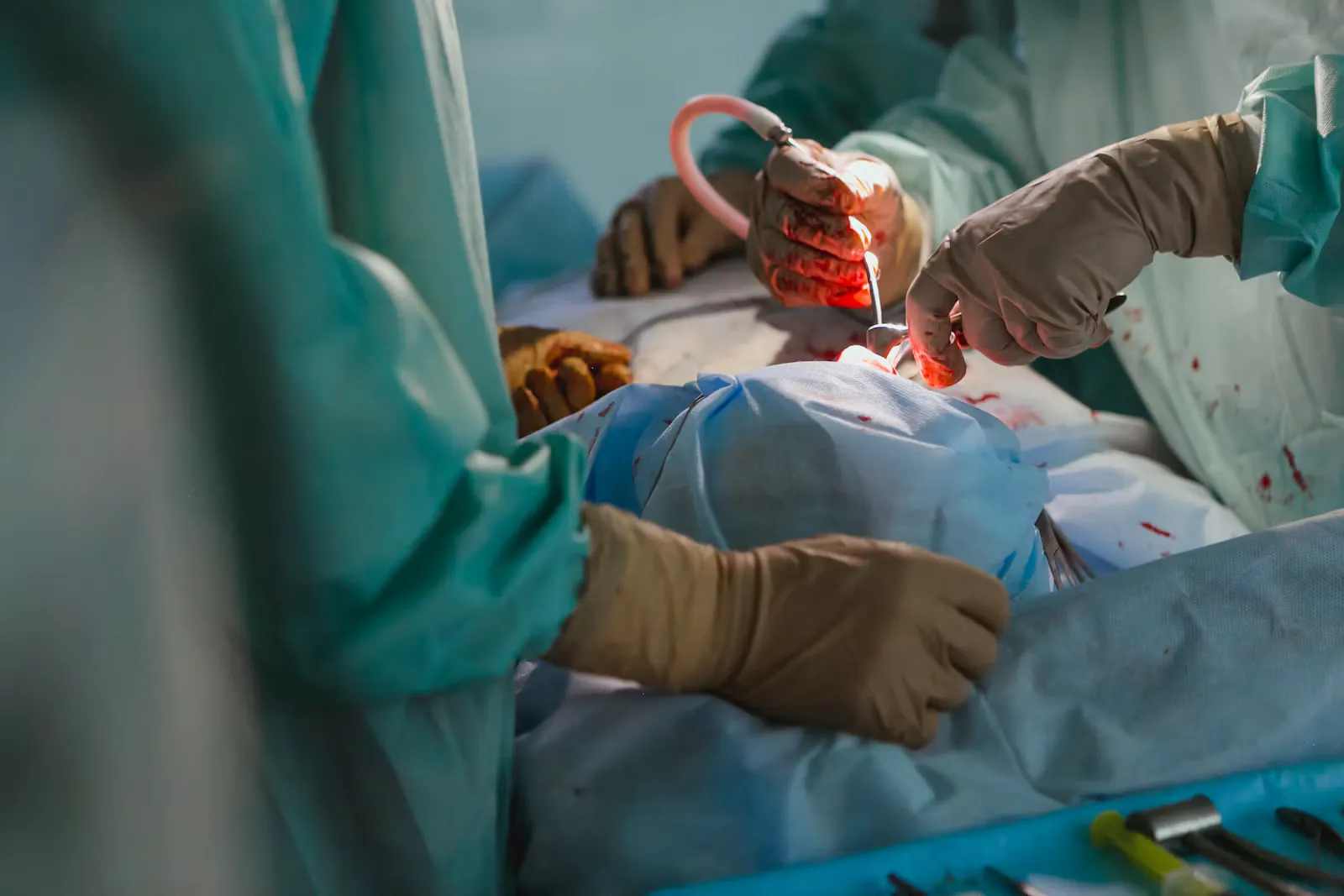
A general surgeon is a specialist doctor who diagnoses and operates on a wide range of conditions, mostly inside the abdomen, plus hernias, breast and thyroid lumps, skin swellings and injuries from accidents. In India you become a general surgeon by finishing MBBS and then a three year MS or DNB in General Surgery. It is the broadest surgical specialty there is, and it is also the main doorway into almost every super speciality in surgery.
Key Takeaways
- The widest surgical field. A general surgeon handles planned operations (gallbladder, hernia, breast, thyroid) and emergencies (appendicitis, bowel obstruction, abdominal trauma) on the same team.
- Three years after MBBS. MS General Surgery and DNB General Surgery both last three years under NMC and NBEMS rules, including the exam.
- A gateway degree. Under the NMC's PGMER 2023, MS or DNB General Surgery is a feeder qualification for 12 of the 16 recognised MCh super speciality courses.
- Paid, hands-on training. Postgraduate students work as full-time resident doctors and must log every operation they assist or perform in an e-log book.
- Open to MBBS graduates from Europe. A graduate whose foreign degree meets the FMGL Regulations 2021 can register in India and compete for an MS seat through NEET-PG like any Indian graduate.
What does a general surgeon do?
A general surgeon assesses patients with surgical problems, decides whether an operation is needed, performs it and looks after the patient before and after. The work covers the digestive tract, hernias, breast, thyroid, skin and soft tissue swellings, and the first response to trauma. Emergencies are a large part of every week.
The best description of the job comes from the people who examine general surgeons. The National Board of Examinations in Medical Sciences (NBEMS) sets out the training goal in its competency based curriculum for DNB General Surgery: a trained candidate should be able to "function as a specialist in General Surgery" and "perform essential elective and emergency operative procedures independently".
Elective means planned. A patient with gallstones or a groin hernia books a date. Emergency means today. A teenager with appendicitis, a road accident victim with internal bleeding or an older patient with a blocked bowel cannot wait. A general surgeon is trained for both, and the curriculum gives emergency surgery a section of its own.
The same curriculum lists what a general surgeon is expected to manage beyond the operation itself: fluid and blood balance, wound care, infection control, nutrition, pain control and intensive care for the sickest patients. In short, they treat the whole patient, not just the part that needs cutting.
Which conditions does a general surgeon treat?
The NBEMS syllabus groups the knowledge a general surgeon needs into clear areas. Here are the ones you will see most often on a ward:
- The digestive tract: appendicitis, gallbladder and bile duct disease, peptic ulcer perforation, bowel obstruction, gastrointestinal bleeding and pancreatitis.
- Hernias: groin, umbilical and other abdominal wall hernias, both planned repairs and strangulated hernias that need surgery the same day.
- Breast disease: benign breast lumps, screening and the surgical treatment of breast cancer.
- Thyroid disorders: a single thyroid nodule, multinodular goitre and thyroid cancer.
- Trauma: assessment of the injured patient, chest and abdominal injuries, burns and skin loss.
- Skin and soft tissue: cysts, abscesses and benign tumours under the skin.
The syllabus also covers urological, hepatobiliary and paediatric surgical problems, because a general surgeon is often the first specialist a patient with any surgical illness meets. When a case needs a narrower expert, the general surgeon is trained to recognise it and refer at the right time. The curriculum lists that skill, knowing your limits and referring to the right centre, as a learning objective of its own.
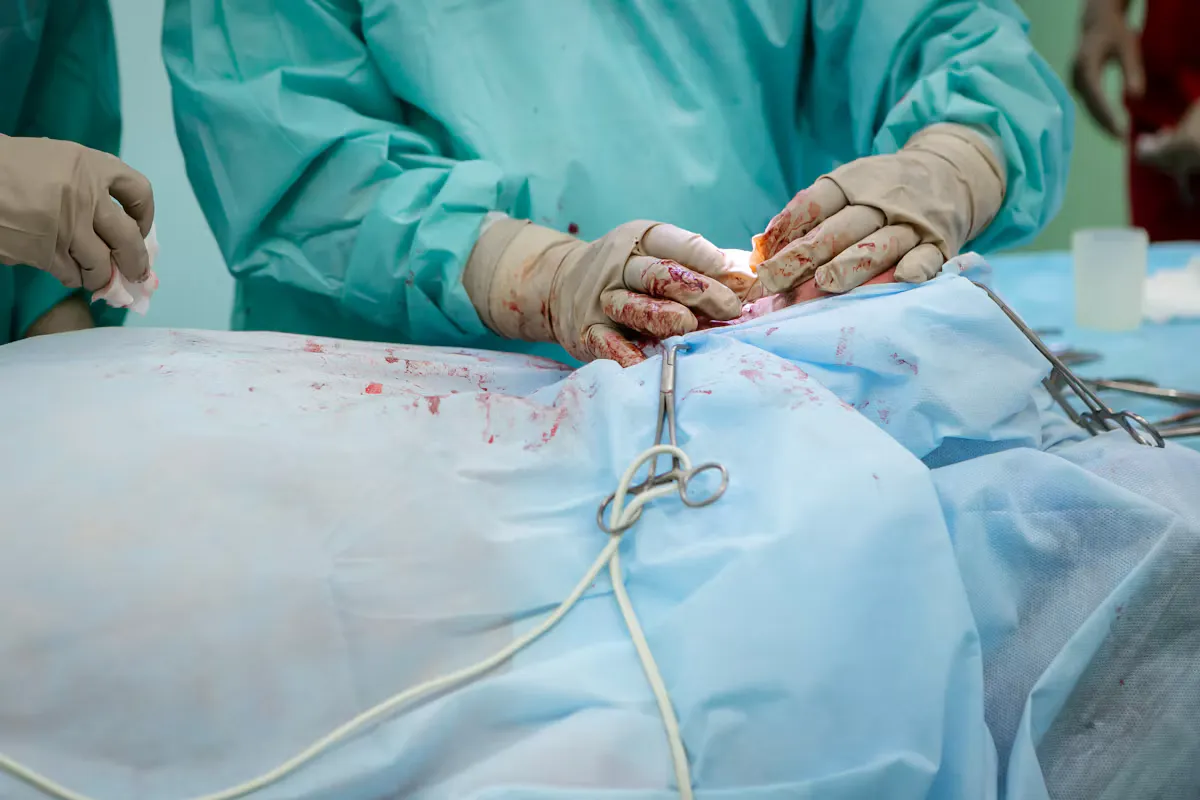
Which operations does a general surgeon perform?
The NBEMS curriculum names the operations a trainee general surgeon should be able to do, alone or with help, by the end of the course. The list is not exhaustive, but it shows the range clearly.
| Type of case | Operations named in the DNB General Surgery curriculum |
|---|---|
| Minor and medium, done independently | Appendectomy, hernia repair (groin, ventral, umbilical), hydrocele surgery, excision of a breast lump, haemorrhoidectomy, fistulectomy, fissurectomy, circumcision, skin grafting, stoma formation |
| Routine major (essential) | Cholecystectomy (gallbladder removal), groin hernia repair, mastectomy, bowel resection, feeding gastrostomy and jejunostomy, suprapubic cystostomy |
| Emergency (essential) | Appendectomy, laparotomy for intestinal obstruction, trauma laparotomy, splenectomy, closure of a perforated peptic ulcer |
| Desirable extras | Hemithyroidectomy, varicose vein surgery, pyelolithotomy, ureterolithotomy, surgery for cysts and sinuses of the neck |
Many of these are now done through keyhole incisions. The curriculum has a full section on laparoscopic and minimal access surgery, from diagnostic laparoscopy and laparoscopic suturing to managing laparoscopic complications. Robotics appears in the general topics too. For a student who likes technology, general surgery is far from old fashioned.
Safety is built into the routine. The same curriculum makes implementation of the WHO Surgical Safety Checklist an essential skill. WHO reports that this short checklist takes under two minutes and has been shown to reduce complications and deaths by over 30 percent. WHO also estimates that surgical interventions account for about 13 percent of the world's total disability adjusted life years, a sign of how central surgical care is to health everywhere.
How is a general surgeon different from other types of surgeons?
A general surgeon covers many organs; other surgeons go deep into one. In India the difference is written into the degree you earn. The NMC's Post-Graduate Medical Education Regulations 2023 recognise six MS degrees, which are the broad surgical specialties:
- MS General Surgery
- MS Obstetrics and Gynaecology
- MS Ophthalmology (eye surgery)
- MS Orthopaedics (bones and joints)
- MS Otorhinolaryngology (ear, nose and throat)
- MS Traumatology and Surgery
Above these sit 16 MCh (Master of Chirurgie) super speciality courses, each three years long. Every MCh has a list of "feeder" degrees you must hold before you can join it. This is where general surgery stands out: MS or DNB General Surgery is a feeder for 12 of the 16.
The 12 MCh courses a general surgeon can apply for are Endocrine Surgery, Head and Neck Surgery, Hepato-Pancreato-Biliary Surgery, Neurosurgery, Paediatric Cardio Thoracic Vascular Surgery, Paediatric Surgery, Plastic and Reconstructive Surgery, Surgical Gastroenterology, Surgical Oncology, Urology, Vascular Surgery and Cardio Vascular and Thoracic Surgery. One more detail: PGMER 2023 also lists a separate six year MCh in Neurosurgery that starts straight after MBBS.
So when people search for the "types of surgeons", most of the answers (urologist, plastic surgeon, cancer surgeon, cardiac surgeon, paediatric surgeon) are general surgeons who trained further. If you want to read about two of them in detail, NEETsheet has guides on how to become a neurosurgeon in India and how to become a plastic surgeon in India, and we cover the plastic surgeon route here too.
How do you become a general surgeon in India?
You become a general surgeon in India through four regulated stages: MBBS, registration, a postgraduate seat through NEET-PG, and three years of MS or DNB General Surgery. Add those three years to the length of your MBBS and internship, plus any time you spend preparing for NEET-PG, and you have your timeline.
- Qualify NEET-UG. It is the national entrance exam for MBBS. Check the NEET qualifying marks for your category before you plan.
- Complete MBBS and the internship. In India, or at a university abroad whose course meets NMC rules. Our guide on how many years MBBS takes explains the timeline.
- Register as a doctor. Indian graduates register after the internship. Graduates from abroad follow the extra steps in our guide to FMG internship and registration.
- Take NEET-PG and choose General Surgery. PGMER 2023 keeps NEET-PG as the route into MS seats until the first NExT batch is eligible. Seats are filled through NEET-PG counselling.
- Train for three years. MS General Surgery or DNB General Surgery, with a thesis, an e-log book of operations and a three month District Residency Programme.
- Optional: an MCh. Three more years if you want one of the 12 super specialities above, through NEET-SS.
For a closer look at each exam and the differences between MS and DNB, read our step by step guide on how to become a surgeon.
What is MS General Surgery training like?
MS General Surgery training is three years of supervised work as a full-time resident doctor, with lectures, ward rounds and operating lists built into the week. Regulation 5.2 of PGMER 2023 says all postgraduate students work as full-time residents and must write a thesis. Training is graded, so responsibility grows each year.
Three rules shape the experience:
- A log of every case. PGMER 2023 requires a dynamic e-log book updated weekly, and says MS and MCh students must enter every surgical procedure they assisted or did independently. Your guide checks it every month.
- Three months in a district hospital. All MD and MS students do a compulsory District Residency Programme in the third, fourth or fifth semester. For a trainee general surgeon this means real outpatient, casualty and night duty work at district level. Our guide to the District Residency Programme explains how postings are allotted.
- A steady teaching rhythm. The NBEMS curriculum asks for a case presentation, a seminar, a journal club and a grand round every week, a clinical audit every month, and at least 20 symposium topics over the three years.
It is demanding, but it is paid. Regulation 5.4 of PGMER 2023 says postgraduate students in all institutions get a stipend at par with government medical colleges in the same state, and our guide to the PG resident stipend in India shows how it is set. Once you finish, government posts for surgeons are published with fixed pay levels, which we break down post by post in surgeon salary in India.
Can you become a general surgeon after MBBS in Europe?
Yes. An MBBS from a European university can lead to the same MS General Surgery seat in India, or to surgical training in Europe itself. The route back to India runs through the NMC's licensing rules; the route in Europe runs through each country's own specialist training system.
For India, the NMC's Foreign Medical Graduate Licentiate Regulations 2021 set the conditions: a course of at least 54 months, a 12 month internship at the same foreign university, teaching in English, registration or a licence to practise in that country, then 12 months of supervised internship in India and the NMC's licensing test (currently the FMGE). After that you sit NEET-PG and compete for a General Surgery seat on equal terms.
Students who want to stay on can look at specialist training in Europe or the NHS training route in the UK. Either way, the core skills a general surgeon needs (anatomy, clinical examination, emergency care) start in the MBBS years. Our MBBS in Europe guide explains how the degree is structured.
Is general surgery a good career choice?
General surgery is a strong choice if you enjoy hands-on work, quick decisions and a wide variety of patients. It keeps more doors open than any other surgical degree, because it feeds 12 of the 16 MCh courses, and emergency care, from appendicitis to trauma, sits at the centre of the specialty.
Ask yourself a few honest questions while you are still in school or early in MBBS. Do you like working with your hands? Can you stay calm when a case changes fast? Are you happy to keep learning new techniques, from laparoscopy to robotics? If the answer is yes, a general surgeon's life will suit you. If you are still comparing fields, our overview of medical specializations and NEETsheet's guide to medical specializations for NEET aspirants are good places to compare options side by side.
Your next step
Sources
- National Board of Examinations in Medical Sciences, Guidelines for Competency Based Training Programme in DNB General Surgery (programme goal, syllabus, list of operations, teaching schedule, WHO checklist skill, duration of 3 years), read on 25 October 2026: nbe.edu.in
- National Medical Commission, Post-Graduate Medical Education Regulations 2023, Gazette of India, 29 December 2023 (section 2.1 durations; regulation 5.4 stipend; Annexure 1 list of MS degrees; Annexures 2, 6 and 7 MCh courses, six year MCh and feeder qualifications; regulation 5.2 training and e-log book; District Residency Programme; NEET-PG until NExT), NMC Compendium 2024, read on 25 October 2026: nmc.org.in
- National Medical Commission, Foreign Medical Graduate Licentiate Regulations 2021, regulation 4, read on 25 October 2026: nmc.org.in
- World Health Organization, Safe Surgery (Surgical Safety Checklist, share of global DALYs from surgical conditions), read on 25 October 2026: who.int
Related Topics
- General surgeon
- MS General Surgery
- Types of surgeons
- Surgical careers
- Jobs after MBBS
- Indian students
Related Articles
 Career24 Oct 202615 min read
Surgeon Salary in India 2026: Government Pay by Post
Surgeon salary in India in 2026 from official pay rules: Senior Resident to Professor pay levels, NPA, DA and what you earn while training for MS. Plan ahead.
 Career23 Oct 202618 min read
USMLE After MBBS From India: Steps, Fees and 2027 Dates
How an Indian MBBS graduate gets ECFMG certified and matched into a US residency: Step 1, Step 2 CK, OET, Pathways, ERAS and NRMP, with every fee in rupees and the 2027 Match calendar.
 Career22 Oct 202616 min read
Doctor in Canada After MBBS: MCCQE, NAC, CaRMS and Costs
Two exams, one match and one immigration hurdle. The 2026 Medical Council of Canada fees, MCCQE and NAC dates and pass rates, CaRMS match numbers for international graduates, language tests and the PR rule that applies before residency.