Career
Medical Specializations After MBBS: 2026 Complete Guide
31 Jul 2026
6 min read
Medical specializations after MBBS explained: top clinical & non-clinical fields, NEET-PG/INI-CET routes, FMGE rules for foreign graduates & career paths.


Medical specializations are the postgraduate paths doctors take after MBBS to focus on a specific organ system, disease group, or type of care, from internal medicine to neurosurgery. NEET-PG 2025 saw 2,42,493 candidates register with a 60.26% pass rate (1,38,671 qualifying), per NBEMS. That tells you how competitive Indian postgraduate seats have become.
Here's why specialization matters, when you should pick one, the main clinical and non-clinical fields you can choose from, and how the process changes if you did your MBBS abroad instead of in India.
Key Takeaways
- Medical specializations are postgraduate fields (MD, MS, DNB, or diploma) doctors pursue after MBBS to treat a specific system, disease group, or patient population.
- NEET-PG 2025: 2,42,493 registered, 60.26% pass rate; NEET-PG 2026 is scheduled for 30 August 2026, per NBEMS.
- Clinical specializations (internal medicine, surgery, pediatrics, cardiology) involve direct patient care; non-clinical fields (pathology, microbiology, community medicine) focus on diagnostics, research, or public health.
- Foreign MBBS graduates must clear the FMGE before Indian postgraduate specialization. The June 2025 cycle passed just 18.61% of candidates.
- International routes like USMLE (USA), PLAB (UK), and Germany's Approbation offer alternative specialization pathways for MBBS graduates willing to relocate.
What Are Medical Specializations, and Why Do They Matter?
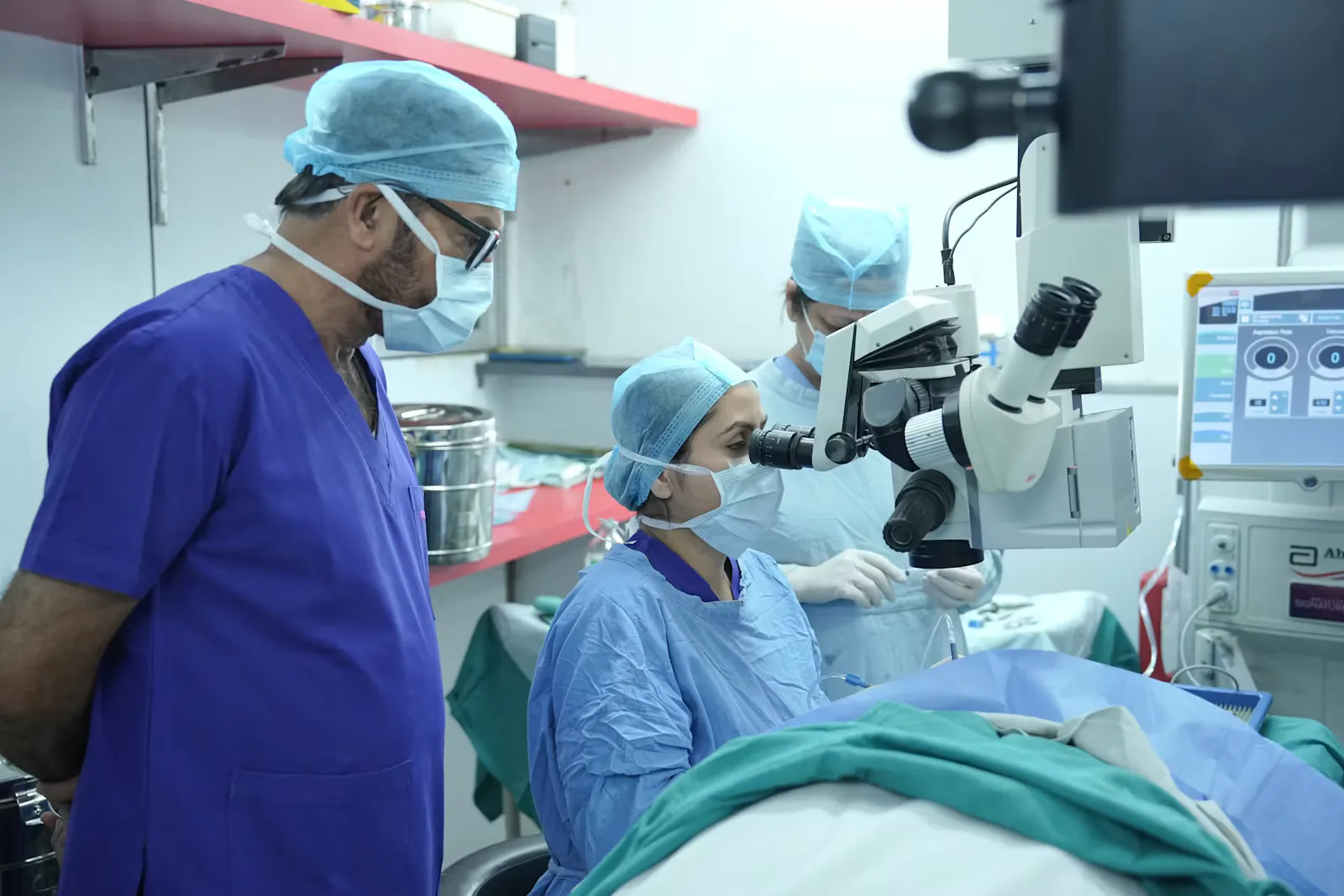
Medical specializations let doctors focus their training on a specific organ system, disease group, or type of care instead of practicing as a general physician. Postgraduate courses sharpen diagnostic and treatment skills for complex or chronic conditions, and they're what turn an MBBS graduate into a cardiologist, surgeon, or pathologist.
Specialization also fills real gaps in care. Family medicine and preventive medicine specialists extend primary healthcare into rural areas, while fields like medical genetics and psychiatry address conditions general practice alone can't manage well.
When Should You Choose a Medical Specialization?
The internship year or final year of MBBS is the best time to start exploring specializations, since clinical rotations expose students directly to surgery, internal medicine, obstetrics, and emergency care. That hands-on exposure is also when most students start NEET-PG or INI-CET preparation in earnest.
Some doctors instead work as general practitioners first, especially in rural clinics, before deciding on a specialty. Seeing common diseases and primary care up close often makes it obvious whether clinical practice, research, or public health fits you better long term.
What Are the Main Clinical Specializations After MBBS?
Clinical specializations involve direct patient diagnosis and treatment and are the most competitive postgraduate routes. Internal medicine, general surgery, pediatrics, cardiology, neurology, and pulmonology together account for most postgraduate seats filled through NEET-PG each year, since they cover the bulk of everyday hospital caseload.
| Specialization | Focus | Typical PG duration |
|---|---|---|
| Internal Medicine | Adult disease diagnosis and treatment | 3 years (MD) |
| General Surgery | Operative treatment, trauma, hernia, GI conditions | 3 years (MS) |
| Pediatrics | Health of infants, children, adolescents | 3 years (MD) |
| Cardiology | Heart and vascular disease | 3 years (DM, after MD) |
| Neurology | Brain, spinal cord, nervous system disorders | 3 years (DM, after MD) |
| Pulmonology | Respiratory conditions, ICU collaboration | 3 years (MD) |
What Non-Clinical and Para-Clinical Specializations Exist?
Non-clinical specializations suit doctors drawn to diagnostics, research, teaching, or public health rather than bedside care. Pathology, microbiology, community medicine, and pharmacology all fall in this category, and demand for these specialists has grown alongside India's focus on antimicrobial resistance and preventive care.
- Pathology: diagnosing disease through tissue, fluid, and lab analysis.
- Microbiology: identifying infectious agents and guiding antimicrobial policy.
- Community medicine: public health, epidemiology, and disease prevention programs.
- Pharmacology: drug mechanisms, safety, and new drug development.
How Do You Get Into a Postgraduate Medical Course in India?
Postgraduate admission in India runs through a fixed national process, whether the target is MD, MS, DNB, or a diploma course.
- Appear for NEET-PG (for MD/MS/DNB/Diploma) or INI-CET (for AIIMS, JIPMER, and other national institutes).
- Clear the qualifying percentile set by the National Board of Examinations in Medical Sciences (NBEMS).
- Participate in counselling through the Medical Counselling Committee or state authorities.
- Choose a specialization and institute based on rank, category, and seat availability.
- Complete document verification and reporting to confirm the seat.
NEET-PG 2026 is scheduled for 30 August 2026, with results expected roughly a month later, per NBEMS.
What If You Studied MBBS Abroad?
MBBS graduates from foreign universities, including our EU partner countries, must clear the Foreign Medical Graduate Examination (FMGE) before registering to practice or pursuing postgraduate specialization in India. The June 2025 FMGE cycle had a pass rate of just 18.61%, with a qualifying score of 150/300 and no relaxation for reserved categories, per NBEMS data. That's a real reminder: picking an NMC-recognized university and studying seriously for licensing exams matters as much as the MBBS itself.
Alternative international specialization routes exist too: USMLE for the United States, PLAB for the United Kingdom, and Germany's Approbation process, each with its own exam structure and residency-matching system. Board certification bodies like the American Board of Medical Specialties set the standard many of these systems are benchmarked against.
For students weighing where to study MBBS in the first place, explore our partner universities across 9 EU countries, read more on MBBS in Europe, or book a free consultation.
How Do You Choose the Right Specialization?
Choosing a specialization comes down to honest self-assessment: which rotations genuinely engaged you, whether you prefer direct patient contact or lab-based work, and whether you're drawn to emergency situations or long-term chronic care. Work-life balance, income potential, and demand also vary sharply between fields. General surgery and psychiatry, for instance, look nothing alike day to day.
Read more
Related Topics
- futureMBBS
- MBBS
- Medical Specializations
- Medical specializations after MBBS
- Specializations
Related Articles
 Career31 Jul 20266 min read
Post MBBS Success: How to Keep Learning and Growing
Post MBBS success means lifelong learning: NMC now mandates 30 CPD credit points in 5 years. Here is how Indian doctors stay current with tools and journals.
 Career31 Jul 20267 min read
Top Career Options After NEET: 2026 Complete Guide
Explore top career options after NEET beyond MBBS: BDS, BAMS, BHMS, nursing and veterinary science, with real colleges, career scope and how to choose in 2026
 Career28 Jul 20266 min read
NExT Exam (National Exit Test): 2026 Status Explained
The National Exit Test (NExT) explained: why it's still deferred in 2026, FMGE's role, the two-step exam structure, and what MBBS graduates should know.