
Career
Cardiothoracic Surgeon in India: Role, CTVS and Training
27 Oct 2026
14 min read
A cardiothoracic surgeon operates on the heart, lungs and major blood vessels. See what the job involves, the MCh CTVS route after MBBS and what AIIMS pays.

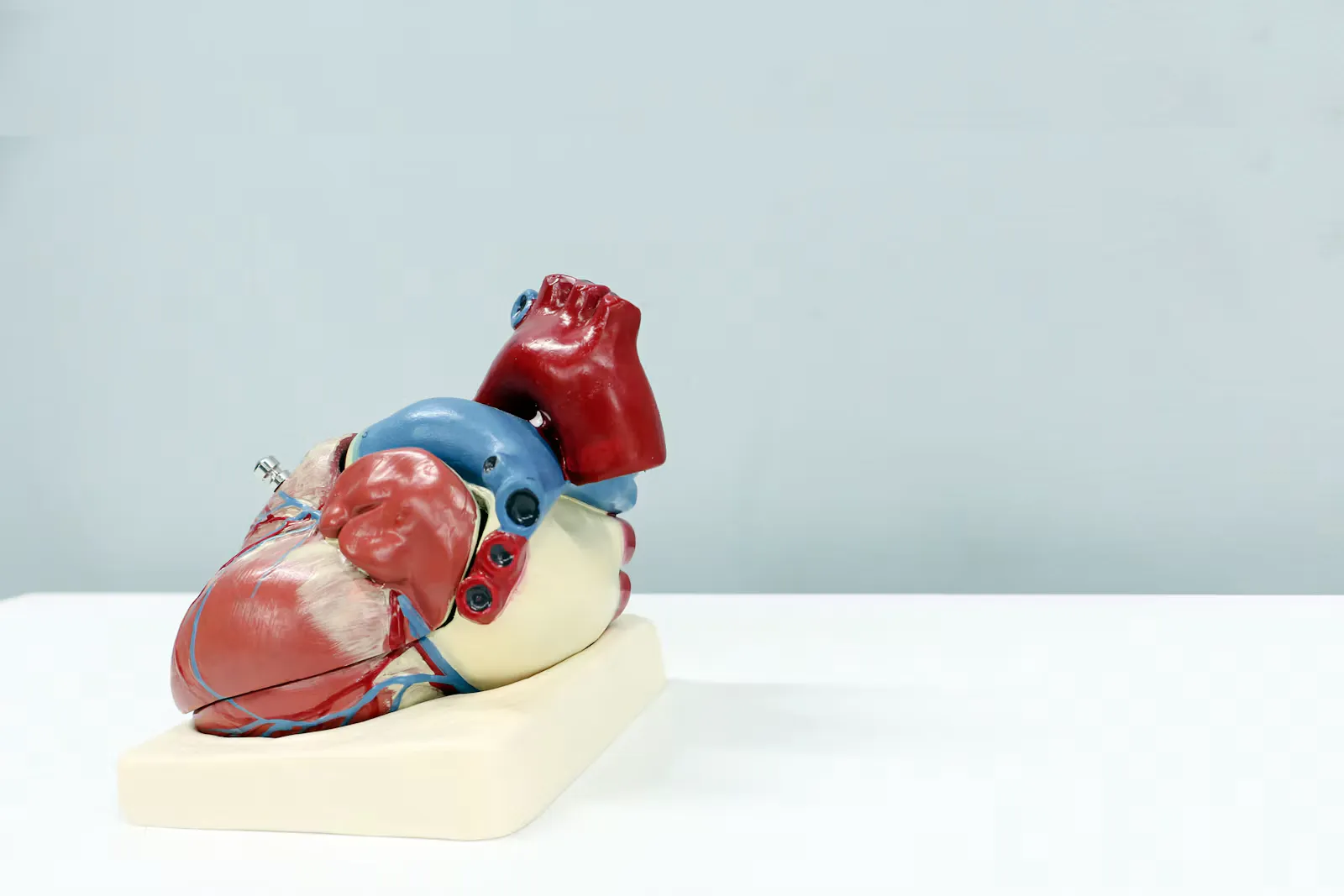
A cardiothoracic surgeon is a super specialist who operates on the heart, the lungs, the major blood vessels and the other organs inside the chest. In India the degree behind the title is the MCh in Cardio Vascular and Thoracic Surgery, usually shortened to CTVS. You get there in three steps: MBBS, a three year MS or DNB in General Surgery, then a three year MCh. It is one of the longest training paths in medicine, and one of the most respected.
Key Takeaways
- Heart, lungs and great vessels. A cardiothoracic surgeon operates on everything inside the chest, from blocked coronary arteries and damaged valves to lung tumours and the aorta.
- CTVS is the Indian name for it. The NMC's PGMER 2023 lists "M.Ch. (Cardio Vascular and Thoracic Surgery)" as one of 16 recognised MCh courses, plus a separate MCh in Paediatric Cardio Thoracic Vascular Surgery.
- General Surgery comes first. MS or DNB General Surgery is the feeder degree for MCh CTVS, and the MCh itself lasts three years.
- Paid at every stage. PG and MCh students draw a stipend, and AIIMS publishes fixed pay levels for every post, from Senior Resident at Level 11 to Professor at Level 14-A.
- Open to MBBS graduates from Europe. A foreign degree that meets the FMGL Regulations 2021 leads to the same NEET-PG and NEET-SS route as an Indian MBBS.
What does a cardiothoracic surgeon do?
A cardiothoracic surgeon diagnoses and operates on diseases of the heart, lungs, oesophagus and the great blood vessels of the chest. They decide with cardiologists and chest physicians when surgery is the right answer, carry out the operation and look after the patient in intensive care afterwards. Planned operations and emergencies both fill the week.
Think of the job in three parts:
- Cardiac surgery. Bypass grafting for blocked coronary arteries, repairing or replacing heart valves, closing holes in the heart and, in a few large centres, heart transplants.
- Thoracic surgery. Operations on the lungs, the airway, the chest wall and the oesophagus, often for cancer, infection or injury.
- Vascular surgery of the chest. Repairing a widened or torn aorta, the main artery that leaves the heart.
Children are a world of their own. Babies born with heart defects are treated by surgeons with an extra focus on paediatric work, and the NMC recognises a separate MCh in Paediatric Cardio Thoracic Vascular Surgery for exactly that reason.
One more thing surprises most students. A cardiothoracic surgeon never works alone. The team around the operating table includes cardiac anaesthetists (there is a DM in Cardiac Anaesthesia for them), perfusionists who run the heart-lung machine, intensive care staff and cardiologists. You lead that team in the theatre, but you rely on it every minute.
Why does India need more cardiothoracic surgeons?
Heart disease is the world's biggest killer, and most of those deaths happen in countries like India. The World Health Organization's cardiovascular diseases fact sheet puts the toll at an estimated 19.8 million deaths in 2022, about 32% of all deaths worldwide. 85% of those were from heart attacks and strokes, and over three quarters happened in low and middle income countries.
Not every heart patient needs an operation. Many are treated with medicines or by a cardiologist with a catheter. But when a valve fails, when several arteries are blocked or when a child is born with a complex defect, the patient needs a cardiothoracic surgeon. That's why the specialty carries so much weight: each trained surgeon serves a very large number of patients.
What is CTVS?
CTVS stands for Cardio Thoracic and Vascular Surgery. It is the name Indian hospitals use for the department, and the name students use for the MCh course that trains a cardiothoracic surgeon. Officially, the NMC's Post-Graduate Medical Education Regulations 2023 call the degree "M.Ch. (Cardio Vascular and Thoracic Surgery)".
MCh means Master of Chirurgie, a super speciality degree in surgery. PGMER 2023 recognises 16 of them, and CTVS sits among Neurosurgery, Urology, Plastic Surgery and the rest. Under section 2.1 of the same regulations, a super speciality course lasts three years, including the exam. Only two courses run for six years straight after MBBS (DM Neurology and MCh Neurosurgery), so CTVS follows the usual pattern of MS first, MCh second.
Here's how the main heart and chest qualifications compare:
| Qualification | What it trains you for | Feeder degree under PGMER 2023 |
|---|---|---|
| MCh Cardio Vascular and Thoracic Surgery | Adult heart, lung and chest vessel surgery | MS or DNB General Surgery |
| MCh Paediatric Cardio Thoracic Vascular Surgery | Heart and chest surgery in children | MS or DNB General Surgery |
| MCh Vascular Surgery | Blood vessels across the body | MS or DNB General Surgery |
| DM Cardiology | Heart disease treated with medicines and catheters | MD or DNB General Medicine, Paediatrics or Respiratory Medicine |
| DM Cardiac Anaesthesia | Anaesthesia and intensive care for heart surgery | MD or DNB Anaesthesia |
Cardiothoracic surgeon vs cardiologist: what's the difference?
A cardiologist is a physician, and a cardiothoracic surgeon is a surgeon. Both treat the heart, but they train on different tracks from the first day after MBBS. The cardiologist goes through MD General Medicine (or Paediatrics, or Respiratory Medicine) and then DM Cardiology. The cardiothoracic surgeon goes through MS General Surgery and then MCh CTVS.
In practice they work side by side. The cardiologist runs tests, prescribes medicines and opens blocked arteries with a balloon or stent through a thin tube. When a problem is too complex for that, the patient goes to the cardiothoracic surgeon for open or minimally invasive surgery. If you like long, hands-on work in the operating theatre, surgery suits you. If you prefer diagnosis and procedures in a catheter lab, look at our guide on how to become a cardiologist and NEETsheet's cardiologist guide for NEET aspirants.
How to become a cardiothoracic surgeon in India
To become a cardiothoracic surgeon in India you need MBBS, a three year MS or DNB in General Surgery and then a three year MCh in CTVS. Entry into each stage goes through a national exam: NEET-UG for MBBS, NEET-PG for MS and NEET-SS for the MCh. Here's the route in order:
- Qualify in NEET-UG. It is the only entrance to MBBS in India and the eligibility test for MBBS abroad too. Check the NEET qualifying marks for your category first.
- Complete MBBS and the internship. In India or at an NMC-compliant university abroad. Our guide on how many years MBBS takes explains the course and internship length.
- Register with the NMC or a State Medical Council. Graduates from abroad first clear the licensing test, currently the FMGE.
- Clear NEET-PG and pick General Surgery. Seats are allotted through NEET-PG counselling. PGMER 2023 keeps NEET-PG until the first NExT batch becomes eligible.
- Finish MS or DNB General Surgery (3 years). This is where you learn the basics of every operation. Our profile of the general surgeon shows what those three years involve.
- Clear NEET-SS and choose MCh CTVS. NEET-SS is the entrance for all DM and MCh courses. See our NEET-SS guide for how it works.
- Complete the MCh (3 years). Then work as a Senior Resident or join a hospital as a consultant cardiothoracic surgeon.
What is training in CTVS like?
Training in CTVS is full-time, hands-on and closely recorded. PGMER 2023 says every postgraduate and super speciality student works as a full-time resident doctor, does thesis research and writes a thesis. Students also keep a dynamic e-log book, and MS and MCh students must enter every surgical procedure they assisted or performed.
Expect long days. A heart operation can take many hours, and the patients who need it are often very sick. You start by assisting senior surgeons, then close the chest, then take on parts of the operation, then whole cases under supervision. Night duty in the cardiac intensive care unit is part of the job, because the first hours after surgery matter most.
The upside? You're paid while you learn. Regulation 5.4 of PGMER 2023 says postgraduate and super speciality students in all institutions get a stipend at par with government medical colleges in the same state. Our guide to the PG resident stipend in India explains how those amounts are set.
What is the cardiothoracic surgeon salary in India?
The clearest numbers are in government service. AIIMS and other central institutes pay doctors on the 7th Pay Commission matrix, and their job advertisements state the level for each post. Private hospital pay has no official source, so we don't quote a figure for it.
The AIIMS Nagpur Senior Resident advertisement of 19 June 2026 lists posts in Cardiothoracic Surgery with MS General Surgery as the essential qualification (MCh holders may also apply). The post pays ₹67,700 basic at Level 11, plus allowances including NPA, for a tenure of up to three years. Faculty pay comes from the AIIMS Bathinda faculty advertisement of 31 July 2026:
| Post at AIIMS | Pay level (7th CPC) | Basic pay range per month |
|---|---|---|
| Senior Resident | Level 11 | ₹67,700 (cell 1) |
| Assistant Professor | Level 12 | ₹1,01,500 to ₹1,67,400 |
| Associate Professor | Level 13-A1+ | ₹1,38,300 to ₹2,09,200 |
| Additional Professor | Level 13-A2+ | ₹1,48,200 to ₹2,11,400 |
| Professor | Level 14-A | ₹1,68,900 to ₹2,20,400 |
These are basic pay figures only. Allowances such as NPA and DA add a large share on top. We work those out month by month in our guide to surgeon salary in India.
Can you become a cardiothoracic surgeon after MBBS in Europe?
Yes. An MBBS from a European university leads to the same CTVS route in India, as long as the degree meets the NMC's rules for foreign graduates. Many students also look at surgical training in Europe itself, which runs through each country's own specialist system.
The NMC's Foreign Medical Graduate Licentiate Regulations 2021 set out the conditions: a course of at least 54 months, a 12 month internship at the same foreign university, teaching in English and registration or a licence to practise in that country. Back in India you then do 12 months of supervised internship and pass the licensing test. Our guide to FMG internship and registration walks through each step. After that, NEET-PG, MS General Surgery and NEET-SS are open to you on the same terms as everyone else.
If you're thinking of staying in Europe instead, read our overview of specialist training in Europe. And if you're still choosing where to study, our MBBS in Europe guide explains how the degree is built.
Is cardiothoracic surgery a good career choice?
Cardiothoracic surgery is a great choice if you want deep, hands-on work with a direct impact on survival. Few specialties change a patient's life as visibly as a successful heart operation. The training is long, but every stage is paid, every post has a published pay level and the demand for heart surgery keeps growing with the burden of heart disease.
It's not for everyone, and that's fine. Ask yourself honestly: can you concentrate for hours at a stretch? Do you stay calm when things change fast? Are you happy to spend about a decade in training after Class 12? If yes, CTVS could be the field for you. Still comparing? Our list of medical specializations and NEETsheet's guide to medical specializations for NEET aspirants help you weigh the options side by side.
Your next step
Sources
- National Medical Commission, Post-Graduate Medical Education Regulations 2023, Gazette of India, 29 December 2023 (section 2.1 durations; Annexures 2, 6 and 7 super speciality courses, six year courses and feeder qualifications; regulation 5.2 full-time residency, thesis and e-log book; regulation 5.4 stipend; NEET-PG until NExT; NEET-SS), NMC Compendium 2024, read on 27 October 2026: nmc.org.in
- National Medical Commission, Foreign Medical Graduate Licentiate Regulations 2021, regulation 4, read on 27 October 2026: nmc.org.in
- All India Institute of Medical Sciences Nagpur, Advertisement Admin-1/SR/26/03 for Senior Residents, 19 June 2026 (Cardiothoracic Surgery posts, MS General Surgery qualification, Level 11 pay, 3 year tenure), read on 27 October 2026: aiimsnagpur.edu.in
- All India Institute of Medical Sciences Bathinda, Faculty recruitment advertisement AIIMS/BTI/RC/Faculty/2026/2373, 31 July 2026 (faculty pay levels), read on 27 October 2026: aiimsbathinda.edu.in
- World Health Organization, Cardiovascular diseases (CVDs) fact sheet, 31 July 2025 (19.8 million deaths in 2022, 32% of global deaths, 85% from heart attack and stroke, over three quarters in low and middle income countries), read on 27 October 2026: who.int
Related Topics
- Cardiothoracic surgeon
- CTVS
- MCh
- Surgical careers
- Jobs after MBBS
- Indian students
Related Articles
 Career26 Oct 202615 min read
How to Become a Pathologist in India: MD Seats, Fees, Salary
The full route to becoming a pathologist in India: NEET UG, MBBS, NEET PG, then MD or DNB Pathology. Includes 3,343 MD Pathology seats for 2026-27, deemed fees, stipend, AIIMS pay scales, a timeline with ages and options abroad.
 Career25 Oct 202613 min read
General Surgeon in India: Role, Operations and Training
A general surgeon treats hernias, gallstones, appendicitis, breast lumps and trauma. See what the job involves, which operations it covers and how to train.
 Career24 Oct 202615 min read
Surgeon Salary in India 2026: Government Pay by Post
Surgeon salary in India in 2026 from official pay rules: Senior Resident to Professor pay levels, NPA, DA and what you earn while training for MS. Plan ahead.