Free Webinar: MBBS in India

Sat, December 5, 2026 | 8:30 PM

Reserve my seat
futureMBBS by futuredoctor

Free Webinar: MBBS in India

Sat, December 5, 2026 | 8:30 PM

Reserve my seat
futureMBBS by futuredoctor
Poland

MBBS in Poland for Indian Students

EU-recognised, English-medium medical degrees at some of Europe's oldest universities, from the 1364-founded Jagiellonian University to modern faculties across the country.

  • MBBS student
  • MBBS student
  • MBBS student
  • MBBS student
  • MBBS student

1,500+ Students trust us

Polish + English

Spoken Language

Warsaw

Capital

1 PLN ≈ ₹24

Currency Value

22nd

Global Peace Index

For Indian Students

Can Indian students study MBBS in Poland?

Short answer: Yes. Indian students can study MBBS in Poland, and the six-year English-taught General Medicine degree meets the NMC rules, so graduates can return to India through the FMGE (NExT deferred and not in force).

Admission is open to Indian students

Indian students apply after Class 12 through each university's own procedure, such as an entrance test, an interview or a ranking on science grades, together with an English-language requirement, not through NEET. A qualified NEET UG result is still required, both to study medicine abroad and to sit the FMGE later.

Why the degree meets the NMC rules

The NMC Foreign Medical Graduate Licentiate Regulations 2021 ask for a course of at least 54 months, a 12-month internship at the same university and teaching in English. Poland's six-year General Medicine programme in English follows these rules, and Polish medical universities are listed in WDOMS.

What this means if you want to work in India

After graduating, you clear the FMGE (NExT deferred and not in force), complete a 12-month internship in India and register with the NMC or a State Medical Council to practise as a doctor in India.

Introduction

Studying Medicine in Poland

Poland is a European Union member state and one of the most established destinations in Europe for international medical students, offering six-year English-medium General Medicine degrees at NMC compliant universities that are listed in WDOMS and recognised across the EU. The Jagiellonian University in Kraków, founded in 1364, is the second-oldest university in Central Europe and counts Nicolaus Copernicus among its former students.

  • Popular course:General Medicine (MBBS equivalent)
  • Language of study:English
  • Course duration:6 Years
  • Intake:October (applications Feb–Jul)
  • Approx. tuition/year:€14,500–€19,500 (₹15.5–21 lakh)
  • NEET:Required for Indian students (licensing)
  • Total course cost:₹93 lakh–₹1.22 crore (approx.)
  • Living cost/month:₹40,000–65,000 (approx.)

A Polish medical degree is an EU-recognised qualification, so graduates can pursue licensing and practice across the European Union under Directive 2005/36/EC, as well as return to India through the FMGE route. Poland is also increasingly safe, rising to 22nd on the 2026 Global Peace Index in its biggest-ever improvement, and its cities combine strong clinical training with a high quality of life at a lower cost than Western Europe.

A Polish university campus
Medical students in Poland
A Polish city street
University facilities in Poland
Student life in Poland

A Polish university campus

Get all information about MBBS in Poland

Download our free brochure for tuition, living costs, eligibility and the complete application process.

Academic Excellence

Why Study MBBS in Poland?

A globally recognised, English-taught EU medical degree paired with some of Europe's oldest universities, strong clinical training and an improving safety record.

EU-Recognised Degree

Poland is an EU member state, so its medical degrees are recognised across the European Union under Directive 2005/36/EC, letting graduates pursue residency and practice throughout Europe as well as in India.

Centuries of Medical Tradition

The Jagiellonian University in Kraków was founded in 1364 and is the second-oldest university in Central Europe; several Polish medical faculties have taught for over a century, giving deep academic heritage.

English-Medium Teaching

All eight featured universities run full six-year General Medicine programmes in English for international students, so Indian students study from day one without learning Polish first.

Recognised by the NMC

Polish medical universities are NMC compliant and listed in the World Directory of Medical Schools, so eligible graduates can sit the FMGE and practise in India.

Increasingly Safe

Poland rose to 22nd on the 2026 Global Peace Index, its biggest-ever improvement, driven by stronger domestic security, and its student cities have low crime and large international communities.

Strong Clinical Training

Programmes follow the EU-standard curriculum with clinical rotations in modern university teaching hospitals, and the degree opens the USMLE and MCCQE routes, full GMC registration in the UK without PLAB, and the Indian FMGE.

Get all information about MBBS abroad

Read on to find out how you can fulfil your dream of studying medicine in Poland.

Where You'll Study

Top Student Cities in Poland

Poland's English-taught medical universities are spread across eight cities, from the capital and historic Kraków to Baltic, Silesian and north-eastern centres, each with its own mix of academics, cost and student life.

Warsaw

Warsaw is Poland's capital and home to the Medical University of Warsaw, where medical teaching began in 1809 and the English Division opened in 1993. Today the university teaches around 10,000 students, about 800 of them international students from more than 80 countries, on modern campuses at Banacha and Lindleya in a green part of central Warsaw, and its University Clinical Centre is Poland's largest transplant centre. Warsaw Chopin Airport is about 15 minutes from the Banacha campus, with direct and one-stop flights to Delhi, Mumbai and other Indian cities, and the metro, trams and buses all offer discounted student passes. Warsaw is the most expensive Polish city for private flats, so students should budget carefully.
Kraków

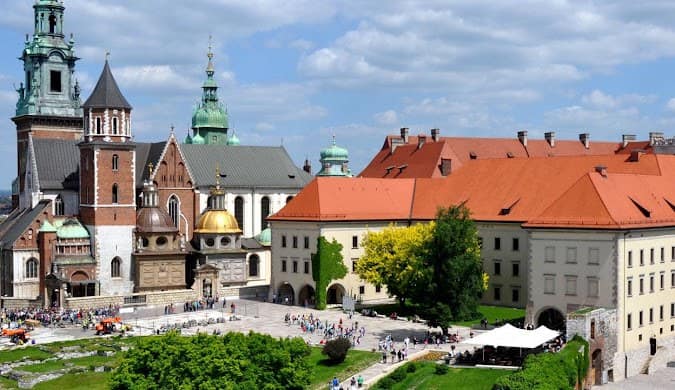
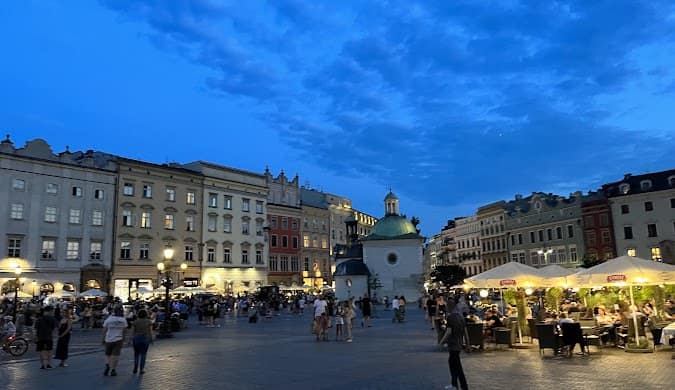
Kraków is home to Jagiellonian University, founded in 1364 by King Casimir III the Great with medicine among its three founding faculties, and Nicolaus Copernicus was among its students. Its Collegium Medicum has taught the MD in English since 1994, and Jagiellonian University is ranked #303 in the QS World University Rankings 2026 and #1 in Poland for Medicine. Teaching spans historic collegia in the old centre and a modern medical campus at Prokocim, where the new University Hospital opened in 2019. The city is UNESCO-listed and famous for its student life, cafés and music, with an extensive tram and bus network, and Kraków John Paul II International Airport is about 15 to 20 km away.

Poznań

Poznań University of Medical Sciences traces its roots to the University of Poznań's Faculty of Medicine, founded in 1920, and began teaching medicine in English in 1993 with 14 international students. Today it teaches around 7,300 students, runs four university clinical hospitals in the city, counts more than 2,500 international alumni and is ranked in the 351 to 400 band in the world for Medicine by QS. Its English programme has a strong US and Canadian orientation, with Kaplan USMLE preparation and NBME subject exams built in. Poznań is a prosperous, walkable city known for its old market square and festivals; Poznań Ławica Airport is about 7 km from the centre, and fast rail links reach Warsaw and Berlin.

Gdańsk

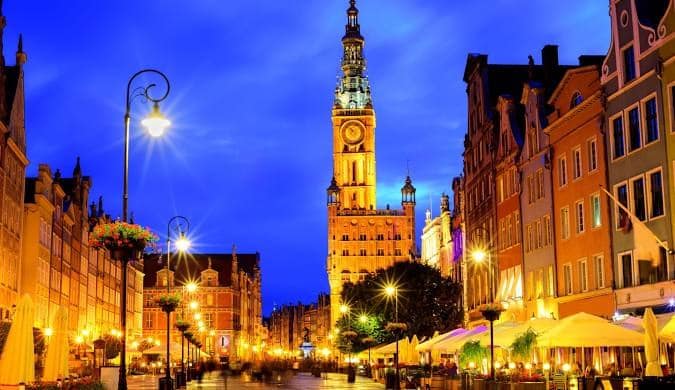
Gdańsk is a historic Baltic port and part of the Tricity, with beaches, old-town architecture and a lively student scene. The Medical University of Gdańsk was founded on 8 October 1945, opened its English Division in the early 2000s and in 2019 became the only medical university in Poland with Research University status, and in 2026 it entered the QS top 500 in the world for Medicine. More than 1,000 international students make up over 16% of the university, many of them from Scandinavia, and clinical training runs at the University Clinical Centre, with a distinctive strength in maritime and tropical medicine. Gdańsk Lech Wałęsa Airport is about 12 km from campus, and trams, buses and the SKM commuter rail link the Tricity.

Łódź

Łódź sits in central Poland, about 1.5 hours from Warsaw by train, and is home to the Medical University of Łódź, the biggest state medical university in the country, with around 9,300 students and three university teaching hospitals. It was formed on 1 October 2002, when the city's civilian and military medical academies merged, and its English Division opened in 2003 with eight students from the USA and Canada. It has since graduated more than 1,400 doctors and dentists and now has more than 700 international students from nearly 70 countries. Łódź is a large city known for its film school and the revitalised Manufaktura and OFF Piotrkowska districts, with an affordable student scene and an extensive tram and bus network.

Katowice

Katowice is the seat of the Medical University of Silesia, which traces its origins to 1948 and has run an English medical programme since 1996. It is one of Poland's largest medical universities, with more than 10,000 students across Katowice, Zabrze, Sosnowiec and Bytom, and an English medicine limit of 160 places for 2026/27. Pre-clinical teaching runs on the Katowice-Ligota campus and clinical rotations in six teaching hospitals, including the cardiac surgery base in Zabrze, where the first successful heart transplant in Poland was performed in 1985. Katowice was European City of Science 2024 and is known for its music, culture and revitalised post-industrial districts; Katowice Airport is about 30 km away, and Kraków Airport around 1.5 hours.

Białystok

Białystok is a green city in north-eastern Poland, on the edge of the Knyszyn and Białowieża forests, with a friendly, walkable centre. The Medical University of Białystok was established in 1950 with its seat in the historic Branicki Palace, created its English Division in 2004 and began its first English-taught MD class in 2005. Today it has around 5,900 students, admits around 100 students to the English MD each year, and trains them in the city's university hospitals and its Medical Simulation Center. Admission involves no written exam: the university assesses the secondary-school science record and holds an interview. Warsaw Chopin Airport is about 180 km away, two to two and a half hours by road or train.

Bydgoszcz

Bydgoszcz is a green riverside city on the Brda and home to the Ludwik Rydygier Collegium Medicum of Nicolaus Copernicus University, whose parent university was founded in 1945 in Toruń, the birthplace of Nicolaus Copernicus, about 45 km away. Medical training in Bydgoszcz became an independent Medical Academy in 1984 and merged into the university as its Collegium Medicum in 2004. The English-language six-year MD has run since 2009, and the Collegium Medicum now has more than 300 international students, from countries including Norway, Ireland, Sweden and India. Clinical training runs in the Bydgoszcz university hospitals, with obligatory summer placements after each of the first five years, and trams, buses and fast rail links reach Toruń, Warsaw and Gdańsk.

Which Polish city suits you best?

Get a personalised recommendation based on your budget, course and lifestyle.

Programme Structure

MBBS Curriculum in Poland

Medical universities in Poland follow European Union standards, delivering a structured, modern six-year programme taught entirely in English, with the final year devoted to clinical clerkships and internship-style training.

General Medicine Course

  • Total Duration:

    6 Years

  • Degree:

    MD (lekarz, equivalent to MBBS)

  • Entrance Exam:

    University-specific (some require a Biology/Chemistry test)

Structure of the Medical Programme

  • Years 1–2

    Pre-Clinical Foundations

    Basic medical sciences and foundational subjects focused on the structure and function of the healthy human body:

    AnatomyHistology & EmbryologyBiophysicsBiochemistry
    PhysiologyBiology & GeneticsMedical ChemistryFirst Aid
  • Years 3–4

    Paraclinical & Clinical Transition

    Paraclinical sciences and the first structured patient contact, bridging laboratory science and bedside medicine:

    PathologyPathophysiologyPharmacologyMicrobiology
    ImmunologyInternal MedicineSurgeryPaediatrics
  • Years 5–6

    Clinical Rotations & Internship

    Clinical rotations across the specialties in university teaching hospitals with supervised patient care, concluding in the final diploma examination:

    Internal MedicineSurgeryPaediatricsObstetrics & Gynaecology
    NeurologyPsychiatryDermatologyInfectious DiseasesOncologyEmergency Medicine

Important: The syllabus structure may vary slightly depending on the university; however, most Polish medical universities follow this six-year, EU-standard curriculum taught entirely in English for international students.

Get the full curriculum

Download a free brochure to see detailed subjects, the course structure and everything you need to plan your studies.

Recognition & Prestige

Recognition of Polish Medical Universities

The universities we work with in Poland are NMC compliant and listed in WDOMS, so graduates can pursue licensing and practice across the EU, India and beyond.

Accreditations and Recognition

  • National Medical Commission (NMC) of India emblem

    NMC compliant

    Follows NMC rules for Indian students: a course of at least 54 months, a 12-month internship at the university and teaching in English. Graduates sit the FMGE to practise in India.

  • World Directory of Medical Schools emblem

    WDOMS

    Listed in WDOMS, the World Directory of Medical Schools.

  • World Federation for Medical Education emblem

    WFME

    Aligned with World Federation for Medical Education standards for the ECFMG/USMLE route.

  • European Union emblem

    EU

    Within the European Higher Education Area (EU). The degree is recognised across EU member states under Directive 2005/36/EC.

Is a Polish medical degree right for you?

Get complete recognition, licensing and career details for Indian students from our experts.

Admissions

Eligibility Criteria

Indian students can apply for MBBS in Poland after Class 12, subject to each university's admission procedure, an English-language requirement, and the NMC's requirements for studying abroad.

Academic Qualification

The student must have passed Class 12 (or equivalent) with Physics, Chemistry and Biology and a strong academic record.

Subjects:

BiologyChemistryPhysics

Minimum Grades (PCB)

Minimum aggregate percentage required in Physics, Chemistry and Biology (universities may set a higher bar), in line with NMC norms.

CategoryMin. %
General / EWS50%
OBC / SC / ST40%
PwBD45%

Age Requirement

Candidates must be at least 17 years old by 31 December of the admission year.

  • Minimum 17 yearsRequired age at the time of admission

Entrance & English Requirements

Applicants must clear the university's admission procedure and meet the English-language requirement; Indian students also need a valid NEET qualification.

  • Entrance Procedure

    Admission is by each university's own procedure; some faculties require a Biology and Chemistry entrance test or interview, others admit on Class 12 results.

  • English Proficiency

    Proof of English proficiency (for example IELTS or TOEFL) is required for applicants whose prior education was not in English.

Important: A valid NEET qualification is required for Indian students to later pursue licensing (FMGE) and practise in India, even though admission to the Polish university itself is through its own procedure.

Check your eligibility for free

Share your marks and we'll tell you exactly which Polish universities you qualify for.

Affordable Education

Cost of Living in Poland

Poland offers EU-standard medical education at a lower cost of living than Western Europe. Here is the approximate monthly breakdown for a student in a city such as Warsaw or Kraków.

Monthly Living Cost

Cost ComponentApproximate Amount
Accommodation (dormitory or shared flat)₹16,000 – ₹30,000
Groceries / meals₹12,000 – ₹18,000
Utilities / internet₹4,000 – ₹7,000
Public transport₹1,500 – ₹3,000
Miscellaneous (books, etc.)₹4,000 – ₹7,000
Get free MBBS guide

Average monthly living cost

₹40,000 – ₹65,000

How to Apply

Admission Process for MBBS in Poland

Admission to General Medicine is through each university's own admission procedure, not NEET. International applicants apply directly (or through an approved representative) ahead of the intake.

Choose your university and programme, complete the online application, and upload your Class 12 certificate and mark sheets, NEET result, passport and English-proficiency proof before the deadline.

Admission Guidance & Document Checklist

Get the complete document checklist or step-by-step admission guidance from our experts.

Scholarships

Scholarships for International Students in Poland

Government (NAWA) Scholarships

The Polish National Agency for Academic Exchange (NAWA) runs government scholarship programmes for international students, which may include tuition support and a monthly stipend for eligible candidates.

University-Specific Scholarships

Many Polish universities provide merit-based tuition discounts and financial aid to strong international students enrolled in degree programmes; amounts and criteria vary by university.

Exchange & Mobility Programmes

As an EU member, Poland participates fully in Erasmus+, so students can receive mobility grants for a study or clinical period at partner universities across Europe.

Get all information in our free brochure

Discover how you can fulfil your dream of studying medicine in Poland.

Accommodation

Accommodation

On-Campus Accommodation

Most universities in Poland provide dormitory (akademik) accommodation for international students, usually on or near campus. Rooms are generally shared, furnished, with heating, internet and shared kitchen and laundry facilities, and costs are lower than private rentals.

Off-Campus Accommodation

Students who prefer more privacy may rent private or shared flats. Costs vary by city, with Warsaw the most expensive, and students usually arrange flats through local platforms or agents; city public transport connects student areas to campuses and hospitals.

Get all information in our free brochure

Read on to find out how you can build your medical career from Poland.

Your Roadmap to Success

Residency & Career Opportunities After MBBS

Your Opportunities

Graduates earn an EU-recognised medical degree (lekarz), respected worldwide and recognised across the EU under Directive 2005/36/EC, opening career opportunities in both India and Europe.

Residency for Students

To pursue residency in Poland, students generally must:

  • Medical Registration

    Obtain registration with the Polish Chamber of Physicians and Dentists.

  • Documentation and Licensing

    Clear the required documentation and diploma-recognition formalities.

  • Language Proficiency

    Demonstrate Polish language proficiency for clinical practice.

  • Time Duration

    Residency duration generally ranges from 4 to 6 years, depending on the chosen specialty.

Understand the Medical Licensing Pathway

A clear overview of the exams and requirements after graduation.

Our Blog

Medical Education Insights

Articles that turn complex MBBS-abroad rules into simple, practical steps for students and parents.

Compare

Quick Comparison

Compare studying MBBS in Poland with a leading Indian medical college.

Quick Comparison:

Jagiellonian University Medical College vs CMC Vellore

University
Jagiellonian University Medical CollegeKraków, Poland
CMC VelloreTamil Nadu, India
University TypePublicPrivate (minority)
MediumEnglishEnglish
Course Duration6 years (MD/lekarz)5.5 years (MBBS)
Tuition (per year)~₹17.3 lakh (€16,000)~₹3–4 lakh
AdmissionUniversity procedure + NEET (for eligibility)NEET-UG
RecognitionWDOMS / EU; NMC-eligible via screeningNMC-recognised
Global RankingQS world top ~300 (Jagiellonian)Not in QS top 500

Compare Top MBBS Universities for Me

See key differences in fees, ranking, eligibility and recognition.

FAQ

Frequently Asked Questions

Short answers to the questions students and parents ask most often about MBBS in Poland.