Career
How to Become a Radiologist in India: Full 2026 Path
3 Aug 2026
7 min read
How to become a radiologist in India: NEET-UG, MBBS and MD Radiodiagnosis explained, with real duration, eligibility, sub-specialities and salary ranges.

How to Become a Radiologist in India: The Complete Path
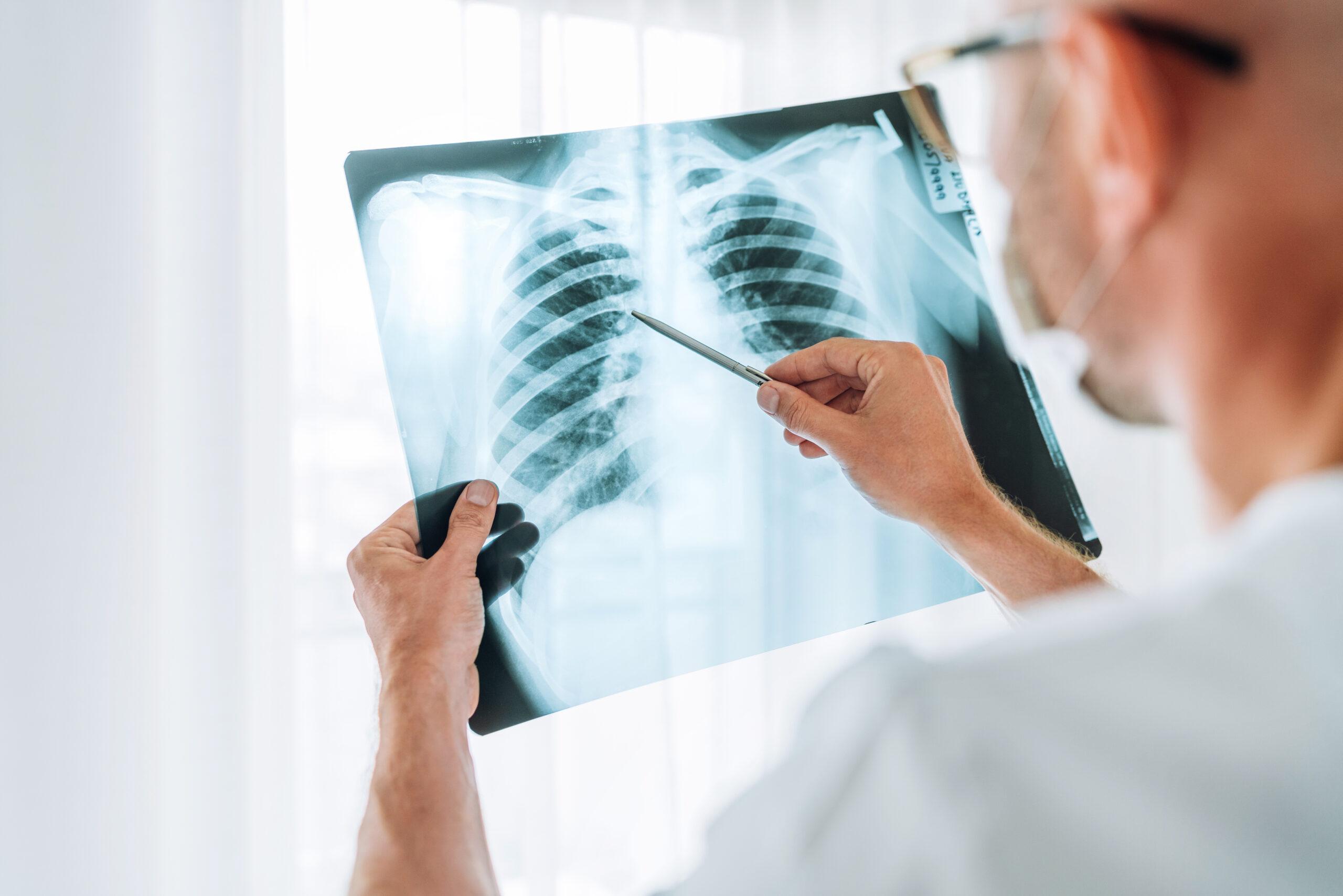
Learning how to become a radiologist in India means clearing NEET-UG for an MBBS seat, then a 3-year MD in Radiodiagnosis through NEET-PG. That's a minimum of 8.5 years of study after Class 12. The need for skilled radiologists is genuinely global: a Lancet Commission on diagnostics found that 47% of the world's population has little or no access to basic diagnostic services, including imaging, with the gap widest in low- and middle-income countries. Here's the real path, the current entrance-exam rules, the sub-specialities and what you can expect to earn.
Key Takeaways
- The direct route for how to become a radiologist is NEET-UG → MBBS (5.5 years) → NEET-PG → MD Radiodiagnosis (3 years), a minimum of 8.5 years post-12th, with no DM required.
- A Lancet Commission on diagnostics estimated that 47% of the global population has little or no access to diagnostic services, including imaging, a key driver of global demand for trained radiologists.
- MD Radiodiagnosis (a 3-year NEET-PG degree) is the standard qualification; a shorter 2-year NBE Diploma in Radio-diagnosis (DNB/DMRD) also exists as an alternative route.
- Sub-specialities include interventional radiology, neuroradiology, musculoskeletal imaging and paediatric radiology; nuclear medicine is a related but separately trained specialty.
- Where you complete your MBBS does not change the India-side NEET-PG route into radiology, provided the degree is NMC-eligible.
How to Become a Radiologist After 12th (Step-by-Step Path)
The path to becoming a radiologist in India runs through two linked entrance exams and roughly 8.5 years of formal training after Class 12, based on the course structures published by the National Testing Agency (NTA) and the National Board of Examinations (NBE). Radiology does not require a further DM super-speciality. The MD itself is the terminal specialist qualification for diagnostic radiology.
- Class 12 with Physics, Chemistry and Biology (PCB), then qualify NEET-UG, the mandatory national entrance test for every MBBS seat in India.
- Complete the MBBS degree: 4.5 years of academic study plus a mandatory 1-year Compulsory Rotating Medical Internship (CRMI), a total of 5.5 years, per National Medical Commission (NMC) course-duration rules.
- Qualify NEET-PG and complete a 3-year MD in Radiodiagnosis, the standard route to practising as a diagnostic radiologist.
- Register with the NMC (or your State Medical Council) to practise, and optionally pursue fellowship training in a sub-speciality such as interventional radiology or neuroradiology.
How Long Does It Take to Become a Radiologist in India?
Becoming a radiologist takes a minimum of 8.5 years after Class 12: 5.5 years for MBBS (including the compulsory internship) plus 3 years for an MD in Radiodiagnosis. Some doctors instead complete the 2-year NBE Diploma in Radio-diagnosis, which is a shorter but lesser postgraduate qualification than the full MD. Fellowship training in interventional radiology or a similar sub-speciality typically adds 1-2 more years for those who choose it.
This 8.5-year figure is shorter than the "12-14 years" quoted in some older guides on how to become a radiologist. The difference disappears once you count only the mandatory MBBS-plus-MD path rather than treating every optional fellowship as compulsory.
What Is the Eligibility for NEET-UG and NEET-PG in Radiology?
Eligibility for radiology is set at two checkpoints: NTA's NEET-UG for the MBBS seat, and NBE's NEET-PG for the MD Radiodiagnosis seat. Both require specific prior qualifications.
| Stage | Conducting body | Core eligibility |
|---|---|---|
| NEET-UG | National Testing Agency (NTA) | Class 12 with Physics, Chemistry, Biology; qualifying NEET-UG score for an MBBS seat |
| MBBS | NMC-recognised medical college | 4.5-year academic course + 1-year CRMI internship |
| NEET-PG (MD Radiodiagnosis) | National Board of Examinations (NBE) | MBBS degree + completed internship; qualifying NEET-PG score for a radiology seat |
Seat numbers and cut-offs for MD Radiodiagnosis change every counselling cycle, so confirm current requirements on the official NBE portal and NMC portal before finalising your PG plan.
Why Is Demand for Radiologists Growing?
Access to imaging is one of the biggest gaps in global healthcare, and that gap is exactly why demand for trained radiologists keeps rising. A Lancet Commission on diagnostics found that 47% of the global population has little or no access to basic diagnostic services, a category that includes imaging alongside laboratory testing, with access concentrated heavily in high-income countries. As imaging technology such as CT, MRI and PET becomes more central to diagnosing cancer, stroke and heart disease, the shortage of qualified radiologists to interpret these scans has become a recognised bottleneck in many health systems, including India's.
Within radiology, distinct sub-specialities have developed:
- Interventional radiology: image-guided, minimally invasive procedures instead of open surgery.
- Neuroradiology: imaging of the brain, spine and nervous system.
- Musculoskeletal radiology: imaging of bones, joints and soft tissue injuries.
- Paediatric radiology: imaging techniques adapted for infants and children.
What Does a Radiologist Earn in India?
Pay is one of the practical questions people ask once they know how to become a radiologist. Radiologist pay varies substantially by city, sector and whether the doctor works in a government hospital, a diagnostic chain or private practice, and there is no single official wage survey covering the whole profession. As an indicative market range rather than an official statistic, early-career radiologists in salaried hospital or diagnostic-centre roles often start in roughly the ₹8-15 lakh per year band, with senior radiologists in private practice or running their own imaging centres earning considerably more. Treat any specific figure, including this one, as a planning estimate rather than a guarantee.
| Career stage | Typical setting |
|---|---|
| Early-career (post-MD) | Salaried role in a hospital or diagnostic chain |
| Mid-career | Larger diagnostic centre, interventional procedures |
| Senior/consultant | Own imaging centre, teaching hospital consultancy |
Should You Study MBBS Abroad Before Specialising in Radiology?
Where you complete your MBBS does not change the India-side steps in how to become a radiologist. You still need to clear NEET-PG for MD Radiodiagnosis after your internship. What matters if you study abroad is that the degree comes from an NMC-eligible, WHO-listed institution. futureMBBS places Indian students into MBBS programmes at partner universities across our 9 EU countries, including Masaryk University Brno, Semmelweis University Budapest and Riga Stradiņš University, with every recommendation aimed at keeping the NEET-PG route fully open. See our MBBS in Europe guide and partner universities list, or book a free consultation to compare options against your NEET-UG score.
If you're still preparing for NEET-UG, our sister platform NEETsheet and our own NEET preparation guide cover exam strategy in depth. In the end, how to become a radiologist comes down to two exams in sequence and a well-defined 8.5-year training path.
Sources
- The Lancet Commission on Diagnostics, summary via PMC (National Institutes of Health): https://pmc.ncbi.nlm.nih.gov/articles/PMC8494468/
- National Medical Commission, official portal: https://www.nmc.org.in/
- National Board of Examinations (NBE), official portal: https://natboard.edu.in/
- National Testing Agency, NEET-UG official site: https://neet.nta.nic.in/
Related Topics
- how to become a radiologist
- Radiology
- MD Radiodiagnosis
- NEET-PG
- futureMBBS
- medical careers
Related Articles
 Career3 Aug 20266 min read
Internship Salary in MBBS: What to Expect in 2026
Internship salary in MBBS explained: current stipend ranges by state, why they vary, 2026 NMC policy changes, and what foreign MBBS graduates should know.
 Career3 Aug 20269 min read
Is Becoming a Doctor Worth It in 2026? Costs vs Rewards
Is becoming a doctor worth it? Compare real MBBS costs, India's doctor-population ratio, and long-term career rewards in India vs Europe to weigh the true ROI.
 Career3 Aug 20267 min read
Jobs After MBBS: Private, Abroad & Practice Options 2026
Jobs after MBBS beyond government service: private hospital pay, setting up practice, and working abroad through USMLE, PLAB, AMC, or MCCQE licensing routes.