
Career
Medical Internship in Europe After MBBS: 2026 Guide
7 Sept 2026
13 min read
A medical internship in Europe is not one rule but many. Poland asks for 13 months, Czechia and Hungary do not. Here is what really happens after your degree.

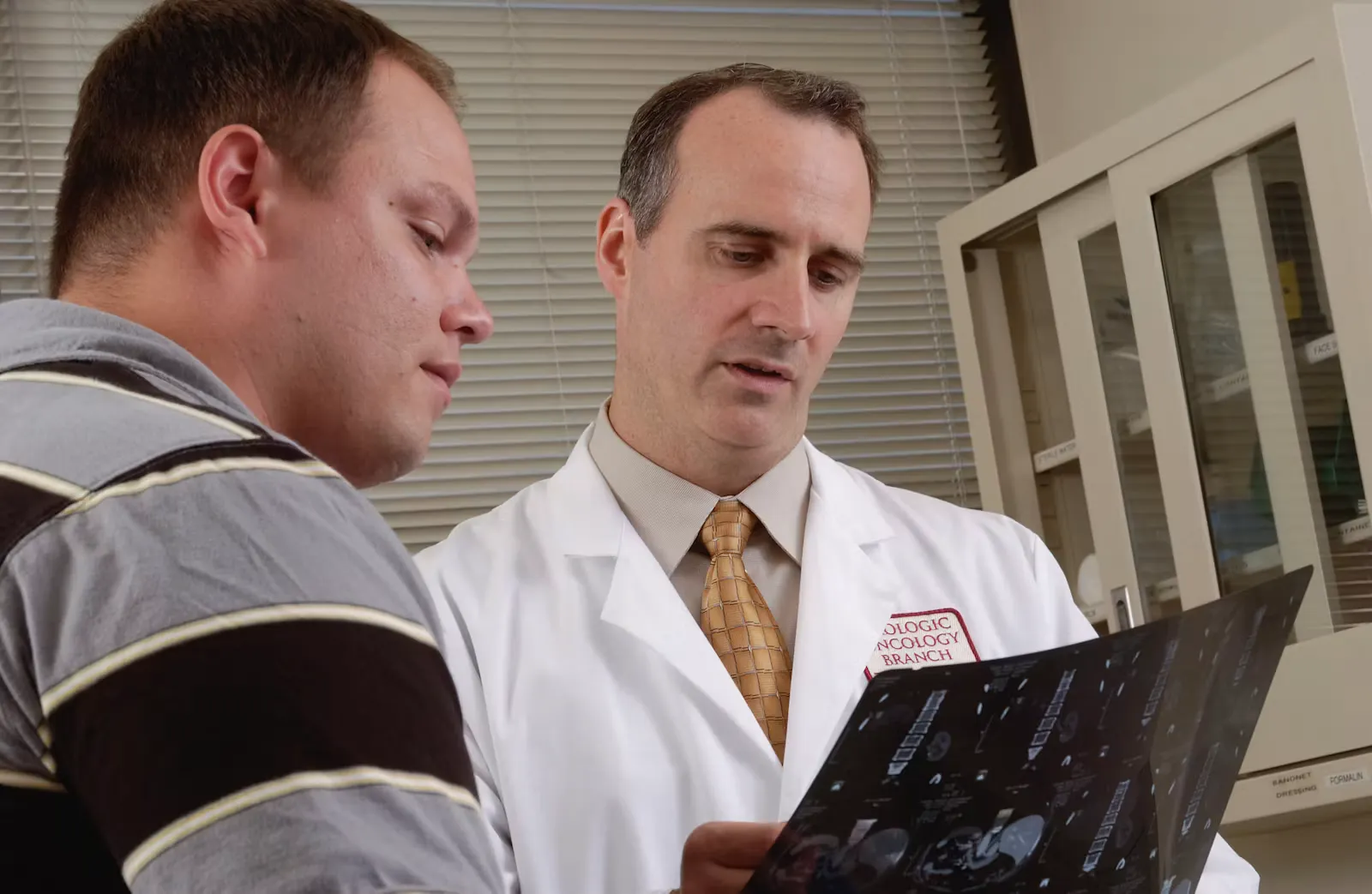
A medical internship in Europe is the block of supervised, paid hospital work a new graduate does before they are allowed to treat patients on their own. Here is the part almost nobody explains before you enrol: it does not exist everywhere. Poland runs a 13-month postgraduate internship with its own contract, supervisor and exams. Czechia and Hungary have no separate internship year at all. Same continent, same rules on the degree, a completely different first year of work.
Key Takeaways
- There is no single rule for a medical internship in Europe. The EU harmonises the degree and gives doctors automatic recognition under Directive 2005/36/EC. What a country adds after the degree is its own business.
- Poland has the longest one in our partner group. The Polish Ministry of Health puts the doctor's postgraduate internship at 13 months (12 for dentists), starting only on 1 March or 1 October each year.
- It is a real job, not an unpaid attachment. Polish interns work on an employment contract, with a statutory pay floor of 8,458.38 zloty a month gross from 1 July 2026.
- Czechia and Hungary do it differently. Charles University states that graduates without a completed specialisation cannot work unsupervised in Czechia, so supervision sits inside specialisation training. In Hungary the rotation is the sixth year of the degree.
- India ignores all of it. Coming home still means the screening exam plus a 12-month Indian internship before permanent registration.

What is a medical internship in Europe, and who decides the rules?
A medical internship in Europe is a defined period of practice after graduation, under a named supervisor, that a national authority signs off before granting you the right to work unsupervised. That authority is never a European one. It is a health ministry, a doctors' chamber or a university in the country whose diploma you hold.
That matters more than it sounds. Comparing two universities in two countries is not only about tuition and rent. You are also choosing the rulebook for the year after your graduation photo.
Doctors are one of seven professions with automatic recognition of professional qualifications across the EU, built on harmonised minimum training requirements. That is about your degree travelling across borders. It says nothing about whether the country you graduate in wants an extra supervised year first.
Why does the answer change the moment you cross a border?
Because the rules on a medical internship in Europe were never handed to Brussels. Each member state kept them and solved the problem in a different order.
Some put the supervised practice after the degree, as a stand-alone stage with its own paperwork. Poland is the clearest example in our partner group. Others folded it into the degree, so the final year is the clinical rotation. Hungary works that way. A third group handled supervision through the early years of specialisation training instead, which is what happens in Czechia. None of these is better on paper. They just change what your calendar looks like at 24.
| Country | What happens straight after the degree | Who signs it off |
|---|---|---|
| Poland | A separate 13-month internship for doctors, on an employment contract | The regional medical council (okregowa rada lekarska) |
| Czechia | None. You work in an accredited facility inside specialisation training, supervised | Your accredited employer and the specialisation system |
| Hungary | None. The sixth year of the degree is the clinical rotation | The university, via a certificate per specialty |
Three countries, three answers. That is what a medical internship in Europe means in practice, and it is worth reading before any fee list.
How does Poland's 13-month postgraduate internship work?
The Polish version of a medical internship in Europe is the staz podyplomowy, and the Ministry of Health's own page sets out every part of it. A doctor's internship lasts 13 months, a dentist's 12. It starts only on 1 March or 1 October, so a July graduation means waiting for the October intake.
You do not apply to a hospital. You go to the regional medical council for the area where you live. There you join the chamber's member list, receive the document confirming your right to practise, and collect a referral plus an internship card. The council, not you, decides which hospital you go to. It ranks applicants living in its area by their final degree average, and it caps how many interns any one hospital can take.
Once you start, you work only at that hospital, under a supervisor called the opiekun, who must be a specialist in the relevant field. The Ministry lists what you may do: examine and advise patients after consulting your supervisor, issue medical orders, apply treatments ordered by a qualified doctor, keep case notes jointly, write prescriptions and issue opinions once the wording is agreed. You also take on-call duty, either one shift a week of 10 hours and 5 minutes, or two shorter shifts.
The internship ends when the council says it does, once you have completed the framework programme and passed the kolokwia, the sectional assessments attached to each rotation. If life gets in the way, you have five years from the day you gained the right to practise to finish.
What are you actually paid during the Polish internship year?
This is the question parents ask first about any medical internship in Europe, and in Poland it has a legal answer rather than a rumour. The Act of 8 June 2017 on the minimum basic pay of certain employees in healthcare entities multiplies a coefficient by the previous year's average national wage, and every provider must lift pay to that level each 1 July.
The intern coefficient is 0.95. Against the 2025 average wage of 8,903.56 zloty, the floor from 1 July 2026 is 8,458.38 zloty a month gross, roughly 1,956 euro at the European Central Bank reference rate of 19 August 2026. A doctor without a specialisation sits at 1.19, a specialist at 1.45.
Two honest caveats. These are gross floors, so tax and social contributions come off first, and a busy teaching hospital often pays above them. On-call premiums are separate. For the wider picture, our guide to jobs after MBBS sets the salary question in context.
What happens in Czechia and Hungary, where the internship sits elsewhere?
Czechia has no stand-alone internship year, so a medical internship in Europe looks different the moment you cross the Polish border. What it runs instead is supervision lasting until you hold a specialisation. Charles University puts it flatly: graduates without a completed specialisation cannot work independently, meaning unsupervised, in the Czech Republic. They move into specialisation training, which runs alongside employment in an accredited medical facility, full time or part time. The university calls it a paid internship under professional supervision. The stage exists. It just has a different name.
Hungary shifts the same year forward instead of back. At Semmelweis University the sixth year of the medicine programme is the rotation year. Students pick a published rotation schedule, register the placement, and collect a signed certificate per specialty before the closing exam. Rotations outside Hungary are allowed only at university or teaching hospitals in EU countries, from the approved list or after advance approval.
The practical difference is timing and money. In Poland the supervised year comes after the diploma and pays a statutory wage. In Hungary it comes before the diploma, while you are still paying tuition. Neither is a trick. You just want to know which one you signed up for.
How do you apply for a medical internship in Europe, step by step?
This sequence is Poland's, the one partner country with a genuine stand-alone medical internship in Europe. Treat it as the shape of the process, not a universal form.
- Collect your diploma, transcript and diploma supplement from the university.
- Go to the regional medical council for where you live. That council, not the hospital, is your first stop.
- Register there. You join the member list and receive the document confirming your right to practise, plus the referral, the internship card and the assessment questionnaire.
- Wait for your placement. The council allocates it by final degree average, within each hospital's cap.
- Sign the employment contract and start on the next intake date, 1 March or 1 October.
- Work the framework programme with your supervisor, take your weekly on-call duty, and clear each sectional exam on schedule.
- Submit the completed card so the council can confirm the internship. Only then does your restricted right to practise become a full one.
Already trained elsewhere in the EU? Poland can recognise an internship from another EU or EFTA state, in whole or in part. It is free, a complete application gets an answer within a month, and you have 14 days to appeal a refusal. Sworn Polish translations are required.
What does India expect on top of the European rules?
Nothing you do in Europe replaces the Indian requirement, and this is where families get caught out. A medical internship in Europe is completed for a European regulator. India runs its own sequence: clear the screening exam, take provisional registration from your state medical council, then do a 12-month compulsory rotating internship in India before permanent registration.
So read a European internship year as a career decision, not a shortcut home. Planning to practise in India? Then the FMGE and the National Exit Test matter more than the Polish internship card. Staying in Europe? Our PG roadmap for Europe picks up where this post stops. For the home comparison, see the MBBS internship in India and internship stipends in India.
Which questions should you ask before you choose a country?
Ask at the open day, in writing, and keep the answer. Four questions about the medical internship in Europe separate a confident choice from a hopeful one.
- Is there a separate supervised period after the degree, and how long is it?
- Is it paid, and is the amount set by law or by the hospital?
- Who allocates the place, and can I influence where I end up?
- If I move to another EU country afterwards, is it recognised there?
If a representative cannot answer question one, they do not understand how a medical internship in Europe works. These rules exist in writing, on ministry and chamber websites. Anyone advising you should be able to point at them.
Planning your first year after graduation
Start thinking about your medical internship in Europe in fourth year, not final year. Two things need lead time: the ward language, and the chamber paperwork. The rest follows a published calendar.
Comparing MBBS in Poland with MBBS in the Czech Republic or MBBS in Hungary is not only about six years of study. It is about the year after them, and that is where a medical career gains momentum or stalls.
Reviewed by MUDr. Amandeep Grewal, a practising physician who advises futureMBBS students on European clinical training and licensing pathways.
Sources
- Ministry of Health, Poland, "Staz podyplomowy lekarzy i lekarzy dentystow", accessed 7 September 2026. gov.pl
- Ministry of Health, Poland, recognition of a postgraduate internship completed in the European Union, accessed 7 September 2026. gov.pl
- Dziennik Ustaw (Journal of Laws, Poland), Act of 8 June 2017 on the minimum basic pay of certain employees in healthcare entities, Dz.U. 2022 poz. 2139, accessed 7 September 2026. dziennikustaw.gov.pl
- Naczelna Izba Lekarska (Supreme Medical Chamber, Poland), postgraduate education section, accessed 7 September 2026. nil.org.pl
- Charles University, "Specialisation Training", accessed 7 September 2026. cuni.cz
- Semmelweis University, Registrar's Office, "Rotation (6th Year)", accessed 7 September 2026. semmelweis.hu
- European Commission, "Recognition of professional qualifications in practice", accessed 7 September 2026. ec.europa.eu
- National Board of Examinations in Medical Sciences, Foreign Medical Graduate Examination portal, accessed 7 September 2026. natboard.edu.in
Related Topics
- medical internship in Europe
- MBBS in Europe
- jobs after MBBS
- Poland
- Czech Republic
- Hungary
- Indian students
Related Articles
 Career2 Sept 202613 min read
Job Seeker Visa in Europe After MBBS: The 2026 Rules
A job seeker visa in Europe gives medical graduates at least nine months to find work. Here are the 2026 rules, country by country, and when you must apply.
 Career1 Sept 202614 min read
Doctor Shortage in Europe 2026: Where Are the Jobs?
The doctor shortage in Europe is official: 22 countries reported a lack of specialists in 2025 and 19 a lack of GPs. See which study destinations are on both.
 Career31 Aug 202615 min read
Medical Registration in India After MBBS in Europe 2026
Medical registration in India after an EU degree runs on four steps: clear the FMGE, take provisional registration, finish the internship, then go permanent.