Career
How to Become an RMO Doctor in India: 2026 Guide
3 Aug 2026
12 min read
How to become an RMO doctor in India: MBBS, 12-month internship, State Medical Council registration, eligibility, documents and 2026 government pay explained.

An RMO doctor (Resident Medical Officer) is a registered MBBS doctor who covers hospital ward patients day and night. To become one, you need an MBBS degree, a 12-month internship and registration with a State Medical Council. Then you apply for posts. In central government hospitals, the entry pay is Rs. 56,100 a month plus allowances.
Key Takeaways: becoming an RMO doctor
RMO is a job, not a degree. There is no separate RMO course. Any MBBS doctor with full registration can apply for RMO posts.
Three steps come first. Pass MBBS, complete the 12-month compulsory internship, and get permanent registration with a State Medical Council.
Registration is a legal must. Section 34 of the NMC Act, 2019 bars anyone who is not on a State or National Register from holding a doctor's post.
Government pay is fixed in a pay scale. AIIMS Deoghar and Safdarjung Hospital, New Delhi, both advertised MBBS resident posts in 2026 at Level 10, entry pay Rs. 56,100 a month, plus Non-Practising Allowance.
Posts are short term. Government resident posts usually run for months, not years. AIIMS Deoghar caps its posts at 18 months in total.
Graduates from abroad can apply too, once they have passed FMGE, finished the 12-month internship in India and received permanent registration.
What is an RMO doctor?
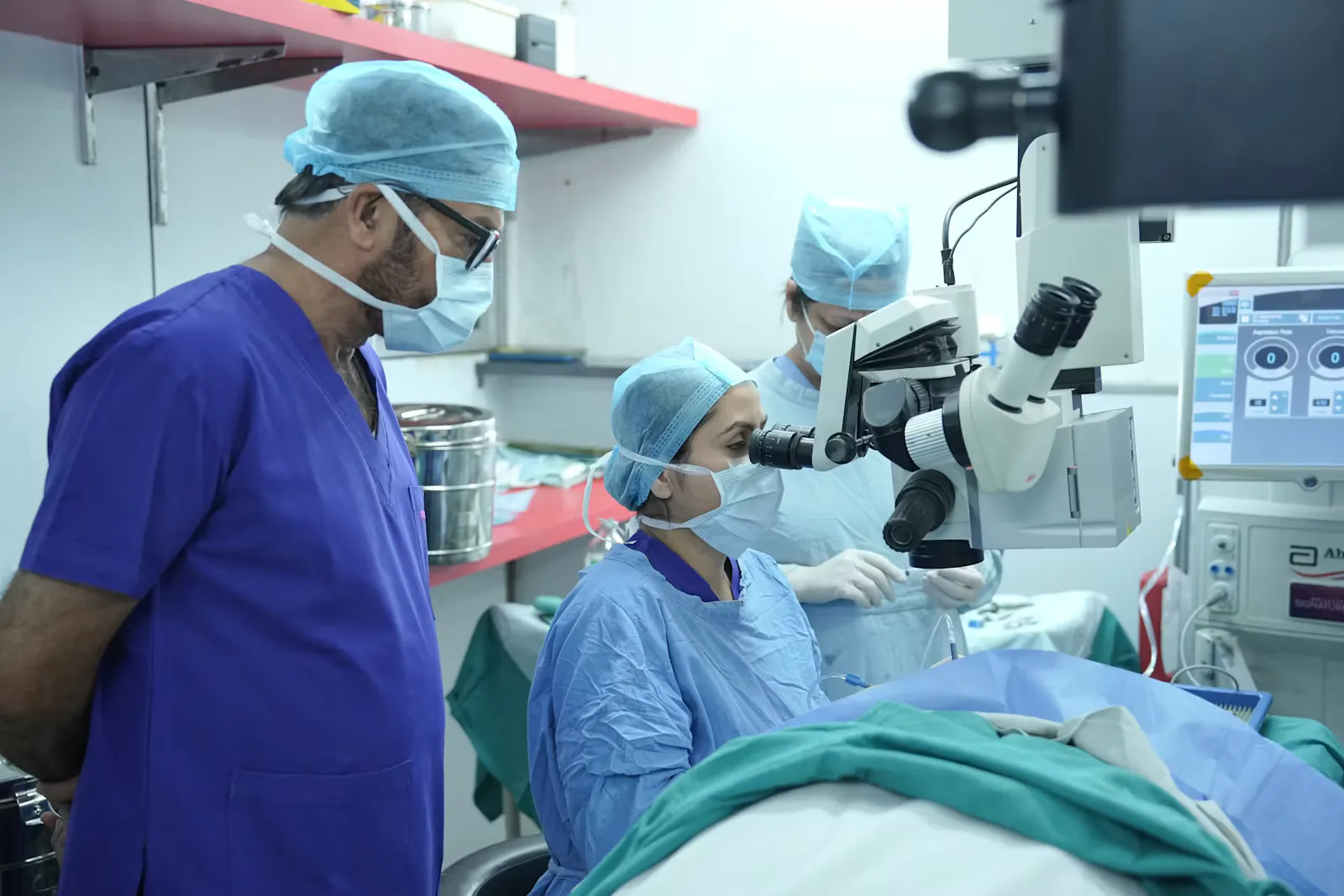
An RMO doctor is the doctor who stays on site in a hospital. Senior doctors, called consultants, make the main treatment decisions. The RMO is the first doctor a nurse calls when a patient gets worse. RMO stands for Resident Medical Officer. "Resident" means the doctor is based in the hospital during duty, not called in from outside.
Private hospitals usually use the title RMO. Government hospitals often use a different name for the same level of work. AIIMS calls it Junior Resident (Non-Academic). Safdarjung Hospital calls it Junior Resident (Non-PG). "Non-academic" and "Non-PG" mean the post is a job, not a training seat for an MD or MS degree.
Who is eligible to become an RMO doctor in India?
You are eligible for an RMO post once you hold a recognised MBBS degree, have completed the internship and have permanent registration. Government notices add their own conditions on top. The table shows the conditions in two 2026 government notices.
Condition | AIIMS Deoghar, Junior Resident (Non-Academic), March 2026 | Safdarjung Hospital, New Delhi, Junior Resident (Non-PG), June 2026 |
|---|---|---|
Degree | MBBS from a recognised university or institute | MBBS |
Internship | Internship completion certificate required | Internship finished on or after 1 July 2024 |
Registration | Registration certificate from a State Medical Council | Permanent registration with the Delhi Medical Council |
Upper age limit | 33 years on the interview date, with relaxation for SC, ST, OBC and PwBD candidates | Not stated in the notice |
Pay | Level 10, Rs. 56,100 a month plus NPA and allowances | Level 10, Rs. 56,100 a month plus NPA and allowances |
Length of post | 6 months, extendable up to 18 months in total | 89 days or until 30 September 2026, whichever came first |
Posts advertised | 18 | 151 |
Sources: AIIMS Deoghar Junior Resident advertisement dated 7 March 2026 and Safdarjung Hospital walk-in notice dated 3 June 2026.
Who cannot apply for an RMO post?
MBBS students and interns. An intern holds only provisional registration, which allows internship training and nothing more.
Doctors without registration. Under Section 34 of the NMC Act, 2019, an unregistered person cannot hold any office meant for a physician or surgeon. The penalty is up to one year in prison, a fine of up to Rs. 5 lakh, or both.
Graduates from abroad who have not passed FMGE. They cannot register in India until they pass FMGE and finish the internship in India.
Doctors who have already used up their residency time at some institutes. AIIMS Deoghar does not consider anyone who has already done 18 months of Junior Residency.
How to become an RMO doctor: step by step
The route runs through MBBS first. Our NEET page and our guide on how to become a doctor in India explain the stages before MBBS. For MBBS colleges, start with our MBBS in India hub.
Clear NEET UG and complete MBBS. Admission to MBBS in India is through NEET UG, and the course ends with the final MBBS exam.
Complete the compulsory internship. The NMC Compulsory Rotating Medical Internship Regulations, 2021 set a minimum of 12 months. The internship must be finished within two years of passing final MBBS. No graduate gets permanent registration without it.
Get permanent registration. Apply to your State Medical Council with your degree and internship certificate. Your name then appears on the Indian Medical Register, maintained by NMC. Our guide to becoming a registered medical practitioner covers this step in detail.
Check which council the hospital wants. Some hospitals ask for registration with their own state council. Safdarjung Hospital asked for Delhi Medical Council registration in June 2026.
Find vacancies. Government hospitals publish notices on their own websites. Private hospitals hire through their own career pages and direct applications.
Apply or attend the walk-in interview. Most government resident posts are filled by interview or written test. Bring original certificates, as listed in the notice.
Documents you need for an RMO interview
The AIIMS Deoghar notice lists these documents. Most government hospitals ask for a similar set.
MBBS pass certificate and mark sheets, to prove you passed every professional year.
MBBS attempt certificate, which shows how many attempts you took for each exam.
Internship completion certificate, issued by your medical college.
MBBS degree certificate from your university.
Medical registration certificate from your State Medical Council.
Category certificate (SC, ST, OBC, EWS or PwBD), if you claim a reserved post or fee relief.
Application fee for a government RMO post
Category | Fee at AIIMS Deoghar (March 2026) |
|---|---|
General (UR) | Rs. 3,000 |
OBC and EWS | Rs. 1,000 |
SC, ST, PwBD and all women candidates | No fee |
Safdarjung Hospital did not list any fee for its June 2026 walk-in interviews.
RMO doctor salary in government hospitals
Central government resident posts for MBBS doctors pay Level 10 of the 7th Pay Commission pay matrix. The entry pay at Level 10 is Rs. 56,100 a month. On top of this comes Non-Practising Allowance (NPA), paid because government doctors may not run a private practice. Other allowances are added as the rules allow.
Both AIIMS Deoghar and Safdarjung Hospital advertised this same pay in 2026. State government hospitals set their own scales, so pay differs from state to state. Private hospitals set their own pay, which depends on the city, the hospital and your experience. For a wider view of doctor pay at each career stage, read our guide to doctor salary in India.
Becoming an RMO doctor after MBBS abroad
An Indian student who studies MBBS abroad can work as an RMO in India. The route has more steps. The NMC Foreign Medical Graduate Licentiate Regulations, 2021 set the rules.
Course length. The foreign MBBS course must last at least 54 months, taught in English.
Internship abroad. The student must do a 12-month internship at the same foreign institution.
FMGE. The graduate must pass FMGE, the Foreign Medical Graduate Examination run by NBEMS. In December 2025, 10,264 of 42,868 candidates passed. That is 23.94 per cent, roughly one in four (see the NBEMS FMGE Performance Report 2025).
Internship in India. After FMGE, the graduate does a 12-month supervised internship in India.
Permanent registration. Only then can the graduate register with a State Medical Council and apply for RMO posts.
Our post on internship and registration for foreign medical graduates explains each step, and our FMGE pass rate guide breaks the results down by country. Doctors who plan to work abroad take that country's licensing exam instead, such as USMLE for the United States or PLAB for the United Kingdom.
What comes after an RMO job?
Most doctors treat an RMO post as a step, not an end point. Ward work builds clinical judgement and shows which specialty suits you. Many RMOs prepare for NEET PG, the NBEMS exam for MD, MS and DNB seats while they work. Our INI-CET vs NEET PG comparison explains the two routes into postgraduate training.
Government resident posts are short. AIIMS Deoghar stops at 18 months. So plan your next move before the term ends. That could be PG training, a permanent medical officer post or a private job.
Challenges of working as an RMO doctor
Night and weekend shifts. Hospitals need a doctor on every ward at all hours, so RMO rotas include nights, weekends and holidays.
Responsibility before experience. The RMO is often the first doctor at a sick patient's bedside and must act before the consultant arrives.
Hard conversations. RMOs often speak to families when a patient gets worse.
Job security. Government resident posts are temporary contracts, so doctors move on every few months or years.
Conclusion: is the RMO route right for you?
Becoming an RMO doctor needs no extra degree. It needs MBBS, a 12-month internship and permanent registration with a State Medical Council. Government posts in 2026 paid Rs. 56,100 a month plus NPA and allowances, for terms of a few months up to 18 months. For most doctors, the RMO years are where clinical skills grow and the choice of specialty becomes clear.
Frequently asked questions about becoming an RMO doctor
What is the full form of RMO in a hospital?
RMO stands for Resident Medical Officer. An RMO is a registered MBBS doctor who stays on site in the hospital and looks after ward patients day and night. The RMO carries out the consultant's plan, responds first to emergencies and keeps patient records up to date. In AIIMS and central hospitals, the same post is called Junior Resident.
Is there a separate course to become an RMO doctor?
No, there is no RMO course or RMO degree. RMO is a job title. You need an MBBS degree and a 12-month compulsory internship under NMC rules. You also need permanent registration with a State Medical Council. After that you can apply to any hospital advertising RMO or Junior Resident posts.
Can I work as an RMO during my MBBS internship?
No. During the internship you hold only provisional registration, which covers internship training. Section 34 of the NMC Act, 2019 says only a doctor on a State or National Register may hold a post meant for a physician. Government notices, such as AIIMS Deoghar in March 2026, ask for an internship completion certificate and registration.
What is the salary of an RMO doctor in a government hospital?
Central government hospitals paid MBBS residents at Level 10 of the pay matrix in 2026. The entry pay is Rs. 56,100 a month, plus Non-Practising Allowance and other allowances. AIIMS Deoghar (March 2026) and Safdarjung Hospital, New Delhi (June 2026) both advertised this pay. State hospitals and private hospitals set their own pay.
What is the age limit for an RMO post?
It depends on the hospital. AIIMS Deoghar set an upper age limit of 33 years on the interview date in its March 2026 notice. SC and ST candidates get up to five extra years and OBC candidates up to three. PwBD candidates get further relaxation. Each hospital states its own limit in its notice.
Can a doctor with MBBS from abroad become an RMO in India?
Yes. Under the NMC Foreign Medical Graduate Licentiate Regulations, 2021, the graduate must first pass FMGE. Next comes a 12-month supervised internship in India, then permanent registration with a State Medical Council. After that, the doctor can apply for RMO posts like any Indian graduate. FMGE had a 23.94 per cent pass rate in December 2025.
How long does an RMO post last in a government hospital?
Government resident posts are short. AIIMS Deoghar offered its Junior Resident (Non-Academic) posts for six months at first, extendable to 18 months in total. Safdarjung Hospital hired on an ad hoc basis for 89 days or until 30 September 2026. Most doctors use this time to prepare for NEET PG.
Is RMO the same as RMP?
No. RMP means Registered Medical Practitioner, the legal status every doctor gets on joining a State or National Register. RMO is a job that a registered doctor can take in a hospital. You must be an RMP before you can work as an RMO. Our registered medical practitioner guide explains how registration works.
Sources
National Medical Commission Act, 2019 (Section 34, bar to practice), official NMC copy
NMC Compulsory Rotating Medical Internship Regulations, 2021
AIIMS Deoghar, Junior Resident (Non-Academic) advertisement, 7 March 2026
VMMC and Safdarjung Hospital, Junior Resident (Non-PG) walk-in notice, 3 June 2026
Related Topics
- RMO doctor
- Resident Medical Officer
- hospital jobs India
- MBBS career
- registered medical practitioner
Related Articles
 Career3 Aug 20267 min read
How to Become a Radiologist in India: Full 2026 Path
How to become a radiologist in India: NEET-UG, MBBS and MD Radiodiagnosis explained, with real duration, eligibility, sub-specialities and salary ranges.
 Career3 Aug 20266 min read
Internship Salary in MBBS: What to Expect in 2026
Internship salary in MBBS explained: current stipend ranges by state, why they vary, 2026 NMC policy changes, and what foreign MBBS graduates should know.
 Career3 Aug 20269 min read
Is Becoming a Doctor Worth It in 2026? Costs vs Rewards
Is becoming a doctor worth it? Compare real MBBS costs, India's doctor-population ratio, and long-term career rewards in India vs Europe to weigh the true ROI.