


Dublin
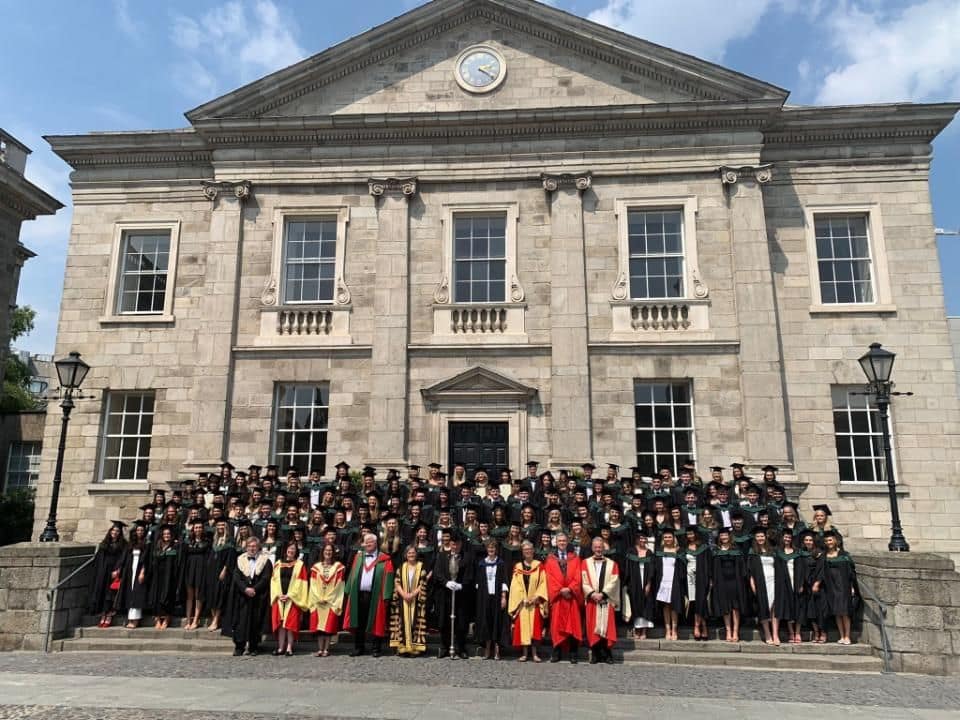
The capital and largest city, home to RCSI, Trinity College Dublin and University College Dublin, along with major teaching hospitals. Dublin is a lively, international student city (and the most expensive for accommodation).
Webinar: Pursuing MBBS in India Thu, November 5, 2026 | 8:30 PM IST FREE
Reserve free seatFree Webinar: MBBS in India
Thu, November 5, 2026 | 8:30 PM

Free Webinar: MBBS in India
Thu, November 5, 2026 | 8:30 PM
Study medicine in English at Ireland's world-class, EU-recognised medical schools - a premium, high-cost route into one of the world's safest countries.


5000+ Students trust us
Ireland
Country
4 Study Cities
Dublin · Cork · Galway · Limerick
Trinity College Dublin
Top-ranked (QS Top 100)
English
Medium of instruction
Top Universities
Ireland's medical schools teach in English and hold degrees recognised across the EU and the UK. These four are among the most sought-after by international students, all offering EU-standard programmes equivalent to MBBS.
Introduction
Ireland is one of the safest countries on earth, ranking 2nd on the 2025 Global Peace Index. The trade-off is cost: tuition of roughly €51,000 to €64,000 per year plus high living costs make Ireland one of the most expensive MBBS-abroad destinations, best suited to families who can plan for a total spend well above ₹3 crore over the degree.
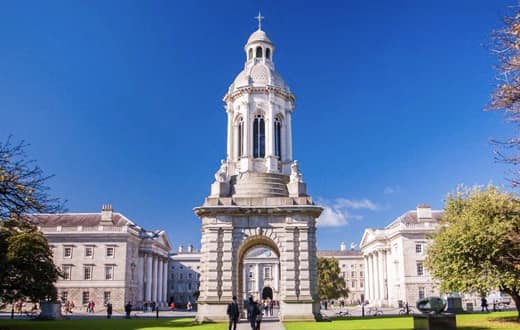


The Campanile at Trinity College Dublin
Get all information about MBBS in Ireland
Download our free brochure for tuition, living costs, eligibility and the complete application process.
Academic Excellence
A world-class, English-taught medical degree in one of the safest countries on earth, with a globally recognised qualification, balanced against a premium price tag.
Get all information about MBBS abroad
Read on to find out how you can fulfil your dream of studying medicine in Ireland.
Where You'll Study
Ireland's medical schools are spread across four cities, from the capital Dublin to Cork, Galway and Limerick, each with its own student character.

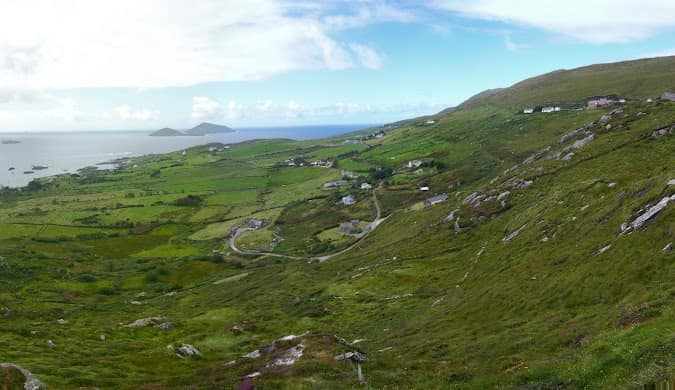

Which Irish city suits you best?
Get a personalised recommendation based on your budget, course and lifestyle.
Programme Structure
Medical schools in Ireland deliver a structured, modern five-to-six-year programme taught entirely in English (with a four-year graduate-entry route), leading to the MB BCh BAO degree, equivalent to MBBS.
Total Duration:
6 Years
Degree:
MB BCh BAO (Bachelor of Medicine, Bachelor of Surgery, Bachelor of Obstetrics; equivalent to MBBS)
Years 1-2
Basic medical sciences and foundational subjects focused on the structure and function of the healthy human body:
Years 3-4
Paraclinical sciences and structured clinical placements in teaching hospitals, bridging laboratory science and bedside medicine:
Years 5-6
Clinical clerkships across the specialties in teaching hospitals with direct patient care under supervision, concluding in final professional examinations:
Important: The structure may vary between the six Irish medical schools (and graduate-entry programmes run over four years); however, all award the MB BCh BAO degree recognised by the Irish Medical Council and across the EU.
Get the full curriculum
Download a free brochure to see detailed subjects, the course structure and everything you need to plan your studies.
Recognition & Prestige
The universities we work with in Ireland are listed in WDOMS, so graduates can pursue licensing and practice across Ireland, the EU, the UK and beyond. The degree does not meet the NMC's rules for practising in India.
NMC (India)
Does not meet the NMC's FMGL Regulations 2021: the degree has no 12-month internship at the same university, so it does not lead to practice in India.

WDOMS
Listed in the World Directory of Medical Schools

WFME
Aligned with World Federation for Medical Education standards

EU
Recognised across the EU under Directive 2005/36/EC (Ireland is an EU member); also Irish Medical Council and UK GMC recognised
Is an Irish medical degree right for you?
Get complete recognition, licensing and career details for Indian students from our experts.
Admissions
Indian students apply for medicine in Ireland on academic merit (strong Class 12 results plus an admissions test such as the HPAT, or the GAMSAT/MCAT for graduate entry), commonly through the Atlantic Bridge Program. NEET UG is not part of admission here, and because this degree does not meet the NMC's rules, NEET UG does not open a route to practise in India from it.
The student must have passed Class 12 (or equivalent) with Physics, Chemistry and Biology and a strong academic record.
Subjects:
Minimum aggregate percentage required in Physics, Chemistry and Biology.
| Category | Min. % |
|---|---|
| General / EWS | 50% |
| OBC / SC / ST | 40% |
| PwBD | 45% |
Candidates must be at least 17 years old by 31 December of the admission year.
Applicants are selected on academic merit and an admissions test, plus the English-language requirement where relevant.
Academic Merit & Admissions Test
Selection is based on strong Class 12 (or equivalent) results plus an admissions test - the HPAT for undergraduate entry, or the GAMSAT/MCAT for graduate entry - and often an interview, commonly coordinated through the Atlantic Bridge Program for international applicants.
English Proficiency
Ireland is an English-speaking country and the programme is fully in English; an IELTS/TOEFL score may be required where prior schooling was not in English.
Important: Admission to Irish medical schools is by academic merit and admissions test, NOT NEET. NEET UG is not part of admission here, and because this degree does not meet the NMC's rules, NEET UG does not open a route to practise in India from it.
Check your eligibility for free
Share your marks and we'll tell you exactly which Irish universities you qualify for.
Affordable Education
Ireland offers world-class medical education but at a high cost of living, especially in Dublin. Here is the approximate monthly breakdown for a student.
| Cost Component | Approximate Amount |
|---|---|
| Accommodation | ₹55,000 - ₹90,000 |
| Food | ₹18,000 - ₹25,000 |
| Transportation | ₹4,000 - ₹7,000 |
| Utilities & Internet | ₹6,000 - ₹9,000 |
| Miscellaneous / Leisure | ₹7,000 - ₹10,000 |
Average monthly living cost
₹90,000 - ₹1,35,000
How to Apply
Admission to medicine in Ireland is by academic merit and an admissions test (HPAT for undergraduate entry, GAMSAT/MCAT for graduate entry), not NEET. International applicants commonly apply through the Atlantic Bridge Program. NEET UG is not part of admission here, and because this degree does not meet the NMC's rules, NEET UG does not open a route to practise in India from it.
Apply through the Atlantic Bridge Program or directly to the university, submit your Class 12 results, and register for and sit the required admissions test (HPAT for undergraduate entry, or GAMSAT/MCAT for graduate entry).
Applications are assessed on combined academic and admissions-test performance; some schools (such as RCSI) also hold interviews. Offers are competitive and merit-based.
On receiving an offer, accept your place, pay the deposit, arrange accommodation, and apply for an Irish student visa (Stamp 2). Complete enrolment on arrival and begin in September.
Admission Guidance & Document Checklist
Get the complete document checklist or step-by-step admission guidance from our experts.
About the Destination
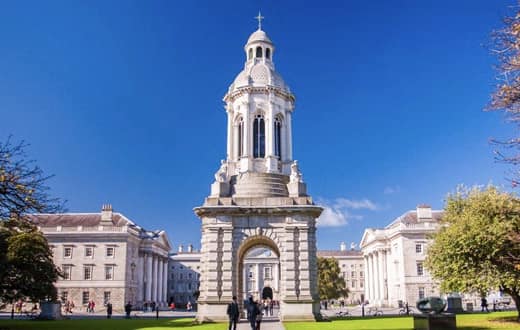
The Campanile at Trinity College Dublin
Ireland has a long and distinguished medical heritage. Trinity College Dublin's School of Medicine dates to 1711, and the Royal College of Surgeons in Ireland (RCSI) was founded in 1784, making them among the oldest and most respected medical schools in the world.
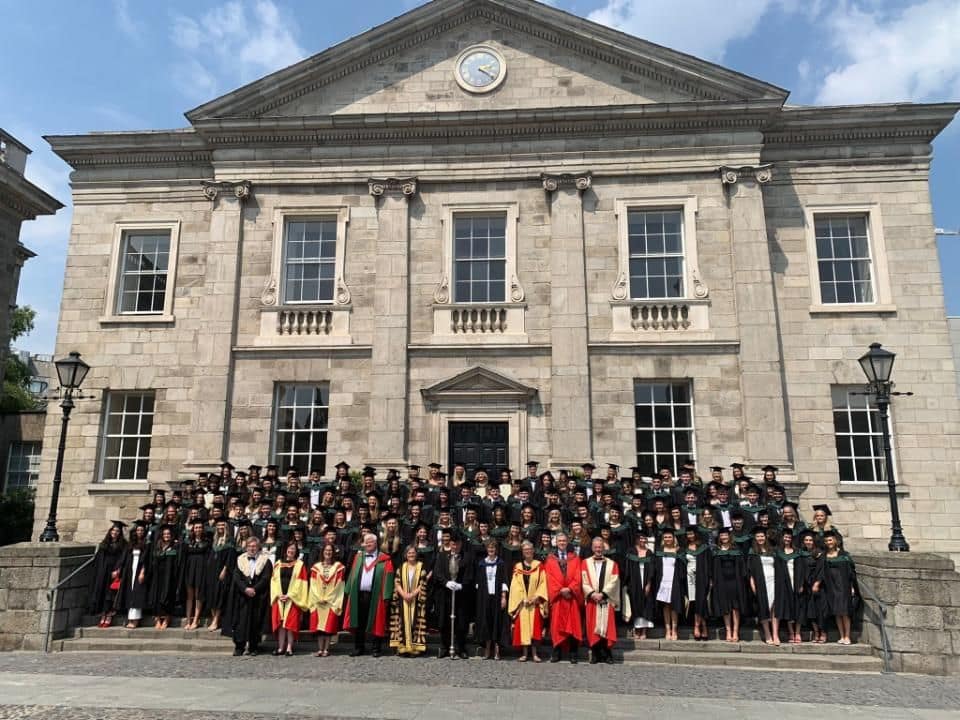
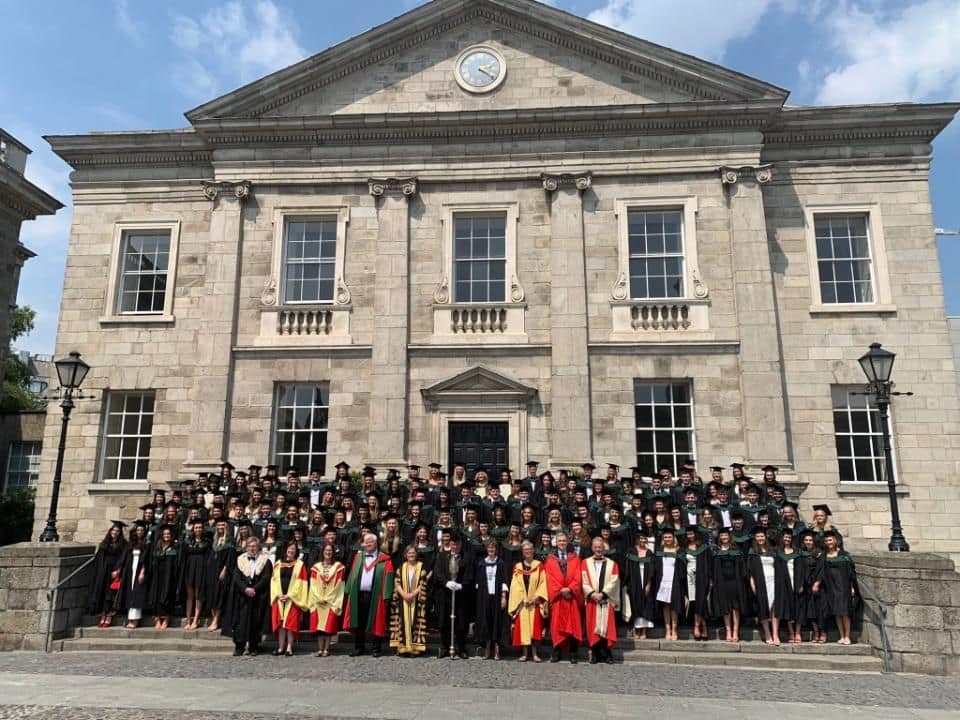
Historic Irish university building with graduates
Today Ireland's six medical schools teach thousands of international students in English, combining historic prestige with modern, research-driven training and strong links to the Irish, EU, UK and global healthcare systems.
Get all information in our free brochure
Discover how you can fulfil your dream of studying medicine in Ireland.
Role in Medicine
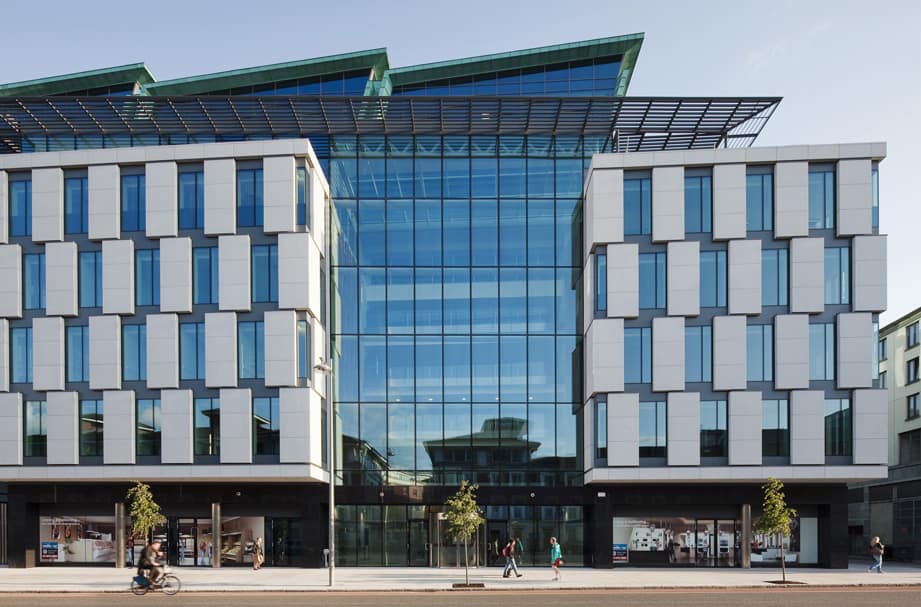
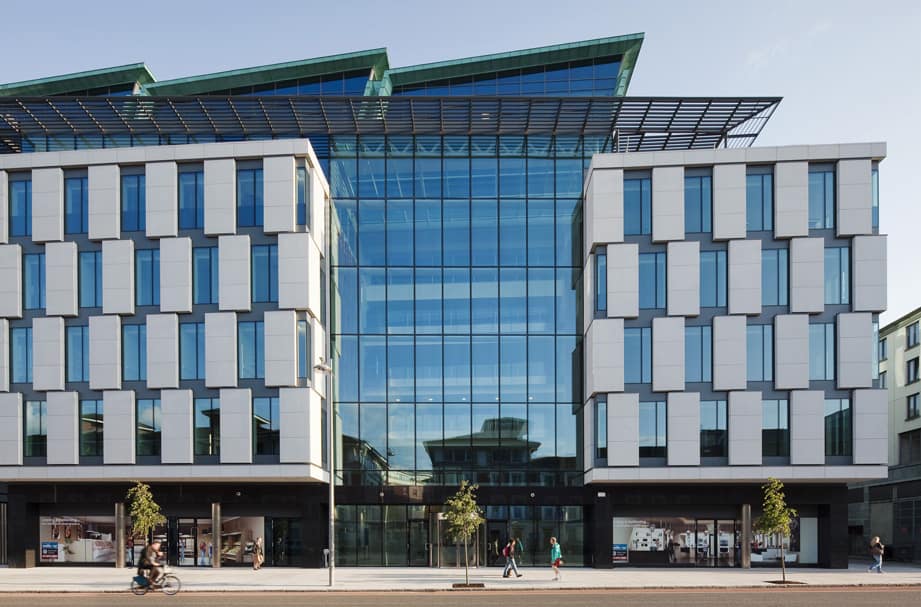
Modern university building in Dublin
Irish medical schools are attached to major teaching hospitals in Dublin, Cork, Galway and Limerick, where students gain supervised, hands-on clinical experience across the core specialties from the early years onward.
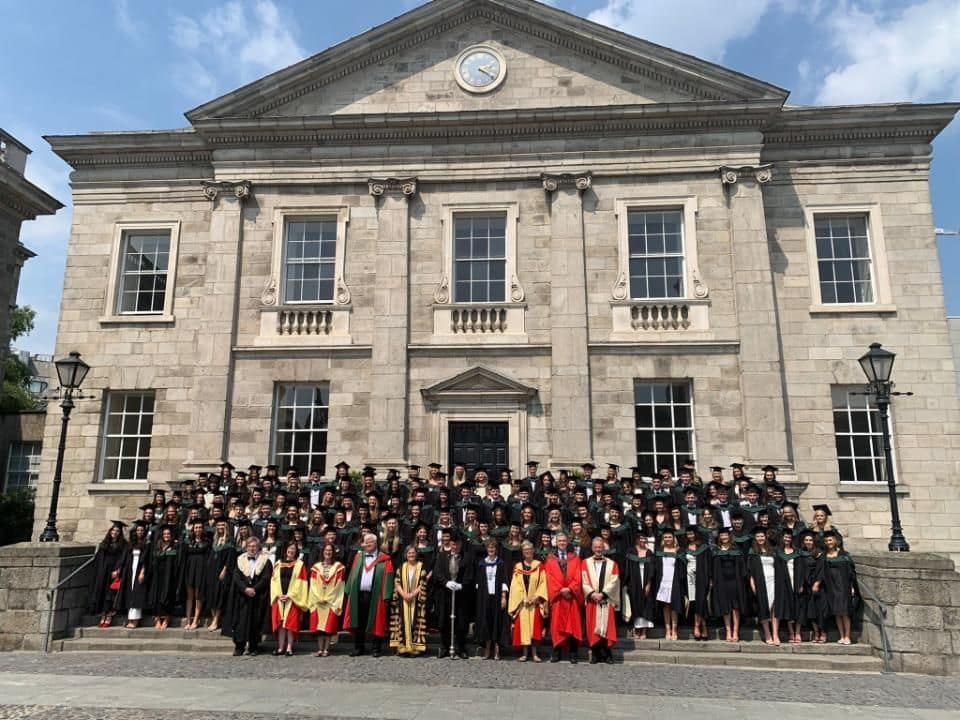
Historic Irish university building
Irish universities are research-intensive and internationally ranked, with Trinity College Dublin in the QS top 100 and RCSI recognised globally for medicine and health sciences, attracting students and academics worldwide.

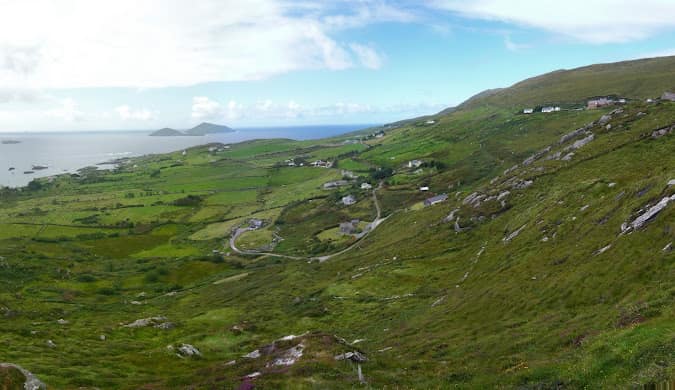
Cliffs of Moher, Ireland
English-language teaching and EU, GMC and international recognition make Irish medical graduates highly mobile, with clear pathways into the UK, EU, North America and Australia. The degree does not meet the NMC's rules for practising in India.
Get all information in our free brochure
Read on to find out how you can build your medical career from Ireland.
Your Roadmap to Success
Graduates earn the MB BCh BAO, recognised by the Irish Medical Council, across the EU under Directive 2005/36/EC, by the UK GMC and worldwide, opening career opportunities in Ireland, the EU, the UK and beyond.
An Irish medical degree does not meet the NMC's rules for practising in India. The five to six-year direct-entry course is long enough, but the four-year graduate-entry course is short of the 54 months the NMC requires. Neither includes the 12-month internship at the same university that the NMC's FMGL Regulations 2021 ask for, because the intern year in Ireland is a hospital job allocated by the HSE. Non-EEA graduates without permission to work are ranked in the lowest tiers for intern posts, and no post is guaranteed (HSE intern guide 2026). Ireland is also not covered by the FMGE exemption for postgraduates from Australia, Canada, New Zealand, the UK and the USA.
As an EU degree, the MB BCh BAO allows graduates to apply for training and practice across EU member states without requalifying, and the strong Ireland-UK links support the UK pathway.
Graduates can pursue the USMLE (USA), PLAB (UK) or MCCQE (Canada), and specialise in fields such as internal medicine, surgery, paediatrics and radiology through postgraduate training.
After the primary medical degree, graduates can enter structured residency training after clearing the relevant licensing route. Key requirements include:
Licensing Exam
Clear the relevant licensing examination for the country where you intend to practise (USMLE for the USA, PLAB for the UK). The FMGE route to India is not open, as the degree does not meet the NMC's rules.
Clinical Internship
Complete a supervised clinical internship - the HSE intern year in Ireland, or the host country's equivalent - before independent practice.
Medical Registration
Register with the relevant medical council (the Medical Council of Ireland, the UK GMC or the host country's regulator) to obtain a permanent licence to practise.
Understand the Medical Licensing Pathway
A clear overview of the exams and requirements after graduation.
Our Blog
Articles that turn complex MBBS-abroad rules into simple, practical steps for students and parents.
Compare
Compare studying MBBS in Ireland with a leading Indian medical college.
Quick Comparison:
Trinity College Dublin vs AIIMS New Delhi
| University | Trinity College DublinDublin, Ireland | AIIMS New DelhiNew Delhi, India |
|---|---|---|
| University Type | Public | Public (autonomous) |
| Medium | English | English |
| Course Duration | 5-6 years (MB BCh BAO) | 5.5 years (MBBS) |
| Tuition (per year) | ~₹59 lakh (€ ~55,000) | ~₹1,628 total (nominal) |
| Admission | Academic merit + HPAT/GAMSAT | NEET-UG |
| Recognition | EU / Irish Medical Council / GMC; does not meet NMC rules | NMC-recognised |
| Global Ranking | QS Top 100 (2026) | QS ~#623 (2026) |
Compare Top MBBS Universities for Me
See key differences in fees, ranking, eligibility and recognition.
FAQ
Short answers to the questions students and parents ask most often about MBBS in Ireland.