

Free Webinar: MBBS in India

Sat, September 5, 2026 | 7:00 PM

Reserve my Seat
futureMBBS

Free Webinar: MBBS in India

Sat, September 5, 2026 | 7:00 PM

Reserve my Seat
futureMBBS
Dublin, Ireland

University College Dublin School of Medicine

Training doctors in Dublin since 1854, at Ireland's global university and one of Europe's leading English-speaking medical schools.

  • MBBS student
  • MBBS student
  • MBBS student
  • MBBS student

5000+ Students trust us

Ireland

Country

Dublin

City

Top 100 worldwide (QS 2027)

Ranking

English

Medium of instruction

Introduction

University College Dublin School of Medicine

The UCD School of Medicine traces its roots to 1854, when the Catholic University Medical School opened on Cecilia Street in Dublin under John Henry Newman, making it one of Ireland's oldest medical schools. Today the school sits in the purpose-built UCD Health Sciences Centre on the Belfield campus in Dublin 4 and teaches more than 3,000 students from around 90 countries. Its six-year undergraduate Medicine programme is taught fully in English and leads to the MB BCh BAO degree (equivalent to MBBS). Clinical training is centred on two of Ireland's largest acute hospitals, St Vincent's University Hospital and the Mater Misericordiae University Hospital, with a wider network of more than 13 teaching hospitals and over 100 general practices, and University College Dublin itself entered the world's top 100 universities in the QS World University Rankings 2027.

  • Study program:General Medicine (MB BCh BAO)
  • Language:English
  • Duration:6 Years
  • University type:Public university
  • Per academic year fees:€63,890 · ₹70,00,000 (approx.)
  • Entrance examination:Direct application — academic review, SAT (or equivalent) and interview; no HPAT or NEET required for admission
  • Application deadline:31 January 2027
  • International seats:40 (approx.)
Library interior at University College Dublin
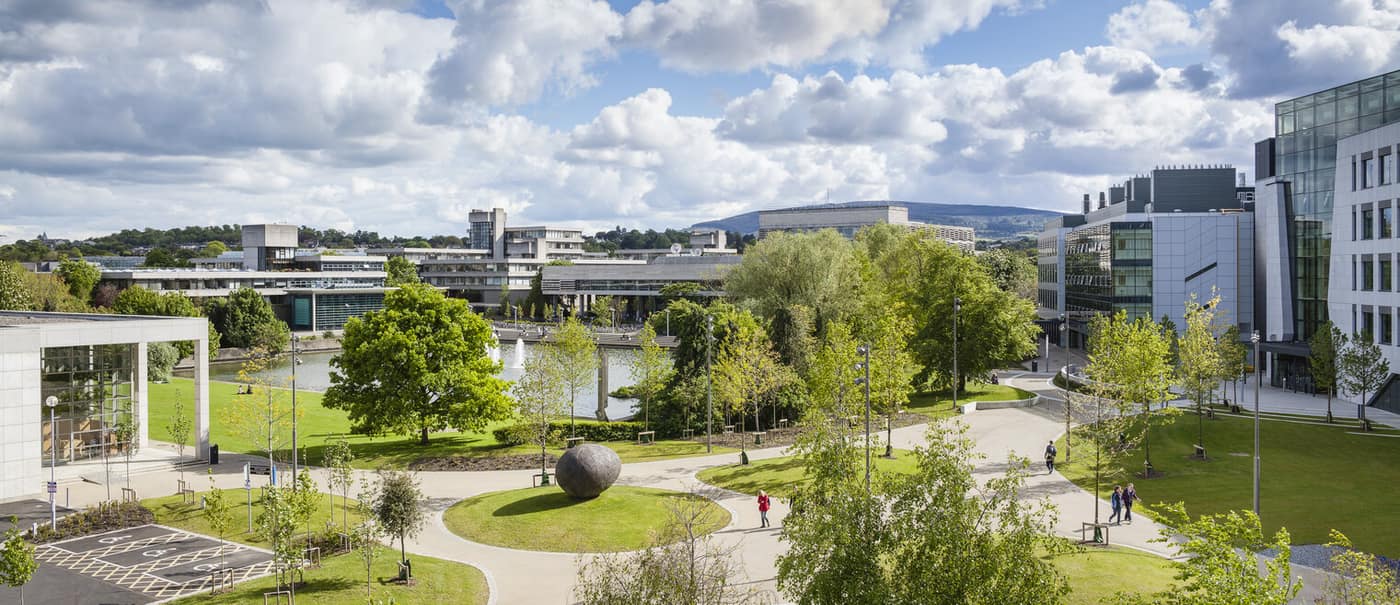
Parkland and lake beside teaching buildings on the UCD Belfield campus
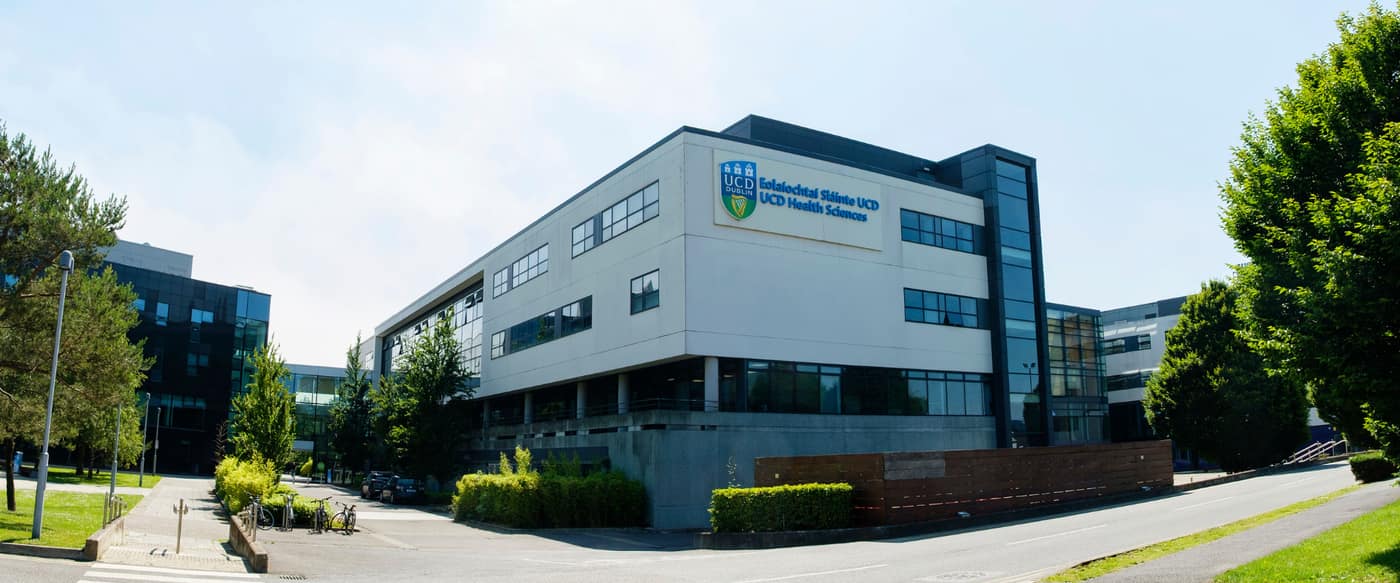
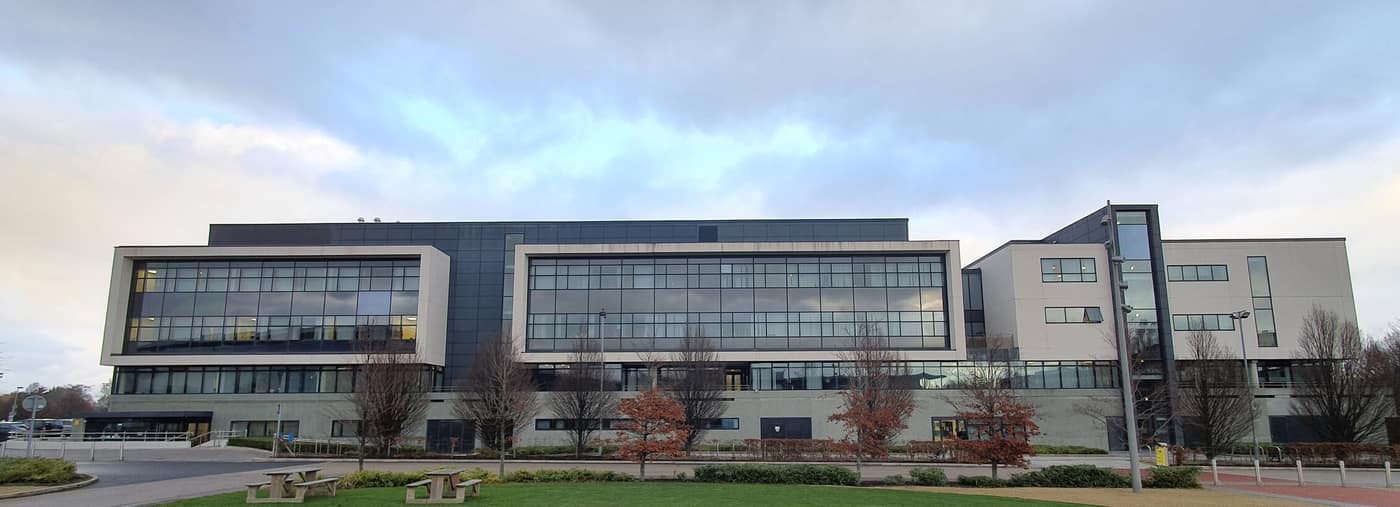
Modern teaching building on the UCD Belfield campus
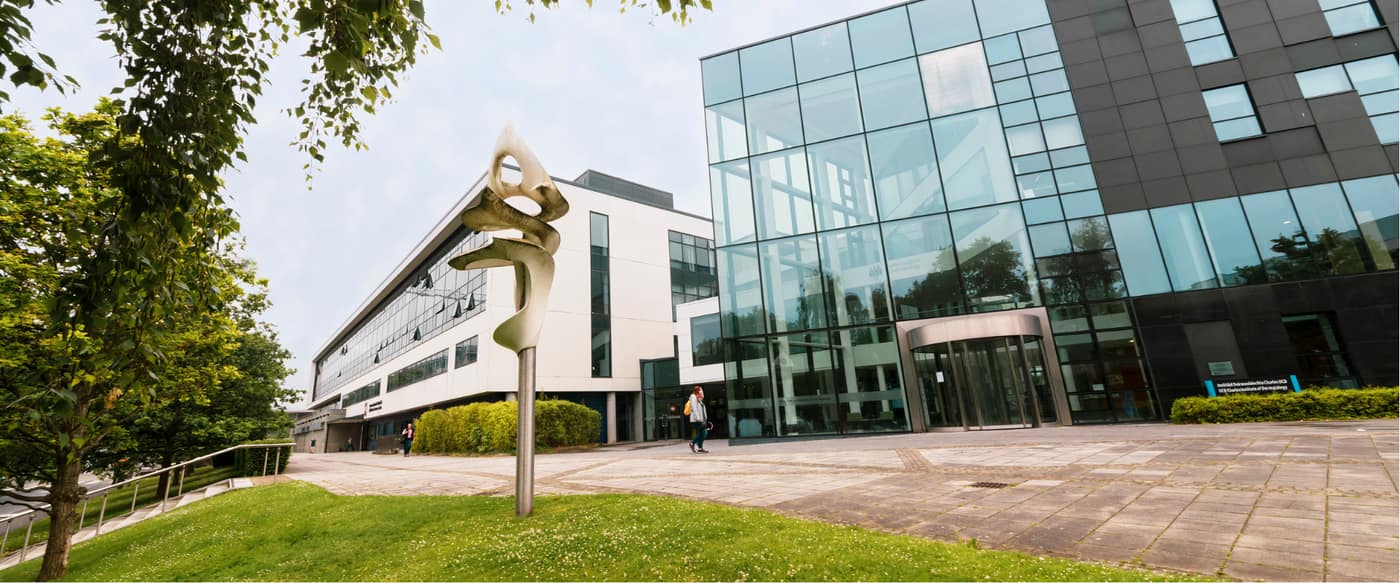
Entrance plaza of a UCD health sciences building with sculpture

Library interior at University College Dublin

Find out all about your MBBS-abroad options at UCD School of Medicine

Download our free brochure for immediate information, or get personalised professional counselling from our experts.

Recognition & Prestige

Rankings & Recognition

University College Dublin entered the world's top 100 universities in the QS World University Rankings 2027, rising 18 places to #100, and its School of Medicine has trained doctors continuously since 1854 from one of Europe's largest health-sciences campuses.

  • #100

    QS World University Rankings 2027 (UCD)

  • 201–250

    THE World University Rankings 2026 (UCD)

  • 101–150

    QS World University Rankings by Subject 2026 — Medicine

  • #2

    in Ireland (QS 2027)

The medical degree is recognised internationally. UCD School of Medicine is listed in the World Directory of Medical Schools (WDOMS), its programmes are accredited by the Medical Council of Ireland (an accreditor holding WFME Recognition Status to 2030), and graduates are eligible to qualify for practice in India through the NMC screening/exit examination.

Accreditations and Recognition

  • National Medical Commission (NMC) of India emblem

    NMC/MCI

    National Medical Commission / Medical Council of India (India).

  • World Directory of Medical Schools emblem

    WDOMS

    Listed in the World Directory of Medical Schools.

  • World Federation for Medical Education emblem

    WFME

    Accredited by the Medical Council of Ireland, a WFME-recognised agency.

  • European Union emblem

    EU

    Within the European Higher Education Area; degree recognised EU-wide under Directive 2005/36/EC.

Complete Information About UCD School of Medicine

Get complete information about the UCD School of Medicine, Dublin, including tuition, living costs, admission process and recognition for Indian students.

Success stories

Student Success Stories

Hear directly from students who are studying medicine in Europe with futureMBBS.

Academic Excellence

Why Study Medicine at University College Dublin

UCD pairs a top-100 world university with clinical training in English-speaking hospitals, in one of the safest countries in the world.

Safe & Welcoming

Ireland ranks 2nd on the Global Peace Index 2025, behind only Iceland. Dublin 4 and the suburbs around the Belfield campus are among the safest parts of the city, and the campus has 24/7 security.

English at the Bedside

Ireland is the EU's principal English-speaking country. Unlike most of continental Europe, students take patient histories in English from the first hospital attachment, with no local-language barrier in the wards.

Medical Education Hub

Dublin concentrates Ireland's leading hospitals: St Vincent's University Hospital, the Mater Misericordiae University Hospital, the National Maternity Hospital and the CHI children's hospitals all teach UCD students, supported by 350+ hospital consultants and 450 general practitioners.

Indian-Friendly City

Indians are the third-largest non-Irish community in Ireland (Census 2022) and the largest source of new non-EU migration since. Dublin has well over 100 Indian restaurants, several dedicated Indian supermarkets, a Sikh gurdwara in Ballsbridge near campus, and UCD's own Indian Society runs Diwali and Holi every year.

A 170-Year Medical Tradition

Founded in 1854 as the Catholic University Medical School under John Henry Newman, the school has trained doctors continuously for more than 170 years and moved into the purpose-built UCD Health Sciences Centre in 2007.

Global Recognition

UCD is #100 in the QS World University Rankings 2027. The school is WDOMS-listed and Medical Council of Ireland-accredited, graduates are eligible for the USMLE (with structured US-Match support), the UK Foundation Programme, and automatic EU-wide recognition under Directive 2005/36/EC.

Clinical Training

Hospital attachments begin in Year 4 and Years 5–6 are fully immersive rotations across more than 13 teaching hospitals and over 100 GP practices, with a funded final-year elective that students have taken at Harvard/MGH, the Mayo Clinic and Stanford.

Read all about MBBS abroad in our free brochure

Know exactly what options exist for your MBBS-abroad success.

How to Apply

Admission Process for MBBS

Admission to Medicine at UCD is by direct application to the university, not NEET, not Ireland's CAO and not the HPAT test (those apply to Irish/EU school-leavers only). International students are assessed on Class 12 results, an SAT (or equivalent) score and a structured interview with the School of Medicine. Applications are made online at ucd.ie with a €70 application fee.

Admission Timeline

  1. 1
    October 1, 2026Application Opens

    The online application window for the September 2027 intake opens on the UCD application portal.

  2. 2
    January 31, 2027Application Deadline

    Strict final date to submit the completed Medicine application with the €70 fee; UCD states late applications are not considered.

  3. 3
    February–April 2027Interview

    Shortlisted applicants are contacted directly by the School of Medicine for a structured interview, which can be conducted online.

  4. 4
    Spring 2027Offers Released

    Admission decisions are released on a rolling basis after interviews.

  5. 5
    Per offer letterAcceptance Deposit & Visa

    Accept the offer by paying the €8,000 non-refundable deposit, then apply for the Irish long-stay (D) study visa; Indian students should start the visa file immediately.

  6. 6
    September 2027Classes Begin

    The academic year begins at the Belfield campus; registration includes a €330 healthcare screening.

Eligibility Criteria

Academic Qualification

Indian applicants (CBSE or CISCE boards) need approximately a 90% average across their best five recognised Class 12 subjects, with at least 65% in Mathematics (Class 12 or 10) and 65% in a laboratory science. UCD notes that successful Medicine applicants often present stronger results than these minimums. Students from state boards must contact UCD Global directly for an assessment.

Subjects:

Biology / Chemistry / Physics (one lab science)Mathematics

Age Requirement

Candidates should be at least 17 years old on entry.

  • Minimum 17 yearsRecommended age at the time of admission

Requirements

Applicants are selected on academic record, a standardised test and interview. Applications may be submitted directly or through an official international representative.

  • SAT & Interview

    SAT 1200 or equivalent, plus a structured interview with the School of Medicine assessing motivation, understanding of the profession and readiness to study abroad.

  • English Proficiency

    80% in Class 12 English (CBSE/ISC) satisfies UCD's English requirement with no IELTS needed; otherwise IELTS 6.5 overall with a minimum of 6.0 in every band.

Entrance Examination

UCD holds no separate written entrance exam for international applicants. Selection is based on the published academic thresholds, the SAT (or equivalent) and the interview.

ComponentRequirement
Academic record≈90% average across the best five Class 12 subjects (CBSE/CISCE), with Mathematics and one lab science at 65%+.
SAT (or equivalent)1200+ combined; contact UCD Global on accepted equivalents for Indian applicants.
InterviewStructured interview by the School of Medicine for shortlisted candidates; can be held online.

Required Documents

To apply, students need to submit essential academic and identification documents:

  • Completed online application form
  • Application fee payment of €70
  • Class 10 and 12 transcripts, SAT score, personal statement, two references and a CV
  • Valid passport
  • + More

Admission Guidance & Document Checklist

Get the complete document checklist or admission guidance from our experts.

Program Structure

MBBS Curriculum & Internship Structure

Students follow a structured six-year curriculum that moves from university-taught sciences to fully immersive hospital rotations, taught entirely in English and leading to the MB BCh BAO degree. A refreshed “Medicine 2030” curriculum launches from the 2026/2027 session.

Medicine (General Medicine) Course

  • Total Duration:

    6 Years

  • Degree:

    MB BCh BAO (Bachelor of Medicine, Surgery and Obstetrics — equivalent to MBBS)

Curriculum Phases at UCD School of Medicine

  • Years 1–2

    Foundation & the Healthy Human Body

    University-taught basic sciences (no requirement to have studied all three sciences at school), followed by the structure and function of healthy organ systems, with anatomy dissection and early patient contact through general practice:

    ChemistryPhysics in MedicineCell BiologyGenetics
    AnatomyBiochemistryPhysiology & Cell SignallingIntroduction to General PracticeEpidemiology & Public Health
  • Years 3–4

    Disease Mechanisms & Clinical Transition

    Organ systems in disease, the paraclinical sciences and the transition into hospital-based clinical attachments:

    NeurosciencesDisease MechanismsPharmacological PrinciplesInfection & Treatment
    Oncology & ImmunopathologyHaematologyClinical SkillsTherapeuticsAdvanced General Practice
  • Years 5–6

    Immersive Clinical Rotations

    Full-time clinical training across the UCD hospital network with direct patient care under supervision, a funded elective that can be taken abroad, and an internship-preparation capstone:

    SurgeryMedicine I & IIObstetrics & GynaecologyPaediatrics
    PsychiatryMedicine in the CommunityForensic & Legal MedicinePublic HealthMedicine ElectiveProfessional Completion

Clinical Rotations

Clinical training takes place in the UCD network centred on St Vincent's University Hospital and the Mater Misericordiae University Hospital, with maternity teaching at the National Maternity Hospital, paediatrics at the CHI children's hospitals and placements across regional hospitals and GP practices. An indicative pattern:

PhaseFocus
Year 4Clinical skills, therapeutics and the first hospital attachments.
Year 5Medicine, Surgery, Obstetrics & Gynaecology and Paediatrics rotations.
Year 6Psychiatry, community/general practice, forensic medicine, the elective and internship preparation (Professional Completion).

Get the full curriculum

Download a free brochure to see detailed subjects, the course structure and everything you need to plan your studies.

Global Exchange

Global Partner Universities & Clinical Electives

UCD Medicine runs a clinical-elective model of international mobility: core modules are taken at Belfield, and students complete a funded elective of about six weeks in the final years, with more than 70 funded elective opportunities each year. UCD also belongs to the Universitas 21 Health Sciences Group and the Worldwide Universities Network, whose member medical schools host short-term clinical places.

CountryPartner Universities / Networks
United StatesHarvard Medical School (Massachusetts General Hospital); Stanford University; Mayo Clinic; University of Pennsylvania; Washington University in St. Louis; Emory University; UCLA
CanadaUniversity of Toronto; University of British Columbia; McMaster University
AustraliaUniversity of Queensland; Monash University
SingaporeSingapore General Hospital
FranceUniversité Paris Cité (Paris Descartes)
Global networksUniversitas 21 Health Sciences Group (18 universities); Worldwide Universities Network

Explore Your Exchange Options

The table above highlights elective destinations and exchange networks available to UCD medical students.

Legacy

Prominent Graduates of UCD School of Medicine

The UCD School of Medicine and its predecessor, the Catholic University Medical School, have shaped Irish medicine and public life for more than 170 years.

Kathleen Lynn

Studied at the Catholic University Medical School on Cecilia Street and graduated in medicine in 1899, when very few women in Europe could qualify as doctors. She served as Chief Medical Officer of the Irish Citizen Army during the 1916 Rising and in 1919 co-founded St Ultan's Hospital, Ireland's first hospital dedicated to infants, which pioneered paediatric care and BCG vaccination in Ireland.

Denis Coffey

Professor of Physiology at the Catholic University Medical School and its last Dean before becoming the first President of University College Dublin in 1908, a post he held until 1940. A physician by training, he steered the medical school through its merger into the National University of Ireland and built it into the core of a modern university.

Edward Joseph Conway

Graduated in medicine at UCD and became the university's first Professor of Biochemistry and Pharmacology in 1932. A world authority on electrolyte physiology and cellular biochemistry, he was elected a Fellow of the Royal Society in 1947, and UCD's flagship biomedical research institute, the Conway Institute, is named in his honour.

Patrick Hillery

Studied medicine at UCD in the 1940s and practised as a doctor before entering public life. He served as Ireland's Minister for Education, as the country's first European Commissioner, and finally as the sixth President of Ireland from 1976 to 1990.

James Ryan

A UCD medical student who served as chief medical officer in the GPO garrison during the 1916 Rising. He later completed his medical degree and, as Ireland's Minister for Health, oversaw landmark legislation that built much of the modern Irish public health system.

Anthony Clare

Graduated MB BCh BAO from UCD in 1966 and became one of the world's best-known psychiatrists. As Professor of Psychological Medicine in London, Medical Director of St Patrick's Hospital in Dublin, and presenter of BBC Radio 4's In the Psychiatrist's Chair for nearly two decades, he brought psychiatry to the public.

Owen Conor Ward

Graduated in medicine from UCD in 1946 and became Ireland's first paediatric cardiologist and UCD's Professor of Paediatrics. In 1964 he described the inherited heart-rhythm disorder now known worldwide as Romano–Ward syndrome (long QT syndrome).

Faculty

Students are taught by more than 220 academic staff, over 210 research-funded staff and around 980 adjunct clinical faculty, alongside 350+ hospital consultants and 450 GPs across the teaching network. The school is led by Dean and Head of School Professor Paddy Mallon, an infectious diseases consultant at St Vincent's University Hospital, supported by Associate Deans including Professor Catherine Godson (International Relations) and Professor Cormac Taylor (Research, Innovation & Impact).

Academic Expertise

  • Experienced physicians and surgeons

  • Faculty with international publications

  • Medical researchers and scientists

  • Active involvement in medical research

Student Support & Mentorship

  • Regular academic interaction

  • Personal mentorship

  • Clinical supervision during rotations

  • Continuous development of practical skills

About University

History Information

Founded in 1854 under Newman

The Catholic University Medical School opened on Cecilia Street in Dublin in 1854 as part of the Catholic University of Ireland, whose first rector was John Henry Newman. It quickly became one of the most successful medical schools in the country.

Into the National University

In 1908 the school became the Medical Faculty of the newly chartered University College Dublin within the National University of Ireland, and in the 1930s it moved to Earlsfort Terrace in central Dublin, training the doctors of the young Irish state.

The Move to Belfield

In 2007 the school relocated to the purpose-built UCD Health Sciences Centre on the Belfield campus in Dublin 4, placing medicine alongside nursing, physiotherapy and biomedical research, with the Conway Institute next door.

Ireland's Global Medical School Today

Today the UCD School of Medicine teaches more than 3,000 students from around 90 countries, attracts over €108 million in external research funding, and launches its refreshed Medicine 2030 curriculum from 2026 as University College Dublin enters the world's top 100 universities (QS 2027).

Get all information about UCD School of Medicine in our free brochure

Read on to find out how you can fulfil your dream of studying medicine at University College Dublin.

Role in medicine

Role in medical education

Training Ireland's Doctors Since 1854

The school has trained doctors continuously for more than 170 years and today anchors the academic side of one of Ireland's largest hospital networks. Its two main teaching hospitals, St Vincent's University Hospital and the Mater Misericordiae University Hospital, are among the biggest acute hospitals in the country, and UCD also runs one of Ireland's six national intern training networks.

Research That Reaches the Clinic

UCD's Conway Institute, named after the school's Nobel-nominated biochemist E. J. Conway, and the Centre for Experimental Pathogen Host Research founded by the current Dean, Professor Paddy Mallon, connect laboratory research directly to patient care, supported by more than €108 million in external research funding.

An International Medical Community

Students from around 90 countries study at the school, which runs structured support for international careers, including USMLE and US residency Match preparation, and mobility through the Universitas 21 Health Sciences Group and the Worldwide Universities Network.

Get all information about UCD School of Medicine in our free brochure

Read on to find out how you can fulfil your dream of studying medicine at University College Dublin.

Cost of living

MBBS Living Cost at UCD, Dublin

Dublin is safe and English-speaking, but it is one of Europe's more expensive student cities, so families should budget honestly. Here is the monthly breakdown based on UCD's own published estimates.

Monthly Living Cost

Cost ComponentApproximate Amount
Accommodation₹91,000 – ₹1,32,000
Food₹38,000 – ₹54,000
Transportation₹6,600 – ₹8,500
Other Expenses (Utilities, Internet, Leisure)₹33,000 – ₹45,000
Get Free MBBS Guide

Average monthly living cost

₹1,70,000 – ₹2,40,000

Housing

Accommodation

UCD Residences provide a safe, supportive environment right on the Belfield campus, a short walk from the Health Sciences Centre, so first-year medical students can settle in without a daily commute.

UCD Residences on Campus

University College Dublin runs its own student residences on the Belfield campus (and at Blackrock), managed centrally by UCD Residences. Nearly all bedrooms are single occupancy, and living on campus puts students minutes from lectures, the library and UCD's sports facilities.

Residence Villages Across Belfield

Residences include Belgrove, Merville, Ashfield, Glenomena, Proby, Roebuck Hall, Roebuck Castle (catered) and the modern UCD Village, each arranged as apartment communities with resident assistants and 24/7 campus security.

Furnished Living Spaces

Students get a furnished single study bedroom in an apartment typically shared by four people. Options range from standard rooms with shared bathrooms (Belgrove, Merville) to single ensuite rooms (Ashfield, Glenomena, Proby, Roebuck Hall and UCD Village).

Shared Kitchens & Common Areas

Each apartment shares a kitchen and living area where students cook and socialise, and utilities are billed monthly. Roebuck Castle offers a catered option with meals included for students who prefer not to cook.

Monthly Cost

On-campus rooms cost approximately €923–€1,417 per month including utilities (about ₹1.02–1.56 lakh), depending on residence and room type, plus a €750 refundable deposit. That is comparable to or cheaper than good private rooms near campus.

How to Apply

Applications are made online through the UCD Residences portal (residences.ucd.ie). Priority goes to incoming first-year and international students; offers for the September intake are issued in late August, and demand exceeds supply, so apply as soon as the portal opens.

Booking Support for New Students

Newly admitted international students should apply for a room immediately after accepting their offer; the residence booking also provides the accommodation confirmation used in the Irish study-visa application.

Off-Campus and Private Housing

Students who prefer independence rent rooms in shared houses in Donnybrook, Clonskeagh, Stillorgan or Dundrum, typically €800–€1,100 per month, using Daft.ie and UCD's own vetted listings site, UCD Accommodation Pad. Start searching in June or July, and never pay a deposit without a verified viewing.

Need accommodation details?

Get a full overview of housing options with our university guide, or reach out to an expert.

Food & Dining

100% Veg Options and Indian Food, Always Available

Indian and vegetarian food is easily available in cafeterias, restaurants and grocery stores across Dublin.

The Belfield campus has its own restaurants and cafés serving affordable daily meals, with vegetarian options such as salads, pasta, soups and curries available every day, and the catered Roebuck Castle residence includes meals.

Location

How to Reach UCD School of Medicine, Dublin

Address

UCD School of Medicine, Health Sciences Centre, University College Dublin, Belfield, Dublin 4, Ireland

  • Nearest Airport

    Dublin Airport (DUB), around 30–45 minutes by Aircoach or Dublin Express

  • Local Transport

    Dublin Bus routes 39a, 46a and 145 serve Belfield directly; DART rail at Booterstown and Sydney Parade is nearby, and the TFI 90-minute fare costs €1 with a Student Leap Card

Your Roadmap to Success

Career Pathways After Medicine at UCD

Graduates earn the MB BCh BAO (Bachelor of Medicine, Surgery and Obstetrics), Ireland's primary medical qualification and the equivalent of MBBS. The school is WDOMS-listed and accredited by the Medical Council of Ireland, which holds WFME Recognition Status, keeping doors open in India, the US, the UK and across the EU.

Understand the Medical Licensing Pathway

A clear overview of the exams and requirements after graduation.

Practising in India

FMGE & NExT Details

To practise medicine in India after graduating from UCD School of Medicine, Indian students follow a clear licensing pathway set by the National Medical Commission (NMC). Because the programme is a 6-year English-taught degree at a WDOMS-listed school, it meets the NMC's core course requirements, and students should qualify NEET-UG before joining to protect their future eligibility.

  1. Step 1

    National Exit Test (NExT)

    Graduates must clear the qualifying examination that licenses foreign medical graduates to practise in India. At present this is the Foreign Medical Graduate Examination (FMGE), which the NMC plans to replace with the National Exit Test (NExT).

  2. Step 2

    Clinical Internship (CRRI)

    After qualifying, students complete the required internship in India, a paid hospital-based internship that builds hands-on experience in Indian clinical settings. Because in Ireland the 12-month internship happens after the degree through the national HSE scheme, Indian students should confirm with the NMC how the Irish pathway maps to the internship requirement.

  3. Step 3

    Medical Registration

    The final step is registration with the National Medical Commission (NMC) or the relevant State Medical Council. Once registered, the graduate holds a full licence to practise medicine in India.

Student Life Style

Student life at UCD

Being a medical student at UCD is a mix of demanding academics, life on Europe's largest urban campus, and weekends exploring Ireland. With more than 170 years of history and a top-100 world ranking, the school attracts students from around 90 countries.

Cliffs of Moher on Ireland's Atlantic coast, a popular student weekend trip

Cliffs of Moher on Ireland's Atlantic coast, a popular student weekend trip

Academics

The curriculum is intensive, well-structured and aligned with international standards. Students learn through lectures, laboratory and dissection work, small-group clinical teaching and hospital rotations across the UCD network.

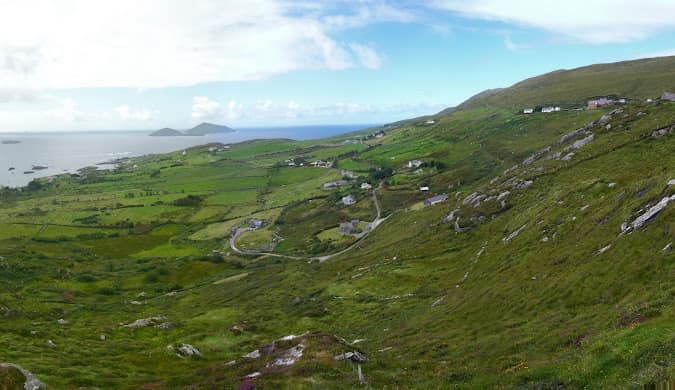
Green coastal countryside along Ireland's Atlantic coast

Green coastal countryside along Ireland's Atlantic coast

Campus and Facilities

The 132-hectare Belfield campus has modern labs, libraries, an Olympic-size 50 m swimming pool, more than 60 sports clubs and 90+ societies. UCD MedSoc, Ireland's largest medical student society, runs career evenings, case competitions and the MedBall, while the UCD Indian Society celebrates Diwali and Holi on campus every year.

Challenges and Growth

The course can feel overwhelming at times, and Dublin's cost of living demands real budgeting, but students graduate with time management, resilience and teamwork skills that last a career.

Social Life

Student life is not just books and exams. Societies run a packed Freshers programme every September, MedSoc organises sports and social events for medics, and Dublin's music, sport and café culture sit 15 minutes from campus by bus.

Overall Experience

Studying medicine at UCD is about growing as a professional and as a person, building lifelong friendships, and gaining global exposure in an English-speaking healthcare system.

Scholarship & Financial

Scholarship & Financial Aid

Honest note first: UCD states it does not currently offer its own scholarships for its medicine courses, so funding routes are limited and must be planned early.

Funded by the Irish state and administered by the Higher Education Authority, this award gives 60 high-achieving international students across all Irish institutions a €10,000 stipend plus a full tuition-fee waiver for one year. It is extremely competitive, and applications run roughly January to March each year via the HEA.

Ratings

Reviews & Ratings

Hear from students and alumni about their experience at UCD School of Medicine.

4.7

98 reviews

Academics4.8
Infrastructure4.7
Hostel4.5
Campus Life4.8
Value for Money4.2
  • Clinical training in English from day one

    Student — Medicine 2022

    Taking patient histories in English at St Vincent's from my first attachment changed everything. The campus is beautiful and Dublin feels safe, though you do need to budget carefully.

  • World-class hospitals

    Student — Medicine 2021

    Rotations across the Mater, St Vincent's and the children's hospitals give real hands-on experience, and the consultants actually teach. MedSoc makes it easy to find your people.

Compare

Compare Colleges

Compare UCD School of Medicine, Dublin with a leading Indian medical college.

Quick Comparison:

UCD School of Medicine, Dublin vs CMC Vellore

University
UCD School of MedicineDublin, Ireland
CMC VelloreTamil Nadu, India
University TypePublicPrivate (minority)
MediumEnglishEnglish
Course Duration6 years (MB BCh BAO)5.5 years (MBBS)
Tuition (per year)~₹70 lakh (€63,890)~₹3–4 lakh
AdmissionDirect application — academics + SAT + interviewNEET-UG
RecognitionWDOMS / EU; NMC-eligible via screeningNMC-recognised
Global RankingQS #100 (2027, UCD)Not in QS top 500

Compare Top MBBS Universities for Me

See key differences in fees, ranking, eligibility and recognition.

Our blog

Medical Education Insights

Articles that turn complex MBBS-abroad rules into simple, practical steps for students and parents.

FAQ

Frequently Asked Questions

Short answers to the questions students and parents ask most often about MBBS at UCD School of Medicine.