
Free Webinar: MBBS in India

Sat, September 5, 2026 | 7:00 PM

Reserve my Seat
futureMBBS

Free Webinar: MBBS in India

Sat, September 5, 2026 | 7:00 PM

Reserve my Seat
futureMBBS
Galway, Ireland

University of Galway School of Medicine

Training doctors on the banks of the River Corrib since 1845, at one of Ireland's leading universities and its medtech capital.

  • MBBS student
  • MBBS student
  • MBBS student
  • MBBS student

5000+ Students trust us

Ireland

Country

Galway

City

Top 200 for Medicine (QS)

Ranking

English

Medium of instruction

Introduction

University of Galway School of Medicine

The University of Galway was founded in 1845 as Queen's College Galway, and its medical school has taught doctors since the university opened in 1849, making it one of Ireland's oldest. Renamed University of Galway in 2022 (previously NUI Galway), it is a public university of more than 19,000 students, with over 3,300 international students from around 122 countries. The School of Medicine sits within the College of Medicine, Nursing and Health Sciences and delivers the MB BCh BAO degree (equivalent to MBBS) over five or six years, taught fully in English. Clinical training is centred on University Hospital Galway next to campus and extends through four regional Medical Academies at Sligo, Letterkenny, Mayo and Portiuncula, and University of Galway is ranked in the world's top 200 medical schools by QS.

  • Study program:General Medicine (MB BCh BAO)
  • Language:English
  • Duration:5 Years (6 with Foundation Year)
  • University type:Public university
  • Per academic year fees:€55,000 · ₹60,50,000 INR (approx.)
  • Entrance examination:Application via official agency with interview; no HPAT or NEET required for admission
  • Application deadline:15 January 2027
  • International seats:Part of ~157 annual intake
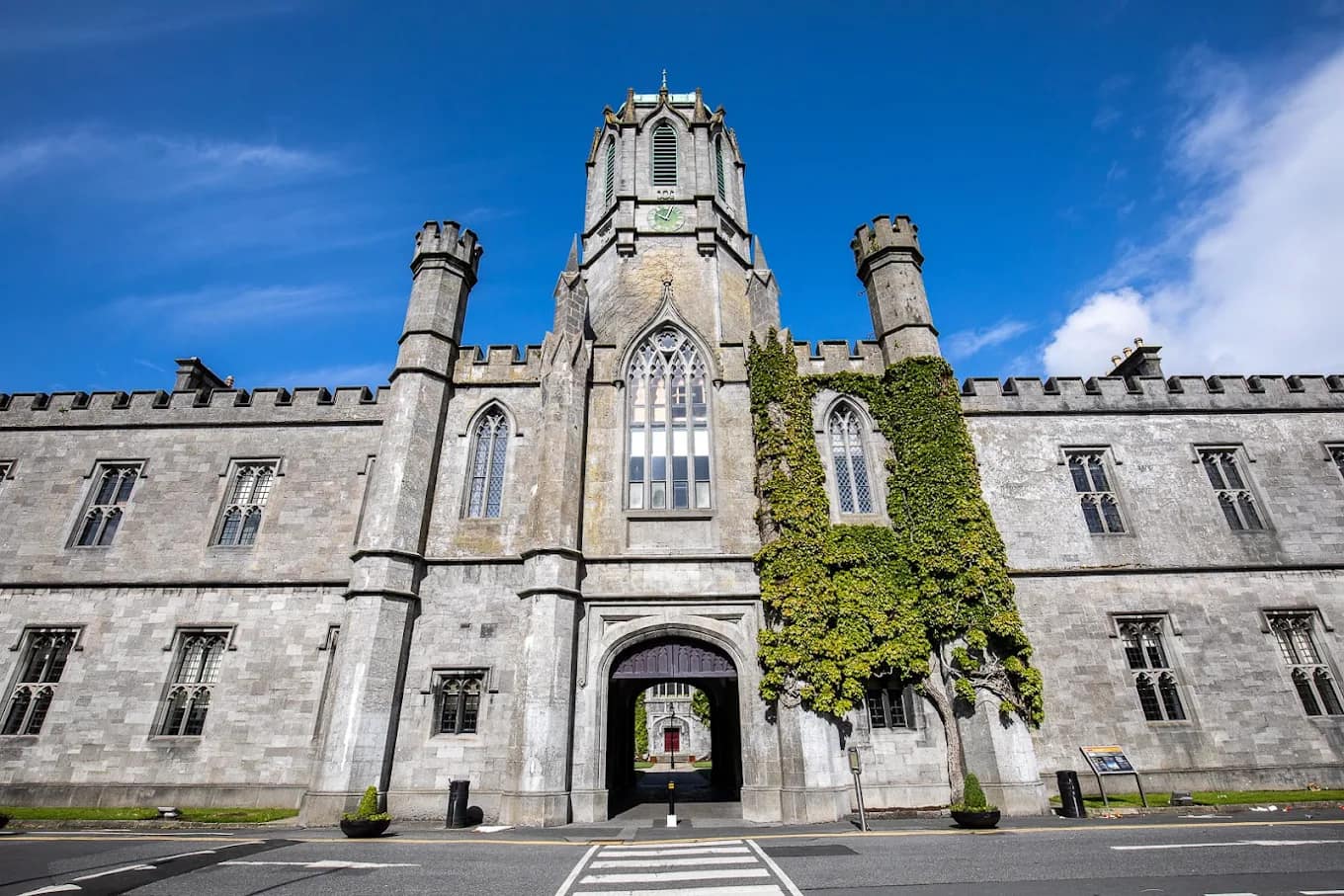
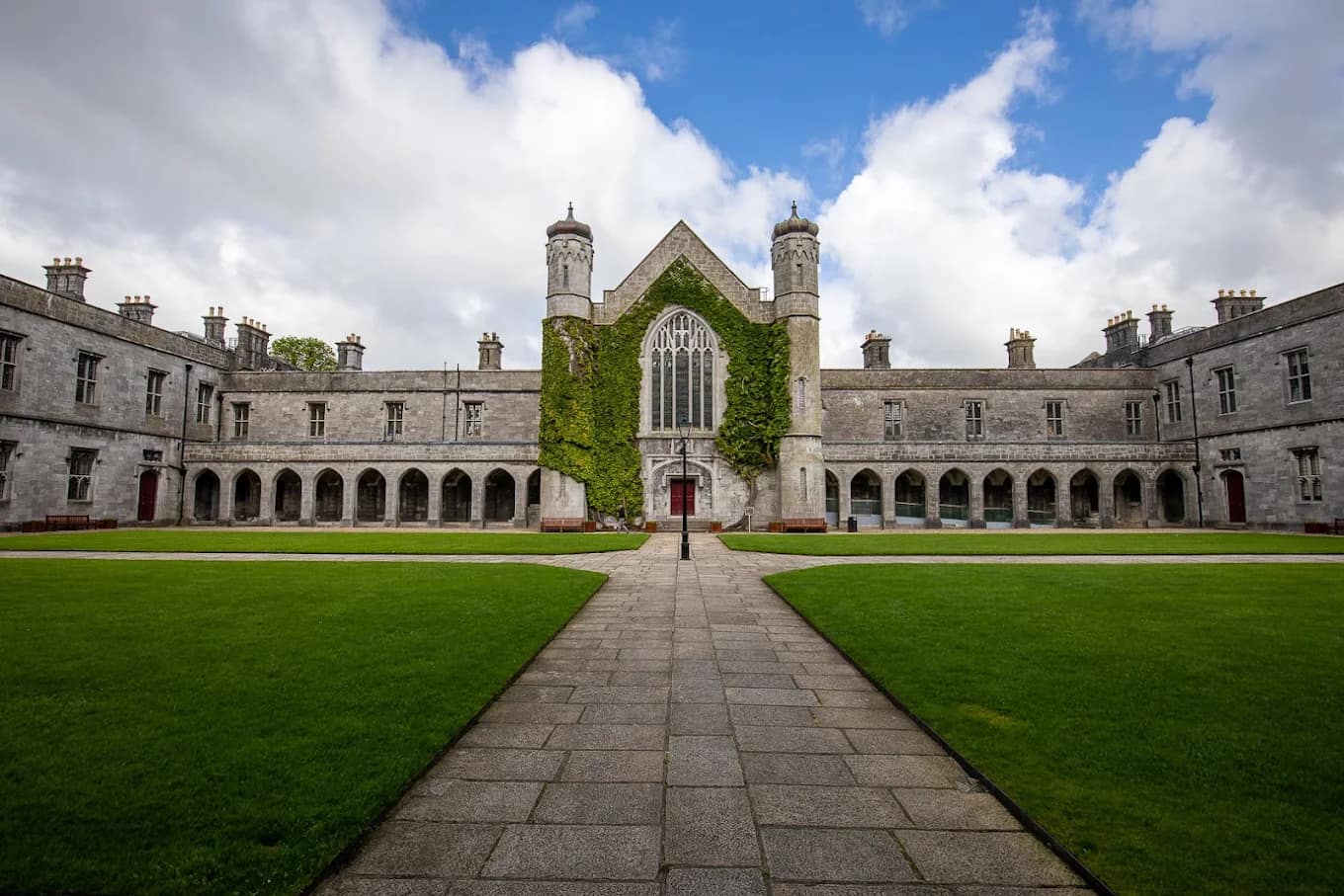
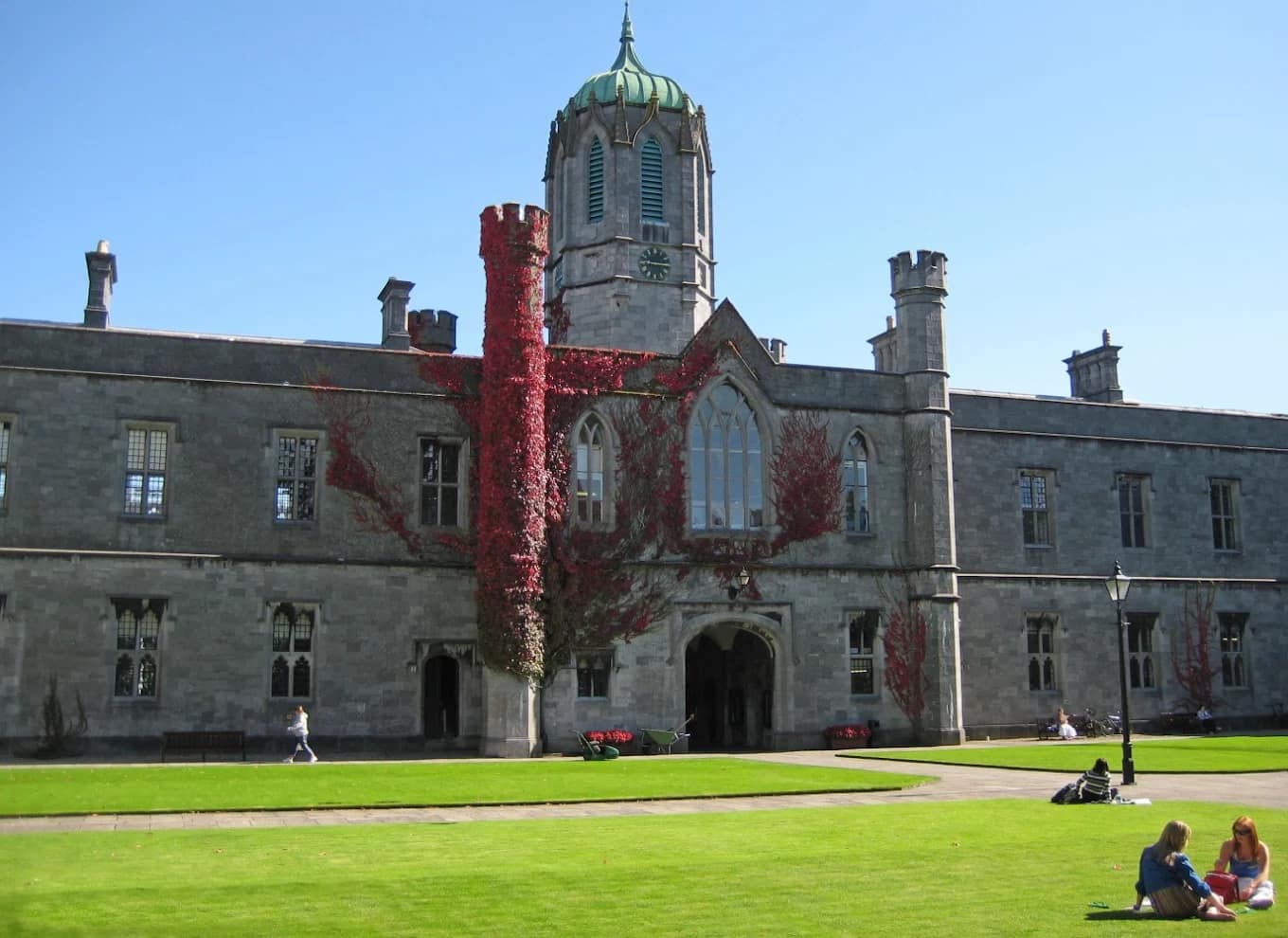
The Quadrangle and cloisters at the University of Galway
Students on the lawn in front of the ivy-clad Quadrangle building
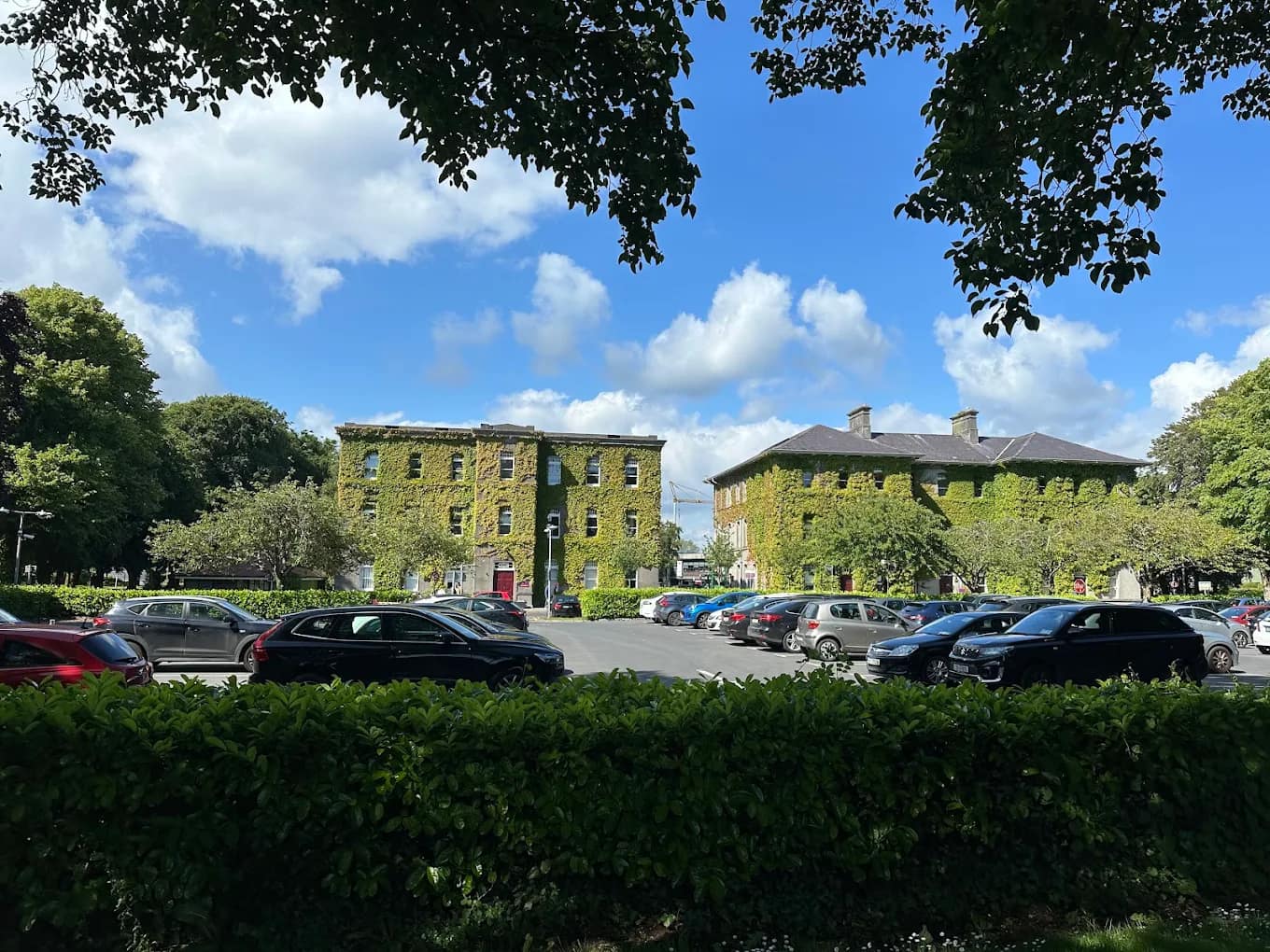
University of Galway campus buildings among trees

The Quadrangle and cloisters at the University of Galway

Find out all about your MBBS-abroad options at University of Galway

Download our free brochure for immediate information, or get personalised professional counselling from our experts.

Recognition & Prestige

Rankings & Recognition

University of Galway ranks #275 in the QS World University Rankings 2027 and in the top 200 medical schools worldwide, and it has been placed in Europe's top 100 universities for three years running.

  • #275

    QS World University Rankings 2027 (University of Galway)

  • 351–400

    THE World University Rankings 2026 (University of Galway)

  • Top 200

    medical schools worldwide (QS Rankings)

  • #4

    in Ireland (QS 2027)

The medical degree is recognised internationally. University of Galway School of Medicine is listed in the World Directory of Medical Schools (WDOMS, ID F0001730), the MB BCh BAO is accredited by the Medical Council of Ireland (a WFME-recognised accreditor) and the National University of Ireland, and graduates are eligible to qualify for practice in India through the NMC screening/exit examination.

Accreditations and Recognition

  • National Medical Commission (NMC) of India emblem

    NMC/MCI

    National Medical Commission / Medical Council of India (India)

  • World Directory of Medical Schools emblem

    WDOMS

    Listed in the World Directory of Medical Schools (ID F0001730)

  • World Federation for Medical Education emblem

    WFME

    Accredited by the Medical Council of Ireland, a WFME-recognised agency

  • European Union emblem

    EU

    Within the European Higher Education Area; degree recognised EU-wide under Directive 2005/36/EC

Complete Information About University of Galway School of Medicine

Get complete information about the University of Galway School of Medicine, including tuition, living costs, admission process and recognition for Indian students.

Success stories

Student Success Stories

Hear directly from students who are studying medicine in Europe with futureMBBS.

Academic Excellence

Why Study Medicine at University of Galway

University of Galway offers a top-200 medical school, clinical training in English-speaking hospitals, and a safe, affordable student city on Ireland's west coast.

Safe & Welcoming

Ireland ranks 2nd on the Global Peace Index 2025, behind only Iceland. Galway is a compact, famously friendly and student-dominated city where most people walk or cycle everywhere, and the campus sits safely along the River Corrib minutes from the city centre.

English at the Bedside

Ireland is the EU's principal English-speaking country. Unlike most of continental Europe, students take patient histories in English from their earliest hospital contact, with no local-language barrier in the wards.

Affordable for Ireland

Galway is markedly cheaper than Dublin. Living costs run roughly ₹1.1–1.7 lakh per month, and university-managed rooms at Corrib Village start well below big-city rents, so a family's budget stretches noticeably further than in the capital.

Indian-Friendly City

Galway has an active University Indian Society and Hindu Society, a citywide Indian community that celebrates Diwali at Leisureland each year, long-established Indian restaurants such as Tulsi and Kashmir, and Asian grocers like Aroma Foods and Super Asia.

Nearly 180 Years of Medicine

Medicine has been taught at Galway since the university opened in 1849, and its most famous graduate, Sir Peter Freyer, pioneered modern prostate surgery. The medical school is still honoured today through the annual Sir Peter Freyer Surgical Symposium.

A Global MedTech Hub

Galway is one of the world's leading medical-technology clusters, home to major operations of companies including Boston Scientific and Medtronic, and the university hosts CÚRAM, Ireland's national research centre for medical devices, and REMEDI, its regenerative-medicine institute.

Clinical Training Across the West

Clinical years are built around University Hospital Galway and four purpose-built regional Medical Academies at Sligo, Letterkenny, Mayo and Portiuncula, where students spend a full year immersed in real hospital teams — and Galway runs the largest Medicine Erasmus+ programme in Ireland.

Read all about MBBS abroad in our free brochure

Know exactly what options exist for your MBBS-abroad success.

How to Apply

Admission Process for MBBS

University of Galway does not accept direct applications to Medicine from non-EU students and does not use Ireland's CAO or the HPAT test for them (those are for EU school-leavers). Indian applicants apply through the university's official agency, the Irish Universities and Medical Schools Consortium (IUMC), which reviews eligibility, submits the application and arranges the required admissions interview. There is no NEET requirement for admission.

Admission Timeline

  1. 1
    Autumn 2026Application Opens

    Enquiries and applications for the September 2027 intake open through the IUMC pathway for Indian students.

  2. 2
    January 15, 2027Application Deadline

    Indicative deadline for the Asia/IUMC route (the 2026/27 cycle closed on 15 January 2026); confirm the exact 2027 date with IUMC.

  3. 3
    Spring 2027Interview

    Shortlisted applicants must pass an admissions interview with the medical school, generally conducted online for overseas candidates.

  4. 4
    Spring 2027Offers Released

    Admission decisions are issued on a rolling basis after interviews.

  5. 5
    Per offer letterAcceptance Deposit & Visa

    Accept the offer and pay the deposit set in the offer letter (visa applicants are typically advised to pay €6,000 or 50% of fees first), then apply for the Irish long-stay (D) study visa with proof of at least €10,000 living funds.

  6. 6
    September 2027Classes Begin

    The academic year begins on the Galway campus; Medicine students also complete Garda vetting and occupational-health clearance.

Eligibility Criteria

Academic Qualification

Indian applicants need a strong Class 12 result (CBSE or CISCE), with University of Galway placing Medicine in its highest entry band (around 85%+) and requiring Chemistry plus Biology or Physics at a high level. Class 12 results must be verified through DigiLocker. Students who do not meet the science requirements for the 5-year track may be considered for the 6-year track, which begins with a foundation year.

Subjects:

ChemistryBiology or PhysicsMathematics (school level)

Age Requirement

Candidates should be at least 17 years old on entry.

  • Minimum 17 yearsRecommended age at the time of admission

Requirements

Selection is based on academic record and a compulsory admissions interview; there is no written entrance exam for non-EU applicants. Applications are made through the university's official agency (IUMC for India).

  • Interview

    Shortlisted applicants must pass an admissions interview with the School of Medicine to be considered for a place; it is usually held online for overseas candidates.

  • English Proficiency

    IELTS 6.5 overall with no band below 6.5 (Medicine requires 6.5 in every component), or an equivalent TOEFL/PTE score. A high Class 12 English mark from CBSE/ISC may be accepted in lieu; the medical school decides.

Entrance Examination

There is no written entrance exam for non-EU applicants. Selection rests on the academic thresholds and the admissions interview, submitted through IUMC.

ComponentRequirement
Academic recordHigh Class 12 result (top band, ≈85%+) with Chemistry and Biology/Physics at a high level; DigiLocker verification required
Application routeSubmitted through IUMC, the university's official agency for Indian applicants (application fee €100)
InterviewCompulsory admissions interview with the School of Medicine, usually online for overseas candidates

Required Documents

To apply, students need to submit essential academic and identification documents:

  • Completed IUMC application form
  • Application fee payment of €100 (IUMC)
  • Class 10 and 12 transcripts with DigiLocker verification, IELTS/TOEFL certificate (if applicable) and supporting documents; Garda vetting and medical clearance after an offer
  • Valid passport
  • + More

Admission Guidance & Document Checklist

Get the complete document checklist or admission guidance from our experts.

Program Structure

MBBS Curriculum & Internship Structure

University of Galway teaches an integrated, systems-based curriculum built on three running strands — knowledge of health and disease, clinical skills for safe practice, and professional competencies — with early patient contact, simulation and case-based learning. It runs over five years, or six with a foundation year, entirely in English and leads to the MB BCh BAO degree.

Medicine (General Medicine) Course

  • Total Duration:

    5 Years (6 with Foundation Year)

  • Degree:

    MB BCh BAO (Bachelor of Medicine, Surgery and Obstetrics — equivalent to MBBS)

Curriculum Phases at University of Galway

  • Years 1–2

    Foundation & Body Systems

    University-taught sciences (students on the 6-year track first complete a foundation year in chemistry, physics and human biology) followed by systems-based learning blocks that integrate anatomy, physiology, biochemistry and pharmacology, with early patient contact and simulation:

    Haematology & DefencesRespiratory SystemCardiovascular SystemMusculoskeletal
    NeuroscienceRenalGastrointestinalEndocrineDevelopment & Ageing
  • Year 3

    Clinical Transition

    The move into hospital-based clinical training, with core rotations, ambulatory medicine and the option of an Erasmus+ exchange semester or elective:

    Medicine & Acute EmergencySurgeryAmbulatory MedicineElectives
    Erasmus+ exchange (Semester II)
  • Years 4–5

    Clinical Practice & Sub-Internship

    Full-time clinical placements across the specialties, a full year based at a regional Medical Academy, and a final-year junior internship that prepares students for practice:

    PaediatricsObstetrics & GynaecologyPsychiatryGeneral Practice
    Acute MedicineSurgeryCritical CareJunior Internships

Clinical Rotations

Clinical training is centred on University Hospital Galway and Merlin Park University Hospital, within the Saolta University Health Care Group, and students spend a full year at one of four regional Medical Academies — Sligo, Letterkenny (Donegal), Mayo (Castlebar) or Portiuncula (Ballinasloe). An indicative pattern:

PhaseFocus
Year 3Core medicine, acute/emergency and surgery attachments; ambulatory medicine
Year 4Paediatrics, Obstetrics & Gynaecology, Psychiatry and General Practice, with a full year at a regional Medical Academy
Year 5Acute Medicine, Surgery, Critical Care and the final-year junior internship

Get the full curriculum

Download a free brochure to see detailed subjects, the course structure and everything you need to plan your studies.

Global Exchange

Erasmus+ Partner Universities & Clinical Electives

University of Galway runs the largest Medicine Erasmus+ programme in Ireland, sending students on exchange in the second semester of Year 3, and offers an International Clinical Elective Programme through which students arrange electives worldwide before final year.

CountryErasmus+ / Exchange Partner Universities
FranceUniversité Grenoble Alpes; University of Montpellier
GermanyCharité – Universitätsmedizin Berlin; Ruhr University Bochum
SpainUniversity of Girona
SwedenUppsala University
SwitzerlandUniversity of Lausanne (non-Erasmus exchange)

Explore Your Exchange Options

The table above highlights Erasmus+ and exchange partners available to University of Galway medical students.

Legacy

Prominent Graduates of University of Galway School of Medicine

From Victorian surgical pioneers to leaders of modern medicine, Galway's medical graduates and professors have shaped the profession in Ireland and abroad.

Sir Peter Freyer

Sir Peter Freyer graduated from Queen's College Galway in 1874 with an MD, MCh and a string of gold medals. In 1900 he pioneered the suprapubic (total) prostatectomy, going on to perform more than 1,600 of the operations and transforming the treatment of prostate disease worldwide. The University of Galway still holds the annual Sir Peter Freyer Memorial Lecture and Surgical Symposium in his honour.
Dr Ada English

Ada English was one of Ireland's first female psychiatrists and lectured in mental diseases at University College Galway from 1914 to 1943. Over four decades at Ballinasloe asylum she introduced occupational therapy and pioneering treatments, and she was also elected a member of the Second Dáil, bridging medicine and the founding of the Irish state.

Dr Geraldine McGinty

Geraldine McGinty graduated in medicine from Galway in 1988 and became, in 2018, the first woman to chair the Board of Chancellors of the American College of Radiology, later serving as its President. A senior leader at Weill Cornell Medicine in New York, she is one of the most influential figures in global radiology and healthcare policy.

Prof. Timothy O'Brien

Timothy O'Brien is Professor of Medicine at Galway and co-founder of REMEDI, the university's Regenerative Medicine Institute, where his work on gene and stem-cell therapy has helped make Galway a European centre for regenerative medicine. As Dean of the College of Medicine, Nursing and Health Sciences he led a period of major expansion of the school.

Prof. Michael Kerin

Michael Kerin is Professor of Surgery at Galway and leads the research programme of the National Breast Cancer Research Institute at the Lambe Institute for Translational Research. His work on breast-cancer biomarkers has advanced how the disease is detected and treated, and he has trained a generation of Irish surgeons.

Prof. Martin O'Donnell

Martin O'Donnell is Executive Dean of the College of Medicine, Nursing and Health Sciences and a professor of neurovascular medicine. A leading stroke researcher, he has been a central figure in major global studies of the causes of stroke, shaping prevention strategies used around the world.

Prof. Andrew Murphy

Andrew Murphy became Galway's foundation Professor of General Practice in 1995 and built the discipline into one of Ireland's strongest centres for primary-care research. His work has strengthened the evidence base for how family medicine is practised across Ireland.

Faculty

The university is led by President Professor David Burn, a neurologist who took office in September 2025, with Professor Martin O'Donnell as Executive Dean of the College of Medicine, Nursing and Health Sciences and Professor Laurence Egan as Head of the School of Medicine. Teaching combines campus academics with the consultants of University Hospital Galway and the four regional Medical Academies, alongside research leaders in CÚRAM, REMEDI and the Lambe Institute.

Academic Expertise

  • Experienced physicians and surgeons

  • Faculty with international publications

  • Medical researchers and scientists

  • Active involvement in medical research

Student Support & Mentorship

  • Regular academic interaction

  • Personal mentorship

  • Clinical supervision during rotations

  • Continuous development of practical skills

About University

History Information

Founded in 1845

The university was established in 1845 as Queen's College Galway and opened in 1849, with a medical faculty among its founding faculties. Anatomy and physiology were taught from the very beginning in the now-iconic Quadrangle.

From Queen's College to NUI

The college became University College Galway in 1908 and a constituent university of the National University of Ireland, teaching generations of doctors for the west of Ireland while its medical school steadily grew.

Building a Modern Medical School

The Clinical Science Institute opened beside University Hospital Galway in 1992, and from 2013 the school built four regional Medical Academies at Portiuncula, Mayo, Sligo and Letterkenny, alongside research institutes REMEDI (2004), CÚRAM (2014) and the Lambe Institute (2015).

University of Galway Today

Renamed University of Galway in 2022, the university now teaches more than 19,000 students from 122 countries, ranks in the world's top 200 medical schools and Europe's top 100 universities, and is preparing to launch a new Graduate Entry Medicine programme from 2027.

Get all information about University of Galway in our free brochure

Read on to find out how you can fulfil your dream of studying medicine at the University of Galway.

Role in medicine

Role in medical education

Training the West of Ireland's Doctors Since 1849

Galway has trained doctors for the west and north-west of Ireland for nearly 180 years. Its clinical network is anchored by University Hospital Galway and extends through the Saolta group and four regional Medical Academies, so students learn medicine in the communities they will one day serve.

A World Centre for MedTech and Regenerative Medicine

Galway is one of the world's foremost medical-technology hubs, and the university hosts CÚRAM, Ireland's national research centre for medical devices, REMEDI for regenerative medicine, the Lambe Institute for translational research and Ireland's first Institute for Clinical Trials, connecting laboratory science directly to patient care.

An International Medical Community

The school teaches students from around the world, runs the largest Medicine Erasmus+ programme in Ireland and an international clinical elective programme, and supports graduates preparing for the USMLE and residency abroad through a dedicated Match Day and careers guidance.

Get all information about University of Galway in our free brochure

Read on to find out how you can fulfil your dream of studying medicine at the University of Galway.

Cost of living

MBBS Living Cost at University of Galway

Galway is one of Ireland's more affordable student cities, noticeably cheaper than Dublin. Here is the monthly breakdown.

Monthly Living Cost

Cost ComponentApproximate Amount
Accommodation₹41,000 – ₹88,000
Food₹27,000 – ₹44,000
Transportation₹0 – ₹6,600
Other Expenses (Utilities, Internet, Leisure)₹16,000 – ₹27,000
Get Free MBBS Guide

Average monthly living cost

₹1,10,000 – ₹1,70,000

Housing

Accommodation

University of Galway offers three managed student villages on or beside campus, and its student services team supports students renting privately across a compact, walkable city.

Corrib Village

The largest and most affordable option, with 764 beds in campus apartments a short walk from lectures. Single, twin and double rooms are available, most with shared bathrooms, with twin rooms starting from about €368 per month (around ₹40,000).

Goldcrest Village

A modern residence of 429 en-suite beds beside the campus, from about €747 per month, popular with students who want a private bathroom in a self-catering apartment.

Dunlin Village

The newest residence, opened in 2023, with 674 mostly en-suite beds over eight floors, a games room and study spaces, at pricing similar to Goldcrest.

What's Included & Extra Costs

Rooms are furnished with shared kitchens and living areas. On top of rent, budget for a €250 refundable booking deposit, a rental deposit and a utility prepayment; all three villages are managed centrally through the campusaccommodation.ie portal.

How to Apply

First-year applications open in a fixed spring window (mid-April to early May) and rooms are allocated by computer lottery, so applying inside the window matters more than applying first. Offers are issued in May and June, with a further lottery in late August for cancellations.

No Automatic Guarantee

Places are limited and demand is high, so a room is not guaranteed even for first-years. International students should apply as soon as the window opens and line up a private backup.

Private & Off-Campus Housing

Because Galway is compact, many students live in Salthill, Newcastle, Knocknacarra or Renmore and walk or cycle in. A room in a shared house typically costs about €500–€800 per month — well below Dublin — using Daft.ie and the university's vetted StudentPad and Rent-a-Room listings.

When to Search

The on-campus lottery runs in April and May, while the private market peaks from July to September, so start early, and follow the standard rule of never paying a deposit for accommodation you have not viewed in person or by verified video.

Need accommodation details?

Get a full overview of housing options with our university guide, or reach out to an expert.

Food & Dining

100% Veg Options and Indian Food, Always Available

Indian and vegetarian food is easily available in cafeterias, restaurants and grocery stores across Galway.

The campus has restaurants and cafés serving hot lunches from around €10, with vegetarian options daily, and Galway's compact centre is packed with cafés and restaurants a short walk from campus, all with vegetarian choices.

Location

How to Reach University of Galway School of Medicine

Address

University of Galway School of Medicine, Clinical Science Institute, Costello Road, Shantalla, Galway, H91 V4AY, Ireland

  • Nearest Airport

    Shannon Airport (SNN, ~90 km) for UK/Europe/US flights; Dublin Airport (~2.5 hours by direct Citylink coach) is the practical hub for flights from India

  • Local Transport

    Galway is compact and very walkable; city buses cost €1.90 (about €0.75 with a Student Leap Card), there is a free Park & Ride shuttle to campus, and cycling is common

Your Roadmap to Success

Career Pathways After Medicine at University of Galway

Graduates earn the MB BCh BAO, Ireland's primary medical qualification and the equivalent of MBBS, accredited by the Medical Council of Ireland and the National University of Ireland. The school is WDOMS-listed, keeping doors open in India, the US, the UK and across the EU.

Understand the Medical Licensing Pathway

A clear overview of the exams and requirements after graduation.

Practising in India

FMGE & NExT Details

To practise medicine in India after graduating from University of Galway, Indian students follow a clear licensing pathway set by the National Medical Commission (NMC). The programme is an English-taught degree at a WDOMS-listed school, and students should qualify NEET-UG before joining to protect their future eligibility.

  1. Step 1

    National Exit Test (NExT)

    Graduates must clear the qualifying examination that licenses foreign medical graduates to practise in India. At present this is the Foreign Medical Graduate Examination (FMGE), which the NMC plans to replace with the National Exit Test (NExT).

  2. Step 2

    Clinical Internship (CRRI)

    After qualifying, students complete the required internship in India. This is a paid, hospital-based internship that builds hands-on experience in Indian clinical settings. Note that in Ireland the internship happens after the degree through the national HSE scheme, so Indian students should confirm with the NMC how the Irish pathway maps to the internship requirement.

  3. Step 3

    Medical Registration

    The final step is registration with the National Medical Commission (NMC) or the relevant State Medical Council. Once registered, the graduate holds a full licence to practise medicine in India.

Student Life Style

Student life at University of Galway

Galway is one of Ireland's youngest, most creative cities, and student life mixes an intensive medical course with festivals, the Atlantic coast and weekends exploring the west of Ireland.

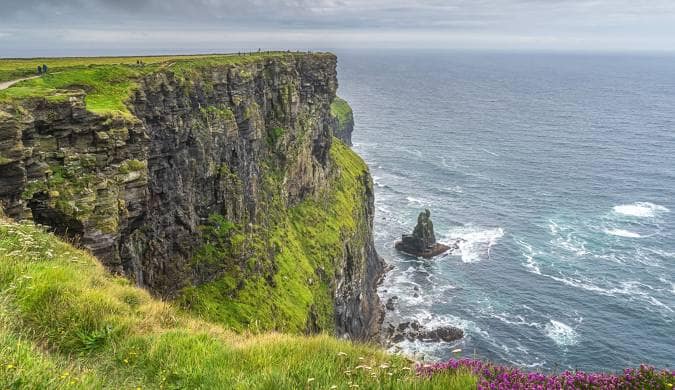
The Cliffs of Moher on Ireland's Atlantic coast, a popular student day trip from Galway

The Cliffs of Moher on Ireland's Atlantic coast, a popular student day trip from Galway

Academics

Teaching is integrated and systems-based, with case-based learning, simulation and early patient contact, and a full clinical year spent immersed in a regional Medical Academy.

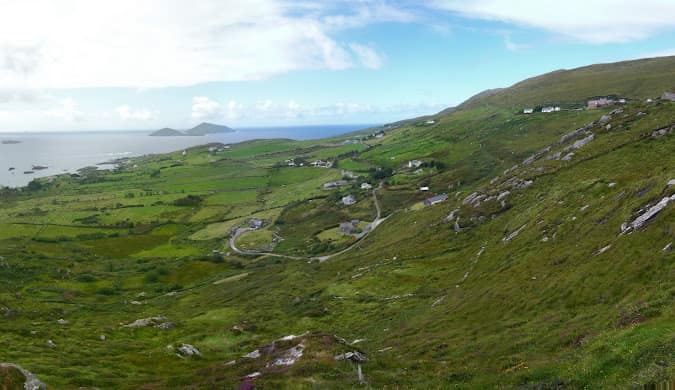
Green coastal countryside in the west of Ireland near Galway

Green coastal countryside in the west of Ireland near Galway

Campus and Facilities

The 105-hectare campus runs along the River Corrib in the heart of the city, with the Kingfisher sports centre and 25 m pool, more than 100 student societies including a dedicated MedSoc, Surgical Society and Indian and Hindu societies, and the historic Quadrangle at its centre.

Challenges and Growth

Medicine is demanding, and a year at a regional academy means relocating for clinical training, but students graduate with independence, resilience and teamwork skills that last a career.

The Giant's Causeway on the north coast of Ireland, a popular student trip

The Giant's Causeway on the north coast of Ireland, a popular student trip

Social Life

Galway is famous for its festivals — the Galway International Arts Festival, the Races and the Christmas Market on Eyre Square — and the University Indian Society and citywide community celebrate Diwali at Leisureland each year, so students are never far from home.

Overall Experience

Studying medicine at University of Galway is about growing as a professional and as a person, building lifelong friendships, and gaining global exposure in a warm, walkable and affordable city.

Scholarship & Financial

Scholarship & Financial Aid

Honest note first: scholarship support for non-EU medicine students at Galway is limited to modest merit awards, so families should plan as fully self-funded.

As part of the university's Global Scholarships, a small number of €3,000 merit awards are offered to first-year Medicine students, with eligible applicants invited to apply after accepting their offer. It is a helpful discount rather than a tuition-covering scholarship. Eligibility: €3,000 award · for first-year non-EU Medicine students · apply on invitation after accepting the offer.

Ratings

Reviews & Ratings

Hear from students and alumni about their experience at the University of Galway.

4.7

76 reviews

Academics4.8
Infrastructure4.6
Hostel4.6
Campus Life4.9
Value for Money4.5
  • A friendlier, cheaper Ireland

    Student — Medicine 2022

    Galway is small, safe and so much cheaper than Dublin, and everyone walks everywhere. The Indian Society made Diwali away from home feel real, and the campus by the Corrib is beautiful.

  • Real clinical exposure

    Student — Medicine 2021

    The year at a regional academy is intense but you become part of a real hospital team. University Hospital Galway is right beside campus, so clinical years are hands-on from early on.

Compare

Compare Colleges

Compare University of Galway School of Medicine with a leading Indian medical college.

Quick Comparison:

University of Galway vs CMC Vellore

University
University of GalwayGalway, Ireland
CMC VelloreTamil Nadu, India
University TypePublicPrivate (minority)
MediumEnglishEnglish
Course Duration5–6 years (MB BCh BAO)5.5 years (MBBS)
Tuition (per year)~₹60.5 lakh (€55,000)~₹3–4 lakh
AdmissionApplication via IUMC + interviewNEET-UG
RecognitionWDOMS / EU; NMC-eligible via screeningNMC-recognised
Global RankingQS #275 (2027); top 200 for MedicineNot in QS top 500

Compare Top MBBS Universities for Me

See key differences in fees, ranking, eligibility and recognition.

Our blog

Medical Education Insights

Articles that turn complex MBBS-abroad rules into simple, practical steps for students and parents.

FAQ

Frequently Asked Questions

Short answers to the questions students and parents ask most often about MBBS at the University of Galway.