Guides & Tips
What Is Medicine? Fields, Careers & How It Works Explained
31 Jul 2026
6 min read
What is medicine? It's the science of diagnosing, treating & preventing disease. Explore its fields, training path, technology & how to become a doctor.
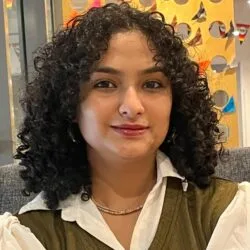

What is medicine? Medicine is the science and practice of diagnosing, treating, and preventing disease, spanning everything from a GP's clinic to genome-based cancer therapy. The World Health Organization projects a global shortfall of 11.1 million health workers by 2030, mostly in low- and lower-middle-income countries. That is one reason demand for trained doctors keeps climbing worldwide.
So what is medicine in practical terms? It's a set of fields, a training path measured in years, a toolkit that keeps changing, and, for a lot of students, a decision about where to study it, futureMBBS's EU partner universities included.
Key Takeaways
- Medicine is the science of diagnosis, treatment, and disease prevention, built on biology, chemistry, and clinical training.
- WHO projects an 11.1 million health worker shortfall by 2030, mostly in lower-income regions, a key driver of global demand for new doctors.
- Becoming a doctor typically takes 5.5-6 years of undergraduate medical study (MBBS or equivalent) plus internship, followed by optional postgraduate specialization.
- Medicine splits into dozens of specialties, from internal medicine and surgery to pathology and pharmacology, each requiring further focused training.
- Technology (AI diagnostics, telemedicine, robotic surgery) is changing how care is delivered, but the underlying science of medicine hasn't changed.
What Is Medicine, Exactly?
Medicine is the science and practice of diagnosing, treating, and preventing disease in patients, combining biology, chemistry, pharmacology, and hands-on clinical training. It's not just about curing illness. It also covers managing chronic conditions, promoting long-term health, and stopping disease before it starts through screening and vaccination.
The field draws on several disciplines at once. Physicians, nurses, pharmacists, and researchers all contribute distinct pieces: understanding disease mechanisms, developing treatments, and delivering care directly to patients. Medicine keeps moving as research advances, and new diagnostic tools and treatment protocols reach clinics every year.
What Are the Main Fields of Medicine?
Medicine isn't one discipline but a collection of specialties, each covering a different organ system, patient group, or type of care. A general practitioner, a pediatric surgeon, and a pathologist all practice medicine, but their daily work looks nothing alike.
| Field | Focus |
|---|---|
| Internal Medicine | Diagnosing and treating adult disease |
| Pediatrics | Health of infants, children, and adolescents |
| Surgery | Operative treatment of injury and disease |
| Radiology | Imaging-based diagnosis (X-ray, MRI, CT) |
| Pathology | Laboratory study of disease causes and effects |
| Pharmacology | How drugs interact with the body |
| Neurology | Disorders of the brain and nervous system |
| Oncology | Cancer diagnosis and treatment |
How Long Does It Take to Become a Doctor?
Training to practice medicine typically takes 5.5-6 years of undergraduate medical study, followed by a supervised internship and, for most doctors, several more years of postgraduate specialization. The exact path varies by country, but the core sequence is broadly the same everywhere.
- Pre-medical foundation: strong grounding in biology, chemistry, and physics at the secondary-school level.
- Undergraduate medical degree: 5.5-6 years covering anatomy, physiology, pharmacology, and clinical rotations (an MBBS in India and most of Europe).
- Internship: roughly 1 year of supervised, hands-on clinical practice across major departments.
- Residency/specialization: 3-7 years training in a chosen specialty such as cardiology or general surgery.
- Fellowship (optional): additional sub-specialty training, for example in interventional cardiology or neonatal surgery.
Doctors don't stop learning once they qualify. Continuing medical education is a standard requirement to keep a license active in most countries.
What Does Clinical Practice Actually Involve?
Clinical practice is where medicine happens: doctors take a patient's history, run diagnostic tests, decide on treatment, and monitor recovery. Diagnosis, treatment planning, preventive care, and clear patient communication are the four pillars every physician relies on, regardless of specialty.
Good clinical judgment blends training, experience, and evidence-based guidelines with the specifics of each patient. No two cases are handled identically, even with the same diagnosis.
How Is Technology Changing Medicine?
Modern medicine leans heavily on technology to improve accuracy and reach. Robotic-assisted surgery, AI-based diagnostic tools, wearable health monitors, and telemedicine platforms are now standard in many hospitals rather than experimental extras.
Robotic systems let surgeons perform complex procedures with more precision and shorter recovery times. Telemedicine has extended specialist consultations to patients in remote areas, a shift accelerated worldwide during the COVID-19 pandemic. AI tools now assist in reading scans and flagging early signs of conditions like stroke or diabetic retinopathy, often faster than manual review alone.
Who Are the Professionals Behind Modern Medicine?
Answering what is medicine fully means naming the people who practice it. Medicine is a team effort: physicians diagnose and manage treatment, nurses deliver day-to-day patient care, surgeons perform operations, pharmacists ensure medications are used safely, and researchers develop the next generation of drugs and diagnostics. No single role covers the whole picture, and a modern hospital depends on all of them working together.
Why Study Medicine at futureMBBS's EU Partner Universities?
If "what is medicine" has you thinking about studying it yourself, futureMBBS currently places students at 22 partner universities across 9 EU countries: Czech Republic, Hungary, Slovakia, Poland, Croatia, Latvia, Lithuania, Cyprus, and Romania. These are English-taught, NMC-recognized MBBS programs that follow the same core medical curriculum described above, with structured clinical rotations from early years.
Explore our partner universities, read more on MBBS in Europe, or book a free consultation to find the right country and university for your NEET score and budget.
Read more
Related Topics
- diseases
- doctors
- futureMBBS
- Healthcare
- healthcare professionals
- medicine
- wellbeing
Related Articles
 Guides & Tips31 Jul 20267 min read
Why Study Medicine? Real Reasons Students Choose It
Why study medicine? See the real motivations, skills, and career paths behind the choice, backed by India's current doctor-shortage and MBBS-seat data.
 Guides & Tips31 Jul 202616 min read
MBBS in Philippines 2026: NMC Rules, FMGE and Admission
MBBS in Philippines 2026: what CHED told India on NMC rules, the Philippine licence issue, NEET and NMAT, admission steps and FMGE results for 2023 to 2025.
 Guides & Tips31 Jul 20267 min read
MBBS in New Zealand: Real Cost, Seats & FMGE Rules
MBBS in New Zealand (MBChB) at Otago and Auckland: real international seats, NZ$86,561/year fees, NEET rules and FMGE exemption conditions explained here.