Guides & Tips
New Year Resolutions 2026: Medical Students Edition
27 Jul 2026
8 min read
New Year resolutions 2026 for medical students: sustainable study habits, sleep, daily MCQs, mistake books, and burnout-proof routines that actually stick.
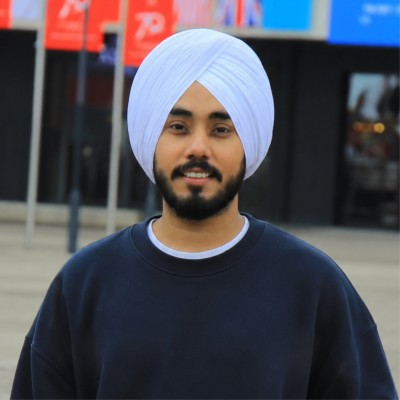

New year resolutions 2026 for medical students means picking a small set of daily habits, not grand promises, that survive contact with real MBBS life: long lectures, ward duties, backlogs and mental exhaustion. Progress in medicine rarely comes from a few weeks of extreme discipline; it comes from routines that still work on a tired day. This edition covers personal habits around study consistency, sleep, movement and mental reset designed to hold up through an actual academic year, not just January.
Key Takeaways
- Resolutions that survive past January are built around small daily habits, not big one-time promises: a mistake book, 20-30 daily MCQs, and a fixed sleep window matter more than an ambitious but unsustainable timetable.
- A dedicated "mistake book" of wrong MCQs and misunderstood concepts turns repeated errors into a personalised revision resource that compounds over the year.
- Solving 20-30 MCQs daily builds the same clinical-reasoning muscle tested in NEET PG, FMGE and university exams, in small enough doses to sustain long term.
- One no-study evening a week measurably reduces burnout risk without costing meaningful study time, since rest is part of sustainable academic performance, not time lost from it.
- Protecting at least one non-medical friendship and 30 minutes of daily movement are habit-level resolutions that support both mental health and long-term consistency.
Why do most New Year resolutions 2026 plans fail for medical students?
Most new year resolutions 2026 plans fail because they are built for an idealised version of MBBS life rather than the real one, which includes fatigue, backlogs and unpredictable ward schedules. A resolution that only works on a good day collapses the first time a student is exhausted, and that collapse often triggers giving up on the whole plan rather than just that day. Research on burnout backs this up: a systematic review and meta-analysis of studies covering tens of thousands of medical students found an overall burnout prevalence of roughly 37%, with several individual studies reporting rates as high as 44-71% depending on training stage. The fix is designing habits with a built-in low-energy version from the start, discussed in the low-energy study plan below.
How do you actually start new year resolutions 2026 as a medical student?
- Pick no more than three habits to start with, since trying to change everything at once is the fastest way to abandon new year resolutions 2026 within the first month.
- Attach each habit to an existing routine, such as reviewing the mistake book right after the day's last lecture, so it does not depend on willpower alone.
- Build in a low-energy version of each habit for tired days, so a bad day does not turn into a skipped week.
- Review progress weekly, not daily, since daily tracking of new habits tends to create pressure that backfires within a few weeks.
What daily study habits should medical students commit to in 2026?
Create a mistake book
Most students revise the same chapters repeatedly but still repeat identical mistakes in exams. Recording wrong MCQs, misunderstood concepts and repeated errors in one place creates a personalised revision resource; revisiting it weekly redirects study time toward genuine weak areas instead of topics already mastered, steadily improving both accuracy and confidence.
Build a low-energy study plan
Not every day will be productive, and that is normal. A low-energy study plan, light reading, short videos, revising old notes or a handful of MCQs, gives a tired day a version worth doing instead of an all-or-nothing choice between an ideal session and none at all. This single habit prevents the guilt spiral that turns one bad day into a lost week.
Solve 20-30 MCQs daily
Daily MCQ practice builds clinical reasoning and recall in a way passive reading cannot. Twenty to thirty questions a day seems small, but sustained across months it becomes a genuine foundation for exams like NExT, NEET PG and FMGE, training the mind to apply concepts under exam conditions rather than simply recognise them.
How should medical students protect sleep and mental health in 2026?
Prioritise sleep on a fixed schedule
Late-night studying feels productive in the moment but measurably reduces next-day concentration and memory consolidation, the process by which the brain converts a day's studying into durable long-term memory during sleep. Medical students already carry a heavy workload, and treating sleep as negotiable only compounds the problem; in 2026, a consistent sleep window should be treated as a non-negotiable part of the study plan, not an optional extra.
Take one no-study evening a week
Continuous studying without breaks gradually drains both motivation and mental stamina. One protected no-study evening each week gives the brain time to reset, and students who build this in report less anxiety and steadier output across the rest of the week. Rest engineered into the schedule is not wasted time, it is what keeps the rest of the week productive.
Use short meditation as a mental reset
Meditation is often mistaken for a productivity hack; its real value is calming an overloaded mind, not adding another task to an already full day. A five-to-ten-minute session before a study block or after a stressful ward round helps with exam pressure and overthinking without demanding much time, and pairs well with the mental health apps built for exactly this.
Include 30 minutes of daily movement
Long hours of sitting and reading affect physical and mental health together. Even a simple daily walk or stretching session improves circulation, lowers stress hormones and boosts energy for the rest of the day, and is one of the easiest resolutions to actually keep since it needs no equipment or subscription.
How can medical students stop comparing their MBBS journey to others?
Every medical student's path is shaped by a different college, resources and personal circumstances, so constant comparison manufactures stress that has nothing to do with actual progress. A more useful yardstick for 2026 is a student's own starting point versus where they stand now, since medicine rewards steady, compounding progress far more than any single milestone. Protecting at least one non-medical friendship also helps: it is a built-in reminder that identity exists beyond textbooks and hospital corridors, and a source of support during the inevitable rough patches of the year.
Making new year resolutions 2026 stick past January
The habits above only work if new year resolutions 2026 are treated as a system to maintain, not a checklist to finish. Revisit the list at the end of each month, drop whatever genuinely is not working, and keep whatever is, since the goal is a sustainable routine for the whole academic year, not a perfect January.
Related Topics
- new year resolutions 2026
- medical students
- study habits
- MBBS
- student wellness
Related Articles
 Guides & Tips27 Jul 20268 min read
Why MBBS Abroad? The Real Reasons and Our 9 EU Countries
Why MBBS abroad makes sense for NEET-qualified Indian students: the seat shortage, real EU costs, NMC recognition, and why we work in only 9 countries.
 Guides & Tips27 Jul 20267 min read
Why Study in Europe for MBBS? 9 Reasons That Matter
Why study in Europe for MBBS: affordable public universities, NMC-recognised degrees, and 9 EU countries futureMBBS partners with. Full comparison inside.
 Guides & Tips9 Oct 202610 min read
CBSE Class 12 Date Sheet 2027 and Your NEET Timeline
The CBSE Class 12 date sheet 2027 is not out yet. The LOC circular of 17 September 2026 confirms the Main Examinations 2027 are on. This guide covers what CBSE has confirmed, how to use the gaps between papers for NEET revision, and how to handle registration while boards are running.