Guides & Tips
MBBS Abroad Advantages: 7 Real Benefits Worth Knowing
31 Jul 2026
6 min read
The real MBBS abroad advantages for Indian students: more seats, lower total cost, early clinical exposure, and NMC-recognised EU degrees, explained clearly.


MBBS abroad advantages are real, measurable and go beyond simply having an easier admission process: they include lower total cost than most private Indian colleges, earlier hands-on clinical exposure, and a degree that is recognised in India once the graduate clears the FMGE screening test. This guide sets out seven advantages that hold up under scrutiny, not just marketing claims, based on how NMC-recognised EU universities actually structure their programmes.
Key Takeaways
- MBBS abroad advantages include lower six-year cost (roughly INR 40-90 lakh) than most private Indian colleges (INR 50-90 lakh-plus), without donation-linked charges.
- EU partner universities generally start clinical exposure earlier in the six-year programme than the largely lecture-based first two years typical in India.
- A foreign MBBS degree from an NMC-recognised, WHO-listed university remains valid for Indian practice after the graduate clears the FMGE screening test.
- Admission still requires a valid NEET-UG qualifying score; MBBS abroad advantages come from wider university choice, not from skipping NEET.
- futureMBBS advantages apply specifically to our nine EU partner countries, not to every "MBBS abroad" destination marketed online.
What are the real advantages of MBBS abroad?
The clearest MBBS abroad advantages for Indian students are cost, access and clinical exposure: a six-year EU medical degree typically costs less than a private Indian seat, admits a wider pool of NEET-qualified students than India's limited government seats, and often introduces hospital-based training earlier in the course.
1. Lower total cost than most private Indian colleges
Private medical colleges in India commonly charge INR 50-90 lakh for six years, sometimes with additional donation-linked payments. Tuition across futureMBBS's EU partner universities runs roughly EUR 12,600 to USD 19,900 a year, an all-in six-year cost of about INR 40-90 lakh including living expenses, without those extra charges.
2. Wider access for NEET-qualified students
India has around 1.29 lakh MBBS seats for over 20 lakh NEET candidates a year, so most qualified students do not get a seat. EU partner universities evaluate applicants on their own entrance criteria, so a NEET-qualified student who missed every Indian cutoff still has a genuine admission route.
3. Earlier and broader clinical exposure
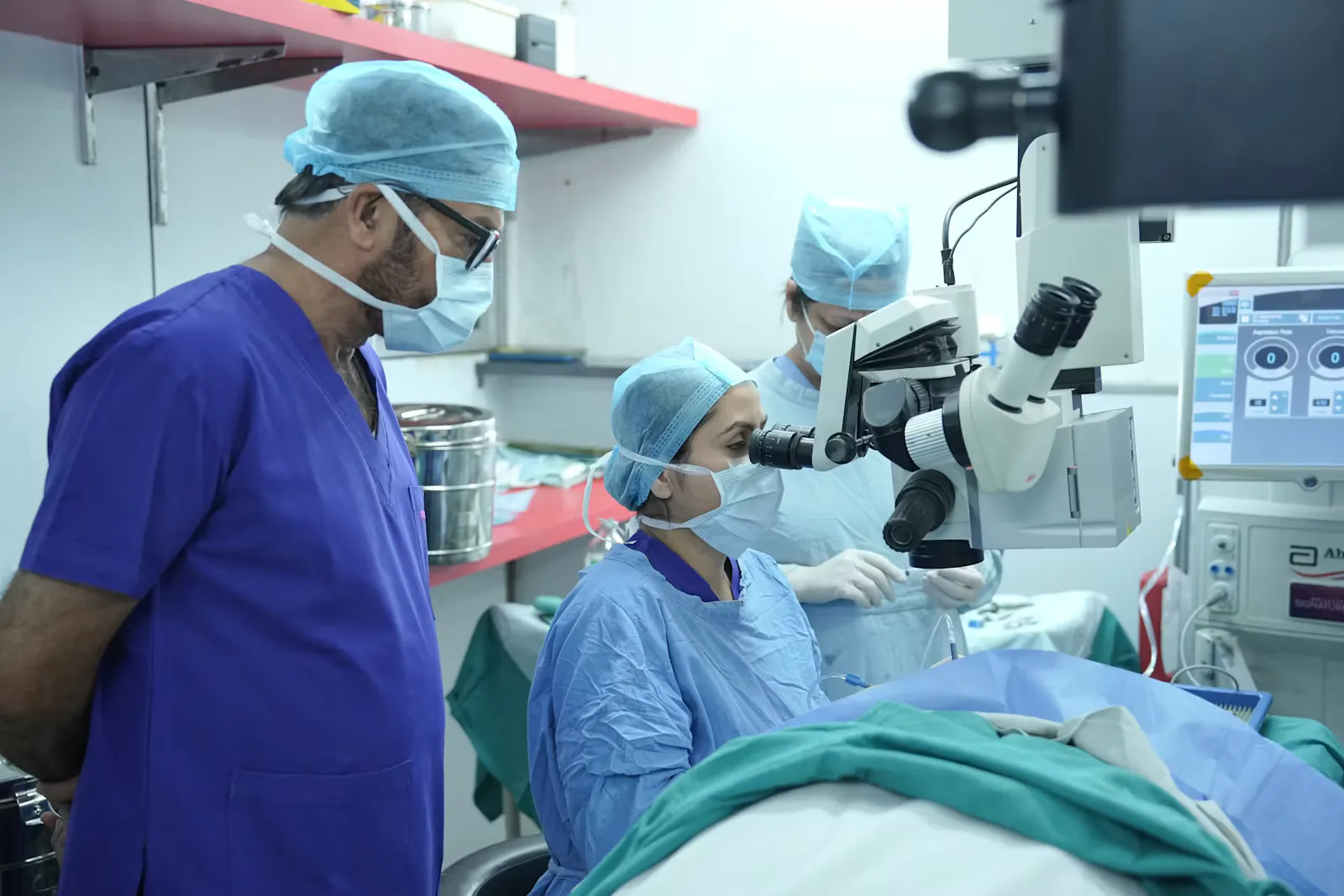
Several EU medical programmes integrate hospital rotations and practical anatomy work earlier than the largely lecture-based first two years common in Indian colleges, giving students more sustained hands-on time across the six-year course.
4. Recognition through NMC and WHO-listed status
Programmes at futureMBBS's partner universities meet NMC's FMGL 2021 norms (54 months of English-medium study plus a 12-month internship at the same institution) and sit on the World Directory of Medical Schools, so the degree converts into Indian practice rights once the FMGE screening test is cleared.
5. English-medium instruction throughout
All nine of our partner countries teach the full six-year programme in English, removing the local-language barrier that some other "MBBS abroad" destinations introduce only after the first year or two.
6. A recognised path to a European medical career
Graduates are not limited to returning to India; EU-trained doctors can also pursue residencies and specialisation within the European Union, an option that is not available to graduates of most non-EU "budget" destinations.
7. A wider genuine choice of universities
futureMBBS's network spans 22 partner universities across the Czech Republic, Hungary, Slovakia, Poland, Croatia, Latvia, Lithuania, Cyprus and Romania, giving families a real comparison across budget, entrance-exam format and campus life rather than a single option.
MBBS abroad vs a private Indian college
| Factor | Private college in India | MBBS abroad (EU partner universities) |
|---|---|---|
| Six-year cost | INR 50-90 lakh, plus possible donation charges | INR 40-90 lakh, no donation charges |
| Admission basis | NEET qualification + very high fees | NEET qualification + university entrance test (most countries) |
| Instruction language | English | English throughout, all nine countries |
| Clinical exposure | Often concentrated in later years | Often introduced earlier in the six-year course |
| Recognition path | Direct (Indian MBBS) | FMGE screening test after NMC-compliant course + internship |
Do MBBS abroad advantages mean NEET is not required?
No. MBBS abroad advantages come from wider university access and lower cost, not from any exemption to NEET. A valid NEET-UG qualifying score remains mandatory for every Indian student under NMC's FMGL 2021 regulations, in every country, including all nine of futureMBBS's partner countries.
If your NEET score qualifies but did not convert into a government or affordable private seat this year, that is exactly the situation these advantages apply to. See our full requirements checklist to confirm what your specific score qualifies you for abroad.
How to check whether these advantages apply to your situation
- Confirm your NEET-UG score cleared the qualifying percentile for your category.
- Check whether that score converted into any government or affordable private Indian seat this counselling cycle.
- Shortlist two or three NMC-recognised EU universities within your family's realistic six-year budget.
- Compare each university's entrance-exam format against your academic strengths in Biology and Chemistry.
- Confirm the university's WHO listing and NMC compliance before applying, not after.
Related Topics
- MBBS abroad advantages
- MBBS abroad benefits
- study MBBS in Europe
- NMC recognised universities
- futureMBBS
Related Articles
 Guides & Tips31 Jul 20265 min read
MBBS in USA: Admission Process, Fees & Realistic Chances
MBBS in USA (the MD pathway) explained: eligibility, MCAT/AMCAS process, real costs, duration, and the actual admission odds for Indian international applicants in 2026.
 Guides & Tips31 Jul 20266 min read
What Is Medicine? Fields, Careers & How It Works Explained
What is medicine? It's the science of diagnosing, treating & preventing disease. Explore its fields, training path, technology & how to become a doctor.
 Guides & Tips31 Jul 20267 min read
Why Study Medicine? Real Reasons Students Choose It
Why study medicine? See the real motivations, skills, and career paths behind the choice, backed by India's current doctor-shortage and MBBS-seat data.