Harvey Cushing
Graduated in 1895 and became the father of modern neurosurgery. He pioneered techniques for operating on the brain and pituitary gland that dramatically reduced surgical mortality; Cushing's disease is named after him.
Webinar: Pursuing MBBS in India Thu, November 5, 2026 | 8:30 PM IST FREE
Reserve free seatFree Webinar: MBBS in India
Thu, November 5, 2026 | 8:30 PM

Free Webinar: MBBS in India
Thu, November 5, 2026 | 8:30 PM
The world's #1 ranked medical school, training physicians in Boston's Longwood Medical Area since 1782.


5000+ Students trust us
United States
Country
Boston
City
#1 in the World
Ranking
English
Medium of instruction
Introduction
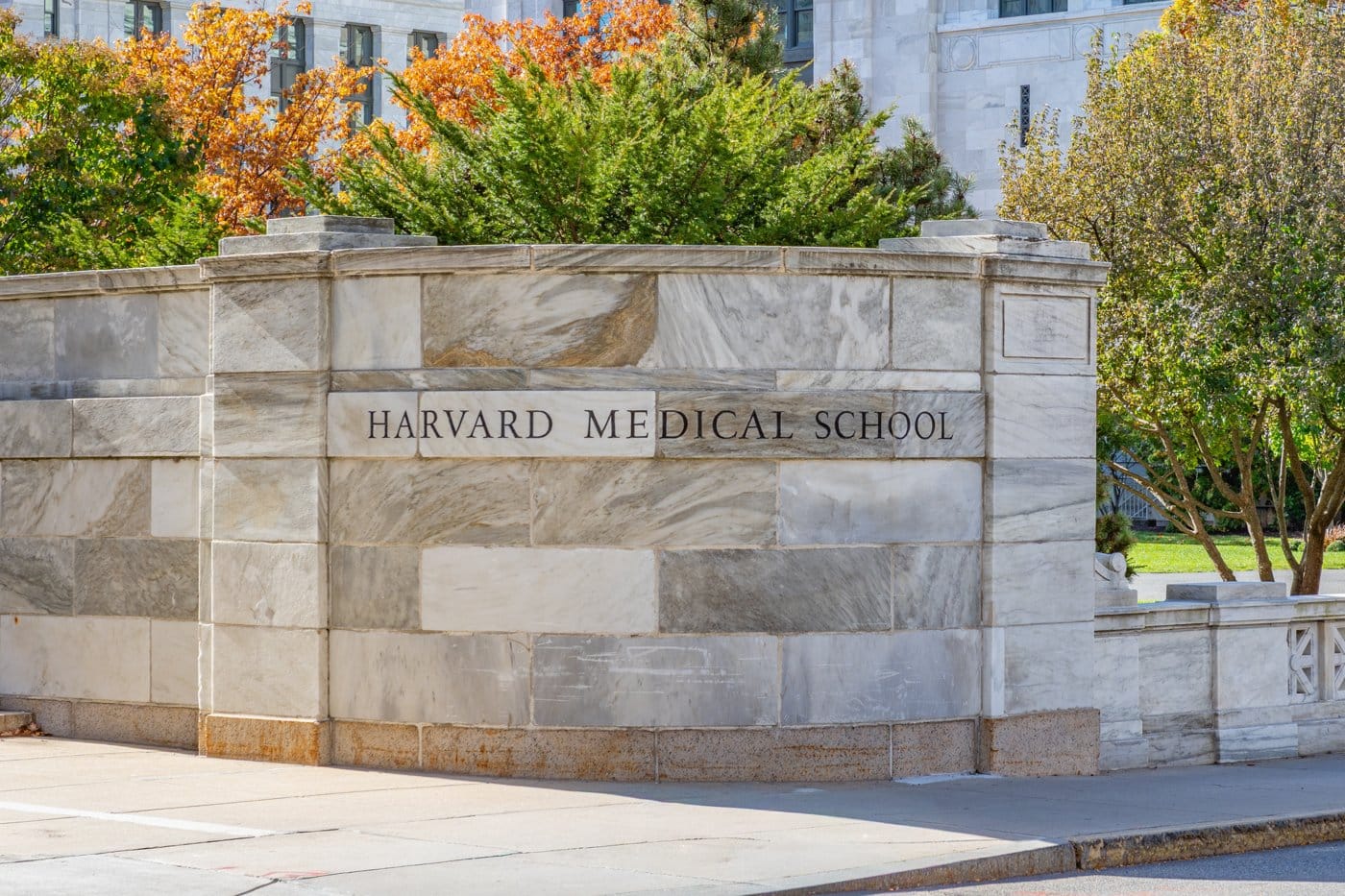
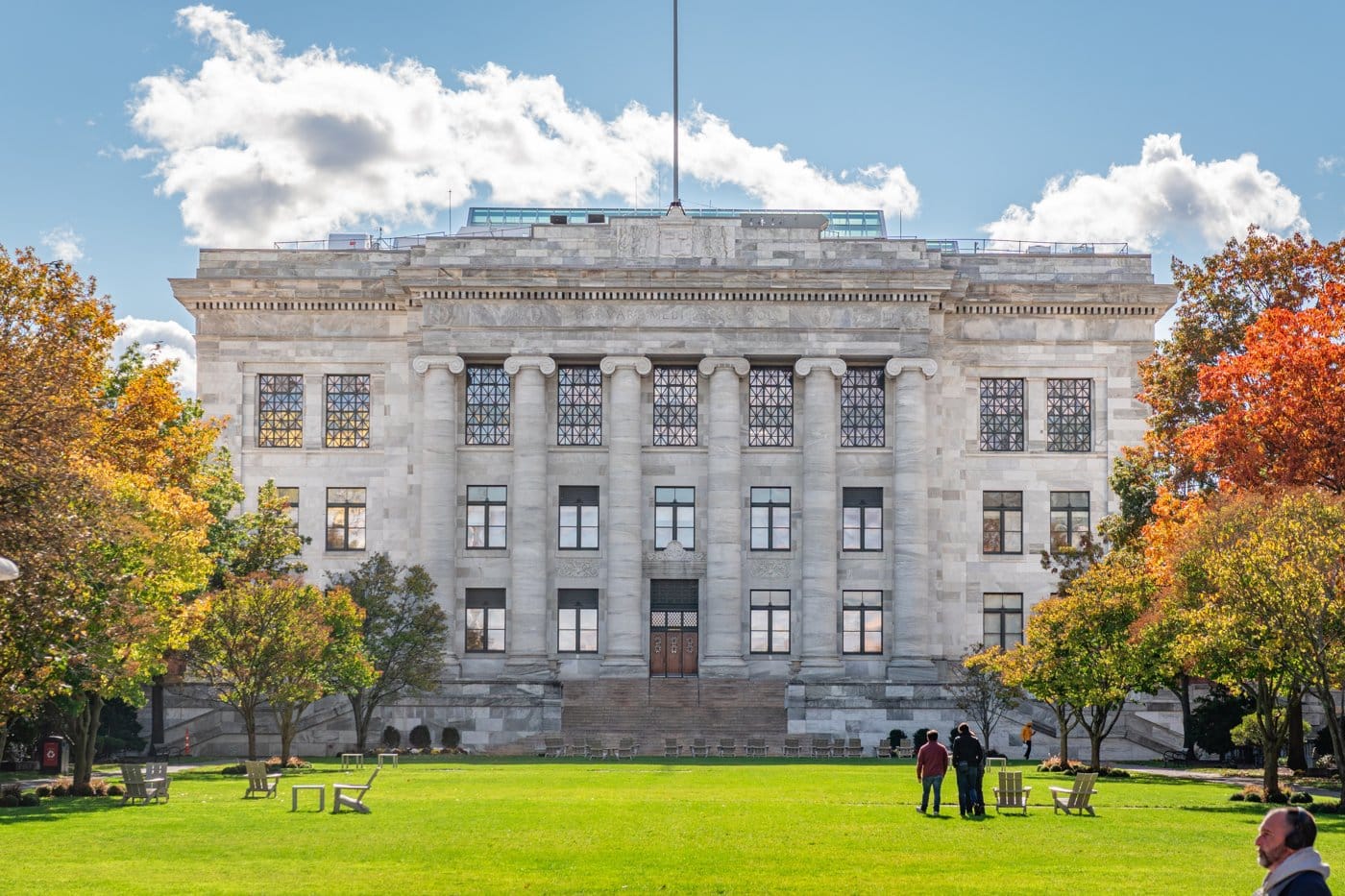
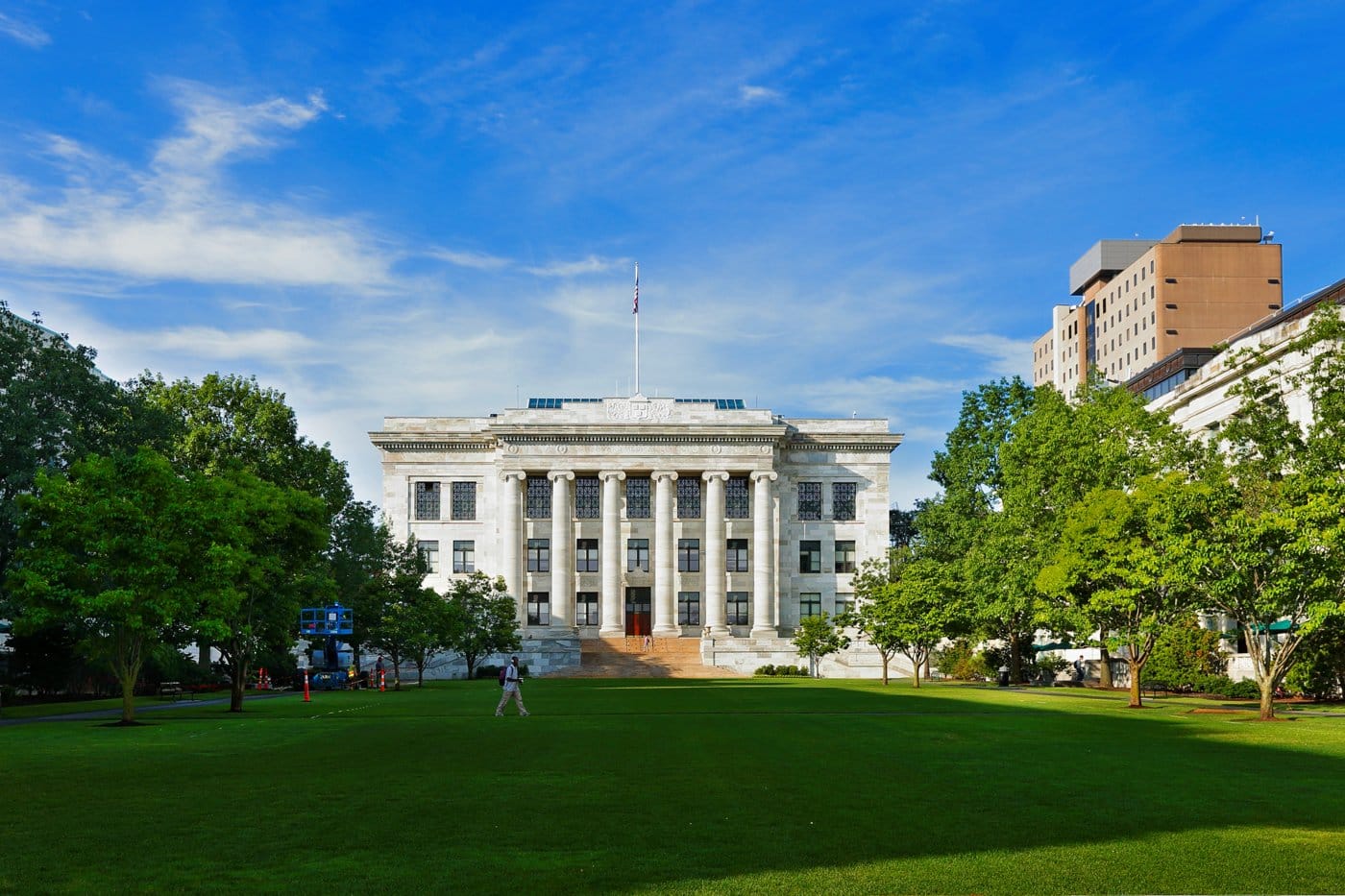
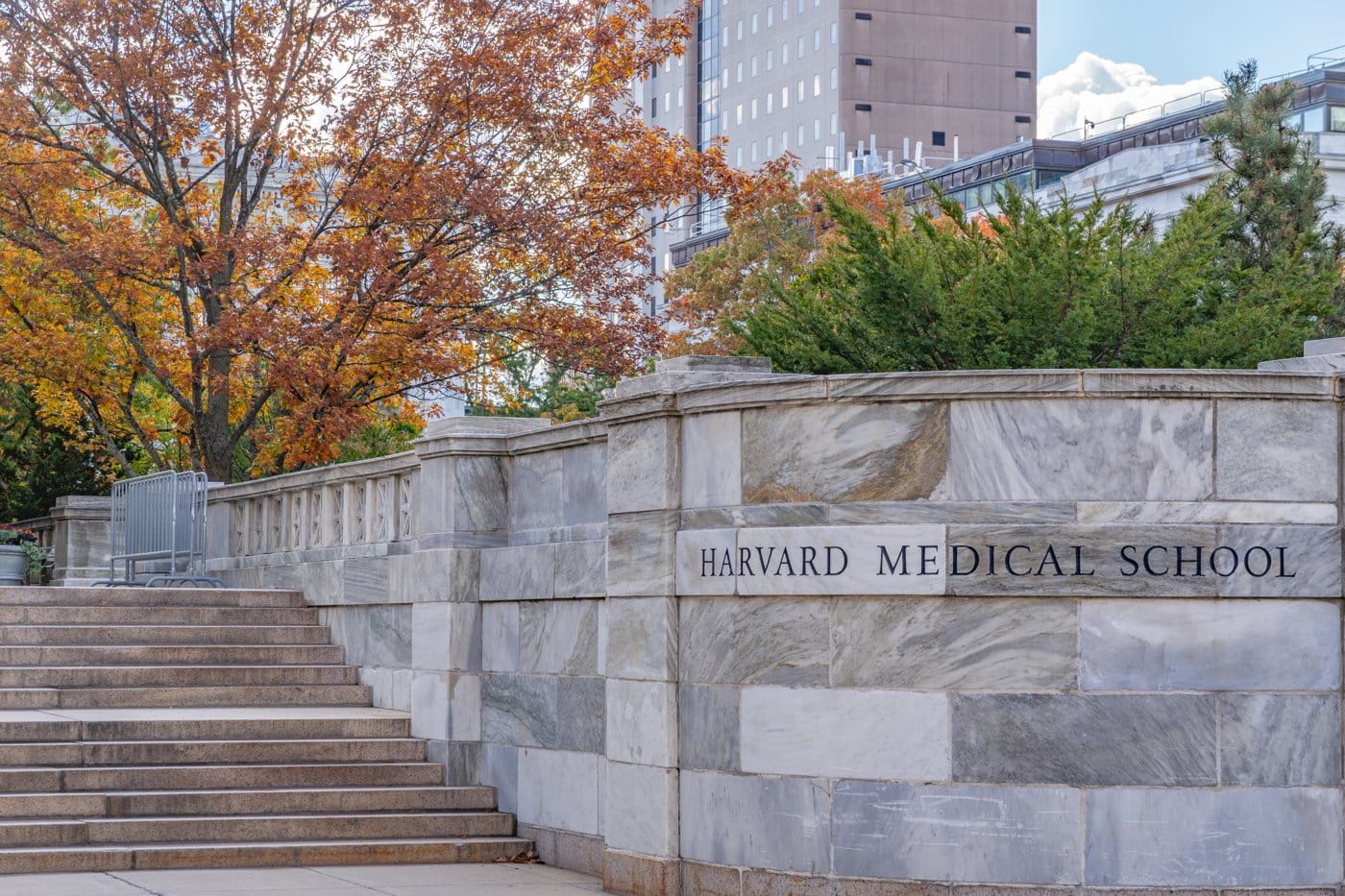
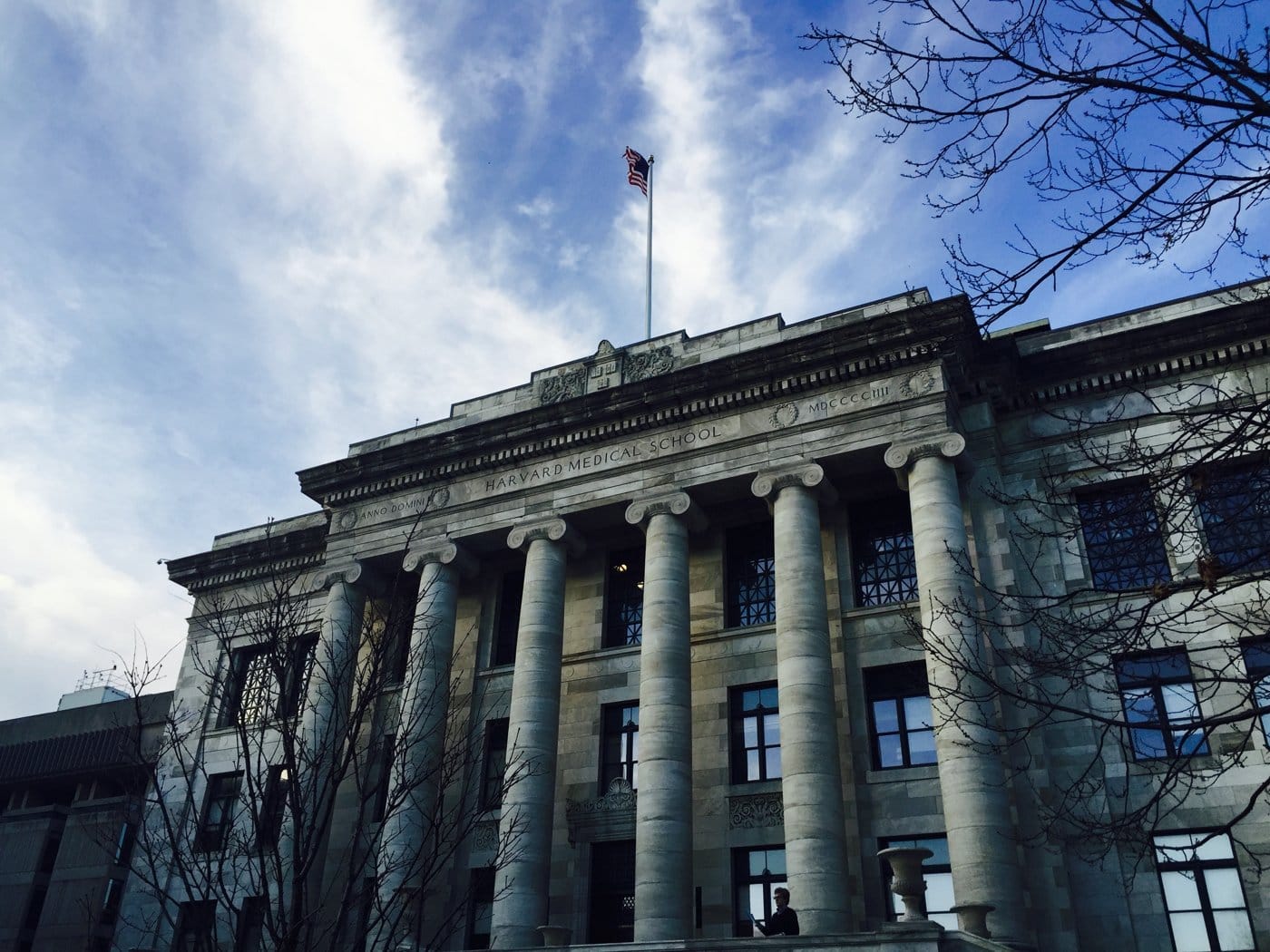
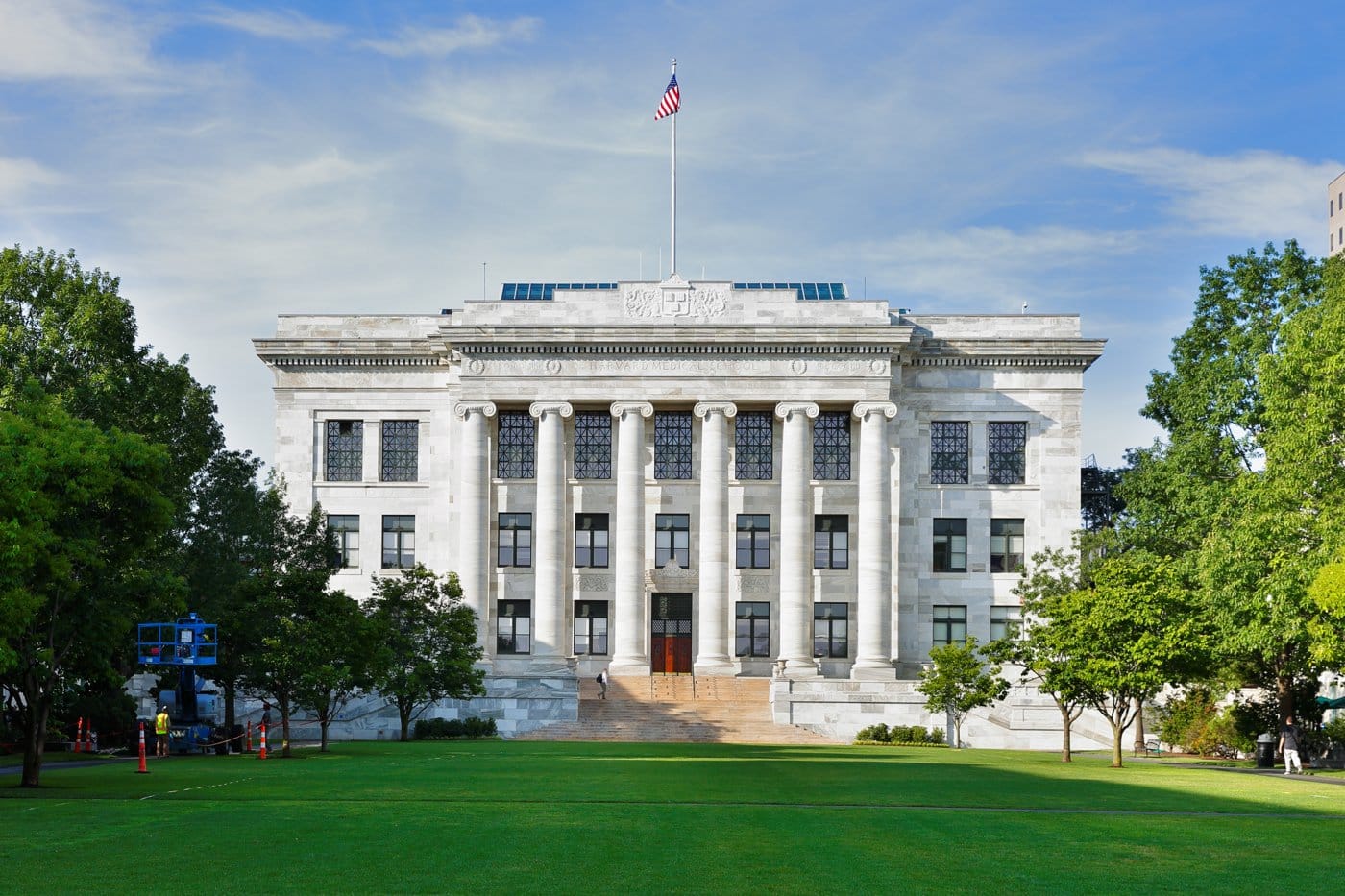
The engraved Harvard Medical School wall sign at the Longwood campus entrance
Download our free guide for immediate information, or get personalised professional counselling from our experts.
Recognition & Prestige
Harvard Medical School is ranked the number one medical school in the world and the leading US school for medical research. Its recognition rests on independent global rankings, nearly 250 years of history, and a research record that includes multiple Nobel Prizes.
#1
QS World University Rankings by Subject: Medicine 2026
#1
US News global ranking: Clinical Medicine
The medical degree is recognised internationally. Harvard Medical School's MD programme is accredited by the Liaison Committee on Medical Education (LCME), Harvard University is institutionally accredited by the New England Commission of Higher Education (NECHE), and the school is listed in the World Directory of Medical Schools (WDOMS). A US MD does not meet the NMC's FMGL Regulations 2021, so it does not make graduates eligible to sit FMGE in India.
Complete Information About Harvard Medical School
Get complete information about Harvard Medical School, including tuition, living costs, admissions and the US licensing route for Indian students.
Success stories
Hear directly from students who are studying medicine in Europe with futureMBBS.
Academic Excellence
Harvard Medical School pairs the world's top-ranked medical education with one of the largest hospital and research networks anywhere, taught entirely in English in the heart of Boston.
Read all about studying medicine abroad in our free guide
Know exactly what options exist for your medical-education-abroad success.
How to Apply
Admission to the MD at Harvard Medical School is through the American Medical College Application Service (AMCAS), based on a completed bachelor's degree, the MCAT and a holistic review, followed by a secondary application and interview. The MD is graduate-entry, so there is no NEET requirement and no direct entry after Class 12. Applicants without a US or Canadian degree are rarely accepted, and anyone educated abroad needs at least one year at a US or Canadian college (Harvard Medical School).
The AMCAS application for the entering MD class opens for submission.
Final date to submit the AMCAS application to Harvard Medical School for the cycle.
Applicants complete the HMS supplemental application and essays.
Invited candidates complete Harvard's interview process, including multiple mini-interviews.
Offers of admission are released on a rolling basis.
The new MD class matriculates and orientation begins.
Applicants must have completed at least three years of college and hold a baccalaureate (bachelor's) degree from an accredited institution before matriculation, together with the required pre-medical coursework. International applicants must have studied for at least one year at an accredited institution in the United States or Canada; those without a US or Canadian degree are rarely accepted.
Subjects:
The MD is graduate-entry, so applicants must have completed a bachelor's degree before matriculation. Most matriculants are therefore 21 or older. There is no separate upper age limit.
Applicants must submit the AMCAS application with MCAT scores, then complete Harvard's secondary application and interview. Selection is holistic, with strong weight on academics, research experience, character and motivation.
Entrance Exam
The MCAT is required for all applicants. The median matriculant score is 521; there is no published minimum cutoff and there is no separate university entrance exam.
English Proficiency
The TOEFL is not required, but full fluency in English is expected, as the entire MD programme is taught in English.
Admission is based on the MCAT and a holistic review of the whole application, not on category-wise minimum marks.
| Component | Requirement |
|---|---|
| MCAT (Medical College Admission Test) | Required for all applicants. Median matriculant score 521 out of 528. No fixed minimum, reviewed holistically alongside the full application. |
| Undergraduate GPA | Median matriculant GPA is 3.96 out of 4.00, with strong performance expected in the pre-medical sciences. |
To apply, students submit essential academic, testing and identification documents:
Admission Guidance & Document Checklist
Get the complete document checklist or admission guidance from our experts.
Programme Structure
Students follow a structured four-year MD curriculum built around three phases that balance medical science with real clinical exposure, taught entirely in English across Harvard's affiliated teaching hospitals.
Total Duration:
4 Years (Pathways); HST track ~4.5 Years
Degree:
MD (Doctor of Medicine, equivalent to MBBS)
Pre-clerkship (~14 months)
Integrated basic and social sciences taught through active, case-based learning, with a weekly Practice of Medicine course introducing the physical examination, communication and interprofessional skills:
Principal Clinical Experience (12 months)
A twelve-month core clinical year of immersive clerkships across the major specialties at Harvard's affiliated teaching hospitals, including a longitudinal primary care clerkship:
Post-PCE (~19 months)
A flexible advanced phase with a required subinternship in medicine, advanced clinical electives and a scholarly project; HST students complete a research thesis:
Clinical training takes place across Harvard's network of affiliated teaching hospitals in Boston, beginning with early patient contact in the pre-clerkship phase and building to full core clerkships and advanced electives.
| Phase | Focus |
|---|---|
| Pre-clerkship | Clinical skills and early patient contact through the weekly Practice of Medicine course |
| Principal Clinical Experience | Core clerkships in internal medicine, surgery, paediatrics, obstetrics-gynaecology, psychiatry and neurology across affiliated hospitals |
| Post-PCE | Subinternship, advanced electives and a scholarly project; HST students complete a research thesis |
Get the full curriculum
Download a free guide to see detailed subjects, the course structure and everything you need to plan your studies.
Clinical Network
Harvard Medical School is a US school and does not run the EU Erasmus+ exchange programme. Instead, it teaches through one of the largest networks of affiliated teaching hospitals and research institutes in the world, where students complete their clinical training. The institutions below are among Harvard's principal affiliates.
| Institution | Focus / Role |
|---|---|
| Massachusetts General Hospital | Largest teaching hospital; broad clinical training and research |
| Brigham and Women's Hospital | Major clerkship site; internal medicine, surgery and women's health |
| Boston Children's Hospital | Paediatrics and paediatric subspecialties |
| Beth Israel Deaconess Medical Center | Internal medicine, surgery and clinical research |
| Dana-Farber Cancer Institute | Oncology and cancer research |
| Massachusetts Eye and Ear | Ophthalmology and otolaryngology |
| McLean Hospital | Psychiatry and mental health |
| Cambridge Health Alliance | Community medicine and primary care |
| Spaulding Rehabilitation Network | Rehabilitation medicine |
| Joslin Diabetes Center | Diabetes and endocrinology |
| VA Boston Healthcare System | Veterans' care and clinical training |
| Massachusetts Institute of Technology (HST) | Joint MD track in Health Sciences and Technology |
Explore Harvard's Clinical Network
The list above highlights selected teaching hospitals and institutions where Harvard Medical School students train. Get the full picture from our experts.
Legacy
Harvard Medical School has trained some of the most influential figures in modern medicine, from the founders of entire specialties to Nobel Prize winners.
Graduated in 1895 and became the father of modern neurosurgery. He pioneered techniques for operating on the brain and pituitary gland that dramatically reduced surgical mortality; Cushing's disease is named after him.
Graduated in 1895 and became a pioneer of diabetes care. He championed patient self-management and the disciplined use of insulin, and founded the Joslin Diabetes Center in Boston.
Graduated in 1927 and is regarded as the father of modern chemotherapy. He achieved the first temporary remissions in childhood leukaemia using antifolate drugs, opening the era of cancer chemotherapy.
Graduated in 1943 and performed the first successful human kidney transplant in 1954, laying the foundation for modern transplant medicine and earning the Nobel Prize in Physiology or Medicine in 1990.
Graduated in 1957 and pioneered the concept of tumour angiogenesis, opening an entirely new field of anti-angiogenic cancer therapy that has since produced widely used treatments.
Graduated in 1969 and became one of the best-selling authors in the world, writing Jurassic Park and creating the medical television series ER, bringing science and medicine to a global audience.
Graduated in 1995 and is a practising surgeon, public-health researcher and author of The Checklist Manifesto, one of the most influential voices in improving the safety and quality of health systems worldwide.
Harvard Medical School's teaching is delivered by a very large faculty spread across its affiliated hospitals and research institutes, including practising physicians and surgeons, basic scientists and Nobel-laureate researchers. This combination of world-class research and hospital-based clinical teaching is central to the Harvard MD.
Nobel-laureate researchers
Physicians and surgeons at world-leading hospitals
Faculty with major international publications
Scientists across basic and clinical science
Small-group, case-based learning
Faculty advising and mentorship
Clinical supervision during clerkships
Research mentorship, especially in the HST track
About University
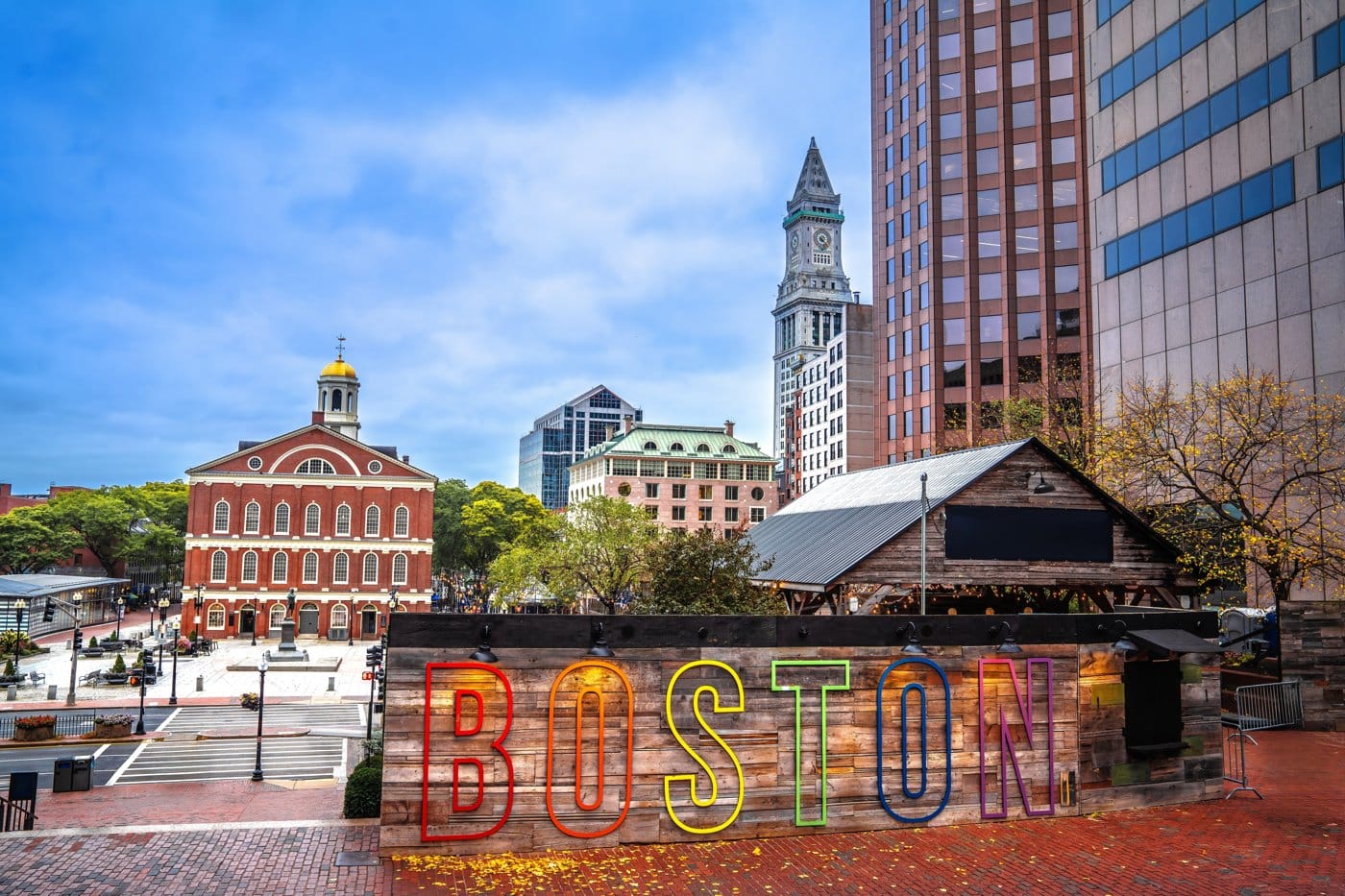
Historic Faneuil Hall and the Boston skyline, near Harvard's teaching hospitals
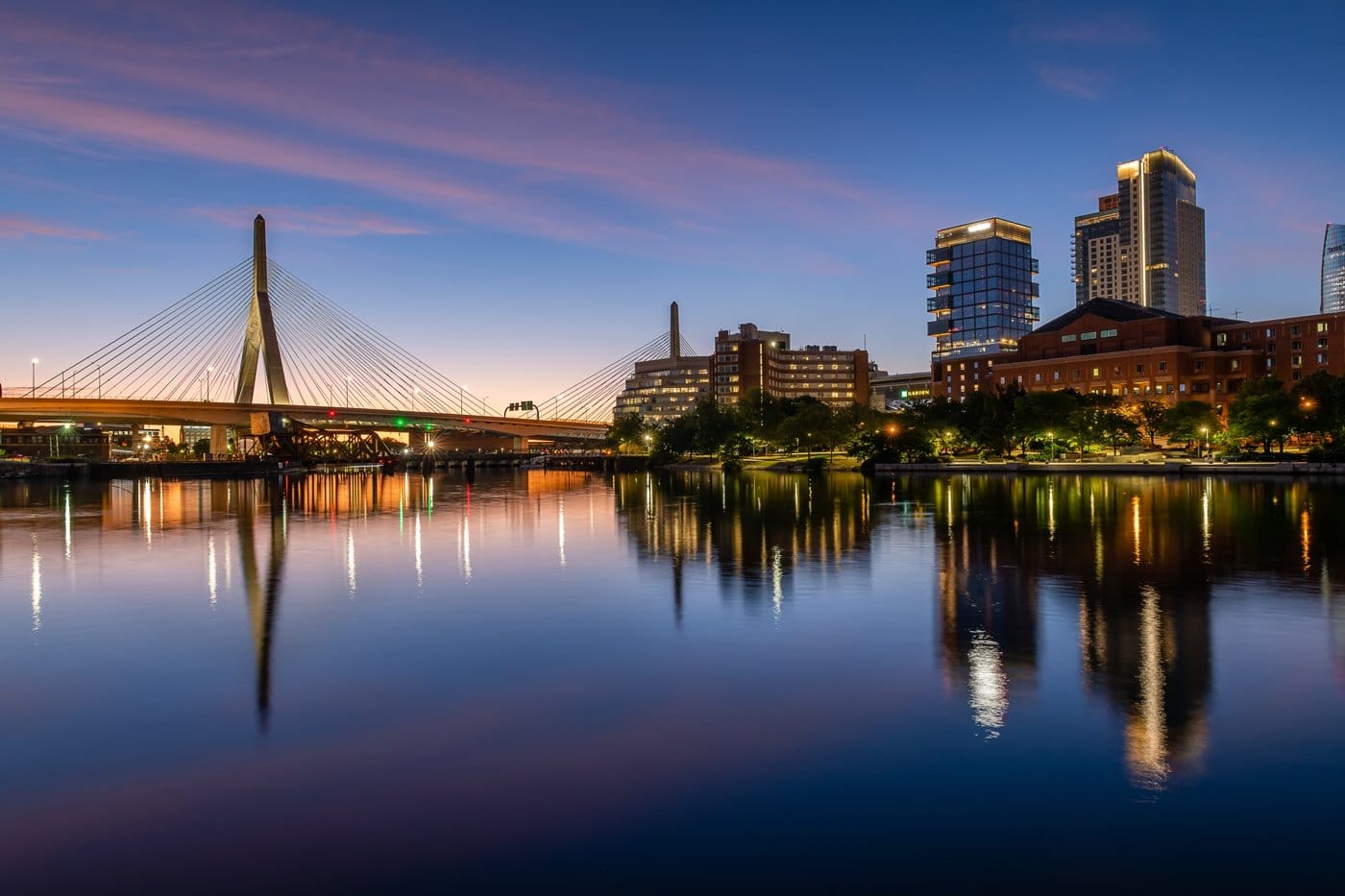
The Boston skyline at dusk along the Charles River
Get all information about Harvard Medical School in our free guide
Read on to find out how the Harvard MD pathway works and what it realistically takes for Indian students.
Role in medicine
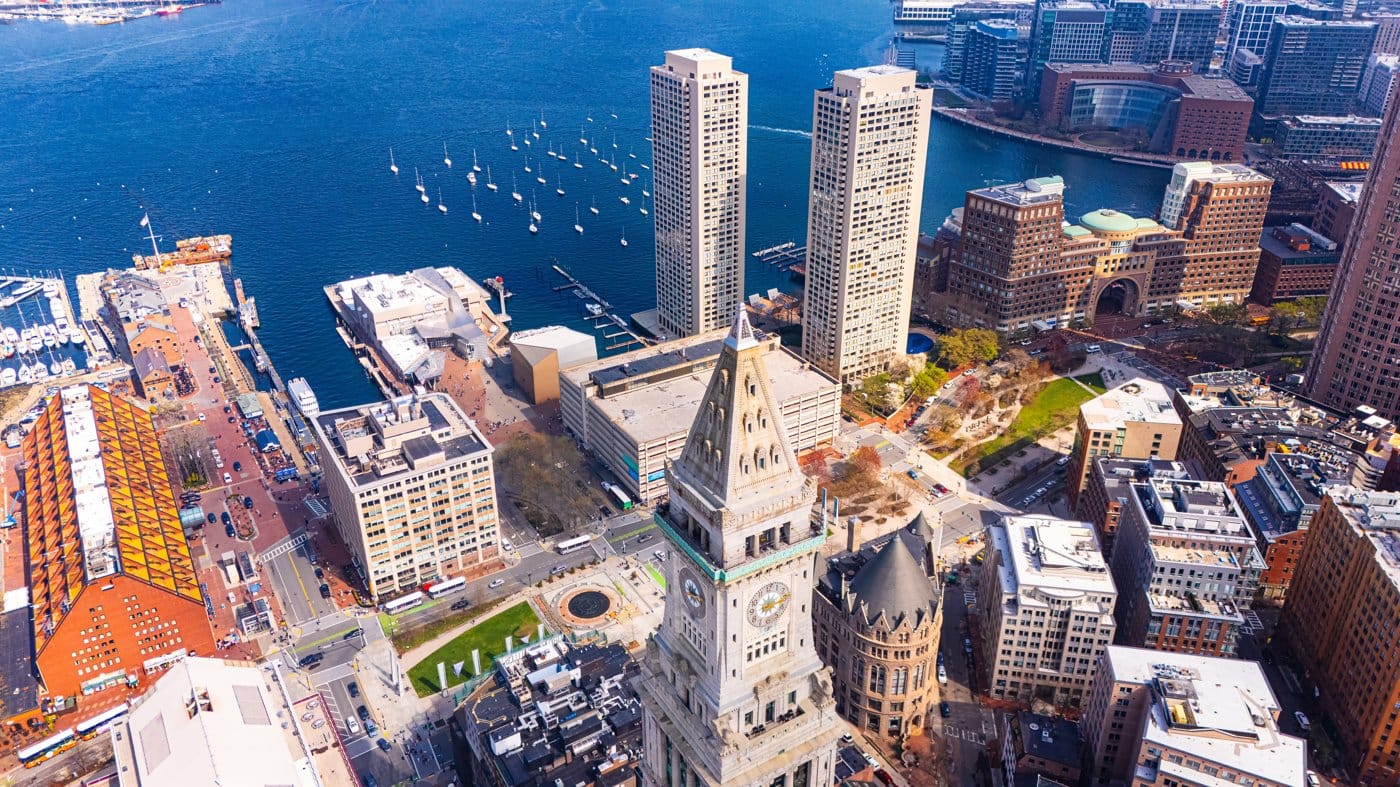
Aerial view of Boston's medical and research district
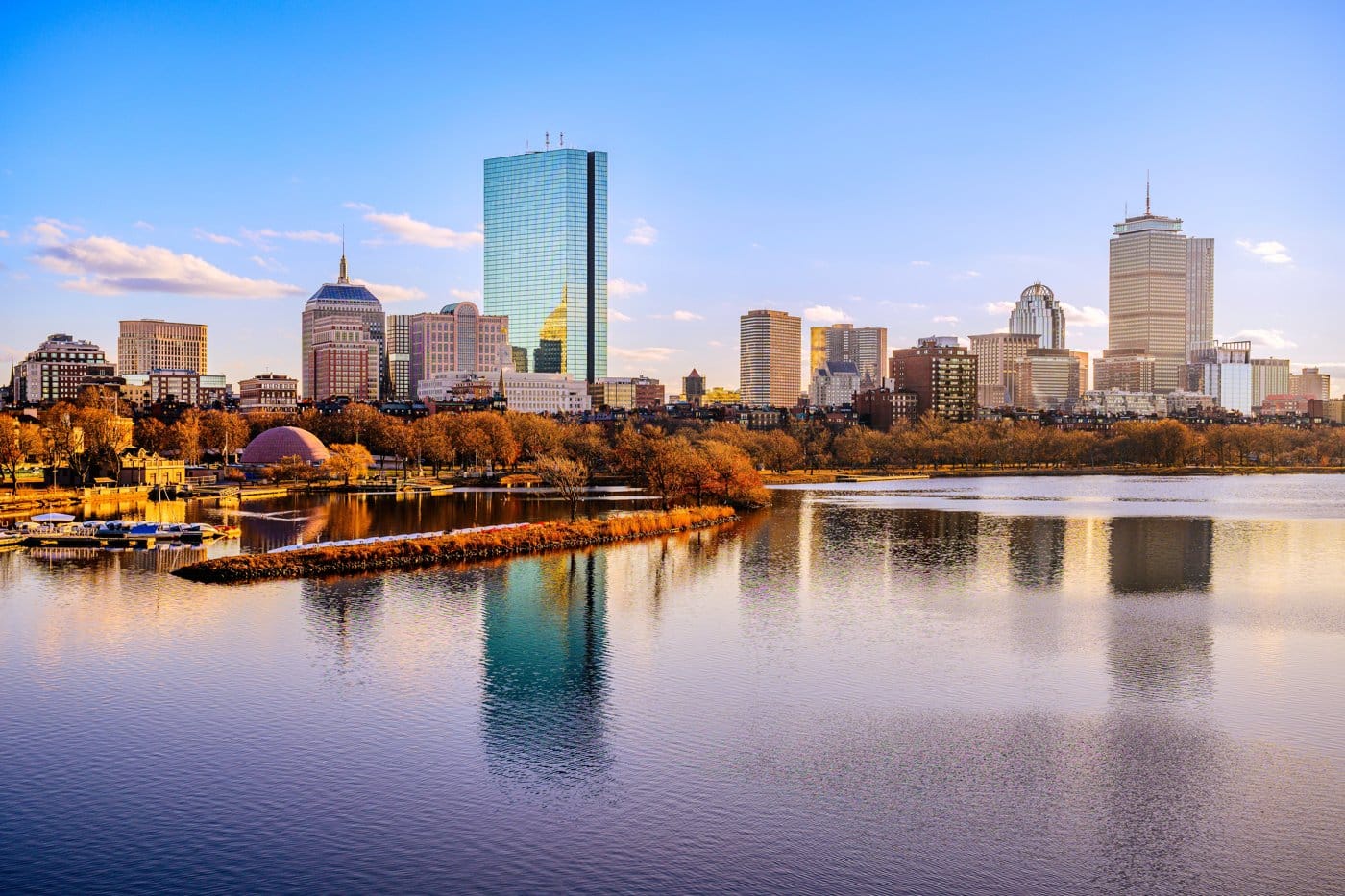
The Boston skyline across the Charles River in autumn
Get all information about Harvard Medical School in our free guide
Read on to understand the Harvard MD pathway and how it fits an Indian student's plans.
Cost of studying
Boston is a high-cost US city, and living expenses are considerably higher than for MBBS destinations in Europe or Asia. Here is an approximate monthly breakdown for an MD student, quoted in Indian rupees.
| Cost Component | Approximate Amount (per month) |
|---|---|
| Accommodation (rent, Longwood / Boston) | ₹1,45,000 – ₹2,10,000 |
| Food | ₹48,000 – ₹67,000 |
| Transportation (MBTA pass) | ₹8,500 – ₹14,000 |
| Health Insurance & Other (utilities, internet, personal) | ₹48,000 – ₹77,000 |
Average monthly living cost
₹2,50,000 – ₹3,70,000
Housing
Harvard Medical School offers on-campus housing at Vanderbilt Hall on the Longwood quadrangle, alongside a wide choice of off-campus rentals in Boston and neighbouring towns. On-campus housing places students steps from classes, the library and the teaching hospitals.
Need accommodation details?
Get a full overview of housing options with our guide, or reach out to an expert.
Food & Dining
Indian and vegetarian food is easily available in cafeterias and restaurants across Boston and Cambridge.
Harvard Medical School and the surrounding Longwood Medical Area have cafes and dining halls serving affordable daily meals near the quadrangle. Vegetarian and vegan options are widely available.
Greater Boston has many Indian restaurants across Cambridge, Somerville and Boston serving dal, roti, sabzi, biryani and curries. Vegetarian and vegan menus are common, so students rarely struggle to find familiar food.
Indian grocery stores in Cambridge, Waltham and Shrewsbury stock everyday essentials such as grains, lentils, spices, flour and rice, so students can cook home-style meals.
Vanderbilt Hall and off-campus apartments have kitchens where students can cook their own meals, which is often the most economical option in a high-cost city.
Boston has reliable delivery services such as DoorDash, Uber Eats and Instacart, allowing students to order meals and groceries, including from Indian restaurants and stores, to their door.
Location
25 Shattuck Street, Boston, MA 02115, United States
Nearest Airport
Boston Logan International Airport (BOS)
Local Transport
The MBTA Green Line (Longwood Medical Area stops) and several bus routes connect the campus across Boston
Your Roadmap to Success
On completing the programme, graduates earn the MD (Doctor of Medicine) from the world's top-ranked medical school, a degree recognised internationally and equivalent to the MBBS.
Most graduates enter US residency training through the National Resident Matching Program. Practising in the US requires ECFMG certification and passing the United States Medical Licensing Examination (USMLE).
A US MD does not meet the NMC's FMGL Regulations 2021: it is shorter than 54 months of study and has no 12-month internship at the same university. Graduates admitted after 18 November 2021 cannot sit FMGE, so this degree does not lead to practice in India.
The Harvard MD is a recognised route to licensing in many countries, including the United Kingdom through the GMC pathway, giving graduates broad international mobility.
Graduates pursue residency and fellowship training across specialties, and many build careers as physician-scientists, combining clinical practice with research.
Harvard MD graduates frequently move into academic medicine, leading biomedical research, teaching, and health-policy roles around the world.
Understand the Medical Licensing Pathway
A clear overview of the exams and requirements after graduation.
Practising in India
A US MD does not meet the NMC's rules for practising in India. The NMC's FMGL Regulations 2021 ask for at least 54 months of study plus a 12-month internship at the same university. A US MD is a four-year course taken after a bachelor's degree, and the first year of work after it is a hospital residency, not an internship at the medical school. So a student admitted after 18 November 2021 cannot sit FMGE, the exam a foreign medical graduate takes before working in India, with a US MD. The route a US MD opens is practice in the USA: the USMLE, the US licensing exams, and then residency. The NBEMS FMGE bulletin still lists an exemption for doctors who hold both a medical degree and a postgraduate qualification from the USA and are registered there. The same bulletin says students admitted after 18 November 2021 are judged under the FMGL rules, so this is not a route to plan an India career around.
Step 1
US MD graduates sit the USMLE, the US licensing exams. Step 1 and Step 2 CK are usually passed during medical school, before applying for residency.
Step 2
Graduates apply through ERAS and are placed in a residency programme through the NRMP Match. The first year of residency is a hospital job, not an internship at the medical school.
Step 3
After passing USMLE Step 3 during residency, doctors apply for a licence from a US state medical board. This is a route to practice in the USA, not in India.
Student Life Style
Studying for the MD is a mix of intensive academics, clinical exposure and personal growth, set in one of the great university cities of the world. With nearly 250 years of history and a large hospital network, Harvard offers a rich and demanding student experience.
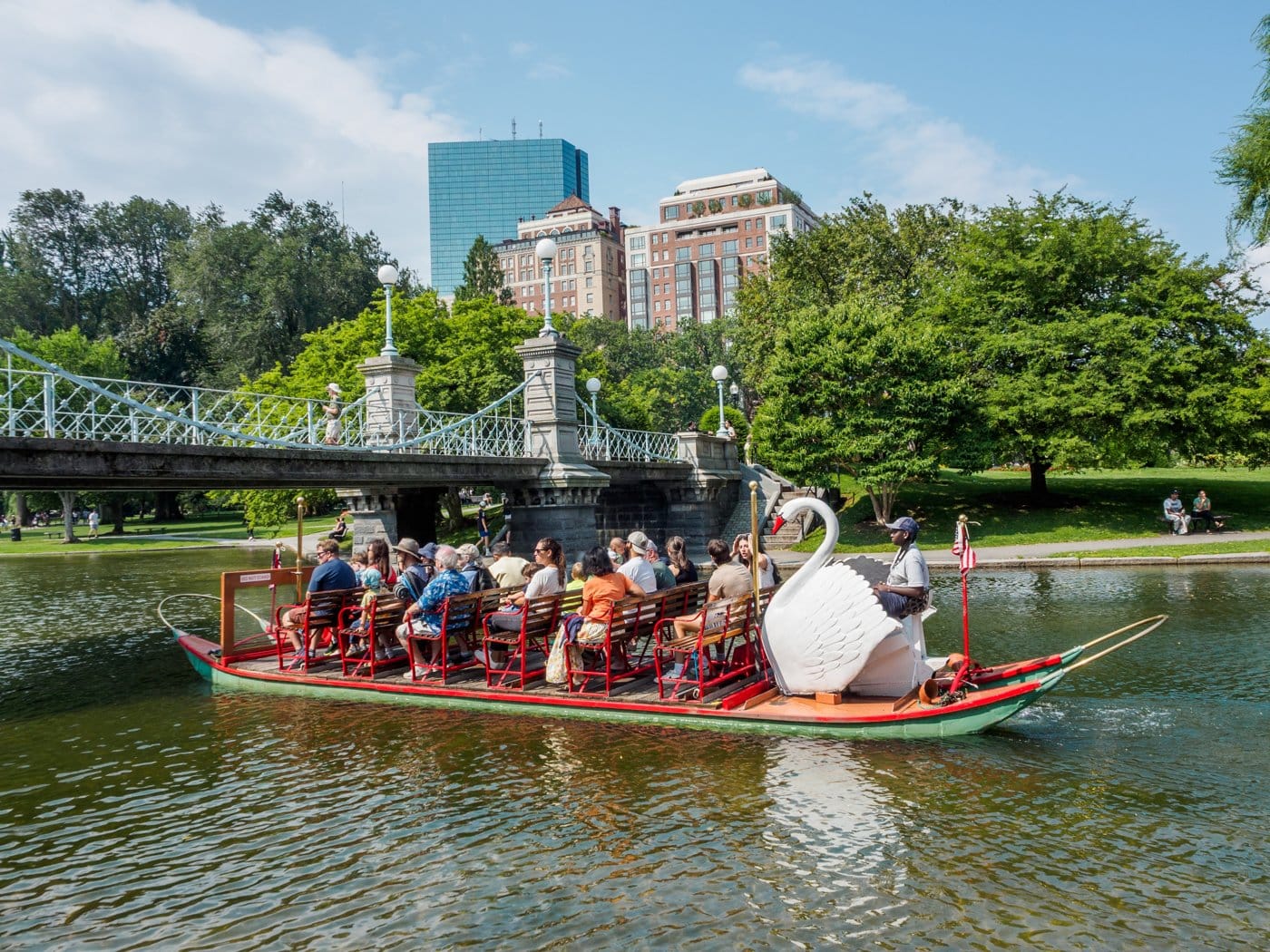
The swan boats in Boston Public Garden, a favourite student spot in the city
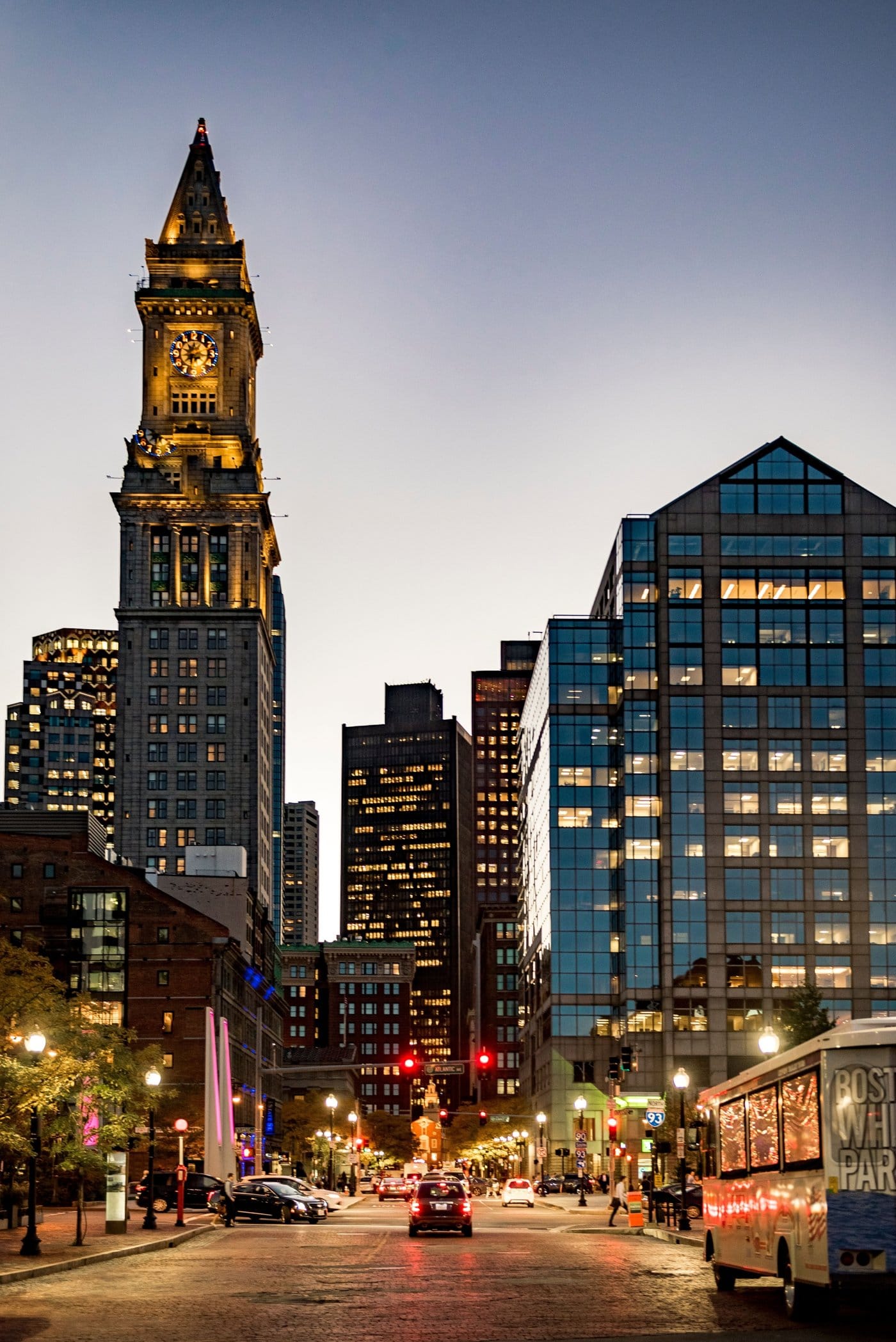
Boston's downtown skyline in the evening
Scholarship & Financial
Harvard Medical School runs one of the most generous MD financial-aid programmes in the United States, based on financial need. Students should note that international students are generally not eligible for US federal aid.
Harvard Medical School awards need-based scholarships in which financial need is the only criterion. Around 80% of MD students receive need-based aid, and for students with full financial need, HMS scholarships can cover the entire cost of tuition and mandatory fees.
Through its Middle Income Initiative, HMS reduces the expected family contribution for middle-income families. Around half of MD students benefit from this programme each year.
Students in the HST track and MD-PhD (Medical Scientist Training Program) students may receive research stipends and tuition support, and additional external scholarships and fellowships are available for eligible students.
Compare
Compare Harvard Medical School with a leading Indian medical college.
Quick Comparison:
Harvard Medical School vs AIIMS Delhi
| University | Harvard Medical SchoolBoston, USA | AIIMS DelhiNew Delhi, India |
|---|---|---|
| University Type | Private, non-profit | Public (Institute of National Importance) |
| Medium | English | English |
| Course Duration | 4 years (MD, graduate-entry) | 5.5 years (MBBS, incl. internship) |
| Tuition (per year) | ~₹74 lakh ($76,828) | ~₹1,600 (nominal government fees) |
| Admission | Bachelor's + MCAT + AMCAS (no NEET) | NEET-UG |
| Recognition | LCME; listed in WDOMS; not FMGE-eligible under NMC rules | NMC-recognised |
| Global Ranking | QS #1 in the world for Medicine (2026) | India's top government medical college |
Compare Top Medical Universities for Me
See key differences in fees, ranking, eligibility and recognition.
Our blog
Articles that turn complex medical-education-abroad rules into simple, practical steps for students and parents.
FAQ
Short answers to the questions students and parents ask most often about studying the MD at Harvard Medical School.