

Free Webinar: MBBS in India

Sat, December 5, 2026 | 8:30 PM

Reserve my seat
futureMBBS by futuredoctor

Free Webinar: MBBS in India

Sat, December 5, 2026 | 8:30 PM

Reserve my seat
futureMBBS by futuredoctor
Estonia

Study MBBS in Estonia

One medical faculty, one city, 24 places a year. The University of Tartu teaches a six-year MD in English and is ranked 367th in the world (QS 2027) and 401 to 450 for Medicine (QS 2026).

  • MBBS student
  • MBBS student
  • MBBS student
  • MBBS student
  • MBBS student

1,500+ Students trust us

Estonian + English

Spoken Language

Tallinn

Capital

€1 = ₹106

Currency Value

25th of 163

Global Peace Index

Top Universities

Medical Universities in Estonia

Estonia has one medical faculty. The University of Tartu Faculty of Medicine is the only institution in the country that awards a medical degree, and its English-taught MD takes 24 students a year.

For Indian Students

Can Indian students study MBBS in Estonia?

Short answer: Yes, Indian students can study MBBS in Estonia, at the University of Tartu. Not confirmed: the NMC has not said whether Tartu's final year of hospital practice, built into the degree, counts as its 12-month internship, so graduates may be asked to complete a longer internship in India.

Admission for Indian students

Applicants sit the University of Tartu's own online entrance test in Physics and Chemistry and an interview, and a qualified NEET UG result is required to study medicine abroad and to sit the FMGE later.

How the NMC looks at the final year

The NMC Foreign Medical Graduate Licentiate Regulations 2021 ask for at least 54 months of study and a 12-month internship in the same foreign institution. Tartu's sixth year is spent entirely in practice at Tartu University Hospital or a family medicine centre, but it is completed before the degree is awarded. The NMC does not publish a list of accepted universities. It assesses each graduate's documents individually, and it has often treated practice years inside a degree as part of the course rather than as a separate internship.

What this means if you plan to work in India

After clearing the FMGE (NExT deferred and not in force), a Tartu graduate may be asked to complete a longer internship in India to make up the difference. If India is your long-term goal, plan this with our counsellors before you apply, and keep the university's written description of the final year, which the State Medical Council will ask to see.

Introduction

Studying Medicine in Estonia

Estonia offers Indian students one route into medicine: the six-year English-taught MD at the University of Tartu, at €13,200 a year (about ₹14 lakh at roughly ₹106 to the euro, October 2026) with 24 places a year. The degree, the Arstikraad, is named for Estonia in Annex V of EU Directive 2005/36/EC, the EU law that lists recognised medical qualifications.

  • Popular course:Medicine, Arstikraad / Degree in Medicine (MD)
  • Language of study:English, with compulsory Estonian language courses
  • Course duration:6 Years (360 ECTS)
  • Intake:31 August (one intake a year)
  • Approx. tuition/year:€13,200 (about ₹14 lakh, October 2026)
  • No. of medical universities:1 (University of Tartu)
  • NEET requirement:Mandatory before admission (NMC rule since 2018)
  • Living cost/month:€300 to €500 (about ₹32,000 to ₹53,000)

The University of Tartu was founded in 1632 and is ranked 367th in the QS World University Rankings 2027 and in the 301 to 350 band by Times Higher Education for 2026. Its Faculty of Medicine is the only one in Estonia. Clinical teaching runs through Tartu University Hospital, which has 963 beds and more than 5,000 staff and delivered care in over 750,000 instances in 2024. Estonia joined the European Union on 1 May 2004, the Schengen Area on 21 December 2007 and the eurozone on 1 January 2011. Two facts shape every decision about Estonia. The first is scale: 24 English-taught places a year for applicants from every country, so the entrance exam and interview are genuinely competitive. The second is the India route. The six-year English-taught MD meets most of the NMC rules, and the open point is the internship. Year six at Tartu is spent entirely in practice at Tartu University Hospital or a family medicine centre, but it is built into the degree and completed before the degree is awarded, while the NMC asks for a 12-month internship in the same foreign institution. The NMC assesses each graduate individually, so after clearing the FMGE (NExT deferred and not in force) a Tartu graduate may be asked to complete a longer internship in India. Estonia suits a student who plans a career in Estonia, elsewhere in Europe, or through the USMLE or full GMC registration in the UK, and a student aiming for India should plan the internship with our counsellors before applying. The career pathways section explains each route.

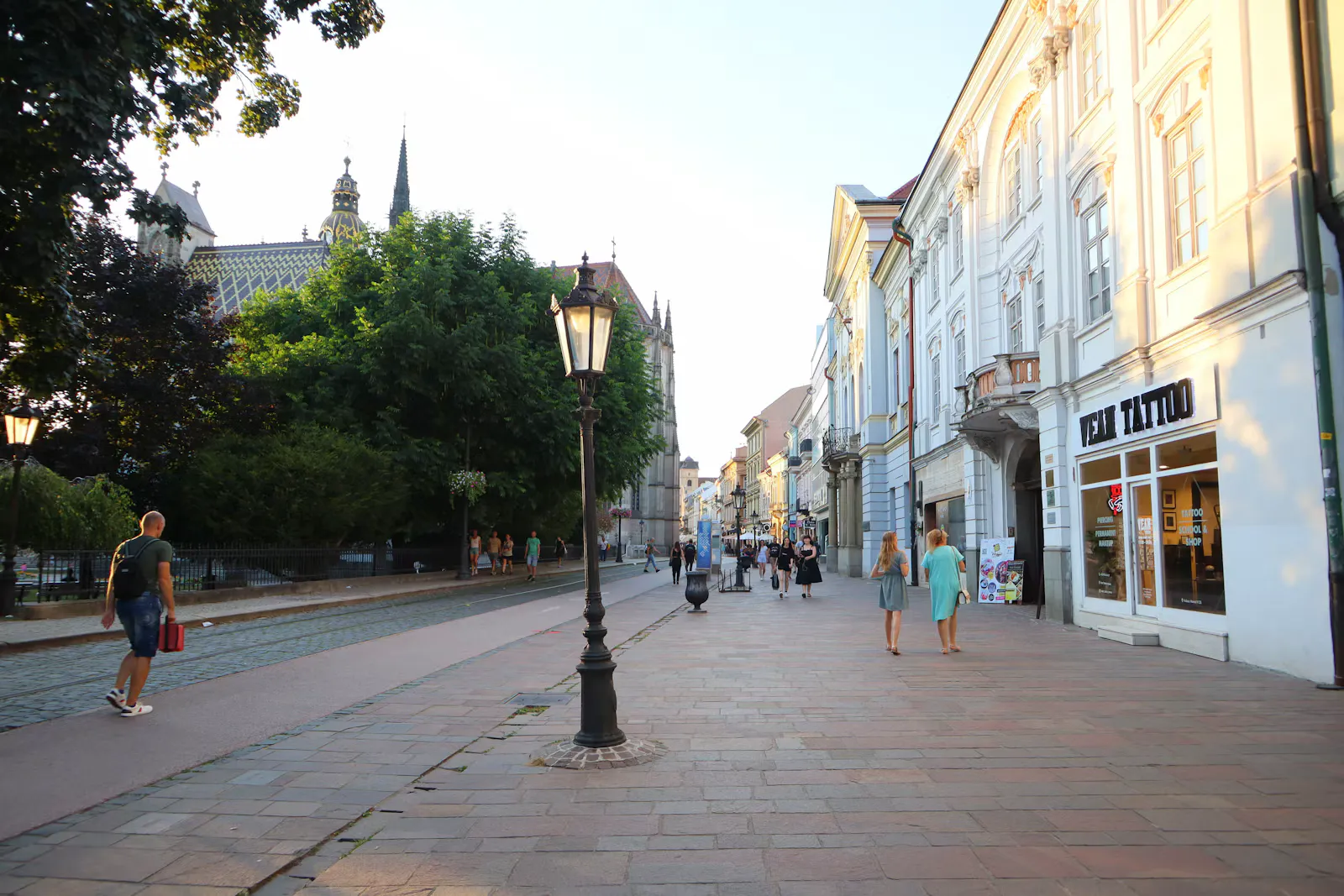
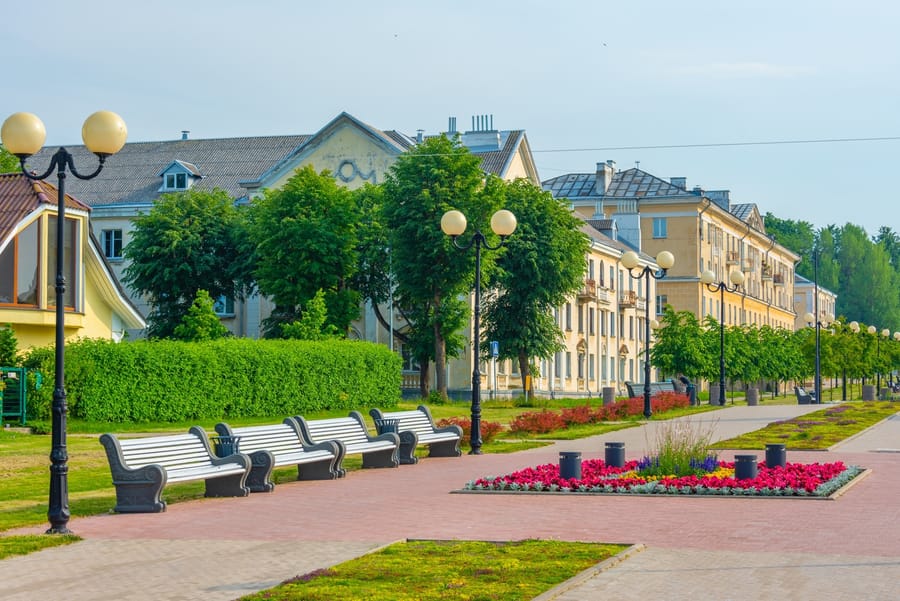
Tree-lined promenade with benches and flowerbeds in an Estonian town
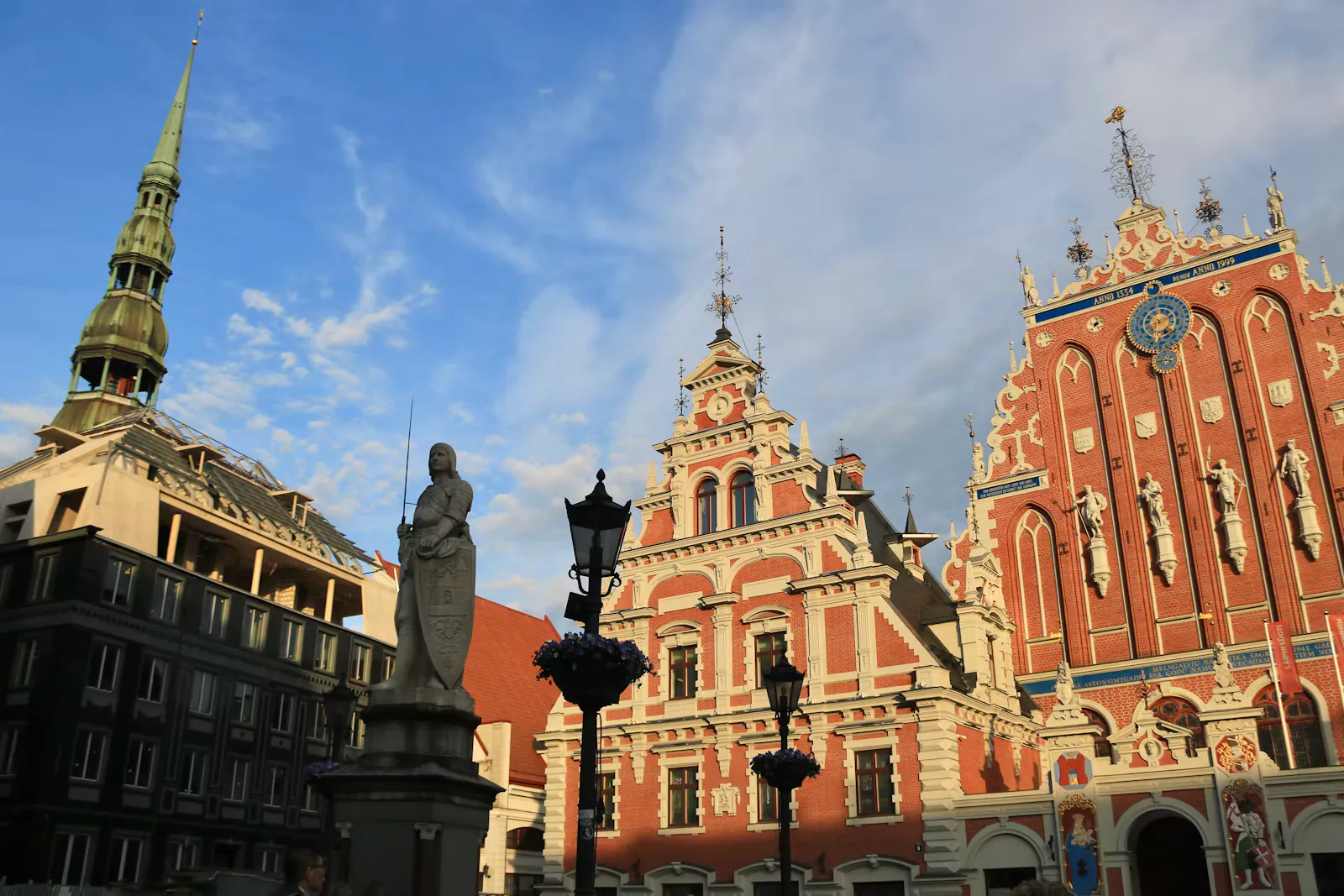
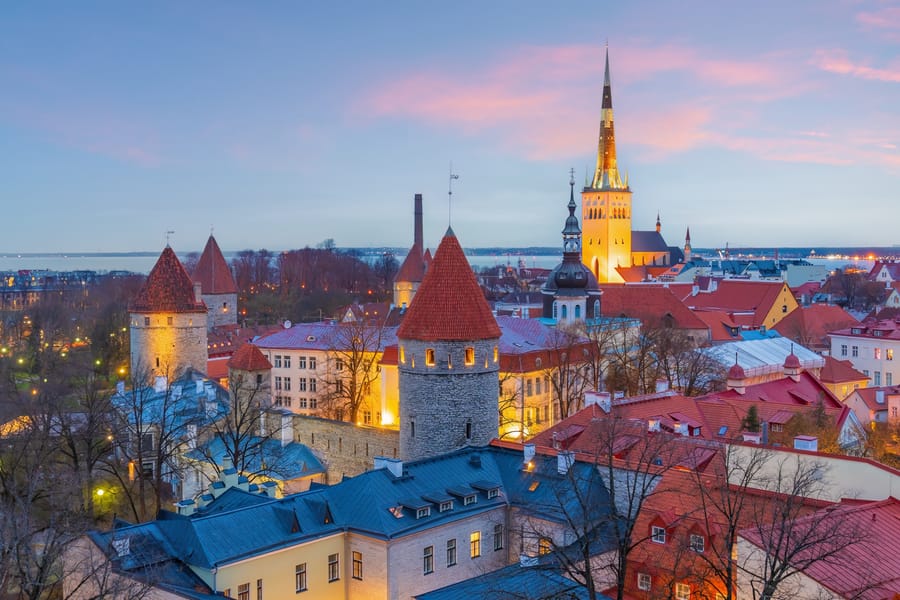
Towers and red rooftops of Tallinn Old Town at dusk
Wooden boardwalk crossing a raised bog in an Estonian national park
Sunlit path through a pine forest in Estonia
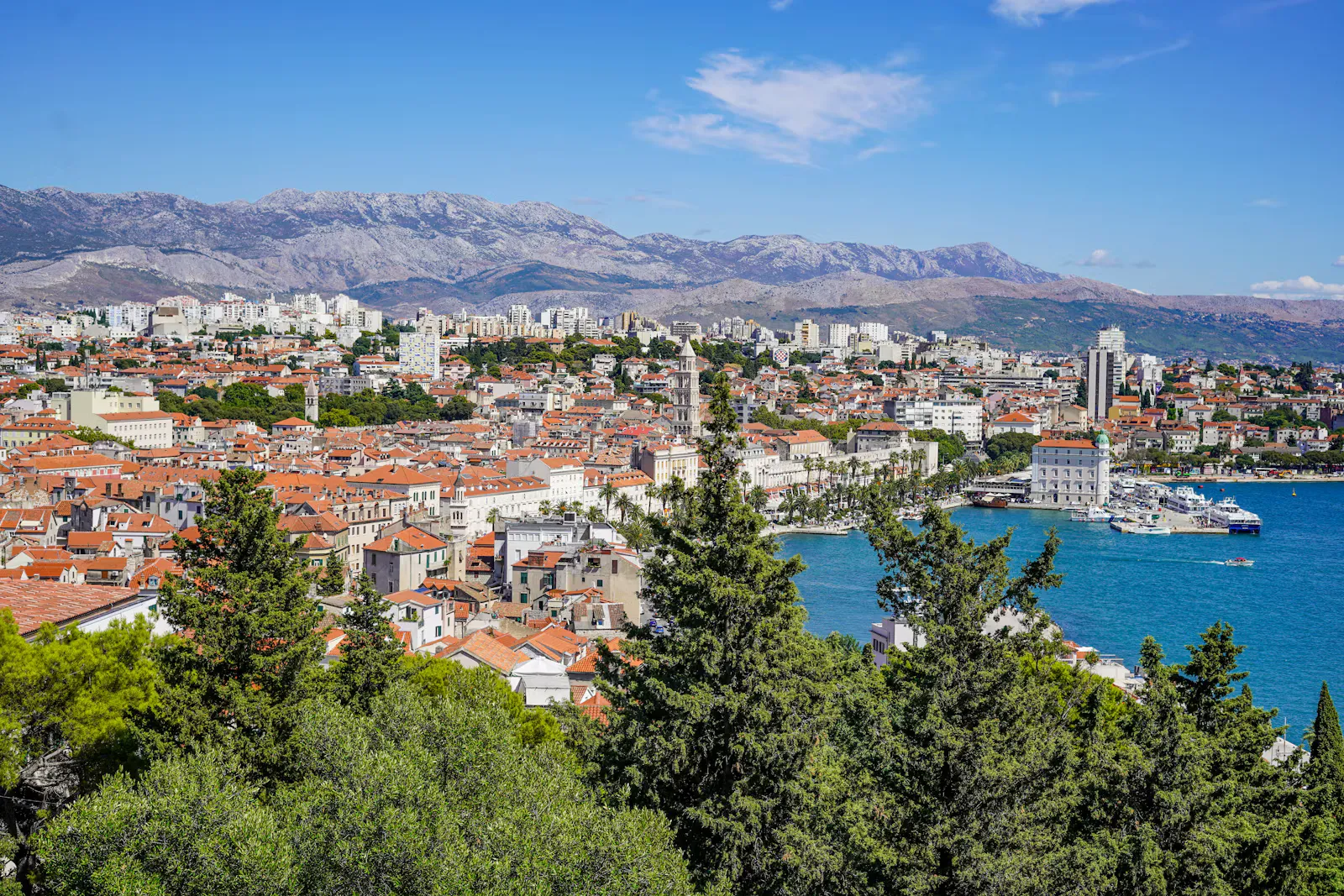
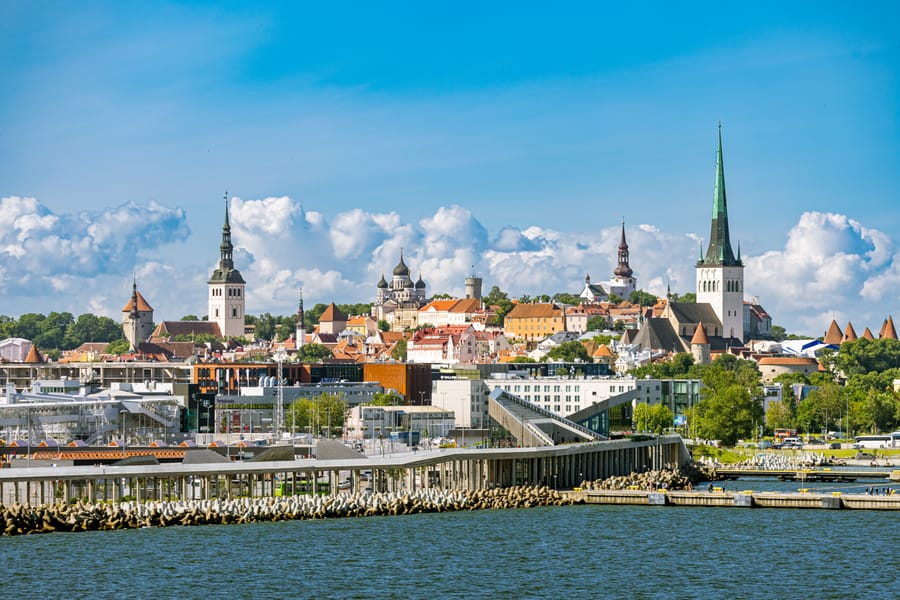
Tallinn skyline and church spires seen from the Baltic Sea
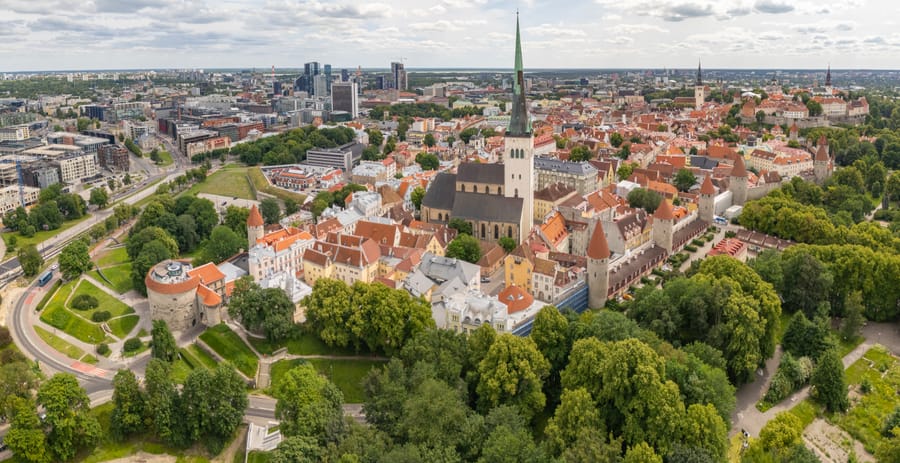
Aerial panorama of Tallinn Old Town and St Olaf's Church, with the modern business district beyond

Tree-lined promenade with benches and flowerbeds in an Estonian town

Get all information about MBBS in Estonia

Download our free brochure for tuition, living costs, eligibility and the complete application process.

Academic Excellence

Why Study MBBS in Estonia?

Estonia's only medical faculty ranks 367th in the world (QS 2027), trains doctors inside a fully digital health system, and admits 24 English-track students a year.

Ranked 367th in the World

The University of Tartu is placed 367th in the QS World University Rankings 2027 and in the 301 to 350 band in the Times Higher Education World University Rankings 2026. In the QS subject ranking for Medicine it sits in the 401 to 450 band for 2026, after 351 to 400 in 2025.

A Degree Named in EU Law

Estonia's medical degree, the Arstikraad awarded by Tartu Ülikool, is listed in Annex V, point 5.1.1 of EU Directive 2005/36/EC, with a reference date of 1 May 2004. The directive sets basic medical training at a minimum of five years and 5,500 hours, and the Tartu programme runs six years and 360 ECTS.

One of Europe's Most Digital Health Systems

In Estonia, 99% of health data is created digitally, every resident has an e-health record, prescriptions are issued online, and the health service has run digitally since 2008, protected by KSI Blockchain technology. Students at Tartu learn medicine inside this electronic clinical environment from their first hospital placement.

English Works, and Estonian Is Taught

Eurostat's 2022 survey found 95.5% of Estonians aged 25 to 64 know at least one foreign language, against about 75% across the EU, so daily life in English is easy. On the wards it is different: patients speak Estonian, so several Estonian language courses are compulsory in the Tartu curriculum.

Ranked 25th on the Global Peace Index

Estonia ranks 25th of 163 countries on the Global Peace Index 2026 with a score of 1.623, against India's 127th place and a score of 2.409 (a lower score means more peaceful). Tartu is a university town of around 100,000 people and was a European Capital of Culture in 2024.

A Small Cohort of 24

The English-taught MD takes 24 students a year from every country combined. Small groups mean students are known by name in seminars and on placements. It also means admission is selective, so careful preparation for the Physics and Chemistry exam, the motivation letter and the interview pays off.

Get all information about MBBS abroad

Read on to find out how you can fulfil your dream of studying medicine in Estonia.

Where You'll Study

Top Student Cities in Estonia

Medicine in Estonia means Tartu. Tallinn, the capital, is where most students fly in, but it has no medical faculty.

Tartu

Tartu is Estonia's university city and the only place in the country where medicine is taught. Around 100,000 people live there, student life shapes the town, and it was a European Capital of Culture in 2024. The University of Tartu, founded in 1632, runs its clinical teaching through Tartu University Hospital, which has 963 beds and more than 5,000 staff and delivered care in over 750,000 instances in 2024. Housing is affordable: a place in a two-person room at the Raatuse 22 dormitory cost €159 a month in 2024/25 (about ₹16,900), including utilities and laundry, and Study in Estonia puts dormitory rents at €150 to €350 a month. A 30-day city bus pass for a registered Tartu resident costs about €21 from July 2026, with cheaper student tickets. Wolt and Bolt Food both deliver across the city. There is no direct flight between Estonia and India, so most students travel home through Tallinn Airport with one stop in a European or Gulf hub.
Tallinn

Tallinn has no medical faculty, so it is not a place to study medicine in Estonia. Tallinn University of Technology, Tallinn University and Tallinn Health Care College do not award a medical degree; the last of these trains nurses and midwives. For a Tartu medical student, Tallinn is the arrival city, with the country's main international airport. Journeys from India run with one or two stops through hubs such as Helsinki, Riga, Warsaw, Frankfurt, Istanbul or Dubai. Tallinn is also home to the North Estonia Medical Centre, one of Estonia's two regional hospitals, and to a wider choice of Indian restaurants and grocery shops than Tartu. With around 460,000 residents it is more than four times the size of Tartu, and rents are higher.

Planning your years in Tartu

Get a personalised picture of costs, accommodation and daily life before you apply.

Programme Structure

MBBS Curriculum in Estonia

The University of Tartu delivers a six-year integrated bachelor's and master's programme worth 360 ECTS, taught in English, with compulsory Estonian language courses running alongside it, and with the whole of year six given over to a 36-week clinical practice year before graduation.

General Medicine Course

  • Total Duration:

    6 Years, 360 ECTS

  • Degree:

    Arstikraad / Degree in Medicine (MD)

  • Entrance exam:

    Online exam in Physics and Chemistry, plus motivation letter and interview

Structure of the Medical Programme

  • Years 1 to 2

    Pre-Clinical Foundations

    Basic biomedical sciences covering the structure and function of the healthy body, with Estonian language study beginning immediately because the clinical years are spent with Estonian-speaking patients:

    Human AnatomyHistologyCell BiologyMedical Biochemistry
    Human PhysiologyMedical PhysicsMedical GeneticsMicrobiologyImmunologyMedical EthicsIntroduction to Clinical SkillsEstonian Language
  • Years 3 to 5

    Paraclinical and Clinical Disciplines

    Paraclinical sciences and the full set of mandatory clinical subjects, completed by the end of year five so that year six can be given entirely to practice:

    PathologyPathophysiologyPharmacologyInternal Medicine
    SurgeryPaediatricsObstetrics and GynaecologyNeurologyPsychiatryDermatologyOphthalmologyOtorhinolaryngologyRadiologyAnaesthesiology and Intensive CareFamily MedicinePublic Health
  • Year 6

    The Clinical Practice Year

    The whole of year six is a supervised practice year of 36 weeks (55 ECTS): 8 weeks in family medicine, 24 weeks in hospital cycles and a 4-week elective, recorded in a logbook and completed before the degree is awarded:

    Family Medicine (8 weeks)Emergency Medicine (8 weeks)Internal Medicine (8 weeks)Surgery (8 weeks)
    Elective (4 weeks)Logbook AssessmentFinal Examination

Important: Year six is the part that matters most for an Indian student. It is a 36-week practice year inside the degree: 8 weeks in family medicine, 8 weeks each in emergency medicine, internal medicine and surgery, and a 4-week elective. Estonia has no separate internship after graduation, so Tartu graduates move straight to registration and residency. The NMC asks for a 12-month internship in the same foreign institution and has often treated practice years inside a degree as part of the course, so a Tartu graduate who plans to work in India may be asked to complete a longer internship there after clearing the FMGE (NExT deferred and not in force). The career pathways section sets out what that means.

Get the full curriculum

Download a free brochure to see detailed subjects, the course structure and everything you need to plan your studies.

Recognition and Prestige

Recognition of Estonian Medical Universities

The University of Tartu is the only Estonian institution named in EU law as awarding a medical degree, and its Faculty of Medicine is listed in the World Directory of Medical Schools (WDOMS).

Accreditations and Recognition

  • World Directory of Medical Schools emblem

    WDOMS

    University of Tartu Faculty of Medicine listed in the World Directory of Medical Schools as currently operational

  • European Union emblem

    EU

    Arstikraad listed in Annex V 5.1.1 of Directive 2005/36/EC, awarded by Tartu Ülikool, reference date 1 May 2004

Is an Estonian medical degree right for you?

Get complete recognition, licensing and career details for Indian students from our experts.

Admissions

Eligibility Criteria

Indian students can apply to the University of Tartu straight after Class 12 with a qualified NEET result, English at IELTS Academic 6.0 or an accepted equivalent, and a pass through the university's own online entrance exam, motivation letter and interview.

Academic Qualification

The student must have passed Class 12 or equivalent with Physics, Chemistry and Biology, in a qualification that gives access to higher education in India. The University of Tartu assesses foreign school qualifications as part of the application.

Subjects:

BiologyChemistryPhysics

Minimum Grades (PCB)

Minimum aggregate percentage required in Physics, Chemistry and Biology.

CategoryMin. %
General / EWS50%
OBC / SC / ST40%
PwBD45%

Age Requirement

Candidates must be at least 17 years old by 31 December of the admission year.

  • Minimum 17 yearsRequired age at the time of admission

Entrance and English Requirements

Selection at the University of Tartu is scored across three parts, and a candidate must score at least 51 out of 100 on two of them to reach the third. English must be proven with a recognised test.

  • Entrance Examination

    Admission is scored as 60% online entrance exam in Physics and Chemistry (120 minutes), 20% motivation letter and 20% interview. A candidate must score at least 51 out of 100 on both the exam and the motivation letter to be invited to interview. For the 2026 intake the exam was held on 15 May 2026 and interviews on 20 to 22 May 2026.

  • English Proficiency

    IELTS Academic 6.0 with no part below 5.5, or an accepted equivalent such as TOEFL iBT. Indian Class 12 English does not count as an exemption. Estonian is not needed for admission, but several Estonian language courses are compulsory, because the clinical years are spent with Estonian-speaking patients. Students who start Estonian early get far more out of their hospital placements.

Important: A qualified NEET result is needed before admission, not just for licensing later. Since 2018, NMC rules require every Indian citizen or Overseas Citizen of India who studies medicine abroad to qualify NEET first, and the NEET result serves as the eligibility certificate. It stays valid for three years from the date of the result.

Check your eligibility for free

Share your marks and we'll tell you how you stand for one of 24 places.

Affordable Education

Cost of Living in Estonia

In Tartu, a dormitory place keeps costs low. Study in Estonia, the official study portal, puts average student spending at €300 to €500 a month, and about half of international students say they spend around €300. The table converts at about ₹106 to the euro (European Central Bank reference rate, October 2026).

Monthly Living Cost

Cost ComponentApproximate Amount
Accommodation (dormitory to private flat)₹16,900 to ₹79,500
Groceries/meals₹31,800
Utilities/internetIncluded in dormitory rent
Public transport₹800 to ₹2,200
Miscellaneous (books, etc.)₹10,600 to ₹21,200
Get free MBBS guide

Average monthly living cost

₹32,000 to ₹53,000 (€300 to €500)

How to Apply

Admission Process for MBBS in Estonia

Admission to the University of Tartu is decided by the university's own three-part selection, not by NEET rank, although a qualified NEET result is a separate legal requirement for Indian students. There is one intake a year, starting on 31 August, with 24 places. International applicants apply through DreamApply between 2 January and 15 April.

Apply through DreamApply between 2 January and 15 April and pay the €100 application fee (about ₹10,600, October 2026); the application is not processed until the fee arrives. Upload your Class 12 certificate and transcripts, an IELTS Academic 6.0 or accepted equivalent, your passport and a motivation letter in English of up to 4,000 characters, and keep your NEET scorecard ready. The letter carries 20% of the selection score and is marked on motivation, analysis and argument as well as fluency, so give it real time.

Admission Guidance and Document Checklist

Get the complete document checklist or step-by-step admission guidance from our experts.

Scholarships

Scholarships for International Students in Estonia

Government Scholarships

India is on the eligible-country list for the Estonian national scholarship for degree and exchange study, run by the Education and Youth Board (Harno). It pays €350 a month to bachelor's and master's students and €660 to doctoral students; the 2026 round runs from 1 to 31 October 2026 with 15 scholarships, and historically about 10% of applicants succeed. At bachelor's level, though, it can only be used in fields related to Estonian language and culture, so it does not fund medicine. Harno's summer school scholarship covers up to €700 of the fee for one short summer course, plus accommodation for up to four weeks.

University-Specific Scholarships

From 2026/27 the University of Tartu no longer offers tuition waivers to newly admitted students from outside the EU and EEA, and the English-taught medical programme has no tuition-free places; the fee exemption at the Faculty of Medicine applies only to the Estonian-taught curriculum. The planning figure for a family is the full €13,200 a year for six years: €79,200 in tuition, about ₹84 lakh at roughly ₹106 to the euro (October 2026), before living costs.

Exchange and Mobility Programmes

Erasmus+ funds study periods abroad rather than whole degrees, so it cannot pay Tartu tuition. Once enrolled at the University of Tartu, an Indian student can apply for an Erasmus+ exchange like any other student, and long single-cycle degrees such as medicine allow up to 24 months of Erasmus+ mobility in total. In year six, up to two practice cycles (16 weeks) can also be done abroad. The Indian Council for Cultural Relations funds foreign nationals to study in India, so it does not cover study in Estonia.

Get all information in our free brochure

Discover how you can fulfil your dream of studying medicine in Estonia.

Accommodation

Accommodation

On-Campus Accommodation

University of Tartu dormitories are listed on the university's accommodation site, campus.ee. A place in a two-person room at Raatuse 22 cost €159 a month in 2024/25 (about ₹16,900), and that rent included utilities and laundry. Study in Estonia puts dormitory rents across the country at €150 to €350 a month. Once a dormitory place is offered, a deposit secures it. Apply as soon as you accept your offer, because dormitory places are limited and classes start on 31 August.

Off-Campus Accommodation

Private renting costs more. Study in Estonia puts private flats at €350 to €750 a month (about ₹37,000 to ₹80,000), and the University of Tartu gives a range of €400 to €700 a month for a one- or two-bedroom flat in Tartu including utilities. Sharing a flat brings the cost per person down considerably. Since medicine is taught only in Tartu, that is the only rental market a medical student needs to budget for.

Get all information in our free brochure

Read on to find out how you can build your medical career from Estonia.

Your Roadmap to Success

Residency and Career Opportunities After MBBS

Your Opportunities

Graduates receive the Arstikraad (Degree in Medicine, MD), listed in Annex V, point 5.1.1 of EU Directive 2005/36/EC with Tartu Ülikool as the awarding body. The directive sets basic medical training at a minimum of five years and 5,500 hours, and the Tartu programme runs six years and 360 ECTS. Graduates register with the Estonian Health Board and can apply for Estonian residency.

Residency for Students

To practise or enter specialist training in Estonia, graduates must:

  • Medical Registration

    Register with the Estonian Health Board as a doctor. The state fee is €260 (about ₹27,600), paid before the application is submitted. Registration is a condition for entering residency.

  • Entrance Examination

    Sit the residency entrance exams, held once a year at the end of June. Places are state-funded and planned around Estonia's own workforce needs, so international graduates compete alongside graduates of the Estonian-taught programme.

  • Language Proficiency

    Proficiency in Estonian is a formal condition for residency on the University of Tartu's list, because residents treat Estonian-speaking patients every day. Treat the compulsory Estonian courses from year one as preparation for this step.

  • Time Duration

    Residency runs three to five years depending on the specialty and ends with a final exam before a committee of specialists, which confers the specialist title. A foreign resident needs a work permit or a permanent residence permit.

Understand the Medical Licensing Pathway

A clear overview of the exams and requirements after graduation.

Our Blog

Medical Education Insights

Articles that turn complex MBBS-abroad rules into simple, practical steps for students and parents.

Compare

Quick Comparison

Compare studying medicine at Estonia's only medical faculty with India's top-ranked government medical college.

Quick Comparison:

University of Tartu vs AIIMS New Delhi

University
University of TartuTartu, Estonia
AIIMS New DelhiNew Delhi, India
University TypePublicInstitute of National Importance (government)
MediumEnglish, with compulsory EstonianEnglish
Course Duration6 years, 360 ECTS, including a 36-week practice year5.5 years: 4.5 years of study plus a 12-month internship
AdmissionPhysics and Chemistry exam, motivation letter and interview, plus a qualified NEET resultNEET UG
RecognitionListed in WDOMS; EU Annex V 5.1.1; meets most NMC rules, and a longer internship in India may be asked forListed in WDOMS
Global RankingQS 367 (2027); QS Medicine 401 to 450 (2026)NIRF Medical 1 (2025)

Compare Top MBBS Universities for Me

See key differences in fees, ranking, eligibility and recognition.

FAQ

Frequently Asked Questions

Short answers to the questions students and parents ask most often about studying medicine in Estonia.