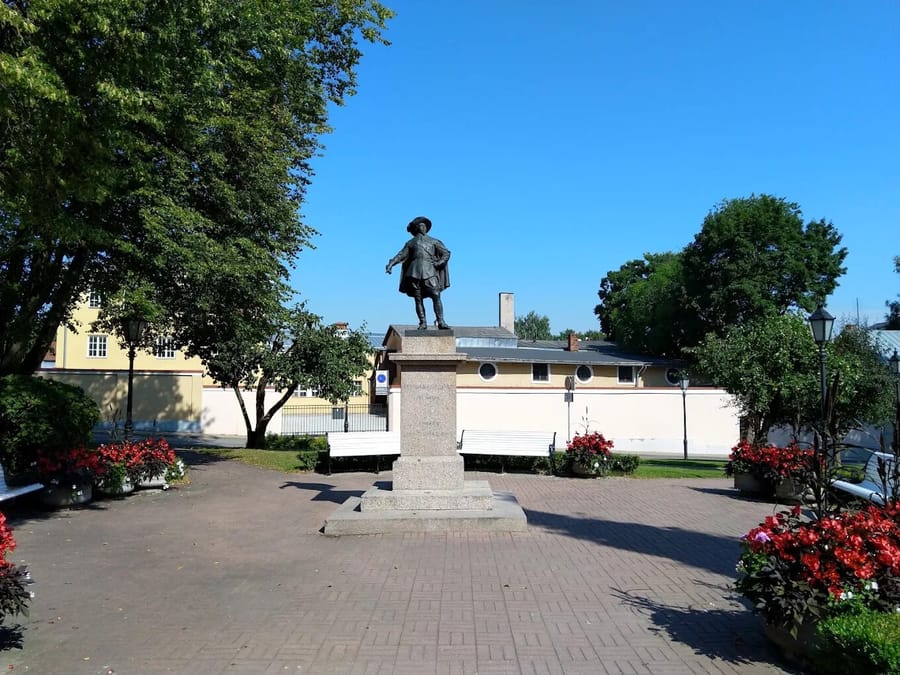
Professor Ludvig Puusepp (1875 to 1942)
A pioneering neurosurgeon and professor at Tartu, widely regarded as the founder of neurosurgery in the Baltic region and among the first surgeons anywhere to hold a chair in neurosurgery.
Webinar: Pursuing MBBS in India Sat, December 5, 2026 | 8:30 PM IST FREE
Reserve free seatFree Webinar: MBBS in India
Sat, December 5, 2026 | 8:30 PM

Free Webinar: MBBS in India
Sat, December 5, 2026 | 8:30 PM
Founded in 1632 and the highest-ranked university in the Baltic states, with a small English-taught medical programme of 24 places a year.


1,500+ Students trust us
Estonia
Country
Tartu
City
QS #367 (2027)
Ranking
English
Medium, with compulsory Estonian courses
For Indian Students
Short answer: Yes, Indian students can study MBBS in Estonia, at the University of Tartu. Not confirmed: the NMC has not said whether Tartu's final year of hospital practice, built into the degree, counts as its 12-month internship, so graduates may be asked to complete a longer internship in India.
Applicants sit the University of Tartu's own online entrance test in Physics and Chemistry and an interview, and a qualified NEET UG result is required to study medicine abroad and to sit the FMGE later.
The NMC Foreign Medical Graduate Licentiate Regulations 2021 ask for at least 54 months of study and a 12-month internship in the same foreign institution. Tartu's sixth year is spent entirely in practice at Tartu University Hospital or a family medicine centre, but it is completed before the degree is awarded. The NMC does not publish a list of accepted universities. It assesses each graduate's documents individually, and it has often treated practice years inside a degree as part of the course rather than as a separate internship.
After clearing the FMGE (NExT deferred and not in force), a Tartu graduate may be asked to complete a longer internship in India to make up the difference. If India is your long-term goal, plan this with our counsellors before you apply, and keep the university's written description of the final year, which the State Medical Council will ask to see.
Introduction
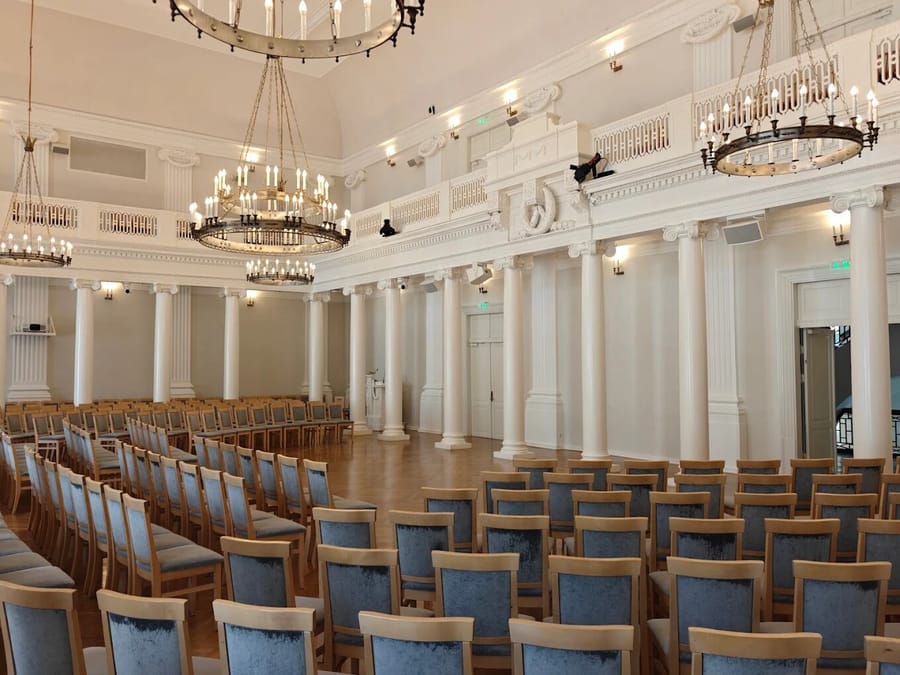
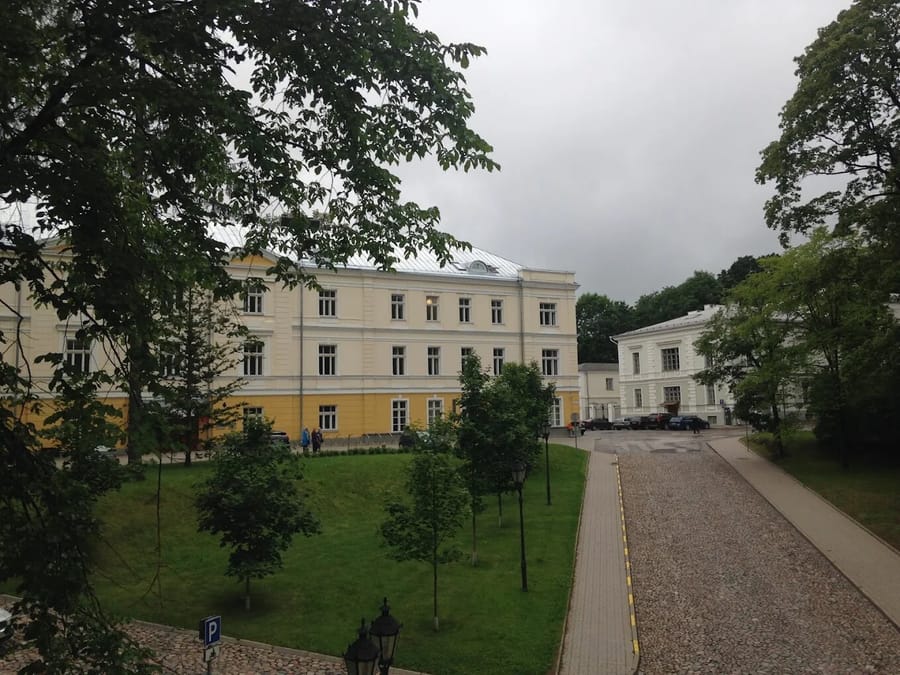
Assembly Hall of the University of Tartu with white columns, chandeliers and rows of seating
Download our free brochure for immediate information, or get personalised professional counselling from our experts.
Recognition & Prestige
The University of Tartu is the highest-ranked university in the Baltic states. It is institutionally accredited by HAKA, Estonia's quality agency, its medical degree is named in EU law, and its Faculty of Medicine is listed in the World Directory of Medical Schools (WDOMS).
#367
QS World University Rankings 2027
401 to 450
QS subject ranking for Medicine 2026 (351 to 400 in 2025)
301 to 350
Times Higher Education World University Rankings 2026
Clinical training runs at Tartu University Hospital and at affiliated family medicine centres across the region. The Estonian medical degree, the Arstikraad, is listed in Annex V of EU Directive 2005/36/EC, and graduates register with the Estonian Health Board at a state fee of €260 (about ₹27,600). The University of Tartu Faculty of Medicine is listed in WDOMS, so graduates can apply for ECFMG Certification and the USMLE. For India, the six-year English-taught MD meets most of the NMC rules. Its final practice year is built into the degree, so after clearing the FMGE (NExT deferred and not in force) a Tartu graduate may be asked to complete a longer internship in India.
EU
Estonia is an EU member state, and the Arstikraad awarded by Tartu Ülikool is listed in Annex V of EU Directive 2005/36/EC
WDOMS
The University of Tartu Faculty of Medicine is listed in the World Directory of Medical Schools
Complete Information About the University of Tartu Faculty of Medicine
Get complete information about the University of Tartu Faculty of Medicine, including tuition, living costs, admission process and recognition for Indian students.
Success stories
Hear directly from students who are studying medicine in Europe with futureMBBS.
Academic Excellence
Tartu offers a strong university, an EU degree and a generous post-study work route. It also admits very few international students, and a graduate who plans to work in India may be asked to complete a longer internship there. Both sides are set out below and in the sections that follow.
Read all about MBBS abroad in our free brochure
Know exactly what options exist for your MBBS-abroad success.
How to Apply
Admission to the English-taught Medicine programme runs through the university's own online examination in Physics and Chemistry, weighted at 60 per cent, alongside a motivation letter at 20 per cent and an interview at 20 per cent. NEET does not decide admission, but a qualified NEET-UG result is a separate Indian requirement a student must hold before going abroad. The calendar is early and the deadline is fixed.
Indian nationals must qualify NEET-UG before taking admission abroad; under NMC rules the NEET result serves as the eligibility certificate. This is an Indian requirement, entirely separate from the university's own selection.
Applications run through DreamApply. The application fee is €100 (about ₹10,600) and is non-refundable.
The deadline is 15 April for entry the following autumn, with classes starting on 31 August. The motivation letter, of up to 4,000 characters, is submitted with the application. This is earlier than most Indian families start looking, so Tartu is a plan made a full year ahead rather than a fallback after NEET results.
Physics and Chemistry, taken online over 120 minutes; the 2026 cycle used 15 May. This part carries 60 per cent of the admission score.
Candidates who score at least 51 out of 100 on both the exam and the motivation letter (worth 20 per cent) are invited to an interview, held on 20 to 22 May in the 2026 cycle and worth the remaining 20 per cent.
Non-EU, non-EEA and non-Swiss students prepay half of the first semester's tuition (€3,300, about ₹3.5 lakh) after admission. A Type D long-stay visa costs €120 (about ₹12,700) with processing of around 30 days, and a temporary residence permit applied for after arrival costs €225 (about ₹23,900) with a decision within 90 days. Both require proof of income of at least €880 a month (about ₹93,000).
The applicant needs completed higher secondary education and English at IELTS Academic 6.0 (no part below 5.5) or an accepted equivalent. Under Indian NMC rules an Indian applicant additionally needs Physics, Chemistry, Biology and English at Class 12, with a minimum of 50% aggregate in Physics, Chemistry and Biology for the general category, 40% for SC, ST and OBC candidates and 45% for general-category candidates with benchmark disabilities, together with a qualifying NEET-UG score.
Subjects:
Under Indian NMC rules the candidate must be 17 years old by 31 December of the admission year, with no upper age limit. The university applies no separate age condition of its own.
Two things govern a Tartu application and neither is about marks.
24 Places, One Deadline
The English-taught programme has 24 places a year for applicants from every country, and applications close on 15 April with no later sitting. There is no second chance within the cycle and no rolling admission. Plan a full year ahead.
Forty Per Cent of the Score Is Not an Examination
The motivation letter carries 20 per cent and the interview another 20 per cent, so two fifths of the admission score rests on how a candidate presents themselves rather than on the Physics and Chemistry paper. That rewards a kind of preparation Indian applicants are rarely coached for.
Admission rests on a weighted score across three components rather than on category-wise minimum marks.
| Component | Weight and detail |
|---|---|
| Online examination in Physics and Chemistry | 60 per cent of the total score; taken online over 120 minutes, on 15 May in the 2026 cycle |
| Motivation letter | 20 per cent; maximum 4,000 characters; at least 51 out of 100 is needed on both the letter and the exam to reach the interview |
| Entrance interview | 20 per cent; held on 20 to 22 May in the 2026 cycle |
| Application fee | €100 (about ₹10,600), non-refundable, with applications open from 2 January to 15 April |
To apply, students need to submit essential academic and identification documents:
Admission Guidance & Document Checklist
Get the complete document checklist or admission guidance from our experts.
Programme Structure
Medicine at Tartu is a single integrated bachelor's and master's programme of 360 ECTS taken over six years and taught in English, with compulsory Estonian courses inside the curriculum. The sixth year is a 36-week clinical practice year, and it sits within the degree rather than following it. That distinction is the open point for Indian students on the NMC internship, set out in the FMGE section below.
Total Duration:
6 Years, 360 ECTS, ending in a 36-week clinical practice year
Degree:
Arstikraad / Degree in Medicine (MD), equivalent to MBBS
Years 1 to 2
Basic medical sciences taught in English, with the compulsory Estonian language courses beginning early so that students can work with patients when clinical teaching starts:
Year 3
Disease mechanisms taught alongside the first systematic patient examination teaching, bridging laboratory science and bedside medicine:
Years 4 to 5
Systematic clinical teaching across the specialties at Tartu University Hospital and affiliated centres. All mandatory clinical subjects of Year 5 must be completed before the sixth year can begin:
Year 6
A required 36-week year of clinical practice inside the degree, which may only begin once every mandatory clinical subject of Year 5 is complete. Prior work in healthcare cannot be substituted for it. Training runs in hospitals and family medicine centres, and some elective placements may be taken abroad:
Clinical training runs at the university's teaching hospital and its affiliated centres:
| Clinical base | Role in training |
|---|---|
| Tartu University Hospital | The principal clinical base for the Faculty of Medicine and the largest hospital in southern Estonia, with 963 beds |
| Affiliated family medicine centres | The Family Medicine rotation of the sixth year runs in primary care centres rather than in the hospital, a strength of the Estonian model |
| Elective placements | Some elective rotations within the sixth year may be taken abroad |
| Year 5 gateway | The sixth year may only begin once all mandatory clinical subjects of Year 5 are complete; prior employment in healthcare cannot be counted toward it |
Get the full curriculum
Download a free brochure to see detailed subjects, the course structure and everything you need to plan your studies.
European Framework
What a European medical degree is worth depends on the framework it sits inside. The table sets out where the Tartu degree stands in Europe and what it means after graduation.
| Item | Detail |
|---|---|
| European Union | Estonia is a full member of the European Union and the Schengen area, and its medical degree, the Arstikraad, is listed in Annex V of EU Directive 2005/36/EC. Automatic recognition across the EU applies to EU citizens, so an Indian graduate moves to another EU country through that country's own procedures |
| Registration in Estonia | Graduates register as doctors with the Estonian Health Board on submission of the diploma and a certificate of current professional status, at a state fee of €260 (about ₹27,600) |
| HAKA institutional accreditation | The University of Tartu is institutionally accredited by HAKA, the Estonian Quality Agency for Education, for a seven-year period |
| Post-study work in Estonia | Non-EU graduates receive a nine-month grace period to seek employment, and Estonian degree holders are exempt from the wage and approval thresholds applied to other work-permit applicants |
Understand the Recognition Framework
The table above sets out where an Estonian medical qualification is recognised and on what basis.
Legacy
Medicine has been taught at Tartu since 1632 and the faculty has produced figures of genuine international standing.
A pioneering neurosurgeon and professor at Tartu, widely regarded as the founder of neurosurgery in the Baltic region and among the first surgeons anywhere to hold a chair in neurosurgery.
Rector of the University of Tartu, first in office in 2018 and re-elected on 20 April 2023 for a five-year term, taking the oath of office on 25 August 2023. He is himself a neurosurgeon, continuing the Tartu tradition Puusepp began.
Dean of the Faculty of Medicine, elected on 3 October 2023 and in office since 1 January 2024.
The Faculty of Medicine runs the six-year integrated Medicine programme in both Estonian and English, alongside other health-field programmes including a two-year master's in Clinical Nutrition. The English-taught Medicine group is the only English-taught programme at the faculty that leads to a primary medical qualification. The university as a whole is the highest ranked in the Baltic states, placed at 367 in the QS World University Rankings for 2027.
Founded 1632, with medicine one of four original faculties
QS 367 in the world for 2027, the best in the Baltic states
QS Medicine subject band 401 to 450 for 2026
HAKA institutional accreditation for seven years
An English-taught cohort of 24 students a year
Compulsory Estonian courses built into the curriculum for clinical communication
Work permitted during studies with no separate permit and no stated hour cap
A nine-month post-graduation grace period to find work in Estonia
About University
Get all information about the University of Tartu in our free brochure
Read on to find out how you can fulfil your dream of studying medicine at the University of Tartu.
Role in medicine
Get all information about the University of Tartu in our free brochure
Read on to find out how you can fulfil your dream of studying medicine at the University of Tartu.
Cost of living
Tartu is Estonia's second city and a university town, and a dormitory place keeps costs low. Study in Estonia, the official study portal, puts average student spending at €300 to €500 a month. Heating through an Estonian winter adds to the bill in a private flat. The table converts at about ₹106 to the euro (October 2026).
| Cost Component | Approximate Amount |
|---|---|
| Accommodation (dormitory to private flat) | ₹16,900 to ₹79,500 (€159 to €750) |
| Groceries/meals | ₹31,800 (€300) |
| Utilities/internet | Included in dormitory rent |
| Public transport | ₹800 to ₹2,200 (€8 to €21) |
| Miscellaneous (books, etc.) | ₹10,600 to ₹21,200 (€100 to €200) |
Average monthly living cost
₹32,000 to ₹53,000 (€300 to €500)
Housing
Tartu Student Village runs the university dormitories, and the gap between a dormitory bed and a private flat is the largest single variable in a Tartu budget.
Need accommodation details?
Get a full overview of housing options with our university guide, or reach out to an expert.
Food & Dining
Tartu is a university city of around 100,000 people with a substantial international student population, though its Indian community is small.
An inexpensive restaurant meal in Tartu costs about €15 (about ₹1,600). Cooking is the most effective way to hold the food budget at the lower end of the living cost table, and dormitory kitchen facilities are worth asking about before choosing a building.
At least one Indian restaurant operates in Tartu, and other establishments serve Indian dishes. Tallinn, about two hours away, has a wider choice.
At least one Asian and Indian grocery service covers Estonia. Estonia is in the EU, so EU-wide online spice and grocery suppliers deliver without customs or payment friction, and Tallinn has a wider selection within a couple of hours' travel.
Tartu is Estonia's university city rather than a city with a university in it, and its international student population is large relative to its size. The everyday infrastructure of student life, from cafés and libraries to sports and societies, is strong for a city of its size.
The university's International Student Ambassadors blog carries posts by Indian students from several programmes. There is no formal Indian student association at the university, so the international office is the best first contact for meeting other Indian students.
Location
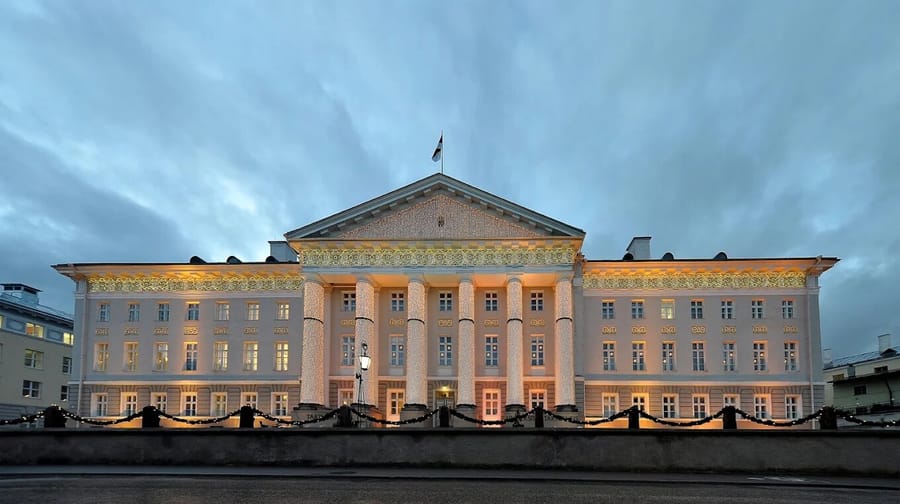
University of Tartu Main Building, Ülikooli 18, Tartu, Estonia. Clinical teaching runs at Tartu University Hospital and at affiliated family medicine centres in the region. Medicine is taught only in Tartu.
Nearest Airport
Tartu Airport (TAY), about 10 km from the centre, with a Finnair service to Helsinki of around 45 minutes
Realistic Routing From India
There is no direct flight between Estonia and India. Fly to Helsinki and connect on the Finnair service to Tartu, or fly to Tallinn and travel on by road or rail; Tallinn is roughly 180 to 190 km away, about two to two and a half hours by road
Your Roadmap to Success
Graduates receive the Arstikraad (Degree in Medicine, MD), an integrated bachelor's and master's degree of 360 ECTS. It is the Estonian primary medical qualification, the equivalent of an Indian MBBS rather than an Indian postgraduate MD.
Graduates register with the Estonian Health Board on submission of the diploma and a certificate of current professional status, at a state fee of €260 (about ₹27,600). No separate post-graduation internship year is imposed on graduates of the current six-year curriculum. Specialist training (residency) in Estonia runs three to five years and requires proficiency in Estonian.
Estonia gives non-EU graduates a nine-month grace period after graduation to look for employment, and holders of an Estonian degree are exempt from the wage and approval thresholds other work-permit applicants face.
Estonia is an EU member state and its medical degree is listed in Annex V of EU Directive 2005/36/EC. Automatic recognition under the directive applies to EU citizens, so an Indian citizen moves to another EU country through that country's own procedures, or through EU long-term resident status after five years of legal residence in Estonia.
The University of Tartu Faculty of Medicine is listed in the World Directory of Medical Schools (WDOMS), so University of Tartu graduates can apply for ECFMG Certification and sit the USMLE, the US licensing exam. ECFMG's accreditation policy, which looks at whether a country's agency is recognised by WFME, is for information only and does not affect an individual graduate's eligibility for ECFMG Certification.
The six-year English-taught Tartu MD meets most of the NMC rules: more than 54 months of study, teaching in English and registration to practise in Estonia. The open point is the internship. The NMC Foreign Medical Graduate Licentiate Regulations 2021 ask for a 12-month internship in the same foreign institution, and Tartu's sixth year, spent entirely in practice at Tartu University Hospital or a family medicine centre, is built into the degree and completed before it is awarded. The NMC publishes no list of accepted universities, assesses each graduate's documents individually, and has often treated practice years inside a degree as part of the course. So after clearing the FMGE (NExT deferred and not in force), a Tartu graduate may be asked to complete a longer internship in India to make up the difference. Plan this with our counsellors before you apply, and keep the university's written description of the final year, which the State Medical Council will ask to see.
Understand the Medical Licensing Pathway
A clear overview of the exams and requirements after graduation.
Practising in India
To practise medicine in India after graduating abroad, an Indian student qualifies NEET-UG before admission, completes the course abroad, clears the NMC screening examination (the FMGE; NExT is deferred and not in force), completes an internship in India, and registers with the NMC or a State Medical Council. The Tartu MD meets most of the NMC rules. The open point is whether its built-in final practice year counts as the 12-month internship, and the steps below explain what that means.
Step 1
The NMC Foreign Medical Graduate Licentiate Regulations 2021 ask for at least 54 months of study and a 12-month internship in the same foreign institution. The six-year, 360-ECTS Tartu programme clears the course length comfortably. Its sixth year is spent entirely in practice at Tartu University Hospital or a family medicine centre, but it is built into the degree and completed before the degree is awarded. The NMC does not publish a list of accepted universities. It assesses each graduate's documents individually, and it has often treated practice years inside a degree as part of the course rather than as a separate internship.
Step 2
The regulations require the course to be taught in English. The Medicine programme is delivered in English and admission requires English rather than Estonian proficiency. Several Estonian courses are also compulsory, because the clinical years are spent with Estonian-speaking patients.
Step 3
The National Board of Examinations in Medical Sciences conducts the FMGE twice a year with a pass mark of 150 out of 300. In the December 2025 session 42,872 candidates appeared and 10,262 qualified, a pass rate of 23.95%. In June 2025, 36,034 appeared and 6,707 qualified, 18.61%. The National Exit Test (NExT), intended to replace the FMGE, is deferred and not in force. A Tartu graduate who plans to work in India sits the FMGE after graduating.
Step 4
Clearing the FMGE is followed by a Compulsory Rotating Medical Internship in India, normally twelve months, the same as an Indian MBBS graduate completes. Because Tartu's final practice year is built into the degree, a Tartu graduate may be asked to complete a longer internship in India to make up the difference. Keep the university's written description of the final year, which the State Medical Council will ask to see.
Step 5
Once the internship in India is complete, the graduate applies for registration with the National Medical Commission or the relevant State Medical Council. Estonia is a party to the Hague Apostille Convention, so an Estonian degree is legalised for use abroad with an apostille.
Student Life Style
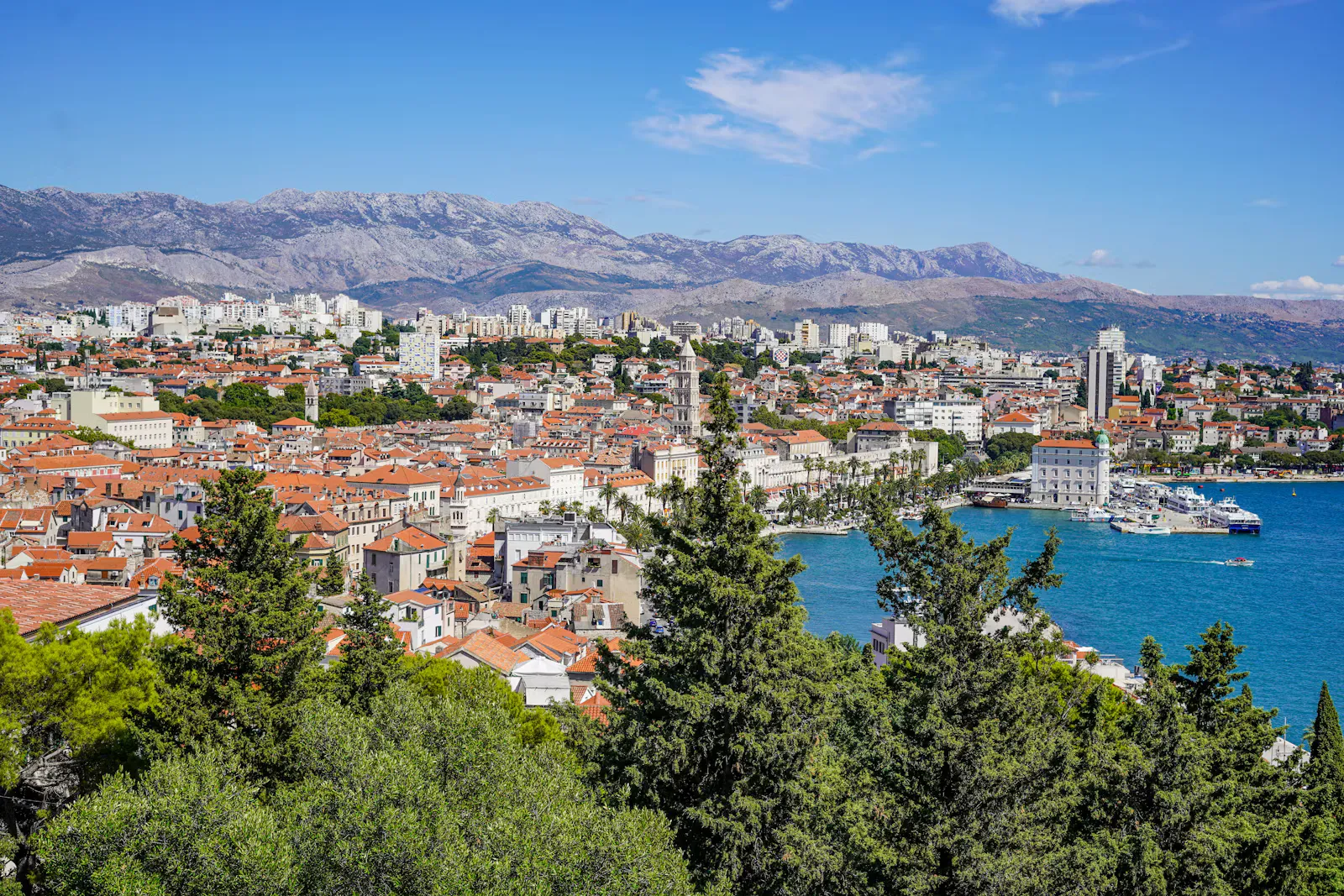
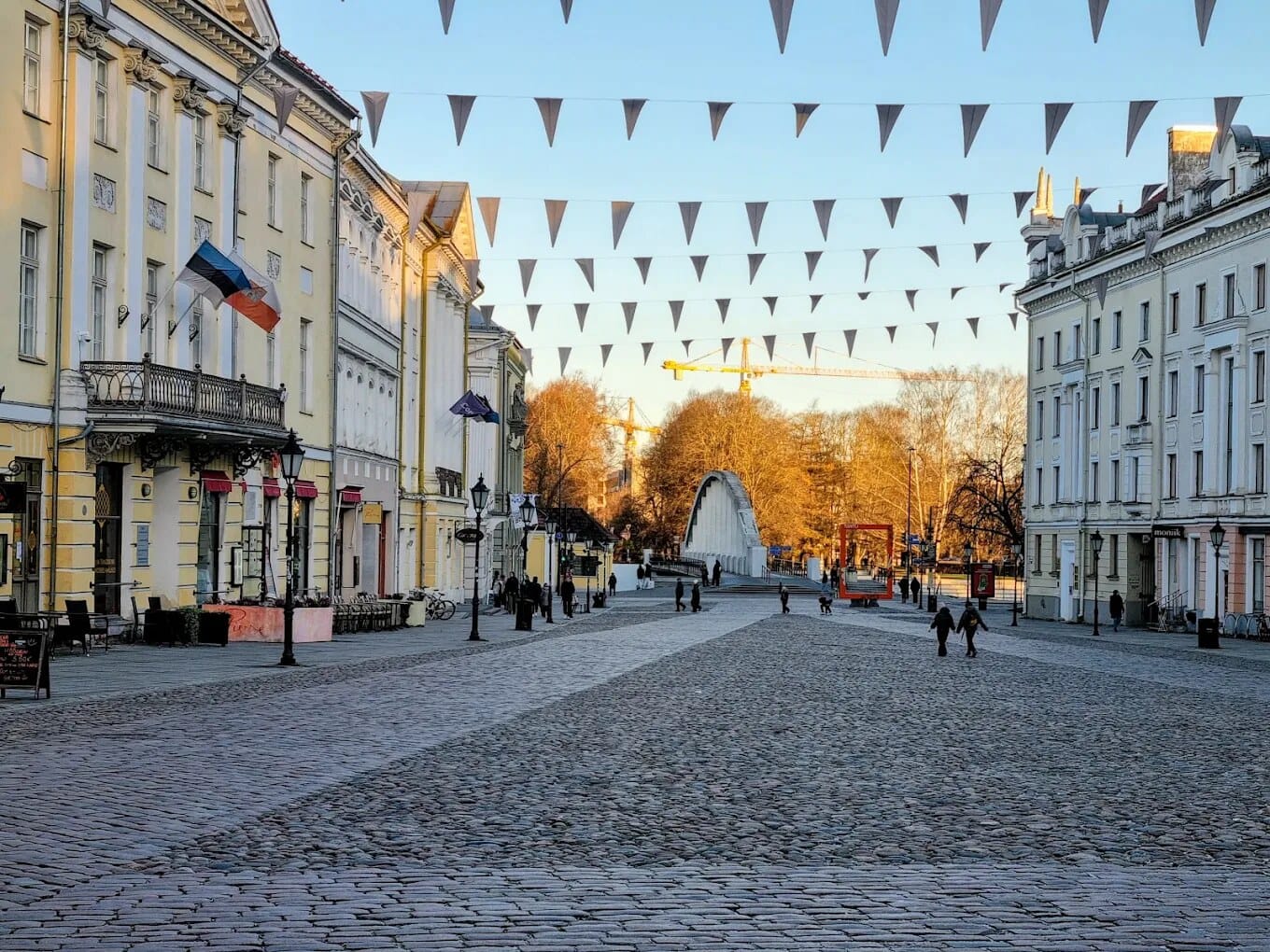
Tartu is Estonia's university city, a compact place of around 100,000 people built around a four-century-old institution, with a strong student-town character and cold winters.
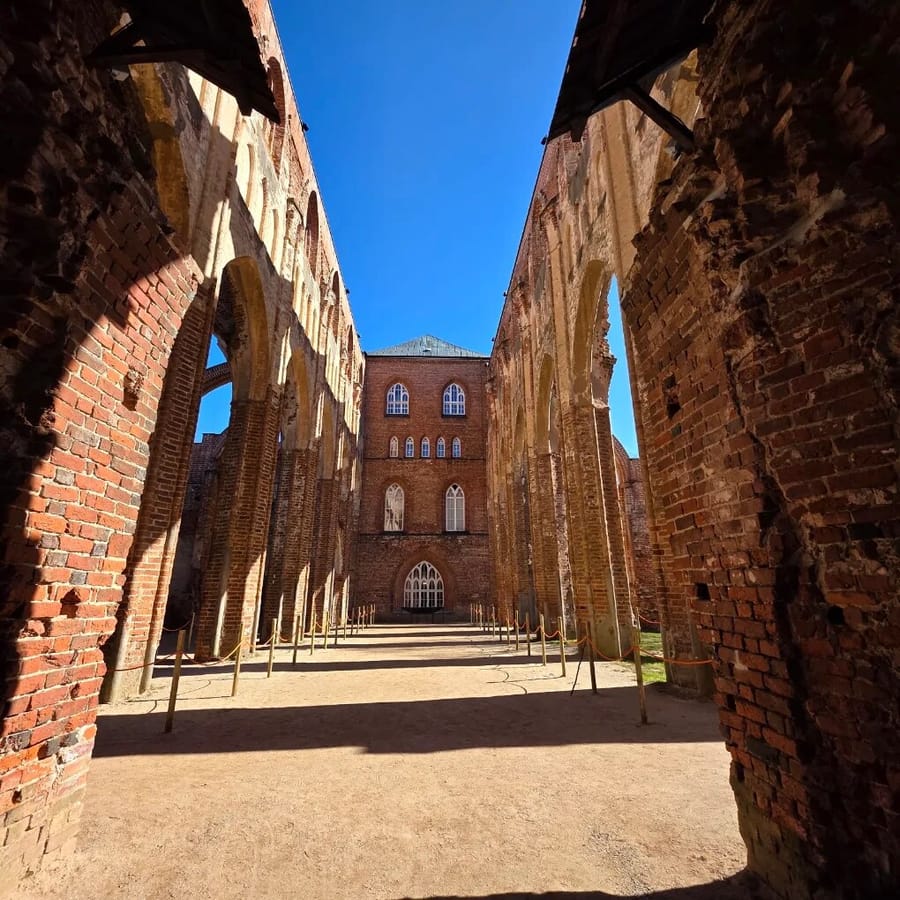
Ruins of Tartu Cathedral on Toome Hill, with red brick gothic arches open to the sky
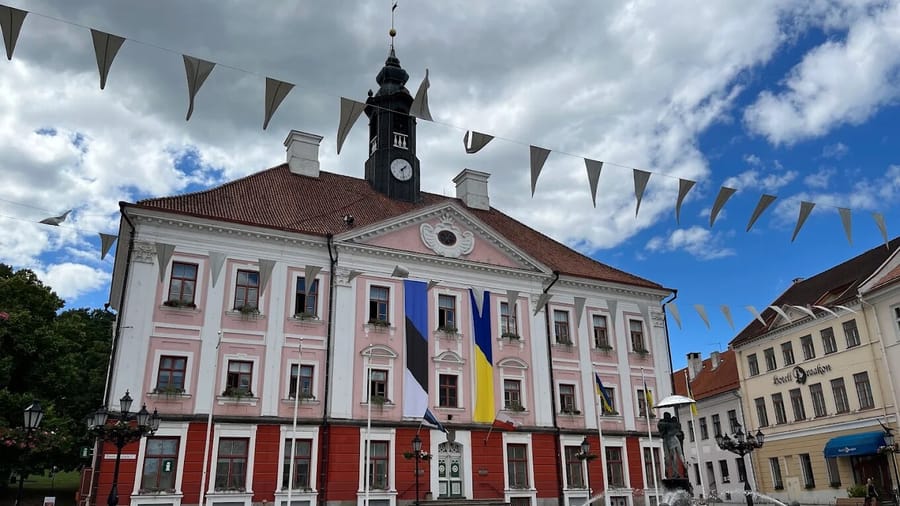
Tartu town hall in pink and white on the main square, strung with bunting
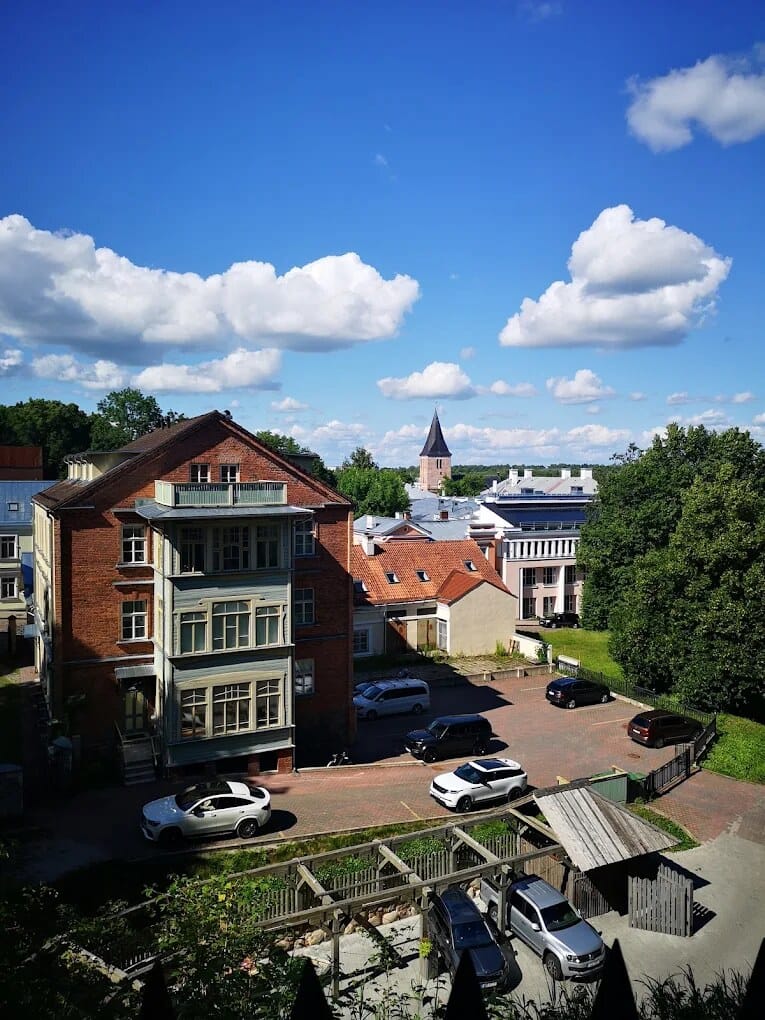
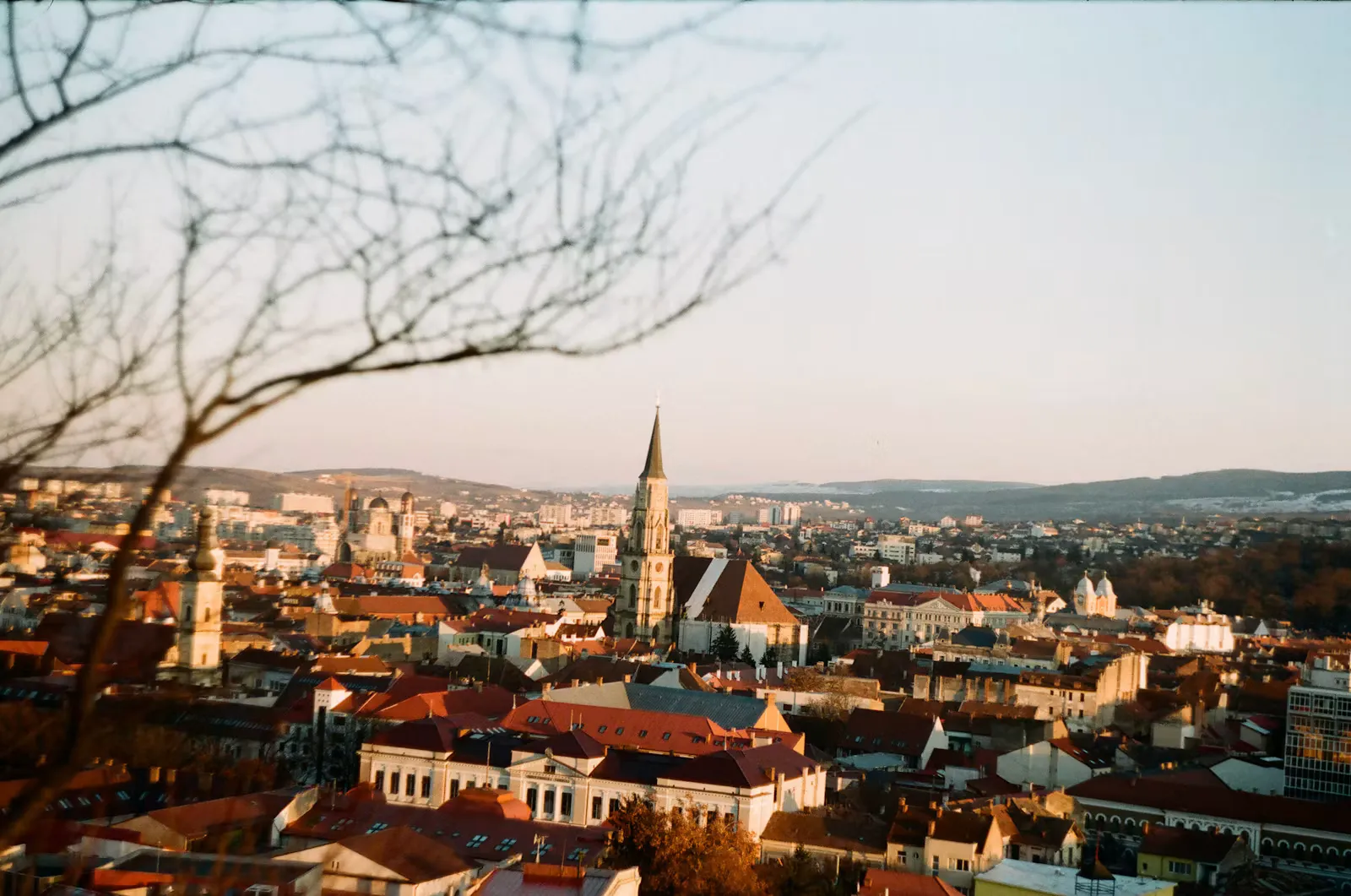
View across the rooftops of Tartu old town with church spires beyond
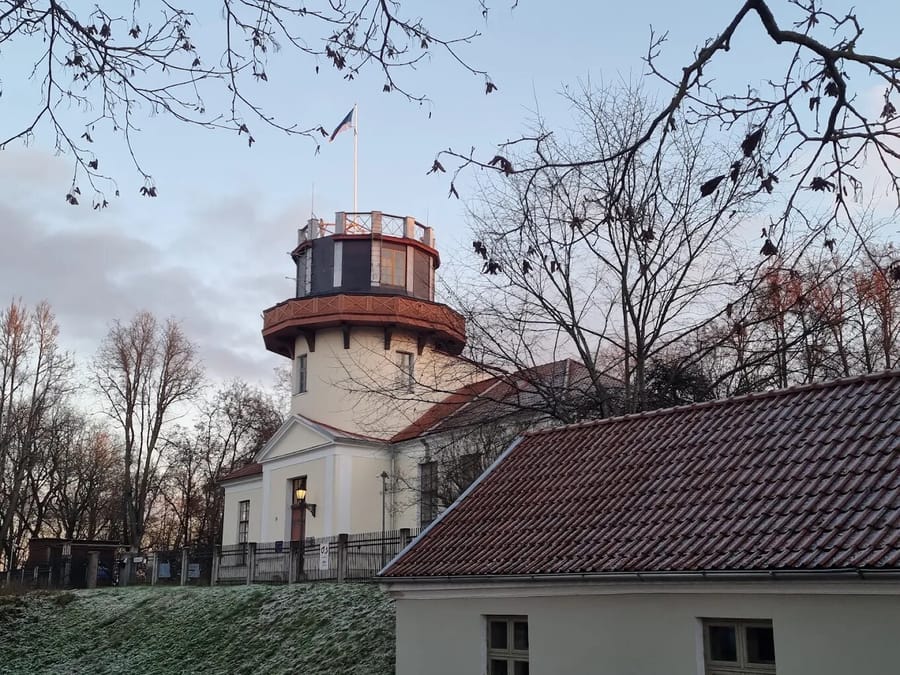
The Old Observatory at Tartu with its round tower, seen through bare winter branches
Scholarship & Financial
There is no scholarship route into this programme for an Indian student, so a family should plan for the full fee from the start.
Tuition is €13,200 a year (about ₹14 lakh), the same in every year, so €79,200 across six years, about ₹84 lakh. Add a €100 application fee, a €120 visa fee and a €225 residence permit fee. Non-EU students prepay half of the first semester's tuition (€3,300) after admission.
From the 2026/2027 academic year the university no longer offers tuition waivers to newly admitted students from outside the EU and EEA, and the English-taught medical programme has no tuition-free places.
India is on the eligible-country list for the Estonian national scholarship, which pays €350 a month (about ₹37,100). At bachelor's level, though, it can only be used in fields related to Estonian language and culture, so it does not fund an integrated medical degree.
Compare
Compare the University of Tartu with India's top-ranked government medical college.
Quick Comparison:
University of Tartu vs AIIMS New Delhi
| University | University of TartuTartu, Estonia | AIIMS New DelhiNew Delhi, India |
|---|---|---|
| University Type | Public | Institute of National Importance (government) |
| Medium | English, with compulsory Estonian | English |
| Course Duration | 6 years, 360 ECTS, including a 36-week practice year | 5.5 years: 4.5 years of study plus a 12-month internship |
| Admission | Physics and Chemistry exam, motivation letter and interview, plus a qualified NEET result | NEET UG |
| Recognition | Listed in WDOMS; EU Annex V 5.1.1; meets most NMC rules, and a longer internship in India may be asked for | Listed in WDOMS |
| Global Ranking | QS 367 (2027); QS Medicine 401 to 450 (2026) | NIRF Medical 1 (2025) |
Compare Top MBBS Universities for Me
See key differences in fees, ranking, eligibility and recognition.
Our blog
Articles that turn complex MBBS-abroad rules into simple, practical steps for students and parents.
FAQ
Short answers to the questions students and parents ask most often about studying medicine at the University of Tartu.