NEET
NEET Exam Pattern 2025 and 2026: NTA's Pre-COVID Format
28 Jul 2026
6 min read
The NEET exam pattern reverted to 180 compulsory questions in 2025 and carries unchanged into NEET UG 2026, per NTA. Full breakdown of marks and marking.


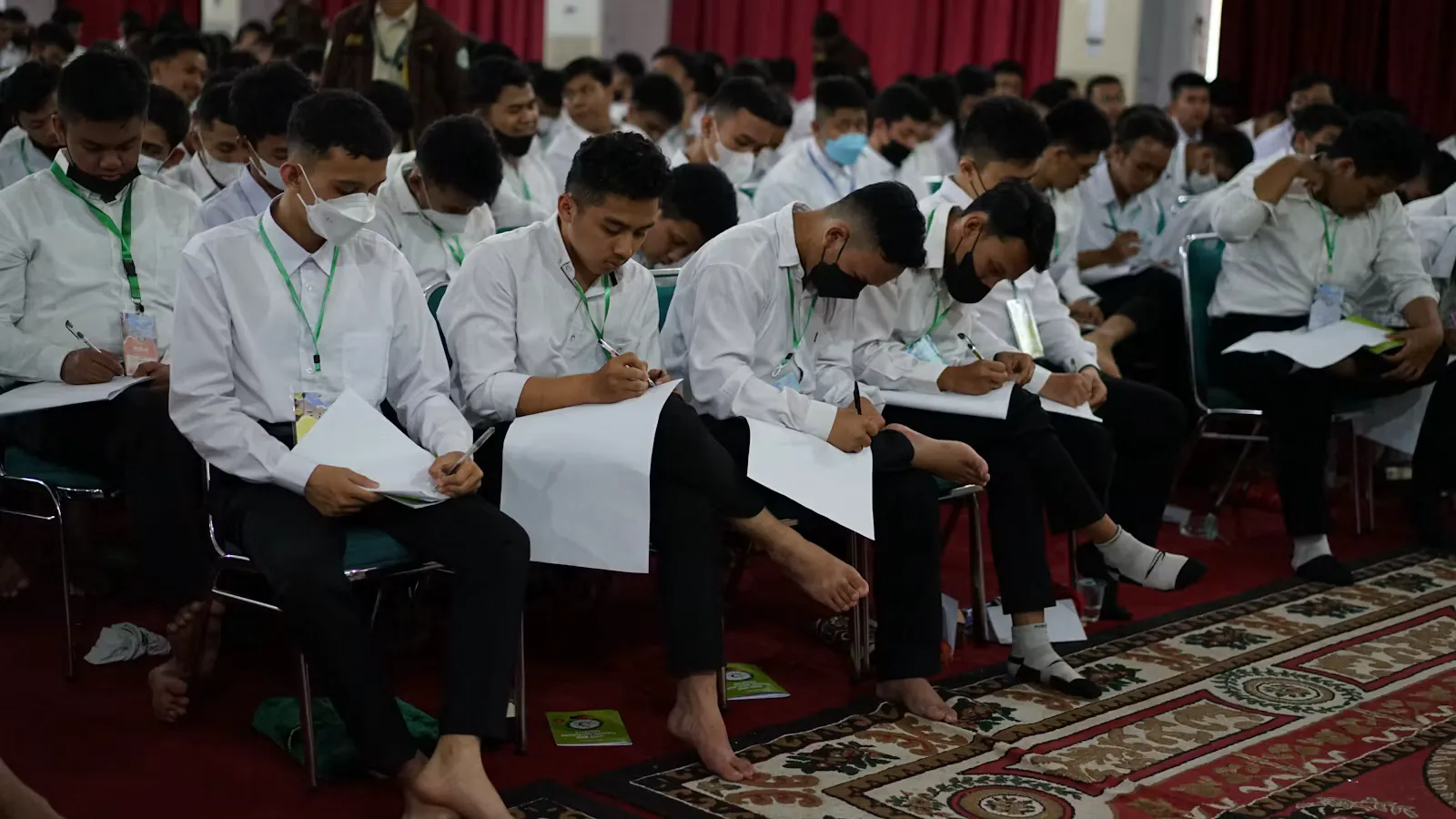
The NEET exam pattern is the fixed structure of questions, sections and marking that the National Testing Agency (NTA) uses for NEET-UG, and since the 2025 session it means 180 compulsory questions -- 45 in Physics, 45 in Chemistry, 90 in Biology -- with no optional questions and no extra time, reverting fully to the pre-pandemic format. NTA has kept this same NEET exam pattern in place for NEET UG 2026, with no structural changes announced as of July 2026.
Key Takeaways
- The NEET exam pattern from 2025 onward has 180 compulsory questions (Physics 45, Chemistry 45, Biology 90), 720 total marks, +4/-1 marking, and a single 3-hour sitting, with no Section B and no optional questions.
- This reverses the COVID-era format used from NEET UG 2021 through 2024, which had 200 questions across Sections A and B, plus 20 extra minutes for the optional Section B questions.
- NTA has confirmed the same NEET exam pattern continues for NEET UG 2026, with the official 2026 information bulletin describing an unchanged 180-question, pre-COVID structure.
- Negative marking stays at -1 per wrong answer, which is one reason perfect 720/720 scores remain rare even under this simplified pattern.
- The exam remains offline, pen-and-paper, OMR-based, held nationwide in a single day and a single shift.
What Is the NEET Exam Pattern for 2025?
The NEET exam pattern for 2025 is 180 compulsory multiple-choice questions split across Physics (45), Chemistry (45) and Biology (90, combining Botany and Zoology), each carrying 4 marks for a correct answer and -1 for an incorrect one, for a maximum of 720 marks. Every question is compulsory: there is no Section B, no choice of which questions to attempt, and no additional time built into the 3-hour exam window.
How Did the COVID-Era NEET Exam Pattern Differ?
The COVID-era NEET exam pattern, used from 2021 through 2024, split Physics, Chemistry and Biology into a compulsory Section A and an optional Section B. Section A carried 35 compulsory questions in Physics and Chemistry (70 in Biology), while Section B offered 15 additional questions (30 in Biology) of which candidates needed to attempt only 10 (20 in Biology). This structure, plus an extra 20 minutes, was designed to accommodate pandemic-era disruptions to schooling and syllabus completion.
Why Did NTA Revert the NEET Exam Pattern to Pre-COVID Format?
NTA reverted the NEET exam pattern once the academic calendar returned to normal after the pandemic, choosing a uniform, standardised structure over the optional-question flexibility introduced during COVID-19. Removing Section B and the extra time restored the same compulsory, no-choice, three-hour format that applied before 2021, so every candidate nationwide now sits an identical paper with no optional-question strategy to plan around.
Does the Same NEET Exam Pattern Apply to NEET UG 2026?
Yes. NTA's NEET UG 2026 information bulletin confirms the same NEET exam pattern introduced in 2025 continues unchanged: 180 compulsory questions, the 45-45-90 subject split, +4/-1 marking, and a single three-hour sitting with no optional questions. Aspirants preparing for future NEET UG cycles should plan around this exact structure rather than the older Section A/B format, which no longer applies.
What Does This Mean for NEET Aspirants' Preparation?
Adjusting to the current NEET exam pattern is mostly about accuracy and pacing rather than relearning content. A few concrete steps help:
- Practice full 180-question mock tests under a strict three-hour limit, since there is no extra time and no optional questions to skip.
- Prioritise topics across all of Physics, Chemistry and Biology equally, since every question is compulsory and none can be avoided.
- Track negative-marking impact in every mock test -- at -1 per wrong answer, even a 5% error rate across the paper (about 9 wrong answers out of 180) can swing a final score by 45 marks, so minimising guesses on unfamiliar questions matters more than attempting every question at speed.
- Compare your practice scores against the marks actually required for an MBBS seat rather than an abstract target, so preparation stays focused on a realistic cutoff.
NEET Exam Pattern at a Glance
| Detail | 2025-2026 pattern |
|---|---|
| Total questions | 180 (all compulsory) |
| Physics | 45 questions |
| Chemistry | 45 questions |
| Biology | 90 questions |
| Total marks | 720 |
| Marking scheme | +4 correct, -1 incorrect |
| Duration | 3 hours, single shift |
| Mode | Offline, pen-and-paper, OMR-based |
Official Confirmation and What Comes After Qualifying
NTA publishes the current NEET exam pattern directly in its official information bulletin ahead of each session, which remains the only authoritative source to confirm before finalising a preparation strategy. For students who clear the qualifying percentile under this pattern but do not secure a government-college seat in India, MBBS abroad at an NMC-recognised university -- one listed on the World Directory of Medical Schools -- remains an option, since that route depends on a qualifying NEET score rather than a top all-India rank. See full NEET UG 2025 result coverage for how the pattern change played out in that year's outcomes.
Related Topics
- NEET Exam Pattern
- NEET UG 2025
- NEET UG 2026
- National Testing Agency
- NEETsheet by futureMBBS
Related Articles
 NEET28 Jul 202612 min read
NEET Crash Course: What It Covers and Who It Suits
A NEET crash course is a one to three month revision programme before NEET UG. See what it covers, who it suits, 2026 NTA data and the 2027 computer-based test.
 NEET28 Jul 20265 min read
NEET Attempt Limit 2026: Is There Really No Cap on Attempts?
There is no cap on NEET attempt limit as of 2026, per NMC policy since 2017. Learn the current rule, age criteria, and eligibility requirements for NEET UG.
 NEET28 Jul 20267 min read
NEET Answer Key: Provisional vs Final and How to Use It
The NEET answer key comes in provisional and final versions from NTA. Learn the objection window, per-question fee, and how to self-estimate your NEET score.