Guides & Tips
MBBS Student Abroad: Life, Challenges, and Experiences
28 Jul 2026
6 min read
What life as an MBBS student abroad really involves: clinical rotations, language barriers, financial strain, and real, current 2026 NEET, FMGE and NMC facts.


An MBBS student abroad is an Indian medical student completing a six-year English-medium degree at an NMC-recognised foreign university, most commonly across futureMBBS's 9 EU partner countries, rather than at a domestic government or private college. Daily life combines academic pressure, cultural adjustment, and progressively hands-on clinical training, and it looks meaningfully different from studying at home from the very first semester.
Key Takeaways
- NEET UG 2026 results, declared 16 July 2026, showed around 11.21 lakh candidates qualifying out of roughly 20 lakh who appeared, leaving the large majority without a government-college seat and driving continued interest in MBBS abroad.
- FMGE pass rates were roughly 25% in the January 2026 session and around 13% in the June 2026 session, according to NBE, underlining why exam preparation must continue throughout the course, not just in the final year.
- Preclinical years abroad typically run the first four semesters, with clinical rotations and patient contact beginning around the fifth semester at most EU partner universities.
- English is the medium of instruction at every futureMBBS partner university, though picking up the local language noticeably eases day-to-day life and, at some universities, hospital-floor communication.
- Financial planning matters as much as academic preparation: six-year all-in costs across futureMBBS's 9 EU partner countries commonly run INR 40-90 lakh, and budgeting for currency swings and annual fee revisions avoids mid-course surprises.
What Does Daily Life Look Like for an MBBS Student Abroad?
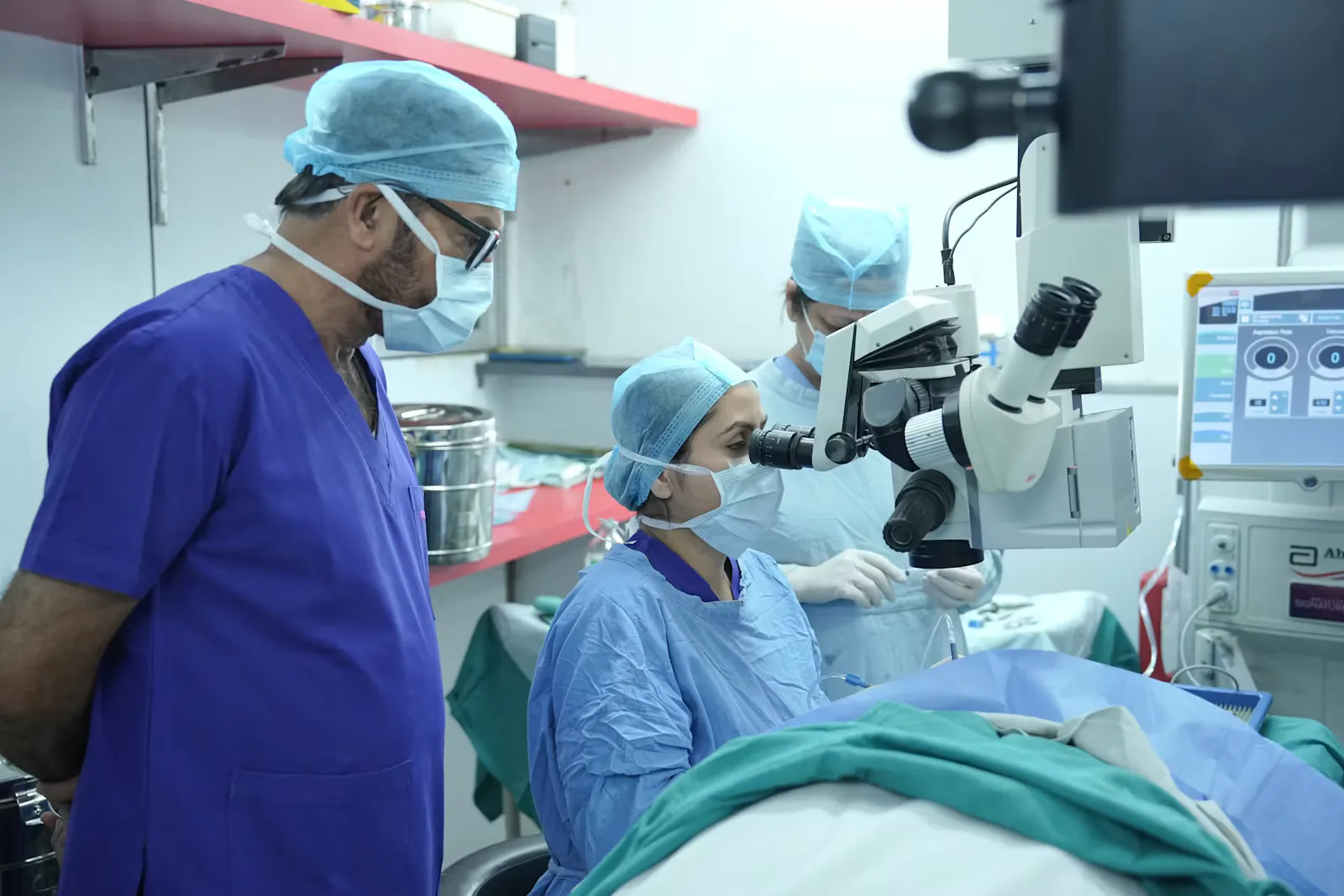
An MBBS student abroad splits their week between lecture-based preclinical study in the early years and, from around the fifth semester onward, structured clinical rotations inside teaching hospitals. Cultural adjustment happens alongside this shift: navigating a new grocery routine, public transport, and social norms while also absorbing a demanding science curriculum, usually within the first two semesters.
This dual adjustment, academic and cultural at the same time, is what most returning graduates describe as the defining early experience of studying abroad, more than any single subject or exam.
How Rigorous Is the Academic Standard Compared to India?
MBBS programmes abroad generally follow the same core subjects as an Indian MBBS, Anatomy, Physiology, Biochemistry, Pathology and clinical rotations, but under the host country's own accreditation authority rather than the university alone. At futureMBBS's 9 EU partner countries, this means external oversight through the country's higher-education and medical-accreditation bodies, plus a listing on the World Directory of Medical Schools, the same safeguard that recent cases of unregulated foreign universities expelling entire batches of Indian students have shown matters more than a country's general reputation.
Graduates must clear India's FMGE screening test to practise at home. NBE reported a 25.40% pass rate for the January 2026 FMGE session and 12.77% for June 2026, a sharp gap between sessions that reflects both exam difficulty and the importance of continuous revision throughout the six-year course, not just cramming before the screening test.
What Are the Real Challenges of Studying MBBS Abroad?
- Academic pressure: a demanding, continuously assessed curriculum with FMGE preparation running in parallel throughout the course, not only in the final year.
- Clinical-year workload: long, often irregular hospital hours once rotations begin around the fifth semester, which takes real adjustment in time management.
- Financial strain: six-year all-in costs, tuition plus living expenses, commonly run INR 40-90 lakh across futureMBBS's 9 EU partner countries, so ongoing budgeting matters as much as the upfront decision.
- Homesickness and cultural adjustment: distance from family support networks during exam stress, felt most in the first two semesters before routines settle.
None of that is a reason to panic. These pressures are real, but they are also predictable, which is exactly why pre-departure preparation makes a measurable difference to how smoothly the first year goes.
What Language and Communication Skills Does an MBBS Student Abroad Need?
English is the medium of instruction at every futureMBBS partner university, so lecture comprehension itself is rarely the barrier; the bigger skill gap is usually medical communication with patients during clinical rotations. Students who also pick up conversational basics of the local language tend to settle into hospital placements faster, since some clinical environments involve at least partial local-language patient interaction even when instruction stays in English.
What Makes the Experience Worthwhile?
Ask graduates what they got out of it and three answers keep coming back: hands-on clinical exposure earlier than many domestic peers get, a genuinely international professional network, and the resilience that comes from running your own life in an unfamiliar system. None of this replaces careful preparation, but it explains why MBBS abroad remains a firmly-chosen path rather than a fallback for most students who complete it.
Related Topics
- MBBS student abroad
- life and experiences
- MBBS abroad
- futureMBBS
Related Articles
 Guides & Tips28 Jul 20267 min read
Myths About Medical Studies: 10 Misconceptions Debunked
Myths about medical studies, debunked with real NMC, NEET and MBBS-abroad facts covering grades, cost, age limits and specialty choice for 2026 applicants.
 Guides & Tips28 Jul 20267 min read
MBBS Abroad Georgia vs Budapest: An Honest Comparison
MBBS abroad Georgia and Budapest compared honestly: NMC recognition, degree type, FMGE outcomes, and why our EU network points toward Hungary instead.
 Guides & Tips28 Jul 20266 min read
Study in the Heart of Czech Republic: 2026 MBBS Guide
A 2026 guide to studying MBBS in Czech Republic: top universities, fees, eligibility, entrance exams and NMC recognition rules for Indian medical students.