Guides & Tips
Is MBBS Abroad Safe? Degree Recognition & Safety Facts
3 Aug 2026
6 min read
Is MBBS abroad safe? Learn how degree recognition, FMGE, and clinical-training safety work for Indian students at NMC-recognised universities in Europe.


Is MBBS Abroad Safe? Degree Recognition & Safety Facts
Is MBBS abroad safe? For medical education, "safe" means two different things: your physical safety in a foreign country, and the professional safety of knowing your degree will actually let you practice medicine in India. Both are manageable if you pick an NMC-recognised university and follow the right licensing path, which for foreign graduates currently means clearing the Foreign Medical Graduate Examination (FMGE) when you return. Below, we take both questions in turn for parents and students weighing up MBBS in our 9 EU partner countries.
Key Takeaways
- MBBS abroad carries two distinct "safety" questions: physical safety in daily student life, and professional safety, meaning whether the degree will be recognised to practice in India.
- Being listed in the World Directory of Medical Schools confirms a university exists; it does not by itself mean the degree is automatically recognised for practice in any specific country, including India.
- Indian graduates of foreign medical universities must clear the FMGE, the NMC-administered screening test, to register and practice in India. FMGE remains the operative exam through 2026 while NExT stays in a pilot phase deferred to 2028-29.
- All 22 of our partner universities across 9 EU countries are NMC-recognised and appear in the World Directory of Medical Schools, addressing the recognition-safety question directly.
- Physical safety during MBBS abroad follows the same principles as any study-abroad programme: verified accommodation, mandatory health insurance, and embassy registration, plus close attention to clinical-placement supervision once training begins.
Is MBBS Abroad Safe? What the Question Really Means
For Indian parents and students, "is MBBS abroad safe" usually bundles two separate questions together. The first is ordinary physical and personal safety: the same concerns any international student has around accommodation, health and daily life. The second, more specific to a professional degree like medicine, is whether the qualification earned abroad will actually be recognised so the graduate can register and practice medicine in India. Both questions have clear, factual answers once you know which university and country you're evaluating.
Is the Degree Itself Safe to Rely On? Understanding Recognition
A common source of confusion is the World Directory of Medical Schools (WDOMS), jointly maintained by the World Federation for Medical Education and FAIMER. Being listed in WDOMS confirms that a medical school genuinely exists and is operational. It does not, by itself, mean the degree is automatically recognised or accredited for practice in any specific country. For India specifically, recognition depends on the National Medical Commission (NMC) accepting the foreign qualification and the graduate subsequently clearing the FMGE, the NMC-administered screening test for foreign medical graduates. All 22 of futureMBBS's partner universities across the Czech Republic, Hungary, Slovakia, Poland, Croatia, Latvia, Lithuania, Cyprus and Romania are NMC-recognised and listed in WDOMS, which is the combination that actually matters for a safe, usable degree.
Do I Still Need an Exam After Returning to India?
Yes. Every graduate of a foreign medical university must clear the FMGE, conducted by the National Board of Examinations, before registering with the NMC and practicing medicine in India. As of 2026, FMGE remains the operative exam. The NMC's planned replacement, the National Exit Test (NExT), stayed in a multi-year mock-testing pilot and was deferred to the 2028-29 cycle. FMGE pass rates swing a lot by session: the January 2026 sitting recorded a 25.40% pass rate, while the June 2026 sitting recorded 12.77%, per National Board of Examinations data. That's why steady exam preparation alongside your MBBS coursework matters so much.
How Do I Verify a University Is Genuinely Safe to Choose?
- Confirm NMC recognition for the specific university and programme, not just the country in general.
- Check the World Directory of Medical Schools listing to confirm the institution is a genuine, currently operating medical school.
- Ask about clinical-placement supervision: where and how early students get hands-on patient exposure, and under what level of faculty oversight.
- Review the university's international-student support services, including health insurance arrangements and emergency contacts.
- Talk to current or past students from the same university, ideally other Indian students, about their real experience.
What About Physical Safety During MBBS Abroad?
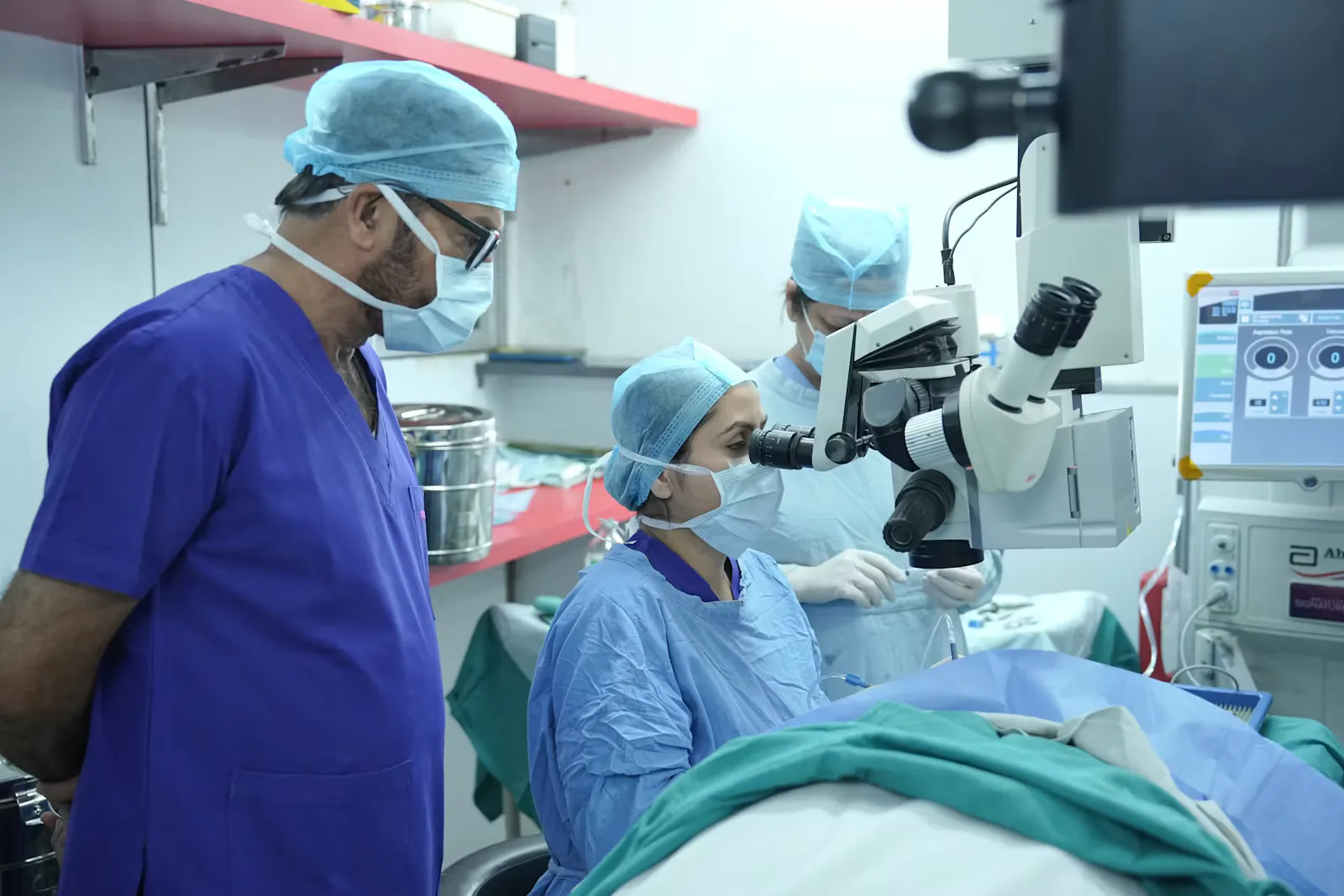
Physical safety for MBBS students abroad follows the same principles as any study-abroad programme: verified, university-approved accommodation, mandatory health insurance (standard across our EU partner countries), and registering with the Indian embassy through the MEA's MADAD portal. Medical students have one additional consideration: clinical placements. Reputable medical universities supervise student contact with patients closely, especially in the early years, so it's worth asking directly how clinical rotations are staffed and supervised before enrolling. See our general study abroad safety guide for the broader safety framework that applies to any destination.
Sources
- National Medical Commission, official portal: https://www.nmc.org.in/
- National Board of Examinations, FMGE information: https://natboard.edu.in/
- World Federation for Medical Education, World Directory of Medical Schools: https://wfme.org/world-directory/
See our partner universities list, our MBBS in Europe guide, or book a free consultation to verify recognition status for a specific university you're considering.
Related Topics
- is MBBS abroad safe
- MBBS abroad safety
- MBBS degree recognition
- FMGE
- NMC recognised university
Related Articles
 Guides & Tips3 Aug 20266 min read
Is MBBS Easy? The Real Difficulty Level, Explained
Is MBBS easy? No. It's a demanding 5.5-year course. See the real syllabus workload, NEET-UG competition data, and how successful students actually manage it.
 Guides & Tips3 Aug 20266 min read
Is Studying MBBS Abroad Worth It? A Cost-Benefit Look
Is studying MBBS abroad worth it? Compare total cost, FMGE pass rates, and career outcomes to judge the real return on investment for our EU partner countries.
 Guides & Tips3 Aug 20265 min read
MBBS Abroad Lowest Fees: Cheapest EU Universities 2026
MBBS abroad lowest fees compared across 9 EU partner countries, including NEET rules, tuition and living costs, admission steps, and FMGE details for 2026.