Guides & Tips
12 Practical Tips for Medical Students to Succeed in 2026
3 Aug 2026
8 min read
Practical tips for medical students covering health, time management, clinical skills, and mentorship, backed by CDC sleep advice and NMC MBBS curriculum facts.


Tips for medical students are the small, repeatable habits, around sleep, time management, and early patient contact, that make a multi-year medical course survivable instead of overwhelming. India's MBBS programme runs 5.5 years under the National Medical Commission's Competency-Based Medical Education framework, 4.5 years of academic phases plus a mandatory 1-year internship, so habits you build in year one carry through a long course. CDC survey data shows 35% of US adults report insufficient sleep, and medical students are especially at risk once clinical rotations begin. This guide collects 12 practical, doable tips for staying healthy, organized, and clinically sharp through that journey.
Key Takeaways
Success in medical school comes from small daily habits built in year one, because India's MBBS runs 5.5 years: 4.5 years of study plus a one year internship.
Protect your sleep. The CDC recommends at least 7 hours a night for adults aged 18 to 60, and medical students are especially at risk once clinical rotations begin.
Use a weekly study plan that breaks subjects into smaller chunks. Steady daily work beats last-minute cramming.
Do not skip practical classes, value every patient interaction and keep a clinical journal of cases.
Find mentors early among seniors and professors, and explore specialities without rushing the choice.
Make time for life outside medicine to avoid burnout. These habits apply in India and abroad, and every student still needs a qualifying NEET UG score.
Why Do Practical Tips Matter for Medical Students?
Practical tips for medical students matter because medical school compresses a large volume of theory, practicals, and clinical exposure into a fixed timetable, so small daily habits compound more than last-minute effort does. A student who manages sleep, time, and mentorship well in year one tends to handle the jump into clinical rotations with far less panic than one who doesn't. These 12 tips are built around three areas that matter most: your own wellbeing, your study and communication systems, and your exposure to real patients and mentors.
What Are the Best Health and Time-Management Tips for Medical Students?
Protecting your sleep and building a weekly study system are the two habits that make every other tip on this list easier to follow, and both are backed by outside evidence rather than just tradition. The CDC recommends at least 7 hours of sleep a night for adults aged 18-60, and skipping this consistently during a 5.5-year course adds up to real cognitive cost, not just tiredness.
Protect your sleep and basic health. Aim for at least 7 hours of sleep, per CDC guidance, eat on a regular schedule even on packed days, stay hydrated, and fit in short walks or stretches between study blocks.
Build a weekly time-management system. Break subjects into smaller weekly chunks using a planner or digital calendar rather than trying to cover everything at once; medical workload grows every semester, and daily consistency beats last-minute cramming.
Sharpen your communication skills. Practice asking clear questions, listening fully, and explaining terms in plain language, since how you communicate with patients shapes the trust they place in you.
Choose your books deliberately. Ask seniors for recommendations rather than buying in bulk; comparing a couple of authors for clarity and depth before committing saves both money and time.
How Can Medical Students Build Clinical and Career Skills Early?
Real clinical exposure and mentorship teach lessons no textbook covers, and starting early gives you more time to explore specializations before you have to commit. These clinical tips for medical students focus on habits you can only build through direct patient and mentor contact, not through more reading. Seniors, professors, and practising doctors who've already made these decisions are a faster, more reliable source of guidance than forums or guesswork.
Seek mentors early. Seniors, professors, or practitioners can guide you on research, exam strategy, internship choices, and specialization decisions; academic groups, conferences, and workshops are good places to find them.
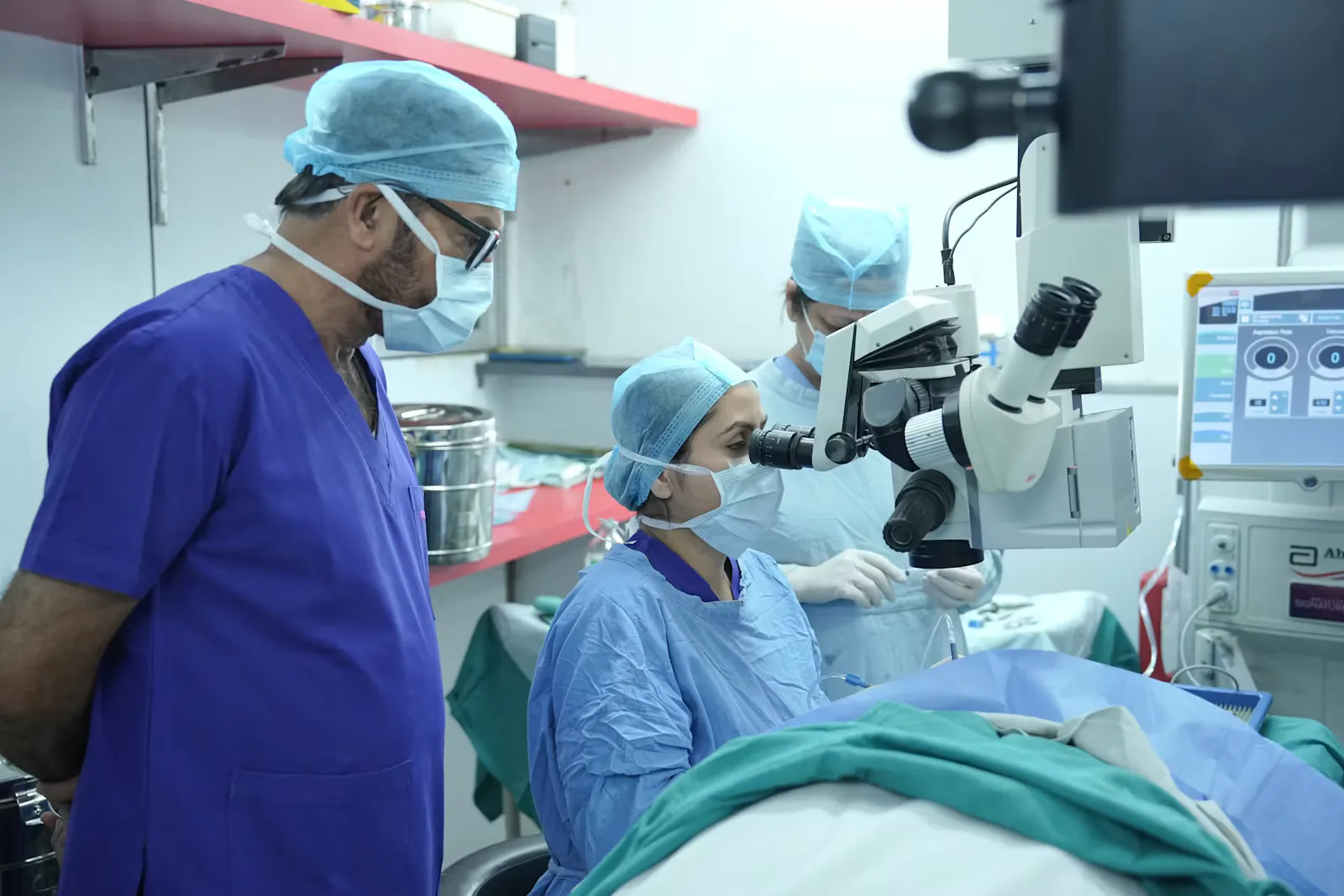
Value every patient interaction. Early, attentive exposure to real patients, noticing how they describe symptoms and how they feel, builds diagnostic instincts and confidence faster than lecture halls alone.
Prioritize practical training. Don't skip hands-on classes; ask questions, observe procedures closely, and treat practical sessions as equally important as theory.
Keep a clinical journal. Recording cases and conversations as you go strengthens memory and clinical reasoning, and it becomes a personal record of how much you've grown by the time you graduate.
Explore specializations without rushing. Notice which subjects genuinely interest you and ask seniors about their own branch choices; you don't need to decide early, but early exposure narrows the field usefully.
Stay current with medical research. Reading journals, following reliable medical sources, and attending seminars keeps your clinical judgement sharp as treatments and protocols change over your career.
How Do Medical Students Avoid Burnout Over a 5.5-Year Course?
Burnout risk builds up over a multi-year course, not just during exam weeks, so these burnout-prevention tips for medical students work best as habits rather than a reward you save for later. Two tips make the biggest difference here: protecting time for life outside medicine, and being honest with yourself about whether the field is genuinely what you want.
Make room for life beyond medicine. Hobbies, friends, family time, or sport aren't distractions from your training, they're what keeps you productive instead of running on empty across a long course.
Choose medicine because it excites you, not as a fallback. The motivation to keep going through a demanding, multi-year programme comes from genuine interest; reconnecting with why you chose this path helps on the harder days.
How Does futureMBBS Support Students Studying MBBS Abroad?
These same tips for medical students apply whether you study in India or abroad. futureMBBS applies these fundamentals, health, time management, mentorship, and early clinical exposure, to students pursuing MBBS across our 9 EU partner countries and 22 partner universities. Every one of these students still needs a qualifying NEET-UG score, and the practical habits in this guide matter just as much on a European campus as they would in an Indian medical college.
English-taught MBBS programs at NMC compliant universities across our 9 EU partner countries.
On-site support in partner university cities to ease the transition abroad.
Guidance through university selection, application, visa, and arrival, in one continuous process.
Explore our 22 partner universities or book a free consultation to talk through your own MBBS plan, whether that's in India or one of our EU partner countries.
Frequently Asked Questions
How do I become a better medical student?
The most consistent tips for medical students are: stay consistent with a weekly study plan, protect your sleep (at least 7 hours, per CDC guidance), prioritize hands-on clinical learning, and check in on your mental health regularly rather than waiting until you feel burned out.
What is the best study method for medical students?
Active recall and spaced repetition, reviewing material at increasing intervals instead of rereading it once, are consistently recommended over passive rereading. Short, focused study sessions with real breaks tend to work better than long unbroken hours.
How many hours should a medical student study per day?
There's no single official number, but many students find 4 to 6 focused hours with proper breaks and consistent daily revision more sustainable than irregular marathon sessions before exams.
How many hours should I sleep as a medical student?
The CDC recommends at least 7 hours of sleep a night for adults aged 18-60. Medical students who protect this, even during exam periods, tend to retain more and make fewer errors during clinical rotations.
Do these tips apply to students studying MBBS abroad?
Yes. Whether you study in India or at one of futureMBBS's 9 EU partner universities, the fundamentals, sleep, time management, communication, mentorship, and early clinical exposure, apply the same way once you've qualified NEET-UG.
Sources
Centers for Disease Control and Prevention, "About Sleep": cdc.gov/sleep/about (recommended adult sleep duration).
National Medical Commission, Competency-Based Medical Education Curriculum documents: nmc.org.in (MBBS curriculum structure and duration).
NEETsheet, NEET preparation app: neetsheet.in (NEET prep resources for Indian medical aspirants).
Related Topics
- best study tips for medical students
- medical students
- study tips for medical students
- tips for first year medical students
- tips for medical students
Related Articles
 Guides & Tips3 Aug 20269 min read
Augmented Reality in Medical Education: Evidence and Impact
Augmented reality in medical education overlays 3D holograms onto anatomy; a 2025 Zurich trial found AR-taught students scored far higher on exams than peers.
 Guides & Tips3 Aug 20267 min read
AI in medical education: The future of doctor training
AI in medical education now includes AI-driven simulations, adaptive learning, and diagnostic training, per AAMC data showing 77% of schools now teach it.
 Guides & Tips3 Aug 20267 min read
5 Ways Medical Educators Can Use AI in Training Today
Medical educators can use AI for personalized learning, VR/AR anatomy training, diagnostic practice, and research, backed by AAMC and peer-reviewed data.