Free Webinar: MBBS in India

Sat, September 5, 2026 | 7:00 PM

Reserve my Seat
futureMBBS

Free Webinar: MBBS in India

Sat, September 5, 2026 | 7:00 PM

Reserve my Seat
futureMBBS
Dunedin, New Zealand

University of Otago Medical School

New Zealand's oldest university (1869) and oldest medical school (1875), in Dunedin on the South Island. Otago awards the 6-year Bachelor of Medicine and Bachelor of Surgery (MBChB), an MBBS-style school-leaver degree ranked around #157 in the world for Medicine (QS 2026), but with very few international places, so it is one of the harder medical schools in the world for an overseas student to enter.

  • MBBS student
  • MBBS student
  • MBBS student
  • MBBS student

5000+ Students trust us

New Zealand

Country

Dunedin

City (South Island)

MBChB

6-year Bachelor of Medicine & Surgery

Since 1875

New Zealand's oldest medical school

Introduction

University of Otago Medical School

The University of Otago, founded in 1869, is New Zealand's oldest university, and its Otago Medical School, founded in 1875, is the country's oldest and one of its most prestigious medical schools, based in Dunedin on the South Island. Its degree is the Bachelor of Medicine and Bachelor of Surgery (MBChB), a six-year, school-leaver-entry primary medical qualification that, for Indian families, is closer to a traditional MBBS than the graduate-entry MD offered by most Australian schools. Students complete a common Health Sciences First Year (HSFY) at Otago and then compete for entry into Year 2 of the MBChB on the basis of grades, the UCAT ANZ and a Multiple Mini Interview; the senior clinical years are spread across Otago's campuses in Dunedin, Christchurch and Wellington. The single most important fact for an overseas applicant is the quota: New Zealand reserves almost all of its medical places for domestic students, so only a very small number of international places exist in the MBChB each year, and winning one is extraordinarily competitive. Otago's medical legacy is genuinely world-changing, above all Sir William Liley's invention of intrauterine fetal blood transfusion (which made him the 'father of fetal medicine') and the public-health work of Sir Charles Hercus and Dr Muriel Bell that ended New Zealand's endemic goitre through iodised salt. The honest caveats are the tiny international quota and the high cost (roughly ₹3.4-3.7 crore for the full six years), though Dunedin is a friendly, affordable classic student city.

  • Study program:MBChB — the 6-year Bachelor of Medicine and Bachelor of Surgery (a school-leaver-entry primary medical qualification, MBBS-style)
  • Language:English (IELTS or equivalent required for international applicants)
  • Duration:6 years (a common Health Sciences First Year, then Years 2-6 of the MBChB across Dunedin/Christchurch/Wellington)
  • University type:Public research university; New Zealand's oldest (1869); Otago Medical School founded 1875 (NZ's oldest)
  • Tuition fees:About NZ$80,000-95,000/year (broadly ₹40-48 lakh/year); about ₹2.4-3.0 crore tuition; ₹3.4-3.7 crore all-in with Dunedin living
  • Entrance examination:Health Sciences First Year (7 papers, min ~65% first attempt) + UCAT ANZ + Multiple Mini Interview for entry to Year 2; very few international places. NEET is also required for Indians who intend to practise in India
  • Application deadline:HSFY and MBChB applications have set annual deadlines; confirm the exact current international dates on otago.ac.nz
  • Recognition:Accredited by the Australian Medical Council (AMC) with registration through the Medical Council of New Zealand (MCNZ); listed in the World Directory of Medical Schools; the India (NMC) route is subject to conditions
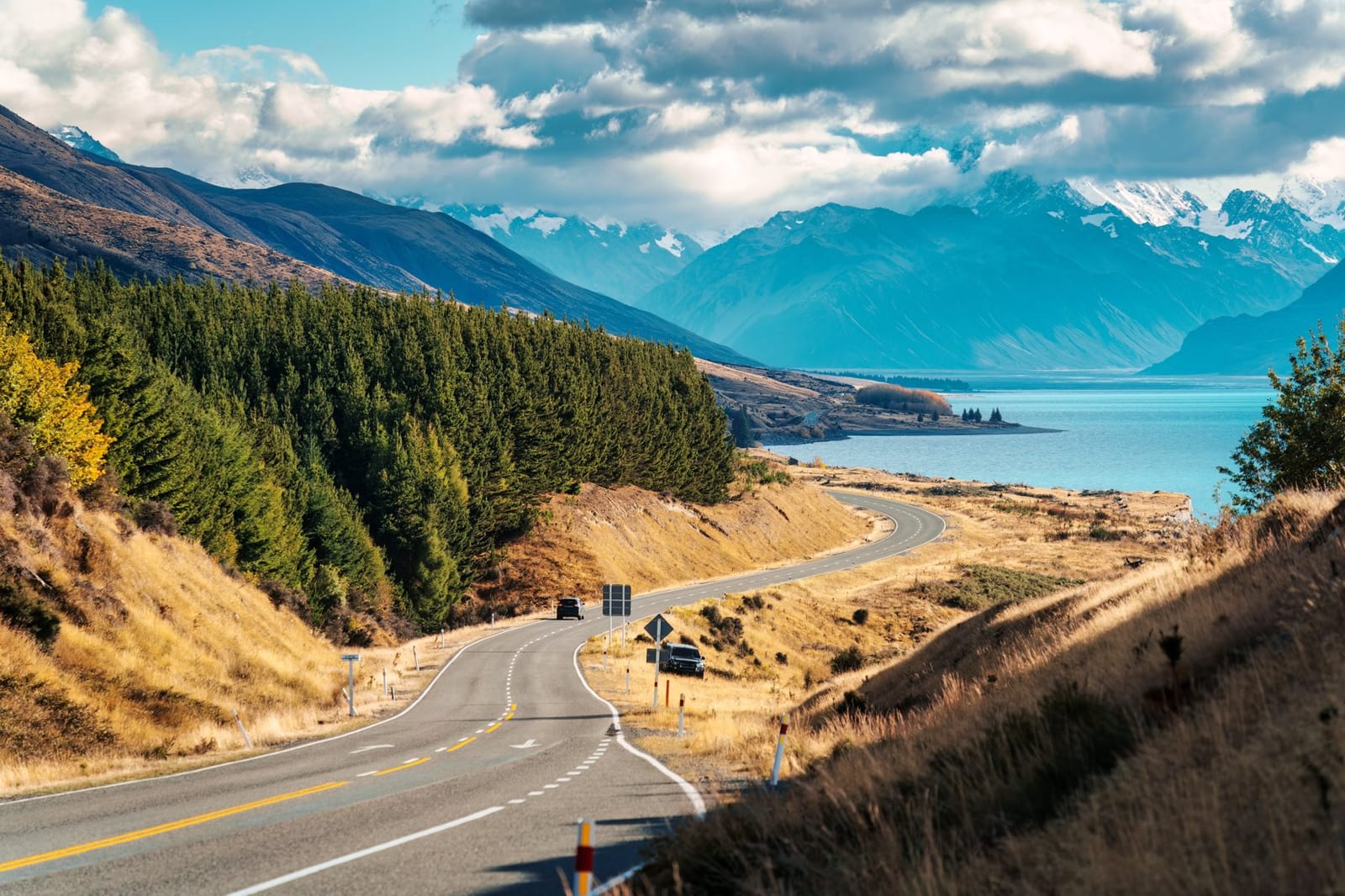
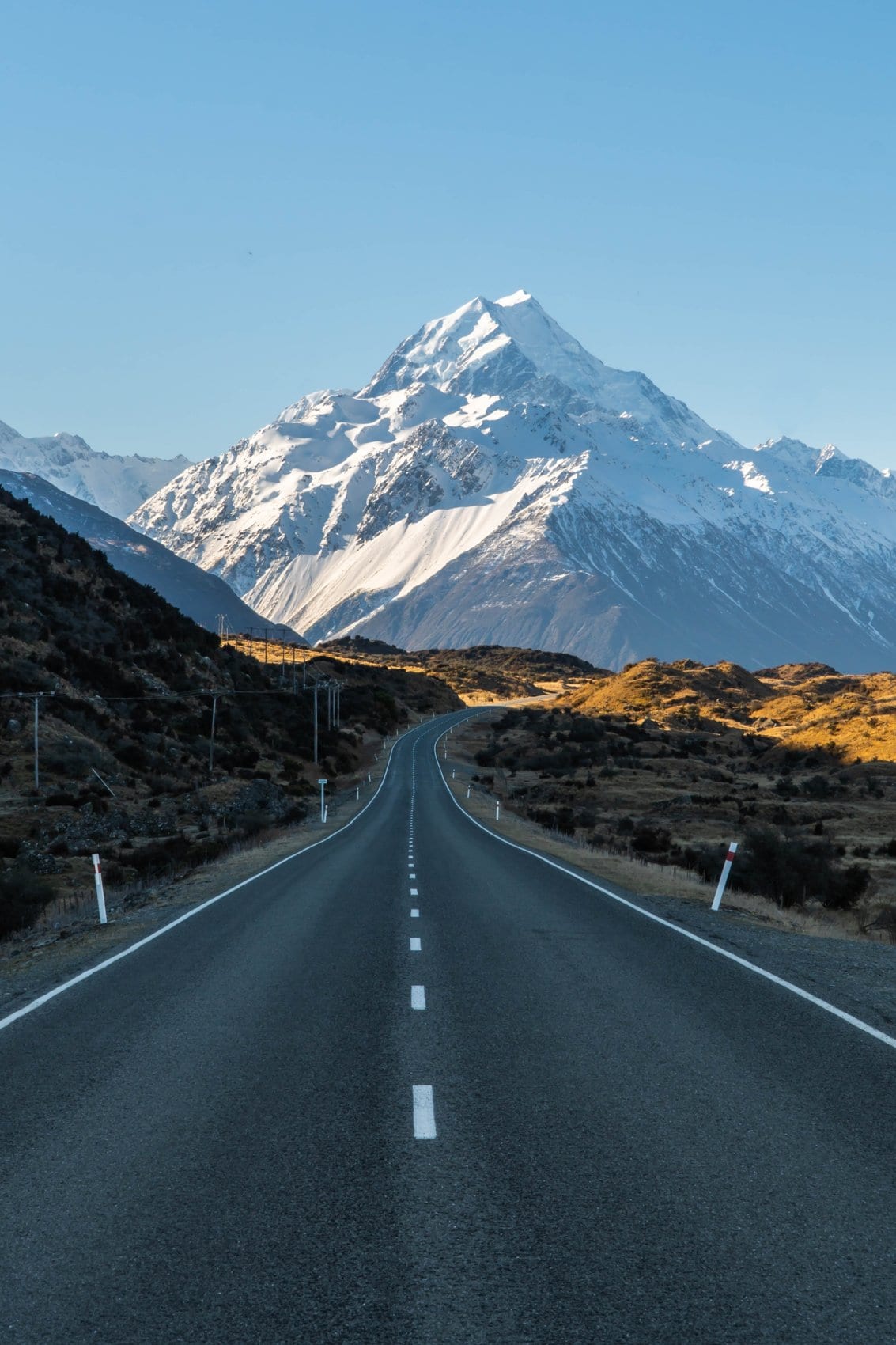
Lake Pukaki and the road towards Aoraki/Mount Cook, South Island, New Zealand — scenery about 250 km from Dunedin, not the university campus
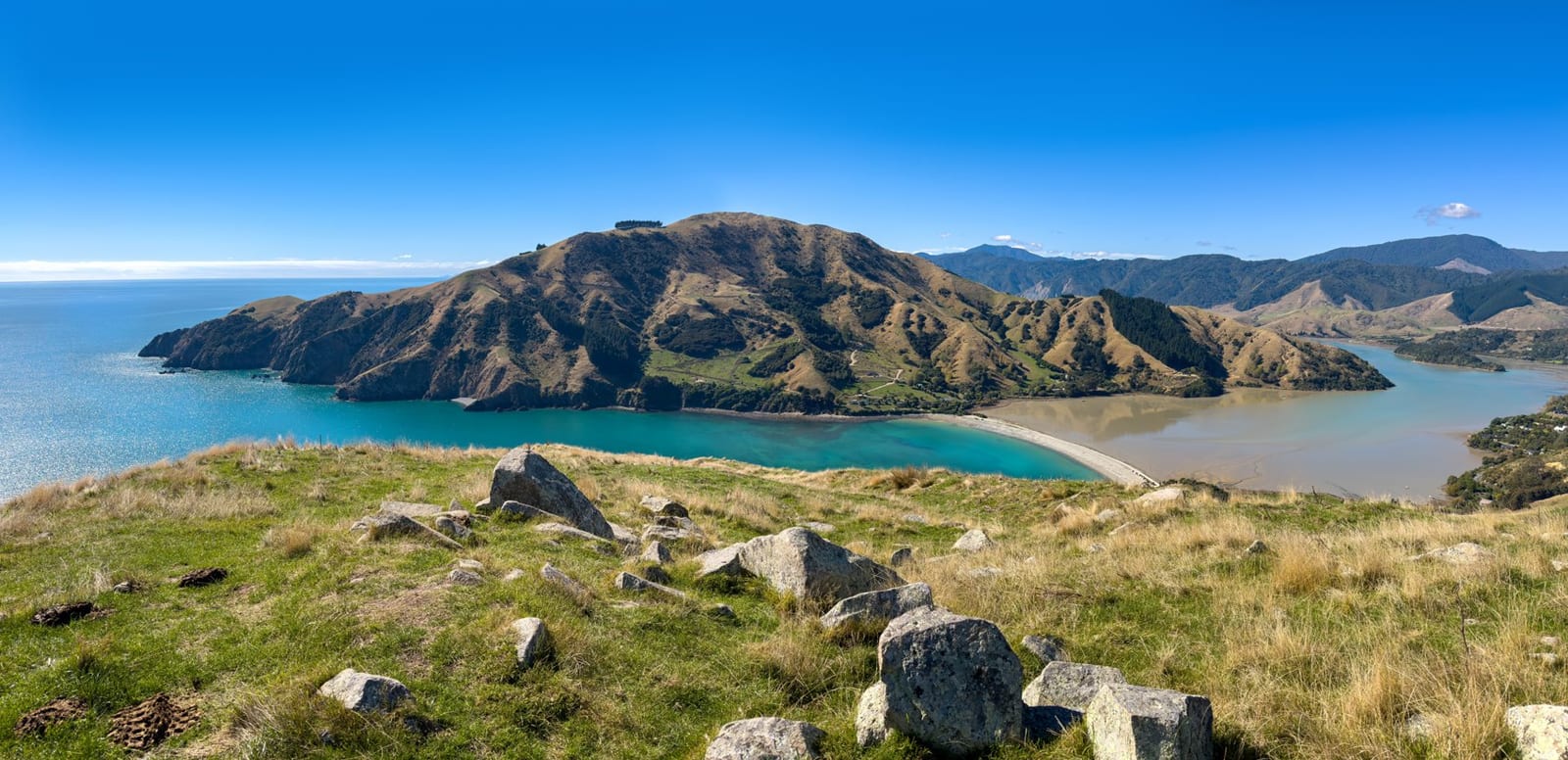
A coastal bay and headland at the top of New Zealand's South Island — scenery well north of Dunedin, not the campus
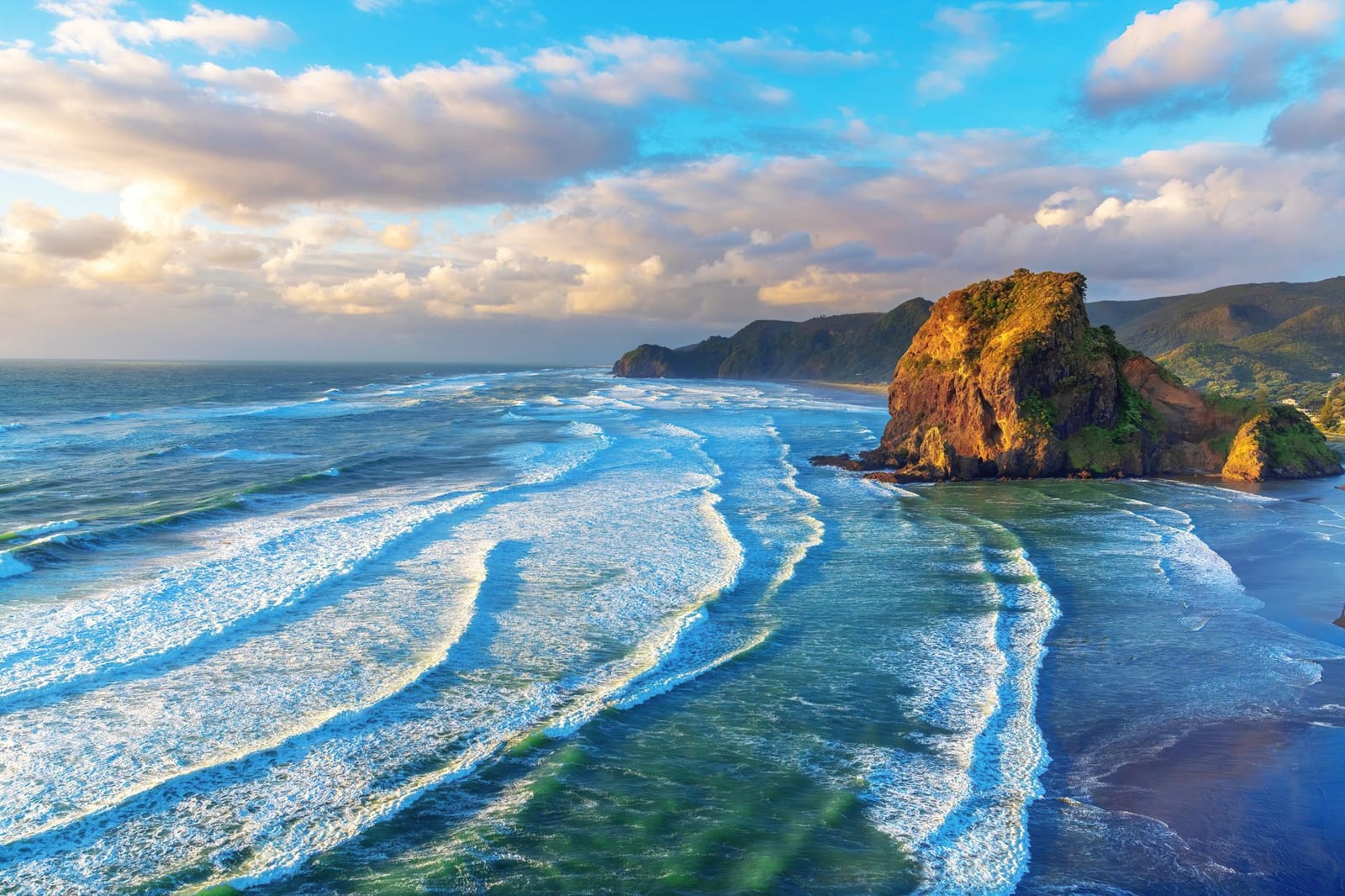
Piha Beach with Lion Rock near Auckland on New Zealand's North Island — about 1,300 km from Dunedin, not the campus

Lake Pukaki and the road towards Aoraki/Mount Cook, South Island, New Zealand — scenery about 250 km from Dunedin, not the university campus

Understand the real pathway to medicine at the University of Otago

Download our free brochure, or speak with our team to understand whether a New Zealand MBChB, with its tiny international quota, is a realistic path for your family.

Recognition & Prestige

Rankings & Recognition

The University of Otago is genuinely world-class and, unlike most MBBS-abroad destinations, its rankings are real. It is New Zealand's oldest university and its medical school is the country's oldest and among its highest-ranked, sitting around #157 in the world for Medicine in the 2026 QS subject rankings.

  • #157 for Medicine

    QS World University Rankings by Subject 2026 (Medicine)

  • Top in NZ

    Among New Zealand's leading universities and medical schools

The University of Otago (Otago Medical School), New Zealand's oldest medical school (1875), offers an MBChB accredited by the Australian Medical Council (which accredits New Zealand's medical programmes), with graduates registering through the Medical Council of New Zealand, and the school is listed in the World Directory of Medical Schools. As a WDOMS-listed school, graduates can also pursue ECFMG certification and the USMLE for training in the United States. Indian students who intend to practise in India must still meet the National Medical Commission's conditions (see FMGE & NExT) — there is no blanket NMC approval or FMGE exemption.

Complete Information About Studying Medicine at the University of Otago

Get a clear, honest picture of the MBChB pathway, the tiny international quota, the real costs, and whether it is realistic for your family.

Success stories

Student Success Stories

Hear directly from students who are studying medicine in Europe with futureMBBS.

Academic Excellence

Top Reasons to Study Medicine at the University of Otago

Otago offers a historic, world-class, MBBS-style medical education in New Zealand's classic student city. These are its real strengths, with the honest and significant trade-offs of the tiny international quota and the high cost.

An MBBS-Style 6-Year MBChB

Unlike the Australian schools' graduate-entry MD, Otago awards the 6-year Bachelor of Medicine and Bachelor of Surgery (MBChB), a school-leaver-entry primary medical qualification much closer to a traditional MBBS, which can also map more cleanly to India's NMC conditions.

New Zealand's Oldest Medical School

Founded in 1875, the Otago Medical School has 150 years of history and is one of New Zealand's most prestigious medical schools, ranked around #157 in the world for Medicine (QS 2026).

A World-Changing Research Legacy

Otago is where Sir William Liley pioneered intrauterine fetal blood transfusion (the 'father of fetal medicine'), and where Sir Charles Hercus and Dr Muriel Bell's iodine research ended New Zealand's endemic goitre. Nobel laureate Sir John Eccles did landmark brain research as Otago's professor of physiology.

Clinical Training Across Three Cities

The senior MBChB years are delivered across Otago's campuses in Dunedin, Christchurch and Wellington, giving students varied clinical experience in different New Zealand hospitals and communities.

Pathways in New Zealand & Australia

The MBChB is accredited by the Australian Medical Council and graduates register with the Medical Council of New Zealand, and New Zealand has post-study work and residence pathways, so graduates can build careers across New Zealand and Australia.

Dunedin: A Classic, Affordable Student City

Dunedin is New Zealand's classic university town, safe and friendly with a large student population and lower living costs than Auckland, and Otago has a strong collegiate culture, so students who win a place enjoy an excellent experience.

A Globally Portable Degree

An Otago MBChB (AMC-accredited, MCNZ-registrable, WDOMS-listed) supports pathways to the USA (USMLE via ECFMG), the UK (GMC routes) and elsewhere.

Plan Honestly

Be realistic: New Zealand reserves almost all medical places for domestic students, so only a few international MBChB places exist each year and entry is extraordinarily competitive; it is very expensive (about ₹3.4-3.7 crore all-in over six years); and if you intend to return to India you must have qualified NEET before starting and clear the FMGE/NExT. For almost all Indian aspirants this is a long-shot, premium option, not the mainstream route.

Read all about MBBS abroad in our free brochure

Know exactly what options exist for your medical-career success.

How to Apply

Admission Process for the MBChB

Entry to the Otago MBChB is via the Health Sciences First Year and then competitive selection into Year 2, with only a small international quota. Confirm the exact current process and quota on otago.ac.nz.

Admission Timeline

  1. 1
    Step 1 — Health Sciences First YearHSFY at Otago

    International school-leavers first enrol in and complete the Health Sciences First Year (HSFY) at Otago, passing the prescribed papers (reportedly a minimum ~65% at first attempt for the medicine pathway).

  2. 2
    Step 2 — Sit the UCAT ANZThe Admissions Test

    Sit the University Clinical Aptitude Test for Australia and New Zealand (UCAT ANZ) in the year of application, meeting the annual threshold.

  3. 3
    Step 3 — Apply for the MBChBCompetitive Selection

    Apply for entry to Year 2 of the MBChB; selection is on HSFY grades, the UCAT ANZ and the Multiple Mini Interview, competing for a small number of international places.

  4. 4
    Step 4 — Multiple Mini InterviewThe MMI

    Shortlisted applicants attend a Multiple Mini Interview assessing communication and ethical reasoning.

  5. 5
    Step 5 — Offer, Visa & EnglishOffer, Student Visa and English Test

    Successful applicants receive an offer, meet English requirements (IELTS/equivalent) and apply for the New Zealand student visa.

  6. 6
    Step 6 — NEET (if returning to India)NEET & NMC Eligibility Certificate

    Indian students who intend to practise in India must have qualified NEET-UG before starting the medical program and obtain the NMC Eligibility Certificate; this does not apply if the plan is to practise in New Zealand/Australia (see FMGE & NExT).

Eligibility Criteria

Academic Qualification (First Year then Selection)

International school-leavers must first gain admission to and complete the Health Sciences First Year at Otago with high grades, then compete for entry to Year 2 of the MBChB. Strong Class 12 results (with the required science background) are needed to enter the first year. Indian students who intend to practise in India must also qualify NEET before starting.

Prerequisites:

Strong Class 12 with sciences (to enter HSFY)HSFY gradesUCAT ANZMultiple Mini InterviewEnglish test (IELTS/equivalent)

Age Requirement

There is no unusual age bar; applicants must meet the first-year entry and then the MBChB selection requirements. Indian students planning to return to India should note the NMC's own rules (including NEET) apply to them.

  • International MBChB places per yearNew Zealand reserves almost all medical places for domestic students; only a small international quota exists

Requirements

Applicants need first-year admission and strong grades, the UCAT ANZ, a strong MMI, English proficiency and a student visa; Indians intending to practise in India also need NEET and the NMC Eligibility Certificate.

  • Win a First-Year Place, Then Compete

    Plan to enter the Health Sciences First Year with top marks, then achieve high grades, a strong UCAT and a strong MMI to compete for one of the few international MBChB places.

  • Fund the Full Six Years

    Budget realistically: about ₹3.4-3.7 crore all-in over six years (Dunedin living is cheaper than Auckland). Confirm the current fees and any entry changes before committing.

Admissions Test

Selection into Year 2 of the MBChB uses Health Sciences First Year grades, the UCAT ANZ and a Multiple Mini Interview. Confirm the current thresholds and the international quota on the official site.

ComponentRequirement
First yearHealth Sciences First Year at Otago (7 prescribed papers; reportedly min ~65% first attempt for the medicine pathway)
Admissions testUCAT ANZ (University Clinical Aptitude Test), meeting the annual threshold
InterviewMultiple Mini Interview (MMI)
International quotaOnly a small number of international MBChB places each year — extremely competitive
India-side (if returning)NEET-UG qualification + NMC Eligibility Certificate for later FMGE/NExT

Required Documents

Indian applicants typically provide the following for the first-year/MBChB application and the New Zealand student visa:

  • Class 10 and Class 12 mark sheets and certificates (with sciences), and Health Sciences First Year results for MBChB selection
  • UCAT ANZ results, and English test (IELTS/equivalent) results
  • Valid passport and New Zealand student visa documents
  • MMI invitation and supporting identity/personal documents
  • For students intending to practise in India: NEET-UG scorecard and NMC Eligibility Certificate
  • + More

Admission Guidance & Pathway Planning

Get an honest assessment of your chances at a very small international quota, and help planning the first year, UCAT and MMI, from our team.

Program Structure

MBChB Course Structure at the University of Otago

The Otago MBChB is a six-year program taught in English, from a common first year and pre-clinical study in Dunedin to full-time clinical placements across Otago's Dunedin, Christchurch and Wellington campuses. Confirm the exact current structure on otago.ac.nz.

Bachelor of Medicine and Bachelor of Surgery (MBChB) Course

  • Total Duration:

    6 Years (a common Health Sciences First Year + Years 2-6 of the MBChB across Dunedin/Christchurch/Wellington)

  • Degree:

    MB ChB (Bachelor of Medicine and Bachelor of Surgery) — a school-leaver-entry primary medical qualification, New Zealand's MBBS equivalent

Course Phases in the Otago MBChB

  • Year 1

    Health Sciences First Year

    A full-time first year covering foundational health sciences and the prescribed papers required for MBChB selection, based in Dunedin:

    BiologyChemistryPhysicsBiochemistry
    Population HealthFoundational courses
  • Years 2–3

    Early Medical (Pre-Clinical) Years

    The early MBChB years in Dunedin, integrating biomedical and clinical sciences with early clinical and communication skills:

    AnatomyPhysiologyBiochemistryPathology
    PharmacologyClinical skills
  • Years 4–5

    Clinical Years (Dunedin / Christchurch / Wellington)

    Full clinical placements rotating through the major disciplines across Otago's three clinical campuses:

    MedicineSurgeryPaediatricsObstetrics & Gynaecology
    PsychiatryGeneral PracticeSpecialties
  • Year 6

    Trainee Intern Year

    The final 'trainee intern' year, working as part of clinical teams under supervision as a transition to internship (PGY1) and registration:

    Advanced clinical attachmentsElectiveTransition to practice

Clinical Training & Internship

Clinical training takes place across Otago's Dunedin, Christchurch and Wellington campuses and their hospitals. In New Zealand, graduates complete a paid internship (PGY1) as part of gaining registration; Indian graduates who return to India follow the NMC route. An indicative pattern is:

PhaseFocus
MBChB Years 4–6Clinical placements across Medicine, Surgery, Paediatrics, O&G, Psychiatry, General Practice and specialties in Dunedin, Christchurch and Wellington hospitals, ending in the trainee-intern year
After graduation (NZ)Paid internship (PGY1) leading to general registration with the Medical Council of New Zealand, then prevocational and vocational training
If returning to IndiaClear the FMGE/NExT and complete the required internship in India before NMC/State Medical Council registration

Get the full curriculum

Download a free brochure to understand the MBChB structure, the pathway and everything you need to plan.

Legacy

Prominent People and Faculty of Otago Medicine

Over 150 years, the Otago Medical School has produced and hosted some of the most important figures in New Zealand medicine, from the father of fetal medicine to public-health pioneers and a Nobel laureate. The figures below are verified; where someone is famous as an Otago professor rather than a graduate, that is stated plainly.

Sir William (Bill) Liley

Albert William Liley graduated from the Otago Medical School in 1954 and became known as the 'father of fetal medicine'. He developed the technique of intrauterine blood transfusion for babies severely affected by rhesus disease and, in 1963, led the team that carried out the world's first successful fetal transfusions, opening the entire field of treating the unborn patient. It is one of the great achievements of New Zealand medicine.
Sir Charles Hercus

Charles Hercus trained at Otago (completing the medical course in 1914) and served as Dean of the Otago Medical School from 1937 to 1958. With colleagues he traced New Zealand's widespread goitre to iodine deficiency and championed iodised salt, effectively ending the country's goitre endemic and preventing countless thyroid operations and cases of developmental harm. The Hercus name endures in Otago's medical buildings and awards.

Dr Muriel Bell

Muriel Bell was the first woman awarded an MD by the University of Otago (1926). As Director of Nutrition Research at the Otago Medical School and New Zealand's first State Nutritionist (1940-1964), her research underpinned the introduction of iodised salt and water fluoridation in New Zealand, and she became a household name for translating nutrition science into public health.

Sir John Eccles

John Eccles was Professor of Physiology at Otago from 1944 to 1951, where, with colleagues, he made the breakthrough discoveries on how nerve cells communicate across synapses that would earn him the 1963 Nobel Prize in Physiology or Medicine. (Eccles was educated in Australia and Oxford; his Nobel-winning work was done as an Otago professor rather than as a graduate.)

Faculty & Leadership

Otago's medical program is delivered by the Otago Medical School across its Dunedin, Christchurch and Wellington campuses. Named leaders below are verified as of 2025; reconfirm current office-holders on the official site before publishing.

Academic Expertise

  • Dean of the Otago Medical School: Professor Suzanne Pitama (the School's first wahine Māori Dean; succeeded acting Dean Professor Tim Wilkinson)

  • New Zealand's oldest medical school (1875)

  • Clinical campuses in Dunedin, Christchurch and Wellington

  • Research strength in fetal medicine, public health and physiology

Student Support & Mentorship

  • A strong collegiate culture in Dunedin

  • Clinical training across three cities

  • A world-leading research legacy (fetal medicine, public health)

  • Guidance for Indian students on FMGE/NExT vs staying in NZ/Australia

About University

History Information

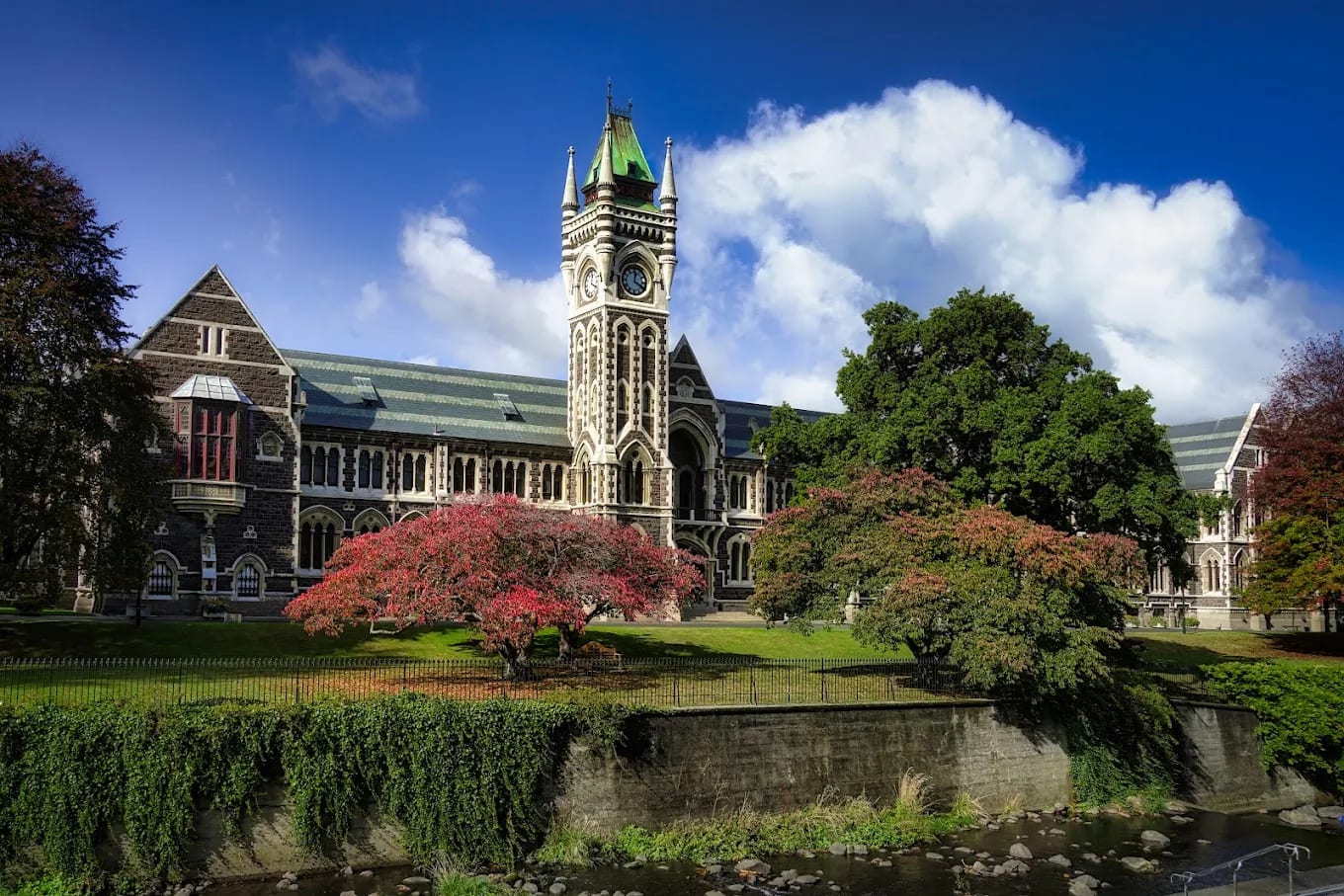
The University of Otago's Clocktower (Registry) building beside the Water of Leith in Dunedin, in autumn

The University of Otago's Clocktower (Registry) building beside the Water of Leith in Dunedin, in autumn

Founded in 1869

The University of Otago was established in 1869, making it New Zealand's oldest university, in Dunedin on the South Island.

New Zealand's First Medical School (1875)

The Otago Medical School was founded in 1875, the first medical school in New Zealand, and has trained the country's doctors and led its medical research for 150 years.

A Legacy of Medical Discovery

Otago is where Sir William Liley pioneered fetal blood transfusion (1963), where Sir Charles Hercus and Dr Muriel Bell's iodine work ended New Zealand's goitre endemic, and where Nobel laureate Sir John Eccles did landmark brain research.

A Research University Across Three Cities Today

Today the Otago Medical School teaches the 6-year MBChB across Dunedin, Christchurch and Wellington, ranks around #157 in the world for Medicine (QS 2026), and remains one of New Zealand's most historic and respected medical schools.

Get all information about studying medicine at the University of Otago in our free brochure

Read on to understand the real pathway to the University of Otago MBChB.

Role in medicine

Role in medical education

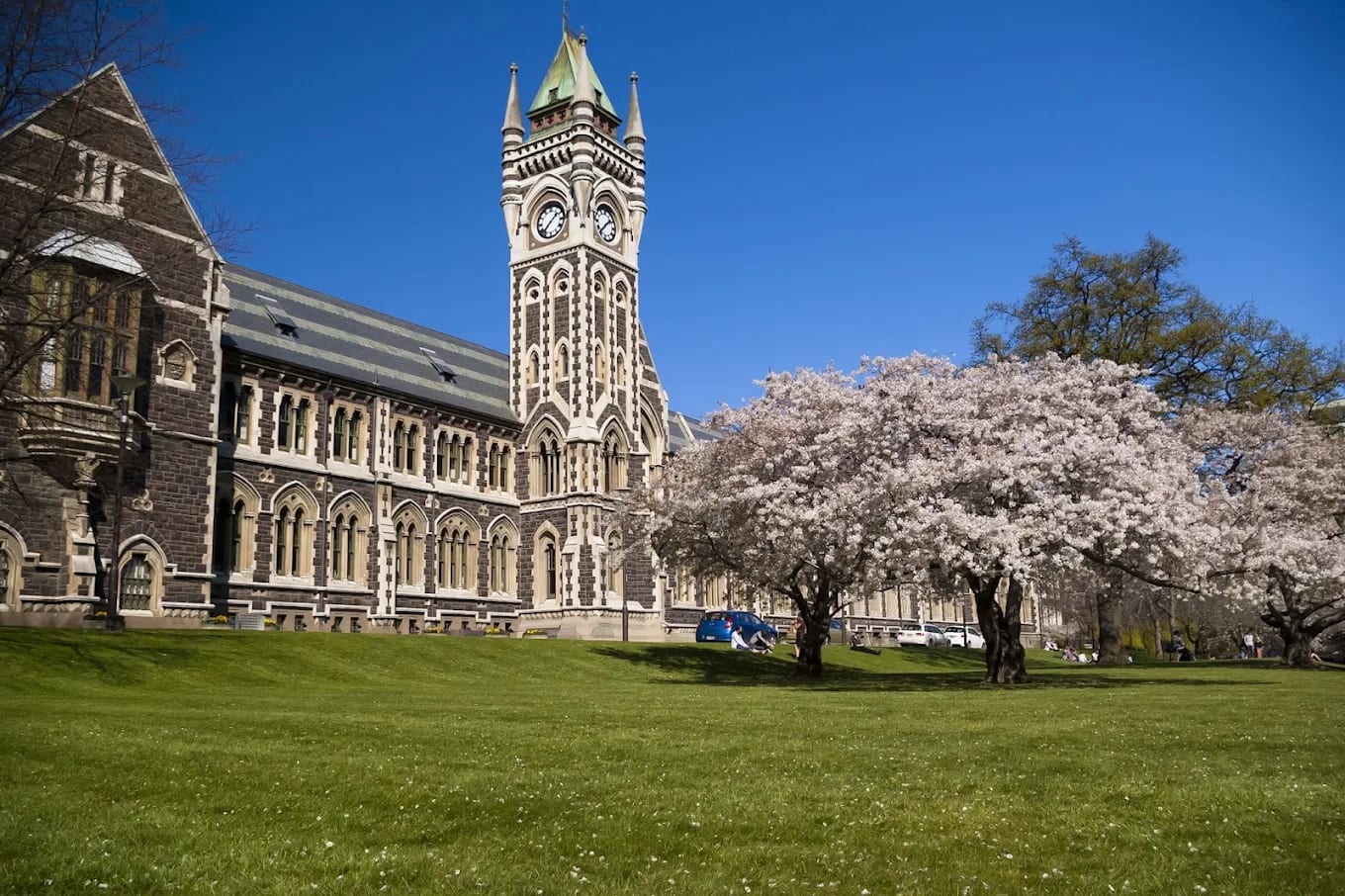
The University of Otago Clocktower (Registry) building with spring blossom, Dunedin, New Zealand

The University of Otago Clocktower (Registry) building with spring blossom, Dunedin, New Zealand

New Zealand's Founding Medical School

The Otago Medical School is New Zealand's oldest and founding medical school, a national leader in medical education and research across its Dunedin, Christchurch and Wellington campuses.

Training New Zealand's Doctors

Through the 6-year MBChB, taught in English with extensive clinical placements in three cities, Otago trains a large share of New Zealand's doctors and a small number of international students for registration and careers in New Zealand, Australia and beyond.

A Research Powerhouse

With a 150-year record in fetal medicine, public health, physiology and beyond, and accreditation by the Australian Medical Council with registration through the Medical Council of New Zealand, the Otago Medical School offers a research-rich, historic medical education, with the honest caveat of a tiny international quota and a high cost.

Get all information about studying medicine at the University of Otago in our free brochure

Read on to understand the real pathway to the University of Otago MBChB.

Cost of living

Living Cost in Dunedin

Dunedin is New Zealand's classic student city and is more affordable than Auckland. The figures below are indicative monthly living costs for a student and are separate from the high MBChB tuition (about NZ$80,000-95,000 a year). INR figures are approximate at about ₹50 per NZ$1.

Monthly Living Cost

Cost ComponentApproximate Amount (per month)
Accommodation (hall/flat share)NZ$800 – NZ$1,500 (₹40,000 – ₹75,000)
Food & GroceriesNZ$350 – NZ$600 (₹17,500 – ₹30,000)
Transport & PersonalNZ$120 – NZ$260 (₹6,000 – ₹13,000)
Utilities & ExtrasNZ$130 – NZ$300 (₹6,500 – ₹15,000)
Get Free MBBS Guide

Average monthly living cost (excluding tuition)

NZ$1,400 – NZ$2,600 (₹70,000 – ₹1,30,000)

Housing

Accommodation

Students at the University of Otago live in residential colleges, university-affiliated accommodation, or the famous Dunedin student 'flats'. Confirm current options and prices with the University's accommodation service.

Residential Colleges

Otago has a large number of residential colleges near the Dunedin campus (such as Knox, Selwyn, St Margaret's, Arana, Studholme and others) offering catered accommodation and a strong first-year community; confirm current room types and fees.

University-Affiliated Housing

University-managed and affiliated student accommodation offers rooms and apartments close to campus, with the University's accommodation service listing verified options.

Student Flatting

Dunedin is famous for its student 'flatting' culture, where many students share houses in the streets around campus (North Dunedin), often more economical than colleges; confirm the current rental market.

A True Student City

Dunedin has one of the highest student-to-resident ratios in New Zealand, so the whole city is oriented around student life, which helps international students settle in.

Indian & Halal Food

Dunedin has Indian restaurants, halal options and grocery stores (smaller than Auckland's, but present), so Indian and vegetarian students can eat well (see the Food section).

A Compact, Walkable City

Dunedin is compact and walkable, with the campus close to the city centre (the Octagon) and beautiful surroundings including the Otago Peninsula.

Affordable by NZ Standards

Dunedin living costs (around NZ$20,000-25,000 a year, roughly ₹10-12.5 lakh) are lower than Auckland's; this is still on top of the high MBChB tuition, so plan the full budget carefully.

Arrival Support

The University's accommodation and international-student services help with settling in; our counsellors can help with housing, visa and pathway guidance.

Need accommodation details?

Get a full overview of housing options with our university guide, or reach out to an expert.

Food & Dining

Indian, Halal and Vegetarian Food in Dunedin

100% Veg options available. Vegetarian food is available in cafeterias, restaurants, grocery stores and student accommodation in Dunedin. As a university city, Dunedin caters well to students, including Indian and vegetarian diets, though options are fewer than in Auckland.

Dunedin has several Indian restaurants and eateries serving North and South Indian food, popular with the student population, so Indian food is accessible.

Location

How to Reach the University of Otago

Address

University of Otago, North Dunedin, Dunedin 9016, New Zealand (the Otago Medical School also has clinical campuses in Christchurch and Wellington for the senior years)

  • Nearest Airport

    Dunedin Airport (DUD) serves the city (domestic and trans-Tasman); most international students fly into Auckland or Christchurch and connect. Indian students typically fly via a Southeast Asian or Gulf hub (or via Australia), and need a New Zealand student visa. Dunedin is about 6.5-7.5 hours ahead of Indian time depending on daylight saving

  • Local Transport

    Dunedin is compact and walkable, with the campus close to the city centre (the Octagon); local buses serve the city, so students rarely need a car

Your Roadmap to Success

Career Pathways After the MBChB at the University of Otago

Otago MBChB graduates complete a paid internship year (PGY1) and gain general registration with the Medical Council of New Zealand, then progress to prevocational and vocational (specialty) training.

Understand the Medical Licensing Pathway

A clear overview of registration in New Zealand and the exams needed to practise in India or elsewhere.

Practising in India

FMGE & NExT Details

An Indian graduate of the University of Otago who wants to practise in India follows the National Medical Commission (NMC) route: qualifying NEET before starting, meeting the NMC's foreign-graduate conditions, clearing the screening examination (currently the FMGE, transitioning to the NExT), completing the required internship in India and registering. The 6-year MBChB maps reasonably to India's rules, but many Otago graduates instead build careers in New Zealand or Australia.

  1. Step 1

    NEET Before You Start (if returning to India)

    An Indian student who intends to practise in India must have qualified NEET-UG before beginning the medical program abroad, and obtain the NMC Eligibility Certificate. This applies to the India-return plan; it is not a New Zealand requirement.

  2. Step 2

    Meet the FMGL 2021 Conditions

    The Foreign Medical Graduate Licentiate Regulations 2021 set conditions on course-plus-internship duration completed at the same institution, English-medium teaching, and a degree that entitles practice in the country of study. The 6-year English-medium MBChB that entitles practice in New Zealand maps reasonably to these conditions, but confirm in writing with the NMC how the Health Sciences First Year and trainee-intern year are counted.

  3. Step 3

    Clear the FMGE / NExT and Register

    Graduates returning to India must clear the qualifying examination (FMGE, transitioning to the NExT), complete the required internship in India, and register with the NMC or a State Medical Council.

Student Life Style

Student life at the University of Otago

Being a medical student at Otago combines a demanding MBChB at New Zealand's oldest medical school with life in Dunedin, the country's classic student city, in the beautiful South Island.

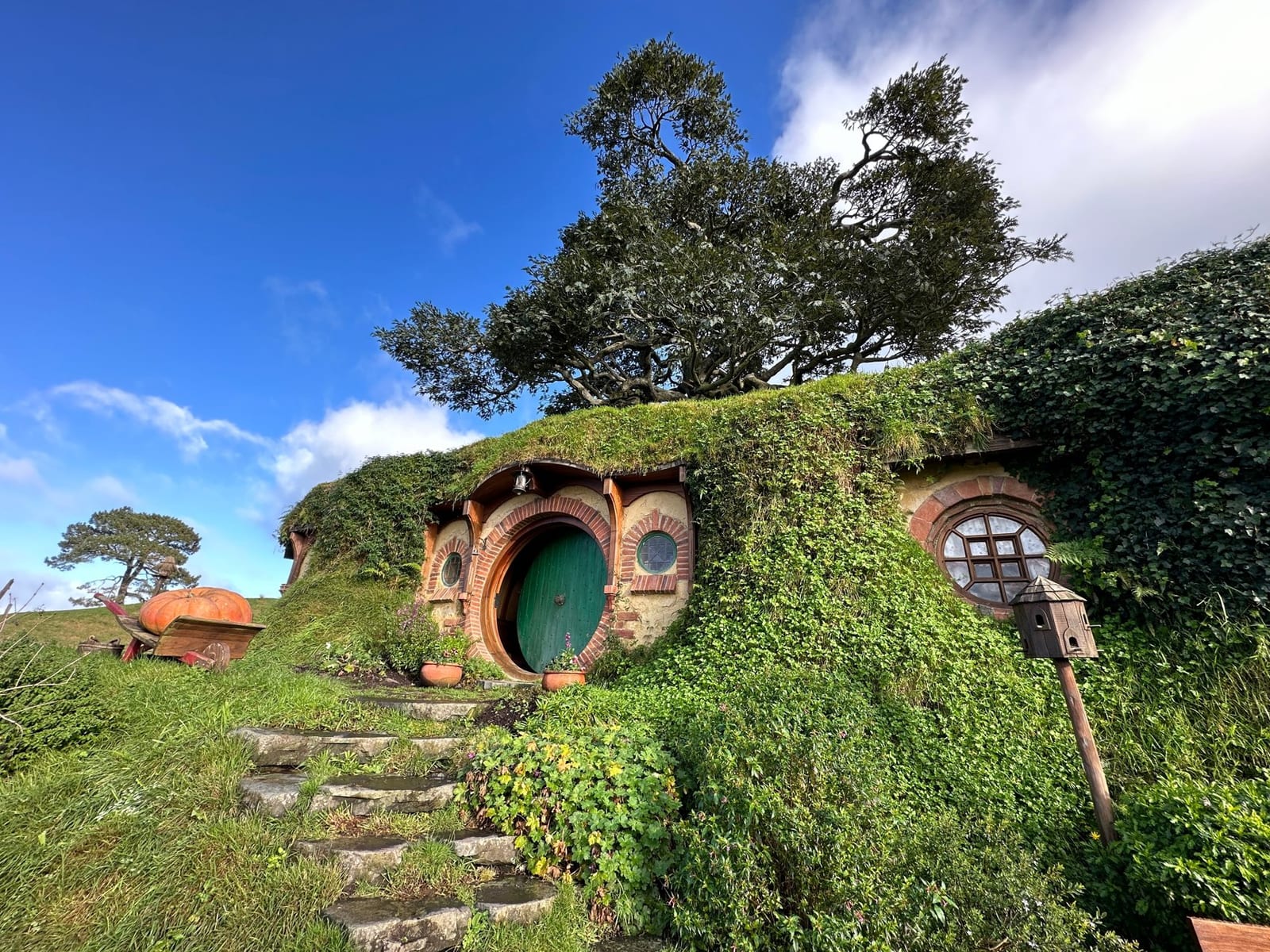
The Hobbiton movie set near Matamata in the Waikato, New Zealand's North Island — travel context about 1,300 km from Dunedin, not the campus

The Hobbiton movie set near Matamata in the Waikato, New Zealand's North Island — travel context about 1,300 km from Dunedin, not the campus

Academics

The MBChB is a demanding, six-year program taught in English, from a Health Sciences First Year to full-time clinical placements and a final trainee-intern year across Dunedin, Christchurch and Wellington. The standard is very high, and international places are extremely limited.

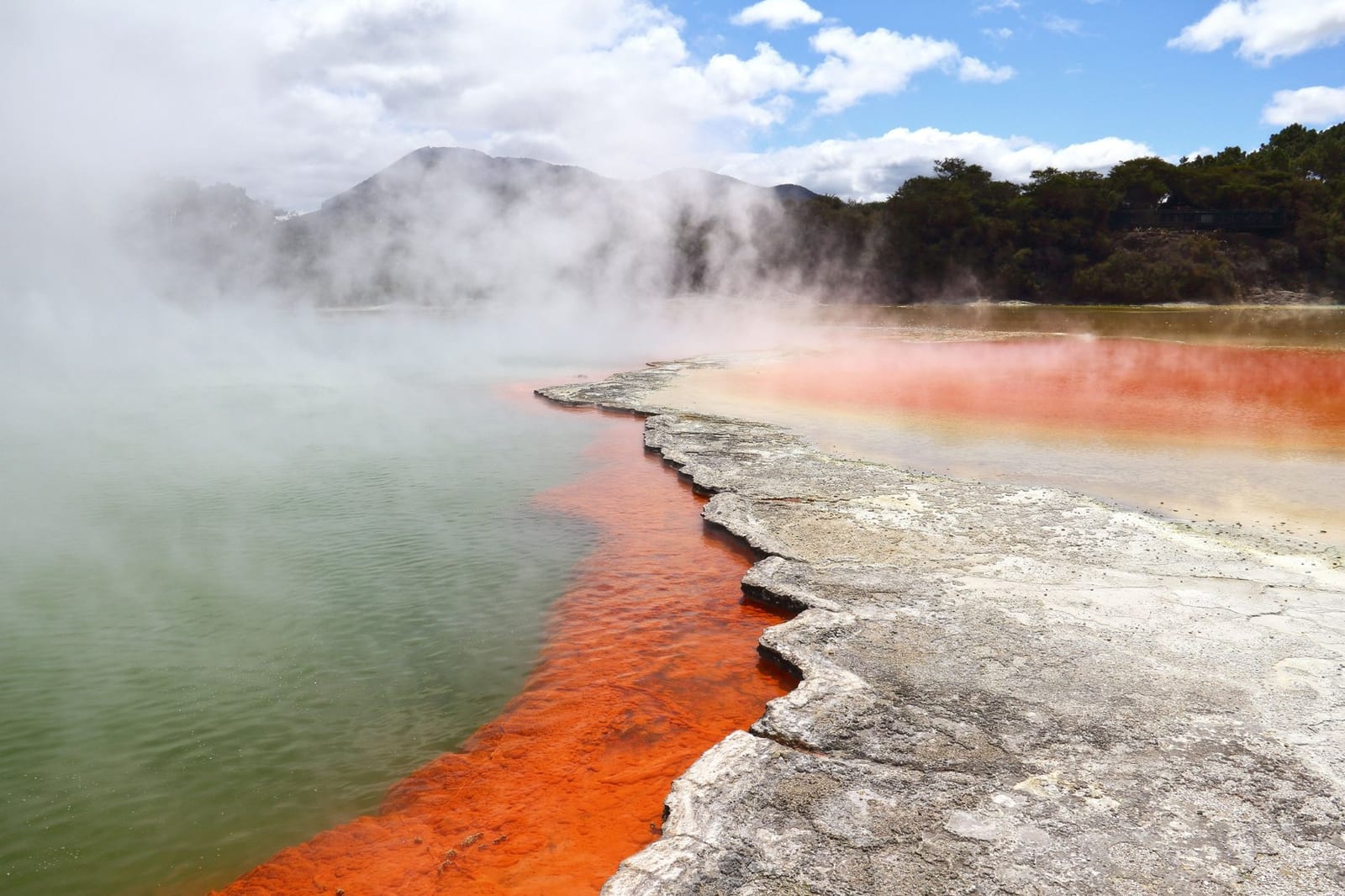
The Champagne Pool at the Wai-O-Tapu geothermal area near Rotorua, New Zealand's North Island — travel context about 1,300 km from Dunedin, not the campus

The Champagne Pool at the Wai-O-Tapu geothermal area near Rotorua, New Zealand's North Island — travel context about 1,300 km from Dunedin, not the campus

Life in Dunedin & New Zealand

Dunedin is New Zealand's classic student city, compact, friendly and affordable, with a strong collegiate culture and beautiful South Island surroundings (the Otago Peninsula, wildlife, mountains and lakes within reach). New Zealand is world-famous for its outdoors. Dunedin is about 6.5-7.5 hours ahead of Indian time.

Challenges and Growth

The real challenge here is simply getting in: New Zealand keeps only a small international medical quota, so entry is extraordinarily competitive, and the cost is high (though Dunedin is cheaper than Auckland). Students who succeed gain a historic, world-class, MBBS-style education and, for many, a pathway to a career in New Zealand or Australia.

Social Life

Otago has a famously strong student culture through its residential colleges, the medical students' association (OUMSA), clubs and Dunedin's compact, student-dominated city life, so students build strong, lifelong communities.

Overall Experience

Studying the MBChB at the University of Otago means a historic, world-class, MBBS-style medical education in New Zealand's classic student city, for the small number of exceptional, well-funded students who can win one of the few international places and who plan the destination (New Zealand/Australia or India) with open eyes.

Fees & Financial

Fees & Financial Planning

This is a major planning issue for an Indian family: the Otago MBChB is one of the most expensive medical degrees in the world, though Dunedin's living costs are lower than Auckland's. Realistic, honest financial planning across the full six years is essential.

International MBChB tuition is broadly NZ$80,000-95,000 per year (six-year tuition roughly NZ$475,000-600,000), and the full six-year investment with Dunedin living costs (about NZ$20,000-25,000 a year) is roughly NZ$690,000-750,000 (about ₹3.4-3.7 crore at ₹50 per NZ$1). Confirm the current fees on otago.ac.nz.

  • Tuition ~NZ$80,000-95,000/year (₹40-48 lakh)
  • ~₹2.4-3.0 crore tuition over six years
  • Dunedin living ~₹10-12.5 lakh/year
  • ₹3.4-3.7 crore all-in
  • Confirm all figures before committing

Ratings

Reviews & Ratings

Hear from students and alumni about their experience studying medicine at the University of Otago.

4.6

46 reviews

Academics4.7
Clinical Exposure4.6
Student City & Culture4.8
MBChB (MBBS-style) Degree4.7
Ease of Entry for Internationals2.1
  • A historic, MBBS-style degree

    MBChB student 2023

    It's a proper 6-year MBChB (not a graduate MD), at New Zealand's oldest medical school, and Dunedin is a great, affordable student city. Just know that international places are very few, so getting a seat is incredibly hard.

  • World-class heritage, tiny quota

    MBChB graduate 2022

    The fetal-medicine and public-health legacy here is inspiring, and the three-city clinical training is excellent. Be realistic about the cost and the fact that internationals compete for very few places.

Compare

Compare Colleges

Compare the University of Otago (MBChB) with a leading Indian medical college.

Quick Comparison:

University of Otago (MBChB) vs AIIMS New Delhi (MBBS)

University
University of OtagoDunedin, New Zealand
AIIMS New DelhiNew Delhi, India
Degree & EntryMBChB — school-leaver entry via Health Sciences First Year, then selection (MBBS-style)MBBS — school-leaver entry after Class 12
MediumEnglishEnglish
Duration6 years (first year + Years 2-6 across Dunedin/Christchurch/Wellington)5.5 years including internship
Tuition~NZ$80,000-95,000/year (₹40-48 lakh); ~₹2.4-3.0 crore; ~₹3.4-3.7 crore all-inNominal (a few thousand rupees per year)
AdmissionHSFY grades + UCAT ANZ + MMI; only a few international placesNEET-UG (extremely high rank)
RecognitionAMC-accredited, MCNZ registration; WDOMS-listed; India route via NMC conditions (FMGE/NExT)NMC-recognised
World Ranking~#157 for Medicine (QS 2026); New Zealand's oldest medical schoolIndia's top medical institute (NIRF #1)

Compare Top MBBS Universities for Me

See key differences in fees, ranking, eligibility and recognition.

Our blog

Medical Education Insights

Articles that turn complex medicine-abroad rules into simple, practical steps for students and parents.

FAQ

Frequently Asked Questions

Short, honest answers to the questions Indian students and parents ask most about studying medicine at the University of Otago.

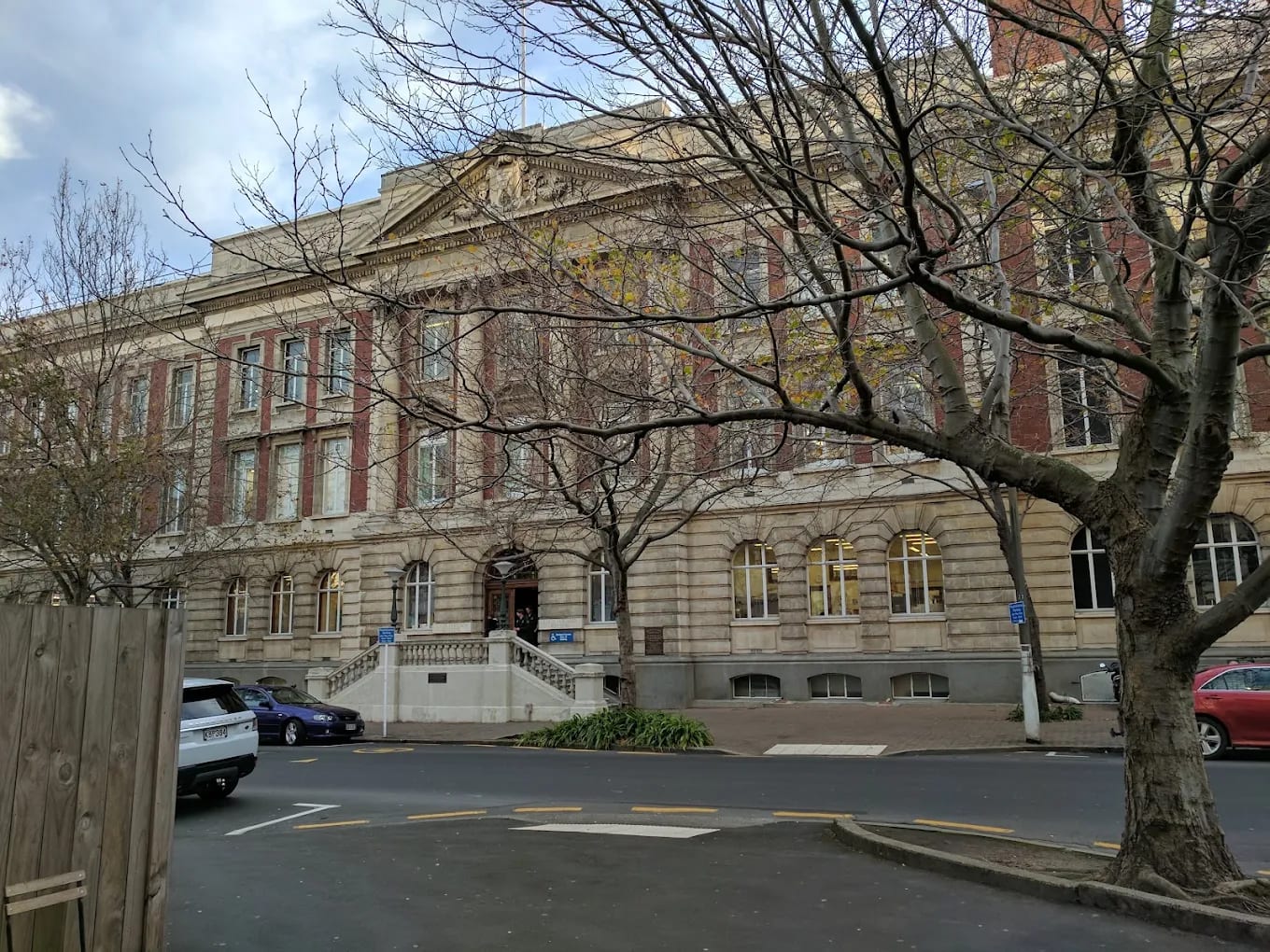
Campus photographs supplied by the client: three genuine University of Otago views in Dunedin — a historic sandstone medical/campus building, and the University's Clocktower (Registry) building beside the Water of Leith in autumn and in spring. All other photographs are New Zealand stock scenery and are captioned as such, not as the campus: Lake Pukaki and the road towards Aoraki/Mount Cook and a South Island coastal bay (South Island, roughly 250 km and further from Dunedin), Piha Beach near Auckland, the Hobbiton movie set in the Waikato and the Champagne Pool at Wai-O-Tapu near Rotorua (all North Island, about 1,300 km from Dunedin). Image licences are being confirmed and genuine Otago Medical School / Dunedin campus photographs will replace the scenery images.