Free Webinar: MBBS in India

Sat, September 5, 2026 | 7:00 PM

Reserve my Seat
futureMBBS

Free Webinar: MBBS in India

Sat, September 5, 2026 | 7:00 PM

Reserve my Seat
futureMBBS
Sydney, Australia

University of Sydney Faculty of Medicine

Australia's first university (1850) and home of Sydney Medical School, ranked #26 in the world for Medicine (QS 2026 by subject). Medicine is the graduate-entry Doctor of Medicine (MD) — a world-class but premium pathway, with only a tiny school-leaver route. Read this honest guide before you plan.

  • MBBS student
  • MBBS student
  • MBBS student
  • MBBS student

5000+ Students trust us

Australia

Country

Sydney

City (Camperdown campus)

Doctor of Medicine (MD)

Graduate-entry degree

4 Years

MD duration (after a bachelor's)

Introduction

University of Sydney Faculty of Medicine

The University of Sydney is Australia's oldest university, founded in 1850, and a member of the Group of Eight, and its Sydney Medical School, within the Faculty of Medicine and Health, is one of the country's most historic and highly ranked, placed #26 in the world and #2 in Australia for Medicine in the 2026 QS World University Rankings by Subject. The key fact for an Indian family is that Sydney's medicine, like the University of Melbourne's, is primarily graduate-entry: the main pathway is the four-year Doctor of Medicine (MD), which you enter after completing a bachelor's degree, with the GAMSAT (or MCAT), a strong GPA and an interview. Sydney does keep a very small school-leaver (provisional) pathway from Year 12, but with only around ten international places a year and an effective ATAR requirement of 99.95, it is realistically out of reach for all but a handful of applicants. The degree is taught in English, accredited by the Australian Medical Council, and delivered across Sydney's major teaching hospitals. The education is genuinely world-class, with a long line of distinguished graduates from the heart-transplant pioneer Victor Chang to the rubella-syndrome discoverer Sir Norman Gregg. The honest caveats are that it is graduate-entry (so a longer, costlier overall path) and expensive (about AUD 93,500 per year, roughly ₹2.1 crore over four years, before the prior bachelor's and living costs). This page is written to be honest about who Sydney suits.

  • Study program:Doctor of Medicine (MD) — a graduate-entry medical degree (main pathway); a very limited school-leaver provisional route also exists
  • Language:English (IELTS or equivalent required for international applicants)
  • Duration:4 years for the MD, entered AFTER a bachelor's degree (typically 3 years) — about 7 years of study in total
  • University type:Public research university (Group of Eight); Australia's first university (1850); medical school from the 1880s
  • Tuition fees:About AUD 93,500 per year for the MD (2026) — roughly ₹52 lakh/year; about AUD 374,000 (₹2.1 crore) over 4 years, plus the prior bachelor's
  • Entrance examination:GAMSAT (or MCAT) minimum 50 per section + GPA + interview; the tiny school-leaver route needs ATAR 99.95. NEET is also required for Indians who intend to practise in India
  • Application deadline:Graduate-entry MD applications typically close in the months before the year of entry; confirm the exact international timeline
  • Recognition:AMC-accredited; listed in the World Directory of Medical Schools; the NMC (India) route applies subject to conditions; strong pathways in Australia, and for the USMLE/GMC routes
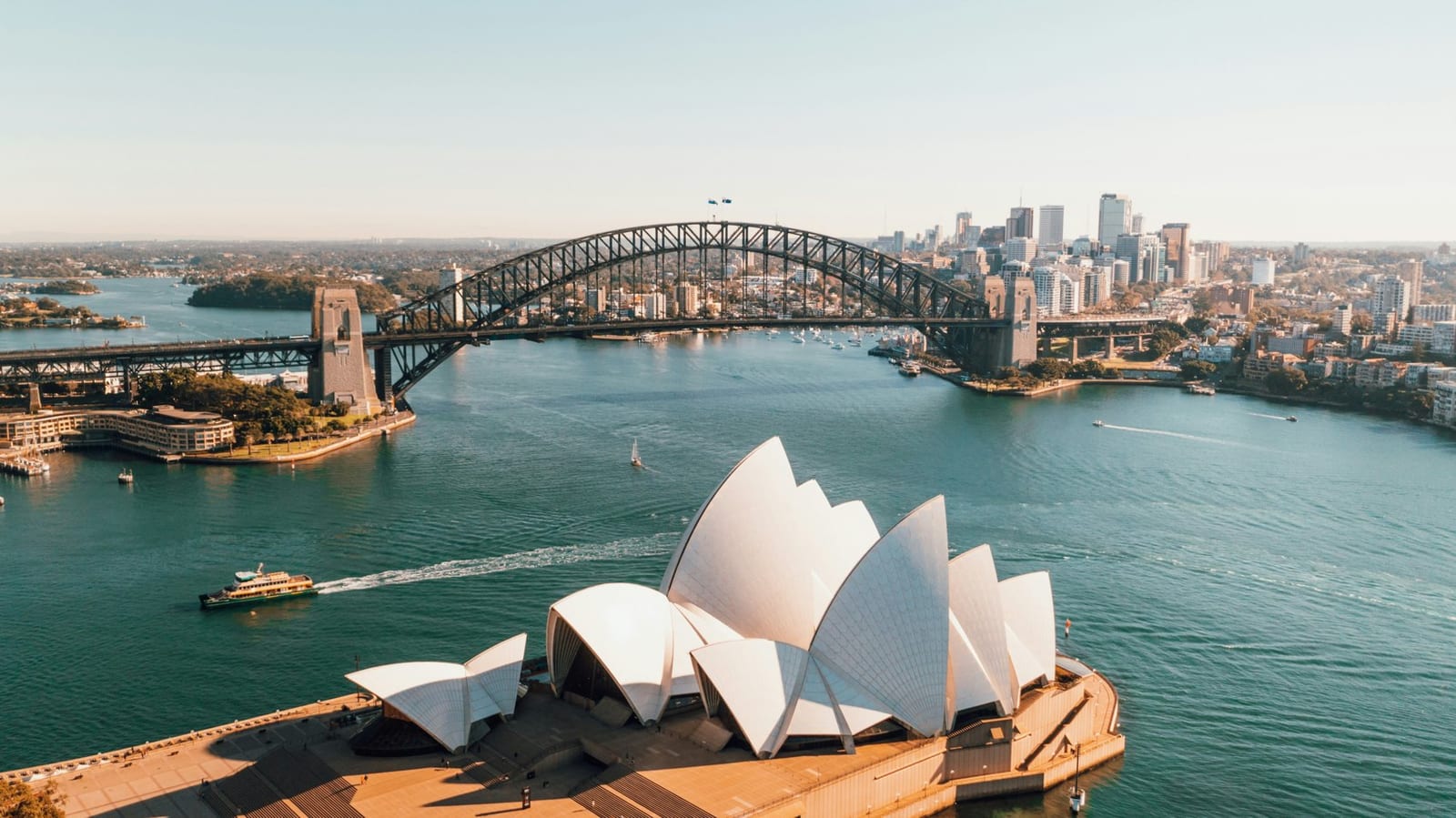
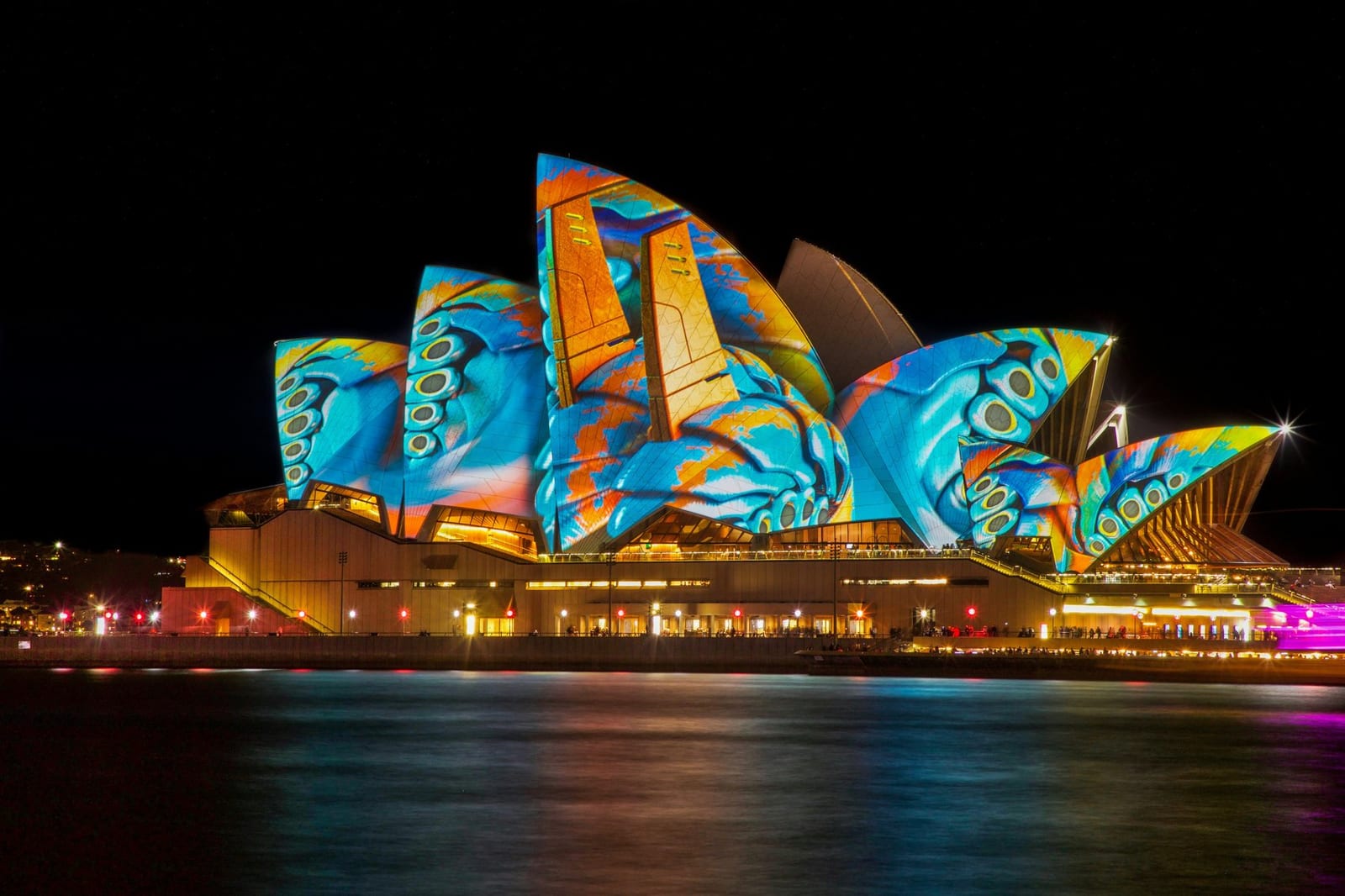
The Sydney Opera House and Sydney Harbour Bridge — Sydney city landmarks, not the university campus
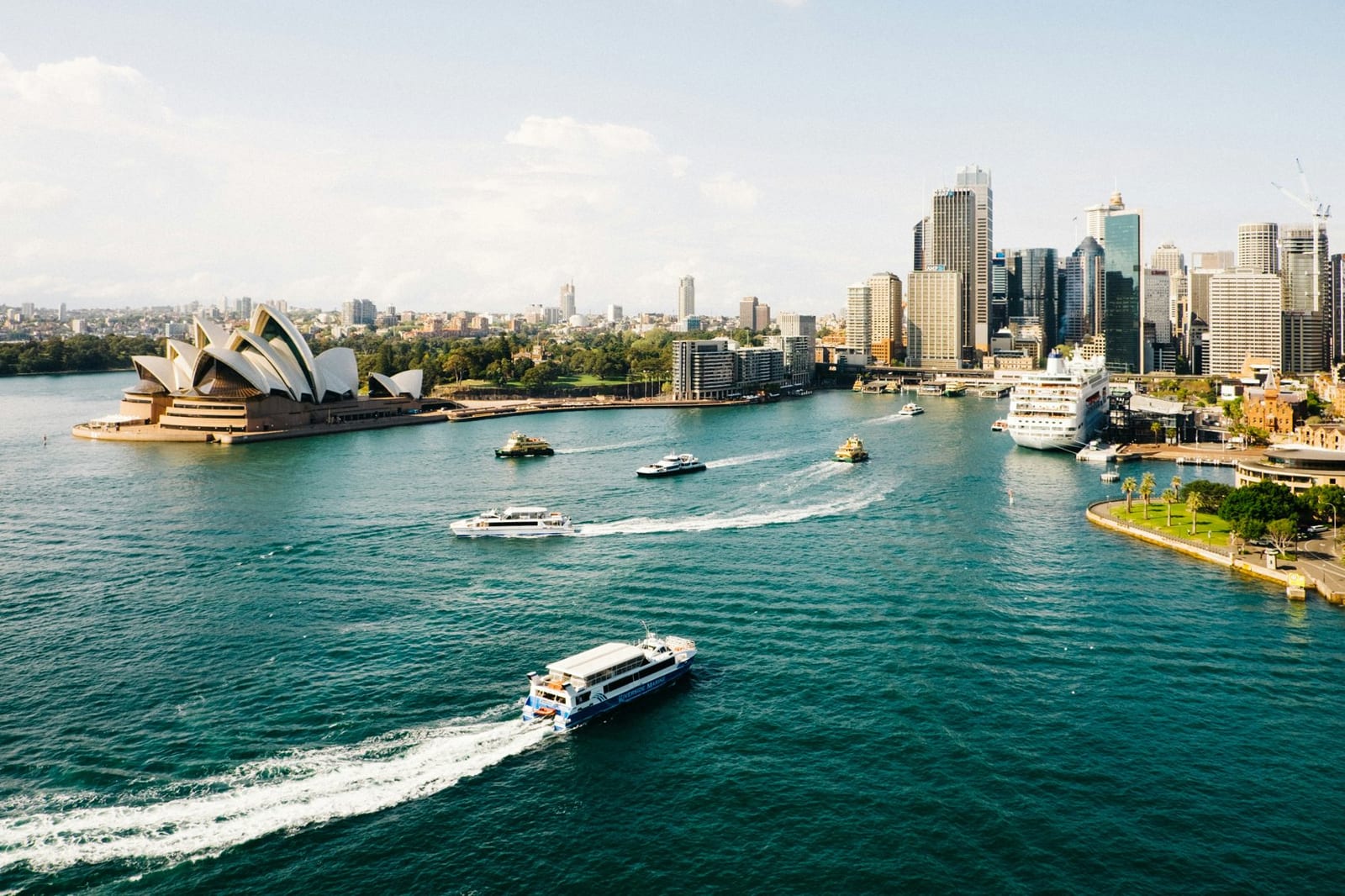
Sydney Harbour with the Opera House and the city skyline — city context, not the campus
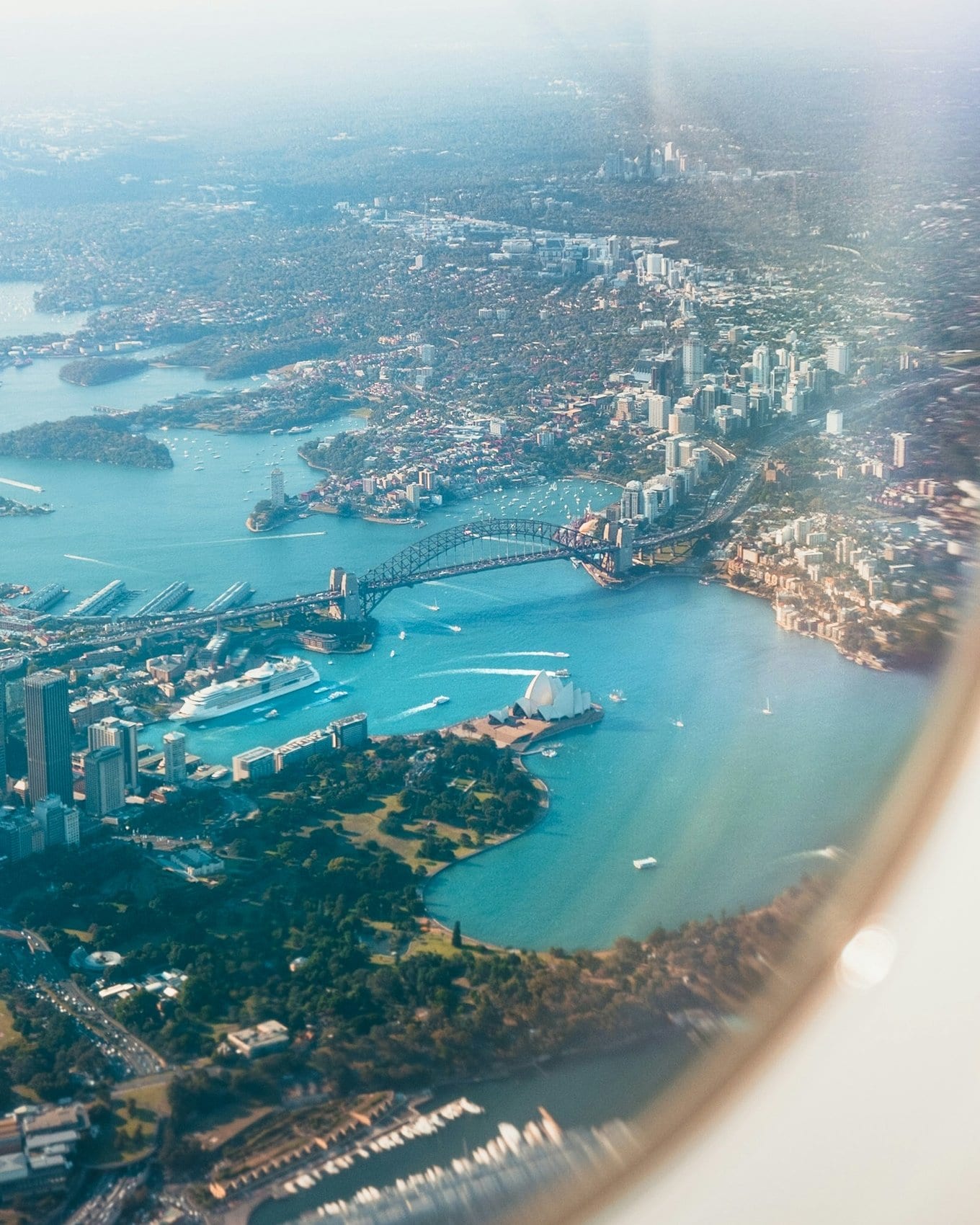
An aerial view of Sydney Harbour — city context, not the campus

The Sydney Opera House and Sydney Harbour Bridge — Sydney city landmarks, not the university campus

Understand the real pathway to medicine at the University of Sydney

Download our free brochure, or speak with our team to understand whether Sydney's graduate-entry MD is the right, well-planned path for your family.

Recognition & Prestige

Rankings & Recognition

The University of Sydney is genuinely world-class and, unlike most MBBS-abroad destinations, its rankings are real and high. It is Australia's first university, a Group of Eight member, ranked among the world's top ~20-25 overall and top ~26 for Medicine.

  • #26 in the world for Medicine

    QS World University Rankings by Subject 2026 (Medicine)

  • #2 in Australia for Medicine

    QS 2026 by subject

  • Top ~25 in the world

    QS World University Rankings (overall)

The University of Sydney (Sydney Medical School), Australia's first university, is a top-25 global institution and a top-2 Australian medical school, with a medical program accredited by the Australian Medical Council (AMC) and listed in the World Directory of Medical Schools. AMC accreditation makes graduates eligible for provisional registration with the Medical Board of Australia (Ahpra) and an Australian internship, and the WDOMS listing supports ECFMG certification and the USMLE for the United States. Indian students who intend to practise in India must still meet the National Medical Commission's conditions — this is not a blanket "NMC approved" status (see FMGE & NExT).

Complete Information About Studying Medicine at the University of Sydney

Get a clear, honest picture of the graduate-entry MD pathway, the GAMSAT, the real costs, and whether it fits your family's plans.

Success stories

Student Success Stories

Hear directly from students who are studying medicine in Europe with futureMBBS.

Academic Excellence

Top Reasons to Study Medicine at the University of Sydney

Sydney offers a genuinely world-class, research-intensive medical education in Australia's oldest university, in a spectacular global city. These are its real strengths, with the honest trade-offs of cost and the graduate-entry pathway.

Australia's First University

Founded in 1850, the University of Sydney is Australia's oldest university and a Group of Eight member, ranked among the world's top ~25 overall and #26 for Medicine (QS 2026 by subject). The academic quality and global reputation are real, not marketing.

A Historic, Research-Intensive Medical School

Sydney Medical School dates to the 1880s (its founding professor, Sir Thomas Anderson Stuart, gives his name to the historic medical building) and is embedded with major research institutes such as the Charles Perkins Centre and Sydney's leading teaching hospitals.

A World-Class Graduate-Entry MD

The four-year Doctor of Medicine is a focused, graduate-entry professional program. Entering after a bachelor's means students bring maturity and a science foundation, and the MD offers strong, early clinical immersion across Sydney's hospitals.

An Extraordinary Clinical Network

Sydney's clinical schools span major teaching hospitals (such as Royal Prince Alfred, Westmead, Concord and the Children's Hospital at Westmead), giving students outstanding and varied clinical exposure.

Strong Pathways in Australia

Australia has structured internship, registration and specialty-training pathways, and clear post-study work and skilled-migration routes for doctors, so many international graduates build careers in Australia. This is often the real goal.

Sydney as a City

Sydney is one of the world's great cities, safe and English-speaking, with a large international-student population, an established Indian community, and an outstanding lifestyle (though it is Australia's most expensive city).

A Globally Portable Degree

A Sydney MD (AMC-accredited, WDOMS-listed) supports pathways to the USA (USMLE via ECFMG), the UK (GMC routes) and elsewhere, in addition to Australia.

Plan Honestly

Be realistic: this is a graduate-entry pathway (the school-leaver route is near-impossible, needing ATAR 99.95 for ~10 international places), it is very expensive (the MD alone is roughly ₹2.1 crore, plus a prior bachelor's and Sydney's high living costs), and if you intend to return to India you must have qualified NEET before starting and clear the FMGE/NExT. For most Indian MBBS aspirants, this is not the mainstream route.

Read all about MBBS abroad in our free brochure

Know exactly what options exist for your medical-career success.

How to Apply

Admission Process for the Doctor of Medicine (MD)

Admission to the Sydney MD is primarily graduate-entry and highly competitive. The essential point for Indian families: the main route is applied for AFTER a bachelor's degree, using the GAMSAT (or MCAT) and an interview. Confirm the exact current process on sydney.edu.au.

Admission Timeline

  1. 1
    Step 1 — Complete a Bachelor's DegreeA Recognised Undergraduate Degree

    For the main (graduate-entry) route, first complete a recognised bachelor's degree with a strong GPA. (A very limited school-leaver provisional route from Year 12 exists but needs an ATAR of 99.95 for about 10 international places.)

  2. 2
    Step 2 — Sit GAMSAT or MCATThe Admissions Test

    Sit the GAMSAT with a minimum of 50 in each of the three sections (Sydney accepts specific recent sittings), or the MCAT where eligible. Prepare seriously; these tests are demanding.

  3. 3
    Step 3 — ApplySubmit the Application

    Apply through the correct international route for the graduate-entry MD, with academic documents and admissions-test results.

  4. 4
    Step 4 — InterviewSelection Interview

    Competitive applicants are invited to an interview (a multiple-mini-interview style assessment); confirm the current format for internationals.

  5. 5
    Step 5 — Offer, Visa & EnglishOffer, Student Visa and English Test

    Successful applicants receive an offer, meet English requirements (IELTS/equivalent) and apply for the Australian student visa (subclass 500).

  6. 6
    Step 6 — NEET (if returning to India)NEET & NMC Eligibility Certificate

    Indian students who intend to practise in India must have qualified NEET-UG before starting and obtain the NMC Eligibility Certificate; this does not apply if the plan is to practise in Australia (see FMGE & NExT).

Eligibility Criteria

Academic Qualification (Mainly Graduate Entry)

For the main pathway, applicants must hold a recognised bachelor's degree with a strong GPA. This is different from a school-leaver MBBS: for almost all applicants, Class 12 alone does not make you eligible for the Sydney MD (the school-leaver provisional route is tiny and needs an ATAR of 99.95). Indian students who intend to practise in India must also qualify NEET before starting.

Prerequisites:

A completed bachelor's degree (main route)A strong GPAGAMSAT (min 50 per section) or MCATEnglish test (IELTS/equivalent)School-leaver route: ATAR 99.95

Age Requirement

There is no upper age limit for the graduate-entry MD; applicants need a completed bachelor's degree and to meet the entry requirements. Indian students planning to return to India should note the NMC's own rules (including NEET) apply to them.

  • A bachelor's degree is required for the main routeEntry is normally after an undergraduate degree, not after Class 12

Requirements

Applicants need a completed bachelor's degree with a strong GPA, a GAMSAT (or MCAT) score, an interview, English proficiency and a student visa; Indians intending to practise in India also need NEET and the NMC Eligibility Certificate.

  • A Prior Degree + GAMSAT/MCAT

    Plan for a bachelor's degree first, then a competitive GPA and GAMSAT (or MCAT) score, then the interview. This is a multi-year, graduate-entry pathway.

  • Fund the Full Pathway

    Budget realistically: the MD alone is about ₹2.1 crore over four years, plus the prior bachelor's and Sydney's high living costs. Confirm the current fees before committing.

Admissions Test

Selection for the graduate-entry MD is based on GPA, the GAMSAT (or MCAT) and an interview. Confirm the current thresholds, accepted GAMSAT sittings and the interview format for international applicants on the official site.

ComponentRequirement
Main routeGraduate entry: a completed bachelor's degree with a strong GPA
Admissions testGAMSAT (min 50 in each of 3 sections) or MCAT where eligible
InterviewSelection interview (multiple-mini-interview style); confirm current format
School-leaver routeProvisional entry from Year 12 — tiny (~10 international places, ATAR 99.95)
India-side (if returning)NEET-UG qualification + NMC Eligibility Certificate for later FMGE/NExT

Required Documents

Indian applicants typically provide the following for the MD application and the Australian student visa:

  • Bachelor's degree transcripts and completion certificate (main route), plus Class 10 and 12 records
  • GAMSAT or MCAT scorecard, and English test (IELTS/equivalent) results
  • Valid passport and Australian student visa (subclass 500) documents, including Genuine Student requirements
  • Interview invitation and supporting identity/personal documents
  • For students intending to practise in India: NEET-UG scorecard and NMC Eligibility Certificate
  • + More

Admission Guidance & Pathway Planning

Get help mapping the full bachelor's-to-MD pathway, the GAMSAT and the real costs from our team.

Program Structure

MD Course Structure at the University of Sydney

The Sydney MD is a four-year, graduate-entry program taught in English, moving from foundational and pre-clinical study to full-time clinical placements across Sydney's teaching hospitals, with a research component. Confirm the exact current structure on sydney.edu.au.

Doctor of Medicine (MD) Course

  • Total Duration:

    4 Years for the MD, entered after a bachelor's degree (about 7 years of study in total)

  • Degree:

    Doctor of Medicine (MD) — a graduate-entry, entry-to-practice professional degree (Australia's primary medical qualification, the MBBS equivalent), NOT a research doctorate and NOT a school-leaver MBBS

Course Phases in the Sydney MD

  • Year 1

    Foundations & Early Clinical Immersion

    The foundation year building integrated biomedical knowledge with early clinical and communication skills, through case- and problem-based learning:

    Integrated body systemsFoundational sciencesClinical skillsProfessional practice
  • Year 2

    Applied Clinical Sciences

    Deepening applied clinical sciences and structured clinical exposure, linking mechanisms of disease to patient care in hospital settings:

    PathologyPharmacologyApplied physiologyIntegrated clinical medicine
  • Year 3

    Core Clinical Placements

    Full clinical placements rotating through the major disciplines across Sydney's teaching hospitals and clinical schools:

    MedicineSurgeryPaediatricsObstetrics & Gynaecology
    PsychiatryGeneral PracticeSpecialties
  • Year 4

    Advanced Clinical Practice & Transition to Internship

    Senior clinical placements, a research/scholarly component and preparation for internship and registration:

    Advanced rotationsElectivesResearch componentTransition-to-practice

Clinical Training & Internship

Clinical training takes place across Sydney's major teaching hospitals and clinical schools. In Australia, graduates complete a paid internship (PGY1) as part of gaining general registration; Indian graduates who return to India follow the NMC route. An indicative pattern is:

PhaseFocus
MD Years 3–4Full clinical placements across Medicine, Surgery, Paediatrics, O&G, Psychiatry, General Practice and specialties in Sydney's teaching hospitals
After graduation (Australia)Paid internship year (PGY1) leading to general registration with the Medical Board of Australia, then prevocational and specialty training
If returning to IndiaClear the FMGE/NExT and complete the required internship in India before NMC/State Medical Council registration

Get the full curriculum

Download a free brochure to understand the MD structure, the pathway and everything you need to plan.

Legacy

Prominent Graduates and Faculty of Sydney Medicine

The University of Sydney has a long and distinguished medical history, from the founding of its medical school in the 1880s to graduates who changed cardiac surgery, ophthalmology and public health in Australia and beyond. The figures below are verified; where someone is a founder or professor rather than a graduate, that is stated plainly.

Dr Victor Chang

Victor Chang graduated in medicine from the University of Sydney in 1962 and became one of the world's pioneering cardiac surgeons. He was a driving force behind Australia's National Heart Transplant Program at St Vincent's Hospital in the 1980s, helping make heart transplantation a routine, life-saving operation. The Victor Chang Cardiac Research Institute, named in his honour, remains a leading centre for heart research.
Sir Norman Gregg

Norman Gregg graduated in medicine from the University of Sydney in 1915 and, as an ophthalmologist, made one of the most important discoveries in the history of preventive medicine: in 1941 he showed that rubella (German measles) in a pregnant woman could cause congenital defects such as cataracts and heart problems in her baby, now known as Congenital Rubella Syndrome. His work transformed antenatal care and vaccination worldwide.

Professor Dame Marie Bashir

Marie Bashir graduated in medicine and surgery from the University of Sydney in 1956 and became a distinguished clinical psychiatrist and Clinical Professor of Psychiatry at the University. She later served as the 37th Governor of New South Wales (2001-2014) and as Chancellor of the University of Sydney (2007-2012), one of the most respected figures in Australian public and medical life.

Dr John Yu AC

John Yu studied medicine at the University of Sydney and became a leading paediatrician, serving as head of medicine at the Royal Alexandra Hospital for Children and driving the planning and building of the Children's Hospital at Westmead. He was named Australian of the Year in 1996 for his contribution to child health and to the community.

Sir Thomas Anderson Stuart

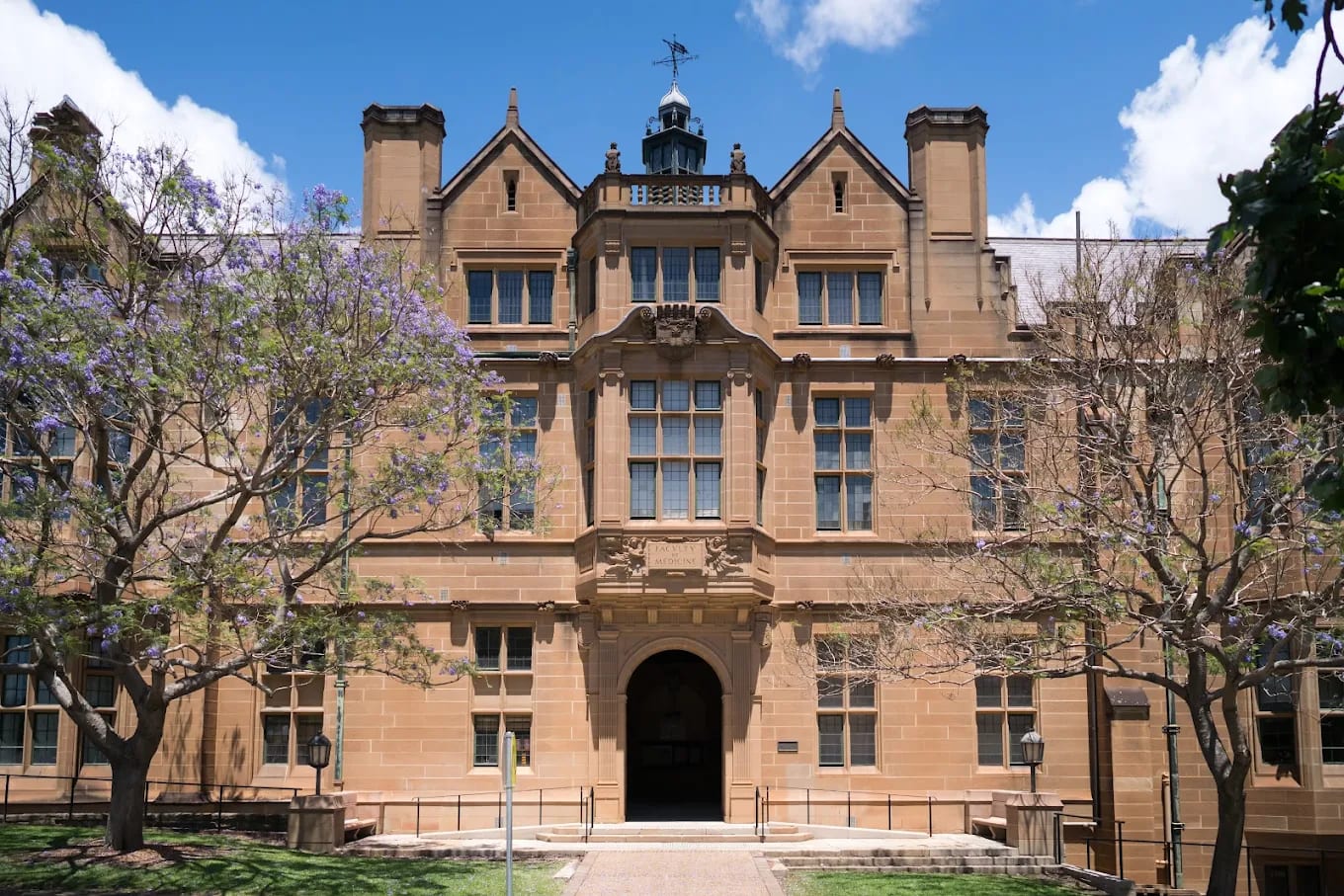
Thomas Anderson Stuart was the founding professor who built the University of Sydney's medical school from 1883, establishing its teaching, laboratories and standards. The historic sandstone Anderson Stuart Building, which carries 'Faculty of Medicine' above its entrance, is named after him and remains an emblem of the school's heritage. (He was the school's founder and professor rather than a graduate.)

Faculty & Leadership

Sydney's medical program is delivered by the Sydney Medical School within the Faculty of Medicine and Health, through the University's research institutes (such as the Charles Perkins Centre) and Sydney's major teaching hospitals. Named leaders below are verified as of 2025-2026; reconfirm current office-holders on the official site before publishing. Beyond the faculty, students connect through the University's alumni network, the Sydney University Medical Society (SUMS), the Australian Medical Students' Association (AMSA) and the futureDOCTOR/futureMBBS mentor network.

Academic Expertise

  • Head of School and Dean, Sydney Medical School: Professor Jane Bleasel

  • Australia's first university (1850)

  • Medical school founded in the 1880s (Anderson Stuart)

  • Research strength via the Charles Perkins Centre and major institutes

Student Support & Mentorship

  • An extensive network of Sydney teaching hospitals

  • A research/scholarly component in the MD

  • Strong Australian internship and registration pathways

  • Guidance for Indian students on FMGE/NExT vs staying in Australia

About University

History Information

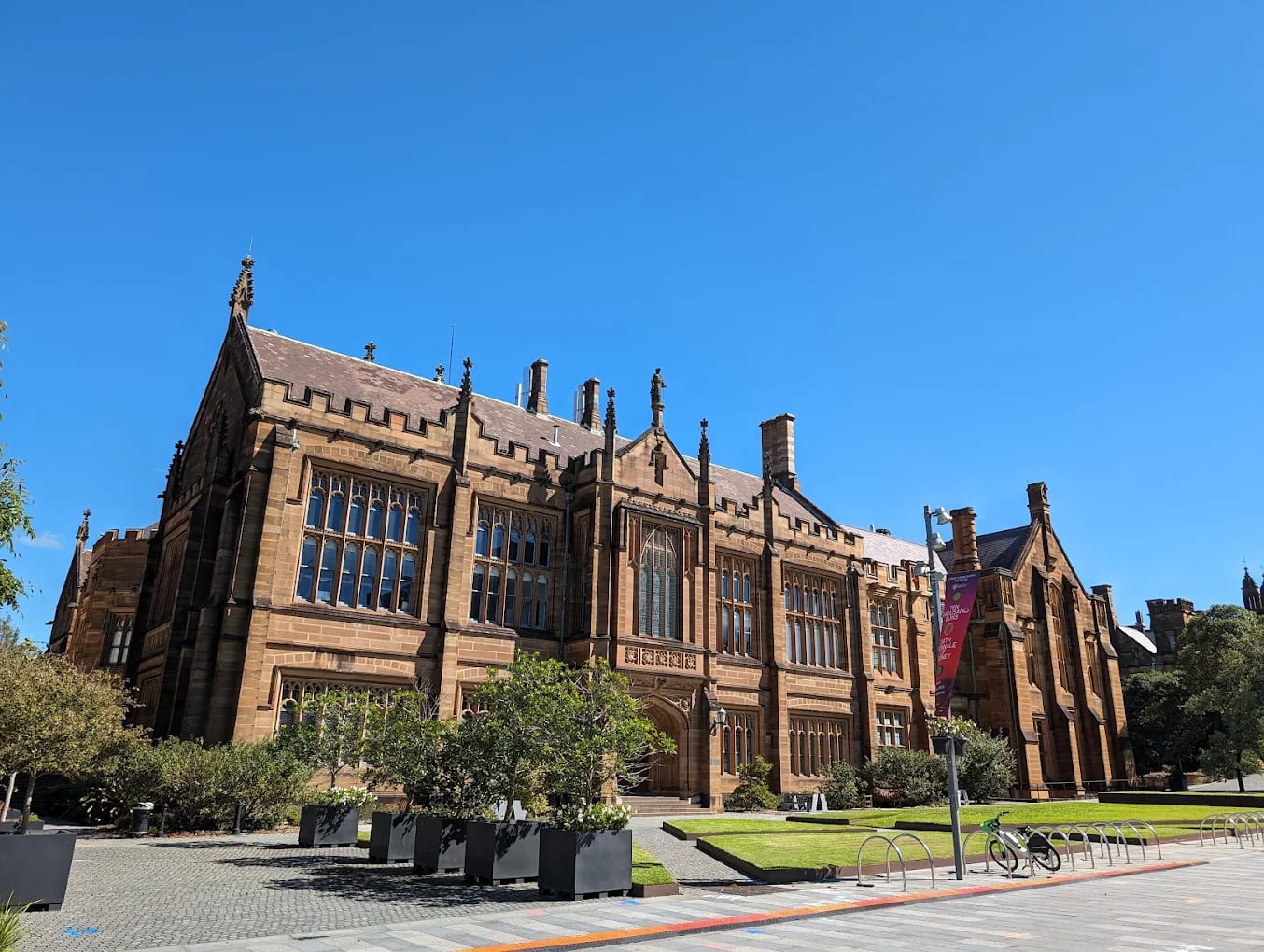
The sandstone Gothic Quadrangle main building of the University of Sydney, Camperdown campus

The sandstone Gothic Quadrangle main building of the University of Sydney, Camperdown campus

Australia's First University (1850)

The University of Sydney was founded in 1850, making it Australia's oldest university, and it grew into one of the country's leading research universities and a member of the Group of Eight.

A Medical School From the 1880s

The Sydney Medical School was established in the 1880s under its founding professor Sir Thomas Anderson Stuart, and became one of Australia's most historic and influential medical schools.

A Legacy of Medical Discovery

Sydney graduates and researchers have shaped medicine, from Sir Norman Gregg's discovery of Congenital Rubella Syndrome (1941) to Victor Chang's pioneering of heart transplantation in the 1980s.

A Global Research University Today

Today the University of Sydney is a top-25 global university with a graduate-entry MD, major research institutes such as the Charles Perkins Centre, and an extensive network of Sydney teaching hospitals.

Get all information about studying medicine at the University of Sydney in our free brochure

Read on to understand the real pathway to the University of Sydney MD.

Role in medicine

Role in medical education

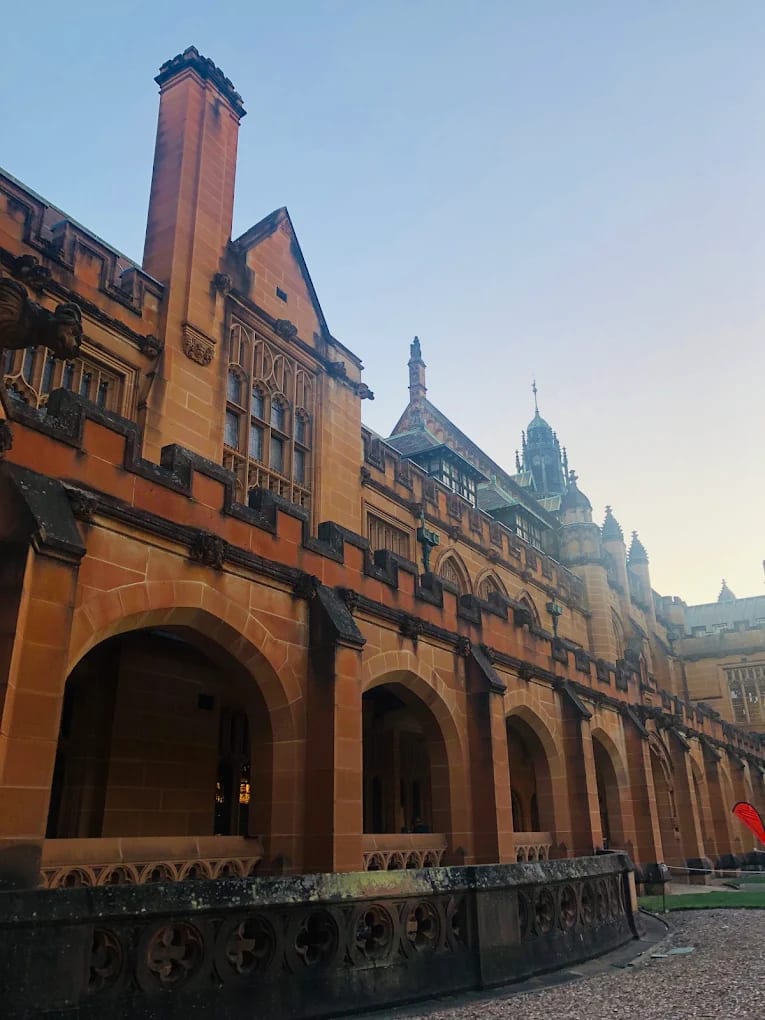
The sandstone Gothic cloisters and arches of the University of Sydney Quadrangle at dusk, Camperdown campus

The sandstone Gothic cloisters and arches of the University of Sydney Quadrangle at dusk, Camperdown campus

A National Leader in Medical Research

The University of Sydney is a national leader in medical education and research, home to major institutes such as the Charles Perkins Centre and an extensive network of Sydney teaching hospitals, and consistently ranks among Australia's top medical schools.

Training the Next Generation of Doctors

Through the graduate-entry MD, taught in English with extensive clinical placements and a research component, the University trains Australian and international students for registration and medical careers in Australia and worldwide.

Globally Ranked and Recognised

As Australia's first university, with an AMC-accredited program and a WDOMS listing, Sydney offers a globally respected medical education, with the honest caveat that it is a premium, graduate-entry pathway.

Get all information about studying medicine at the University of Sydney in our free brochure

Read on to understand the real pathway to the University of Sydney MD.

Cost of living

Living Cost in Sydney

Sydney is Australia's most expensive city, so budget carefully. The figures below are indicative monthly living costs for a student and are SEPARATE from the very high MD tuition of about AUD 93,500 (₹52 lakh) per year.

Monthly Living Cost

Cost ComponentApproximate Amount (per month)
Accommodation (student housing/rental share)AUD 1,100 – AUD 2,200 (₹62,000 – ₹1,23,000)
Food & GroceriesAUD 450 – AUD 750 (₹25,000 – ₹42,000)
Transport & PersonalAUD 150 – AUD 320 (₹8,000 – ₹18,000)
Utilities & ExtrasAUD 150 – AUD 380 (₹8,000 – ₹21,000)
Average monthly living costAUD 1,900 – AUD 3,400 (₹1,06,000 – ₹1,90,000)
Get Free MBBS Guide

Average monthly living cost (excluding tuition)

AUD 1,900 – AUD 3,400 (₹1,06,000 – ₹1,90,000)

Housing

Accommodation

Students at the University of Sydney live in residential colleges, university student accommodation, or private rentals in inner Sydney. Confirm current options and prices with the University's accommodation service.

Residential Colleges

The University of Sydney has historic residential colleges near the Camperdown campus (such as St Paul's, St John's, Wesley, Women's College and others) offering catered accommodation and community, at a premium price; confirm current fees and availability.

University Student Accommodation

University-managed and affiliated student accommodation offers studios and shared apartments close to campus, with the University's accommodation service listing verified options.

Private Rentals & Sharehouses

Many students rent private apartments or sharehouses in inner-Sydney suburbs (Newtown, Glebe, Camperdown, Redfern), though Sydney rents are high; confirm the current rental market.

A Large International Community

Sydney has one of the largest international-student populations in the world and an established Indian community, so new students find support networks quickly.

Indian & Halal Food

Sydney has extensive Indian, halal and vegetarian food and grocery options (with hubs such as Harris Park), so Indian and vegetarian students eat very well (see the Food section).

A World-Class City

Sydney is safe, cosmopolitan and spectacular, with beaches, harbour, parks and excellent public transport connecting the campus to the city.

Budget Realistically

Sydney is Australia's most expensive city (living costs around AUD 30,000-40,000 a year, roughly ₹17-22 lakh); this is on top of the MD tuition, so plan the full budget carefully.

Arrival Support

The University's accommodation and international-student services help with settling in; our counsellors can help with housing, visa and pathway guidance.

Need accommodation details?

Get a full overview of housing options with our university guide, or reach out to an expert.

Food & Dining

Indian, Halal and Vegetarian Food in Sydney

100% Veg options available. Vegetarian food is easily available in cafeterias, restaurants, grocery stores and student accommodation across Sydney. As one of the world's most multicultural cities, Sydney is outstanding for Indian and vegetarian food.

Sydney has a large Indian community and a huge range of Indian restaurants and eateries, with famous hubs such as Harris Park ('Little India') and Wentworthville, so Indian food, including regional cuisines, is very easy to find.

Location

How to Reach the University of Sydney

Address

The University of Sydney, Camperdown/Darlington Campus, Camperdown, New South Wales 2006, Australia (medical teaching also takes place across Sydney's teaching hospitals and clinical schools)

  • Nearest Airport

    Sydney Kingsford Smith Airport (SYD) is about 10 km from the Camperdown campus. Indian students typically fly one-stop via a Gulf or Southeast Asian hub. Students need an Australian student visa (subclass 500). Sydney is about 4.5-5.5 hours ahead of Indian time depending on daylight saving

  • Local Transport

    The Camperdown campus is close to inner-Sydney, served by frequent buses, light rail and nearby train stations (Redfern), with Sydney's train, metro, light-rail and ferry network connecting the city; a car is not necessary

Your Roadmap to Success

Career Pathways After the MD at the University of Sydney

Sydney MD graduates complete a paid internship year (PGY1) and gain general registration with the Medical Board of Australia, then progress to prevocational and specialty (vocational) training through the Australian colleges.

Understand the Medical Licensing Pathway

A clear overview of registration in Australia and the exams needed to practise in India or elsewhere.

Practising in India

FMGE & NExT Details

An Indian graduate of the University of Sydney who wants to practise in India follows the National Medical Commission (NMC) route: qualifying NEET before starting, meeting the NMC's foreign-graduate conditions, clearing the screening examination (currently the FMGE, transitioning to the NExT), completing the required internship in India and registering. Because the Sydney degree is a graduate-entry MD, the mapping to India's rules needs care, and many Sydney graduates instead build careers in Australia.

  1. Step 1

    NEET Before You Start (if returning to India)

    An Indian student who intends to practise in India must have qualified NEET-UG before beginning the medical program abroad, and obtain the NMC Eligibility Certificate. This applies to the India-return plan; it is not an Australian requirement.

  2. Step 2

    Meet the FMGL 2021 Conditions (confirm the mapping)

    The Foreign Medical Graduate Licentiate Regulations 2021 set conditions on course-plus-internship duration completed at the same institution, English-medium teaching, and a degree that entitles practice in the country of study. Australia is English-medium and the MD entitles practice in Australia, but the GRADUATE-ENTRY structure differs from an Indian MBBS, so confirm in writing with the NMC how the bachelor's-plus-MD pathway and the internship are counted.

  3. Step 3

    Clear the FMGE / NExT and Register

    Graduates returning to India must clear the qualifying examination (FMGE, transitioning to the NExT), complete the required internship in India, and register with the NMC or a State Medical Council.

Student Life Style

Student life at the University of Sydney

Being a medical student in Sydney combines a demanding graduate-entry MD at a top-25 university with life in one of the world's great harbour cities.

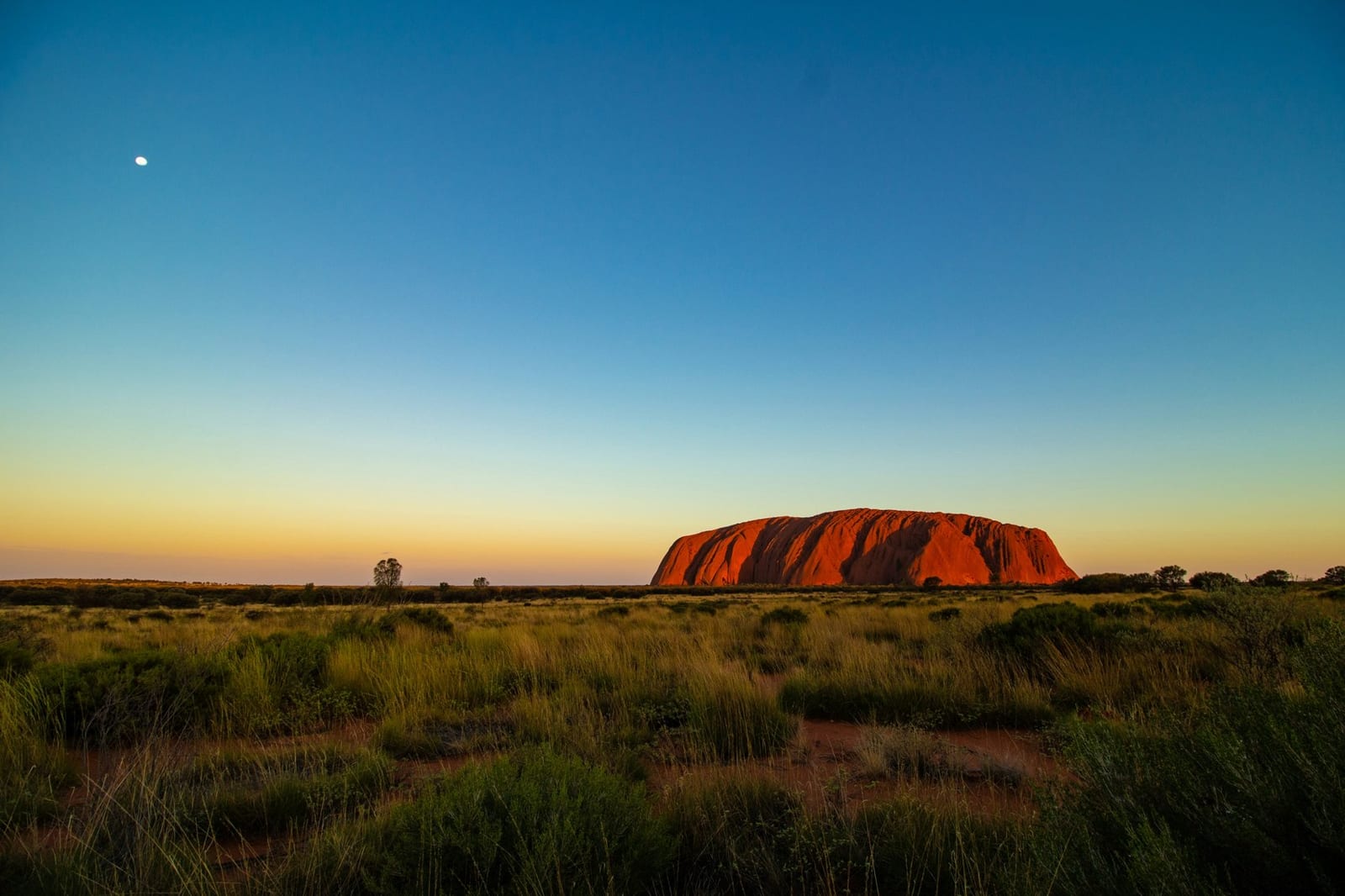
Uluru (Ayers Rock) at dusk in Australia's Northern Territory — national travel context about 2,800 km from Sydney, not the campus

Uluru (Ayers Rock) at dusk in Australia's Northern Territory — national travel context about 2,800 km from Sydney, not the campus

Academics

The MD is a demanding, graduate-entry program taught in English, moving from foundations to full-time clinical placements across Sydney's teaching hospitals, with a research component. Students are typically older and already hold a degree, and the standard is very high.

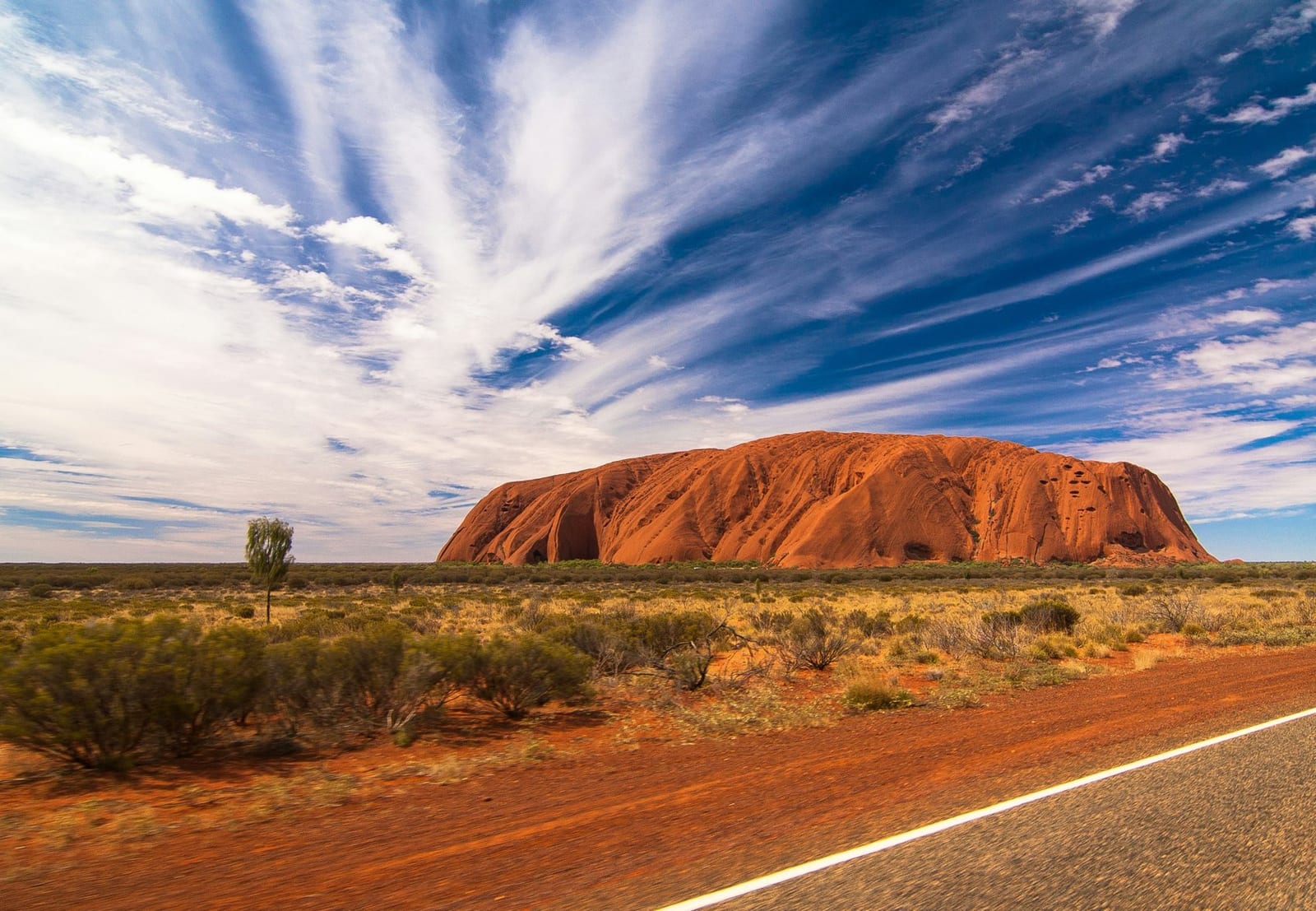
Uluru (Ayers Rock) rising from the desert in Australia's Northern Territory — national travel context, not Sydney or the campus

Uluru (Ayers Rock) rising from the desert in Australia's Northern Territory — national travel context, not Sydney or the campus

Life in Sydney

Sydney is one of the world's great cities, with the harbour, beaches (Bondi, Manly), parks and a spectacular lifestyle, plus a huge international-student and Indian community. It is Australia's most expensive city, so budget carefully. Sydney is about 4.5-5.5 hours ahead of Indian time.

Challenges and Growth

The real challenges here are the cost (Sydney is expensive) and the graduate-entry, highly competitive pathway, not language or safety. Students must fund a premium route and earn a place, but they gain a world-class degree and, for many, a pathway to a career in Australia.

Social Life

The University of Sydney has a vibrant student life through its clubs and societies, the Sydney University Medical Society, historic residential colleges and the city's harbour, beach and cultural scene, so students build strong communities.

Overall Experience

Studying the MD at the University of Sydney means a world-class, research-rich medical education in a spectacular city, for students and families who can fund a premium graduate-entry pathway and who plan the destination (Australia or India) with open eyes.

Fees & Financial

Fees & Financial Planning

This is a major planning issue for an Indian family: the Sydney MD is one of the more expensive medical degrees in the world, and Sydney is Australia's most expensive city. Realistic, honest financial planning across the whole bachelor's-plus-MD pathway is essential.

The international MD fee is about AUD 93,500 per year (2026), so the 4-year MD alone is roughly AUD 374,000 (about ₹2.1 crore) in tuition, before the prior bachelor's degree that graduate entry requires (commonly AUD 45,000-55,000 a year) and before Sydney living costs of about AUD 30,000-40,000 a year. The full pathway can realistically total ₹3.5-4.5 crore.

  • MD ~AUD 93,500/year (₹52 lakh)
  • 4-year MD ~AUD 374,000 (₹2.1 crore)
  • Prior bachelor's ~₹75 lakh – 1 crore
  • Sydney living ~₹18-22 lakh/year
  • Confirm all figures before committing

Ratings

Reviews & Ratings

Hear from students and alumni about their experience studying medicine at the University of Sydney.

4.6

68 reviews

Academics4.8
Clinical Exposure4.7
City & Lifestyle4.7
Career Pathways4.6
Affordability2.6
  • World-class, if you can fund it

    MD student 2023

    The teaching, hospitals and research are outstanding and Sydney is an incredible city. Just be clear-eyed: it's graduate-entry and the fees plus Sydney living costs are very high. Plan the full bachelor's-to-MD budget before you commit.

  • Great pathway to work in Australia

    MD graduate 2022

    I chose Sydney to build a career in Australia, and the migration pathway for doctors made the cost worth it. If your plan is to return to India, do the NMC/FMGE homework carefully first.

Compare

Compare Colleges

Compare the University of Sydney (graduate-entry MD) with a leading Indian medical college.

Quick Comparison:

University of Sydney (MD) vs AIIMS New Delhi (MBBS)

University
University of SydneySydney, Australia
AIIMS New DelhiNew Delhi, India
Degree & EntryDoctor of Medicine (MD) — mainly GRADUATE entry (needs a prior bachelor's)MBBS — school-leaver entry after Class 12
MediumEnglishEnglish
Duration4-year MD after a ~3-year bachelor's (~7 years total)5.5 years including internship
Tuition~AUD 93,500/year (₹52 lakh); ~₹2.1 crore for the MD alone, plus the bachelor'sNominal (a few thousand rupees per year)
AdmissionBachelor's + GAMSAT/MCAT + interview (very competitive; school-leaver route ATAR 99.95)NEET-UG (extremely high rank)
RecognitionAMC-accredited; WDOMS-listed; NMC route via FMGE/NExT (confirm graduate-entry mapping)NMC-recognised
World Ranking#26 in the world for Medicine, top-25 overall (QS 2026)India's top medical institute (NIRF #1)

Compare Top MBBS Universities for Me

See key differences in fees, ranking, eligibility and recognition.

Our blog

Medical Education Insights

Articles that turn complex medicine-abroad rules into simple, practical steps for students and parents.

FAQ

Frequently Asked Questions

Short, honest answers to the questions Indian students and parents ask most about studying medicine at the University of Sydney.

Campus photographs supplied by the client (three genuine University of Sydney views: the historic sandstone 'Faculty of Medicine' building, the Anderson Stuart Building, with jacaranda; and two views of the sandstone Gothic Quadrangle). City images courtesy of Unsplash: Sydney Harbour, the Opera House and the Harbour Bridge — photos by Caleb, Dan Freeman, Leio McLaren and Srikant Sahoo; and Uluru (Ayers Rock) in the Northern Territory — photos by Ondrej Machart and photoholgic, all on Unsplash.