
Free Webinar: MBBS in India

Sat, September 5, 2026 | 7:00 PM

Reserve my Seat
futureMBBS

Free Webinar: MBBS in India

Sat, September 5, 2026 | 7:00 PM

Reserve my Seat
futureMBBS
Melbourne, Australia

Monash University Faculty of Medicine

A Group of Eight research university in Melbourne, ranked #33 in the world for Medicine (QS 2026 by subject) and among the world's best for pharmacy and health sciences. Uniquely for Australia, Monash offers a 5-year direct-entry Doctor of Medicine that school-leavers can enter from Class 12 — a premium but school-leaver-accessible pathway.

  • MBBS student
  • MBBS student
  • MBBS student
  • MBBS student

5000+ Students trust us

Australia

Country

Clayton, Melbourne

Main medical campus

Doctor of Medicine (MD)

5-year direct entry from Class 12

English

Medium of instruction

Introduction

Monash University Faculty of Medicine

Monash University is one of Australia's leading research universities (a member of the Group of Eight), based in Melbourne, and its Faculty of Medicine, Nursing and Health Sciences is the country's largest health-education faculty and one of its highest-ranked, placed #33 in the world and #3 in Australia for Medicine in the 2026 QS World University Rankings by Subject. The most important fact for an Indian school-leaver is this: Monash offers a direct-entry undergraduate medical degree, the five-year Bachelor of Medical Science and Doctor of Medicine, which a student can enter straight from Year 12 (the Class 12 equivalent), without first completing a separate bachelor's degree. That makes Monash meaningfully more accessible to Indian school-leavers than the University of Melbourne, whose MD is graduate-entry only. The degree is taught in English, accredited by the Australian Medical Council, and delivered across Monash's Clayton campus and clinical schools in Melbourne's hospitals. Monash's medical research legacy is genuinely world-changing, most famously the pioneering of IVF in the 1970s and 1980s. The honest caveats are that admission is intensely competitive (UCAT, academic results and a Multiple Mini Interview) and that it is expensive (about AUD 92,200 per year, roughly ₹2.6 crore over five years, plus living costs). This page is written to be honest about both the opportunity and the cost.

  • Study program:Bachelor of Medical Science and Doctor of Medicine (MD) — a 5-year direct-entry undergraduate medical degree, entered from Class 12
  • Language:English (IELTS or equivalent required for international applicants)
  • Duration:5 years (direct entry); a separate 4-year graduate-entry stream exists for degree-holders
  • University type:Public research university (Group of Eight)
  • Tuition fees:AUD 92,200 per year (2026) · ₹52 Lakh approx. — about AUD 461,000 (₹2.6 crore) over 5 years, plus living costs
  • Entrance examination:UCAT ANZ + academic results + Multiple Mini Interview (MMI) — not GAMSAT; NEET also required for Indians who intend to practise in India
  • Application deadline:International direct-entry applications typically close in the months before the year of entry — confirm the current dates
  • Recognition:AMC-accredited and WDOMS-listed; the NMC (India) route applies subject to conditions; pathways to Australia, the USA (USMLE) and the UK (GMC)
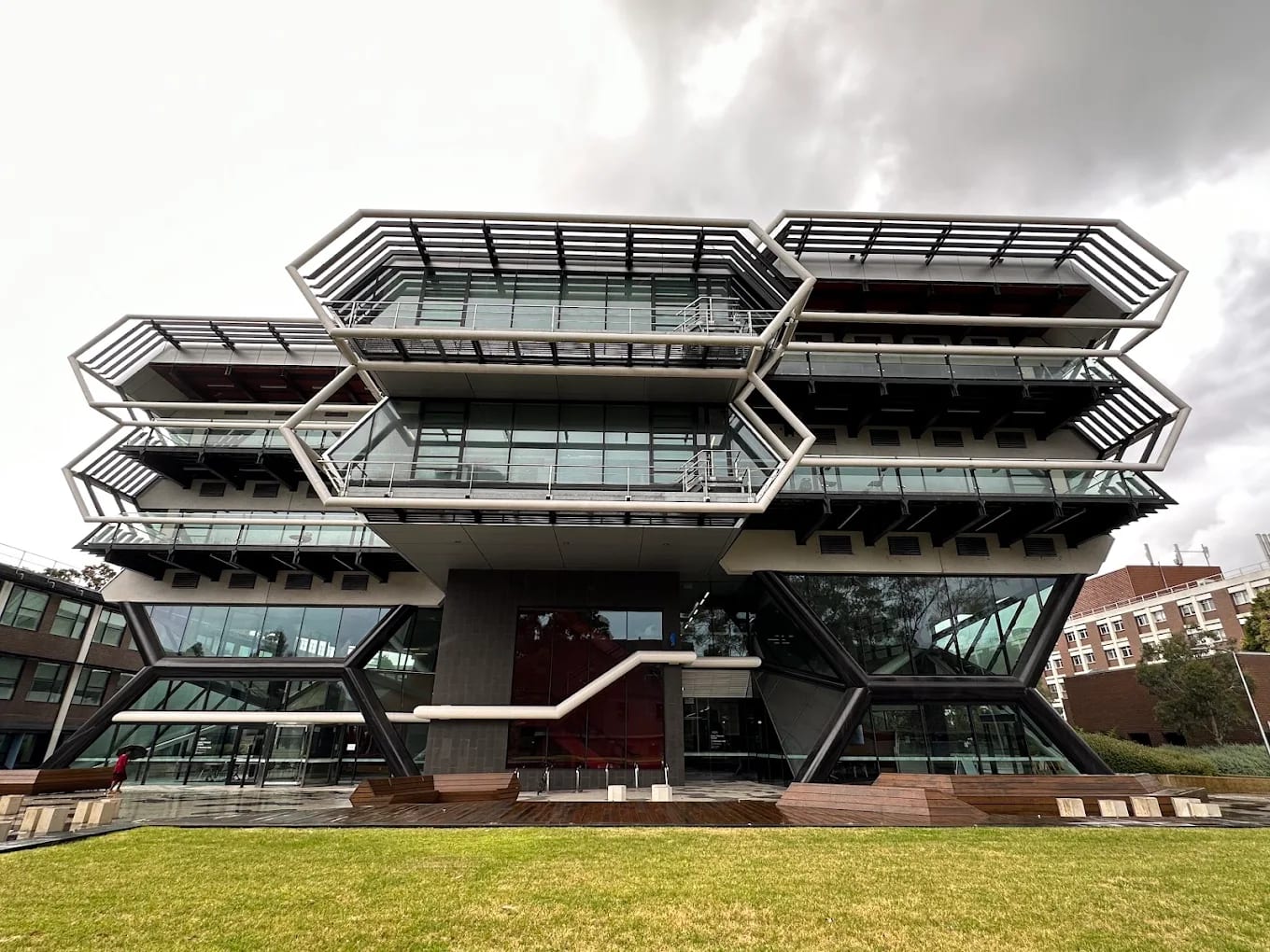
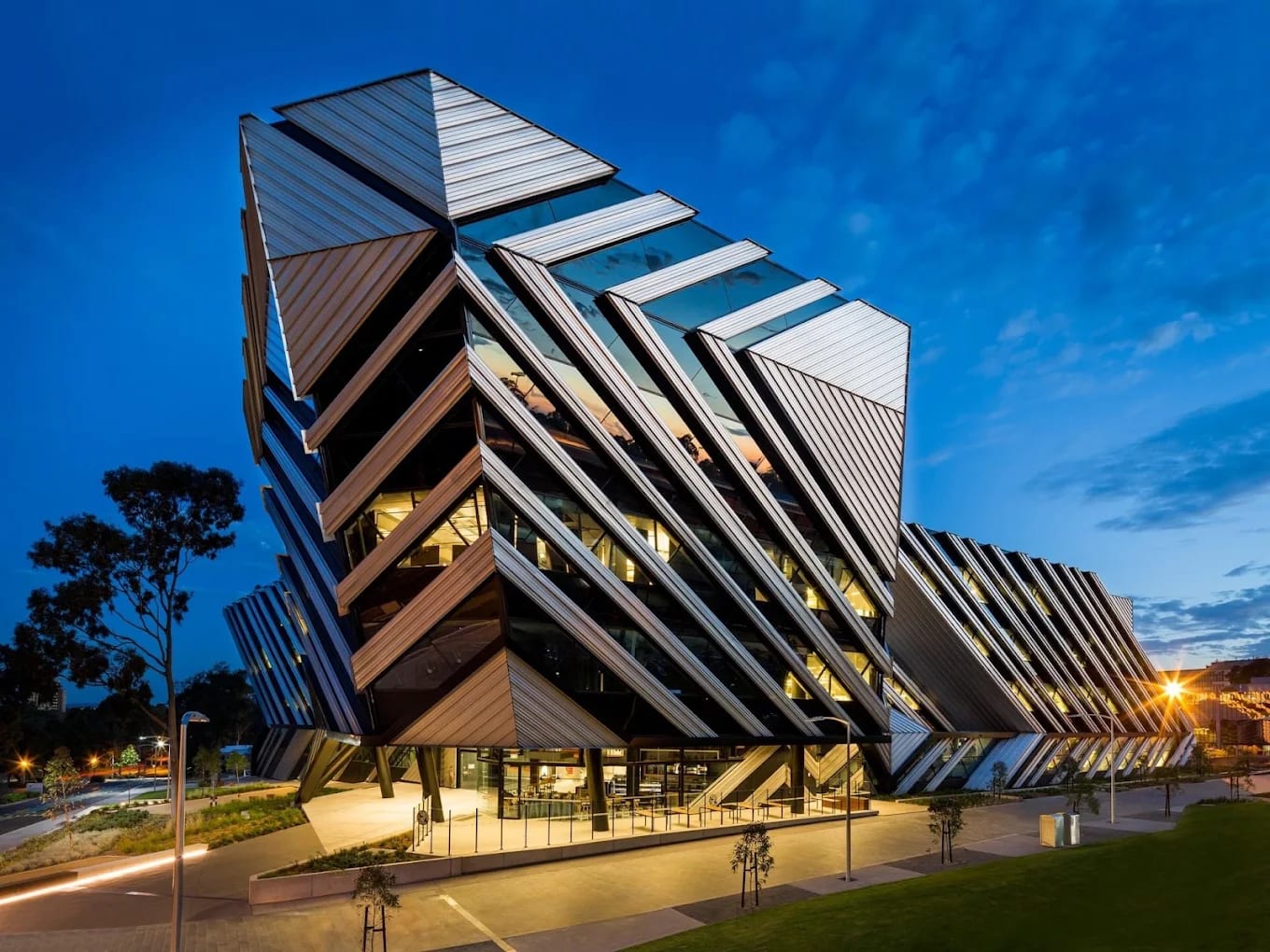
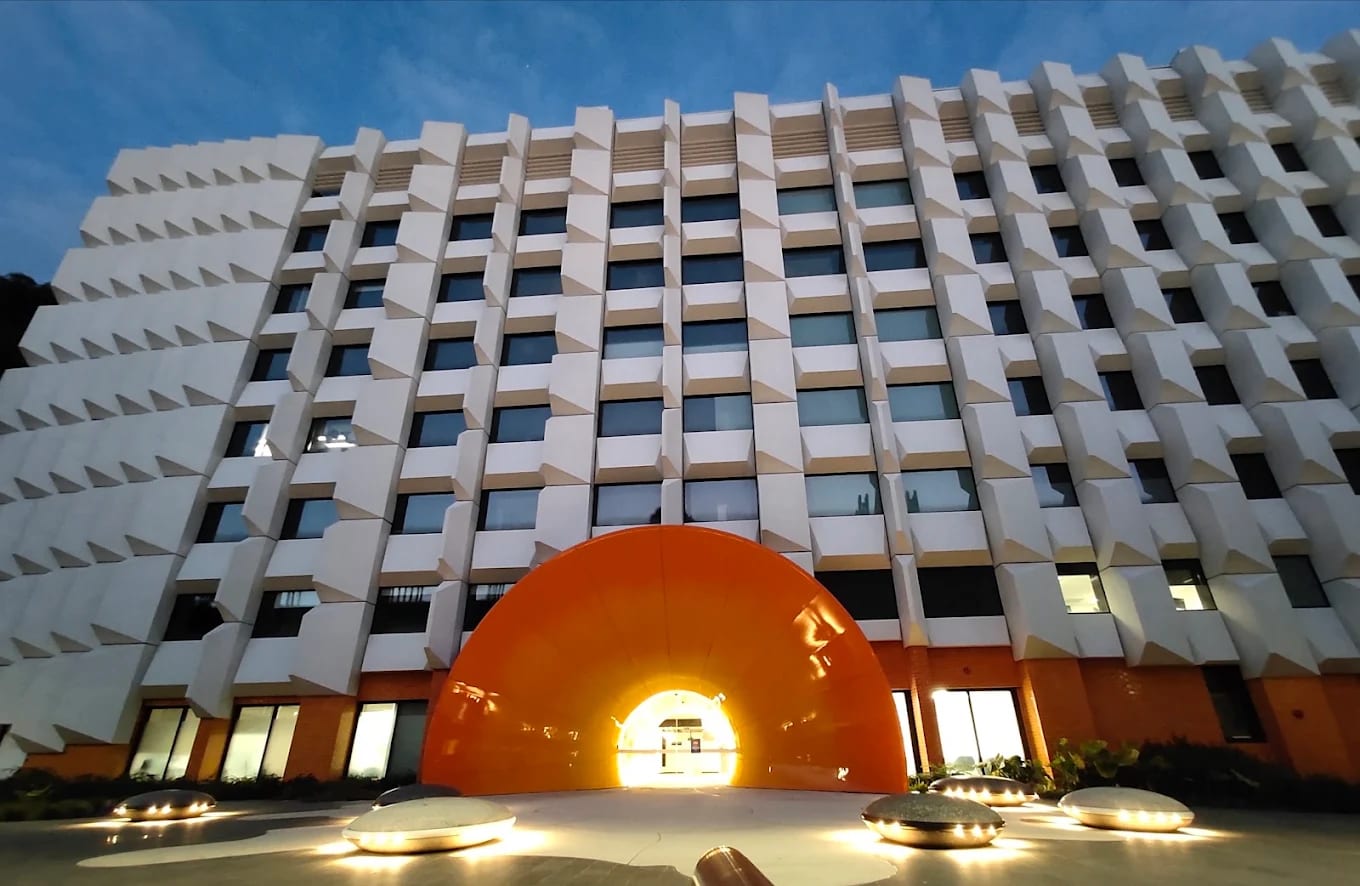
An angular, diamond-facade Monash research building illuminated at dusk on the Clayton campus, Melbourne
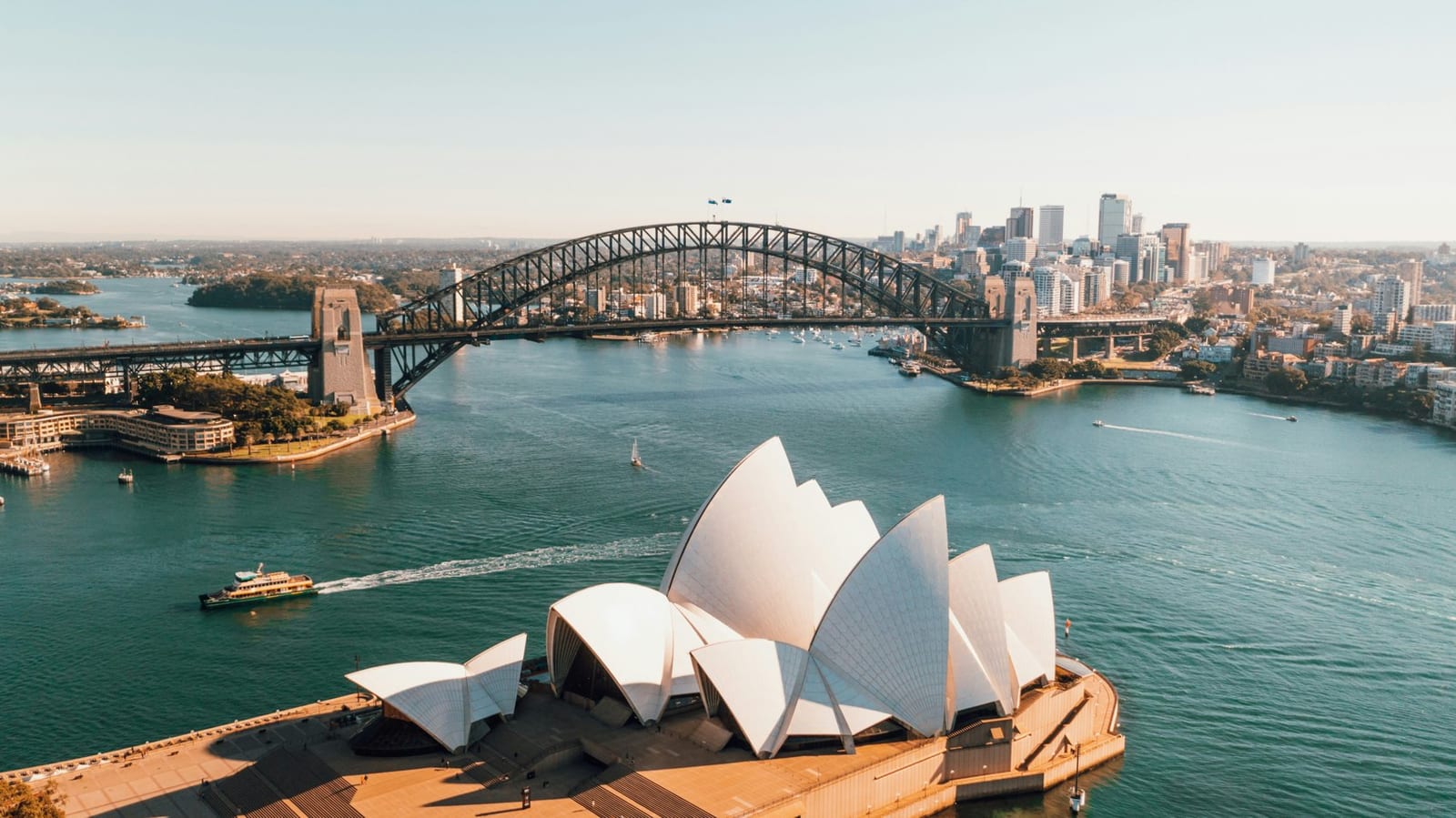
The Sydney Opera House and Sydney Harbour Bridge — an Australian landmark in Sydney, not Melbourne
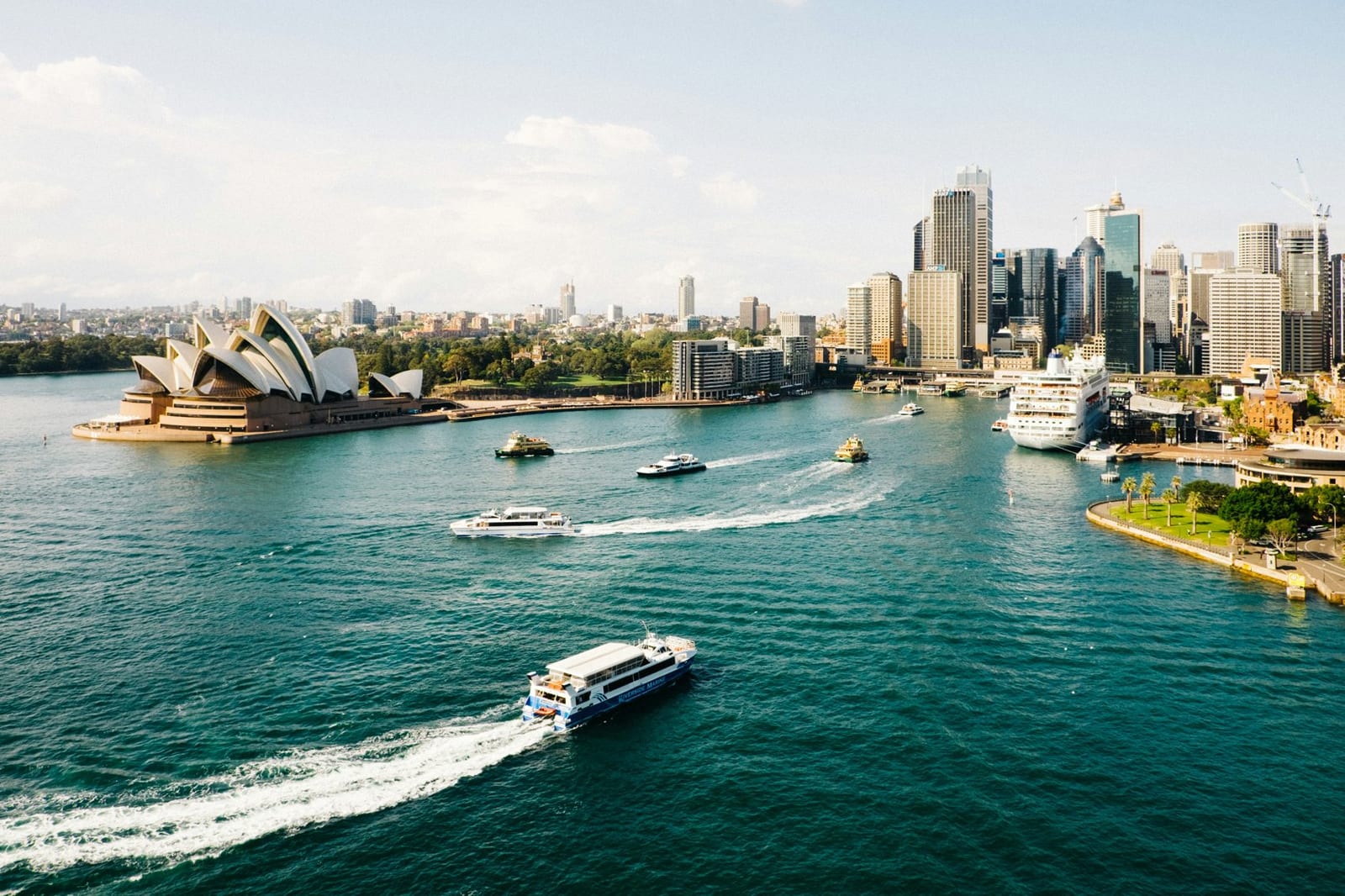
Sydney Harbour with the Opera House and city skyline — Australian city context, not Melbourne

An angular, diamond-facade Monash research building illuminated at dusk on the Clayton campus, Melbourne

Understand the real pathway to medicine at Monash University

Download our free brochure, or speak with our team to understand whether Monash's direct-entry MD is the right, well-planned path for your family.

Recognition & Prestige

Rankings & Recognition

Monash University is genuinely world-class and, unlike most MBBS-abroad destinations, its rankings are real and high. It is a Group of Eight university, ranked among the world's top ~40 overall, top ~35 for Medicine, and among the world's very best for pharmacy and health sciences.

  • #33 in the world

    QS World University Rankings by Subject 2026 — Medicine

  • #3 in Australia

    QS 2026 by subject — Medicine

  • Top ~40 in the world

    QS World University Rankings (overall)

  • Top 2–3 for Pharmacy

    Among the world's best for Pharmacy & Pharmacology (QS by subject)

Monash University (Faculty of Medicine, Nursing and Health Sciences) is a top-40 global university and a top-3 Australian medical school. The MD is accredited by the Australian Medical Council (AMC), so graduates are eligible for provisional registration with the Medical Board of Australia (Ahpra) and an Australian internship, and the school is listed in the World Directory of Medical Schools (WDOMS) — which also supports ECFMG certification and the USMLE for the United States. Indian students who intend to practise in India must separately meet the National Medical Commission's FMGL-2021 conditions and clear the screening examination (see FMGE & NExT).

Complete Information About Studying Medicine at Monash University

Get a clear, honest picture of the direct-entry MD pathway, the UCAT, the real costs, and whether it fits your family's plans.

Success stories

Student Success Stories

Hear directly from students who are studying medicine in Europe with futureMBBS.

Academic Excellence

Top Reasons to Study Medicine at Monash University

Monash offers a genuinely world-class, research-intensive medical education with the rare advantage of direct entry from school. These are its real strengths, with the honest trade-offs of cost and competitiveness.

Direct Entry From Class 12

Unlike the University of Melbourne, Monash lets school-leavers enter medicine directly through the 5-year Bachelor of Medical Science and Doctor of Medicine, without first completing a separate bachelor's degree. For Indian students who want to start medicine straight after Class 12, this is a genuine advantage.

A Top-Ranked Medical School

Monash is ranked #33 in the world and #3 in Australia for Medicine (QS 2026 by subject), part of a top-40 global university and the Group of Eight. The academic quality and reputation are real, not marketing.

A World-Changing Research Legacy

Monash researchers pioneered IVF in the 1970s and 1980s (Australia's first IVF baby in 1980), and the university is among the world's best for pharmacy and biomedical science, so students learn in a genuinely research-rich environment.

An Integrated MD With Early Clinical Exposure

The course integrates biomedical science with medicine, with the first two years campus-based and the final three years based in hospitals and communities, giving strong, early clinical training across Monash's Victorian clinical schools.

Strong Pathways in Australia

Australia has structured internship, registration and specialty-training pathways, and clear post-study work and skilled-migration routes for doctors, so many international graduates build careers in Australia. This is often the real goal.

Melbourne as a City

Monash's main campus is in Melbourne, consistently rated among the world's most liveable cities, with a large international-student population, an established Indian community, excellent transport and outstanding Indian and vegetarian food.

A Globally Portable Degree

A Monash MD (AMC-accredited, WDOMS-listed) supports pathways to the USA (USMLE via ECFMG), the UK (GMC routes) and elsewhere, in addition to Australia.

Plan Honestly

Be realistic: admission is intensely competitive (UCAT + academic + MMI, with very high effective cut-offs), and it is expensive (about ₹2.6 crore over five years, plus living costs). If you intend to return to India you must have qualified NEET before starting and clear the FMGE/NExT. For most Indian MBBS aspirants on a tighter budget, this is not the mainstream route.

Read all about MBBS abroad in our free brochure

Know exactly what options exist for your medical-career success.

How to Apply

Admission Process for the Doctor of Medicine (Direct Entry)

Admission to the Monash direct-entry MD is from Year 12 and is highly competitive. The good news for Indian families: you can apply straight after Class 12, without a prior degree. Selection uses the UCAT ANZ, academic results and a Multiple Mini Interview. Confirm the exact current process on monash.edu/medicine.

Admission Timeline

  1. 1
    Step 1 — Class 12 with PrerequisitesYear 12 (or equivalent) with English & Chemistry

    Complete Class 12 (VCE-equivalent) with strong marks, including the prerequisite subjects (English and Chemistry at Year 12 level). Direct entry is for recent school-leavers who have not commenced other tertiary study.

  2. 2
    Step 2 — Sit the UCAT ANZThe Admissions Test

    Register for and sit the UCAT ANZ (the University Clinical Aptitude Test for Australia and New Zealand). Monash uses the UCAT, not the GAMSAT, for direct entry; competitive scores are high (well above the median).

  3. 3
    Step 3 — ApplySubmit the Application

    Apply through the correct international route for the Bachelor of Medical Science and Doctor of Medicine (direct entry), with academic documents and UCAT results.

  4. 4
    Step 4 — Multiple Mini InterviewThe MMI

    Shortlisted applicants attend a Multiple Mini Interview. For international applicants the interview is the first ranking level, then UCAT, then academic results as a tiebreaker.

  5. 5
    Step 5 — Offer, Visa & EnglishOffer, Student Visa and English Test

    Successful applicants receive an offer, meet English requirements (IELTS/equivalent) and apply for the Australian student visa (subclass 500).

  6. 6
    Step 6 — NEET (if returning to India)NEET & NMC Eligibility Certificate

    Indian students who intend to practise in India must have qualified NEET-UG before starting and obtain the NMC Eligibility Certificate; this does not apply if the plan is to practise in Australia (see FMGE & NExT).

Eligibility Criteria

Academic Qualification (Direct Entry from Year 12)

Applicants must have completed Year 12 (Class 12 equivalent) with very strong marks, including the prerequisite subjects English and Chemistry. The domestic ATAR guide is a minimum of 90 but actual cut-offs are around 99, so competitive applicants are top performers. Direct entry is for recent school-leavers who have not undertaken other tertiary study; a separate graduate-entry stream exists for degree-holders. Indian students who intend to practise in India must also qualify NEET before starting.

Prerequisites:

Year 12 EnglishYear 12 ChemistryVery strong overall marksUCAT ANZIELTS or equivalent

Age Requirement

There is no specific age bar beyond being a recent school-leaver for direct entry; applicants must meet the academic, UCAT and interview requirements. Indian students planning to return to India should note that the NMC's own rules (including NEET) apply to them.

  • Direct entry from Class 12No prior degree needed for the 5-year direct-entry course

Requirements

Applicants need Year 12 with prerequisites, a strong UCAT ANZ score, a strong MMI, English proficiency and a student visa; Indians intending to practise in India also need NEET and the NMC Eligibility Certificate.

  • UCAT + Strong Class 12

    Plan for the UCAT ANZ alongside excellent Class 12 results (English and Chemistry prerequisites), then the MMI. This is a competitive, school-leaver pathway.

  • Fund the Full Course

    Budget realistically: about ₹2.6 crore over five years in tuition, plus living costs. Confirm the current fees before committing.

Admissions Test

Selection for direct entry uses the UCAT ANZ, academic results and a Multiple Mini Interview. Confirm the current thresholds and the exact ranking method for international applicants on the official site.

ComponentRequirement
AcademicYear 12 (Class 12) with English and Chemistry; very strong marks (effective cut-offs high)
Admissions testUCAT ANZ (University Clinical Aptitude Test) — NOT GAMSAT
InterviewMultiple Mini Interview (MMI); first ranking level for international applicants
EnglishIELTS or equivalent for international applicants
India-side (if returning)NEET-UG qualification + NMC Eligibility Certificate for later FMGE/NExT

Required Documents

Indian applicants typically provide the following for the MD application and the Australian student visa:

  • Class 10 and Class 12 mark sheets and certificates (with English and Chemistry)
  • UCAT ANZ results, and English test (IELTS/equivalent) results
  • Valid passport and Australian student visa (subclass 500) documents, including Genuine Student requirements
  • MMI invitation and supporting identity/personal documents
  • For students intending to practise in India: NEET-UG scorecard and NMC Eligibility Certificate
  • + More

Admission Guidance & UCAT Planning

Get help planning the UCAT, the MMI and the direct-entry application from our team.

Program Structure

MD Course Structure at Monash University

The Monash direct-entry medical degree is a five-year program taught in English: the first two years are campus-based, integrating biomedical science with clinical foundations, and the final three years are based in hospitals and the community across Monash's Victorian clinical schools. Confirm the exact current structure on monash.edu/medicine.

Bachelor of Medical Science and Doctor of Medicine (MD) Course

  • Total Duration:

    5 Years (direct entry) — 2 years campus-based + 3 years hospital/community-based

  • Degree:

    Bachelor of Medical Science and Doctor of Medicine (MD) — Australia's primary, entry-to-practice medical qualification, equivalent to the MBBS

Course Phases in the Monash MD

  • Years 1–2

    Biomedical Science & Clinical Foundations (Campus)

    The campus-based foundation years integrating biomedical sciences with early clinical and communication skills, through themed, systems-based learning:

    AnatomyPhysiologyBiochemistryMolecular Biology
    Integrated body systemsClinical skillsProfessional development
  • Year 3

    Transition to Clinical Practice

    The move into the clinical environment, applying science to patient care and beginning structured hospital placements in Monash's clinical schools:

    PathologyPharmacologyApplied clinical medicineEarly clinical placements
  • Year 4

    Core Clinical Rotations

    Full clinical rotations through the major disciplines across Monash's Victorian teaching hospitals and community settings:

    MedicineSurgeryPaediatricsObstetrics & Gynaecology
    PsychiatryGeneral PracticeSpecialties
  • Year 5

    Advanced Clinical Practice & Transition to Internship

    Senior clinical placements and preparation for internship and registration, with electives and a research/scholarly component:

    Advanced rotationsElectivesScholarly/research componentTransition to practice

Clinical Training & Internship

Clinical training takes place across Monash's clinical schools in Melbourne and regional Victoria (major teaching hospitals and health services). In Australia, graduates complete a paid internship (PGY1) as part of gaining general registration; Indian graduates who return to India follow the NMC route. An indicative pattern is:

PhaseFocus
MD Years 3–5Clinical placements across Medicine, Surgery, Paediatrics, O&G, Psychiatry, General Practice and specialties in Monash's Victorian clinical schools
After graduation (Australia)Paid internship year (PGY1) leading to general registration with the Medical Board of Australia, then prevocational and specialty training
If returning to IndiaClear the FMGE/NExT and complete the required internship in India before NMC/State Medical Council registration

Get the full curriculum

Download a free brochure to understand the MD structure, the pathway and everything you need to plan.

Legacy

Prominent People and Faculty of Monash Medicine

Monash University was founded in 1958 and its medical faculty is younger than the great historic schools, so its distinction rests on a world-changing research legacy (above all, the pioneering of IVF) and on a strong record of graduates in medicine, research, ethics and public life. Where someone is famous as a Monash professor rather than a graduate, that is stated plainly.

Professor Carl Wood

Carl Wood was Professor of Obstetrics and Gynaecology at Monash University and a pioneer of in vitro fertilisation (IVF). He led the Monash team that achieved the world's first clinical IVF pregnancy (1973) and produced Australia's first IVF baby in 1980, work that has since helped millions of families worldwide conceive. His research made Monash a global birthplace of reproductive medicine.
Professor Alan Trounson

Alan Trounson was a Monash scientist who, with Carl Wood, pioneered human IVF, developing embryo-freezing techniques, egg and embryo donation methods, and early approaches to sperm microinjection and egg maturation. His work transformed fertility treatment globally and he went on to lead major stem-cell research initiatives.

Professor Michelle Leech

Michelle Leech graduated with a Bachelor of Medicine and Bachelor of Surgery from Monash University in 1987 and trained as a rheumatologist at Monash Health. A clinician-scientist in inflammation research, she is now Head of the Medical Course and a Deputy Dean in the Faculty of Medicine, Nursing and Health Sciences — a genuine example of a Monash graduate leading the school today.

Dr Richard Di Natale

Richard Di Natale earned his medical degree at Monash University and worked as a general practitioner and public-health doctor, including in Aboriginal health and HIV medicine, before entering politics. He became an Australian Senator and the Leader of the Australian Greens, showing how a Monash medical training can lead into public health and public life.

Professor Julian Savulescu

Julian Savulescu studied medicine at Monash University before becoming one of the world's leading bioethicists. He founded the Oxford Uehiro Centre for Practical Ethics, held the Uehiro Chair in Practical Ethics at the University of Oxford, and now holds a senior medical-ethics chair in Singapore, shaping global debate on the ethics of medicine and biotechnology.

Professor Christina Mitchell AO

Christina Mitchell AO is the Executive Dean of the Faculty of Medicine, Nursing and Health Sciences at Monash and a distinguished biomedical researcher known for work on cell-signalling enzymes (phosphoinositide phosphatases) relevant to cancer and metabolic disease. She leads one of the largest health faculties in Australia.

Professor Euan Wallace AM

Euan Wallace AM is an obstetrician and researcher who has led maternal and newborn health research and served in senior health-system roles in Victoria. He was appointed Dean of the Sub-Faculty of Clinical and Molecular Medicine within Monash's Faculty of Medicine, Nursing and Health Sciences, commencing January 2026.

Faculty & Leadership

Monash's medical program is delivered by the Faculty of Medicine, Nursing and Health Sciences (FMNHS), Australia's largest health faculty, through its research institutes and Victorian clinical schools. Named leaders below are verified as of 2025–2026; reconfirm current office-holders on the official site.

Academic Expertise

  • Executive Dean: Professor Christina Mitchell AO

  • Head of Medical Course & Deputy Dean: Professor Michelle Leech

  • Dean, Clinical and Molecular Medicine: Professor Euan Wallace AM (from Jan 2026)

  • Global birthplace of IVF (Wood & Trounson)

Student Support & Mentorship

  • Victorian clinical schools and major teaching hospitals

  • A research/scholarly component in the MD

  • Strong Australian internship and registration pathways

  • Guidance for Indian students on FMGE/NExT vs staying in Australia

About University

History Information

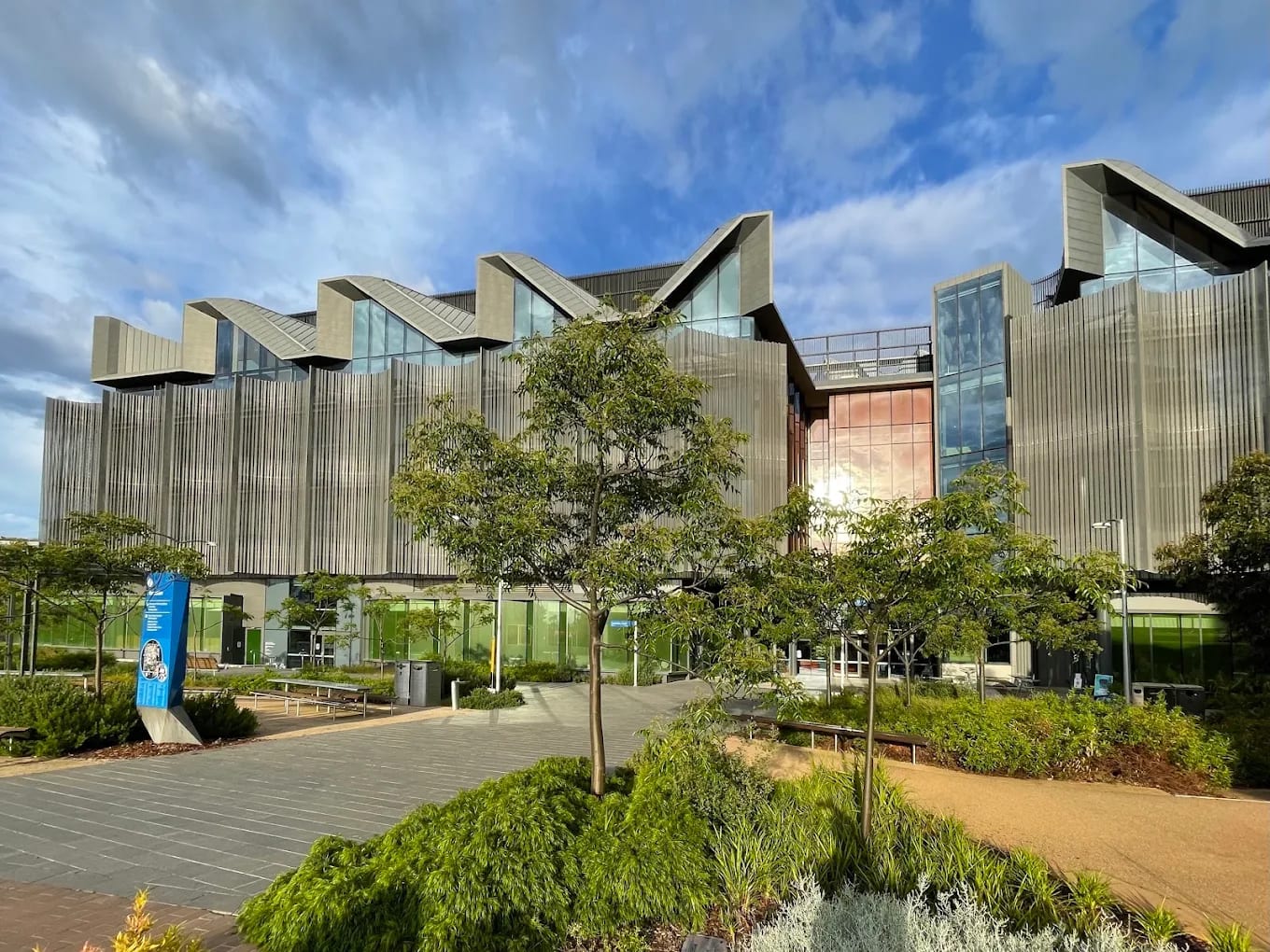
A Monash University building at the Clayton campus with a distinctive curved roofline and landscaped forecourt, Melbourne

A Monash University building at the Clayton campus with a distinctive curved roofline and landscaped forecourt, Melbourne

Founded in 1958

Monash University was established in 1958, named after Sir John Monash, and grew rapidly into one of Australia's largest and most research-intensive universities, a member of the Group of Eight.

A Medical School From the 1960s

Monash's medical school admitted its first students in the early 1960s and has grown into the Faculty of Medicine, Nursing and Health Sciences, the largest health-education faculty in Australia.

The Birthplace of IVF

In the 1970s and 1980s, Monash researchers led by Professor Carl Wood and Professor Alan Trounson pioneered in vitro fertilisation, achieving the world's first clinical IVF pregnancy (1973) and Australia's first IVF baby (1980), a legacy that has helped millions of families worldwide.

A Global, Multi-Campus University Today

Today Monash is a top-40 global university with campuses in Australia and Malaysia (and a presence elsewhere), teaching the direct-entry MD in Melbourne and consistently ranking among the world's best for medicine, pharmacy and health sciences.

Get all information about studying medicine at Monash University in our free brochure

Read on to understand the real pathway to the Monash MD.

Role in medicine

Role in medical education

The iconic orange tunnel entrance at Monash University's Clayton campus, illuminated at dusk, Melbourne

The iconic orange tunnel entrance at Monash University's Clayton campus, illuminated at dusk, Melbourne

Australia's Largest Health Faculty

Monash's Faculty of Medicine, Nursing and Health Sciences is the largest health-education faculty in Australia and a national leader in medical education and research, spanning Melbourne and regional Victorian clinical schools.

Training Doctors From School to Practice

Through the direct-entry MD, taught in English with early clinical exposure and extensive placements, Monash trains Australian and international students from Year 12 through to registration, preparing them for medical careers in Australia and worldwide.

Research-Rich and Globally Ranked

As a top-40 global university and a global leader in reproductive medicine, pharmacy and biomedical science, Monash offers a research-rich medical education, with the honest caveat that it is a premium, highly competitive pathway.

Get all information about studying medicine at Monash University in our free brochure

Read on to understand the real pathway to the Monash MD.

Cost of living

Living Cost in Melbourne

Melbourne is a high-income, high-cost city (though generally cheaper than Sydney). The figures below are indicative monthly living costs for a student and are separate from the high MD tuition of about AUD 92,200 (₹52 lakh) per year.

Monthly Living Cost

Cost ComponentApproximate Amount (per month)
Accommodation (student housing/rental share)AUD 900 – AUD 1,700 (₹50,000 – ₹95,000)
Food & GroceriesAUD 400 – AUD 700 (₹22,000 – ₹39,000)
Transport & PersonalAUD 150 – AUD 300 (₹8,000 – ₹17,000)
Utilities & ExtrasAUD 150 – AUD 350 (₹8,000 – ₹20,000)
Get Free MBBS Guide

Average monthly living cost (excluding tuition)

AUD 1,600 – AUD 3,000 (₹90,000 – ₹1,68,000)

Housing

Accommodation

Students at Monash live in on-campus residential accommodation at Clayton, university-affiliated housing, or private rentals in south-east Melbourne. Confirm current options and prices with Monash Residential Services.

On-Campus Residential (Clayton)

Monash has extensive on-campus residential accommodation at the Clayton campus (halls and apartment-style living) through Monash Residential Services, popular with first-year and international students; confirm current room types and fees.

University-Affiliated Housing

University-affiliated and purpose-built student accommodation near Clayton offers studios and shared apartments, with Monash's accommodation service listing verified options.

Private Rentals & Sharehouses

Many students rent private apartments or sharehouses in south-east Melbourne suburbs near Clayton (such as Clayton, Clarinda and Oakleigh), often more economical than on-campus options; confirm the current rental market.

A Large International Community

Monash has one of the largest international-student populations in Australia and an established Indian community, so new students find support networks quickly.

Indian & Halal Food

Melbourne's south-east has extensive Indian, halal and vegetarian food and grocery options, so Indian and vegetarian students eat very well (see the Food section).

A Very Liveable City

Melbourne is consistently rated among the world's most liveable cities, with good public transport connecting Clayton to the city and excellent amenities.

Budget Realistically

Melbourne living costs are high by Indian standards (about AUD 29,000–30,000 a year, roughly ₹16–17 lakh); this is on top of the MD tuition, so plan the full budget carefully.

Arrival Support

Monash Residential Services and international-student support help with settling in; our counsellors can help with housing, visa and pathway guidance.

Need accommodation details?

Get a full overview of housing options with our university guide, or reach out to an expert.

Food & Dining

Indian, Halal and Vegetarian Food in Melbourne

100% veg options available. Vegetarian food is easily available in cafeterias, restaurants, grocery stores and student accommodation across Melbourne. As one of the world's most multicultural cities, Melbourne — especially its south-east near Clayton — is outstanding for Indian and vegetarian food.

Melbourne's south-east (Clayton, Clarinda, Dandenong) has one of the largest Indian communities in Australia and a huge range of Indian restaurants and eateries, so Indian food, including regional cuisines, is very easy to find near campus.

Location

How to Reach Monash University

Address

Monash University, Clayton Campus, Wellington Road, Clayton, Victoria 3800, Australia (medical teaching also takes place across Monash's Victorian clinical schools)

  • Nearest Airport

    Melbourne Airport (Tullamarine, MEL) is about 40 km from the Clayton campus. Indian students typically fly one-stop via a Gulf or Southeast Asian hub. Students need an Australian student visa (subclass 500). Melbourne is about 4.5–5.5 hours ahead of Indian time depending on daylight saving

  • Local Transport

    The Clayton campus is in south-east Melbourne, served by frequent buses and near the Huntingdale and Clayton railway stations, with Melbourne's tram and train network connecting to the city; a car is not necessary

Your Roadmap to Success

Career Pathways After the MD at Monash University

Monash MD graduates complete a paid internship year (PGY1) and gain general registration with the Medical Board of Australia, then progress to prevocational and specialty (vocational) training through the Australian colleges.

Understand the Medical Licensing Pathway

A clear overview of registration in Australia and the exams needed to practise in India or elsewhere.

Practising in India

FMGE & NExT Details

An Indian graduate of Monash University who wants to practise in India follows the National Medical Commission (NMC) route: qualifying NEET before starting, meeting the NMC's foreign-graduate conditions, clearing the screening examination (currently the FMGE, transitioning to the NExT), completing the required internship in India and registering. The 5-year direct-entry MD maps more naturally to an Indian MBBS than a graduate-entry MD, but the mapping still needs care, and many Monash graduates instead build careers in Australia.

  1. Step 1

    NEET Before You Start (if returning to India)

    An Indian student who intends to practise in India must have qualified NEET-UG before beginning the medical program abroad, and obtain the NMC Eligibility Certificate. This applies to the India-return plan; it is not an Australian requirement.

  2. Step 2

    Meet the FMGL 2021 Conditions (confirm the mapping)

    The Foreign Medical Graduate Licentiate Regulations 2021 set conditions on course-plus-internship duration completed at the same institution, English-medium teaching, and a degree that entitles practice in the country of study. Australia is English-medium and the MD entitles practice in Australia; the 5-year direct-entry structure is closer to an Indian MBBS than a graduate MD, but confirm in writing with the NMC how the course and internship are counted.

  3. Step 3

    Clear the FMGE / NExT and Register

    Graduates returning to India must clear the qualifying examination (FMGE, transitioning to the NExT), complete the required internship in India, and register with the NMC or a State Medical Council.

Student Life Style

Student life at Monash University

Being a medical student at Monash combines a demanding, direct-entry MD at a top-40 university with life in one of the world's most liveable, multicultural cities.

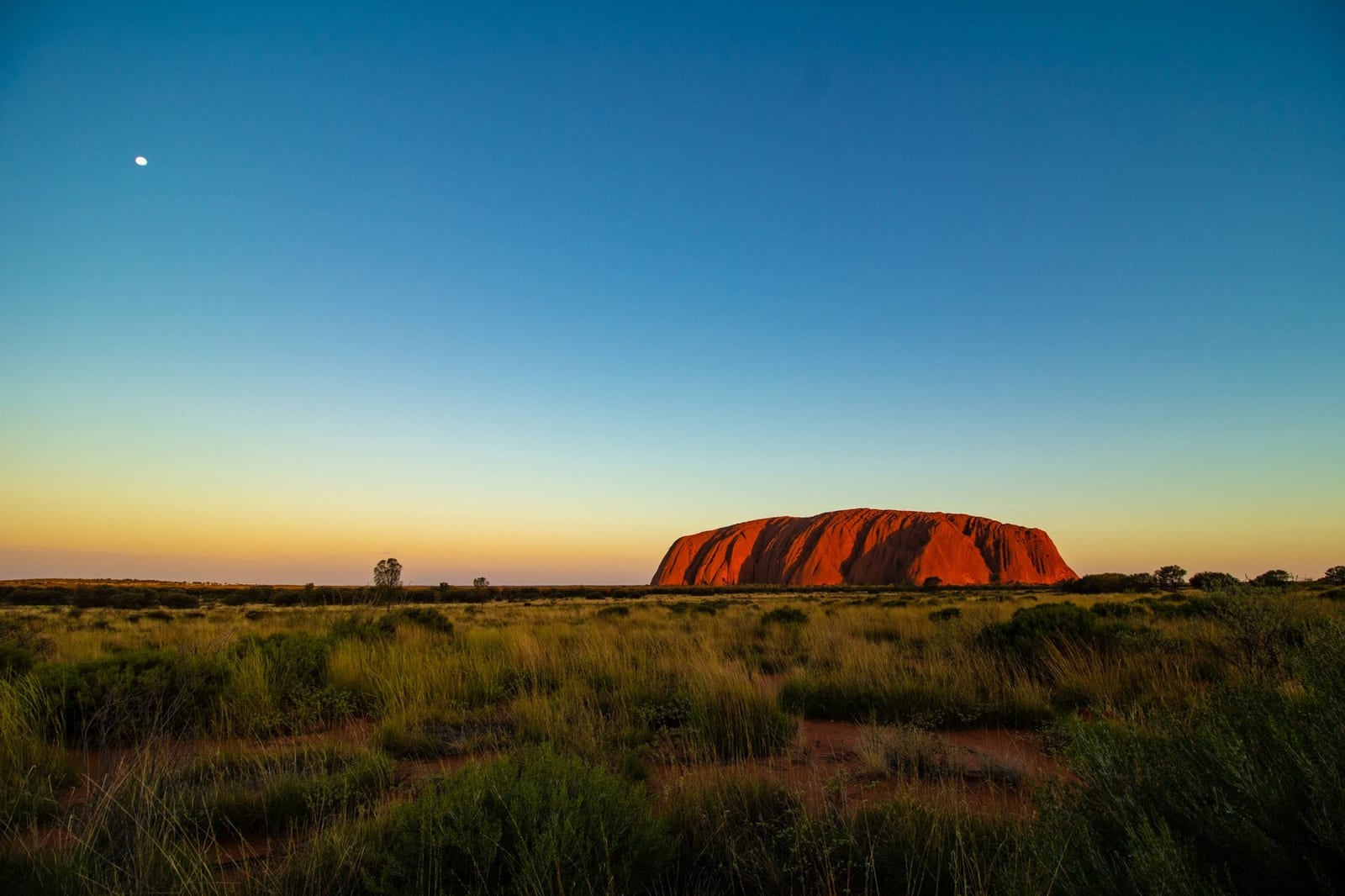
Uluru (Ayers Rock) at dusk in Australia's Northern Territory — national travel context, about 2,000 km from Melbourne

Uluru (Ayers Rock) at dusk in Australia's Northern Territory — national travel context, about 2,000 km from Melbourne

Academics

The MD is a demanding, five-year program taught in English, moving from campus-based biomedical foundations to full-time clinical placements across Monash's Victorian clinical schools, with a research component. The standard is very high and students are supported through a large, structured cohort.

Uluru (Ayers Rock) rising from the desert in Australia's Northern Territory — national travel context, not Melbourne

Uluru (Ayers Rock) rising from the desert in Australia's Northern Territory — national travel context, not Melbourne

Life in Melbourne

Melbourne is consistently rated among the world's most liveable cities, with trams and trains, parks and the Yarra, world-class food (including outstanding Indian and vegetarian options, especially in the south-east near Clayton), sport (the MCG) and the arts. It has a huge international-student and Indian community, and is about 4.5–5.5 hours ahead of Indian time.

Challenges and Growth

The real challenges here are the intense competition for a place and the cost, not language or safety. Students must earn a place through the UCAT and MMI and fund a premium degree, but they gain a world-class, direct-entry medical education and, for many, a pathway to a career in Australia.

Social Life

Monash has a vibrant student life through its clubs and societies, the Monash University Medical Undergraduates' Society, on-campus residences and Melbourne's cafe, music and sporting culture, so students build strong communities.

Overall Experience

Studying the MD at Monash means a world-class, research-rich, direct-entry medical education in a superb city, for high-achieving students and families who can win a competitive place and fund a premium pathway, and who plan the destination (Australia or India) with open eyes.

Fees & Financial

Fees & Financial Planning

This is a major planning issue for an Indian family: the Monash MD is among the more expensive medical degrees in the world, though the direct-entry 5-year structure avoids paying separately for a prior bachelor's. Realistic, honest financial planning is essential.

The international MD fee is about AUD 92,200 per year (2026), so the 5-year degree is roughly AUD 461,000 (about ₹2.6 crore) in tuition, plus living costs of about AUD 29,000–30,000 a year. Because Monash is direct-entry, you do not pay separately for a prior bachelor's degree, so the total can be somewhat lower than the University of Melbourne pathway.

  • MD ~AUD 92,200/year (₹52 lakh)
  • 5-year MD ~AUD 461,000 (₹2.6 crore)
  • Living ~₹16–17 lakh/year
  • No separate prior bachelor's needed
  • Confirm all figures before committing

Ratings

Reviews & Ratings

Hear from students and alumni about their experience studying medicine at Monash University.

4.6

75 reviews

Academics4.7
Clinical Exposure4.6
City & Liveability4.8
Direct-Entry Pathway4.7
Affordability2.9
  • Direct entry from school is the big draw

    MD student 2023

    Unlike Melbourne, I could start medicine straight after Year 12, which is why I chose Monash. The teaching and clinical placements are excellent. Just prepare seriously for the UCAT and MMI, and budget honestly.

  • World-class, but expensive

    MD graduate 2022

    Top research, great hospitals and an amazing city. The fees are large, so be clear about the full five-year cost. For me the pathway to work in Australia made it worth it.

Compare

Compare Colleges

Compare Monash University (direct-entry MD) with a leading Indian medical college.

Quick Comparison:

Monash University (MD) vs AIIMS New Delhi (MBBS)

University
Monash UniversityMelbourne, Australia
AIIMS New DelhiNew Delhi, India
Degree & EntryBachelor of Medical Science and Doctor of Medicine — direct entry from Year 12MBBS — school-leaver entry after Class 12
MediumEnglishEnglish
Course Duration5 years (direct entry)5.5 years including internship
Tuition (per year)~AUD 92,200 (₹52 lakh); ~₹2.6 crore over 5 yearsNominal (a few thousand rupees per year)
AdmissionUCAT ANZ + academic + MMI (very competitive)NEET-UG (extremely high rank)
RecognitionAMC-accredited; WDOMS-listed; NMC via FMGE/NExT (confirm mapping)NMC-recognised
World Ranking#33 in the world for Medicine, top-40 overall (QS 2026)India's top medical institute (NIRF #1)

Compare Top MBBS Universities for Me

See key differences in fees, ranking, eligibility and recognition.

Our blog

Medical Education Insights

Articles that turn complex medicine-abroad rules into simple, practical steps for students and parents.

FAQ

Frequently Asked Questions

Short, honest answers to the questions Indian students and parents ask most about studying medicine at Monash University.

Campus photographs supplied by the client (genuine Monash Clayton campus views). City and scenery images courtesy of Unsplash: Sydney Harbour, the Opera House and the Harbour Bridge — photos by Caleb, Dan Freeman and Srikant Sahoo; Uluru (Ayers Rock), Northern Territory — photos by Ondrej Machart and photoholgic. Only the campus photographs show Monash University; the Sydney and Uluru images are Australian context, not Melbourne.