
Free Webinar: MBBS in India

Sat, September 5, 2026 | 7:00 PM

Reserve my Seat
futureMBBS

Free Webinar: MBBS in India

Sat, September 5, 2026 | 7:00 PM

Reserve my Seat
futureMBBS
Oxford, United Kingdom

University of Oxford Medical School

Medicine at the University of Oxford, ranked number one in the world, offering the GMC-accredited BM BCh degree taught in its historic colleges and the John Radcliffe teaching hospital.

  • MBBS student
  • MBBS student
  • MBBS student
  • MBBS student

5000+ Students trust us

United Kingdom

Country

Oxford

City

#1 for Medicine

THE World Rankings 2026

English

Medium of instruction

Introduction

University of Oxford Medical School

The University of Oxford Medical School is the medical school of the University of Oxford, in England, and is ranked the best in the world for medicine by the Times Higher Education World University Rankings 2026. Its standard undergraduate Medicine course, code A100, runs for six years in two stages: three pre-clinical years of basic medical sciences (including a research year that leads to a BA Honours in Medical Sciences), followed by three clinical years based in Oxford's teaching hospitals, leading to the BM BCh degree (Bachelor of Medicine, Bachelor of Surgery, equivalent to an MBBS). Oxford also runs a four-year graduate-entry Medicine course, code A101. Teaching combines the university's Medical Sciences Division, its historic colleges and the Oxford University Hospitals NHS Foundation Trust, whose flagship is the John Radcliffe Hospital. The BM BCh is a UK Primary Medical Qualification accredited by the General Medical Council. Oxford is, however, one of the most competitive and expensive medical schools in the world: overseas medical places are capped at 14 per year, and international tuition is very high, so this is an aspirational route rather than a typical cost-driven option.

  • Study program:Medicine (BM BCh, equivalent to MBBS)
  • Language:English
  • Duration:6 Years (3 pre-clinical + 3 clinical); 4-year graduate-entry course also available
  • University type:Public collegiate research university
  • Overseas tuition fees:Approx. £49,400/year (pre-clinical) and £65,250/year (clinical) — around ₹3.7 crore in total tuition (approx.)
  • Entrance examination:UCAS application with the UCAT admissions test, A-level A*AA (Chemistry compulsory) and interviews
  • Application deadline:Mid-October (UCAS deadline for Medicine), for entry the following year
  • Overseas seats:Capped at 14 per year (shared across the standard and graduate-entry courses)
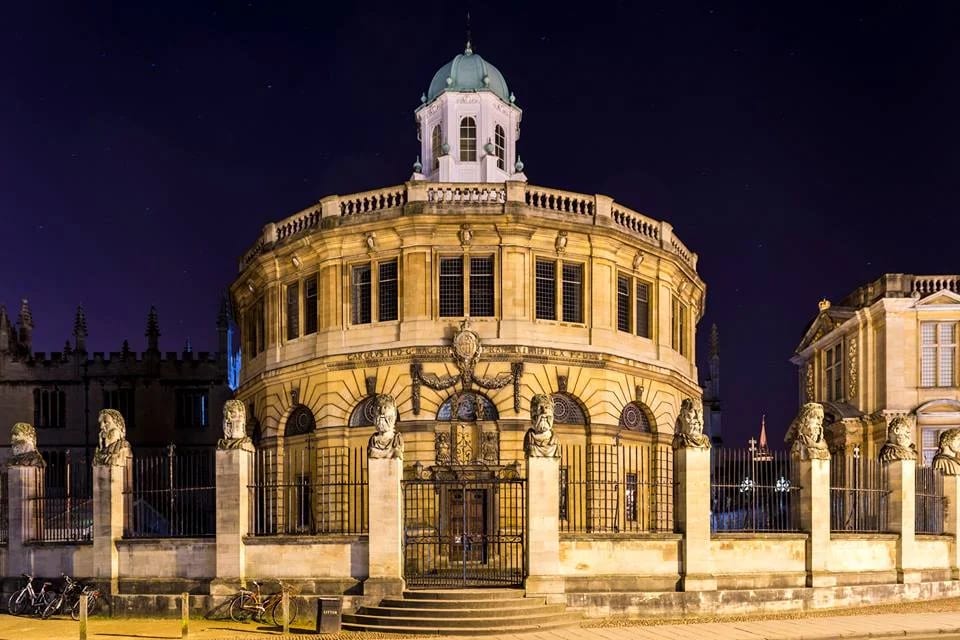
The Sheldonian Theatre in Oxford illuminated at night
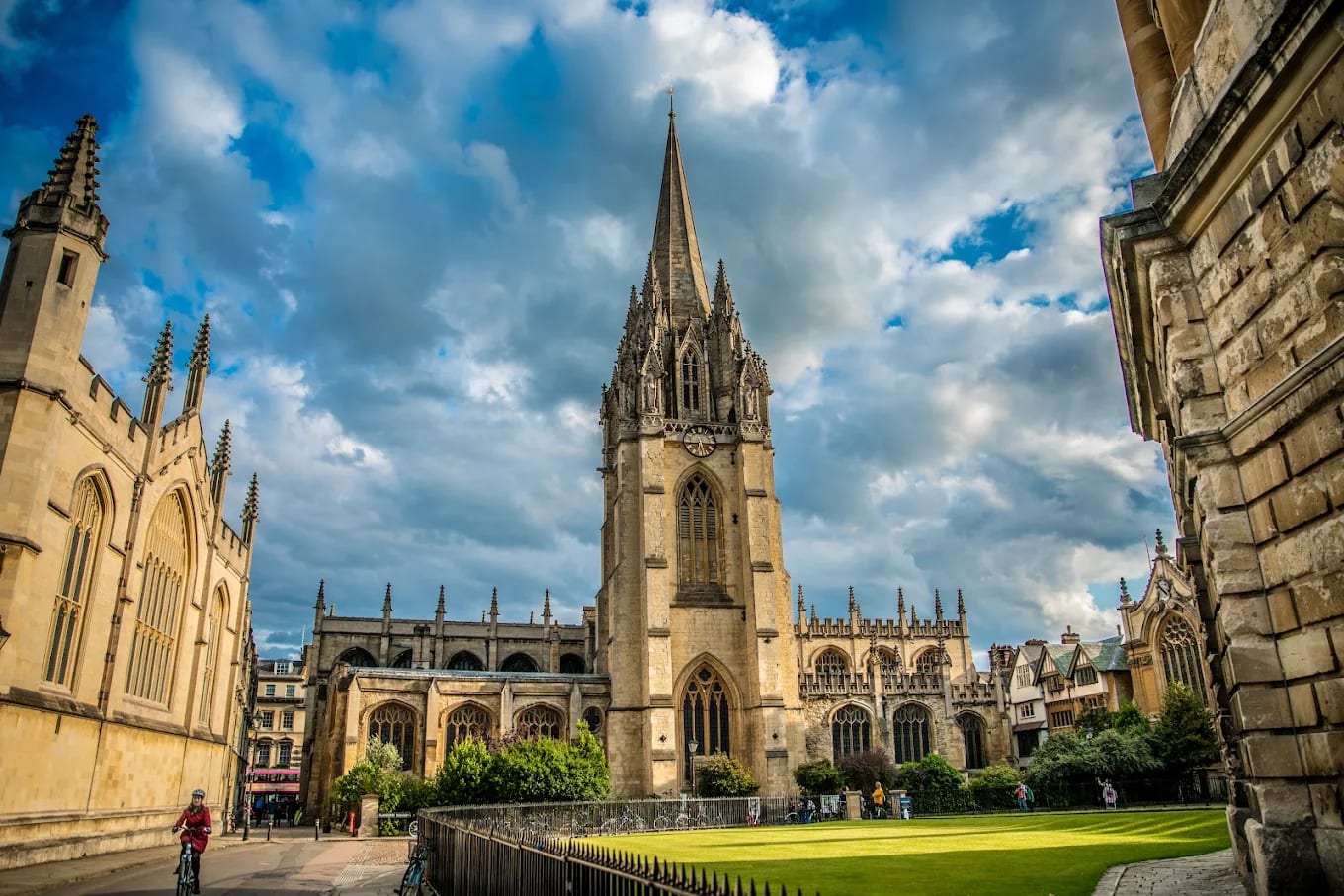
The spire of the University Church of St Mary the Virgin rising over central Oxford
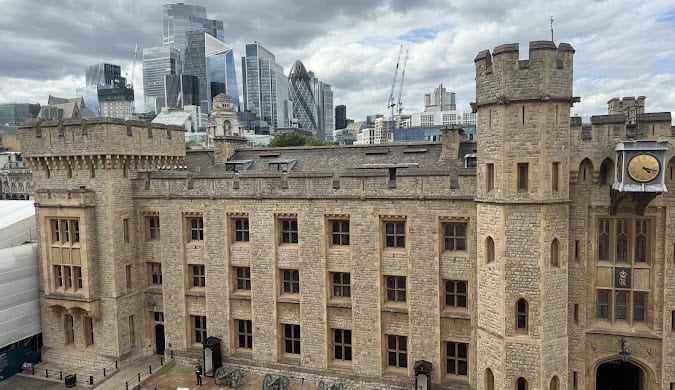
The Tower of London with the City of London skyline behind it
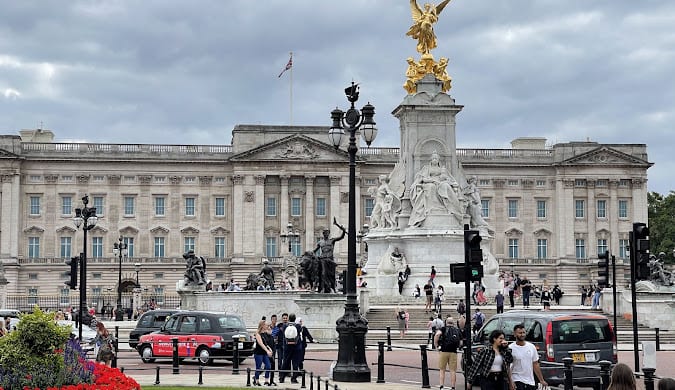
Buckingham Palace and the Victoria Memorial in London

The Sheldonian Theatre in Oxford illuminated at night

Find out all about your MBBS-abroad options at the University of Oxford

Download our free brochure for immediate information, or get personalised professional counselling from our experts.

Recognition & Prestige

Rankings & Recognition

The University of Oxford is one of the very top universities in the world, and its medical school leads global rankings for medicine. Its BM BCh degree is a UK Primary Medical Qualification accredited by the General Medical Council, and its graduates are eligible for licensing pathways in the UK, the United States, India and many other countries.

  • #1

    THE World University Rankings 2026 (overall)

  • #1

    THE 2026 for Clinical & Health / Medicine

  • #2

    QS World University Rankings by Subject 2026 (Medicine)

  • GMC

    UK-accredited Primary Medical Qualification

Medicine at the University of Oxford leads the Times Higher Education 2026 subject ranking for Clinical & Health and stands second in the QS 2026 subject ranking for Medicine. The BM BCh is a UK Primary Medical Qualification accredited by the General Medical Council, the university is listed in the World Directory of Medical Schools, and its graduates are eligible to qualify for practice in India through the National Medical Commission screening/exit examination, subject to meeting NMC conditions. UK medical graduates are also eligible to apply for ECFMG certification for training and practice in the United States.

Complete Information About the University of Oxford Medical School

Get complete information about studying Medicine at the University of Oxford, including fees, the admission process and recognition for Indian students.

Success stories

Student Success Stories

Hear directly from students who are studying medicine in Europe with futureMBBS.

Academic Excellence

Why Study Medicine at the University of Oxford

Oxford offers a world-leading, research-driven medical education, taught through its colleges and the John Radcliffe Hospital, for the small number of students able to win a place and meet the cost.

Ranked Number One for Medicine

The University of Oxford is ranked first in the world for Clinical & Health by the Times Higher Education 2026 rankings, its 15th consecutive year at the top, and second in the world for Medicine by QS 2026, placing it among the most prestigious medical schools anywhere.

Research-Led Teaching

The pre-clinical course includes a full research year leading to a BA in Medical Sciences, and students learn in a university whose Dunn School of Pathology developed penicillin into a usable drug and which has produced multiple Nobel laureates in medicine.

The Collegiate System

Every medical student belongs to an Oxford college as well as the Medical Sciences Division, giving small-group tutorial teaching, close academic support and a strong community throughout the course.

The John Radcliffe Teaching Hospital

Clinical training takes place across the Oxford University Hospitals NHS Foundation Trust, led by the John Radcliffe Hospital, so students train in major NHS teaching hospitals under experienced consultants.

A GMC-Accredited UK Degree

The BM BCh is a UK Primary Medical Qualification accredited by the General Medical Council, opening licensing pathways in the UK, the United States (via ECFMG), India (via the NMC screening route) and many other countries.

English-Speaking Study Abroad

The whole course is taught in English in a historic English university city, which suits Indian students academically, and Oxford is well connected to London and to direct flights home.

A Global Network

An Oxford medical degree carries exceptional standing worldwide and connects graduates to a global alumni and research network, which can open doors in academic medicine, research and clinical careers internationally.

Read all about MBBS abroad in our free brochure

Know exactly what options exist for your MBBS-abroad success.

How to Apply

Admission Process for Medicine

Admission to Oxford Medicine is through UCAS, the UK's central university application system, and is decided on academic results, the UCAT admissions test and interviews, not on NEET. International applicants compete for a national cap of 14 overseas medical places per year, which makes this one of the most competitive medical admissions routes in the world. Indian students who later want to practise in India must also have qualified NEET before starting.

Admission Timeline

  1. 1
    May – SeptemberRegister and Sit the UCAT

    Applicants register for and sit the UCAT admissions test in the summer before applying; the UCAT score is a key part of shortlisting.

  2. 2
    By mid-OctoberSubmit the UCAS Application

    Medicine has an early UCAS deadline in mid-October, with a personal statement and predicted or achieved A-level / IB grades.

  3. 3
    November – DecemberShortlisting & Interviews

    Oxford shortlists candidates on UCAT and academic record and interviews them, usually at two colleges, with academics and at least one practising clinician.

  4. 4
    JanuaryOffers

    Offers are made to successful candidates, typically conditional on final A-level or IB results such as A*AA including Chemistry.

  5. 5
    Summer resultsMeet the Offer

    Applicants confirm their place by meeting the conditions of the offer in their final school examinations.

  6. 6
    OctoberCourse Begins

    The new intake begins the six-year Medicine course in the Michaelmas (autumn) term.

Eligibility Criteria

Academic Qualification

Applicants need top school-leaving grades: a typical A-level offer of A*AA with Chemistry compulsory and at least one of Biology, Physics or Mathematics, or the equivalent in the International Baccalaureate (around 39 points with 766 at Higher Level) or another accepted qualification. Chemistry to the final school year is essential.

Subjects:

Chemistry (compulsory)BiologyPhysicsMathematics

Age Requirement

There is no fixed age bar; applicants are expected to have completed, or be completing, their school-leaving qualifications, and selection is decided on academic merit, the UCAT and interview performance.

  • 14 overseas places per yearThe national cap on overseas medical places, making admission extremely competitive

Requirements

International applicants apply through UCAS, sit the UCAT and, if shortlisted, attend interviews. Fee status is decided by ordinary residence rather than nationality, so an Indian student resident in India applies as an overseas student. Indian students who plan to return to India also need a valid NEET qualification.

  • UCAT & Interviews

    A strong UCAT score and success at Oxford's college interviews are central to selection, alongside top academic grades.

  • NEET for India Licensing

    NEET is not part of Oxford admission, but Indian students must have qualified NEET-UG before starting if they intend to sit the FMGE/NExT and practise in India later.

Admissions Test

Oxford Medicine uses the UCAT (University Clinical Aptitude Test); the older BMAT was discontinued after 2023.

ComponentRequirement
Application routeUCAS, with an early Medicine deadline in mid-October
Admissions testUCAT (University Clinical Aptitude Test), sat in the summer before applying
Academic offerA-level A*AA with Chemistry compulsory, or equivalent IB / international qualification
InterviewsCollege-based interviews with academics and at least one practising clinician
India-side requirementValid NEET-UG qualification for later FMGE/NExT licensing in India

Required Documents

International applicants provide, through UCAS and Oxford, the documents that support a competitive application:

  • Completed UCAS application with personal statement and school reference
  • UCAT score for the relevant admissions cycle
  • Academic transcripts and predicted or achieved A-level / IB (or equivalent) results
  • Proof of English-language proficiency and a valid passport
  • Evidence of funds and, after an offer, a UK Student visa; NEET scorecard for Indian students
  • + More

Admission Guidance & Document Checklist

Get the complete document checklist or admission guidance from our experts.

Program Structure

Medicine Course Structure at Oxford

The standard Oxford Medicine course runs over six years in two stages: a three-year pre-clinical phase of basic medical sciences, including a research year that earns a BA in Medical Sciences, followed by a three-year clinical phase in Oxford's teaching hospitals, leading to the BM BCh degree.

Medicine (BM BCh) Course

  • Total Duration:

    6 Years (3 pre-clinical + 3 clinical)

  • Degree:

    BM BCh (Bachelor of Medicine, Bachelor of Surgery, equivalent to MBBS)

Course Phases at the University of Oxford Medical School

  • Years 1–2

    Pre-Clinical Foundations

    Basic medical sciences taught through lectures, laboratory work, practicals and college tutorials, building an understanding of the healthy and diseased body:

    AnatomyPhysiologyBiochemistryPharmacology
    Medical SociologyPatient and Doctor
  • Year 3

    Research Year (BA in Medical Sciences)

    An in-depth research and honours year in a chosen area of medical science, leading to the award of a BA Honours in Medical Sciences before entering the clinical phase.

    Specialised optionsSupervised research project
  • Years 4–5

    Clinical Training

    Clinical placements across the Oxford University Hospitals NHS Foundation Trust, led by the John Radcliffe Hospital, learning at the bedside under consultants:

    MedicineSurgeryPaediatricsObstetrics & Gynaecology
    PsychiatryThe specialties
  • Year 6

    Final Clinical Year & BM BCh

    The final clinical year consolidates practice across the specialties and ends in the qualifying examinations for the BM BCh, after which graduates enter UK Foundation training.

    Advanced clinical rotationsElectivesFinal BM BCh examinations

Clinical Training & Foundation Programme

Clinical training takes place in Oxford's NHS teaching hospitals, led by the John Radcliffe Hospital, and is followed after graduation by the UK Foundation Programme (the UK's paid, supervised training that follows the degree). An indicative pattern is:

PhaseFocus
Years 4–5Core clinical placements in Medicine, Surgery, Paediatrics, Obstetrics & Gynaecology, Psychiatry and the specialties across Oxford's teaching hospitals
Year 6Advanced rotations, student-selected components and electives, ending in the BM BCh qualifying examinations
After graduationThe UK Foundation Programme, the paid two-year supervised training doctors enter after the BM BCh before full GMC registration and specialty training

Get the full curriculum

Download a free brochure to see detailed subjects, the course structure and everything you need to plan your studies.

Legacy

Prominent Figures of Oxford Medicine

Oxford's medical sciences have shaped modern medicine, from the development of penicillin to multiple Nobel Prizes. The figures below studied or held professorships at Oxford; several were researchers and professors rather than undergraduate medical students.

Sir Howard Florey

Sir Howard Florey came to Oxford as a Rhodes Scholar and became Professor of Pathology at the Sir William Dunn School of Pathology. There he led the team that isolated and purified penicillin, turning Alexander Fleming's discovery into a usable drug and launching the antibiotic era. He shared the Nobel Prize in Physiology or Medicine in 1945 with Ernst Chain and Fleming, and his work has saved countless lives worldwide.

Dorothy Hodgkin

Dorothy Hodgkin studied and worked at Oxford, where she pioneered the use of X-ray crystallography to determine the three-dimensional structures of biological molecules. She solved the structures of penicillin, vitamin B12 and later insulin, work that won her the Nobel Prize in Chemistry in 1964 and transformed pharmacology and molecular medicine.

Sir Charles Sherrington

Sir Charles Sherrington was Waynflete Professor of Physiology at Oxford and one of the founders of modern neuroscience. He described how the nervous system integrates its activity, coined the term 'synapse', and shared the Nobel Prize in Physiology or Medicine in 1932, shaping the way medicine understands the brain and reflexes.

Sir Hans Krebs

Sir Hans Krebs was Whitley Professor of Biochemistry at Oxford and discovered the citric acid cycle, known as the Krebs cycle, the central pathway by which cells release energy. His work, recognised with the Nobel Prize in Physiology or Medicine in 1953, remains fundamental to biochemistry and clinical medicine.

Sir Rodney Porter

Sir Rodney Porter was Whitley Professor of Biochemistry at Oxford and determined the chemical structure of antibodies, the proteins at the heart of the immune system. His discovery, which won the Nobel Prize in Physiology or Medicine in 1972, underpins modern immunology and the design of antibody-based therapies.

Sir William Osler

Sir William Osler served as Regius Professor of Medicine at Oxford and is regarded as one of the founders of modern bedside clinical teaching. His insistence that students learn medicine at the patient's side, rather than only from books, shaped medical education across the English-speaking world and still guides how doctors are trained.

Sir Peter Medawar

Sir Peter Medawar studied at Oxford and carried out his early research there before his landmark work on acquired immunological tolerance, which made organ transplantation possible. He shared the Nobel Prize in Physiology or Medicine in 1960, and his career is a striking example of the scientific medicine Oxford has fostered.

Faculty

Teaching is delivered through the University of Oxford's Medical Sciences Division, its colleges and the Oxford University Hospitals NHS Foundation Trust. The Medical Sciences Division is led by its Head, Professor Gavin Screaton, an immunologist, and brings together leading clinicians and research scientists across the medical sciences.

Academic Expertise

  • World-leading clinicians and research scientists

  • A university with multiple Nobel laureates in medicine

  • Small-group college tutorial teaching

  • Training in major NHS teaching hospitals

Student Support & Mentorship

  • College tutors and personal support

  • Close academic mentorship

  • Clinical supervision by NHS consultants

  • A strong global alumni network

About University

History Information

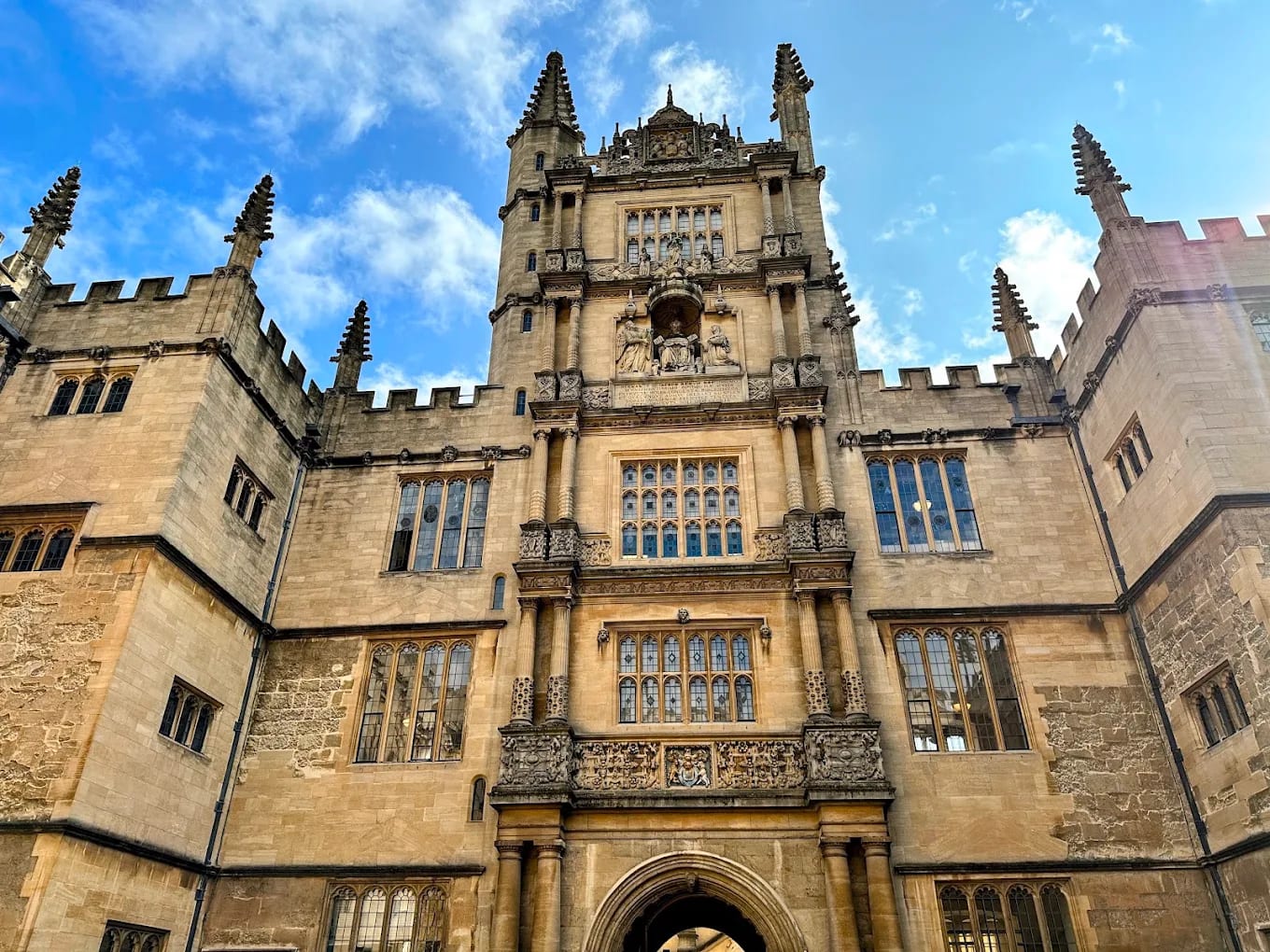
The Tower of the Five Orders at the Bodleian Library, University of Oxford

The Tower of the Five Orders at the Bodleian Library, University of Oxford

Centuries of Medical Teaching

The University of Oxford is the oldest university in the English-speaking world, with teaching dating back to the 11th and 12th centuries, and medicine has been studied there for centuries. The Regius Professorship of Medicine was founded in 1546, giving Oxford one of the longest continuous traditions of medical scholarship anywhere.

The Home of Penicillin

In the late 1930s and early 1940s, the team led by Howard Florey and Ernst Chain at Oxford's Sir William Dunn School of Pathology turned Alexander Fleming's observation of penicillin into a purified, life-saving drug, one of the most important advances in the history of medicine and a defining moment in Oxford's medical legacy.

A Modern Clinical School

Oxford developed a full clinical school in the 20th century, and in more recent decades built its teaching around the Oxford University Hospitals NHS Foundation Trust, led by the John Radcliffe Hospital, combining historic college teaching with modern hospital-based clinical training.

Number One in the World Today

Today the University of Oxford is ranked the best university in the world by the Times Higher Education 2026 rankings and first for medicine, with its BM BCh degree accredited by the General Medical Council and its research shaping global healthcare.

Get all information about the University of Oxford Medical School in our free brochure

Read on to find out how you can fulfil your dream of studying medicine at the University of Oxford.

Role in medicine

Role in medical education

Interior of a historic circular domed library reading room with tiered bookshelves

Interior of a historic circular domed library reading room with tiered bookshelves

A Global Leader in Medical Research

The University of Oxford is one of the most influential centres of medical research in the world. From the development of penicillin to multiple Nobel Prizes in physiology, medicine and chemistry, and more recently to large-scale vaccine and clinical-trials research, Oxford's discoveries have repeatedly changed global healthcare, and its students learn in that research-intensive environment.

Tutorial Teaching and Teaching Hospitals

Oxford combines its distinctive small-group college tutorial system with clinical training in major NHS teaching hospitals led by the John Radcliffe. This pairing of close academic teaching with high-level hospital practice is central to how Oxford trains doctors.

An International Academic Community

Although overseas medical places are strictly limited, Oxford is a deeply international university, and its medical students join a global community of scholars and a worldwide alumni network spanning academic medicine, research and clinical practice.

Get all information about the University of Oxford Medical School in our free brochure

Read on to find out how you can fulfil your dream of studying medicine at the University of Oxford.

Cost of living

Living Cost at the University of Oxford

Beyond the high tuition fees, living in Oxford is expensive by Indian standards. The university publishes a recommended student budget; here is an approximate monthly breakdown (this is separate from tuition).

Monthly Living Cost

Cost ComponentApproximate Amount (per month)
Accommodation£700 – £1,050 (₹75,000 – ₹1,12,000)
Food & Groceries£300 – £430 (₹32,000 – ₹46,000)
Transport & Personal£100 – £200 (₹11,000 – ₹21,000)
Study Costs, Utilities & Leisure£305 – £425 (₹33,000 – ₹45,000)
Get Free MBBS Guide

Average monthly living cost (excluding tuition)

£1,405 – £2,105 (₹1,50,000 – ₹2,25,000)

Housing

Accommodation

Oxford's collegiate system means most students live in college-provided accommodation, especially in the first year and often for several years of the course, which makes settling in far easier for international students.

College Accommodation

Every Oxford student belongs to a college, and colleges provide accommodation in college buildings or nearby annexes. Most colleges guarantee housing for first-year students and often for further years of the course.

Guaranteed First-Year Housing

Because first-year college housing is usually guaranteed, international students arrive with accommodation already arranged, which removes much of the stress of finding housing abroad.

Furnished Rooms

College rooms are furnished, typically with a bed, desk and storage, and many are en-suite or share facilities on a corridor, within a secure, community-based college setting.

Meals and Dining Halls

Colleges have dining halls serving daily meals, including the traditional formal halls, so students can eat on site alongside college life.

Clinical-Year Housing

During the clinical years, students may live in college or in university or private housing close to the John Radcliffe Hospital and the other teaching hospitals.

Central, Safe Setting

College accommodation places students in the historic centre of a compact, walkable and safe university city, within easy reach of teaching, libraries and the hospital.

International Student Support

Colleges and the university provide dedicated support for international students, from arrival and orientation to welfare and academic advice throughout the course.

Private Housing Option

Some students, particularly in later years, rent private housing in Oxford through local letting agents and student platforms; this costs more than college housing and is arranged by the student.

Need accommodation details?

Get a full overview of housing options with our university guide, or reach out to an expert.

Food & Dining

Indian and Vegetarian Food, Easily Available

Oxford and nearby London have a wide range of Indian and vegetarian food, and vegetarian options are standard across the UK.

Oxford colleges have dining halls serving daily meals, including vegetarian options every day, and the traditional formal halls are part of college life.

Location

How to Reach the University of Oxford Medical School

Address

University of Oxford, Medical Sciences Division, Oxford; clinical teaching at the John Radcliffe Hospital, Headley Way, Headington, Oxford OX3 9DU, United Kingdom

  • Nearest Airport

    London Heathrow Airport (LHR), about one hour from Oxford by direct coach; direct flights connect Heathrow to major Indian cities

  • Local Transport

    Oxford is about 90 km northwest of London, linked by frequent trains and coaches; within the compact city, students mostly walk or cycle, with local buses to the hospitals

Your Roadmap to Success

Career Pathways After Medicine at the University of Oxford

The Oxford BM BCh is a UK Primary Medical Qualification accredited by the General Medical Council and carries exceptional standing worldwide. It opens medical careers in the UK and, through further licensing steps, in India, the United States and many other countries.

Understand the Medical Licensing Pathway

A clear overview of the exams and requirements after graduation.

Practising in India

FMGE & NExT Details

An Oxford medical graduate who wants to practise in India follows the licensing pathway set by the National Medical Commission (NMC): qualifying NEET before starting the course abroad, clearing the NMC screening examination (currently the FMGE, transitioning to the NExT), completing the required internship and registering with the medical council. Because Oxford's course is structured as a UK degree plus separate Foundation training, Indian families should confirm the exact NMC position for a UK qualification before relying on this route.

  1. Step 1

    NEET Before You Start

    Under NMC rules, an Indian student must have qualified NEET-UG before beginning any foreign medical course to be eligible later for Indian licensing. This applies to Oxford just as to any other overseas medical school, even though NEET is not part of Oxford's own admission.

  2. Step 2

    National Exit Test (NExT) / FMGE

    To practise in India, graduates must clear the qualifying examination for foreign medical graduates, currently the Foreign Medical Graduate Examination (FMGE), which India is replacing with the National Exit Test (NExT). A UK degree of six years comfortably exceeds the minimum course length the NMC requires.

  3. Step 3

    Internship and Registration

    After clearing the exam, graduates complete the required internship and register with the National Medical Commission or a State Medical Council. Because a UK medical degree is followed by Foundation training rather than a single 'internship in the same institution', the exact mapping to NMC rules should be confirmed case by case with the NMC.

Student Life Style

Student life at the University of Oxford

Being a medical student at Oxford is a mix of intensive academics, historic college life and a vibrant, international student community in one of the world's most famous university cities.

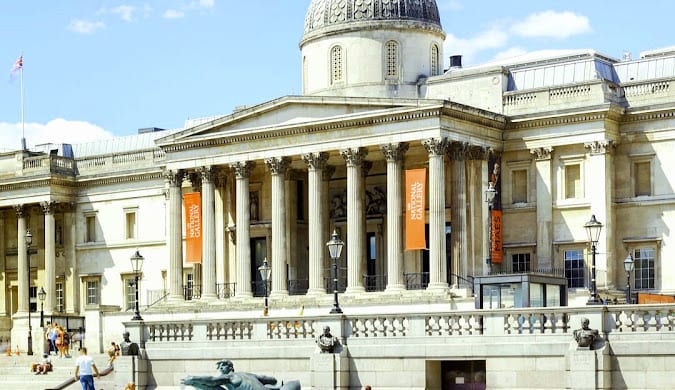
The National Gallery on Trafalgar Square in London, a short trip from Oxford

The National Gallery on Trafalgar Square in London, a short trip from Oxford

Academics

The course is demanding and research-led, taught through lectures, laboratory work and Oxford's distinctive small-group college tutorials, with clinical training in NHS teaching hospitals. Studying in English at the top-ranked medical school in the world is a genuinely world-class academic experience.

College Life and the City

Oxford's colleges are the heart of student life, with dining halls, common rooms, sports, societies, music and traditions such as punting on the river. The compact, historic city is safe and walkable, and London, with its museums, galleries and Indian community, is under an hour away by train.

Challenges and Growth

The workload and the cost are significant, and the standard is exceptionally high, but the course builds deep clinical knowledge, independence and lifelong academic connections.

Social Life

Beyond academics, Oxford has hundreds of clubs and societies, an active Indian and South Asian student community, and a full calendar of college and university events, sports and cultural life, which help international students build a home away from home.

Overall Experience

Studying Medicine at Oxford is about growing as a doctor and as a person at one of the world's great universities, building lifelong friendships and a global network in an unforgettable setting.

Fees & Financial

Fees & Financial Planning

Oxford Medicine is one of the most expensive medical courses in the world for overseas students, and scholarships for it are very limited, so realistic financial planning is essential.

International students pay full overseas tuition, which for Medicine is charged at a higher rate in the clinical years. Families should plan for the full multi-year cost before applying, as Oxford offers almost no scholarships for the standard Medicine course.

  • Approx. £49,400/year for the three pre-clinical years and £65,250/year for the three clinical years
  • Around £344,000 in total tuition (about ₹3.7 crore)
  • Living costs of a further £1,405–£2,105 per month on top

Ratings

Reviews & Ratings

Hear from students and alumni about their experience at the University of Oxford Medical School.

4.9

60 reviews

Academics5
Research & Facilities4.9
College Life4.8
Clinical Training4.9
Value for Money4
  • World-class teaching, once you get in

    Student — Medicine 2022

    The tutorial system and the research year are incredible, and training at the John Radcliffe is world-class. Getting one of the very few overseas places is extremely hard, but the teaching lives up to the reputation.

  • Unmatched academic environment

    Student — Medicine 2021

    Studying at the number-one medical school in the world, surrounded by leading researchers and Nobel history, is inspiring. It is intense, but the college support makes it manageable.

Compare

Compare Colleges

Compare the University of Oxford Medical School with a leading Indian medical college.

Quick Comparison:

University of Oxford vs AIIMS New Delhi

University
University of OxfordOxford, United Kingdom
AIIMS New DelhiNew Delhi, India
University TypePublic collegiate research universityGovernment institute of national importance
MediumEnglishEnglish
Course Duration6 years (BM BCh)5.5 years including internship (MBBS)
Tuition (per year)~£49,400 pre-clinical / £65,250 clinical (~₹53–70 lakh)Nominal (a few thousand rupees per year)
AdmissionUCAS + UCAT + A-levels + interviewsNEET-UG (extremely high rank)
RecognitionGMC (UK) / WDOMS; NMC-eligible via screeningNMC-recognised
World Ranking#1 for Medicine (THE 2026)India's top-ranked medical institute (NIRF #1)

Compare Top MBBS Universities for Me

See key differences in fees, ranking, eligibility and recognition.

Our blog

Medical Education Insights

Articles that turn complex MBBS-abroad rules into simple, practical steps for students and parents.

FAQ

Frequently Asked Questions

Short answers to the questions students and parents ask most often about studying Medicine at the University of Oxford.