

Free Webinar: MBBS in India

Sat, September 5, 2026 | 7:00 PM

Reserve my Seat
futureMBBS

Free Webinar: MBBS in India

Sat, September 5, 2026 | 7:00 PM

Reserve my Seat
futureMBBS
London, United Kingdom

King's College London GKT School of Medical Education

Medicine at King's College London, ranked 11th in the world, offering a GMC-accredited MBBS taught across the historic Guy's, King's and St Thomas' teaching hospitals.

  • MBBS student
  • MBBS student
  • MBBS student
  • MBBS student

5000+ Students trust us

United Kingdom

Country

London

City

#11 for Medicine

QS Ranking 2026

English

Medium of instruction

Introduction

King's College London GKT School of Medical Education

The GKT School of Medical Education is the medical school of King's College London, and takes its name from the three historic London teaching hospitals it unites, Guy's, King's and St Thomas'. King's College London is ranked 31st in the world and 5th in the UK by the QS World University Rankings 2026, and 11th in the world for Medicine, making GKT one of the largest and most respected medical schools in the country. Its standard MBBS course, code A100, runs for five years (six with an optional intercalated BSc) and leads to the MBBS degree, familiar to Indian students, which is a UK Primary Medical Qualification accredited by the General Medical Council. Teaching is based at the Guy's Campus by London Bridge and the Denmark Hill Campus, with clinical training across three of London's busiest teaching hospitals, Guy's, St Thomas' and King's College Hospital. King's is, however, an expensive and competitive option: overseas MBBS tuition is about £56,800 per year and Indian students self-fund, so this is an aspirational route rather than a typical cost-driven one.

  • Study program:Medicine (MBBS)
  • Language:English
  • Duration:5 Years (6 with an optional intercalated BSc)
  • University type:Public research university (Russell Group)
  • Overseas tuition fees:Approx. £56,800/year (≈ ₹61 Lakh); around £285,000+ in total tuition (≈ ₹3 crore+, approx.)
  • Entrance examination:UCAS application with the UCAT admissions test, A-level A*AA (Biology and Chemistry) and an interview
  • Application deadline:Mid-October (UCAS deadline for Medicine), for entry the following year
  • Intake:One of the largest UK medical intakes; A100 receives about 4,000 applications for around 300 places
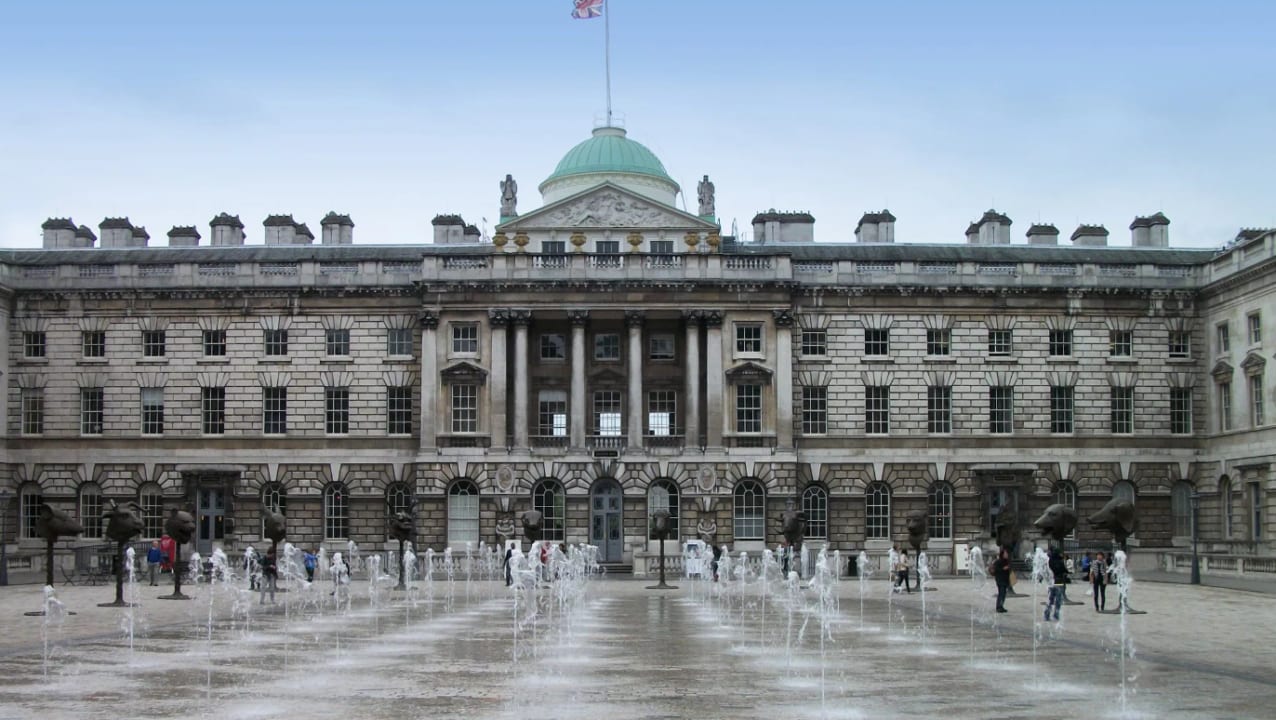
Somerset House on the Strand in London, beside King's College London's Strand campus
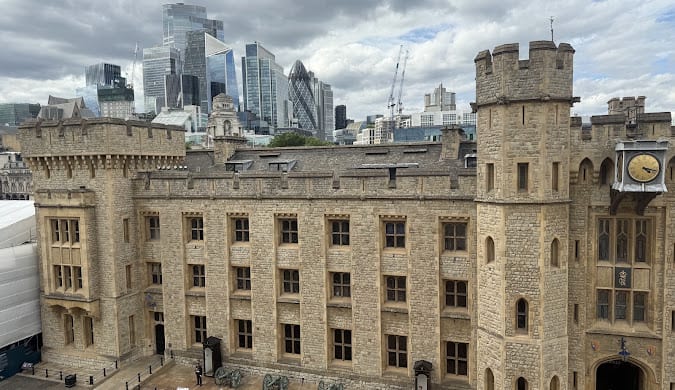
The Tower of London with the City of London skyline behind it
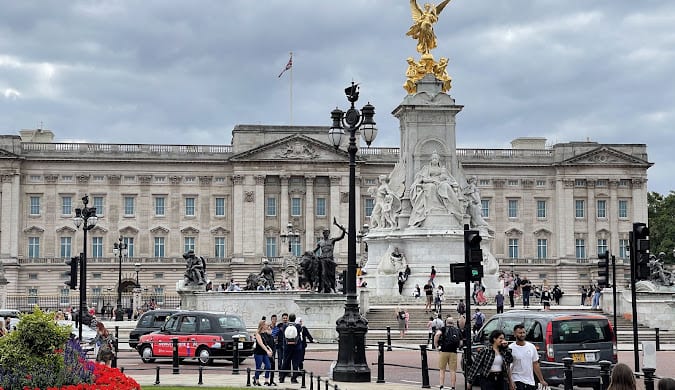
Buckingham Palace and the Victoria Memorial in London
The National Gallery on Trafalgar Square in London

Somerset House on the Strand in London, beside King's College London's Strand campus

Find out all about your MBBS-abroad options at King's College London

Download our free brochure for immediate information, or get personalised professional counselling from our experts.

Recognition & Prestige

Rankings & Recognition

King's College London is one of the world's leading universities for medicine and health, ranked 11th in the world for Medicine. Its MBBS is a UK Primary Medical Qualification accredited by the General Medical Council, and its graduates are eligible for licensing pathways in the UK, the United States, India and many other countries.

  • #11

    QS World Rankings by Subject 2026 (Medicine)

  • #31

    QS World University Rankings 2026 (overall)

  • #5

    in the UK for Medicine (QS 2026)

  • GMC

    UK-accredited MBBS Primary Medical Qualification

King's College London is ranked 11th in the world for Medicine by the QS World Rankings by Subject 2026 and 31st in the world overall. The MBBS is a UK Primary Medical Qualification accredited by the General Medical Council, King's is listed in the World Directory of Medical Schools (school ID F0000035), and its graduates are eligible to qualify for practice in India through the National Medical Commission screening/exit examination, subject to meeting NMC conditions. UK medical graduates are also eligible to apply for ECFMG certification for training and practice in the United States.

Complete Information About King's College London Medicine

Get complete information about studying Medicine at King's College London, including fees, the admission process and recognition for Indian students.

Success stories

Student Success Stories

Hear directly from students who are studying medicine in Europe with futureMBBS.

Academic Excellence

Why Study Medicine at King's College London

King's offers a world-renowned MBBS with an extraordinary clinical heritage, taught across three major London teaching hospitals, for students able to win a place and meet the cost.

Among the World's Best for Medicine

King's College London is ranked 11th in the world for Medicine by the QS World Rankings by Subject 2026 and 31st in the world overall, one of the strongest universities anywhere for medicine and health.

The GKT Heritage

The school unites Guy's, King's and St Thomas', three of the oldest and most famous teaching hospitals in the world, whose doctors described conditions still named after them, including Hodgkin's lymphoma, Bright's disease and Addison's disease.

An MBBS Degree

King's awards a degree literally called MBBS, familiar to Indian students, which is a UK Primary Medical Qualification accredited by the General Medical Council.

Three Major London Teaching Hospitals

Clinical training takes place across Guy's, St Thomas' and King's College Hospital, three of London's busiest hospitals, giving students huge and diverse patient exposure across the full range of specialties.

A GMC-Accredited UK Degree

The MBBS opens licensing pathways in the UK, the United States (via ECFMG), India (via the NMC screening route) and many other countries.

Central London Setting

The Guy's Campus sits beside London Bridge and the Shard, with the Strand campus on the Thames, placing students at the heart of one of the world's great cities with a large Indian community.

One of the Largest UK Medical Schools

King's has one of the biggest medical intakes in the UK and a vast research base, giving students a large peer community and a wide range of academic and clinical opportunities.

Read all about MBBS abroad in our free brochure

Know exactly what options exist for your MBBS-abroad success.

How to Apply

Admission Process for Medicine

Admission to King's Medicine is through UCAS, the UK's central university application system, and is decided on academic results, the UCAT admissions test and an interview, not on NEET. King's has one of the larger UK medical intakes, but competition is still intense, and no offer is made without an interview. Indian students who later want to practise in India must also have qualified NEET before starting.

Admission Timeline

  1. 1
    July – SeptemberRegister and Sit the UCAT

    Applicants register for and sit the UCAT admissions test in the summer before applying; the overall UCAT score is a key part of shortlisting at King's.

  2. 2
    By mid-OctoberSubmit the UCAS Application

    Medicine has an early UCAS deadline in mid-October, with a personal statement and predicted or achieved A-level / IB grades.

  3. 3
    November – MayInterviews

    Shortlisted candidates are invited to a King's medicine interview, in a Multiple Mini Interview style; no offer is made without an interview.

  4. 4
    From winterOffers

    Offers are made to successful candidates, typically conditional on final results such as A*AA including Biology and Chemistry, or the IB equivalent.

  5. 5
    Summer resultsMeet the Offer

    Applicants confirm their place by meeting the conditions of the offer, plus occupational health and enhanced criminal-record (DBS) checks.

  6. 6
    SeptemberCourse Begins

    The new intake begins the five-year MBBS course in the autumn term.

Eligibility Criteria

Academic Qualification

Applicants need top school-leaving grades: a typical A-level offer of A*AA including grade A in both Biology and Chemistry, or the equivalent in the International Baccalaureate (38 points overall with Higher Level 6 in both Biology and Chemistry). A grade 6 or B in GCSE English Language and Mathematics, or the international equivalent, is also required.

Subjects:

Biology (A-level, grade A)Chemistry (A-level, grade A)A*AA overall

Age Requirement

Applicants must turn 18 before the start of the second year of the course. Offers are also conditional on occupational health clearance and an enhanced criminal-record (DBS) check.

  • 18 before Year 2Plus occupational health clearance and an enhanced DBS check

Requirements

International applicants apply through UCAS, sit the UCAT and, if shortlisted, attend an interview. Fee status is decided by ordinary residence rather than nationality, so an Indian student resident in India applies as an overseas student. Indian students who plan to return to India also need a valid NEET qualification.

  • UCAT & Interview

    A strong UCAT score and success at the King's medicine interview are central to selection, alongside top academic grades.

  • NEET for India Licensing

    NEET is not part of King's admission, but Indian students must have qualified NEET-UG before starting if they intend to sit the FMGE/NExT and practise in India later.

Admissions Test

King's Medicine uses the UCAT (University Clinical Aptitude Test); the older BMAT was discontinued after 2023.

ComponentRequirement
Application routeUCAS, with an early Medicine deadline in mid-October (maximum four medicine choices)
Admissions testUCAT (University Clinical Aptitude Test), sat in the summer before applying
Academic offerA-level A*AA including Biology and Chemistry, or equivalent IB / international qualification
InterviewsA King's medicine interview (Multiple Mini Interview style); no offer without interview
India-side requirementValid NEET-UG qualification for later FMGE/NExT licensing in India

Required Documents

International applicants provide, through UCAS and King's, the documents that support a competitive application:

  • Completed UCAS application with personal statement and school reference
  • UCAT score for the relevant admissions cycle
  • Academic transcripts and predicted or achieved A-level / IB (or equivalent) results, plus GCSE-equivalent English and Maths
  • Proof of English-language proficiency and a valid passport
  • Occupational health and enhanced DBS clearance after an offer, plus a UK Student visa; NEET scorecard for Indian students
  • + More

Admission Guidance & Document Checklist

Get the complete document checklist or admission guidance from our experts.

Program Structure

MBBS Course Structure at King's

King's runs a five-year MBBS (six with an optional intercalated BSc) that integrates science and clinical learning from the start, with early patient contact, rising clinical immersion across the GKT teaching hospitals, and a final preparation-for-practice year, leading to the MBBS.

Medicine (MBBS) Course

  • Total Duration:

    5 Years (6 with an optional intercalated BSc)

  • Degree:

    MBBS (Bachelor of Medicine, Bachelor of Surgery)

Course Phases at King's College London

  • Years 1–2

    Foundations of Medicine

    Integrated science and early clinical learning, taught by body system with anatomy, physiology and early patient contact, building the scientific basis of medicine:

    AnatomyPhysiologyBiochemistryPharmacology
    Clinical skills
  • Years 3–4

    Clinical Rotations

    Increasing clinical immersion across the Guy's, St Thomas' and King's College Hospital sites and community placements, learning at the bedside:

    MedicineSurgeryPaediatricsObstetrics & Gynaecology
    PsychiatryThe specialties
  • Optional Intercalated Year

    Intercalated BSc

    Students may take an optional additional year between Stages 2 and 3 to complete an intercalated BSc, adding a research degree and extending the course to six years.

    A chosen BSc subjectA research project
  • Year 5

    Preparation for Practice & MBBS

    The final year consolidates clinical practice, includes an elective and assistantship, and ends in the qualifying examinations for the MBBS, after which graduates enter UK Foundation training.

    Advanced clinical placementsAn electiveFinal MBBS assessments

Clinical Training & Foundation Programme

Clinical training takes place across the GKT teaching hospitals (Guy's, St Thomas' and King's College Hospital) and partner hospitals and GP practices, and is followed after graduation by the UK Foundation Programme (the UK's paid, supervised training that follows the degree). An indicative pattern is:

PhaseFocus
Years 3–4Core clinical placements in Medicine, Surgery, Paediatrics, Obstetrics & Gynaecology, Psychiatry and the specialties across the GKT hospitals and community settings
Year 5Advanced placements, an elective and an assistantship, ending in the MBBS qualifying examinations
After graduationThe UK Foundation Programme, the paid two-year supervised training doctors enter after the MBBS before full GMC registration and specialty training

Get the full curriculum

Download a free brochure to see detailed subjects, the course structure and everything you need to plan your studies.

Legacy

Prominent Figures of GKT Medicine

Through Guy's and St Thomas', King's carries one of the richest clinical heritages in medicine. Several conditions still bear the names of the doctors who first described them at Guy's Hospital.

Thomas Hodgkin

Thomas Hodgkin was a pathologist at Guy's Hospital who in 1832 first described the cancer of the lymphatic system that is now known as Hodgkin's lymphoma. A pioneer of pathological anatomy, he was one of the celebrated 'three Guy's men' whose work in early nineteenth-century London shaped modern clinical medicine.
Richard Bright

Richard Bright, a physician at Guy's Hospital, is regarded as the father of nephrology. He established the link between kidney disease and changes in the urine, and the form of chronic kidney disease he described became known as Bright's disease, a landmark in understanding renal medicine.

Thomas Addison

Thomas Addison was a physician at Guy's Hospital who described the adrenal-gland disorder now called Addison's disease, as well as the pernicious anaemia sometimes called Addisonian anaemia. He completes the trio of great Guy's physicians whose names live on in medicine today.

Sir Astley Cooper

Sir Astley Cooper was one of the most influential surgeons and anatomists of his era, based at Guy's Hospital, where he was a legendary teacher of vascular and hernia surgery. Several anatomical structures, including Cooper's ligaments, are named after him, and his teaching shaped generations of surgeons.

Sir William Gull

Sir William Gull was a distinguished Victorian physician at Guy's Hospital who gave the first clear medical account of anorexia nervosa and made early descriptions of the thyroid disorder myxoedema. He was one of the leading clinicians of his day and a product of the Guy's medical tradition.

Florence Nightingale

Florence Nightingale, the founder of modern nursing, established the Nightingale Training School for Nurses at St Thomas' Hospital in 1860, the first secular nursing school in the world. Her legacy is carried on today by King's College London's Florence Nightingale Faculty of Nursing, Midwifery and Palliative Care.

Faculty

Teaching is delivered through King's College London and the GKT School of Medical Education, across the Guy's, St Thomas' and King's College Hospital campuses. The medical school's education is led by the Dean of Medical Education, Professor Nicki Cohen, a professor of neuropathology and medical education, working with leading clinicians and research scientists.

Academic Expertise

  • World-leading clinicians and research scientists

  • Ranked 11th in the world for Medicine

  • Training across three major London teaching hospitals

  • A heritage from the great physicians of Guy's Hospital

Student Support & Mentorship

  • Personal tutors and academic support

  • Research-led teaching

  • Clinical supervision by NHS consultants

  • A large and active student community

About University

History Information

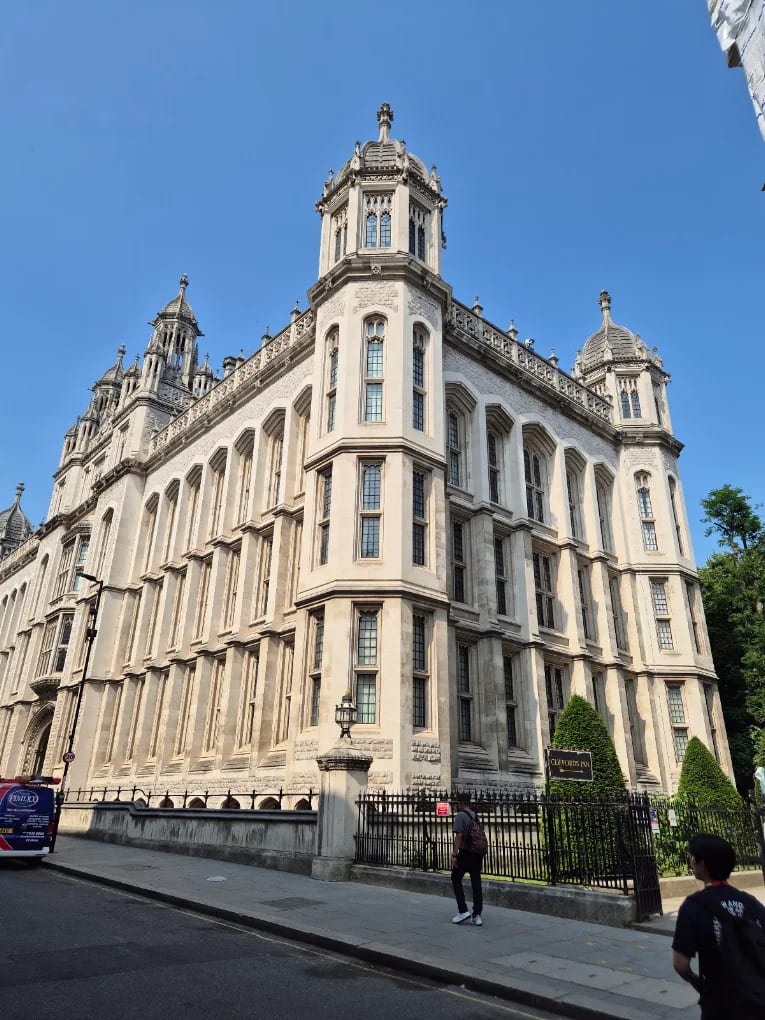
The gothic Maughan Library of King's College London on Chancery Lane

The gothic Maughan Library of King's College London on Chancery Lane

Three Historic Teaching Hospitals

King's medical school brings together the medical schools of three of London's most historic teaching hospitals, Guy's, King's and St Thomas', some of whose origins reach back many centuries. Guy's Hospital, founded in 1721, became one of the great centres of nineteenth-century medicine.

The Great Physicians of Guy's

In the early nineteenth century, the Guy's physicians Thomas Hodgkin, Richard Bright and Thomas Addison, alongside the surgeon Sir Astley Cooper, made discoveries so important that conditions such as Hodgkin's lymphoma, Bright's disease and Addison's disease still carry their names. At St Thomas', Florence Nightingale founded modern nursing in 1860.

The GKT School, 1998

The modern GKT School of Medical Education was created in 1998, when King's College London's medical and dental school merged with the United Medical and Dental Schools of Guy's and St Thomas', uniting these historic institutions within one university medical school.

A World Leader Today

Today King's College London is ranked among the top universities in the world and 11th globally for Medicine, with its MBBS accredited by the General Medical Council and its research shaping healthcare across the world.

Get all information about King's College London Medicine in our free brochure

Read on to find out how you can fulfil your dream of studying medicine at King's College London.

Role in medicine

Role in medical education

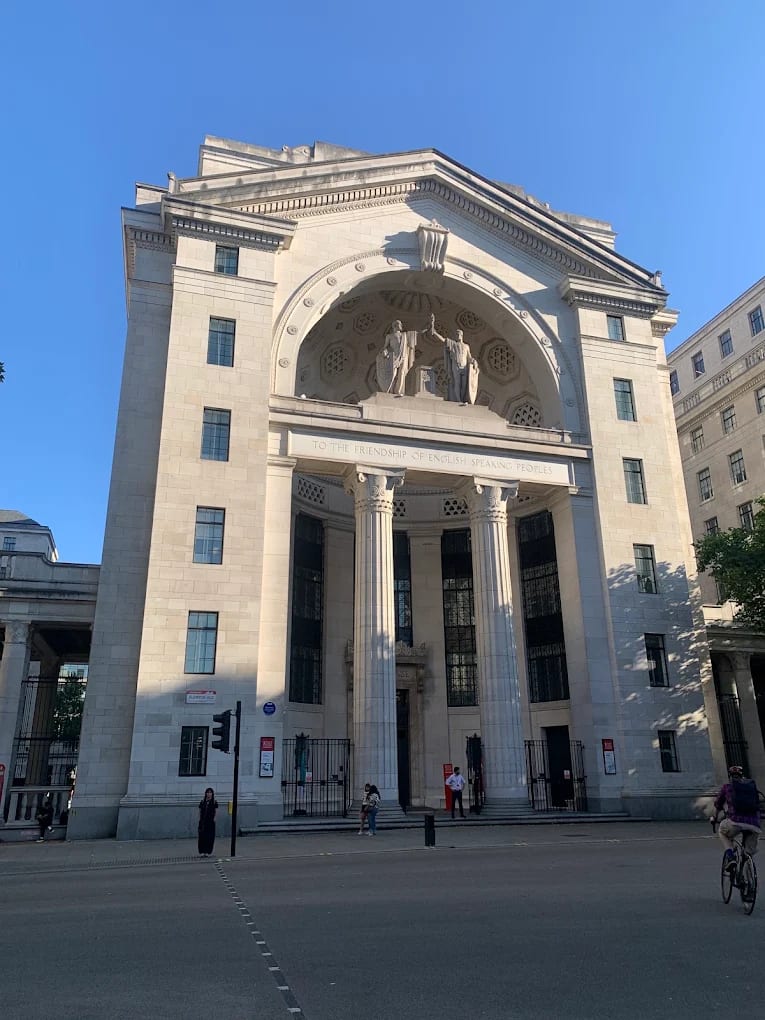
Bush House, part of King's College London's Strand campus in central London

Bush House, part of King's College London's Strand campus in central London

A Global Leader in Medical Research

King's College London is one of the most research-intensive universities in the world for medicine and health, with major strengths in areas from neuroscience and cardiovascular medicine to global health. Its discoveries, from the great physicians of Guy's to modern research, continue to shape global healthcare, and its students learn in that environment.

Training in Three Major London Hospitals

King's trains its medical students across Guy's, St Thomas' and King's College Hospital, three of London's busiest and most respected teaching hospitals, giving students exposure to an enormous and diverse patient population and to specialist tertiary care.

An International Academic Community

King's is one of the most international universities in the world, and its medical students join a large, diverse community of scholars and a worldwide alumni network spanning clinical medicine, research and public health.

Get all information about King's College London Medicine in our free brochure

Read on to find out how you can fulfil your dream of studying medicine at King's College London.

Cost of living

Living Cost at King's College London

Beyond the high tuition fees, living in London is expensive by Indian standards. King's publishes a recommended student budget; here is an approximate monthly breakdown (this is separate from tuition).

Monthly Living Cost

Cost ComponentApproximate Amount (per month)
Accommodation£800 – £1,150 (₹86,000 – ₹1,23,000)
Food & Groceries£300 – £430 (₹32,000 – ₹46,000)
Transport & Personal£120 – £220 (₹13,000 – ₹24,000)
Study Costs, Utilities & Leisure£160 – £300 (₹17,000 – ₹32,000)
Get Free MBBS Guide

Average monthly living cost (excluding tuition)

£1,400 – £2,100 (₹1,50,000 – ₹2,25,000)

Housing

Accommodation

King's offers places in its halls of residence to first-year students, so international students can arrive in London with housing arranged before finding private accommodation in later years.

Halls of Residence

King's provides university halls of residence across London, and first-year students are prioritised for a place, which removes much of the stress of finding housing in London for international students.

First-Year Priority

Because first-year students are prioritised for halls, international students can secure accommodation before arrival and settle in near the campuses and hospitals.

Furnished Rooms

Hall rooms are furnished, typically with a bed, desk and storage, many en-suite, within a supported, community-based student environment with wardens and welfare support.

Catered and Self-Catered Options

King's halls include self-catered options with shared kitchens, so students can cook for themselves, which helps those who prefer a vegetarian or home-style diet.

Later-Year Housing

After first year, most students move into private shared houses or flats across London, often with coursemates; King's accommodation service supports this move.

Central London Setting

Living near the Guy's and Strand campuses places students beside London Bridge, the Thames and excellent transport, within reach of the GKT teaching hospitals.

International Student Support

King's provides dedicated support for international students, from arrival and orientation to welfare, visa advice and academic support throughout the course.

Private Housing Option

Students who prefer to live off campus rent private rooms or flats across London through letting agents and student platforms; central London rents are high, so budgeting is important.

Need accommodation details?

Get a full overview of housing options with our university guide, or reach out to an expert.

Food & Dining

Indian and Vegetarian Food, Easily Available

London has one of the largest Indian communities and food scenes outside India, so Indian and vegetarian food is exceptionally easy to find.

King's campus cafes, restaurants and catered halls serve a wide range of meals with vegetarian and vegan options every day, so students can eat conveniently between classes and placements.

Location

How to Reach King's College London GKT School of Medical Education

Address

GKT School of Medical Education, King's College London, Guy's Campus, Great Maze Pond, London SE1 1UL, United Kingdom (with teaching at St Thomas' and King's College Hospital / Denmark Hill)

  • Nearest Airport

    London Heathrow Airport (LHR), about 24 km west of central London, with direct flights from major Indian cities; London is also served by Gatwick, Stansted, Luton and City airports

  • Local Transport

    The Guy's Campus is beside London Bridge station; the Underground, trains and buses connect King's campuses and the GKT teaching hospitals across central and south London

Your Roadmap to Success

Career Pathways After Medicine at King's College London

The King's MBBS is a UK Primary Medical Qualification accredited by the General Medical Council and carries strong standing worldwide. It opens medical careers in the UK and, through further licensing steps, in India, the United States and many other countries.

Understand the Medical Licensing Pathway

A clear overview of the exams and requirements after graduation.

Practising in India

FMGE & NExT Details

A King's medical graduate who wants to practise in India follows the licensing pathway set by the National Medical Commission (NMC): qualifying NEET before starting the course abroad, clearing the NMC screening examination (currently the FMGE, transitioning to the NExT), completing the required internship and registering with the medical council. Because King's is a UK degree followed by separate Foundation training for full registration, Indian families should confirm the exact NMC position for a UK qualification before relying on this route.

  1. Step 1

    NEET Before You Start

    Under NMC rules, an Indian student must have qualified NEET-UG before beginning any foreign medical course to be eligible later for Indian licensing. This applies to King's just as to any other overseas medical school, even though NEET is not part of King's own admission.

  2. Step 2

    National Exit Test (NExT) / FMGE

    To practise in India, graduates must clear the qualifying examination for foreign medical graduates, currently the Foreign Medical Graduate Examination (FMGE), which India is replacing with the National Exit Test (NExT). A UK medicine degree meets the minimum course length the NMC requires.

  3. Step 3

    Internship and Registration

    After clearing the exam, graduates complete the required internship and register with the National Medical Commission or a State Medical Council. Because the UK MBBS gives provisional GMC registration and is followed by UK Foundation training for full registration, the exact mapping to NMC internship rules should be confirmed case by case with the NMC.

Student Life Style

Student life at King's College London

Being a medical student at King's is a mix of intensive academics and life in the heart of central London, split between the riverside Strand campus and the Guy's Campus by London Bridge.

Interior of a historic circular domed library reading room with tiered bookshelves

Interior of a historic circular domed library reading room with tiered bookshelves

Academics

The course is demanding and integrated, taught through lectures, laboratory work, anatomy and early clinical contact, with clinical training across three major London hospitals. Studying in English at a university ranked 11th in the world for medicine is a genuinely world-class experience.

Life in Central London

King's campuses sit at the heart of London, with the Guy's Campus beside London Bridge and the Shard and the Strand campus on the Thames near Somerset House and the West End. London offers unmatched culture, one of the largest Indian communities anywhere and excellent transport across the UK and Europe.

Challenges and Growth

The workload and the cost of living in London are significant, and the standard is high, but the course builds strong clinical knowledge, independence and lifelong connections.

Social Life

King's has a large students' union with many clubs and societies, including active Indian and South Asian student groups, plus GKT's own long-standing medical-school traditions, sport and events, which help international students build a home away from home in London.

Overall Experience

Studying Medicine at King's is about growing as a doctor and as a person at a world-leading university, building lifelong friendships and a global network in the heart of London.

Fees & Financial

Fees & Financial Planning

King's Medicine is an expensive course for overseas students, and scholarships for it are limited, so realistic financial planning is essential.

International students pay full overseas tuition, and Indian students must self-fund, as no UK government loan is available. Families should plan for the full multi-year cost before applying.

  • Approx. £56,800 per year (≈ ₹61 Lakh), rising each year
  • Around £285,000+ in total tuition over five years (about ₹3 crore)
  • Living costs of a further £13,000–£18,000 per year (≈ ₹14–19 Lakh) on top

Ratings

Reviews & Ratings

Hear from students and alumni about their experience at King's College London GKT School of Medical Education.

4.7

85 reviews

Academics4.8
Clinical Training4.9
London Life4.8
Facilities4.6
Value for Money4
  • Incredible clinical exposure

    Student — MBBS 2022

    Training across Guy's, St Thomas' and King's College Hospital gives huge, varied clinical experience, and the GKT heritage is inspiring. It is one of the biggest medical schools in the UK, so there is a real community.

  • World-class for medicine

    Student — MBBS 2021

    Studying at a university ranked 11th in the world for medicine, in central London, is fantastic. Getting an MBBS that is recognised for FMGE and internationally is a big draw.

Compare

Compare Colleges

Compare King's College London with a leading Indian medical college.

Quick Comparison:

King's College London vs AIIMS New Delhi

University
King's College LondonLondon, United Kingdom
AIIMS New DelhiNew Delhi, India
University TypePublic research university (Russell Group)Government institute of national importance
MediumEnglishEnglish
Course Duration5 years (MBBS; 6 with intercalated BSc)5.5 years including internship (MBBS)
Tuition (per year)~£56,800 overseas (~₹61 lakh)Nominal (a few thousand rupees per year)
AdmissionUCAS + UCAT + A-levels + interviewNEET-UG (extremely high rank)
RecognitionGMC (UK) / WDOMS; NMC-eligible via screeningNMC-recognised
World Ranking#11 in the world for Medicine (QS 2026)India's top-ranked medical institute (NIRF #1)

Compare Top MBBS Universities for Me

See key differences in fees, ranking, eligibility and recognition.

Our blog

Medical Education Insights

Articles that turn complex MBBS-abroad rules into simple, practical steps for students and parents.

FAQ

Frequently Asked Questions

Short answers to the questions students and parents ask most often about studying Medicine at King's College London.