Free Webinar: MBBS in India

Sat, December 5, 2026 | 8:30 PM

Reserve my seat
futureMBBS by futuredoctor

Free Webinar: MBBS in India

Sat, December 5, 2026 | 8:30 PM

Reserve my seat
futureMBBS by futuredoctor
Voronezh, Russia

Voronezh State Medical University named after N.N. Burdenko

A state medical university under the Russian Ministry of Health, teaching medicine in Voronezh since 1918 and General Medicine in English since 2004.

  • MBBS student
  • MBBS student
  • MBBS student
  • MBBS student
  • MBBS student

1,500+ Students trust us

Russia

Country

Voronezh

City

#18 in Russia

RAEX Medicine ranking 2026

English

Medium of the English track

For Indian Students

Can Indian students study MBBS in Russia?

Short answer: Yes, Indian students can study MBBS in Russia. Yes, the degree is eligible for the FMGE, as long as the programme is taught in English throughout and its internship is completed at the same university; a programme taught in Russian, or partly in Russian, does not qualify.

Admission is open to Indian students

Russian universities admit Indian students directly after Class 12 with Physics, Chemistry, Biology and English, on Class 12 marks and a qualifying NEET UG result, with no separate entrance test and no IELTS or TOEFL. Indian students also obtain the NMC Eligibility Certificate before starting the course.

Is the degree NMC compliant?

Yes, when the whole programme is taught in English and the internship is completed at the same university. The NMC Foreign Medical Graduate Licentiate Regulations 2021 ask for a course of at least 54 months taught in English, an internship of at least twelve months in the same foreign institution, and a degree that entitles the holder to practise in Russia. The Russian programme is a six-year integrated Specialist degree with clinical rotations and internship in the later years, and at most universities on this page Russian is learned alongside for talking to patients. A few universities teach General Medicine in Russian or bilingually, and the NMC requires English for the whole course, so the internship arrangement and English medium of your programme are what count.

What this means if you want to work in India

Graduates of a programme that meets these rules sit the FMGE (NExT deferred and not in force), complete any required internship in India and register with the NMC and their State Medical Council. The degree can also support the USMLE or PLAB routes for eligible graduates.

Introduction

Voronezh State Medical University named after N.N. Burdenko

Voronezh State Medical University is a federal state university under the Ministry of Health of the Russian Federation, teaching medicine in Voronezh since 1918, when the medical faculty of the relocated Yuryev University began classes there. It became an independent institute in 1930, an academy in 1994 and a university in 2015. It has run an English-medium General Medicine track since 2004, which the university records as fully in English since 2018. RAEX ranks it 18th in Russia for Medicine for 2026, it teaches 6,399 students on Specialist programmes, and it runs its own Children's Clinical Hospital and Dental Polyclinic. The six-year English-medium degree opens the FMGE route to India when the programme meets the NMC's FMGL 2021 rules on duration, internship and medium of teaching.

  • Study programme:General Medicine (Lechebnoe Delo), six-year Specialist degree
  • Language:English, all six years since 2018 by the university's own record
  • Duration:6 years, ending in the state Primary Accreditation examination
  • University type:Federal state university, Ministry of Health of the Russian Federation
  • Per academic year fees:₹3.84 lakh (RUB 340,000), the last published rate, for 2023-24
  • Entrance examination:University entrance test in Chemistry and English
  • International admissions:182 new international students in 2024, across all programmes
  • Recognition:Listed in the World Directory of Medical Schools (WDOMS)
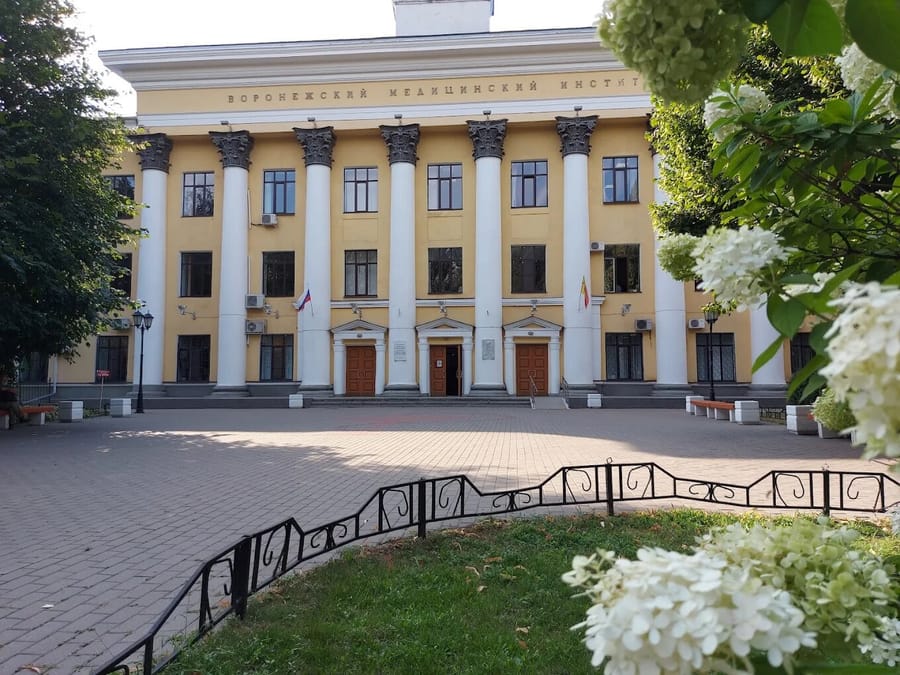
Main building of Voronezh State Medical University seen past flowering hydrangeas in the forecourt
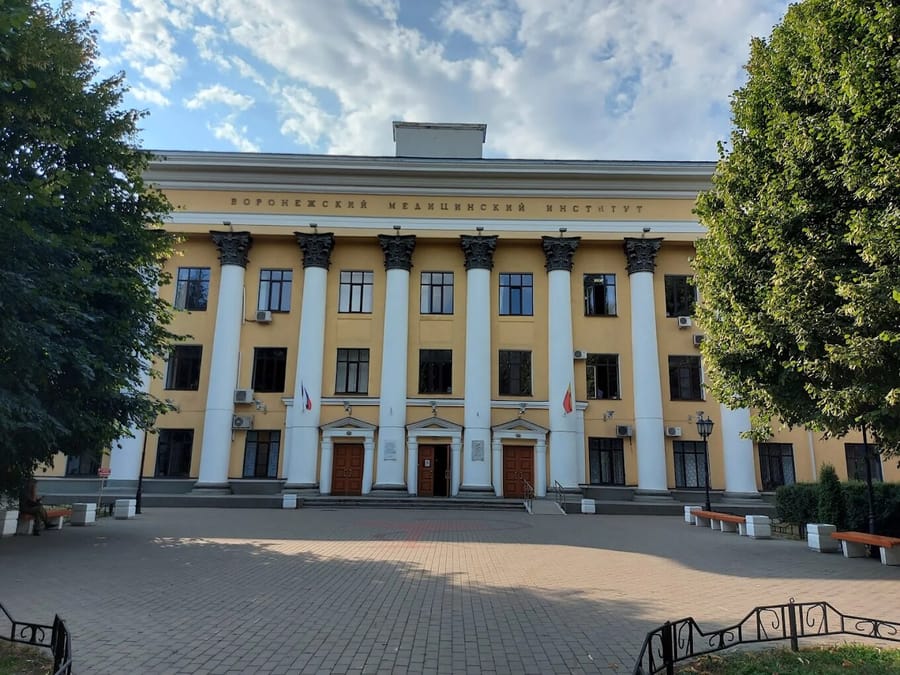
Wide view of the colonnaded main building of Voronezh State Medical University with its paved forecourt
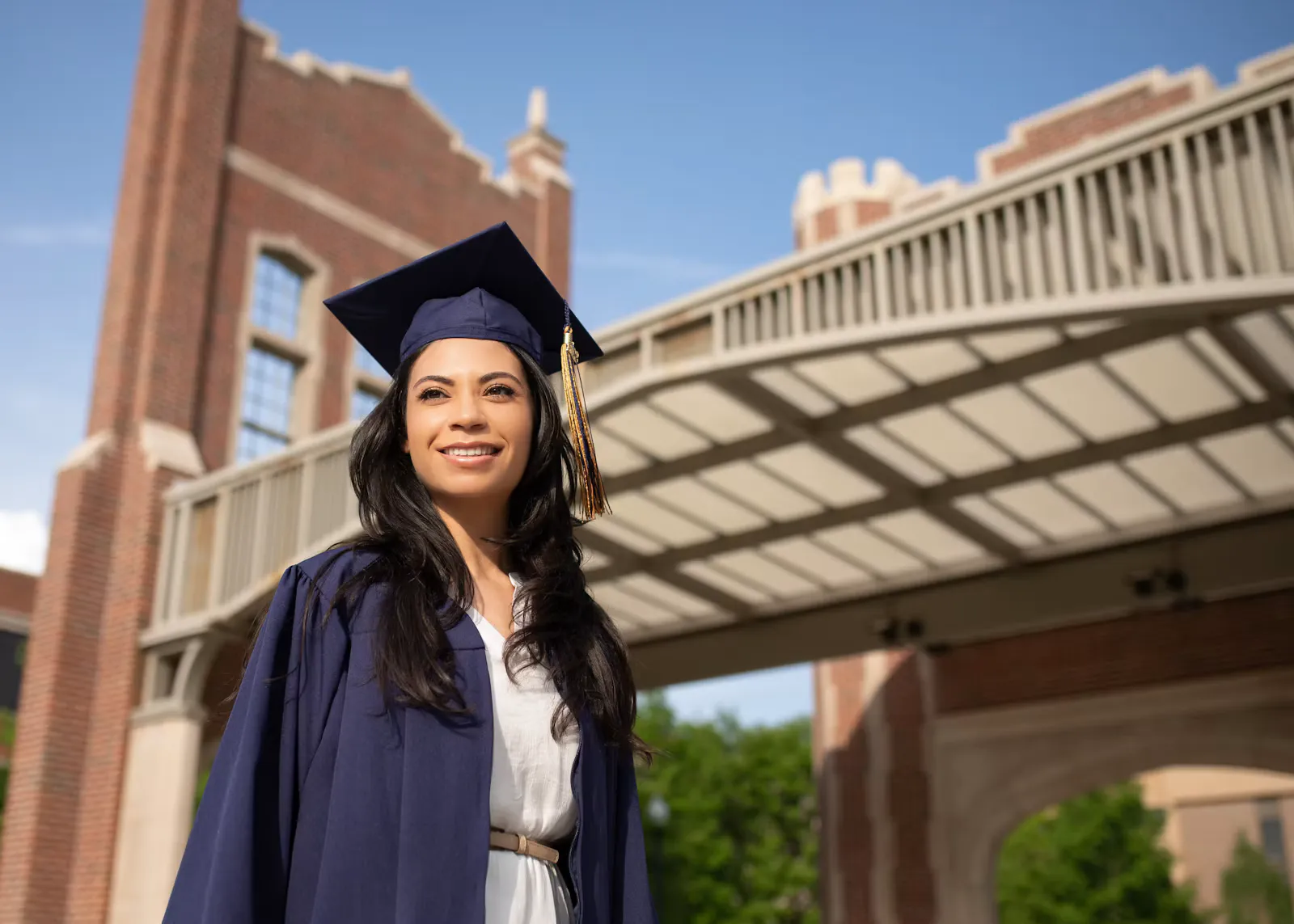
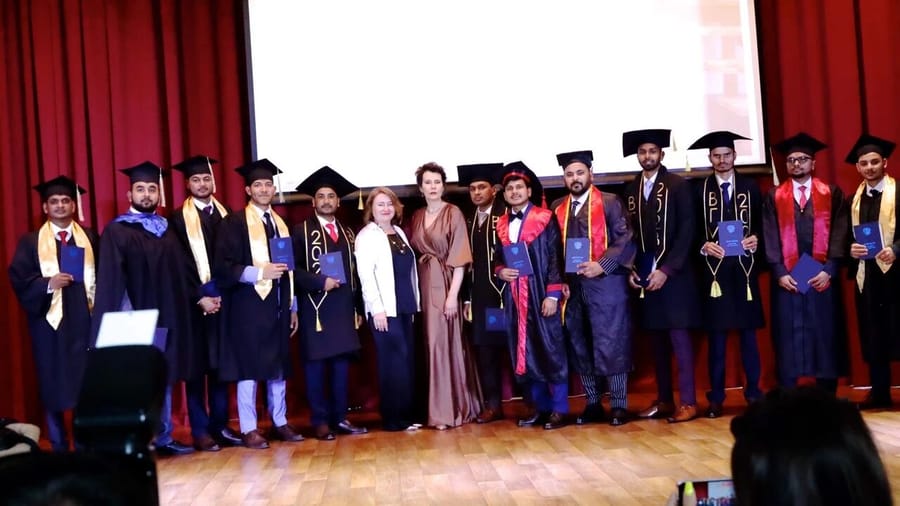
Graduating cohort of Voronezh State Medical University, including Indian graduates, in caps and gowns on stage with faculty

Main building of Voronezh State Medical University seen past flowering hydrangeas in the forecourt

Find out all about your MBBS-abroad options at Voronezh State Medical University

Download our free brochure for immediate information, or get personalised professional counselling from our experts.

Recognition & Prestige

Rankings & Recognition

RAEX ranks Voronezh State Medical University 18th in Russia for Medicine for 2026, within a narrow band over four years (19th in 2023, 20th in 2024, 16th in 2025), and 93rd among all Russian universities, against its best RAEX-100 position of 49th in 2016. It sits in the 78 to 112 band of the Three University Missions international ranking for 2025 and does not appear in the QS or Times Higher Education world rankings.

  • #18

    RAEX Medicine subject ranking, Russia, 2026

  • #93

    RAEX-100, all Russian universities, 2026

  • 78 to 112

    Three University Missions ranking band, 2025

Voronezh State Medical University holds Russian state accreditation certificate A007-00115-36/01103921 and educational licence L035-00115-36/00097124, both of indefinite validity, and is a Federal State Budgetary Educational Institution under the Ministry of Health of the Russian Federation. It is listed in the World Directory of Medical Schools. For India, the six-year English-medium degree opens the FMGE route when the programme meets the NMC's FMGL 2021 rules on duration, internship and medium of teaching.

Accreditations and Recognition

  • World Directory of Medical Schools emblem

    WDOMS

    Voronezh State Medical University is listed in the World Directory of Medical Schools

Complete Information About Voronezh State Medical University

Get complete information about Voronezh State Medical University, including tuition, living costs, admission and recognition for Indian students.

Success stories

Student Success Stories

Hear directly from students who are studying medicine in Europe with futureMBBS.

Academic Excellence

Why Study Medicine at Voronezh State Medical University

Voronezh State Medical University offers a state-run, six-year medical degree at RUB 340,000 a year, with university hostels and its own teaching hospitals, in a provincial city where rent runs about a third of Moscow's. The practical constraints of travel and safety in the region are set out in Student Life.

A State Ministry of Health University

The university is a Federal State Budgetary Educational Institution reporting to the Ministry of Health of the Russian Federation, with an indefinite educational licence and indefinite state accreditation.

More Than a Century of Medical Teaching

Medical teaching began in Voronezh on 12 November 1918, when the medical faculty of the relocated Yuryev University started classes. The institution became independent in 1930, an academy in 1994 and a university in 2015.

Ranked in Russia's Top 20 for Medicine

RAEX places the university 18th in Russia for Medicine for 2026, having ranked 19th in 2023, 20th in 2024 and 16th in 2025.

Low Total Cost

Tuition on the English-medium General Medicine track was RUB 340,000 a year at the last published rate (about ₹3.84 lakh), and the university quotes hostel places at about USD 300 a year. Numbeo puts Voronezh rents 69.1% below Moscow.

Its Own Teaching Hospitals

The university runs its own Children's Clinical Hospital and Dental Polyclinic, with clinical teaching across medical organisations throughout the city and 28 lecture halls seating 5,040.

Clinical Work From Year Two

The university states that foreign students begin practice in hospitals and clinics from the second year, and that after three years a student may obtain a certificate to work as junior or middle-grade medical staff.

Guaranteed Housing

Five university dormitories provide 2,108 places, and the university states that foreign students are guaranteed a place.

Read all about MBBS abroad in our free brochure

Know exactly what options exist for your MBBS-abroad success.

How to Apply

Admission Process for General Medicine

Admission to General Medicine runs through the university's own entrance test in Chemistry and English, set through its Moodle system. A qualifying NEET UG result and the NMC Eligibility Certificate are separate Indian requirements completed before going abroad.

Admission Timeline

  1. 1
    Before applyingQualify NEET UG and obtain the NMC Eligibility Certificate

    Indian citizens need a qualifying NEET UG result before joining a medical course abroad, valid for three years from its declaration, and the NMC Eligibility Certificate before starting the course.

  2. 2
    On applicationSubmit documents online

    A scanned school-leaving certificate with an apostille from India's Ministry of External Affairs, a passport copy and an application letter go to the admissions office.

  3. 3
    RegistrationRegister for the university entrance test

    The candidate is registered on the university's Moodle system and given the test format and dates.

  4. 4
    TestSit the entrance test in Chemistry and English

    The English-medium General Medicine programme is entered through a Chemistry and English test set by the university; the Russian-medium programmes use Chemistry and Russian.

  5. 5
    EnrolmentContract, tuition and document recognition

    On acceptable results the candidate signs the enrolment consent and the contract, pays tuition, and obtains a Certificate of Recognition of Foreign Education from Glavekspertcentr.

  6. 6
    After enrolmentInvitation letter, visa and arrival

    The university issues an invitation letter through the Russian migration authority for the student visa. Within three days of crossing the border the student submits passport, visa and migration card, and takes out a twelve-month medical insurance policy through the university's International Institute, quoted at RUB 5,800 (about ₹6,550).

Eligibility Criteria

Academic Qualification

The applicant needs a school-leaving certificate with an apostille and a Certificate of Recognition of Foreign Education from Glavekspertcentr, the Russian federal document-recognition agency. Under Indian NMC rules an Indian applicant also needs Physics, Chemistry, Biology and English at Class 12, with at least 50% aggregate in Physics, Chemistry and Biology for the general category, 40% for SC, ST and OBC candidates and 45% for general-category candidates with benchmark disabilities, together with a qualifying NEET UG result.

Subjects:

PhysicsChemistryBiologyEnglish

Age Requirement

Under Indian NMC rules the candidate must be 17 years old by 31 December of the admission year, with no upper age limit. The university publishes no separate age condition.

  • Minimum 17 yearsAge to be completed by 31 December of the admission year, under Indian NMC rules

Requirements

Two university-set requirements stand between an applicant and enrolment.

  • University Entrance Test

    A test in Chemistry and English for the English-medium General Medicine programme, run through the university's Moodle system. NEET is not part of the university's own assessment.

  • Certificate of Recognition of Foreign Education

    Issued by Glavekspertcentr, the Russian federal agency for recognition of foreign qualifications. The school-leaving certificate needs an apostille from India's Ministry of External Affairs first.

Entrance Examination

Admission rests on the university's own entrance test rather than on category-wise minimum marks.

ComponentRequirement
Entrance test, English-medium programmeChemistry and English, set and run by the university through its Moodle system
Entrance test, Russian-medium programmesChemistry and Russian
Before enrolmentCertificate of Recognition of Foreign Education from Glavekspertcentr, at least one semester's tuition paid and a valid Russian entry visa

Required Documents

To apply, students need to submit essential academic and identification documents:

  • School-leaving certificate with an apostille from India's Ministry of External Affairs
  • Passport copy and application letter
  • Certificate of Recognition of Foreign Education from Glavekspertcentr
  • NEET UG scorecard and NMC Eligibility Certificate (Indian nationals)
  • + More

Admission Guidance & Document Checklist

Get the complete document checklist or admission guidance from our experts.

Programme Structure

MBBS Curriculum & Internship Structure

General Medicine (Lechebnoe Delo) is a six-year integrated Specialist degree, the equivalent of an Indian MBBS. Clinical practice begins in the second year and runs through the later years, and since Russia's 2016 reform there has been no separate internship year after graduation: the course ends in the state Primary Accreditation examination, which licenses the graduate as a general practitioner in Russia.

General Medicine Course

  • Total Duration:

    6 Years, ending in the state Primary Accreditation examination

  • Degree:

    Specialist Diploma in General Medicine (Vrach, equivalent to MBBS)

Curriculum Phases at Voronezh State Medical University

  • Years 1 to 2

    Preclinical Foundations

    The structure and function of the healthy human body, under the Russian federal standard, with first hospital practice from Year 2:

    Human AnatomyHistology and EmbryologyNormal PhysiologyBiochemistry
    Medical BiologyLatin Medical TerminologyMedical PhysicsRussian Language
  • Year 3

    Pathology and Propaedeutics

    Disease mechanisms alongside the first systematic patient examination teaching:

    Pathological AnatomyPathophysiologyPharmacologyMicrobiology
    Topographic Anatomy and Operative SurgeryPropaedeutics of Internal DiseasesGeneral SurgeryHygiene
  • Years 4 to 5

    Clinical Disciplines

    Teaching across the clinical specialties, with rotations through the university's clinical sites in Voronezh:

    Internal MedicineSurgeryObstetrics and GynaecologyPaediatrics
    NeurologyPsychiatryDermatovenereologyInfectious DiseasesOncologyOphthalmologyOtorhinolaryngologyTraumatologyForensic Medicine
  • Year 6

    Subordinatura and Primary Accreditation

    The concentrated final clinical year, concluding in the state Primary Accreditation examination that licenses practice in Russia:

    Internal MedicineSurgeryObstetrics and GynaecologyEmergency Medicine
    Polyclinic PracticePublic Health

Clinical Rotations

Clinical training runs through the university's own institutions and its clinical sites across Voronezh:

PhaseFocus
Year 2First clinical practice in hospitals and clinics, described by the university as clinical work and interaction with patients
After Year 3Eligibility for a certificate to work as junior and middle-grade medical staff alongside study
Years 4 to 5Rotations across Internal Medicine, Surgery, Obstetrics and Gynaecology, Paediatrics, Neurology and the other clinical departments
Year 6Subordinatura, the concentrated final clinical year, followed by the state Primary Accreditation examination

Get the full curriculum

Download a free brochure to see detailed subjects, the course structure and everything you need to plan your studies.

Clinical Network

Teaching Facilities and Clinical Base

Voronezh State Medical University publishes no student exchange programme for its international track. It publishes its teaching infrastructure and clinical base, which is where a medical student actually trains.

FacilityRole in teaching and clinical training
Children's Clinical Hospital of VSMUThe university's own paediatric teaching hospital in Voronezh
Dental Polyclinic of VSMUThe university's own dental clinic, used for teaching and patient care
Clinical sites across VoronezhClinical and practical training under agreement at medical organisations across the city
Teaching accommodation73 classrooms in the main building, 40 in the teaching-laboratory building and around 300 at clinical sites, with 28 lecture halls seating 5,040
Research institutesSix research institutes attached to the university

Explore the Clinical Training Network

The table above lists the university's own institutions and the scale of its teaching and clinical base.

Legacy

The People Behind Voronezh State Medical University

The university carries the name of one of the founders of Soviet neurosurgery and is led by an oncologist and former chief physician.

Nikolai Nilovich Burdenko

The surgeon the university is named after, though not a graduate of it. Burdenko (1876 to 1946) was a military field surgeon, a founder of Soviet neurosurgery, chief surgeon of the Red Army during the Second World War and the first President of the USSR Academy of Medical Sciences. The institute was named after him in 1977.
Professor Ivan Petrovich Moshurov

Rector of the university, a Doctor of Medical Sciences, professor and Honoured Doctor of the Russian Federation, and for more than thirteen years chief physician of the Voronezh Regional Oncology Centre. He became acting rector on 16 January 2026 and was confirmed by order of the Russian Health Minister on 16 June 2026.

Faculty

The university teaches 6,399 students on Specialist programmes and admitted 755 residency trainees in 2024. Teaching runs across the main building on Studencheskaya Street, a teaching-laboratory building and the clinical sites, and its 2024 professional-public accreditation covered six Specialist programmes and 42 residency programmes.

Academic Expertise

  • Federal state university under the Ministry of Health

  • Six research institutes attached to the university

  • 42 residency programmes with professional-public accreditation

  • 18th in Russia for Medicine, RAEX 2026

Student Support & Mentorship

  • International Institute of Medical Education and Cooperation

  • Clinical practice from Year 2

  • Five university dormitories with 2,108 places

  • Medical insurance arranged through the International Institute on arrival

About University

History Information

From Dorpat to Voronezh, 1918

The university's lineage runs back to the University of Dorpat, founded at the start of the nineteenth century and renamed Yuryev in 1893. During the First World War the displaced university relocated, and its medical faculty became a founding element of Voronezh State University. Classes began in Voronezh on 12 November 1918.

An Independent Institute in 1930

By decree of 23 July 1930 the medical faculty was separated from Voronezh State University as the independent Voronezh Medical Institute. The paediatric faculty followed in 1933 and the dentistry faculty in 1957.

Named After Burdenko in 1977

The institute was named after Nikolai Nilovich Burdenko in 1977, honouring the founder of Soviet neurosurgery. This was a renaming only; the institution's status was unchanged.

Academy in 1994, University in 2015

The faculty of continuing medical education was added in 1983 and the international and pre-university faculties in 1992. By decree of 23 June 1994 the institute became Voronezh State Medical Academy named after N.N. Burdenko, and in March 2015 the academy became a university.

Get all information about Voronezh State Medical University in our free brochure

Read on to find out how you can fulfil your dream of studying medicine at Voronezh State Medical University.

Role in medicine

Role in medical education

More Than a Century of Medical Teaching

Medical teaching has run continuously in Voronezh since 1918. The university today teaches 6,399 students on Specialist programmes across general medicine, paediatrics, dentistry, pharmacy and preventive medicine.

An International Faculty Since 1992

The international and pre-university faculties were established in 1992, and international teaching now runs through the International Institute of Medical Education and Cooperation. New international admissions rose from 81 in 2023 to 182 in 2024, 14 of them state-funded and 168 fee-paying.

Research and Clinical Base

The university operates six research institutes and its own Children's Clinical Hospital and Dental Polyclinic, with clinical training under agreement at medical organisations across Voronezh.

Get all information about Voronezh State Medical University in our free brochure

Read on to find out how you can fulfil your dream of studying medicine at Voronezh State Medical University.

Cost of living

Living Cost in Voronezh

Voronezh is a provincial Russian city where rent runs about a third of Moscow's. The rows below are monthly approximations in rupees; the accommodation range runs from a university hostel place to a private one-bedroom flat outside the centre (Numbeo, Voronezh, August 2026).

Monthly Living Cost

Cost ComponentApproximate Amount
Accommodation (hostel, about USD 300 a year, to a private flat at RUB 21,000)₹2,100 to ₹23,700
Food₹9,000 to ₹16,800
Transport (RUB 21 a ride; monthly pass about RUB 2,500)₹1,100 to ₹2,800
Other expenses (utilities, internet, SIM, leisure)₹3,400 to ₹9,000
Get free MBBS guide

Average monthly living cost

₹15,600 to ₹52,300

Housing

Accommodation

Voronezh State Medical University runs five dormitory buildings with 2,108 places, administered by its Studgorodok student campus office, and states that foreign students are guaranteed a place.

Five University Dormitories

Dormitory 1 at Koltsovskaya Street 9 has 209 places, Dormitory 2 at Transportnaya Street 49 has 150, Dormitory 3 at Studencheskaya Street 12 has 393, Dormitory 4 at Transportnaya Street 51 has 652 and Dormitory 5 at Moskovsky Prospekt 185 has 704.

Rooms and Facilities

Rooms are single, double or triple depending on the building, with double-glazed windows and shared bathrooms and showers; some buildings have gyms and study rooms. Dormitory 3, next to the main building, has its own student canteen and buffet.

Shared Kitchens, Self-Catering

Each floor or section has a shared kitchen and students cook for themselves, which keeps the food line of the living-cost table low.

What It Costs

The university's foreign-students page quotes housing at about USD 300 a year, about ₹2,100 a month.

Applying for a Room

Places are arranged through the Studgorodok student campus office. Arrange the room alongside the visa application, with our counsellors.

Private Flats

A one-bedroom flat outside the centre averages RUB 21,000 a month and in the city centre RUB 29,333, against RUB 62,735 and RUB 117,206 for Moscow. Shared between two students, a Voronezh flat comes close to hostel cost.

Need accommodation details?

Get a full overview of housing options with our university guide, or reach out to an expert.

Food & Dining

Cooking, Groceries and Indian Food in Voronezh

Voronezh has no established Indian restaurant scene, so an Indian student here mostly cooks.

Every dormitory floor or section has a shared kitchen and students cook their own food. For an Indian student in Voronezh this is the main way of eating Indian food, which is why bringing a spice supply from home matters.

Location

How to Reach Voronezh State Medical University

Address

Voronezh State Medical University, Studencheskaya Street 10, Voronezh, 394036, Voronezh Oblast, Russia. Dormitory 3 and the student canteen stand at Studencheskaya Street 12, next to the main building.

  • Nearest Airport

    Voronezh International Airport (VOZ) has been closed to passenger flights since February 2022. Students fly to Moscow and continue by train

  • From Moscow

    The fast train from Moscow takes about seven hours, with third-class fares from about RUB 927

Your Roadmap to Success

Career Pathways After General Medicine at Voronezh State Medical University

Graduates receive the Russian Specialist diploma in General Medicine, the primary medical qualification and the equivalent of an Indian MBBS rather than an Indian postgraduate MD. The university's English materials call it an MD degree, which is a translation choice, not a research doctorate.

Understand the Medical Licensing Pathway

A clear overview of the exams and requirements after graduation.

Practising in India

FMGE (NExT Deferred and Not in Force)

To practise in India after graduating abroad, an Indian student qualifies NEET UG before admission, completes a programme that meets the NMC's FMGL 2021 rules, clears the FMGE (NExT is deferred and not in force), completes any required internship in India and registers with the NMC or a State Medical Council.

  1. Step 1

    Course Length and Internship

    The NMC Foreign Medical Graduate Licentiate Regulations 2021 ask for a course of at least 54 months, an internship of at least twelve months in the same foreign institution, and registration with the regulator of that country. The six-year degree clears the course length. It is an integrated Specialist degree with clinical practice from Year 2 and no separate internship year after graduation, so the internship arrangement of your programme is what counts.

  2. Step 2

    Teaching in English

    The regulations ask for the whole course to be taught in English. The university records its English-medium programme as fully in English since 2018. Clinical practice from Year 2 takes place in hospitals where patients speak Russian, so Russian is learned alongside for the wards.

  3. Step 3

    FMGE (NExT deferred and not in force)

    The National Board of Examinations in Medical Sciences conducts the FMGE twice a year with a pass mark of 150 out of 300. In the December 2025 session 42,872 candidates appeared and 10,262 qualified, a pass rate of 23.95%. In June 2025, 36,034 appeared and 6,707 qualified, 18.61%. The National Exit Test (NExT), intended to replace the FMGE, is deferred and not in force. NBEMS publishes no pass rate by university or by country.

  4. Step 4

    Clinical Internship in India (CRMI)

    After clearing the FMGE, a foreign graduate completes a twelve-month Compulsory Rotating Medical Internship in India, the same twelve months an Indian MBBS graduate completes.

  5. Step 5

    Medical Registration

    The final step is registration with the National Medical Commission or a State Medical Council, with the Russian degree apostilled for use in India. A registered graduate can practise anywhere in India.

Student Life Style

Student life at Voronezh State Medical University

Voronezh is a provincial city of about a million people on the Voronezh River, roughly 500 km south of Moscow. Studying here involves practical realities a family should understand before committing six years.

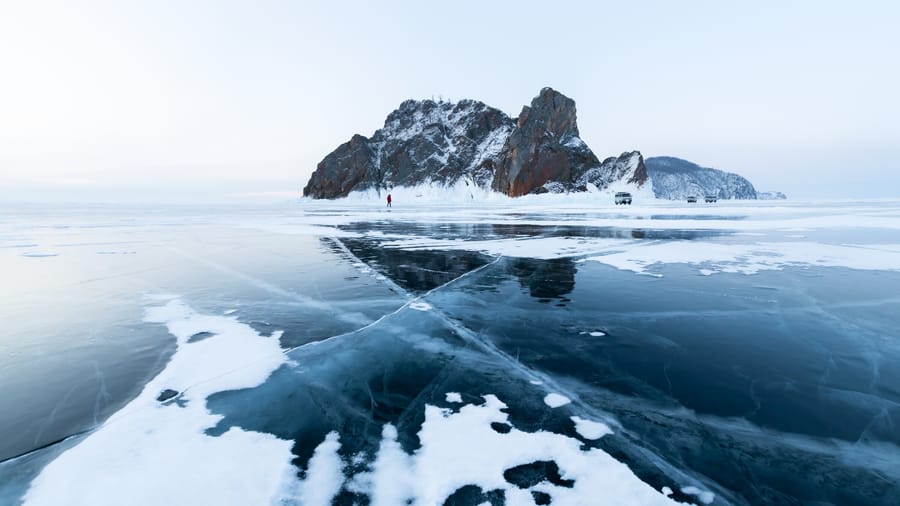
Visitors walking on the frozen surface of Lake Baikal in Siberia, Russia, in winter

Visitors walking on the frozen surface of Lake Baikal in Siberia, Russia, in winter

Academics

The six-year programme moves from preclinical sciences in the first two years into pathology and propaedeutics in the third and clinical disciplines from the fourth, ending in the subordinatura year and the state Primary Accreditation examination. Foreign students begin practice in hospitals and clinics from the second year.

Road leading towards the snow-capped peak of Mount Elbrus in the Caucasus, Russia

Road leading towards the snow-capped peak of Mount Elbrus in the Caucasus, Russia

Campus and Housing

The main building stands on Studencheskaya Street, with Dormitory 3 and its canteen next door at number 12. Five dormitories provide 2,108 places across the city, with shared kitchens on each floor.

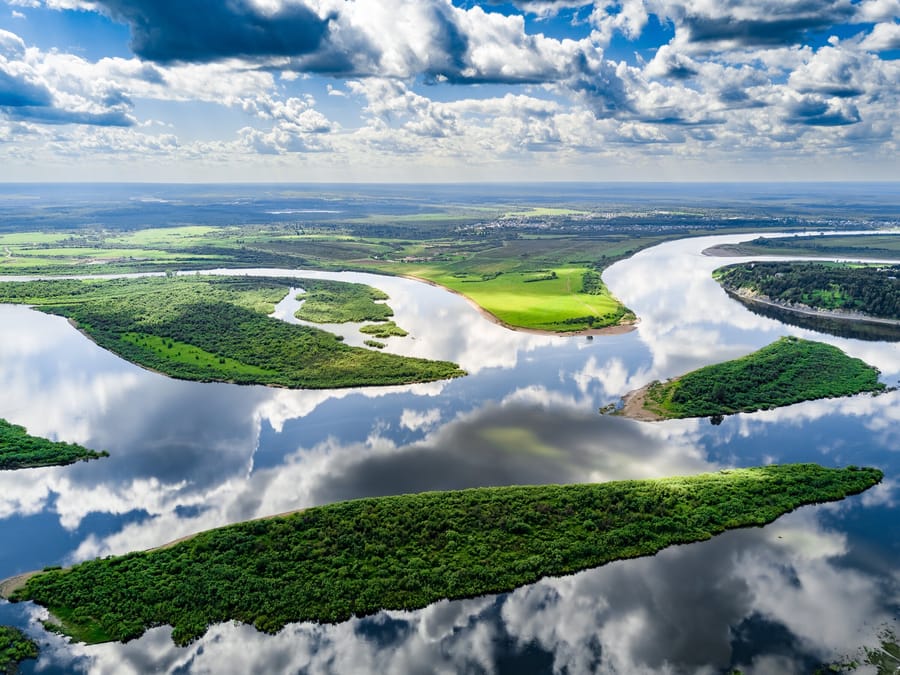
Aerial view of a meandering river across the Russian countryside in summer

Aerial view of a meandering river across the Russian countryside in summer

Winter

Voronezh averages about minus 6.4°C in January and minus 5.9°C in February, with colder snaps, and around seven hours of daylight in December against nearly seventeen at midsummer. Proper winter clothing is a necessary purchase.

Aerial view of a river valley between forested hills in autumn, Russia

Aerial view of a river valley between forested hills in autumn, Russia

Money and Payments

Visa, Mastercard and Maestro cards issued outside Russia do not work there, and nor do Apple Pay and Google Pay. Students open a Russian bank account and use a Mir card, and pay tuition by transfer to the university's own account.

Safety and Security

Russia ranks 163rd of 163 countries on the Global Peace Index 2026, the lowest position in the index. Voronezh lies roughly 250 km from the Ukrainian border and has recorded repeated drone incidents since 2023, including an attack on 10 January 2026 that killed one person and damaged homes and a school.

Getting Around and Getting Home

Buses and marshrutkas cost RUB 21 by card, with a monthly pass at about RUB 2,500. Voronezh airport has been closed to passenger flights since February 2022, so the journey home runs through Moscow, about seven hours away by train.

Scholarship & Financial

Scholarship & Financial Aid

The university publishes no scholarship of its own for General Medicine. The funded route is the Russian government quota, awarded nationally rather than by the university.

The Russian government offers scholarship places to Indian students each year, covering medicine among other fields. Applications run through the official Russian government portal, with candidates choosing up to six universities in priority order and selection on prior grades and a portfolio. Russian is not a precondition, and an optional preparatory Russian year can be chosen.

  • Covers tuition fees only
  • Does not cover living costs or travel
  • Applications through the official Russian government education portal

Compare

Compare Colleges

Compare Voronezh State Medical University with India's top-ranked government medical college.

Quick Comparison:

Voronezh State Medical University vs AIIMS New Delhi

University
Voronezh State Medical UniversityVoronezh, Russia
AIIMS New DelhiNew Delhi, India
University TypePublic, Ministry of Health, medical teaching since 1918Institute of National Importance (government)
MediumEnglish, with clinical work in a Russian-speaking settingEnglish
Course Duration6 years, with clinical practice from Year 25.5 years, being 4.5 years plus a 12-month internship
Tuition (per year)₹3.84 lakh (RUB 340,000), last published rate, 2023-24About ₹1,628 in academic fees for the whole course, including ₹1,350 tuition
AdmissionUniversity test in Chemistry and English, plus a qualifying NEET UG resultNEET UG
RecognitionListed in WDOMS; FMGE route when the programme meets the NMC rulesListed in WDOMS
RankingRAEX Medicine #18 (2026); RAEX-100 #93 (2026)NIRF Medical 1 (2025)

Compare Top MBBS Universities for Me

See key differences in fees, ranking, eligibility and recognition.

Our blog

Medical Education Insights

Articles that turn complex MBBS-abroad rules into simple, practical steps for students and parents.

FAQ

Frequently Asked Questions

Short answers to the questions students and parents ask most often about studying medicine at Voronezh State Medical University.