Natalia Bekhtereva
Natalia Bekhtereva (1924–2008), a leading neuroscientist who developed influential neurophysiological approaches to the study of the human brain, is among the university's distinguished graduates.
Webinar: Pursuing MBBS in India Thu, November 5, 2026 | 8:30 PM IST FREE
Reserve free seatFree Webinar: MBBS in India
Thu, November 5, 2026 | 8:30 PM

Free Webinar: MBBS in India
Thu, November 5, 2026 | 8:30 PM
A historic medical university in St Petersburg, founded in 1897 as the first medical institute for women in Russia and Europe, and named after the Nobel laureate Ivan Pavlov. English-medium General Medicine, ranked in the QS World University Rankings, and listed in the World Directory of Medical Schools.


5000+ Students trust us
Russia
Country
St Petersburg
City
6 Years
Course duration
English
Medium of instruction
Introduction
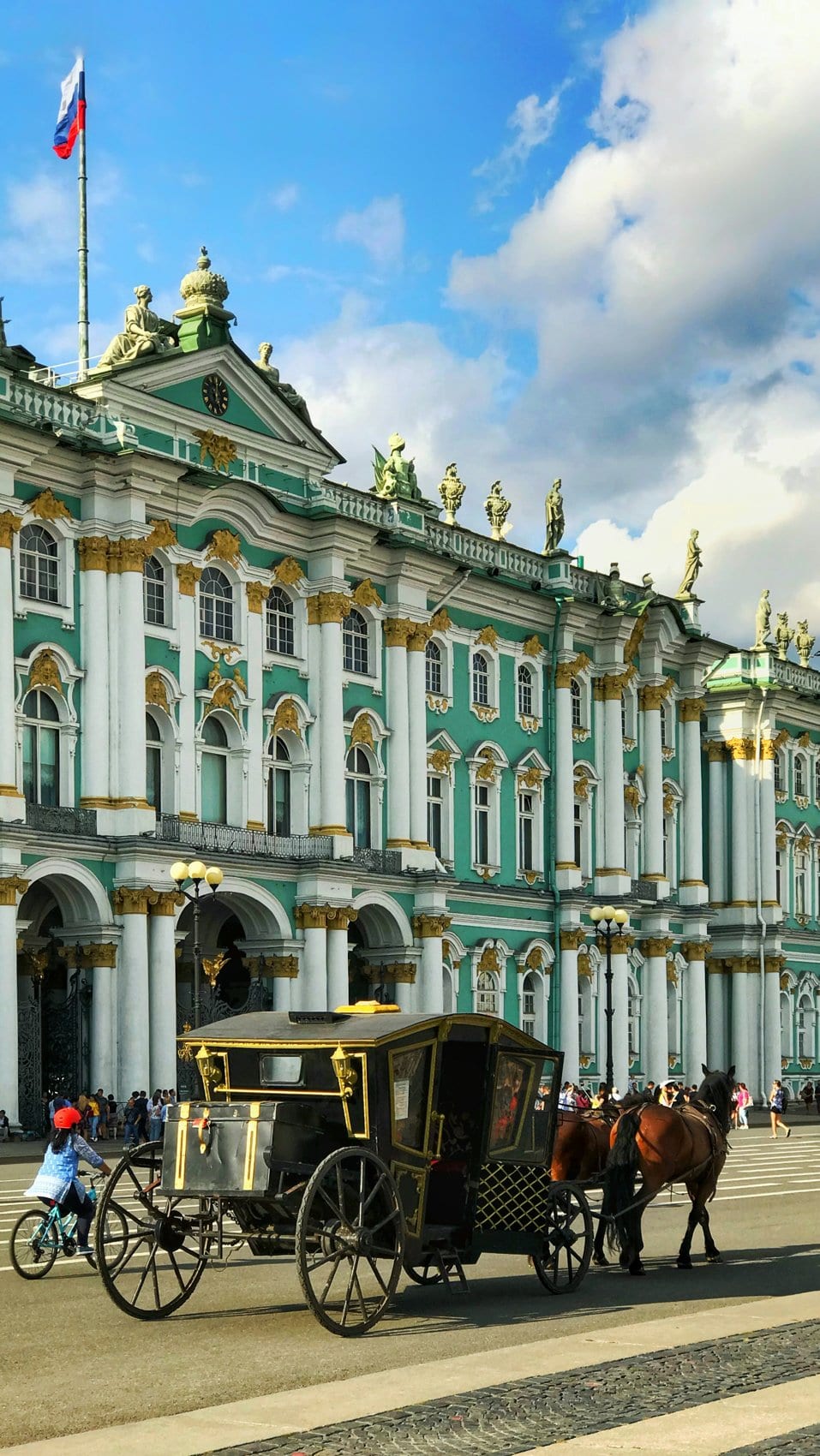
The Winter Palace and State Hermitage in St Petersburg, the university's own city
Download our free brochure for immediate information, or get personalised professional counselling from our experts.
Recognition & Prestige
Pavlov University is a historic, genuinely ranked institution. Founded in 1897 as Russia's first women's medical institute and named after a Nobel laureate, it is ranked in the QS World University Rankings, listed in the World Directory of Medical Schools, and recognised by ECFMG and WFME. Its heritage, its own large university clinic and its St Petersburg setting are its core strengths for international students.
QS Ranked
Ranked in the QS World University Rankings (~#550–600 band, 2025)
WDOMS
Listed in the World Directory of Medical Schools
ECFMG / WFME
Recognised by ECFMG and the World Federation for Medical Education
Pavlov First Saint Petersburg State Medical University is a historic federal medical university (founded 1897), ranked in the QS World University Rankings, listed in the World Directory of Medical Schools and recognised by ECFMG and WFME. Indian students can qualify to practise in India through the National Medical Commission screening/exit examination, subject to meeting NMC conditions.
Complete Information About Pavlov University
Get complete information about studying MBBS at Pavlov First Saint Petersburg State Medical University, including fees, the admission process and recognition for Indian students.
Success stories
Hear directly from students who are studying medicine in Europe with futureMBBS.
Academic Excellence
Pavlov combines deep history and a genuine QS ranking with a beautiful St Petersburg setting and a large in-house university clinic. These are its real strengths, with the honest trade-offs.
Read all about MBBS abroad in our free brochure
Know exactly what options exist for your MBBS-abroad success.
How to Apply
Admission to Pavlov for Indian students is NEET-based. The university admits international applicants on the basis of Class 12 marks and a university assessment, with a qualifying NEET-UG score required for Indian students, and without a UCAT-style entrance exam or IELTS. Apply through the university's admission office, and pay fees only through the university's official payment method, given the sanctions environment.
Applicants must have passed Class 12 with Physics, Chemistry, Biology and English, and must have a qualifying NEET-UG score, which is required for Indian applicants and for later Indian licensing.
Choose the English-medium General Medicine programme, budget for the full six-year cost, and use only the legitimate fee-payment route the university currently accepts; the degree/internship structure matters for NMC FMGL-2021.
Apply to Pavlov's admission office with your academic documents and passport, and pay fees only to the university's official account.
Eligible students receive an admission/invitation letter, and Indian students obtain the NMC Eligibility Certificate now expected before starting an MBBS abroad.
Students apply for the Russian student visa, pay tuition via the university's current legitimate route, and plan flights around current travel advisories before departure.
Students enrol at the start of the academic year and complete arrival formalities and a medical check in St Petersburg.
Applicants must have passed Class 12 (or equivalent) with Physics, Chemistry, Biology and English. The general requirement is a minimum of 50% marks in Physics, Chemistry and Biology taken together (with the standard relaxation to 40% for SC/ST/OBC and other reserved categories), in line with the National Medical Commission's eligibility norms for studying MBBS abroad.
Subjects:
Applicants must have completed, or will complete, 17 years of age on or before 31 December of the year of admission, in line with the National Medical Commission's rules for MBBS.
Indian applicants need Class 12 with PCB, a qualifying NEET-UG score and NEET certificate, an NMC Eligibility Certificate, a valid passport and the supporting documents. No IELTS is required for admission to the English-medium track.
NEET Qualification
A qualifying NEET-UG score is required for Indian applicants, along with Class 12 marks meeting the minimum PCB percentage.
Fees, Payment & Track
The full six-year cost, the current legitimate payment route, and a programme and internship that meet NMC FMGL-2021 conditions.
There is no UCAT-style entrance exam and no IELTS requirement for the English track; Pavlov admits international applicants on Class 12 marks and its own assessment, plus the NEET requirement for Indian students.
| Component | Requirement |
|---|---|
| Application route | Pavlov admission office; pay fees only to the university's official account |
| Admissions assessment | Based on Class 12 marks and university assessment; no UCAT/IELTS entrance exam |
| Academic requirement | Class 12 with PCB and English; minimum 50% in PCB (40% for reserved categories) |
| Intake | Autumn (around September) each year |
| India-side requirement | NEET-UG qualification and NMC Eligibility Certificate, for later FMGE licensing in India |
Indian applicants typically provide the following documents for admission and the student visa:
Admission Guidance & Document Checklist
Get the complete document checklist or admission guidance from our experts.
Programme Structure
Pavlov's General Medicine programme is a six-year integrated Specialist degree taught in English for international students, moving from basic sciences to clinical study in the university clinic and St Petersburg's hospitals. The structure and internship arrangement matter for Indian licensing.
Total Duration:
6 Years (integrated Specialist / MD degree in General Medicine, including a final internship year)
Degree:
Specialist Diploma in General Medicine ('Physician'), the MBBS-equivalent Russian medical qualification
Years 1–2
The pre-clinical foundation years, taught in English, covering the core basic medical sciences with laboratory and early clinical-skills work, and Russian language alongside for the clinical years:
Years 3–4
The para-clinical and early clinical years, introducing disease mechanisms and clinical subjects with training in the university clinic and St Petersburg's hospitals:
Year 5
Senior clinical study across the major specialties, with increasing hands-on hospital training under supervision:
Year 6
The final clinical year and graduation as a 'Physician'; for FMGL-2021, the internship/clinical-practice requirement must be met at the same institution, with a degree that entitles practice in Russia.
Clinical training takes place in Pavlov's own large university clinic and affiliated hospitals in St Petersburg. For Indian students, a further internship in India is required for Indian registration (see the FMGE & NExT section). An indicative pattern is:
| Phase | Focus |
|---|---|
| Years 3–5 | Clinical training in Internal Medicine, Surgery, Paediatrics, Obstetrics & Gynaecology, Psychiatry and the specialties in the university clinic and St Petersburg's hospitals |
| Year 6 | Advanced clinical practice and the final state examinations |
| Back in India | Indian graduates clear the FMGE and complete the required internship in India before registering with the NMC or a State Medical Council |
Get the full curriculum
Download a free brochure to see detailed subjects, the course structure and everything you need to plan your studies.
Legacy
As Russia's first women's medical institute and a St Petersburg institution named after the Nobel-laureate physiologist Ivan Pavlov, the university has a distinguished heritage. The graduates below are drawn from its documented record.
Natalia Bekhtereva (1924–2008), a leading neuroscientist who developed influential neurophysiological approaches to the study of the human brain, is among the university's distinguished graduates.
Marta Nobel-Oleinikoff (1881–1973), a physician and philanthropist and a member of the Nobel family, was an early graduate, reflecting the institute's pioneering role in women's medical education.
Teaching is delivered by the university's departments, its large university clinic and affiliated St Petersburg hospitals, with research and simulation facilities. The university is led by its Rector, Academician Sergey F. Bagnenko.
A historic medical university since 1897
Named after Nobel laureate Ivan Pavlov
Its own large university clinic
English-medium teaching for international students
An established international student community
Hostel and arrival assistance
Clinical supervision in the university clinic and St Petersburg hospitals
Guidance for Indian students on FMGE
About University
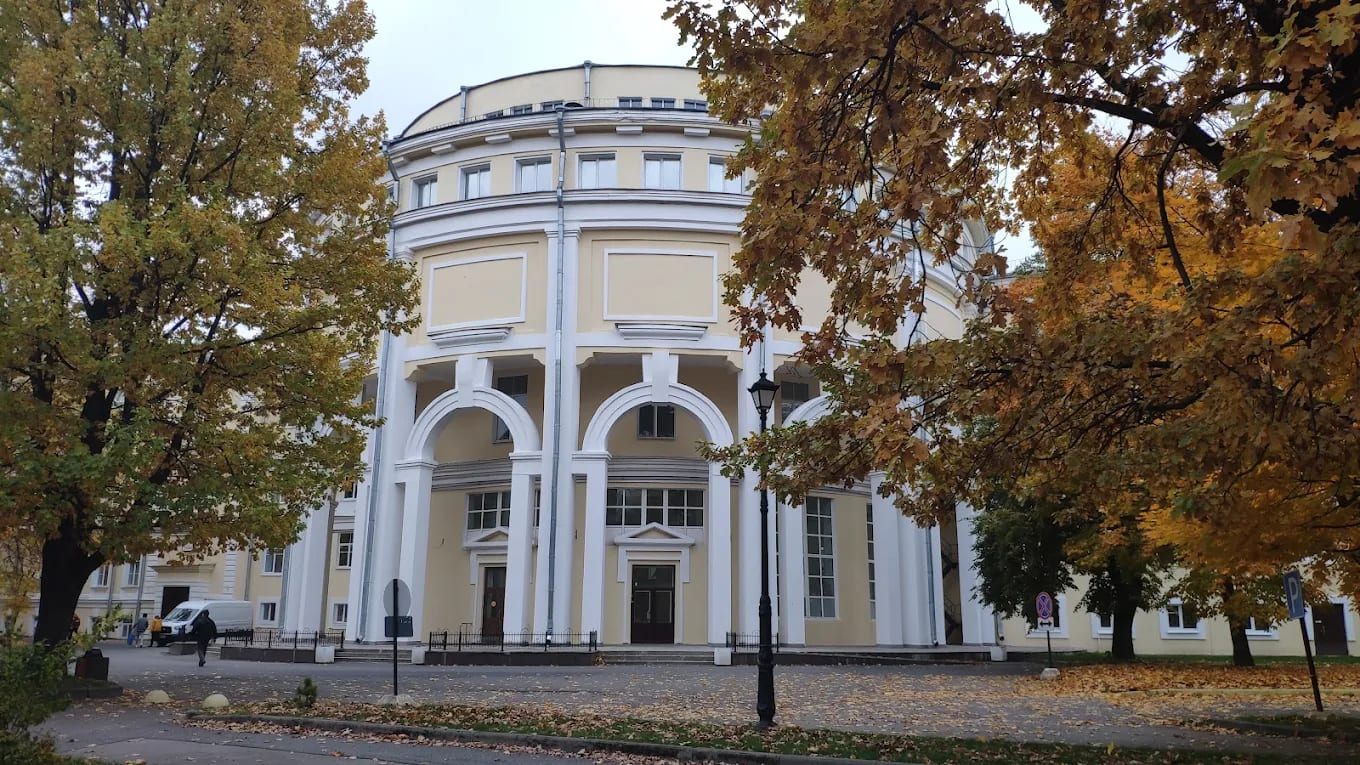
A cream-coloured neoclassical rotunda building with columns on the Pavlov University campus in St Petersburg, framed by autumn trees
Get all information about Pavlov University in our free brochure
Read on to find out how you can fulfil your dream of studying MBBS at Pavlov University.
Role in medicine
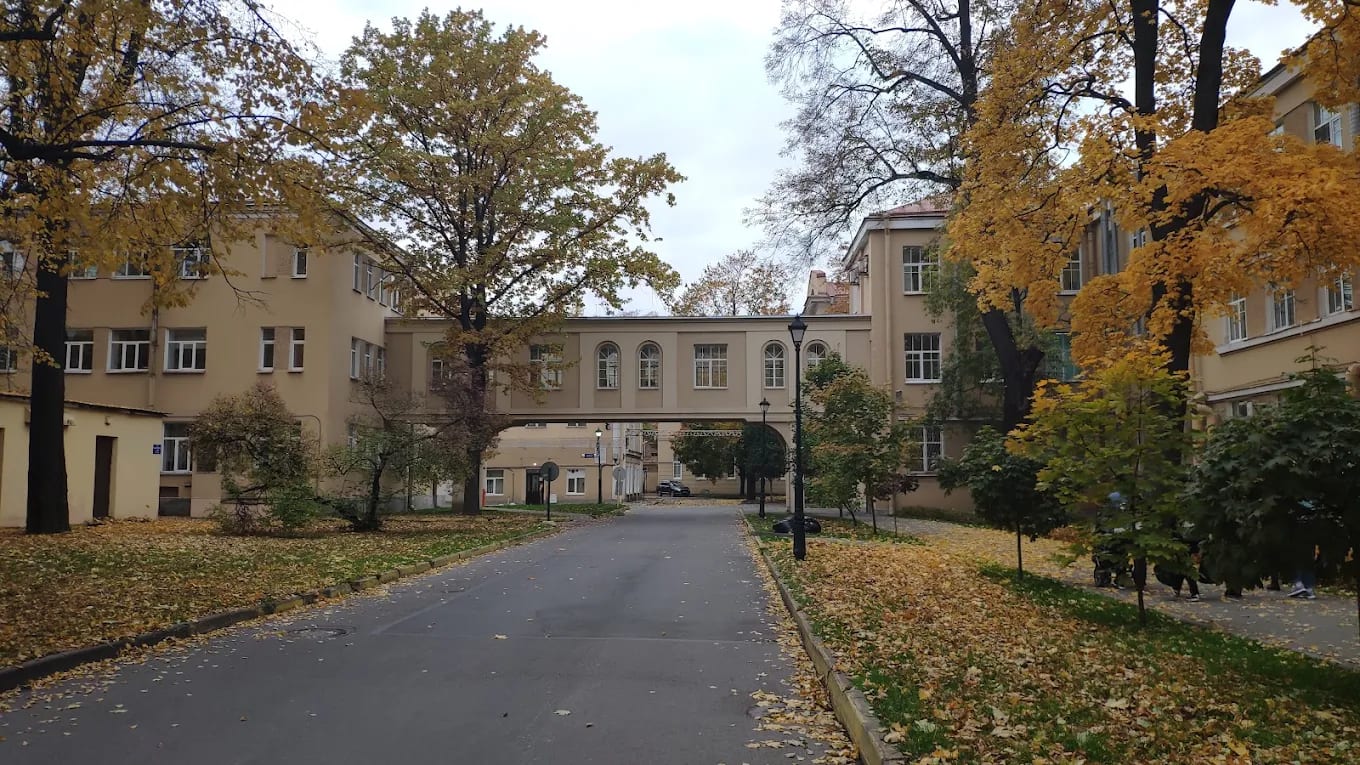
An autumn courtyard on the Pavlov University campus in St Petersburg, with a bridge connecting two buildings
Get all information about Pavlov University in our free brochure
Read on to find out how you can fulfil your dream of studying MBBS at Pavlov University.
Cost of living
St Petersburg is a large cultural city, so living costs are moderate to high by Russian standards but usually a little lower than Moscow, and students must budget for cold, damp winters. Here is an approximate monthly breakdown for a student (this is separate from tuition).
| Cost Component | Approximate Amount (per month) |
|---|---|
| Accommodation (hostel) | ₹9,600 – ₹21,200 (US$100 – US$220) |
| Food & Groceries | ₹12,500 – ₹22,100 (US$130 – US$230) |
| Transport & Personal | ₹3,400 – ₹6,700 (US$35 – US$70) |
| Heavy Winter Clothing & Utilities | ₹4,300 – ₹8,700 (US$45 – US$90) |
Average monthly living cost (excluding tuition)
₹26,000 – ₹51,000 (US$310 – US$610)
Housing
Pavlov University provides hostel accommodation for its international students in St Petersburg, and there are also private rental options, with heated buildings essential for the cold winters.
Need accommodation details?
Get a full overview of housing options with our university guide, or reach out to an expert.
Food & Dining
St Petersburg is a large cosmopolitan city with an Indian student community, so Indian and vegetarian food is available, alongside Russian and international cuisine.
Indian messes serving the student community, and hostel kitchens, mean Indian food, including vegetarian meals, is accessible for Indian students in St Petersburg.
As a major cultural city, St Petersburg has a number of Indian restaurants catering to the Indian community and visitors.
Russian and international food is widely available; while local cuisine is meat-heavy, vegetarian options such as breads, grains, salads and vegetable dishes are available in a cosmopolitan city.
Supermarkets and Indian grocery stores stock produce, spices and Indian items, so students can cook their own food.
Hostels and rented apartments typically have kitchen facilities, an economical option for students who prefer to cook their own vegetarian or home-style meals.
Location
Pavlov First Saint Petersburg State Medical University, Lev Tolstoy Street 6-8, St Petersburg 197022, Russia
Nearest Airport
Pulkovo International Airport (LED), St Petersburg. Direct India–St Petersburg flights are limited, and connectivity has been affected by the current sanctions environment, so Indian students usually connect via Moscow or another hub. St Petersburg (Moscow time) is 2.5 hours behind Indian time
Local Transport
St Petersburg has a metro, buses, trams and taxis and excellent public transport, so students can travel around the city and to the hospitals easily, though the cold, damp winter makes heated indoor transport important
Your Roadmap to Success
The Specialist (Physician / General Medicine) degree from Pavlov University is listed in the World Directory of Medical Schools and recognised by ECFMG and WFME, opening licensing pathways in India, the United States and other countries.
Indian graduates can appear for the Indian screening examination (currently the FMGE, transitioning to the NExT), complete the required internship and register with the National Medical Commission, provided they qualified NEET before starting and meet the NMC's licentiate conditions.
Graduates are eligible to apply for ECFMG certification and sit the USMLE, opening the pathway to residency and medical practice in the United States.
Graduates can also pursue licensing in the UK (through the GMC's PLAB route) and other countries, each with its own screening or licensing requirements.
After qualifying, graduates can pursue postgraduate specialisation (residency/ordinatura) in Russia, in India (through NEET PG, or NExT once it starts), or in other countries.
A recognised, English-medium degree from a historic QS-ranked university gives graduates strong flexibility to build clinical careers in their home country or internationally.
Understand the Medical Licensing Pathway
A clear overview of the exams and requirements after graduation.
Practising in India
An Indian graduate of Pavlov University who wants to practise in India follows the licensing pathway set by the National Medical Commission (NMC): qualifying NEET before starting, completing a course and internship that meet the NMC's conditions, clearing the NMC screening examination (currently the FMGE, transitioning to the NExT), completing the required internship in India and registering with the medical council. The NMC does not 'approve' individual foreign universities; it sets conditions, and the Russian Specialist-degree structure should be checked against them.
Step 1
An Indian student must have qualified NEET-UG before beginning the course abroad to be eligible later for Indian licensing. A qualifying NEET score is required for admission, and an NMC Eligibility Certificate is now expected before starting.
Step 2
The Foreign Medical Graduate Licentiate Regulations 2021 require the course and internship to meet the NMC's minimum duration (about 54 months of study plus a 12-month internship), completed in the SAME institution, taught in English, with a degree that entitles the holder to practise in Russia. Pavlov awards a six-year integrated Specialist degree, so how the internship requirement is met, and English-medium teaching throughout, are what count.
Step 3
Graduates must clear the qualifying examination for foreign medical graduates, currently the FMGE, which India is replacing with the National Exit Test (NExT), then complete the required internship in India and register with the National Medical Commission or a State Medical Council.
Student Life Style
Being a medical student at Pavlov is a mix of demanding study at a historic university and life in St Petersburg, one of the world's great cultural cities, with the adjustment of cold, damp winters.
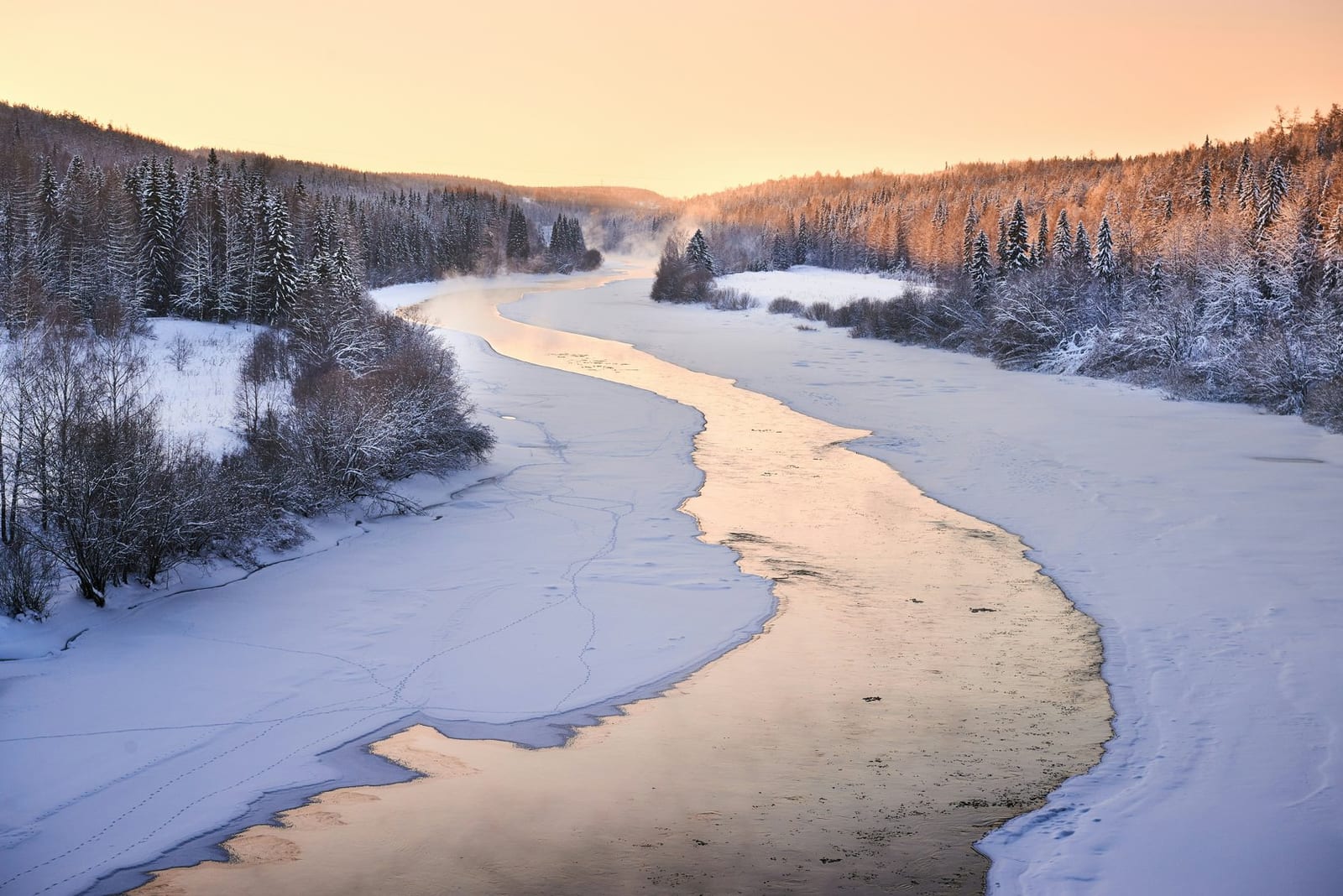
A snowy Russian winter riverscape with pine forest along the bank
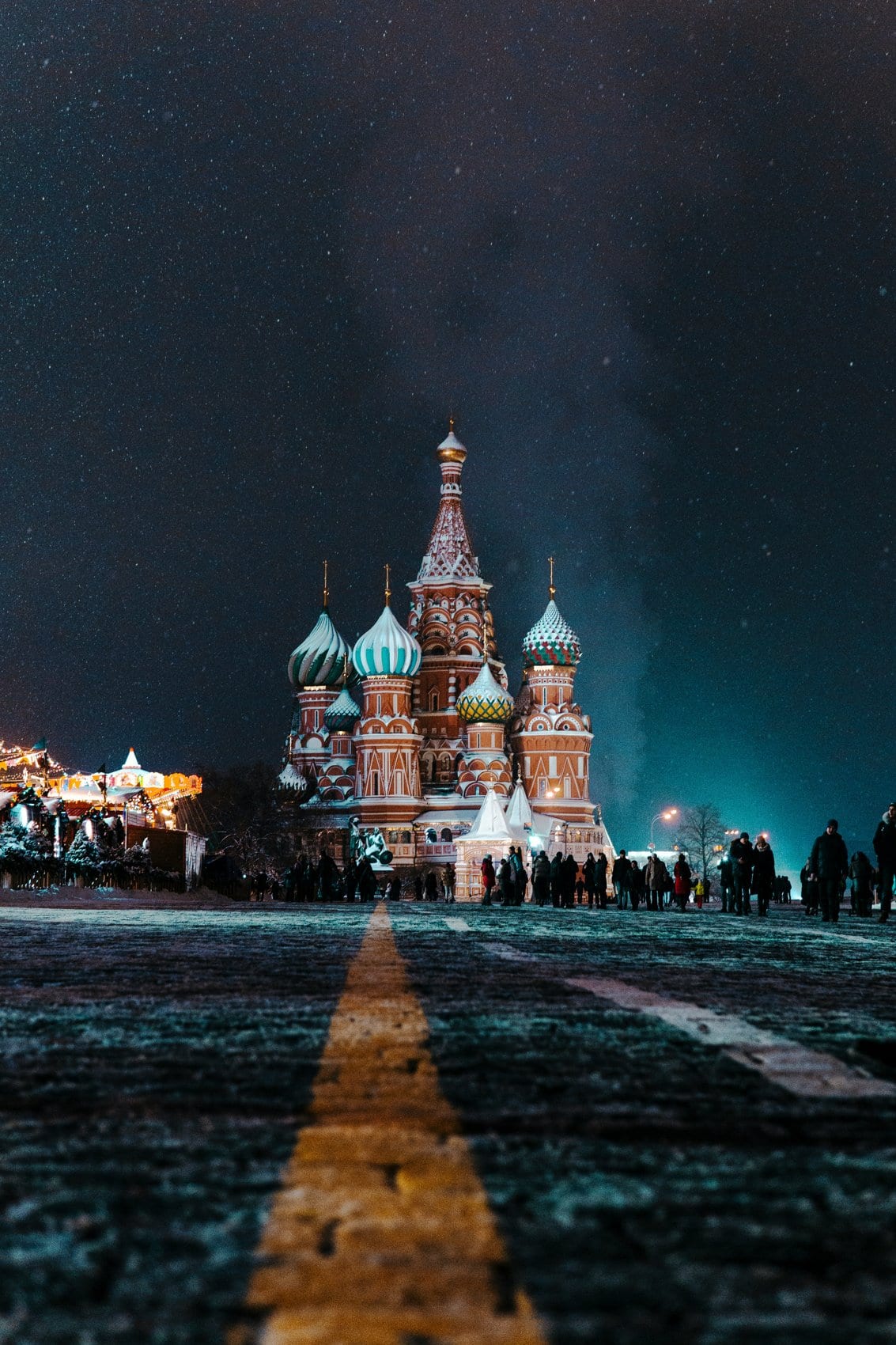
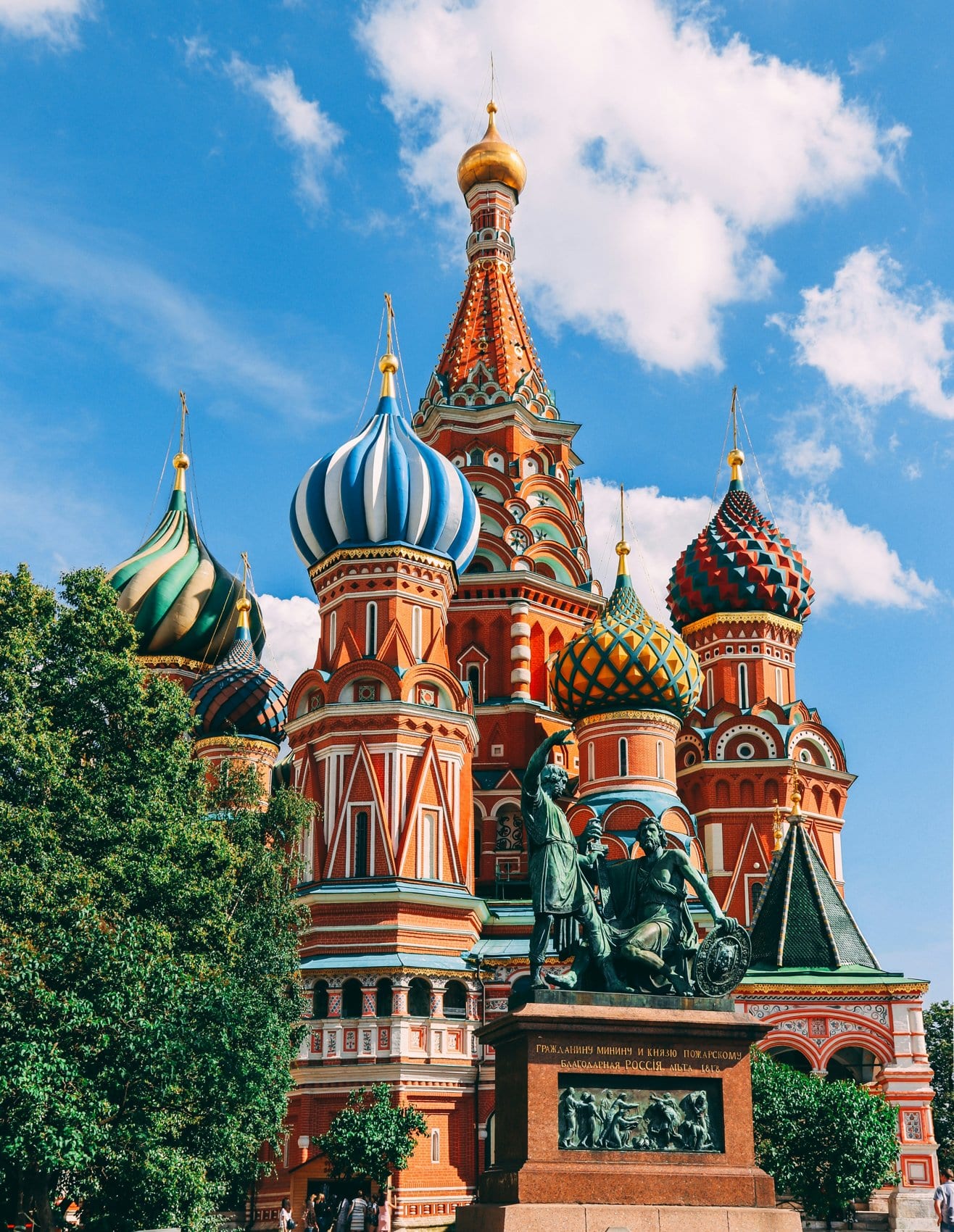
St Basil's Cathedral on Red Square in Moscow, Russia, lit up on a snowy winter night
Fees & Financial
Pavlov is a mid-premium option, more affordable than Sechenov but well above Kazakhstan, so realistic financial planning across the whole six-year course, plus the current Russia-related payment logistics, matters.
International students pay tuition of about 512,000 RUB per year (roughly ₹5.9 lakh at the 2025-26 rate), and with hostel, insurance and St Petersburg living costs the realistic all-in is roughly ₹57–78 lakh across the six-year course: more affordable than Sechenov but far more than Kazakhstan, so budget and funding must be planned carefully.
Because of the current sanctions environment, transferring fees from India to Russia can be complex. Use only the legitimate payment method the university accepts, and plan travel and insurance carefully. Our counsellors can help you navigate the current logistics.
Given the total cost, many families use an education loan; Pavlov's QS ranking and recognition can support loan applications. We can guide families on documentation for loans, visas and the current payment logistics.
Compare
Compare Pavlov University with a leading Indian medical college.
Quick Comparison:
Pavlov University vs AIIMS New Delhi
| University | Pavlov UniversitySt Petersburg, Russia | AIIMS New DelhiNew Delhi, India |
|---|---|---|
| University Type | Public (federal) medical university under the Russian MoH | Government institute of national importance |
| Medium | English (Russian needed for clinical years) | English |
| Course Duration | 6 years (integrated Specialist / MD) | 5.5 years including internship (MBBS) |
| Tuition (per year) | ~512,000 RUB (~US$6,150, ~₹5.9 lakh); ~₹57–78 lakh all-in | Nominal (a few thousand rupees per year) |
| Admission | NEET-qualified + Class 12 (PCB) + university assessment | NEET-UG (extremely high rank) |
| Recognition | QS-ranked; WDOMS-listed; ECFMG/WFME; NMC via FMGE | NMC-recognised |
| World Ranking | Ranked in the QS World University Rankings (~#550–600 band) | India's top-ranked medical institute (NIRF #1) |
Compare Top MBBS Universities for Me
See key differences in fees, ranking, eligibility and recognition.
Our blog
Articles that turn complex MBBS-abroad rules into simple, practical steps for students and parents.
FAQ
Short answers to the questions students and parents ask most often about studying MBBS at Pavlov University.
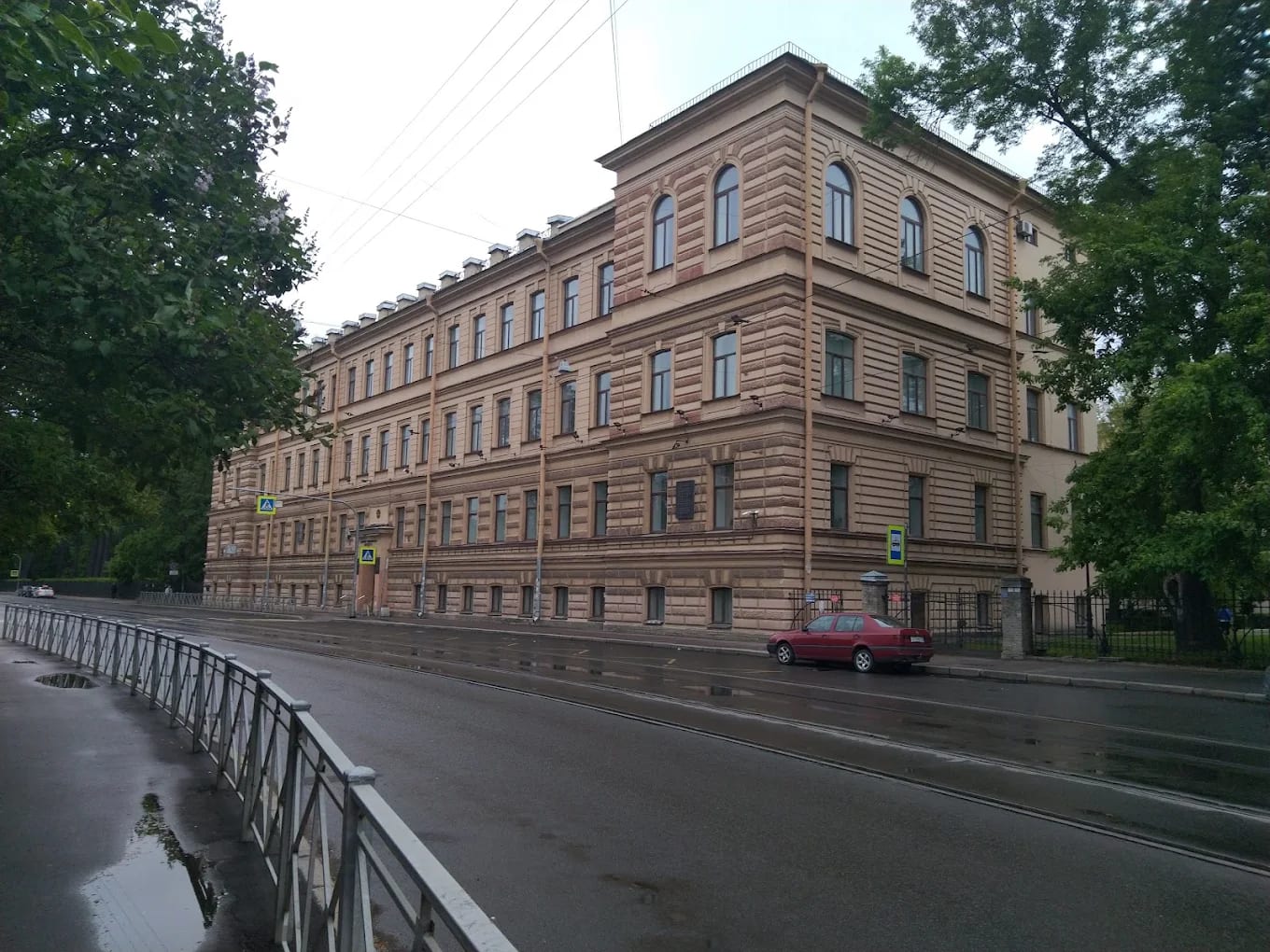
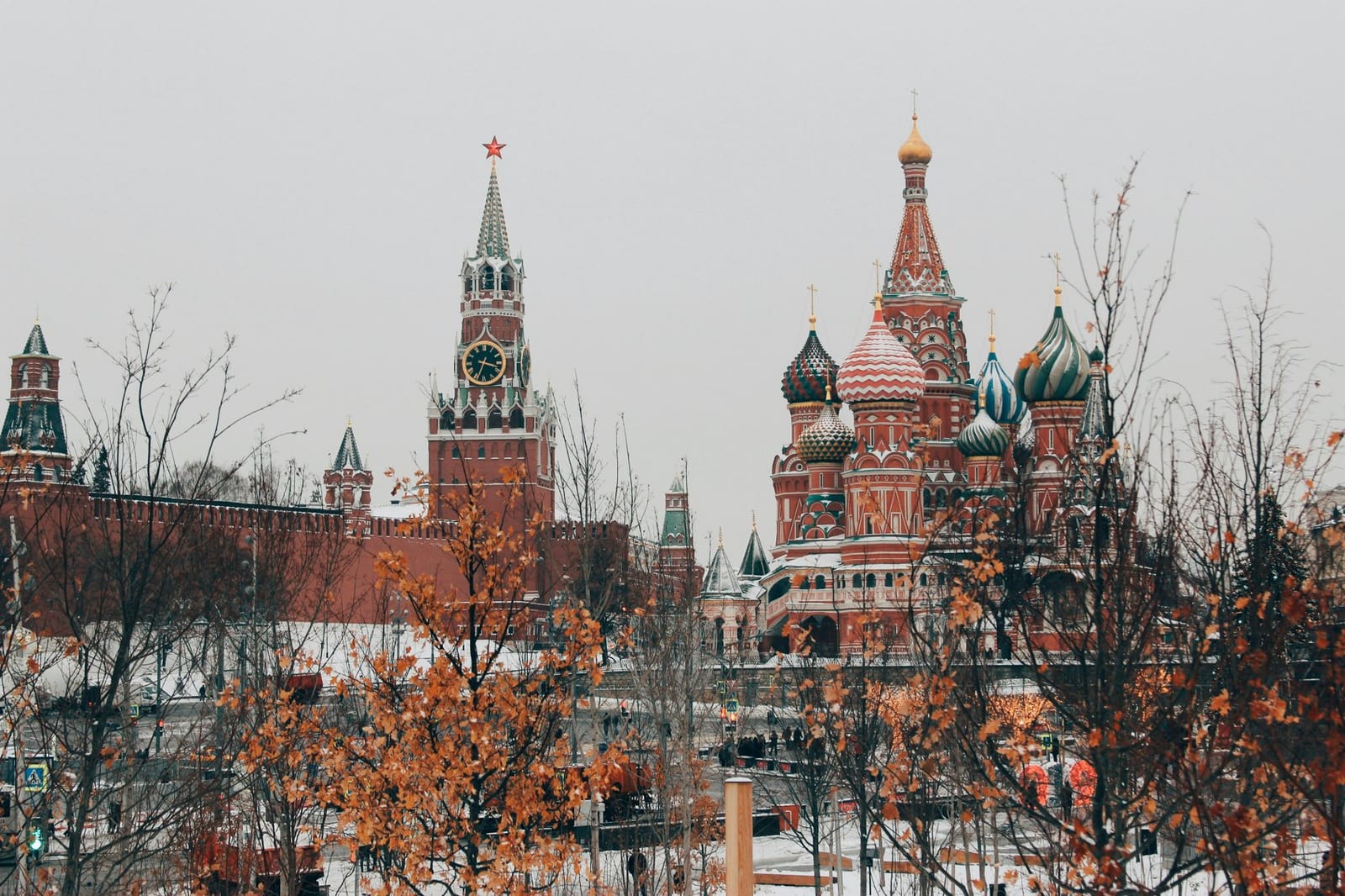
Campus photographs supplied by the client (the historic former Women's Medical Institute building, a neoclassical rotunda building and an autumn courtyard on the Pavlov University campus in St Petersburg). City and scenery images courtesy of Unsplash: the Winter Palace / State Hermitage, St Petersburg, photo by Victor Malyushev; Red Square and the Kremlin, St Basil's Cathedral (summer and winter night) and the Zhivopisny Bridge, Moscow: photos by Michael Parulava, Nikolay Vorobyev, Nikita Karimov and 'dotzero'; a Russian winter riverscape, photo by Vladimir Fedotov.