Professor Dr. Angel Uchikov, MD, DMSc
Rector of the Medical University of Plovdiv. A thoracic surgeon who graduated from the university in 1991 and previously served as Dean of its Faculty of Medicine.
Webinar: Pursuing MBBS in India Sat, December 5, 2026 | 8:30 PM IST FREE
Reserve free seatFree Webinar: MBBS in India
Sat, December 5, 2026 | 8:30 PM

Free Webinar: MBBS in India
Sat, December 5, 2026 | 8:30 PM
Teaching medicine in southern Bulgaria since 1945, with an English-taught six-year degree, six online entrance-exam dates a year and its own simulation centre.


1,500+ Students trust us
Bulgaria
Country
Plovdiv
City
SCImago #2
in Bulgaria for Medicine (2026)
English
Medium, with compulsory Bulgarian in years 1 and 2
For Indian Students
Short answer: Yes, Indian students can study medicine in Bulgaria. No, not as the rules stand: Bulgaria's internship, 310 to 336 days depending on the university, is shorter than the 12 months the NMC requires.
Seven Bulgarian faculties teach the six-year programme in English. Each runs its own entrance exam in English, Biology and Chemistry, and a qualified NEET UG result is mandatory before admission.
No, not as the rules stand. The NMC Foreign Medical Graduate Licentiate Regulations 2021 ask for a course of at least 54 months, teaching in English and a twelve-month internship in the same institution. The Bulgarian degree lasts six years and is taught in English, and the internship takes place in the university's own hospitals, but it runs 310 to 336 days depending on the university, rather than twelve months.
As the rules stand, the degree does not lead to an Indian licence through the FMGE (NExT deferred and not in force). Official NBEMS data records 21 passes from 73 Bulgaria-trained candidates across the 2025 sessions. If India is your long-term goal, plan this with our counsellors before you apply.
Introduction
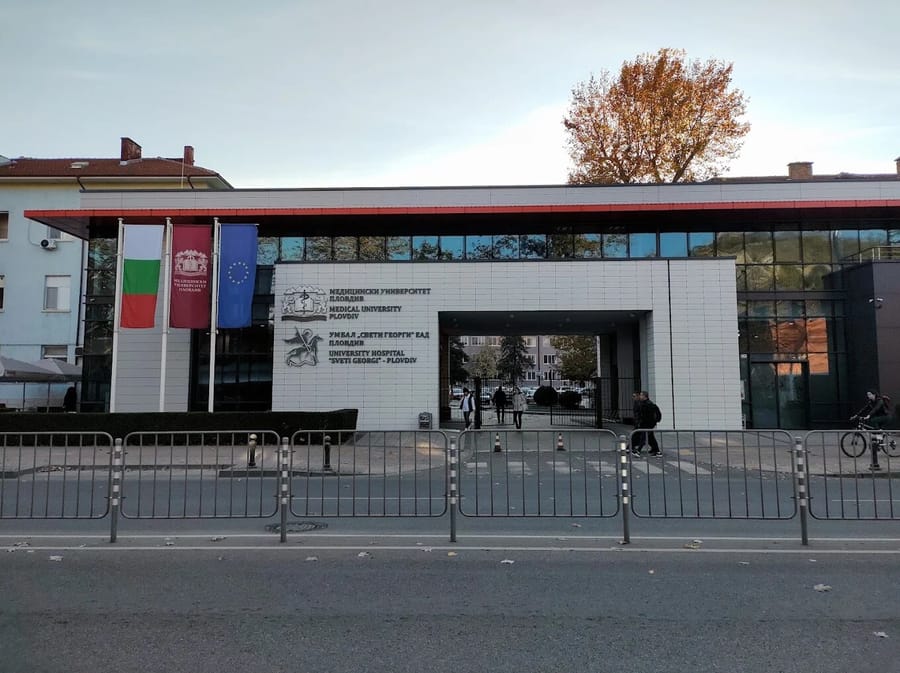
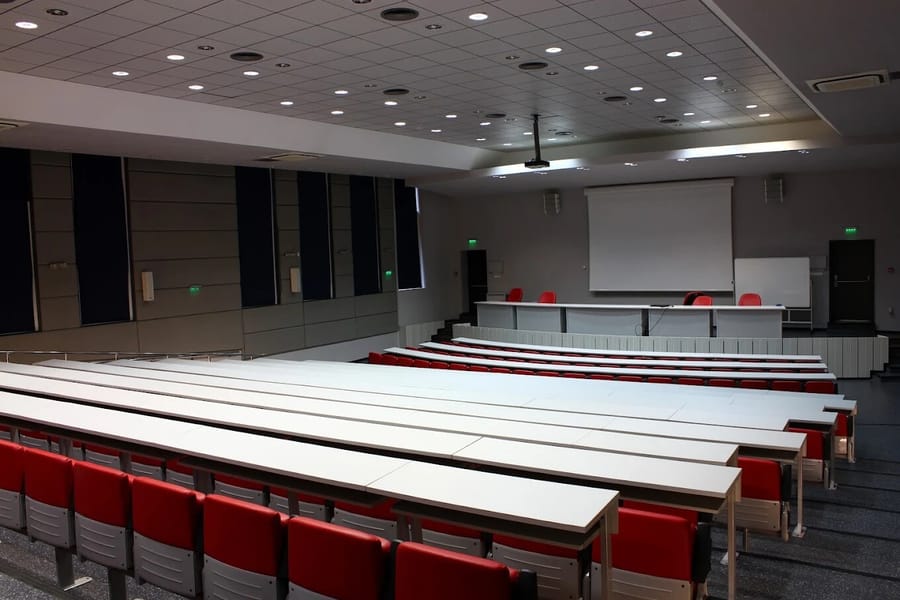
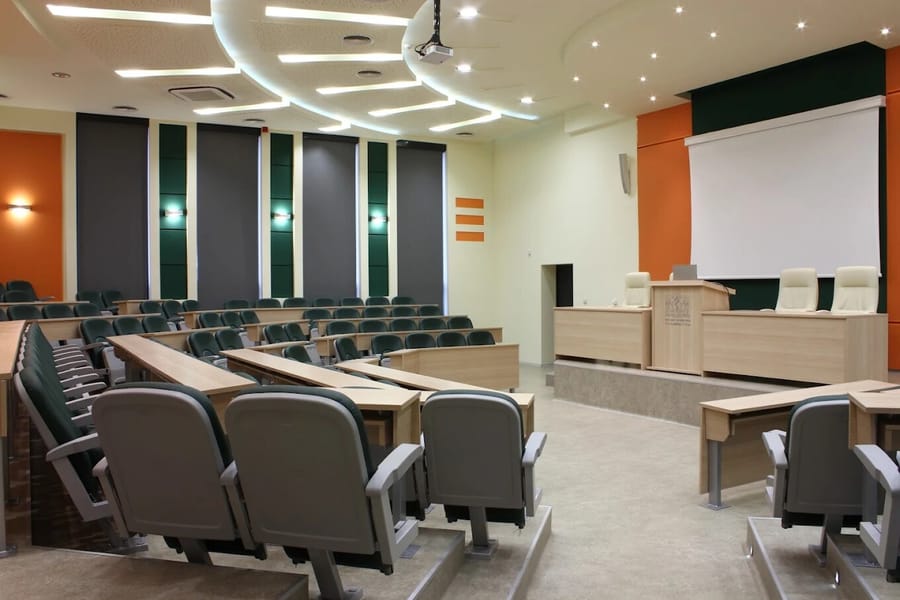
Entrance shared by the Medical University of Plovdiv and University Hospital St. George, with the Bulgarian, university and EU flags
Download our free brochure for immediate information, or get personalised professional counselling from our experts.
Recognition & Prestige
The Medical University of Plovdiv does not appear in the QS or Times Higher Education tables. SCImago places it second in Bulgaria for Medicine, Bulgaria's National Evaluation and Accreditation Agency (NEAA) rates its Medicine programme, its Faculty of Medicine is listed in the World Directory of Medical Schools (WDOMS), and the Bulgarian medical degree is named in EU law.
#2
in Bulgaria for Medicine (SCImago, 2026)
9.11 / 10
NEAA programme rating for Medicine, 2026
Clinical training runs through six university hospitals in Plovdiv, led by University Hospital St. George, which the university describes as the largest hospital in the country, alongside UMHAT Kaspela and what the university describes as Bulgaria's largest medical simulation centre. EU Directive 2005/36/EC lists the Bulgarian degree, Магистър-лекар, in Annex V, point 5.1.1. Because the Faculty of Medicine is listed in WDOMS, graduates can apply for ECFMG Certification and the USMLE. The GMC lists the Bulgarian Master physician diploma as a relevant European qualification, so UK registration is applied for directly, without PLAB. For India, the degree does not meet the NMC rules as they stand, because the 329-day clerkship inside the degree is shorter than the twelve months the NMC asks for in the same institution.
EU
Bulgaria is an EU member state, and its degree Магистър-лекар is listed in Annex V, point 5.1.1 of EU Directive 2005/36/EC
WDOMS
The Medical University of Plovdiv Faculty of Medicine is listed in the World Directory of Medical Schools (FAIMER School ID F0000373)
Complete Information About the Medical University of Plovdiv
Get complete information about the Medical University of Plovdiv, including tuition, living costs, admission process and recognition for Indian students.
Success stories
Hear directly from students who are studying medicine in Europe with futureMBBS.
Academic Excellence
Plovdiv offers a transparent admissions process, a large international faculty, a fee that falls in later years and a historic, affordable city. As the NMC rules stand, the degree does not lead to an Indian licence, as the sections below explain.
Read all about MBBS abroad in our free brochure
Know exactly what options exist for your MBBS-abroad success.
How to Apply
Admission to Medicine at the Medical University of Plovdiv runs through the university's own online examination in Biology and Chemistry, with a separate English test. The Biology and Chemistry marks are each tripled and combined with the English mark for a maximum score of 42. NEET does not decide admission, but a qualified NEET-UG result is a separate Indian requirement a student must hold before going abroad.
Indian nationals must qualify NEET-UG before taking admission abroad; under NMC rules the NEET result serves as the eligibility certificate and is valid for three years. This is an Indian requirement, entirely separate from the university's own selection.
The university requires an average of at least 62% of the maximum grade in Biology and Chemistry at secondary school, with elective subjects excluded. NACID, the Bulgarian recognition centre, must also recognise the school certificate, which takes about a month.
Application form, secondary-school diploma and transcript, the NACID certificate, certification of the right to apply for higher education, a copy of the citizenship document and four passport photographs, on paper and electronically. The university accepts post and courier.
The 2026 sittings were 15 April, 15 May, 16 June, 17 July and 18 August, with a re-sit on 4 September. Each sitting costs €300 (about ₹33,000) and the re-sit €400 (about ₹44,000). The 90-minute paper is split between Biology and Chemistry, with no periodic table permitted and the session recorded.
A pre-enrolment fee of €2,000 (about ₹2.2 lakh) counts toward first-semester tuition but is not refunded if the student withdraws.
Admitted students apply for a Bulgarian long-stay type D visa (€100 or €200, with a personal interview) and, after arrival, for a residence permit from the Migration Directorate, granted for up to a year and renewable. Classes begin in October.
The applicant needs a secondary-school diploma and transcript showing Biology and Chemistry at an average of at least 62% of the maximum grade, with elective subjects excluded, a NACID certificate recognising the education, and English at B1 level or above. Under Indian NMC rules an Indian applicant additionally needs Physics, Chemistry, Biology and English at Class 12, with a minimum of 50% aggregate in Physics, Chemistry and Biology for the general category, 40% for SC, ST and OBC candidates and 45% for general-category candidates with benchmark disabilities, together with a qualifying NEET-UG score.
Subjects:
Under Indian NMC rules the candidate must be 17 years old by 31 December of the admission year, with no upper age limit. The university applies no separate age condition of its own.
Two requirements shape the application and both need attention well before the September deadline.
The 62% Biology and Chemistry Threshold
The university requires an average of at least 62% of the maximum grade in Biology and Chemistry at secondary school, with elective subjects excluded. Work out how a Class 12 marksheet converts before paying the €300 examination fee.
NACID Recognition and Legalisation
NACID must recognise the applicant's secondary education, and the diploma must be legalised, translated and certified. Both take time and both are needed at application rather than afterwards.
Admission rests on the university's own online examination rather than on category-wise minimum marks.
| Component | Requirement |
|---|---|
| Biology and Chemistry | A 90-minute online paper split between the two subjects; each mark is tripled and combined with the English mark, for a maximum of 42 |
| English | A 45-minute English test; B1 level is required, shown by IELTS, TOEFL, Cambridge, PTE, MET or Trinity, or by the university's own diagnostic test |
| 2026 cut-offs | 39.12 in May 2026 and 34.50 in June 2026 |
| Dates and fees | 15 April, 15 May, 16 June, 17 July and 18 August 2026, with a re-sit on 4 September; €300 a sitting and €400 for the re-sit |
To apply, students need to submit essential academic and identification documents:
Admission Guidance & Document Checklist
Get the complete document checklist or admission guidance from our experts.
Programme Structure
Medicine at Plovdiv is a six-year single-cycle Master's taught in English, with Bulgarian compulsory in the first two years so that students can talk to patients from year three. Ten taught semesters are followed by a pre-diploma clinical clerkship of 329 calendar days and 63 credits, then the state examinations. That clerkship is shorter than the NMC's twelve months, so, as the rules stand, the degree does not meet the NMC rules for Indian students.
Total Duration:
6 Years: 10 taught semesters plus a 329-day pre-diploma clinical clerkship
Degree:
Master's in Medicine, Магистър-лекар (Master-Physician), equivalent to MBBS
Years 1 to 2
Basic sciences and the foundations of medicine, taught alongside the compulsory Bulgarian language course that runs through both years:
Year 3
The move into disease mechanisms and the first clinical study, once the compulsory Bulgarian examination is passed:
Years 4 to 5
Systematic clinical teaching across the specialties in the university's teaching hospitals, completing the tenth semester:
Year 6
A clinical clerkship of 329 calendar days and 63 credits in the university's teaching hospitals, followed by the state examinations:
Clinical training runs at the university's teaching hospitals in Plovdiv:
| Clinical base | Role in training |
|---|---|
| University Hospital St. George | The university's main multidisciplinary teaching hospital, operating across two bases and described by the university as the largest hospital in the country |
| UMHAT Kaspela | A university hospital in Plovdiv used for clinical teaching |
| Other university hospitals | Clinical teaching runs across six university hospitals in all |
| Medical Simulation Training Centre | The university's own simulation centre, with its own accreditation certificate and an online learning platform alongside in-person skills training |
Get the full curriculum
Download a free brochure to see detailed subjects, the course structure and everything you need to plan your studies.
European Framework
What a Bulgarian medical degree is worth depends on the framework it sits inside. The table sets out where the Plovdiv degree stands after graduation.
| Item | Detail |
|---|---|
| European Union | Bulgaria's degree, Магистър-лекар, is listed in Annex V, point 5.1.1 of EU Directive 2005/36/EC. Automatic recognition across the EU applies to EU citizens, so an Indian graduate moves to another EU country through that country's own procedures, or through EU long-term resident status |
| UK registration | The General Medical Council lists the Bulgarian Master in Medicine with the professional qualification Master physician, completed on or after 1 January 2007, as a relevant European qualification. A graduate applies for full registration directly, without PLAB, with evidence of English such as IELTS or OET. The route depends on where you qualified, not on nationality |
| United States | The Faculty of Medicine is listed in WDOMS, so graduates can apply for ECFMG Certification and sit the USMLE. ECFMG's accreditation policy is for information only and does not affect an individual graduate's eligibility |
| European Higher Education Area | Bulgaria is in the Bologna Process and the degree is a Bologna-structure Master's, which eases credit transfer and postgraduate applications across Europe |
| NEAA accreditation | Bulgaria's National Evaluation and Accreditation Agency rated the Medicine programme 9.11 out of 10 in 2026 |
| Schengen and the euro | Bulgaria completed its Schengen accession on 1 January 2025 and adopted the euro on 1 January 2026 |
Understand the Recognition Framework
The table above sets out where a Bulgarian medical qualification is recognised and on what basis.
Legacy
The university has taught medicine in Plovdiv since 1945 and is led today by a surgeon who graduated from it.
Rector of the Medical University of Plovdiv. A thoracic surgeon who graduated from the university in 1991 and previously served as Dean of its Faculty of Medicine.
The university comprises four faculties, Medicine, Dental Medicine, Pharmacy and Public Health, alongside a Department of Languages and Specialised Training and a Medical College. The Faculty of Medicine teaches 2,862 students, 1,721 of them international, from 47 countries, and the university as a whole hosts 2,530 international students from 63 countries.
Teaching medicine in Plovdiv since 1945
Second in Bulgaria for Medicine (SCImago, 2026)
NEAA programme rating of 9.11 for Medicine (2026)
A Medical Simulation Training Centre with its own accreditation
1,721 international students in Medicine, from 47 countries
Compulsory Bulgarian in years 1 and 2, and an optional 30-hour course for years 3 to 6
Published exam format, dates and cut-offs
Online entrance examination, so no travel is needed before admission
About University
Get all information about the Medical University of Plovdiv in our free brochure
Read on to find out how you can fulfil your dream of studying medicine at the Medical University of Plovdiv.
Role in medicine
Get all information about the Medical University of Plovdiv in our free brochure
Read on to find out how you can fulfil your dream of studying medicine at the Medical University of Plovdiv.
Cost of living
Plovdiv is Bulgaria's second city, with 321,824 residents, and one of the cheaper places in the country to rent. Sharing a flat brings the largest cost down further. The table converts at about ₹110 to the euro.
| Cost Component | Approximate Amount |
|---|---|
| Accommodation (shared flat to one-bedroom flat outside the centre) | ₹17,000 to ₹37,700 (€155 to €343) |
| Groceries/meals | ₹16,500 to ₹27,500 (€150 to €250) |
| Utilities/internet | ₹10,500 to ₹18,000 (€95 to €165) |
| Public transport | ₹1,400 to ₹2,800 (€13 to €25) |
| Miscellaneous (books, etc.) | ₹11,000 to ₹22,000 (€100 to €200) |
Average monthly living cost
₹56,400 to ₹1,08,000 (€510 to €980)
Housing
The university runs its own dormitory in Plovdiv, and private rents in the city are low by European standards.
Need accommodation details?
Get a full overview of housing options with our university guide, or reach out to an expert.
Food & Dining
Plovdiv's Indian food scene is small, but as an EU city it has the grocery and delivery infrastructure that makes cooking straightforward.
Plovdiv has full European supermarket infrastructure, and EU-wide online grocery and spice suppliers deliver into Bulgaria without customs or payment friction, so cooking Indian food regularly is straightforward.
A few Indian restaurants operate in Plovdiv. Sofia, about two hours away, is the Bulgarian city with an established Indian food scene and delivery options.
Restaurant prices in Plovdiv are low by European standards, so eating out now and then is affordable on a student budget.
Bulgarian cooking is heavy on vegetables, dairy and bread, with salads, yoghurt, banitsa and grilled meats, and vegetarian students generally find it accommodating.
With 1,721 international students from 47 countries in the Faculty of Medicine, informal food networks and shared cooking among students are common. The international office is the first contact for meeting other Indian students.
Location
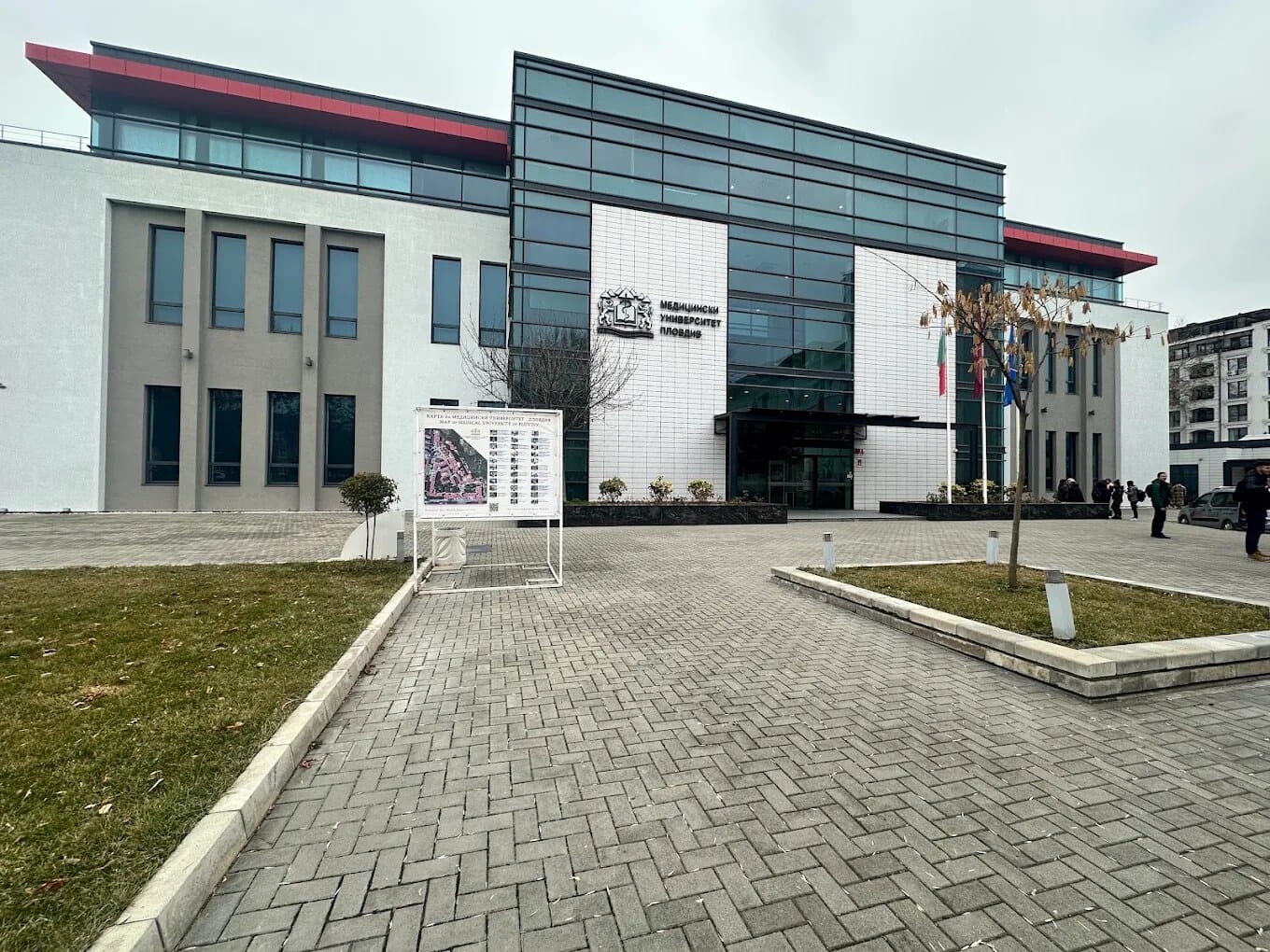
Medical University of Plovdiv, Plovdiv, Bulgaria. The rectorate and the Faculty of Medicine dean's office share a building in the city, and clinical teaching runs at University Hospital St. George and the university's other teaching hospitals in Plovdiv.
Nearest Airport
Sofia Airport (SOF), about 150 km away, is the practical gateway. There is no direct flight from India, so the journey connects through a hub such as Istanbul
Getting In From Sofia
About two hours by road or rail from Sofia to Plovdiv
Your Roadmap to Success
Graduates receive a Master's in Medicine with the professional qualification Магистър-лекар (Master-Physician), the Bulgarian primary medical qualification. It is the equivalent of an Indian MBBS, not an Indian postgraduate MD.
The Bulgarian degree is listed in Annex V of EU Directive 2005/36/EC. Automatic recognition under the directive applies to EU, EEA and Swiss citizens, so an Indian citizen moves to another EU country through that country's own procedures, or through EU long-term resident status.
The General Medical Council lists the Bulgarian Master in Medicine with the professional qualification Master physician, completed on or after 1 January 2007, as a relevant European qualification. A graduate applies to the GMC for full registration directly, without sitting PLAB, with evidence of English such as IELTS or OET. The route depends on where you qualified, not on your nationality.
The Medical University of Plovdiv Faculty of Medicine is listed in the World Directory of Medical Schools (WDOMS), so its graduates can apply for ECFMG Certification and sit the USMLE, the US licensing exam. ECFMG's accreditation policy is for information only and does not affect an individual graduate's eligibility for ECFMG Certification.
For India, the degree does not meet the NMC rules as they stand. The NMC Foreign Medical Graduate Licentiate Regulations 2021 ask for a course of at least 54 months, teaching in English and a twelve-month internship in the same foreign institution. The Plovdiv degree lasts six years and is taught in English, and the clerkship takes place in the university's own hospitals, but it runs 329 calendar days, not twelve months. So it does not lead to an Indian licence through the FMGE (NExT deferred and not in force). Plan this with our counsellors before you apply.
After registration, graduates can pursue specialty training in Bulgaria, in another EU country through its own procedures, in the United Kingdom after full GMC registration, or in India after the FMGE and the Indian internship.
Understand the Medical Licensing Pathway
A clear overview of the exams and requirements after graduation.
Practising in India
To practise medicine in India after graduating abroad, an Indian student qualifies NEET-UG before admission, completes the course abroad, clears the NMC screening examination (the FMGE; NExT is deferred and not in force), completes an internship in India and registers with a State Medical Council. A Bulgarian degree does not meet the NMC rules as they stand, because the internship inside the degree is shorter than twelve months.
Step 1
The NMC Foreign Medical Graduate Licentiate Regulations 2021 ask for at least 54 months of study and a twelve-month internship in the same foreign institution. Ten taught semesters clear the course length, and the pre-diploma clerkship runs in the university's own teaching hospitals, but it lasts 329 calendar days, short of twelve months. As the rules stand, the degree therefore does not meet the NMC rules.
Step 2
The regulations require the course to be taught in English. The university runs a full six-year English-taught Medicine track, with Bulgarian compulsory in the first two years so that students can communicate with patients from the third year.
Step 3
The National Board of Examinations in Medical Sciences conducts the FMGE twice a year with a pass mark of 150 out of 300. Official NBEMS data for the two 2025 sessions records 21 passes from 73 Bulgaria-trained candidates (28.8%). Nationally, the December 2025 session passed 10,262 of 42,872 candidates (23.95%). The National Exit Test (NExT), intended to replace the FMGE, is deferred and not in force.
Step 4
Clearing the FMGE is followed by a twelve-month Compulsory Rotating Medical Internship in India, the same as an Indian MBBS graduate completes. It comes in addition to the Plovdiv clerkship, not instead of it.
Step 5
Once the internship in India is complete, the graduate applies for registration with the relevant State Medical Council. Bulgaria and India are both parties to the Hague Apostille Convention, so the Bulgarian degree is legalised for use in India with an apostille.
Student Life Style
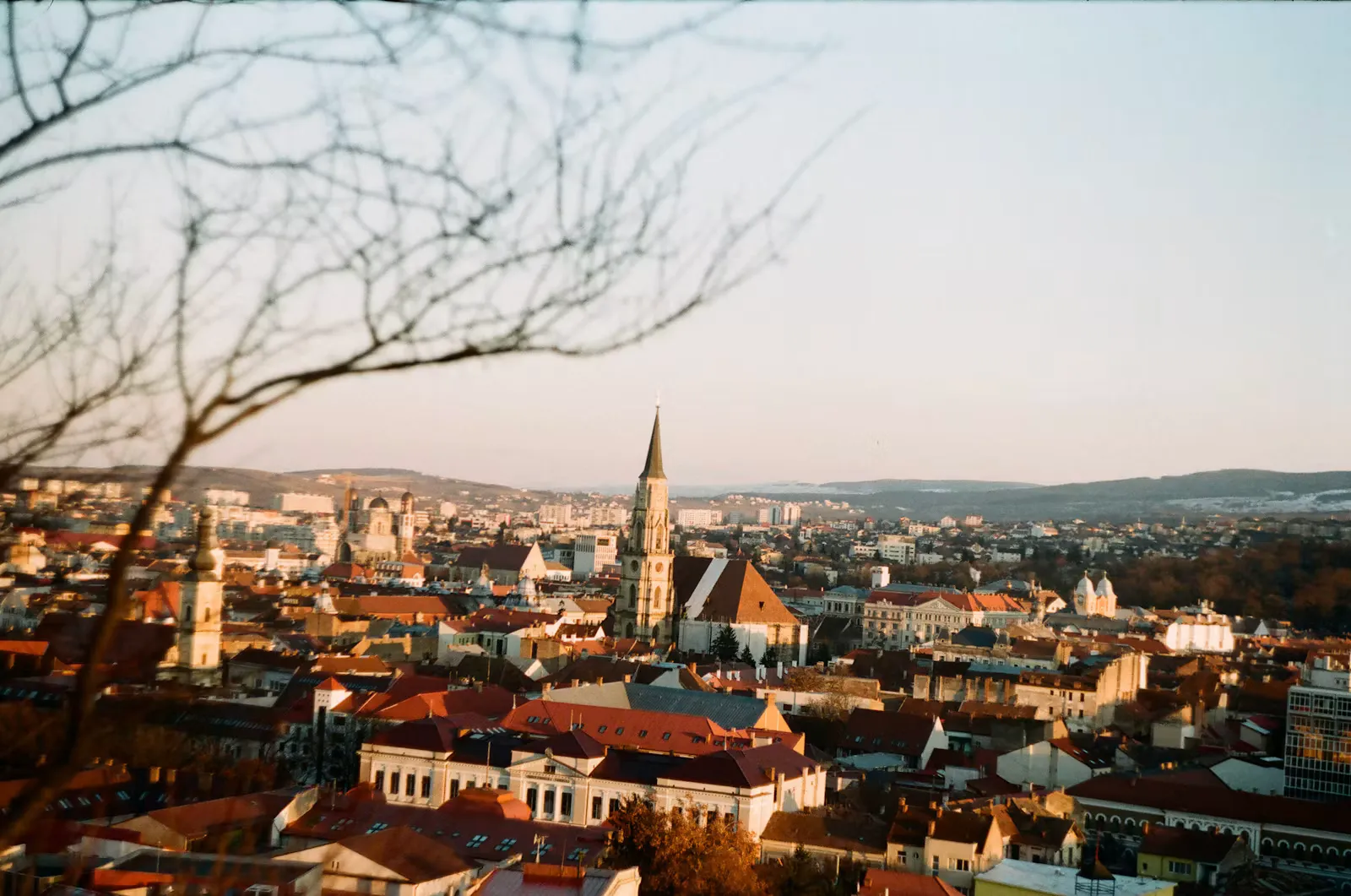
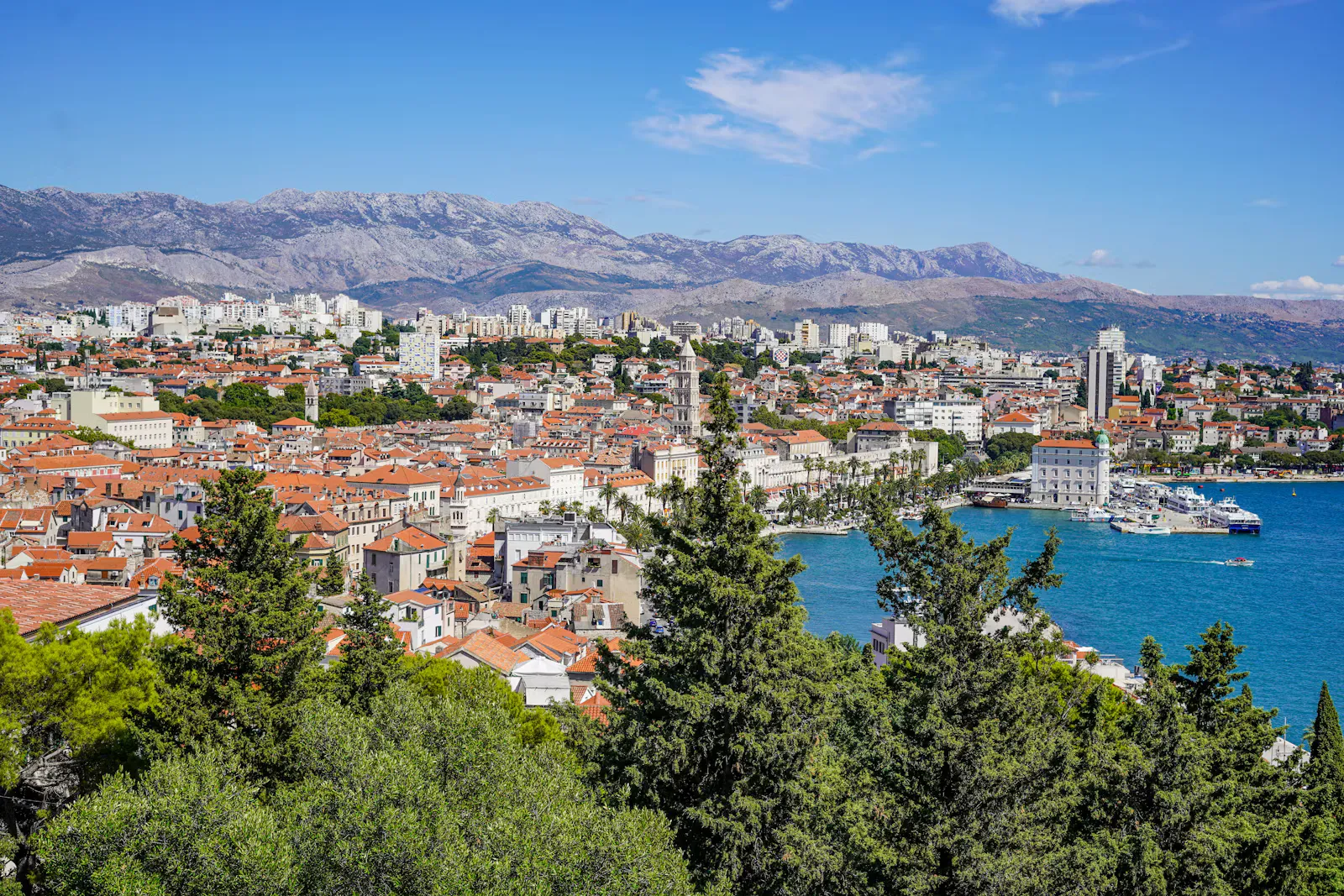
Plovdiv is Bulgaria's second city, one of the oldest continuously inhabited cities in Europe and the 2019 European Capital of Culture.
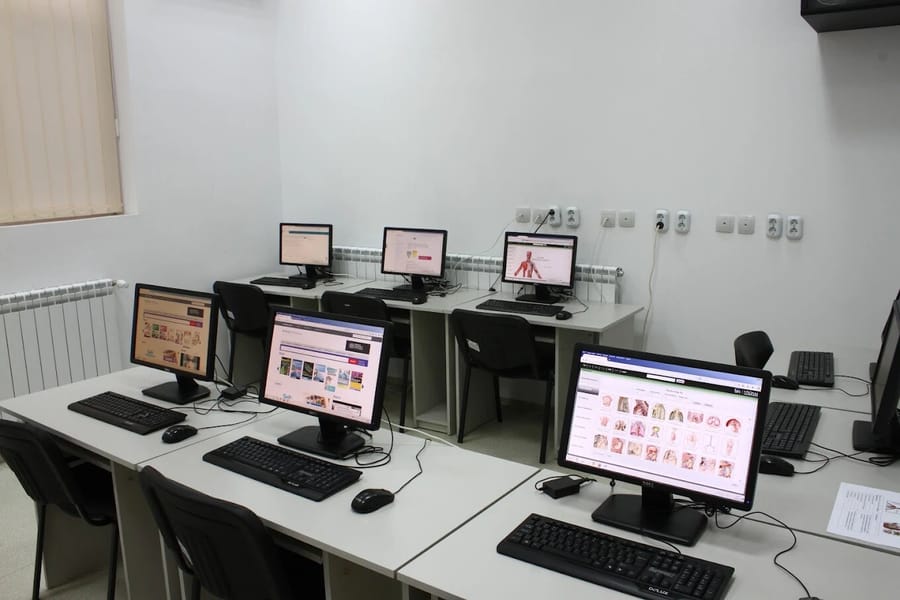
Computer laboratory at the Medical University of Plovdiv with workstations in use
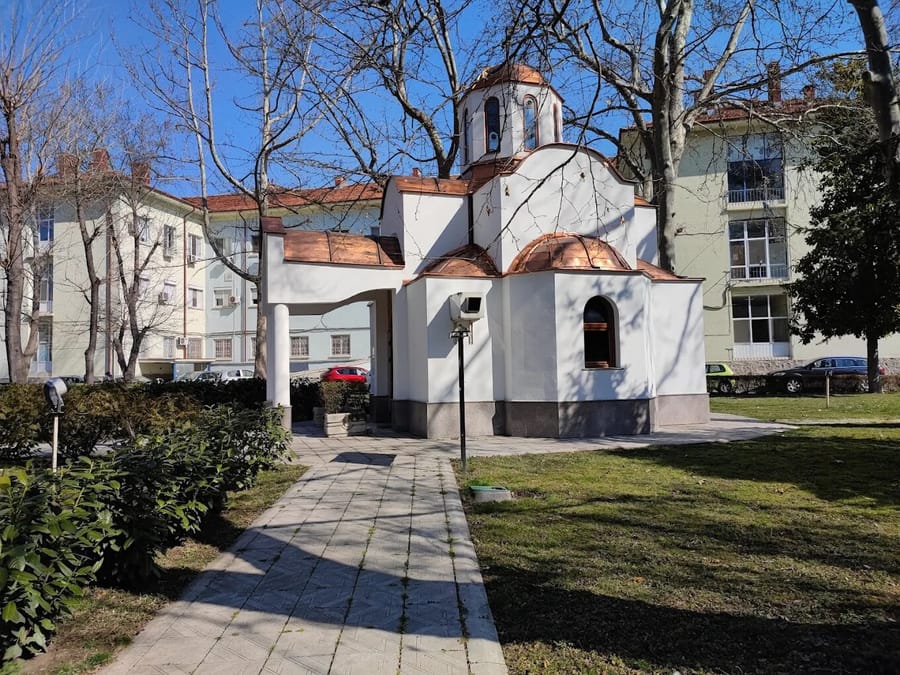
Chapel on the grounds of the Medical University of Plovdiv
Scholarship & Financial
Plovdiv's merit scholarship is open only to EU and EEA citizens, so an Indian family should plan for the full fee. The fee does fall after the first year.
Not a scholarship, but the thing to plan around. Tuition is €10,000 in year one, €9,200 in years two and three and €8,200 in years four to six, €53,000 in total. A €2,000 pre-enrolment fee counts toward first-semester tuition but is not refunded on withdrawal.
The Medical University of Plovdiv runs a merit-based scholarship, but its published rules restrict it to citizens of the European Union and European Economic Area, so Indian nationals are not eligible.
Once enrolled, a student can apply for Erasmus+ funding for an exchange period abroad, and eligibility turns on enrolment rather than nationality. It does not pay Bulgarian tuition.
Compare
Compare the Medical University of Plovdiv with India's top-ranked government medical college.
Quick Comparison:
Medical University of Plovdiv vs AIIMS New Delhi
| University | Medical University of PlovdivPlovdiv, Bulgaria | AIIMS New DelhiNew Delhi, India |
|---|---|---|
| University Type | Public | Institute of National Importance (government) |
| Medium | English, with compulsory Bulgarian in years 1 and 2 | English |
| Course Duration | 6 years, ending in a 329-day clinical clerkship (Магистър-лекар) | 5.5 years: 4.5 years of study plus a 12-month internship |
| Tuition (per year) | €10,000 in year one, about ₹11 lakh, then €9,200 and €8,200 | Nominal government fee |
| Admission | Online Biology, Chemistry and English exam, plus a qualified NEET result | NEET UG |
| Recognition | Listed in WDOMS; EU Annex V 5.1.1; does not meet the NMC rules (internship shorter than 12 months) | Listed in WDOMS |
| Global Ranking | No QS or Times Higher Education listing; SCImago #2 in Bulgaria for Medicine (2026) | NIRF Medical 1 (2025); QS Medicine =105 (2026) |
Compare Top MBBS Universities for Me
See key differences in fees, ranking, eligibility and recognition.
Our blog
Articles that turn complex MBBS-abroad rules into simple, practical steps for students and parents.
FAQ
Short answers to the questions students and parents ask most often about studying medicine at the Medical University of Plovdiv.