Free Webinar: MBBS in India

Sat, September 5, 2026 | 7:00 PM

Reserve my Seat
futureMBBS

Free Webinar: MBBS in India

Sat, September 5, 2026 | 7:00 PM

Reserve my Seat
futureMBBS
Johannesburg, South Africa

University of the Witwatersrand Faculty of Health Sciences

One of Africa's leading universities (QS 2026: #291 in the world), South Africa's second-ranked medical school, and home to training at Chris Hani Baragwanath, the largest hospital in Africa. Wits teaches the 6-year MBBCh in English — a world-class, comparatively affordable, MBBS-style degree, though with limited places for international students.

  • MBBS student
  • MBBS student
  • MBBS student
  • MBBS student

5000+ Students trust us

South Africa

Country

Johannesburg

City (Gauteng, inland)

MBBCh

6-year Bachelor of Medicine & Surgery

English

Medium of instruction

Introduction

University of the Witwatersrand Faculty of Health Sciences

The University of the Witwatersrand, known as Wits, was founded in 1922 in Johannesburg and is one of Africa's most respected universities, ranked #291 in the world in the 2026 QS World University Rankings and second in South Africa for Medicine (after the University of Cape Town). Its Faculty of Health Sciences, at the Parktown medical campus, is world-renowned, and its defining strength is clinical exposure: students train at Chris Hani Baragwanath Academic Hospital in Soweto, the largest hospital in Africa with about 3,400 beds, and at Charlotte Maxeke Johannesburg Academic Hospital, so the hands-on clinical experience across a huge patient population is exceptional. Wits teaches the Bachelor of Medicine and Bachelor of Surgery (MBBCh), a six-year, English-taught, school-leaver-entry primary medical qualification that maps well to India's NMC conditions, and it also runs a distinctive Graduate Entry Medical Programme (GEMP) that lets graduates enter Year 3 and finish in four years. Two things matter most for an Indian family. First, Wits is far more affordable than Australia, New Zealand or the UK, with domestic MBBCh fees of roughly ₹3.5–4.5 lakh per year and low living costs (international students pay more; confirm the exact fee). Second, international access is limited, because South Africa reserves most medical places for its own citizens. Johannesburg is an energetic, inland city with real safety considerations, which we cover honestly. This page is written to be honest about who Wits suits.

  • Study program:MBBCh — the 6-year Bachelor of Medicine and Bachelor of Surgery (school-leaver entry, MBBS-style); a graduate-entry route (GEMP) also exists
  • Language:English (IELTS or equivalent may be required for international applicants)
  • Duration:6 years (undergraduate entry); ~4 years via the Graduate Entry Medical Programme (GEMP)
  • University type:Public research university; Faculty of Health Sciences at the Parktown medical campus
  • Tuition fees:2025–26 domestic MBBCh ≈ ₹3.5–4.5 lakh per year; international students pay more (confirm), but far below Australia, New Zealand or the UK
  • Entrance examination:National Benchmark Tests (NBT) for undergraduate entry; the Wits Admissions Test (WAPT) plus a bachelor's degree (~70%) for GEMP. NEET is also required for Indians who intend to practise in India
  • Application deadline:Undergraduate applications typically close mid-year; confirm international and GEMP dates on wits.ac.za
  • Recognition:Registrable with the Health Professions Council of South Africa (HPCSA); listed in the World Directory of Medical Schools; NMC (India) route via FMGE/NExT, subject to conditions

Recognition & Prestige

Rankings & Recognition

The University of the Witwatersrand is a genuinely world-class research university and, unlike most MBBS-abroad destinations, its rankings are real. It is one of Africa's leading universities and South Africa's second-ranked medical school, with a formidable research record.

  • #291 in the world

    QS World University Rankings 2026 (overall)

  • #2 in South Africa

    For Medicine, after the University of Cape Town (QS by subject)

  • A top African university

    One of Africa's leading research universities

  • 4 Nobel laureates

    Wits alumni have won four Nobel Prizes, including in Medicine and Chemistry

The Wits Faculty of Health Sciences offers an MBBCh registrable with the Health Professions Council of South Africa and listed in the World Directory of Medical Schools, with clinical training at Chris Hani Baragwanath, the largest hospital in Africa. Indian students who intend to practise in India must still meet the National Medical Commission's conditions (see FMGE & NExT).

Accreditations and Recognition

  • World Directory of Medical Schools emblem

    WDOMS

    Listed in the World Directory of Medical Schools; confirm the exact FAIMER school ID

  • ECFMG emblem

    ECFMG (USA)

    As a WDOMS-listed school, graduates can pursue ECFMG certification and the USMLE for training in the United States

  • National Medical Commission (NMC) of India emblem

    NMC / India

    Indian students may qualify for practice in India via the NMC route (FMGE/NExT), subject to meeting the NMC's conditions — confirm current rules

Complete Information About Studying Medicine at Wits

Get a clear, honest picture of the MBBCh pathway, the limited international quota, the real (and comparatively affordable) costs, and whether it fits your family.

Success stories

Student Success Stories

Hear directly from students who are studying medicine in Europe with futureMBBS.

Academic Excellence

Top Reasons to Study Medicine at the University of the Witwatersrand

Wits offers a world-class, English-taught, comparatively affordable, MBBS-style medical education with exceptional clinical exposure. These are its real strengths, with the honest trade-offs of the limited international quota and Johannesburg's safety considerations.

Training at Africa's Largest Hospital

Wits students train at Chris Hani Baragwanath Academic Hospital in Soweto, the largest hospital in Africa (about 3,400 beds), and at Charlotte Maxeke Johannesburg Academic Hospital, so the volume and range of clinical experience is exceptional — often cited as one of the best training grounds in the world.

A Top African University

Wits is ranked #291 in the world (QS 2026), is South Africa's second-ranked medical school, and its alumni include four Nobel laureates, so the academic quality and reputation are real, not marketing.

A World-Changing Research Legacy

Wits is where Nobel laureate Sir Sydney Brenner studied, where Professors Raymond Dart and Phillip Tobias led human-origins science, and where world-leading HIV, tuberculosis and vaccine research (including major COVID-19 trials) is done today.

An English-Taught, MBBS-Style MBBCh

The MBBCh is taught entirely in English — a genuine advantage over non-English destinations — and is a school-leaver-entry primary medical qualification that maps well to India's NMC conditions.

A Distinctive Graduate-Entry Route

As well as undergraduate entry, Wits runs the Graduate Entry Medical Programme (GEMP), which lets applicants who already hold a bachelor's degree enter Year 3 and complete medicine in four years — a useful option for graduates.

Comparatively Affordable

South African tuition and living costs are far below Australia, New Zealand or the UK. The 2025–26 domestic MBBCh fee was roughly ₹3.5–4.5 lakh a year; international students pay more, but Wits can still be one of the more affordable world-class options (confirm the exact fee).

Globally Recognised

A Wits MBBCh (HPCSA-registrable, WDOMS-listed) supports pathways to the USA (USMLE via ECFMG), the UK (GMC routes) and elsewhere, in addition to South Africa.

Plan Honestly

Be realistic: South Africa reserves most medical places for its own citizens, so international places are few and competitive; Johannesburg has significant safety considerations and periodic power cuts; and if you intend to return to India you must have qualified NEET before starting and clear the FMGE/NExT. Wits suits a strong, well-prepared applicant who does the homework.

Read all about MBBS abroad in our free brochure

Know exactly what options exist for your medical-career success.

How to Apply

Admission Process for the MBBCh

Admission to the Wits MBBCh is on academic merit plus the National Benchmark Tests (undergraduate) or the Wits Admissions Test (for GEMP graduate entry), with limited international places. Confirm the exact current process and international quota on wits.ac.za.

Admission Timeline

  1. 1
    Step 1 — Choose Your RouteUndergraduate MBBCh or GEMP

    Decide between undergraduate entry (from school, into the 6-year MBBCh) and the Graduate Entry Medical Programme (GEMP, for those who already hold or are completing a bachelor's degree with about 70%).

  2. 2
    Step 2 — Strong Results + the Right TestNBT (undergraduate) or WAPT (GEMP)

    Undergraduate applicants need a strong school-leaving result (equivalent to the South African NSC) with the required subjects and write the National Benchmark Tests (NBT); GEMP applicants write the Wits Admissions Test (WAPT). English proficiency is required.

  3. 3
    Step 3 — Apply (Confirm the Quota)Wits Application

    Apply through Wits's admissions process, confirming the (limited) international medical quota and meeting Department of Home Affairs requirements for foreign students.

  4. 4
    Step 4 — SelectionMerit-Based Selection

    Selection is on academic merit and test results; confirm any additional requirements for international applicants.

  5. 5
    Step 5 — Offer & Study VisaOffer and South African Visa

    Successful applicants receive an offer and apply for a South African study visa, showing proof of financial means.

  6. 6
    Step 6 — NEET (if returning to India)NEET & NMC Eligibility Certificate

    Indian students who intend to practise in India must have qualified NEET-UG before starting and obtain the NMC Eligibility Certificate; this does not apply if the plan is to practise in South Africa (see FMGE & NExT).

Eligibility Criteria

Academic Qualification

Undergraduate applicants need a strong school-leaving qualification (equivalent to the South African NSC) with Mathematics, Physical Science and English and a high aggregate, plus the National Benchmark Tests (NBT). Graduate (GEMP) applicants need a completed or final-year bachelor's degree with about a 70% average and write the Wits Admissions Test (WAPT). Indian students who intend to practise in India must also qualify NEET before starting.

Subjects:

MathematicsPhysical ScienceEnglishBachelor's degree ~70% (GEMP)

Age Requirement

There is no unusual age bar; applicants must meet the academic and test requirements for their route. Indian students planning to return to India should note that the NMC's own rules (including NEET) apply to them.

  • International medical placesSouth Africa reserves most medical places for South African and SADC citizens; confirm the international quota

Requirements

Applicants need strong results with the required subjects (undergraduate) or a bachelor's degree (GEMP), the relevant test (NBT or WAPT), English proficiency and a study visa; Indians intending to practise in India also need NEET and the NMC Eligibility Certificate.

  • Confirm the International Quota First

    Because South Africa prioritises its own citizens for medicine, confirm the (limited) international quota and eligibility with Wits before investing in the application.

  • Right Test for Your Route

    Prepare for the NBT (undergraduate) or the WAPT (GEMP graduate entry), plus strong academic results; Wits medicine is highly competitive.

Admissions Test

Undergraduate selection uses academic results and the National Benchmark Tests (NBT); GEMP uses the Wits Admissions Test (WAPT). Confirm the current details for international applicants on the official site.

ComponentRequirement
Undergraduate routeStrong NSC-equivalent result (Maths, Physical Science, English) + National Benchmark Tests (NBT)
Graduate route (GEMP)A bachelor's degree (~70% average) + the Wits Admissions Test (WAPT); enter Year 3, finish in ~4 years
International quotaLimited international medical places (South Africa prioritises domestic and SADC applicants) — confirm
EnglishEnglish-medium teaching; IELTS or equivalent as required
India-side (if returning)NEET-UG qualification + NMC Eligibility Certificate for later FMGE/NExT

Required Documents

Indian applicants typically provide the following for the MBBCh application and the South African study visa:

  • Class 10 and Class 12 mark sheets and certificates; bachelor's transcripts for GEMP
  • NBT or WAPT results, and English proficiency (IELTS or equivalent) as required
  • Valid passport and South African study visa documents (with proof of funds)
  • SAQA certificate of equivalence for the school-leaving qualification
  • NEET-UG scorecard and NMC Eligibility Certificate (if returning to India)
  • + More

Admission Guidance & Eligibility Check

Get an honest assessment of the limited international quota and help planning the NBT/WAPT and application from our team.

Program Structure

MBBCh Course Structure at the University of the Witwatersrand

The Wits MBBCh is a six-year program taught in English, from pre-clinical foundations to full-time clinical training at Chris Hani Baragwanath, Charlotte Maxeke and other Johannesburg hospitals. A graduate-entry route (GEMP) enters at Year 3. Confirm the exact current structure on wits.ac.za/health.

Bachelor of Medicine and Bachelor of Surgery (MBBCh) Course

  • Total Duration:

    6 Years (undergraduate entry); ~4 Years via GEMP from Year 3

  • Degree:

    MBBCh (Bachelor of Medicine and Bachelor of Surgery, equivalent to MBBS)

Course Phases in the Wits MBBCh

  • Years 1–2

    Foundations of Medicine

    The pre-clinical foundation years covering the basic medical sciences with early clinical and communication skills, taught in English:

    AnatomyPhysiologyBiochemistryCell Biology
    Introduction to Health and Disease
  • Years 3–4

    GEMP 1–2: Systems & Clinical Sciences

    The Graduate Entry Medical Programme phase (which graduates join directly), integrating mechanisms of disease with clinical training through a systems-based, problem-based approach:

    PathologyPharmacologyMicrobiologySystems-Based Clinical Medicine
  • Year 5

    GEMP 3: Clinical Rotations

    Full clinical rotations through the major disciplines at Chris Hani Baragwanath, Charlotte Maxeke and other Johannesburg teaching hospitals:

    MedicineSurgeryPaediatricsObstetrics & Gynaecology
    PsychiatryFamily MedicineSpecialties
  • Year 6

    GEMP 4: Final Clinical Year

    The final clinical year consolidating clinical competence as a transition to internship and registration with the HPCSA:

    Advanced Clinical RotationsElectiveTransition to Practice

Clinical Training & Internship

Clinical training takes place at Chris Hani Baragwanath (the largest hospital in Africa), Charlotte Maxeke Johannesburg Academic Hospital, Helen Joseph Hospital and Rahima Moosa Mother and Child Hospital. In South Africa, graduates complete a two-year internship and a year of community service to register with the HPCSA; Indian graduates who return to India follow the NMC route. An indicative pattern is:

PhaseFocus
MBBCh Years 5–6Clinical rotations across Medicine, Surgery, Paediatrics, O&G, Psychiatry, Family Medicine and specialties at Chris Hani Baragwanath, Charlotte Maxeke and other Johannesburg hospitals
After graduation (South Africa)A two-year internship plus community service leading to registration with the Health Professions Council of South Africa
If returning to IndiaClear the FMGE/NExT and complete the required internship in India before NMC or State Medical Council registration

Get the full curriculum

Download a free brochure to understand the MBBCh structure, the pathway and everything you need to plan.

Legacy

Prominent People and Faculty of Wits Health Sciences

The University of the Witwatersrand has one of the richest scientific legacies in the southern hemisphere, from a Nobel laureate in medicine to the scientists who shaped the study of human origins and modern HIV and vaccine research. Where someone is famous as a Wits professor rather than only a graduate, that is stated plainly.

Sir Sydney Brenner

Studied at Wits from 1942, including in medicine, before a career that reshaped molecular biology. He shared the 2002 Nobel Prize in Physiology or Medicine for discoveries about the genetic regulation of organ development and programmed cell death. The Sydney Brenner Institute for Molecular Bioscience at Wits is named in his honour.
Professor Phillip Tobias

A Wits medical graduate who became one of the world's leading authorities on human evolution and a revered anatomist. Over nearly five decades at Wits he taught around 10,000 medical and dental students and led landmark work at South Africa's hominid fossil sites.

Professor Raymond Dart

Professor of Anatomy and later Dean at the Wits Medical School who, in 1924, identified the 'Taung Child' (Australopithecus africanus) — the first evidence that humankind's origins lay in Africa.

Professor Glenda Gray

Earned her MBBCh at Wits and became a paediatrician and world-renowned HIV vaccinologist. She co-founded the Perinatal HIV Research Unit, served as President and CEO of the South African Medical Research Council, and was named one of Time magazine's 100 most influential people in 2017.

Sir Aaron Klug

Began his university studies at Wits, completing a BSc, before a distinguished career in molecular biology in the United Kingdom. He won the 1982 Nobel Prize in Chemistry for developing crystallographic electron microscopy — work fundamental to modern structural biology and medicine.

Professor Shabir Madhi

A Wits professor of vaccinology and the current Dean of the Faculty of Health Sciences. A world leader in vaccine research, he led major South African trials of pneumococcal, RSV and COVID-19 vaccines, shaping global immunisation policy.

Faculty & Leadership

Wits's medical program is delivered by the Faculty of Health Sciences at the Parktown medical campus, in partnership with Johannesburg's major public hospitals. Named leaders are verified as of 2025; reconfirm current office-holders on the official site.

Academic Expertise

  • Dean: Professor Shabir Madhi (vaccinology)

  • One of Africa's leading universities; 4 Nobel-laureate alumni

  • Founded 1922, with a century of medical teaching

  • World-leading HIV, TB, vaccine and human-origins research

Student Support & Mentorship

  • Training at Chris Hani Baragwanath and Charlotte Maxeke

  • English-medium teaching throughout

  • Exceptional clinical exposure from the clinical years

  • Guidance for Indian students on FMGE/NExT vs staying in South Africa

About University

History Information

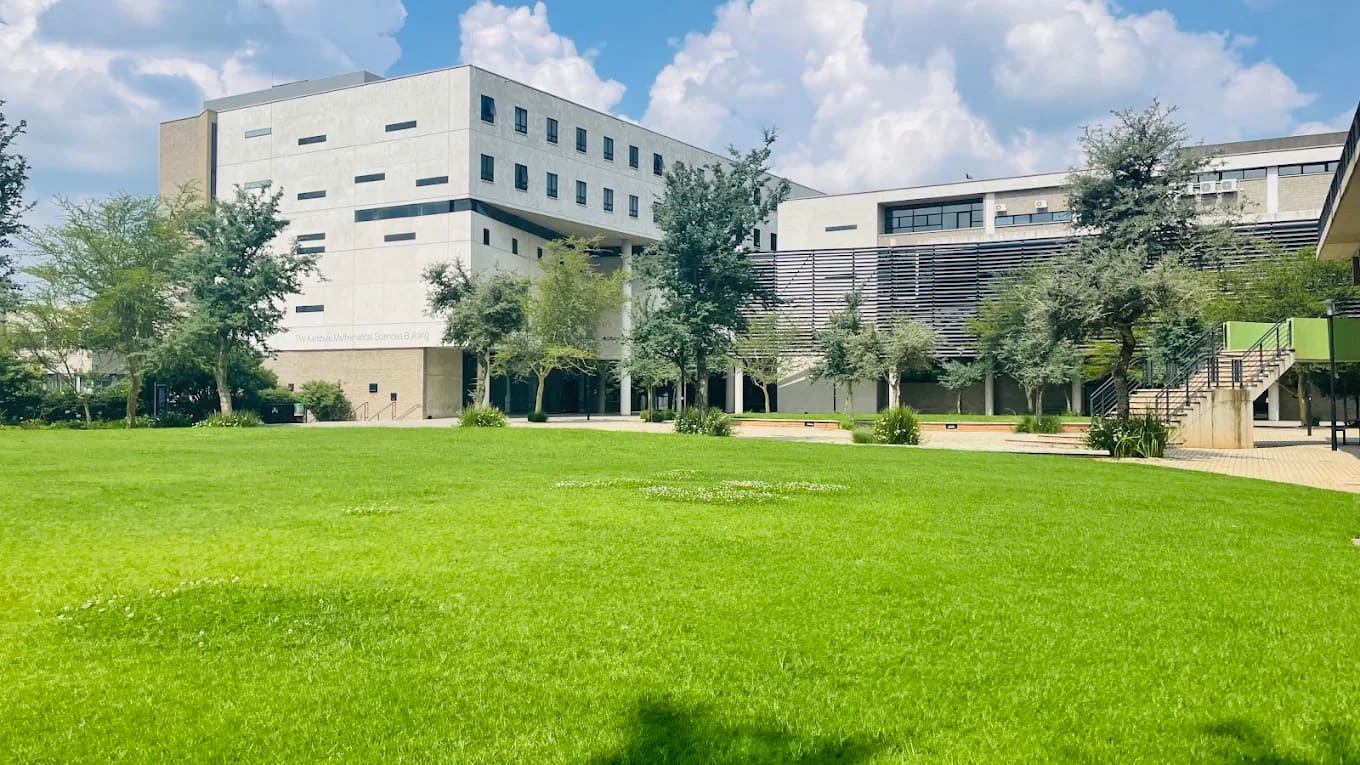
The TW Kambule Mathematical Sciences Building on the University of the Witwatersrand main campus

The TW Kambule Mathematical Sciences Building on the University of the Witwatersrand main campus

Founded in 1922

The University of the Witwatersrand was established in 1922 in Johannesburg, growing out of the South African School of Mines, and became one of Africa's leading research universities.

A Medical School of Global Standing

The Wits Faculty of Health Sciences, at the Parktown medical campus, became world-renowned, closely tied to Johannesburg's great public hospitals and to landmark science in human origins, HIV and vaccines.

Africa's Largest Teaching Hospital

Wits trains its doctors at Chris Hani Baragwanath Academic Hospital in Soweto, the largest hospital in Africa (about 3,400 beds), giving students clinical experience across an enormous patient population.

A Nobel and Research Legacy

Wits alumni have won four Nobel Prizes, its scientists shaped the study of human origins (Dart and Tobias), and today it leads world-class HIV, tuberculosis and vaccine research, including major COVID-19 trials.

Get all information about studying medicine at Wits in our free brochure

Read on to understand the real pathway to the University of the Witwatersrand MBBCh.

Role in medicine

Role in medical education

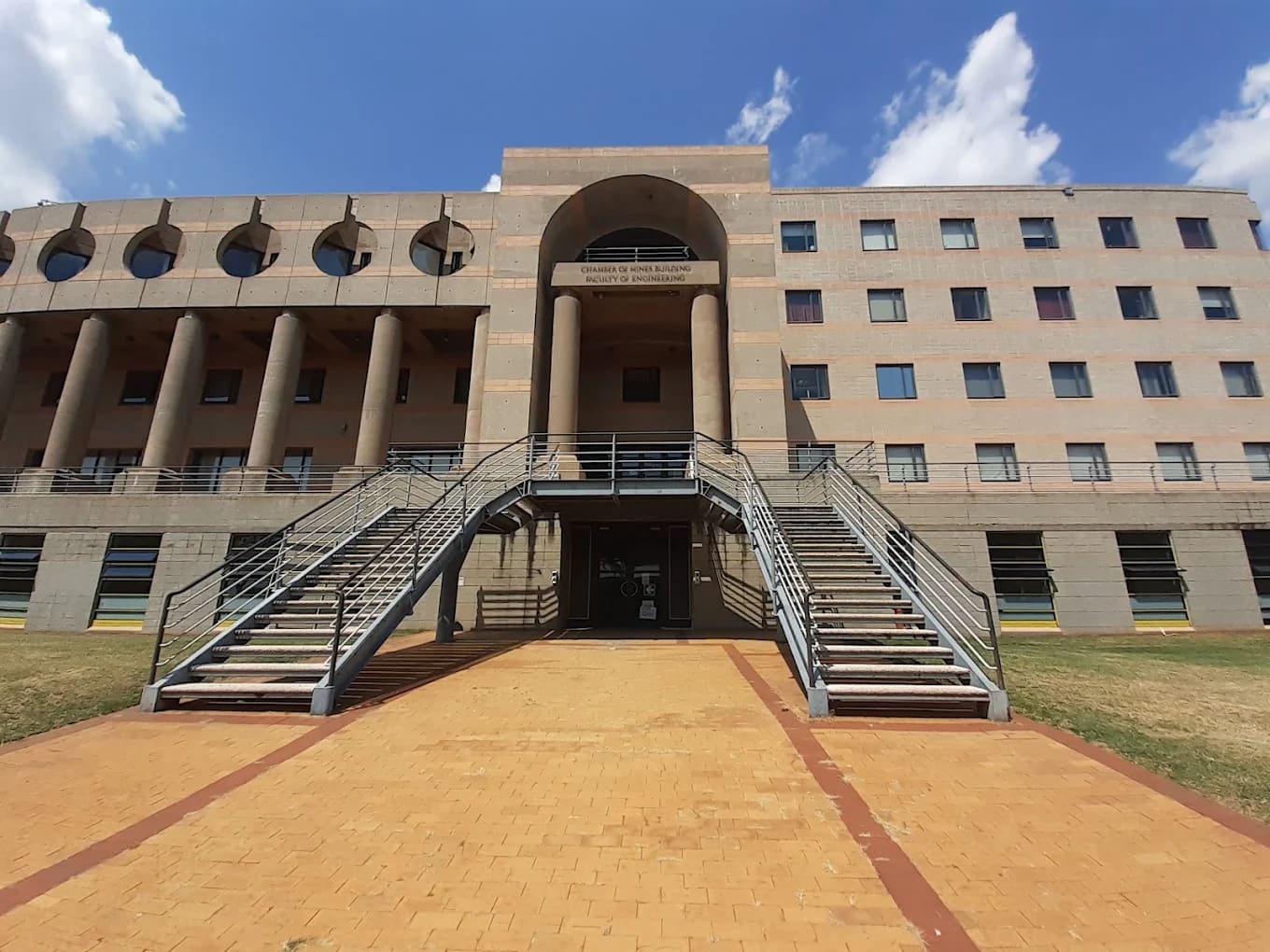
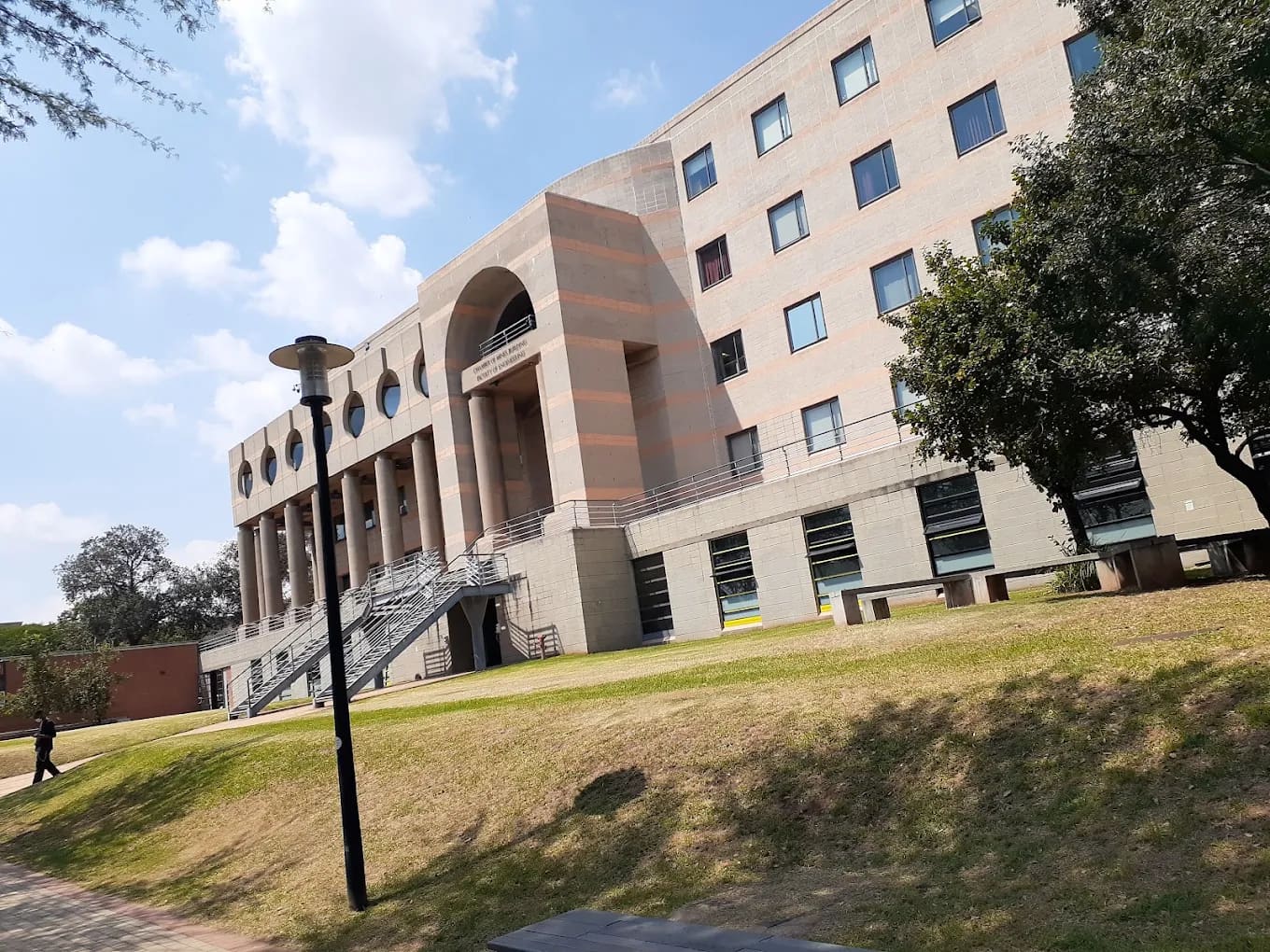
Lawns beside the Chamber of Mines Building at the University of the Witwatersrand, Johannesburg

Lawns beside the Chamber of Mines Building at the University of the Witwatersrand, Johannesburg

A Leading African Medical School

The University of the Witwatersrand Faculty of Health Sciences is one of Africa's leading centres of medical education and research, closely tied to Johannesburg's great public hospitals and a world leader in HIV, tuberculosis and vaccine research.

Training Doctors With Exceptional Clinical Exposure

Through the English-medium MBBCh, with training at Africa's largest hospital, Wits trains South Africa's doctors and a small number of international students, with clinical exposure that is a genuine and well-known strength.

A Global Research Powerhouse

From a Nobel laureate in medicine and the science of human origins to world-leading HIV and vaccine research, and as one of Africa's top universities, Wits offers a historic, research-rich medical education — with the honest caveats of limited international access and Johannesburg's safety considerations.

Get all information about studying medicine at Wits in our free brochure

Read on to understand the real pathway to the University of the Witwatersrand MBBCh.

Cost of living

Living Cost in Johannesburg

Johannesburg is affordable by international standards and generally a little cheaper than Cape Town. The figures below are indicative monthly living costs for a student and are separate from tuition.

Monthly Living Cost

Cost ComponentApproximate Amount (per month)
Accommodation (residence or shared rental)₹18,500 – ₹39,000
Food & Groceries₹11,500 – ₹21,000
Transport & Personal₹7,000 – ₹14,000
Utilities & Extras₹4,600 – ₹11,500
Get Free MBBS Guide

Average monthly living cost (excluding tuition)

₹41,000 – ₹85,000

Housing

Accommodation

Students at Wits live in university residences, university-accredited housing, or private rentals in Johannesburg, with safety a real consideration in where and how they live. Confirm current options and prices with Wits Student Accommodation.

University Residences

Wits has residences on and near its campuses (catered and self-catered), often the safest and most convenient choice for first-year and international students; places can be competitive, so confirm current availability and fees.

University-Accredited Housing

Wits accredits private student accommodation providers; the University's housing service lists verified, security-conscious options close to campus.

Private Rentals (Choose Carefully)

Students also rent in Johannesburg suburbs near campus (Braamfontein, Parktown, Auckland Park, Melville), but should choose secure, well-located housing given the city's safety realities; confirm the current market.

A Diverse, English-Speaking City

Johannesburg is diverse and English-speaking, with a large South African Indian community and support networks for international students.

Indian & Halal Food

Johannesburg has excellent Indian and halal food (with hubs such as Fordsburg and Mayfair) and well-stocked grocery stores, so Indian and vegetarian students eat very well.

A High, Sunny Climate

Johannesburg sits at about 1,750 m with a mild, sunny highveld climate; it is inland, so there is no coast, but there are parks, malls and cultural sites.

Affordable by Global Standards

Johannesburg living costs are far lower than Australia, New Zealand or the UK; budget for backup power (load-shedding) and reliable transport.

Safety-Aware Housing Choices

Because Johannesburg has significant crime, choose secure residences or accredited housing, use reliable transport (especially at night), and take the University's safety guidance seriously; our counsellors can advise.

Need accommodation details?

Get a full overview of housing options with our university guide, or reach out to an expert.

Food & Dining

Indian, Halal and Vegetarian Food in Johannesburg

100% veg options are available. Vegetarian food is easily found in cafeterias, restaurants, grocery stores and university residences, and with a large South African Indian community Johannesburg is excellent for Indian and vegetarian food.

Johannesburg has a large, long-established South African Indian community, with famous food hubs such as Fordsburg and Mayfair, so Indian food — including familiar regional dishes — is easy to find.

Location

How to Reach the University of the Witwatersrand

Address

University of the Witwatersrand, Faculty of Health Sciences, 7 York Road, Parktown, Johannesburg 2193, South Africa (the main campus is in Braamfontein; teaching hospitals include Charlotte Maxeke nearby and Chris Hani Baragwanath in Soweto)

  • Nearest Airport

    O.R. Tambo International Airport (JNB), about 25 km from campus — Africa's busiest airport, with direct and one-stop connections to India via Gulf and African hubs. South Africa is 3.5 hours behind Indian time and requires a study visa

  • Local Transport

    The Gautrain rapid rail and buses serve the city, alongside metered taxis and ride-hailing (Uber, Bolt); given safety considerations, students are strongly advised to use reliable transport, especially at night

Your Roadmap to Success

Career Pathways After the MBBCh at the University of the Witwatersrand

Wits MBBCh graduates complete a two-year internship and a year of community service to gain full registration with the Health Professions Council of South Africa (HPCSA), then pursue specialty training.

Understand the Medical Licensing Pathway

A clear overview of registration in South Africa and the exams needed to practise in India or elsewhere.

Practising in India

FMGE & NExT Details

An Indian graduate of the University of the Witwatersrand who wants to practise in India follows the National Medical Commission (NMC) route: qualifying NEET before starting, meeting the NMC's foreign-graduate conditions, clearing the screening examination (currently the FMGE, transitioning to the NExT), completing the required internship in India and registering. The 6-year English-medium MBBCh maps reasonably to India's rules, but confirm the details.

  1. Step 1

    NEET Before You Start (if returning to India)

    An Indian student who intends to practise in India must have qualified NEET-UG before beginning the medical program abroad, and obtain the NMC Eligibility Certificate. This applies to the India-return plan; it is not a South African requirement.

  2. Step 2

    Meet the FMGL 2021 Conditions

    The Foreign Medical Graduate Licentiate Regulations 2021 set conditions on course-plus-internship duration completed at the same institution, English-medium teaching, and a degree that entitles practice in the country of study. The 6-year English-medium MBBCh that entitles practice in South Africa maps reasonably to these conditions, but confirm in writing with the NMC how the South African internship and community-service requirements (and the GEMP route, if used) are counted.

  3. Step 3

    Clear the FMGE / NExT and Register

    Graduates returning to India must clear the qualifying examination (FMGE, transitioning to the NExT), complete the required internship in India, and register with the NMC or a State Medical Council.

Student Life Style

Student life at the University of the Witwatersrand

Being a medical student at Wits combines a demanding, world-class MBBCh with exceptional clinical exposure and life in Johannesburg, South Africa's energetic economic hub — with the honest reality of the city's safety considerations.

Academics

The MBBCh is a demanding, six-year, English-medium program with outstanding clinical training at Chris Hani Baragwanath and other Johannesburg hospitals. The clinical exposure is a real strength and the standard is high; international places are limited.

Life in Johannesburg

Johannesburg is diverse, energetic and English-speaking, at high altitude with a sunny highveld climate, and rich in culture and history (Constitution Hill, the Apartheid Museum, the nearby Cradle of Humankind). It is inland, so there is no coast. Students should be realistic about the city's higher crime rates and periodic power cuts, and take real precautions. Johannesburg is 3.5 hours behind Indian time.

Challenges and Growth

The real challenges are the limited international quota and Johannesburg's safety and infrastructure realities — not language (teaching is in English) or cost (South Africa is affordable). Students who win a place gain a world-class education and arguably the best clinical exposure available anywhere.

Social Life

Wits has a vibrant student life through its residences, societies, sport and Johannesburg's cultural, music and food scene (especially Braamfontein and Maboneng), so students build strong communities while being safety-aware.

Overall Experience

Studying the MBBCh at Wits means a world-class, English-taught, comparatively affordable medical education with exceptional clinical exposure — for well-prepared students who can secure one of the limited international places and who plan around Johannesburg's realities with open eyes.

Fees & Financial

Fees & Financial Planning

A genuine advantage of Wits is affordability: South African tuition and living costs are far below Australia, New Zealand or the UK. Honest financial planning still matters, and the exact international fee must be confirmed.

The 2025–26 domestic MBBCh fee was roughly ₹3.5–4.5 lakh per year; international students pay more, but South African tuition and living costs remain a fraction of the Australia, New Zealand or UK level, so Wits can be a genuinely affordable route to a world-class, English-taught degree. Confirm the exact international MBBCh fee on wits.ac.za before deciding.

  • Domestic MBBCh ≈ ₹3.5–4.5 lakh per year
  • International fee higher — confirm with the university
  • Johannesburg living costs ≈ ₹41,000 – ₹85,000 per month
  • Far cheaper than Australia, New Zealand or the UK

Ratings

Reviews & Ratings

Hear from students and alumni about their experience studying medicine at the University of the Witwatersrand.

4.4

41 reviews

Academics4.6
Clinical Exposure4.9
Affordability4.5
English-Taught MBBCh4.7
Safety / Ease of Entry2.3
  • Unbeatable clinical exposure

    MBBCh student 2023

    Training at Baragwanath, the largest hospital in Africa, means you see and do more than almost anywhere. It's English-taught and far cheaper than Australia or NZ. The hard part is getting one of the few international places.

  • World-class, but be Joburg-smart

    MBBCh graduate 2022

    The teaching and hospitals are outstanding, and Wits has a real Nobel legacy. Just be realistic about Johannesburg safety and load-shedding, and choose secure accommodation and reliable transport.

Compare

Compare Colleges

Compare the University of the Witwatersrand (MBBCh) with a leading Indian medical college.

Quick Comparison:

University of the Witwatersrand (MBBCh) vs AIIMS New Delhi (MBBS)

University
University of the WitwatersrandJohannesburg, South Africa
AIIMS New DelhiNew Delhi, India
Degree & EntryMBBCh — school-leaver entry (NBT); graduate entry via GEMPMBBS — school-leaver entry after Class 12
MediumEnglishEnglish
Duration6 years (or ~4 via GEMP); training at Africa's largest hospital5.5 years including internship
Tuition2025–26 domestic ≈ ₹3.5–4.5 lakh/year; international higher (confirm), still far below Australia/NZNominal (a few thousand rupees per year)
AdmissionNBT (undergraduate) or WAPT (GEMP); limited international placesNEET-UG (extremely high rank)
RecognitionHPCSA-registrable; WDOMS-listed; NMC via FMGE/NExT (confirm)NMC-recognised
World RankingQS 2026 #291; #2 in South Africa for MedicineIndia's top medical institute (NIRF #1)

Compare Top MBBS Universities for Me

See key differences in fees, ranking, eligibility and recognition.

Our blog

Medical Education Insights

Articles that turn complex medicine-abroad rules into simple, practical steps for students and parents.

FAQ

Frequently Asked Questions

Short, honest answers to the questions Indian students and parents ask most about studying medicine at the University of the Witwatersrand.

Campus photographs supplied by the content team (University of the Witwatersrand main campus, Braamfontein). Photographs of the Faculty of Health Sciences at the Parktown medical campus and of the Johannesburg teaching hospitals are pending.