


University of Cape Town Faculty of Health Sciences
Africa's #1 university (QS 2026: #150 in the world) and the birthplace of the world's first heart transplant. UCT teaches the 6-year MBChB in English — a world-class, comparatively affordable, MBBS-style degree, though with limited places for international students.
University of Cape Town Faculty of Health Sciences
The University of Cape Town, founded in 1829, is Africa's oldest and highest-ranked university, placed #150 in the world and 1st in Africa in the 2026 QS World University Rankings, and its Faculty of Health Sciences is the continent's most renowned medical school. It is where Professor Christiaan Barnard performed the world's first human-to-human heart transplant at Groote Schuur Hospital on 3 December 1967, one of the landmark events in the history of medicine. UCT teaches the Bachelor of Medicine and Bachelor of Surgery (MBChB), a six-year, English-taught, school-leaver-entry primary medical qualification that maps well to India's NMC conditions, with clinical training at Groote Schuur and other Cape Town teaching hospitals. Two things matter most for an Indian family. First, South Africa is far more affordable than Australia, New Zealand or the UK: the 2025 domestic MBChB fee was about ₹5 lakh (R108,800), and while international students pay more, South African tuition and living costs remain a fraction of those elsewhere, so UCT can be a genuinely affordable world-class option (confirm the exact international fee). Second, international access is limited: South African universities reserve most medical places for South African and neighbouring-country citizens, so international undergraduate places are few and competitive. Cape Town is spectacular but South Africa has real safety considerations, which we cover honestly on this page.
Study program:MBChB — the 6-year Bachelor of Medicine and Bachelor of Surgery, taught in English
Language:English (IELTS/equivalent may be required for international applicants)
Duration:6 years (pre-clinical years, then clinical training in Cape Town teaching hospitals)
University type:Public research university; Faculty of Health Sciences founded 1912
Tuition fees:2025 domestic MBChB ~₹5 lakh (R108,800); international fee is higher — confirm on uct.ac.za
Entrance examination:National Benchmark Tests ('Proficient') + a high APS and NSC-equivalent school results
Application deadline:Undergraduate applications typically close 31 July for the following year
Recognition:HPCSA-registrable; WDOMS-listed; NMC (India) route via FMGE/NExT, subject to conditions
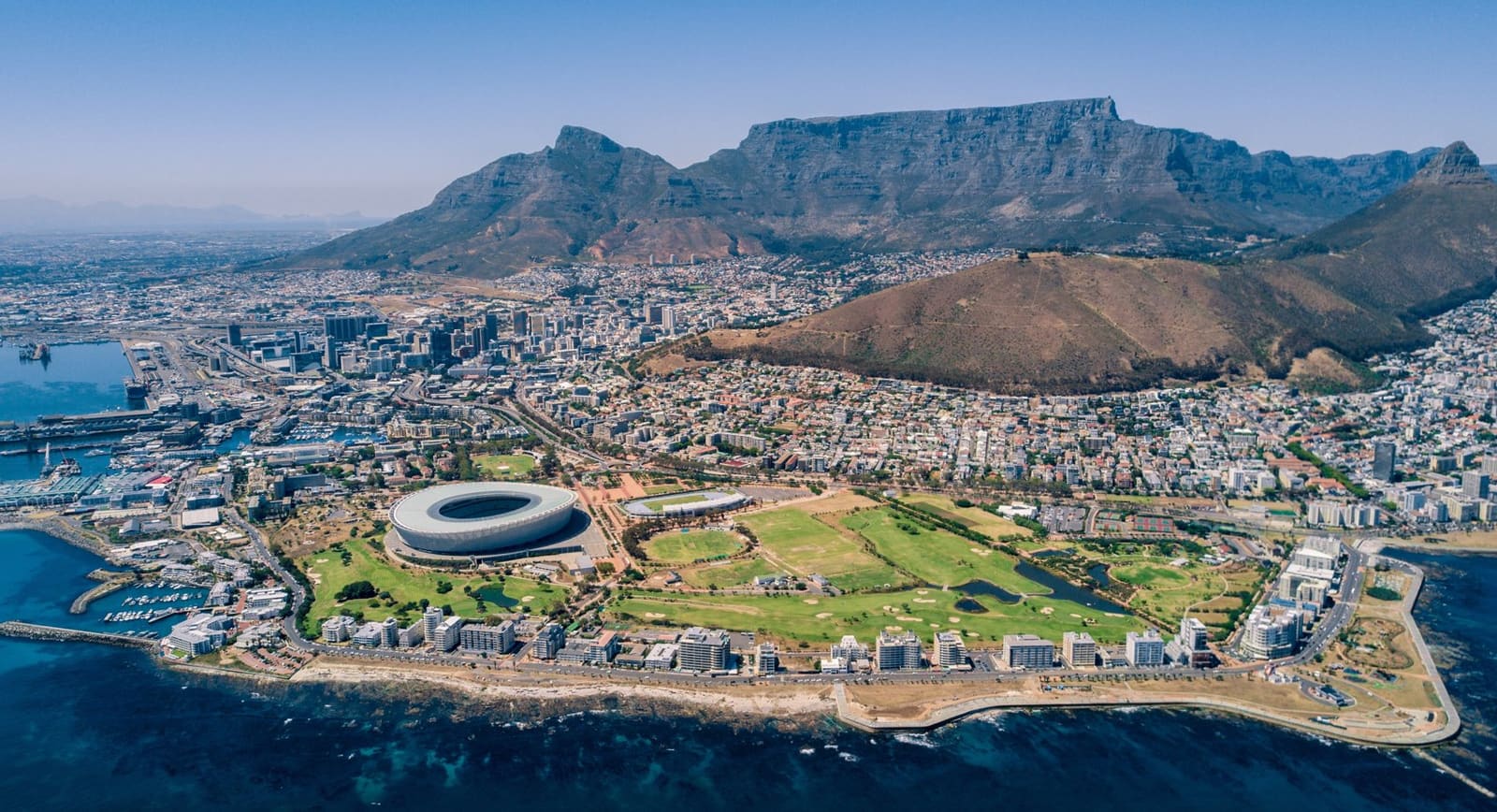
Aerial view of Cape Town with Table Mountain, the city centre, the stadium and the harbour
Understand the real pathway to medicine at the University of Cape Town
Download our free brochure, or speak with our team to understand whether a South African MBChB, with its limited international quota, is a realistic path for your family.
The University of Cape Town is genuinely world-class and, unlike most MBBS-abroad destinations, its rankings are real and high. It is Africa's #1 university and a global top-150 institution, with medicine among its strongest fields.
#150 in the world
QS World University Rankings 2026 (overall)
#1 in Africa
Africa's highest-ranked university
Clinical Medicine top 150
Clinical Medicine in the QS 101–150 subject band
The University of Cape Town Faculty of Health Sciences, Africa's leading medical school and the site of the world's first heart transplant in 1967, offers an MBChB registrable with the Health Professions Council of South Africa (HPCSA) and listed in the World Directory of Medical Schools. Indian students who intend to practise in India must still meet the National Medical Commission's conditions (see FMGE & NExT).
Accreditations and Recognition
WDOMS
Listed in the World Directory of Medical Schools
ECFMG (USA)
As a WDOMS-listed school, graduates can pursue ECFMG certification and the USMLE for training in the United States
NMC / India
Indian students may qualify for practice in India via the NMC route (FMGE/NExT), subject to meeting the NMC's conditions
Complete Information About Studying Medicine at the University of Cape Town
Get a clear, honest picture of the MBChB pathway, the limited international quota, the real (and comparatively affordable) costs, and whether it fits your family.
Hear directly from students who are studying medicine in Europe with futureMBBS.
Academic Excellence
Top Reasons to Study Medicine at the University of Cape Town
UCT offers a world-famous, English-taught, comparatively affordable, MBBS-style medical education at Africa's top university. These are its real strengths, with the honest trade-offs of the limited international quota and South Africa's safety considerations.
Africa's #1 University
UCT is ranked #150 in the world and 1st in Africa (QS 2026), with Clinical Medicine in the top-150 subject band, so the academic quality and global reputation are real, not marketing.
The Birthplace of the Heart Transplant
UCT and Groote Schuur Hospital are where Professor Christiaan Barnard performed the world's first human heart transplant in 1967, and the Faculty remains a leader in cardiology, HIV, tuberculosis and public-health research.
An English-Taught, MBBS-Style MBChB
The 6-year MBChB is taught entirely in English — a genuine advantage over non-English destinations — and is a school-leaver-entry primary medical qualification that maps well to India's NMC conditions.
Comparatively Affordable
South African tuition and living costs are far below Australia, New Zealand or the UK. The 2025 domestic MBChB fee was about ₹5 lakh (R108,800); international students pay more, but UCT can still be one of the more affordable world-class options (confirm the exact fee).
Outstanding Clinical Exposure
Training at Groote Schuur and other Cape Town hospitals gives students exceptional hands-on clinical experience across a broad disease spectrum, often cited as a strength of South African medical training.
A Spectacular City
Cape Town, with Table Mountain, beaches and the Winelands, is one of the world's most beautiful cities, with a diverse, English-speaking environment.
Globally Recognised
A UCT MBChB (HPCSA-registrable, WDOMS-listed) supports pathways to the USA (USMLE via ECFMG), the UK (GMC routes) and elsewhere, in addition to South Africa.
Plan Honestly
Be realistic: South Africa reserves most medical places for its own and neighbouring citizens, so international places are few and competitive; there are real safety considerations and periodic power cuts; and if you intend to return to India you must have qualified NEET before starting and clear the FMGE/NExT.
Read all about MBBS abroad in our free brochure
Know exactly what options exist for your medical-career success.
Admission to the UCT MBChB is on academic merit plus the National Benchmark Tests (NBT), with limited international places. Confirm the exact current process and international quota on uct.ac.za.
Admission Timeline
1
Step 1 — Strong School ResultsNSC-Equivalent Qualification
International school-leavers must have a strong school-leaving qualification (equivalent to the South African NSC) with the required subjects and a high aggregate; UCT requires a high APS (a sub-minimum of 450 was cited) for the MBChB.
2
Step 2 — Write the NBTNational Benchmark Tests
All Health Sciences applicants, including internationals, must write the National Benchmark Tests (NBT); the MBChB requires NBT scores in the 'Proficient' range.
3
Step 3 — Apply (Confirm the Quota)UCT Application
Apply through UCT's admissions process, confirming the (limited) international MBChB quota and meeting Department of Home Affairs requirements for foreign students.
4
Step 4 — Selection & EnglishSelection and English Proficiency
Selection is on academic merit, NBT results and any additional requirements; meet English-proficiency requirements (IELTS/equivalent) as needed.
5
Step 5 — Offer & Study VisaOffer and South African Visa
Successful applicants receive an offer and apply for a South African study visa, showing proof of financial means.
Indian students who intend to practise in India must have qualified NEET-UG before starting and obtain the NMC Eligibility Certificate; this does not apply if the plan is to practise in South Africa (see FMGE & NExT).
Eligibility Criteria
Academic Qualification
Applicants need a strong school-leaving qualification (equivalent to the South African NSC) with the required subjects — including mathematics, physical science and English — and a high aggregate. UCT requires a high APS (a sub-minimum of 450 was cited for the MBChB) and NBT scores in the 'Proficient' range. Indian students who intend to practise in India must also qualify NEET before starting.
There is no unusual age bar; applicants must meet the academic, NBT and selection requirements. Indian students planning to return to India should note that the NMC's own rules, including NEET, apply to them.
Few
International MBChB placesSouth Africa reserves most medical places for South African and SADC citizens; confirm the international quota
Requirements
Applicants need a strong school result with the required subjects, the NBT, English proficiency and a study visa; Indians intending to practise in India also need NEET and the NMC Eligibility Certificate.
Confirm the International Quota First
Because South Africa prioritises its own citizens for medicine, confirm the (limited) international MBChB quota and eligibility with UCT before investing in the application.
Strong Marks + NBT
Plan for a high school-leaving aggregate (with maths, science and English) and NBT scores in the 'Proficient' range; UCT medicine is highly competitive.
Admissions Test
Selection uses academic results and the National Benchmark Tests (NBT); confirm whether any additional assessment applies to international applicants on the official site.
Component
Requirement
Academic
Strong NSC-equivalent result with Maths, Physical Science and English; high APS (sub-minimum 450 cited)
Admissions test
National Benchmark Tests (NBT) in the 'Proficient' range
International quota
Limited international MBChB places (South Africa prioritises domestic/SADC applicants) — confirm
English
English-medium teaching; IELTS/equivalent as required
India-side (if returning)
NEET-UG qualification + NMC Eligibility Certificate for later FMGE/NExT
Required Documents
Indian applicants typically provide the following for the MBChB application and the South African study visa:
Class 10 and Class 12 mark sheets and certificates (Maths, Physics, Chemistry, Biology, English)
NBT results, and English proficiency (IELTS/equivalent) as required
Valid passport and South African study visa documents (proof of financial means)
SAQA certificate of equivalence for the school-leaving qualification
For students returning to India: NEET-UG scorecard and NMC Eligibility Certificate
+ More
Admission Guidance & Eligibility Check
Get an honest assessment of the limited international quota and help planning the NBT and application from our team.
MBChB Course Structure at the University of Cape Town
The UCT MBChB is a six-year program taught in English, from pre-clinical foundations to full-time clinical training at Groote Schuur and other Cape Town teaching hospitals. The year-by-year outline below is representative — confirm the exact current structure on health.uct.ac.za.
Bachelor of Medicine and Bachelor of Surgery (MBChB) Course
Total Duration:
6 Years
Degree:
MBChB (Bachelor of Medicine and Bachelor of Surgery, equivalent to MBBS)
Course Phases in the UCT MBChB
Years 1–2
Foundations & Early Clinical Skills
The pre-clinical foundation years covering the basic medical sciences with early clinical and communication skills, taught in English:
AnatomyPhysiologyBiochemistryCell Biology
Introduction to Health and Disease
Years 3–4
Mechanisms & Clinical Sciences
The middle years integrating mechanisms of disease with clinical training and public-health context, with increasing hospital exposure:
PathologyPharmacologyMicrobiologyIntegrated Clinical Medicine
Public Health
Year 5
Clinical Clerkships
Full clinical clerkships rotating through the major disciplines at Groote Schuur and other Cape Town teaching hospitals:
The final clinical year consolidating clinical competence as a transition to internship and registration with the HPCSA:
Advanced Clinical RotationsElectiveTransition to Practice
Clinical Training & Internship
Clinical training takes place at Groote Schuur Hospital, the site of the first heart transplant, and other Cape Town teaching hospitals. In South Africa, graduates complete a two-year internship and a year of community service to register with the HPCSA; Indian graduates who return to India follow the NMC route. An indicative pattern is:
Phase
Focus
MBChB Years 5–6
Clinical clerkships across Medicine, Surgery, Paediatrics, O&G, Psychiatry, Family Medicine and specialties at Groote Schuur and other Cape Town hospitals
After graduation (South Africa)
A two-year internship plus a year of community service leading to registration with the Health Professions Council of South Africa
If returning to India
Clear the FMGE/NExT and complete the required internship in India before NMC / State Medical Council registration
Get the full curriculum
Download a free brochure to understand the MBChB structure, the pathway and everything you need to plan.
Prominent People and Faculty of UCT Health Sciences
The University of Cape Town has one of the most remarkable medical legacies in the world, from the first heart transplant to the theory behind the CT scan and a yellow-fever vaccine. Where someone is famous as a UCT professor rather than only a graduate, that is stated plainly.
Professor Christiaan Barnard
Studied medicine at UCT and became a cardiac surgeon at Groote Schuur Hospital, where on 3 December 1967 he led the team that performed the world's first human-to-human heart transplant, opening the era of organ transplantation.
Dr Marius Barnard
Christiaan's younger brother, a UCT-trained cardiac surgeon and a key member of the first heart-transplant team in 1967; he later helped create the world's first dread-disease (critical illness) insurance.
Professor Allan McLeod Cormack
Earned his physics degrees at UCT and lectured there; his work at UCT and Groote Schuur in the 1950s produced the mathematical theory behind X-ray computed tomography, winning the 1979 Nobel Prize in Physiology or Medicine.
Professor Max Theiler
Began his medical studies at UCT before continuing in London and the United States, where he developed the yellow-fever vaccine — the work that earned him the 1951 Nobel Prize in Physiology or Medicine.
Sir Aaron Klug
Studied science at UCT before his career in molecular biology in the UK; awarded the 1982 Nobel Prize in Chemistry for crystallographic electron microscopy and the structures of viruses and nucleic-acid–protein complexes.
Professor Bongani Mayosi
A distinguished UCT cardiologist and Dean of the Faculty of Health Sciences from 2016 until his death in 2018; a world leader in rheumatic heart disease and the genetics of cardiomyopathies.
Faculty & Leadership
UCT's medical program is delivered by the Faculty of Health Sciences at the health-sciences campus near Groote Schuur Hospital. Named leaders below are verified as of 2025; reconfirm current office-holders on the official site.
Academic Expertise
Dean of the Faculty of Health Sciences: Professor Lionel Green-Thompson
Africa's #1 university
Faculty founded in 1912; birthplace of the first heart transplant
World-leading HIV, TB and cardiovascular research
Student Support & Mentorship
Clinical training at Groote Schuur and Cape Town hospitals
English-medium teaching
Broad clinical exposure across a wide disease spectrum
Guidance on FMGE/NExT versus staying in South Africa
About University
History Information
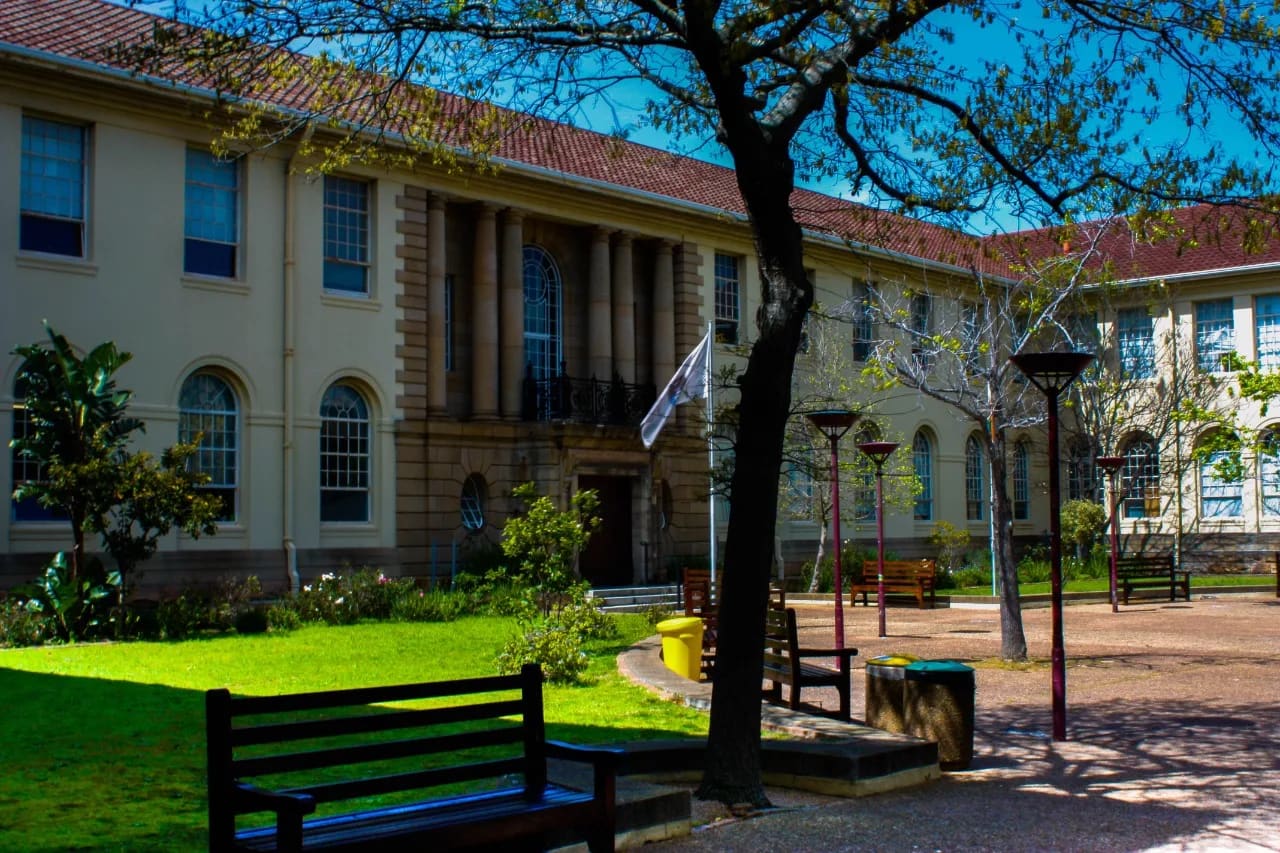
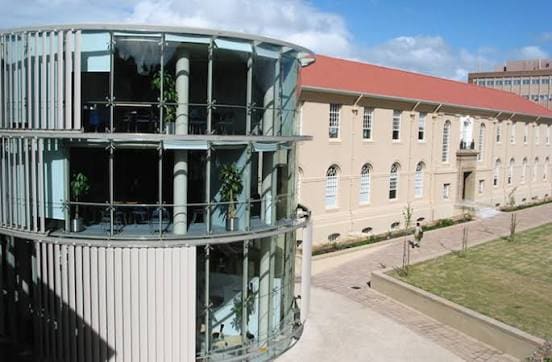
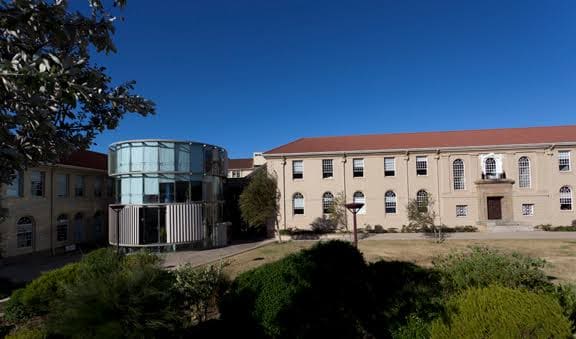
A University of Cape Town health-sciences campus building with its glass rotunda and courtyard
Founded in 1829
The University of Cape Town was established in 1829 as the South African College, making it Africa's oldest university, on the slopes of Devil's Peak in Cape Town.
A Medical Faculty From 1912
The Faculty of Health Sciences was established in 1912 and grew into Africa's most renowned medical school, closely tied to Groote Schuur Hospital.
The World's First Heart Transplant (1967)
On 3 December 1967, Professor Christiaan Barnard and his UCT team performed the world's first human heart transplant at Groote Schuur Hospital, a landmark that placed Cape Town at the centre of world medicine.
Africa's #1 University Today
Today UCT is Africa's highest-ranked university (#150 in the world, QS 2026), teaching the English-medium MBChB and leading research in HIV, tuberculosis, cardiovascular disease and public health.
Get all information about studying medicine at the University of Cape Town in our free brochure
Read on to understand the real pathway to the University of Cape Town MBChB.
A sandstone columned University of Cape Town building with a courtyard, Cape Town, South Africa
Africa's Leading Medical School
The University of Cape Town Faculty of Health Sciences is Africa's leading centre of medical education and research, closely tied to Groote Schuur Hospital and a world leader in HIV, tuberculosis and cardiovascular research.
Training Doctors for Africa and the World
Through the English-medium MBChB, with outstanding clinical training in Cape Town's hospitals, UCT trains South Africa's doctors and a small number of international students for registration and careers in South Africa and worldwide.
A Global Research Powerhouse
From the first heart transplant to the theory behind the CT scan and world-leading infectious-disease research, and as Africa's #1 university, UCT offers a historic, research-rich medical education — with the honest caveats of limited international access and South Africa's safety considerations.
Get all information about studying medicine at the University of Cape Town in our free brochure
Read on to understand the real pathway to the University of Cape Town MBChB.
Cape Town is far more affordable than Australian, New Zealand or UK cities. The figures below are indicative monthly living costs for a student and are separate from tuition.
Students at UCT live in university residences, university-accredited housing, or private rentals in Cape Town. Confirm current options and prices with UCT's Student Housing office.
University Residences
UCT has a range of residences on and near the main campus and the health-sciences campus, both catered and self-catered, popular with first-year and international students; places can be competitive, so confirm current availability and fees.
University-Accredited Housing
UCT accredits private student accommodation providers, and the University's housing service lists verified options close to campus.
Private Rentals
Many students rent private apartments or share houses in the suburbs near campus — Rondebosch, Observatory, Rosebank and Mowbray — often affordable by international standards; confirm the current rental market.
A Diverse, English-Speaking City
Cape Town is diverse and English-speaking, with a South African Indian community and good support networks for international students.
Indian & Halal Food
Cape Town has Indian restaurants, halal options and grocery stores, so Indian and vegetarian students can eat well (see the Food & Dining section).
A Spectacular Setting
Accommodation is in one of the world's most beautiful cities, with Table Mountain, beaches and the Winelands nearby, though students should choose areas and transport with safety in mind.
Affordable by Global Standards
Cape Town living costs are far lower than Australia, New Zealand or the UK — a genuine part of South Africa's value; budget for backup power given periodic load-shedding.
Safety-Aware Housing Choices
Because South Africa has higher crime rates than Australia or New Zealand, choose secure, well-located accommodation and reliable transport; UCT and our counsellors can advise on safer areas.
Need accommodation details?
Get a full overview of housing options with our university guide, or reach out to an expert.
100% veg options available. Vegetarian food is easily available in cafeterias, restaurants, grocery stores and university residences in Cape Town, a city with a long South African Indian and Cape Malay heritage.
Cape Town has a strong Indian and Cape Malay food heritage, with many Indian restaurants and curry houses, so Indian food — including familiar regional dishes — is easy to find.
Location
How to Reach the University of Cape Town
Address
University of Cape Town, Faculty of Health Sciences, Anzio Road, Observatory, Cape Town 7925, South Africa (next to Groote Schuur Hospital; the main UCT campus is nearby in Rondebosch)
Nearest Airport
Cape Town International Airport (CPT), about 20 km from campus. Indian students typically fly one-stop via a Gulf or African hub; a South African study visa is required, and South Africa (SAST) is 3.5 hours behind Indian time
Local Transport
UCT runs the Jammie Shuttle between campuses and residences; Cape Town also has MyCiTi buses, metered taxis and ride-hailing (Uber/Bolt). Given safety considerations, use reliable transport, especially at night
Your Roadmap to Success
Career Pathways After the MBChB at the University of Cape Town
UCT MBChB graduates complete a two-year internship and a year of community service to gain full registration with the Health Professions Council of South Africa (HPCSA), then pursue specialty training.
Understand the Medical Licensing Pathway
A clear overview of registration in South Africa and the exams needed to practise in India or elsewhere.
An Indian graduate of the University of Cape Town who wants to practise in India follows the National Medical Commission (NMC) route: qualifying NEET before starting, meeting the NMC's foreign-graduate conditions, clearing the screening examination (currently the FMGE, transitioning to the NExT), completing the required internship in India and registering. The 6-year English-medium MBChB maps reasonably to India's rules, but confirm the details with the NMC directly.
Step 1
NEET Before You Start (if returning to India)
An Indian student who intends to practise in India must have qualified NEET-UG before beginning the medical program abroad, and obtain the NMC Eligibility Certificate. This applies to the India-return plan; it is not a South African requirement.
Step 2
Meet the FMGL 2021 Conditions
The Foreign Medical Graduate Licentiate Regulations 2021 set conditions on course-plus-internship duration completed at the same institution, English-medium teaching, and a degree that entitles practice in the country of study. The 6-year English-medium MBChB that entitles practice in South Africa maps reasonably to these conditions, but confirm in writing with the NMC how the South African internship and community-service requirements are counted.
Step 3
Clear the FMGE / NExT and Register
Graduates returning to India must clear the qualifying examination (FMGE, transitioning to the NExT), complete the required internship in India, and register with the NMC or a State Medical Council.
Student Life Style
Student life at the University of Cape Town
Being a medical student at UCT combines a demanding, world-class MBChB with life in Cape Town, one of the world's most beautiful cities, alongside the honest reality of South Africa's safety considerations.
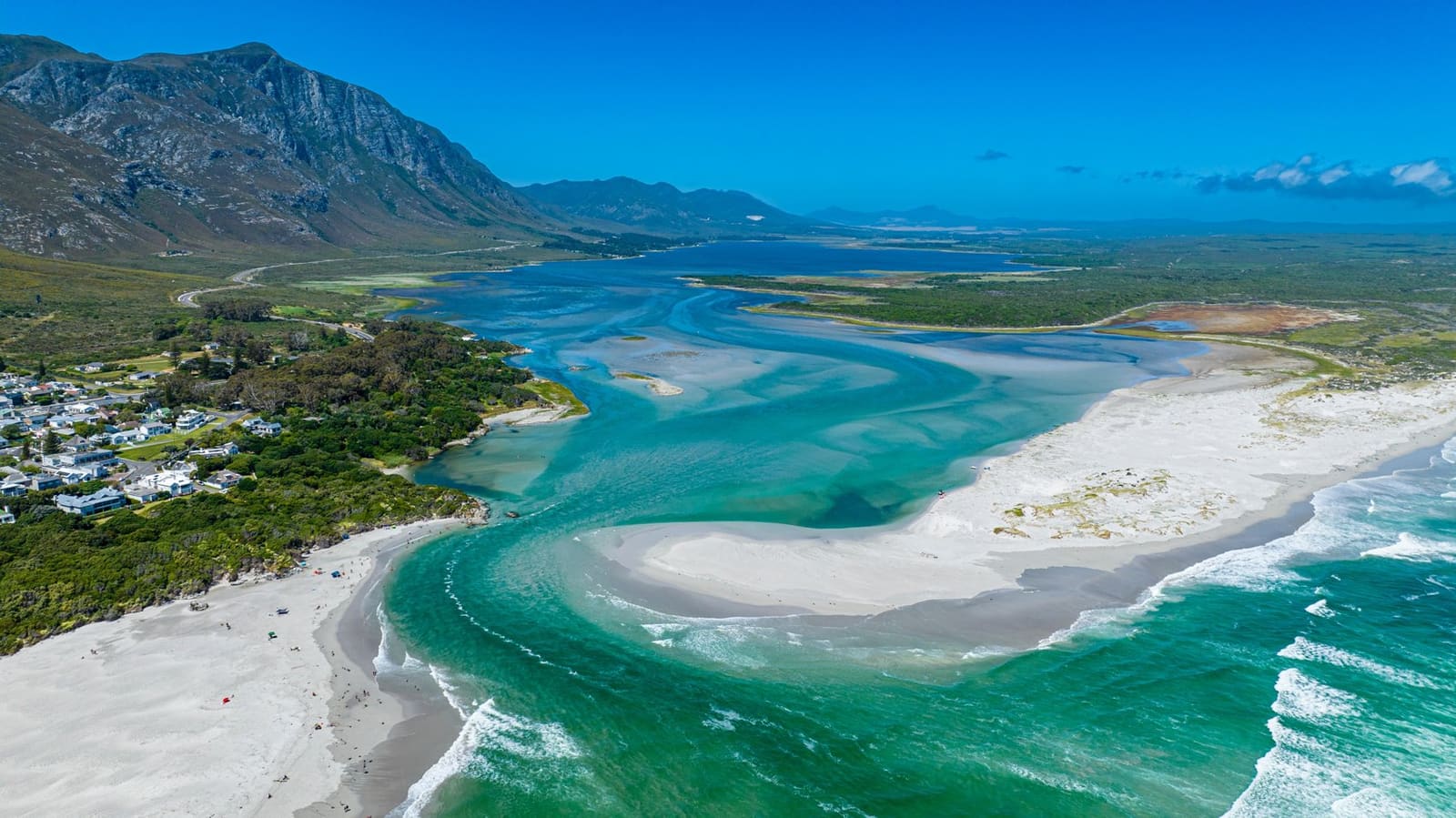
A coastal lagoon and white-sand beach in the Western Cape near Cape Town, South Africa
Academics
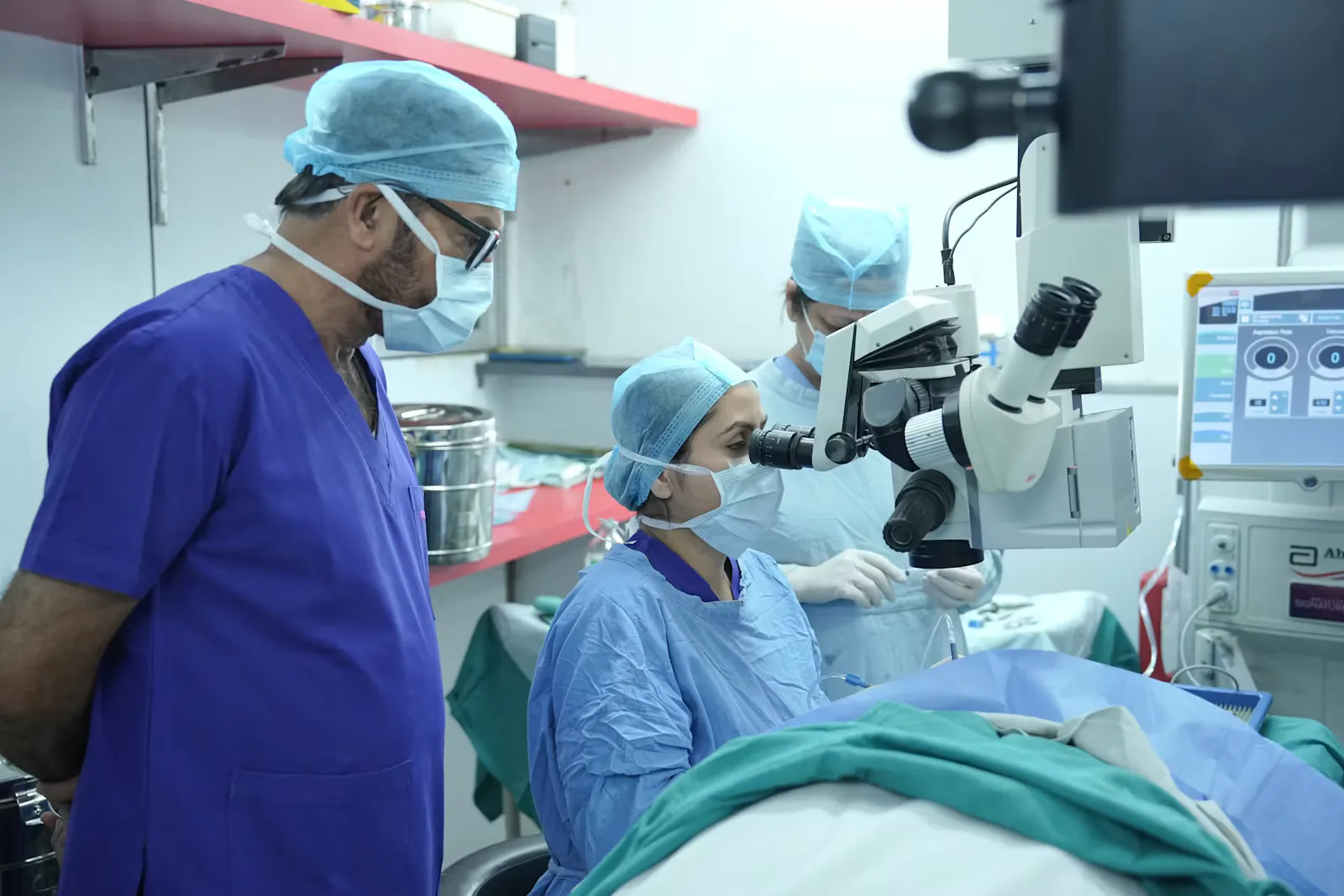
The MBChB is a demanding, six-year, English-medium program with outstanding clinical training at Groote Schuur and other Cape Town hospitals. The clinical exposure is a real strength and the standard is high; international places are limited.
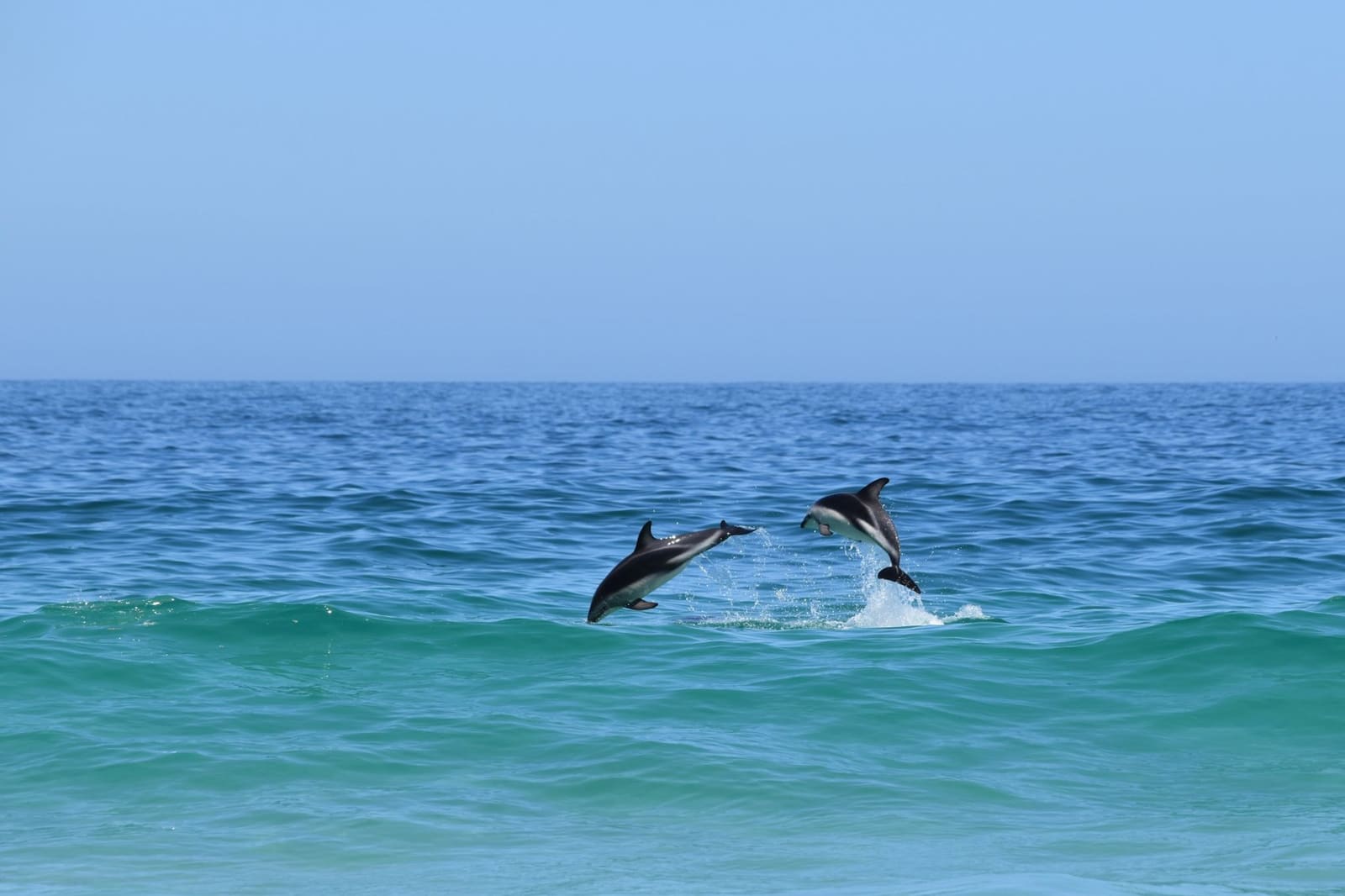
Dolphins leaping off the South African coast
Life in Cape Town
Cape Town is spectacular — Table Mountain, beaches, the Winelands and abundant wildlife and outdoors — with a diverse, English-speaking culture. Students should also be realistic about South Africa's higher crime rates and periodic power cuts, and take normal urban precautions. Cape Town is 3.5 hours behind Indian time.
Challenges and Growth
The real challenges are the limited international quota and South Africa's safety and infrastructure realities, not language (teaching is in English) or cost (South Africa is affordable). Students who win a place gain a world-class, MBBS-style education and outstanding clinical experience.
Social Life
UCT has a vibrant student life through its residences, societies, sport and Cape Town's outdoor, beach and cultural scene, so students build strong communities while staying safety-aware.
Overall Experience
Studying the MBChB at the University of Cape Town means a historic, world-class, English-taught, comparatively affordable medical education in a spectacular city — for well-prepared students who can secure one of the limited international places and who plan around South Africa's realities with open eyes.
Fees & Financial
Fees & Financial Planning
A genuine advantage of UCT is affordability: South African tuition and living costs are far below Australia, New Zealand or the UK. Honest financial planning still matters, and the exact international fee must be confirmed.
The 2025 domestic MBChB fee was about ₹5 lakh (R108,800); international students pay more, but South African tuition and living costs remain a fraction of the Australia/NZ/UK level, so UCT can be a genuinely affordable route to a world-class, English-taught degree. Confirm the exact international MBChB fee on uct.ac.za before deciding.
Domestic MBChB about ₹5 lakh (R108,800, 2025)
International fee is higher — confirm the exact figure
Cape Town living costs about ₹42,000 – ₹85,000 per month
Hear from students and alumni about their experience studying medicine at the University of Cape Town.
4.5
44 reviews
Academics4.7
Clinical Exposure4.8
Affordability4.5
English-Taught MBChB4.7
Ease of Entry for Internationals2.4
M
World-class and English-taught
MBChB student 2023
It's a proper 6-year MBChB in English at Africa's top university, with incredible clinical exposure at Groote Schuur. And it's far cheaper than Australia or NZ. The hard part is getting one of the few international places.
M
Amazing clinical training, be safety-aware
MBChB graduate 2022
The hands-on hospital experience here is outstanding and Cape Town is beautiful. Just be realistic about safety and load-shedding, and plan sensible accommodation and transport.
Compare
Compare Colleges
Compare the University of Cape Town (MBChB) with a leading Indian medical college.
Quick Comparison:
University of Cape Town (MBChB) vs AIIMS New Delhi (MBBS)
Short, honest answers to the questions Indian students and parents ask most about studying medicine at the University of Cape Town.
Campus photographs supplied by the client (University of Cape Town health-sciences campus: the glass rotunda block, a wider view of the same complex, and a sandstone columned building with a courtyard). City and scenery images are South African stock: two aerial views of Cape Town with Table Mountain (the university's own city), a Cape Winelands vineyard near Stellenbosch, a False Bay coastal mountain road, a Western Cape coastal lagoon, and dolphins off the South African coast. Only the campus photographs show the University of Cape Town itself; the Winelands, coast and lagoon are Western Cape regional scenery near Cape Town.