NEET
MBBS in Nepal for Indian Students 2026: Fees & Rules
22 Sept 2026
11 min read
MBBS in Nepal costs Indian students INR 40-80 lakh over 5.5 years. This 2026 guide covers NEET rules, eligibility, top colleges, fees and NMC recognition.
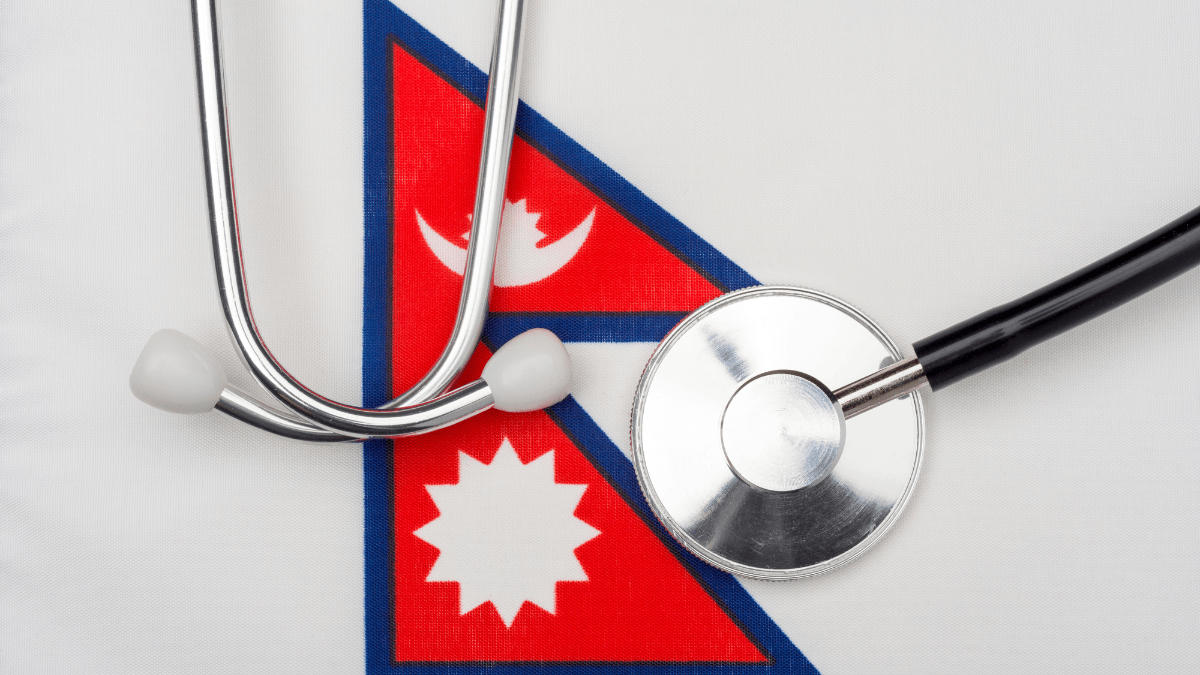
MBBS in Nepal for Indian Students: Complete 2026 Guide
MBBS in Nepal is a 5.5-year, English-medium medical degree (4.5 years of academics plus a 1-year internship) offered at Tribhuvan University- and Kathmandu University-affiliated colleges, open to Indian students who clear NEET-UG. Total cost for the full course is commonly cited in the INR 40 to 80 lakh range depending on the college and city, well below many private colleges in India. Here's what you need to know about eligibility, the admission process, fees and top colleges, plus the part that matters most: what Indian regulators actually require before a Nepal MBBS degree lets you practise in India.
Key Takeaways
- This 5.5-year programme typically costs Indian students an estimated INR 40 to 80 lakh, including hostel charges. Always confirm current fees directly with each college.
- NEET-UG qualification is mandatory for every Indian student seeking admission to a foreign medical college, per National Medical Commission (NMC) rules in force since May 2018.
- A Nepal MBBS/MD degree does not automatically qualify you to practise in India. Graduates must clear India's foreign-graduate screening exam (the FMGE, with the National Exit Test still deferred) and register with a State Medical Council.
- English is the medium of instruction at the major private colleges, and geographic and cultural proximity to India is a genuine draw for many applicants.
- Infrastructure, clinical exposure and faculty quality vary significantly between Nepal's medical colleges, so due diligence on a specific institution matters more than the country label alone.
Why do Indian students choose MBBS in Nepal?
Indian students choose MBBS in Nepal mainly for lower fees than private Indian colleges, English-medium teaching, geographic proximity, and a culturally familiar environment with easy access to Indian food and language. Nepal is also one of the few nearby destinations where the curriculum overlaps closely with the Indian MBBS syllabus, per Nepal's Medical Education Commission course structure.
Additional factors students commonly cite:
- No separate entrance test: admission runs on NEET-UG scores and academic documents rather than a country-specific entrance exam.
- Shorter, cheaper travel: Kathmandu, Pokhara and other college towns are a short flight or road trip from major Indian cities, keeping visits home affordable.
- Established Indian student networks: senior students, Indian grocery stores and hostels catering to Indian food habits are common in college towns.
- Curriculum familiarity: subjects and sequencing broadly mirror the Indian MBBS structure, which can ease the transition for students who already studied the NEET syllabus.
What is the eligibility for MBBS in Nepal?
To be eligible for MBBS in Nepal, an Indian applicant generally needs at least 50% marks in Physics, Chemistry and Biology at the Class 12 level (this threshold can be lower for reserved categories under NMC norms), and must turn 17 by 31 December of the admission year. Most critically, you must hold a valid NEET-UG qualifying score. Reasonable English comprehension is also expected since instruction is entirely in English.
Exact marks thresholds and age cut-offs can vary slightly by college and by year, so always cross-check the current admission notice on the specific college's official website before applying.
What is the admission process for MBBS in Nepal?
Admission to Nepal's medical colleges is largely document-based: submit an application with your academic and NEET records, and the college verifies eligibility rather than running a separate country entrance test. Some colleges add a short interview. The typical sequence is:
- Shortlist a college and confirm its affiliation (Tribhuvan University or Kathmandu University) and current intake status directly on its official website.
- Submit the application form with Class 10/12 mark sheets, NEET-UG scorecard, passport copy and photographs.
- Attend an entrance interview or basic assessment, where the college requires one.
- Receive the admission/offer letter after document verification.
- Pay the tuition deposit as per the official fee schedule.
- Apply for the student visa and complete travel and pre-departure formalities.
Because NEET-UG is a hard prerequisite, students who haven't yet secured a competitive score should focus on NEET preparation first. The NEETsheet app and our NEET preparation hub are useful starting points.
Which medical colleges in Nepal enrol Indian students?
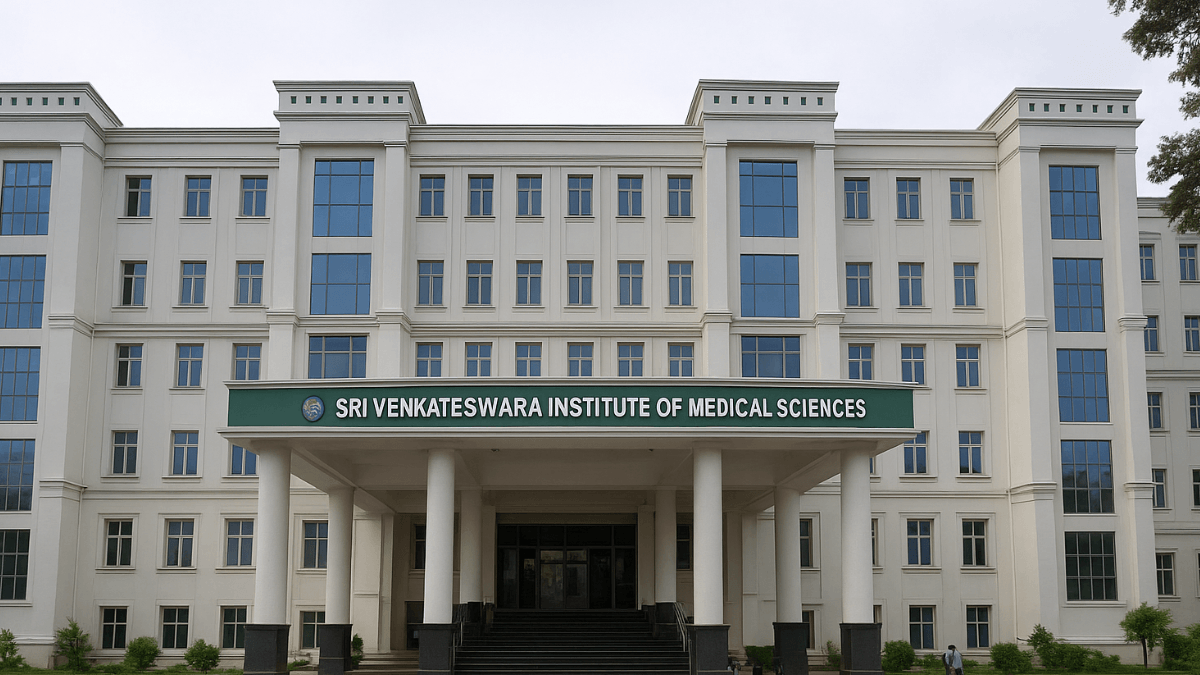
Nepal has a mix of Tribhuvan University- and Kathmandu University-affiliated medical colleges that have historically enrolled Indian students, including B.P. Koirala Institute of Health Sciences (Dharan), Kathmandu Medical College, Manipal College of Medical Sciences (Pokhara), Nobel Medical College (Biratnagar), Lumbini Medical College (Palpa), KIST Medical College (Lalitpur), Nepal Medical College (Kathmandu), Nepalgunj Medical College, and College of Medical Sciences (Bharatpur).
Colleges differ meaningfully in hospital size, patient load, faculty strength and hostel facilities. Before shortlisting any of them:
- Confirm current affiliation and intake approval directly with the college and with Nepal's Medical Education Commission.
- Check whether the specific programme is listed in the World Directory of Medical Schools (WDOMS) maintained by FAIMER/WFME. This listing is what matters for Indian and international recognition, not the country name alone.
- Ask each college for its recent FMGE/screening-exam pass rate among Indian graduates rather than relying on generic marketing claims.
What is the MBBS course structure in Nepal?
The MBBS course in Nepal runs 5.5 years in total: roughly 4.5 years of academic study followed by a mandatory 1-year rotating internship, similar in overall length to the Indian MBBS. The academic portion is typically organised into a pre-clinical phase, a para-clinical and clinical phase, and the final internship year.
- Pre-clinical phase (about 1.5 years): Anatomy, Biochemistry, Physiology.
- Para-clinical and clinical phase (about 2.5 to 3 years): Pathology, Microbiology, Pharmacology, Forensic Medicine, Community Medicine, Internal Medicine, and allied clinical subjects.
- Internship (1 year): rotations across Surgery, Pediatrics, Gynecology and Obstetrics, Internal Medicine and Community Health.
How much does MBBS in Nepal cost?
MBBS in Nepal costs Indian students an estimated INR 40 to 80 lakh for the complete 5.5-year programme, including tuition and hostel charges, though the exact figure depends heavily on the college and city. These are widely cited planning ranges, not confirmed fee-schedule figures, so always request the current, itemised fee structure directly from the college before budgeting.
| Cost head | Estimated range (INR) |
|---|---|
| Tuition fee (full course) | 40 to 80 lakh |
| Hostel charges (annual) | 50,000 to 1,00,000 |
| Monthly living costs | 5,000 to 8,000 |
| One-time costs (visa, insurance, registration) | 20,000 to 30,000 |
Living costs are generally lower in smaller college towns than in Kathmandu, and they shift with the exchange rate and local inflation, so treat the monthly figure as a rough planning baseline rather than a fixed number.
Is a Nepal MBBS degree recognised in India?
A Nepal MBBS/MD degree is not automatically valid for practice in India. Indian citizens with a foreign medical qualification must clear India's screening test for foreign medical graduates and register with the National Medical Commission or a State Medical Council before they can practise. This applies to Nepal exactly as it applies to every other foreign MBBS destination.
Under the National Medical Commission's Screening Test Regulations, a citizen of India holding a primary medical qualification from an institution outside India must pass a screening test. It's conducted twice a year, in three papers covering pre-clinical, para-clinical and clinical medicine, each requiring a minimum of 50% marks, with a maximum of three attempts allowed (National Medical Commission). Since May 2018, NMC rules also require every Indian student going abroad for MBBS to have first qualified NEET-UG. This screening exam, long known as the FMGE, remains the operative test in 2026; the planned National Exit Test (NExT) has been deferred by the NMC to a later cycle, so check the current status on nmc.org.in before you commit to any college.
One thing Nepal-MBBS marketing often gets wrong: the World Health Organization does not itself "approve" or accredit individual medical colleges. What actually matters for Indian recognition is (1) the college's listing in the World Directory of Medical Schools, and (2) clearing NMC's screening exam. On the Nepal side, medical education and doctor registration are overseen by the Nepal Medical Council, the country's statutory regulator for the medical profession.
What are the career prospects after MBBS in Nepal?
After completing the course, Indian graduates typically clear the foreign-graduate screening exam and register with a State Medical Council to practise in India, pursue NEET-PG for postgraduate specialisation, or apply for licensing exams in other countries. Options include general practice in India, PG training domestically or abroad, and roles with NGOs or public-health organisations.
- Practising in India as a registered medical practitioner after clearing the screening exam.
- Appearing for NEET-PG to pursue postgraduate specialisation in India.
- Working as a general physician in a teaching hospital or public-health setting in Nepal, subject to Nepal Medical Council registration.
- Specialising in Community Medicine, Public Health or Internal Medicine.
- Roles with international health organisations or NGOs operating in South Asia.
What are the drawbacks of studying MBBS in Nepal?
The main drawbacks of MBBS in Nepal are uneven infrastructure and clinical exposure between colleges, occasional language friction with local patients during clinical postings, and the unavoidable requirement to clear India's screening exam regardless of where you studied. Some colleges outside Kathmandu also have smaller patient loads, which can limit hands-on clinical practice.
- Infrastructure and teaching quality vary widely. A strong reputation for one college doesn't transfer to another.
- Rural or smaller-city colleges may have lower patient footfall, affecting clinical exposure.
- Local-language proficiency (Nepali) helps significantly during ward postings, even though instruction is in English.
- The FMGE requirement means the degree alone does not guarantee the right to practise in India, so plan and prepare for it from year one.
Is Europe a better alternative to Nepal for MBBS?
Europe is not automatically "better" than Nepal. It's a different trade-off: EU medical degrees generally cost more but offer standardised accreditation across the bloc, stronger research infrastructure, and degrees more portable across EU member states. Students should weigh budget, target practice country and long-term career goals rather than assuming one destination suits everyone.
If long-term practice in India via the screening exam is your only goal, Nepal's lower cost and shorter travel time are genuine advantages. If you're also weighing options for postgraduate study or practice within Europe, it's worth comparing Nepal against our MBBS in Europe guide and the 22 partner universities on our universities hub before deciding.
Final word
This pathway remains one of the more affordable, geographically convenient options for NEET-qualified Indian students, provided you go in with realistic expectations about the FMGE requirement and do college-specific due diligence rather than relying on generic country-level claims. For a wider look at study-abroad options, including within the EU, browse the futureMBBS blog, explore our MBBS abroad guide, or book a free consultation to compare Nepal against other destinations for your NEET score and budget.
Shivangi Gusain writes about medical admissions and study-abroad pathways for futureMBBS, which has guided 2,000+ Indian students across its partner network.
Related Topics
- MBBS in Nepal
- Nepal
- MBBS abroad
- NEET
- FMGE
- Indian students
- medical colleges
Related Articles
 NEET23 Sept 20266 min read
MBBS in Hungary: Fees, Top Universities & Admission 2026
MBBS in Hungary 2026: real tuition fees at Semmelweis, Debrecen and Pécs, NEET-UG eligibility, six-year duration, and how the degree is recognised in India.
 NEET23 Sept 20266 min read
MBBS in Romania 2026: Fees, Top Universities & Eligibility
MBBS in Romania 2026: real tuition at Carol Davila, Iuliu Hațieganu Cluj and Victor Babeș Timișoara, NEET-UG eligibility, six-year duration and EU recognition.
 NEET23 Sept 20267 min read
NEETsheet: Making NEET Preparation Affordable in India
NEETsheet is making NEET preparation affordable in India: complete online courses from just ₹99, with mock tests, PYQs, and performance analytics for NEET UG.