NEET
Crimea Federal University MBBS: An Honest 2026 Guide
23 Sept 2026
11 min read
Crimea Federal University MBBS for Indian students: territorial status, NMC/WDOMS recognition, FMGE data, safety record, and futureMBBS's 9 EU alternatives.

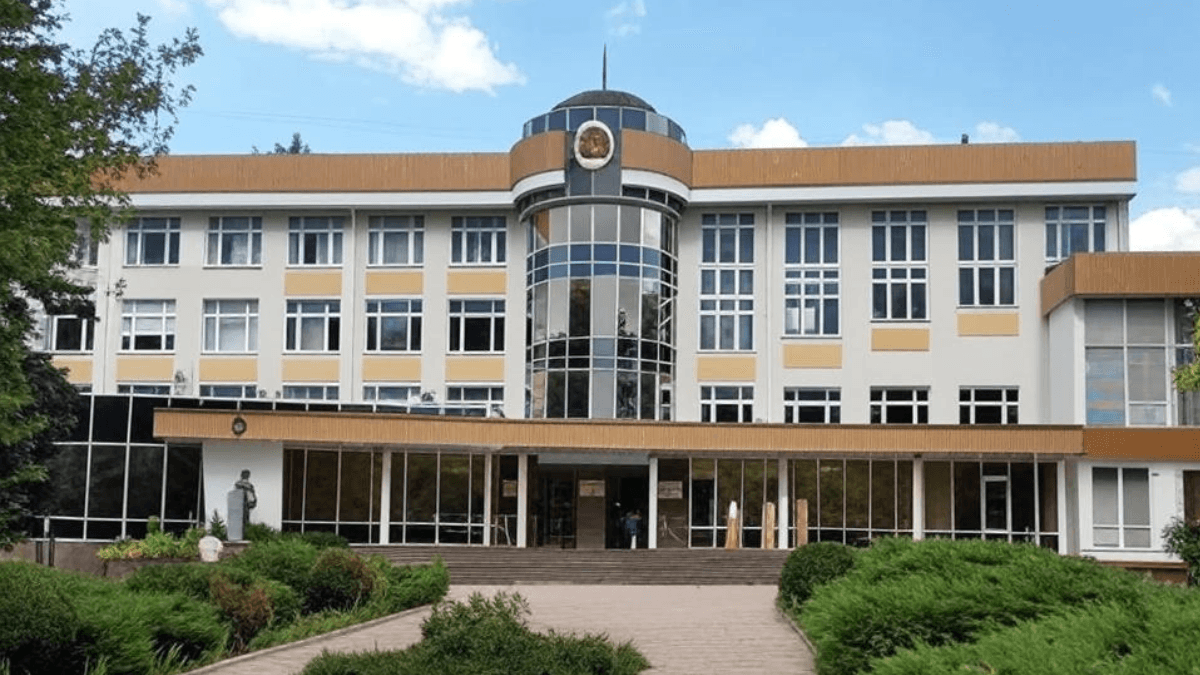
Crimea Federal University, formally V.I. Vernadsky Crimean Federal University, is a large public university in Simferopol offering an English-medium General Medicine programme to international students, on a peninsula administered by Russia since 2014 in a move not recognised as legitimate by the United Nations, the European Union, or most of the international community, which continues to treat Crimea as occupied Ukrainian territory. Russia is not one of the 9 EU countries futureMBBS places students into, so this guide covers Crimea Federal University honestly, on territorial status, recognition, degree type, and FMGE outcomes, rather than presenting it as a service we offer.
Key Takeaways
- Crimea Federal University sits in Simferopol, on a peninsula that Russia has administered since annexing it from Ukraine in 2014, a move the UN General Assembly and most states still do not recognise; the university itself enrols over 32,000 students, including roughly 3,000 from about 54 countries.
- Russia sits outside futureMBBS's 9 EU partner countries (Czech Republic, Hungary, Slovakia, Poland, Croatia, Latvia, Lithuania, Cyprus, Romania); this article is informational, not a placement offer.
- Ministry of External Affairs data reported to Parliament shows complaints from Indian students in Russia rose sharply, from 68 in 2023 to 201 in 2025, out of roughly 350 total complaints logged globally that year.
- Recent aggregator-reported FMGE data puts Crimea Federal University among Russia's stronger performers, with a pass rate cited around 55-61% in 2025 reporting, well above Russia's national average, though futureMBBS has not independently verified this figure against NBE's own published data this session.
- Recognition depends on the specific university's World Directory of Medical Schools (WDOMS) listing under NMC's FMGL 2021 rules, not a country-wide approval or a WHO endorsement, which the WHO itself does not issue for medical schools; Crimea's disputed status adds an extra layer of due diligence a student should not skip.
What Is Crimea Federal University, and Where Exactly Is It?
Crimea Federal University is a large public university in Simferopol, on the Crimean peninsula, formed in 2014 through the merger of Taurida National University with several other regional institutions and named after the mineralogist V.I. Vernadsky. It enrols more than 32,000 students in total, including an international cohort of roughly 3,000 students from about 54 countries, with medicine taught through a dedicated medical institute offering a 6-year, English-medium General Medicine track.
The location matters for reasons beyond geography. Crimea has been administered by Russia since 2014, following a referendum and annexation that the United Nations General Assembly, the European Union, the United States, and most member states have never recognised as legitimate; as of 2026 the UN and most governments continue to treat Crimea as occupied Ukrainian territory rather than lawfully transferred Russian territory, even though day-to-day administration, including of universities, runs through Russian institutions. A student evaluating Crimea Federal University is therefore evaluating a Russian-administered university on legally disputed territory, not a straightforward Russian regional campus, and that distinction is worth understanding before anything else on this page.
Is Crimea Federal University Recognised by NMC and WDOMS?
Recognition for any foreign medical university is decided institution-by-institution, not country-by-country: a specific university must appear on the World Directory of Medical Schools (WDOMS), maintained jointly by the World Federation for Medical Education (WFME) and FAIMER, for its graduates to be eligible to sit India's FMGE screening test. Education-abroad consultancy sites describe Crimea Federal University as NMC-recognised and WDOMS-listed, but futureMBBS has not independently re-verified that listing against the live database this session, so confirm it yourself at wdoms.org before relying on it.
The disputed territorial status adds a real, separate risk layer. Because most of the international community does not recognise Russian sovereignty over Crimea, some multinational bodies and licensing authorities treat degrees from Crimea-based institutions with extra caution; several consultancy sources note that Crimea Federal University's degree is not currently accepted toward USMLE or UK PLAB pathways, even where an NMC/FMGE route may work. Several pages also still describe the university as "WHO approved." That framing is outdated: the World Health Organization does not operate a medical-school directory or approval process itself. The operative authority is WFME/FAIMER's WDOMS, and it is that listing, not a WHO stamp, that NMC's Foreign Medical Graduate Licentiate (FMGL) Regulations, 2021 actually require.
Does futureMBBS Place Students at Crimea Federal University?
No. futureMBBS's placement network is limited to 9 EU countries, Czech Republic, Hungary, Slovakia, Poland, Croatia, Latvia, Lithuania, Cyprus and Romania, across 22 partner universities, and Russia, including Crimea, is not among them. We do not provide admission support, on-the-ground assistance, or vetted placement at Crimea Federal University or any other Russian institution.
This guide exists because search demand for Crimea Federal University is real, not because we are recommending it. If you are weighing Russia against an EU option, see how the same recognition and outcome questions play out in our MBBS abroad guide.
How Safe Is Studying in Russia, and at Crimea Specifically, Right Now?
Safety is a genuine, current concern for Indian students studying in Russia broadly, not marketing noise. Ministry of External Affairs data presented in Parliament shows Indian students logged around 350 complaints of exploitation, harassment and racial abuse across 196 countries in 2025, and more than 200 of those, over half the global total, came from Russia alone, up sharply from 68 complaints in 2023 and 78 in 2024. futureMBBS has also documented a case of over 200 Indian students dismissed mid-course from a different Russian university in 2025, in our report on mass expulsions of medical students in Russia, and separately covered a February 2026 stabbing at a student dormitory that injured Indian students at another Russian institution.
Crimea carries an additional, distinct risk layer beyond these Russia-wide safety concerns: it sits in a territory whose sovereignty is actively disputed, which has historically meant periodic security tightening, travel and banking restrictions tied to international sanctions regimes, and limited consular access for foreign nationals compared with mainland Russian cities. We found no incident reports specific to Crimea Federal University itself this session, but the combination of Russia-wide safety trends and Crimea's unresolved territorial status both deserve independent, current verification, not a consultancy's static safety claim, before anyone commits to enrolling.
What Degree Do Students Actually Receive?
Graduates of Crimea Federal University's programme typically receive a diploma in General Medicine rather than a degree literally titled "MBBS." Under NMC's FMGL 2021 regulations, this is treated as an MBBS-equivalent primary medical qualification only if the course runs at least 54 months plus a 12-month internship at the same institution, is taught fully in English, and the university remains listed on WDOMS at the time of graduation. As with most Russian medical universities, clinical rotations from the third year onward increasingly involve Russian-speaking patients and staff, so confirm directly with the university how much of the course is genuinely delivered in English.
How Do FMGE Outcomes Compare for Crimea Federal University Graduates?
FMGE pass rates for Russian-university graduates vary widely by institution. The National Board of Examinations reported a national average of roughly 29.5% for the 2024 cycle, with a small number of universities performing far above that average. Recent aggregator reporting for the 2025 cycle places Crimea Federal University among the stronger performers, with a cited pass rate in the roughly 55-61% range, alongside Kazan Federal University as another frequently cited top performer.
| Period | Approx. FMGE pass rate | Notes |
|---|---|---|
| 2024 cycle (NBEMS-linked reporting, Russia-wide) | ~29.5% | National average across all Russian universities |
| Crimea Federal University (2025 aggregator reporting) | ~55-61% | Cited as one of Russia's stronger performers; not independently verified against NBE's own published data this session |
| FMGE January 2026 (all countries, national) | 25.40% | 2026 cycle-wide NBE figure, for comparison |
| FMGE June 2026 (all countries, national) | 12.77% | Sharp decline from the January 2026 cycle |
A strong aggregator-reported figure is still not the same as an NBE-confirmed, university-specific, multi-year track record. Request the institution's own results directly and treat any single-cycle number, however favourable, with appropriate caution.
What Should You Check Before Considering Crimea Federal University?
If you are still weighing Crimea Federal University against other options, work through the same checklist futureMBBS uses internally before evaluating any non-partner university, with one addition specific to Crimea's status.
- Confirm Crimea Federal University's current listing at wdoms.org rather than trusting a consultancy's static claim.
- Understand that Crimea is administered by Russia but not internationally recognised as Russian territory; this affects banking, travel, visa processing routes, and some licensing pathways such as USMLE or PLAB.
- Ask what share of the 6-year course, especially the clinical years, is genuinely taught in English versus Russian.
- Request the university's own FMGE pass-rate data for the last 2-3 sessions, not an aggregator's single-cycle figure or a Russia-wide average.
- Check current Ministry of External Affairs advisories for Russia, and separately research Crimea-specific travel and consular-access conditions, before enrolling.
- Obtain your NMC Eligibility Certificate before enrolling, a requirement for every Indian student pursuing a foreign medical degree, regardless of country.
Why Do futureMBBS's 9 EU Countries Make a Stronger Alternative?
For students who want an English-medium MBBS-equivalent degree, straightforward EU-recognised territorial status, and an active, vetted support pathway, futureMBBS's 9 EU countries, rather than Russia, are what we actively place students into. Every partner university sits inside an EU member state, so oversight runs through that country's own higher-education and medical-accreditation authorities rather than resting on a WDOMS listing a consultancy may not have re-verified, and none of it carries the added territorial-recognition complications Crimea does. See our guide to studying MBBS in Hungary for how that plays out for one EU partner country, read our coverage of Northern State Medical University for how these same questions apply elsewhere in Russia, or see the full disadvantages of studying MBBS in Russia for the risk side of this comparison in more depth.
Related Topics
- Crimea Federal University
- MBBS in Russia
- NMC recognition
- FMGE
- futureMBBS
Related Articles
 NEET23 Sept 20266 min read
MBBS in Hungary: Fees, Top Universities & Admission 2026
MBBS in Hungary 2026: real tuition fees at Semmelweis, Debrecen and Pécs, NEET-UG eligibility, six-year duration, and how the degree is recognised in India.
 NEET23 Sept 20266 min read
MBBS in Romania 2026: Fees, Top Universities & Eligibility
MBBS in Romania 2026: real tuition at Carol Davila, Iuliu Hațieganu Cluj and Victor Babeș Timișoara, NEET-UG eligibility, six-year duration and EU recognition.
 NEET23 Sept 20267 min read
NEETsheet: Making NEET Preparation Affordable in India
NEETsheet is making NEET preparation affordable in India: complete online courses from just ₹99, with mock tests, PYQs, and performance analytics for NEET UG.