Guides & Tips
How to Become an Ultrasound Doctor: MBBS to Radiologist
3 Aug 2026
8 min read
How to become an ultrasound doctor in India: the real MBBS, NEET-PG and MD/DNB Radiodiagnosis path, sonographer alternatives, PCPNDT rules and career scope.
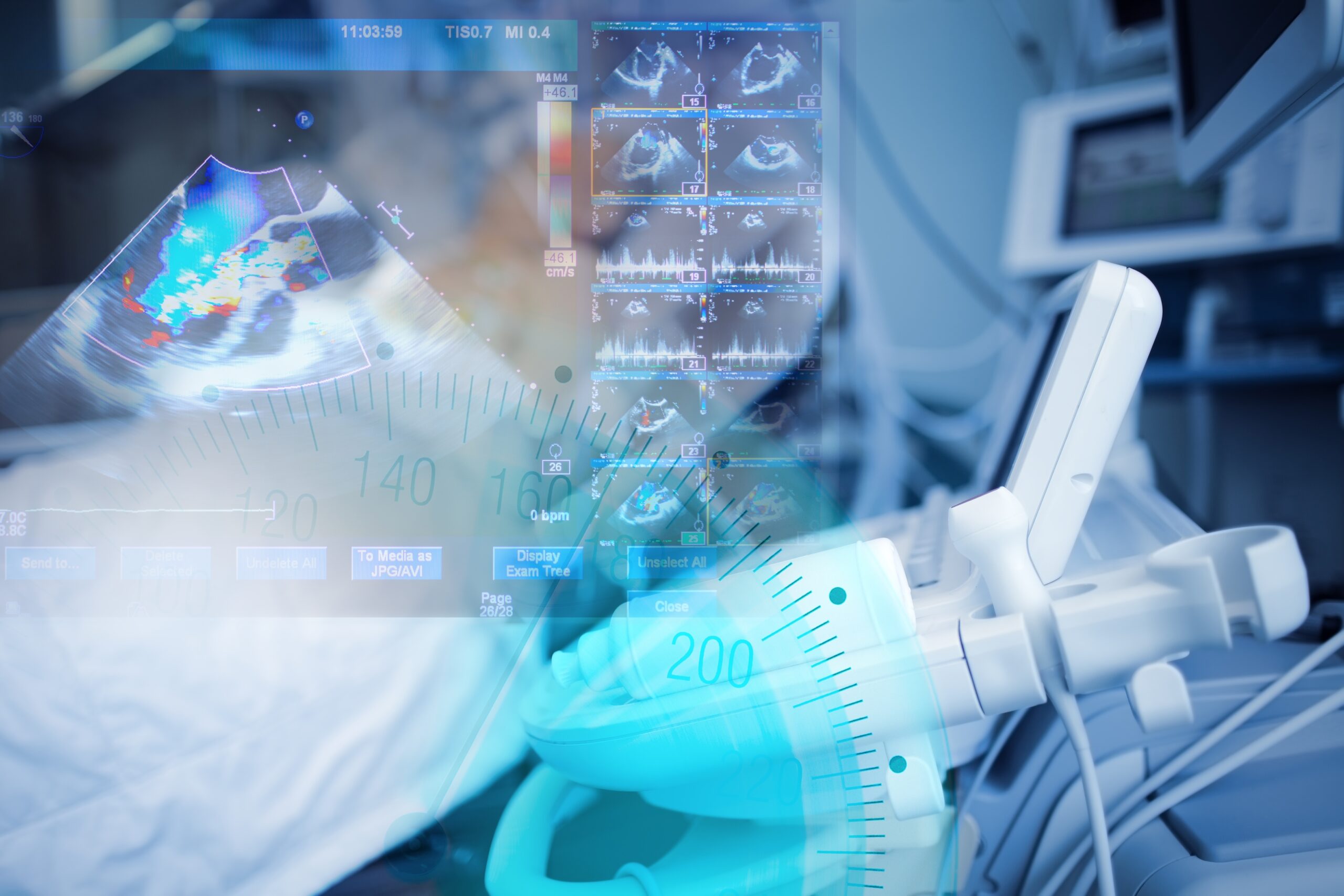
How to Become an Ultrasound Doctor: MBBS to Radiologist
There is no official Indian medical qualification literally called "ultrasound doctor." The real, regulated path to become an ultrasound doctor who can independently scan and sign off on reports is MBBS (via NEET-UG) followed by NEET-PG and a 3-year MD or DNB in Radiodiagnosis, which is the postgraduate qualification that makes you a radiologist. A separate, shorter allied-health route trains sonographers or ultrasound technicians, but under India's PCPNDT Act, only qualified radiologists or obstetrician-gynaecologists can legally sign an ultrasound report. This guide lays out both routes honestly, with real durations, exams, and career scope.
Key Takeaways
There's no separate "ultrasound doctor" degree in India — the qualified route is MBBS → NEET-PG → MD/DNB Radiodiagnosis (3 years), making you a radiologist who reports ultrasound, CT, MRI and X-ray.
A non-MBBS sonographer/ultrasound technician route exists (diploma or B.Sc courses), but under the PCPNDT Act, 1994, only a doctor with a recognised postgraduate qualification in radiology or obstetrics/gynaecology can legally sign an independent ultrasound report.
DNB Radiodiagnosis is run by the National Board of Examinations (NBE); in the 2025 post-diploma cycle NBE listed roughly 1,073 seats across 14 specialties nationwide, with 168 of the final mop-up round seats specifically in radio diagnosis.
India is widely estimated to have around 20,000-22,000 practising radiologists for a population of roughly 1.4 billion — a ratio far below high-income countries, which keeps demand for qualified radiologists strong.
Students who complete MBBS abroad through an NMC-recognised university follow the exact same NEET-PG route back in India to qualify as a radiologist.
What Does It Actually Mean to Become an Ultrasound Doctor?
An "ultrasound doctor" is a popular, informal term, not a registered medical qualification in India. The professional who is legally and clinically equipped to independently perform, interpret and report a diagnostic ultrasound scan is a radiologist — a physician who has completed MBBS and then an MD or DNB in Radiodiagnosis through NEET-PG, conducted by the National Board of Examinations.
That distinction matters because plenty of course marketing uses "ultrasound doctor" loosely to describe diploma-level sonography training. Those diplomas teach valuable technical skills, but they do not, on their own, make someone a radiologist or entitle them to sign an independent scan report under Indian law — a point students researching "how to become an ultrasound doctor" often miss until well into a course.
What Is the Step-by-Step Path From MBBS to Radiologist?
The qualified route to become an ultrasound doctor runs through five checkpoints: Class 12 with PCB, NEET-UG, MBBS, NEET-PG, and a 3-year MD or DNB in Radiodiagnosis, per the course structures published by the National Medical Commission (NMC) and NBE. Skipping any step blocks progress to the next, and there is no shortcut for the postgraduate seat.
Complete Class 12 with Physics, Chemistry and Biology (PCB) and qualify NEET-UG, the mandatory national entrance exam for every MBBS seat in India.
Complete MBBS — 4.5 years of academic study plus a compulsory 1-year rotating internship, a total of roughly 5.5 years, under NMC course-duration rules.
Qualify NEET-PG, the national postgraduate entrance test conducted by NBE, to secure an MD or DNB seat.
Complete a 3-year MD or DNB in Radiodiagnosis, which trains you across ultrasound, X-ray, CT and MRI interpretation, plus basic interventional procedures.
Register with the NMC or your State Medical Council to practise as a radiologist, and optionally add a fellowship in a sub-speciality such as obstetric or musculoskeletal imaging.
What Is the Non-MBBS Sonographer Pathway, and What Are Its Legal Limits?
Sonographer and ultrasound-technician courses are shorter, non-medical routes: diploma programs of around six months to a year, or 3-4 year B.Sc courses in Medical Imaging Technology or Radiology, open to Class 12 students. These graduates operate scanning equipment and support radiologists but generally cannot independently sign an ultrasound report.
That limit comes from India's Pre-Conception and Pre-Natal Diagnostic Techniques (Prohibition of Sex Selection) Act, 1994 (PCPNDT Act), passed to curb sex-selective abortion. Under the Act's rules, a qualified "sonologist or imaging specialist" needs a recognised postgraduate degree or diploma in radiology, imaging technology or obstetrics/gynaecology — or, in a narrower alternate provision, documented short-term training or experience in sonography, a definition that has itself been debated by radiology bodies for its ambiguity, according to a peer-reviewed review of the Act published on PubMed Central. In practice, most diagnostic centres require an MD/DNB Radiodiagnosis or Ob-Gyn qualification to legally authorise scans.
Sonography and Radiology Courses Compared
Course | Typical eligibility | Duration | Can independently sign ultrasound reports (per PCPNDT rules)? |
|---|---|---|---|
Ultrasound/Sonography Diploma | Class 12, any stream | ~6 months-1 year | Generally no |
B.Sc Medical Imaging Technology / Radiology | Class 12 with PCB, 50%+ | 3-4 years | Generally no (technologist role) |
MBBS | Class 12 with PCB + NEET-UG | ~5.5 years incl. internship | No (needs PG qualification) |
MD/DNB Radiodiagnosis | MBBS + NEET-PG | 3 years | Yes — recognised radiologist |
MD/DNB Obstetrics & Gynaecology | MBBS + NEET-PG | 3 years | Yes, for obstetric ultrasound |
How Long and How Much Does It Cost to Qualify?
Becoming a radiologist who can independently report ultrasound scans takes a minimum of roughly 8.5 years after Class 12 — 5.5 years for MBBS including internship, plus 3 years for MD/DNB Radiodiagnosis via NEET-PG. The non-MBBS sonographer route is far faster, at 6 months to 4 years depending on the course, but carries the legal reporting limits described above, so weigh time against scope of practice, not just speed.
Government medical colleges such as AIIMS New Delhi or King George's Medical University, Lucknow charge as little as ₹20,000-₹1 lakh a year for allied radiography/imaging B.Sc courses, while private universities such as Manipal or Amity typically charge ₹1.2-₹3 lakh a year for comparable programs; MD/DNB seats in government hospitals cost far less than private ones but are intensely competitive through NEET-PG.
What Do Ultrasound Doctors and Sonographers Earn in India?
Pay varies widely by qualification, specialisation, city and employer type, with radiologists (MD/DNB Radiodiagnosis) earning substantially more than allied sonographers or technicians, reflecting the extra years of medical training and legal reporting authority. There's no single official government salary survey, so treat any figure, including the ranges below, as an indicative market estimate rather than a guarantee.
Role | Typical annual pay (India, indicative) |
|---|---|
Ultrasound/sonography technician (diploma) | ₹2.5-₹6 lakh |
Radiographer/imaging technologist (B.Sc) | ₹3-₹6 lakh |
Specialised sonographer (vascular, cardiac) | ₹4-₹12 lakh |
Radiologist (MD/DNB Radiodiagnosis) | Significantly higher, rising steeply with experience, city and private practice/interventional work |
Should You Consider MBBS Abroad to Reach Radiology Sooner?
Where you study MBBS doesn't change the India-side steps to become a radiologist — you still need NEET-PG and a 3-year MD/DNB in Radiodiagnosis afterward. What matters is that your MBBS is from an NMC-eligible, WHO-listed university, so you can register with the NMC and sit NEET-PG on return. For students who don't clear NEET-UG for an Indian government seat, or who want a more structured admission process, MBBS in Europe at an NMC-recognised university is a realistic alternative that keeps the radiology pathway fully open.
futureMBBS places Indian students into MBBS programs across our 9 EU partner countries — including Charles University Prague, Semmelweis University Budapest and Medical University Poznań — with the same NEET-PG route back to specialisations like Radiodiagnosis. Explore our MBBS abroad guide and partner universities list, or book a free consultation to see how your NEET-UG score fits. If you're still preparing for NEET-UG itself, our NEET hub and sister platform NEETsheet cover exam strategy in depth.
Sources
National Board of Examinations (NBE) — official portal: https://natboard.edu.in/
National Medical Commission — official portal: https://www.nmc.org.in/
Related Topics
- ultrasound doctor
- MD Radiodiagnosis
- NEET-PG
- sonography
- futureMBBS
- medical careers
Related Articles
 Guides & Tips24 Aug 202615 min read
Erasmus Exchange for MBBS Students in Europe: 2026 Guide
An Erasmus exchange lets medical students in the EU study up to 24 months in another country, with no extra tuition and an EU grant of 225-674 EUR a month.
 Guides & Tips19 Aug 202613 min read
Education Remittance for MBBS in Europe: 2026 Rules
Planning an education remittance for MBBS in Europe? Check the LRS limit, the 5% TCS rule above Rs 10 lakh and the bank steps before you send any fees.
 Guides & Tips17 Aug 202613 min read
Apostille for MBBS in Europe 2026: Document Checklist
Getting an apostille for MBBS in Europe? Follow the exact MEA steps, the Rs 50 fee, nostrification rules and the timeline Indian students must start now.